Comprehensive Scrap Metal Shear Troubleshooting and Routine Maintenance Guide

The Critical Role of Maintenance in Scrap Metal Processing
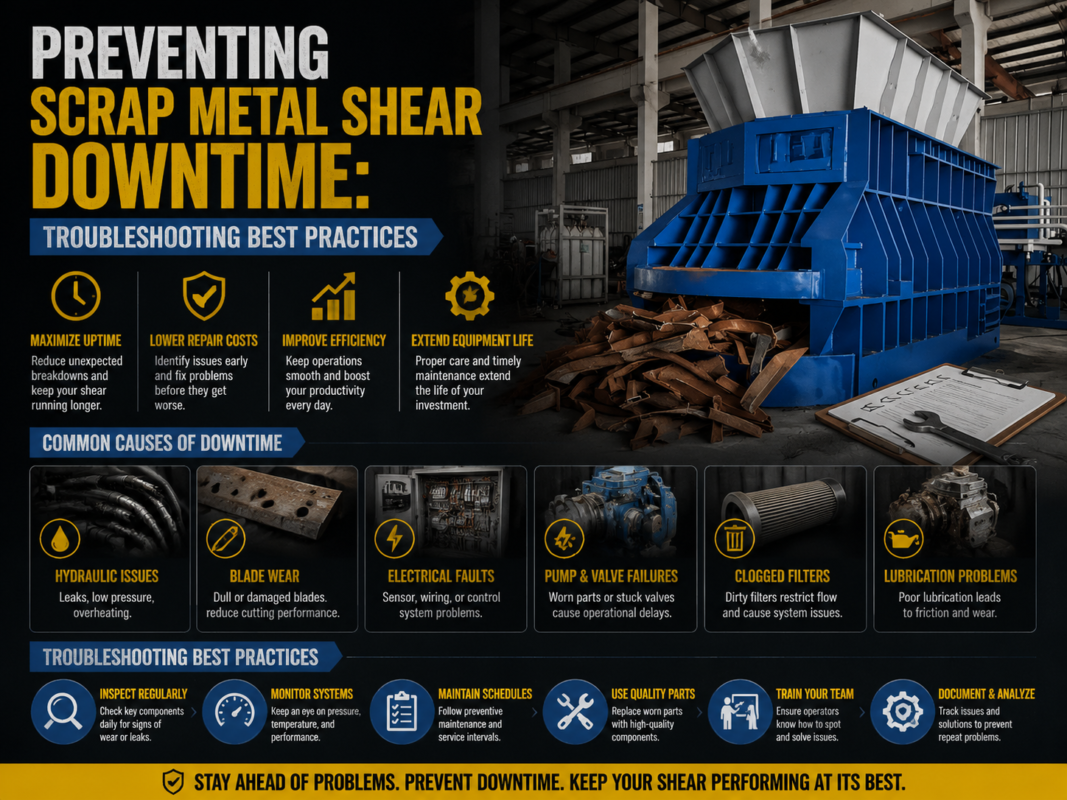
In the high-intensity world of metal recycling, the scrap metal shear is the workhorse of the yard. Whether it is a gantry shear, an alligator shear, or a container shear, these machines are subjected to immense pressures and abrasive environments daily. Implementing a rigorous Scrap Metal Shear Troubleshooting Routine Maintenance program is not merely a suggestion; it is a fundamental requirement for operational profitability. Without consistent care, even the most robust HARSLE machinery can succumb to premature wear, leading to costly downtime and safety hazards.
The primary objective of a maintenance guide is to transition from reactive repairs to proactive prevention. When a machine breaks down unexpectedly, the costs are multifaceted: lost production time, emergency repair labor, expedited shipping for parts, and potential damage to secondary components. By following a structured maintenance plan, operators can identify minor issues—such as a weeping seal or a slightly loose bolt—before they escalate into catastrophic failures like a blown hydraulic pump or a cracked shear frame.
Furthermore, well-maintained equipment retains a significantly higher resale value. In the industrial machinery market, a documented service history is a testament to the machine’s reliability. For HARSLE customers, maintaining their scrap metal shear ensures that the precision-engineered components continue to operate within their designed tolerances, providing clean cuts and efficient cycle times for years to come. This guide serves as a comprehensive roadmap for operators and maintenance technicians to maximize the lifespan of their heavy-duty shearing equipment.
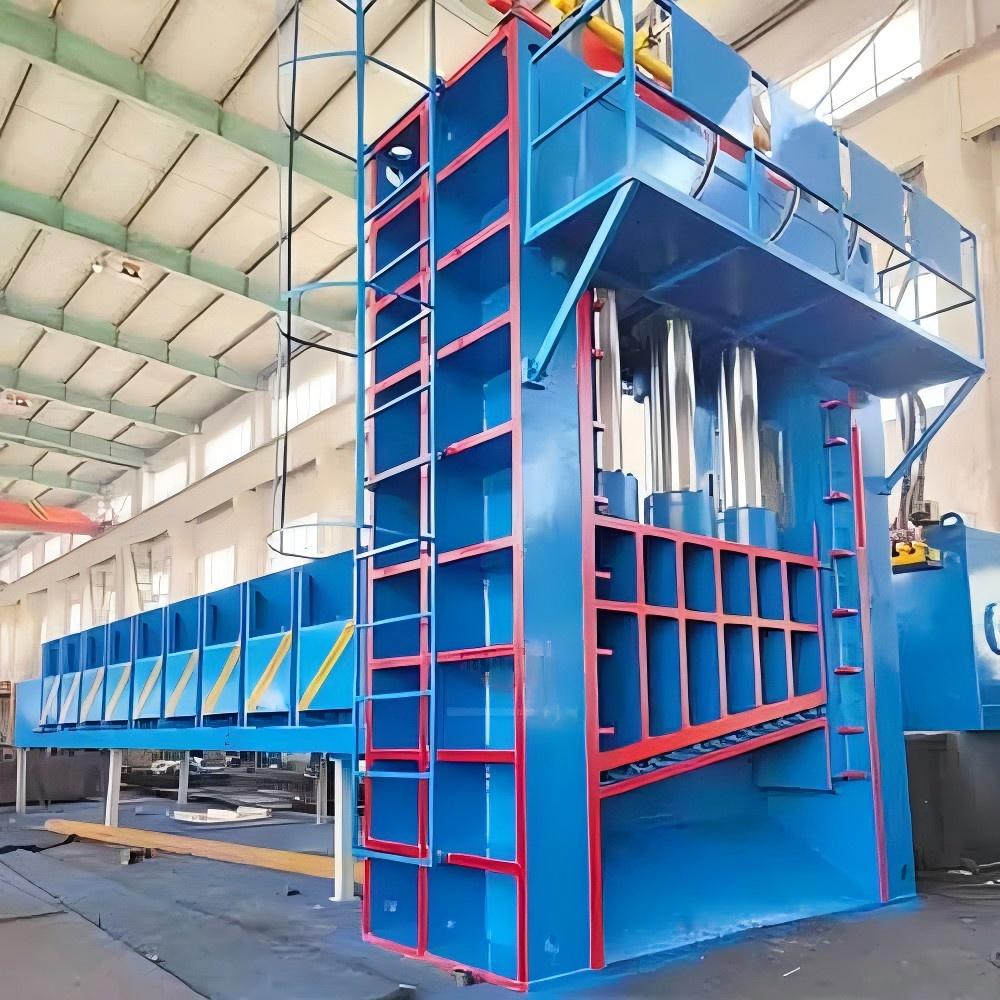
Daily Inspection: The First Line of Defense
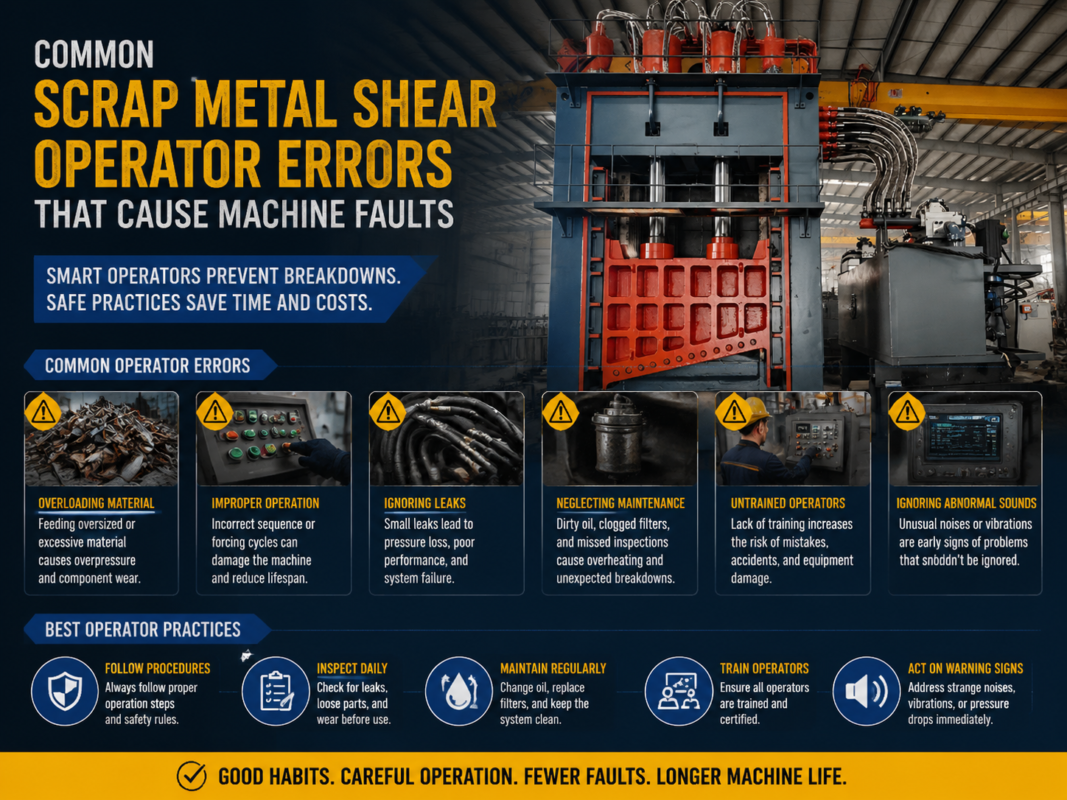
The daily inspection is perhaps the most critical component of Scrap Metal Shear Troubleshooting Routine Maintenance. It should be performed at the start of every shift before the machine is powered on. This visual and physical walk-around allows the operator to become intimately familiar with the machine’s “normal” state, making it easier to spot anomalies. The focus here is on safety and the detection of obvious mechanical or hydraulic issues.
Start by checking the area around the machine for any signs of fluid leaks. Hydraulic oil on the floor is a clear indicator of a compromised hose, fitting, or seal. Even a small leak can lead to significant oil loss over time and poses a fire hazard in a scrap yard environment. Next, inspect the shear blades. Look for chips, cracks, or excessive rounding of the cutting edges. Dull blades increase the force required to cut, which puts unnecessary strain on the hydraulic cylinders and the machine frame.
Check all structural bolts and fasteners, particularly those around the blade seats and the main pivot points. The vibration and impact forces inherent in shearing scrap metal can loosen even the most secure bolts. A loose blade can cause catastrophic damage to the shear head. Additionally, ensure that all safety guards are in place and that the emergency stop buttons are functional. A quick test of the safety systems ensures that the machine can be shut down instantly in the event of an emergency.
Hydraulic System Maintenance and Optimization
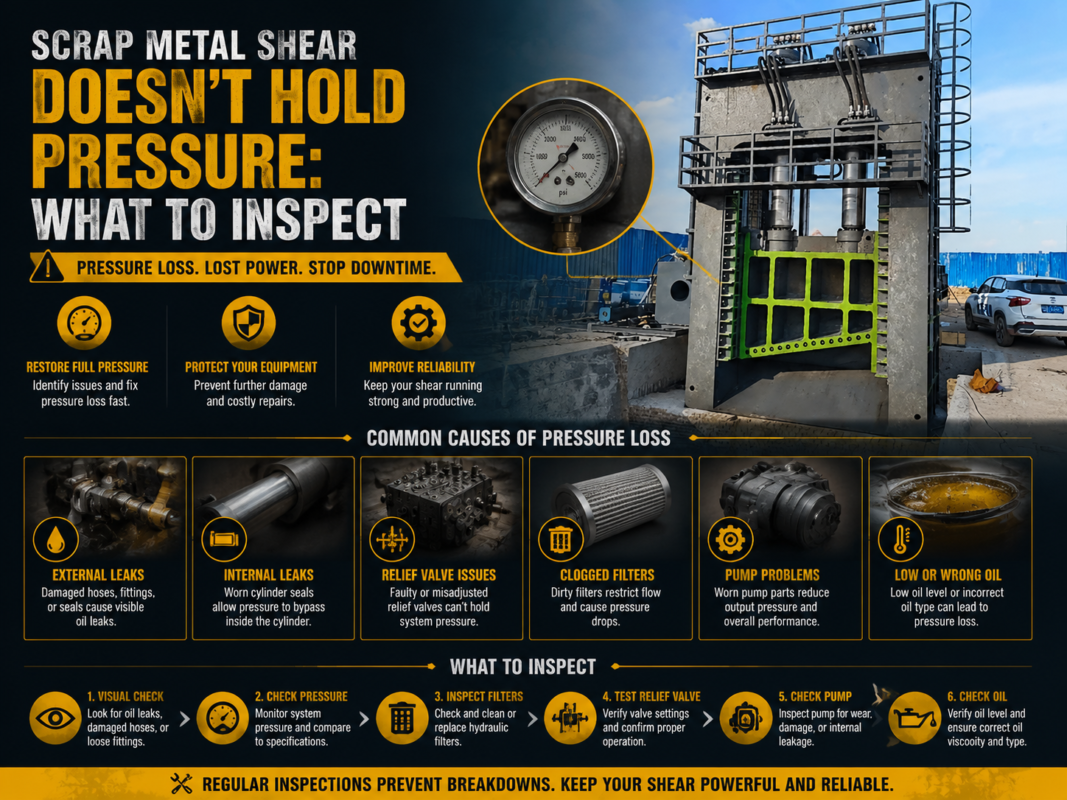
The hydraulic system is the heart of the scrap metal shear. It converts electrical energy into the massive mechanical force required to slice through steel beams and heavy plate. Maintaining the health of this system is paramount. The most important factor in hydraulic longevity is oil cleanliness. Contamination—whether from dust, metal particles, or moisture—is the leading cause of hydraulic component failure. Regularly check the oil level and the condition of the hydraulic fluid. If the oil appears milky, it is contaminated with water; if it smells burnt or looks dark, it has oxidized and lost its lubricating properties.
Filter replacement is a non-negotiable aspect of the Scrap Metal Shear Troubleshooting Routine Maintenance. Most modern shears are equipped with suction filters, return line filters, and sometimes high-pressure filters. These should be changed according to the manufacturer’s schedule or whenever the filter clogging indicator is triggered. Neglecting filter changes allows contaminants to circulate through the sensitive valves and pumps, leading to internal scoring and loss of pressure.
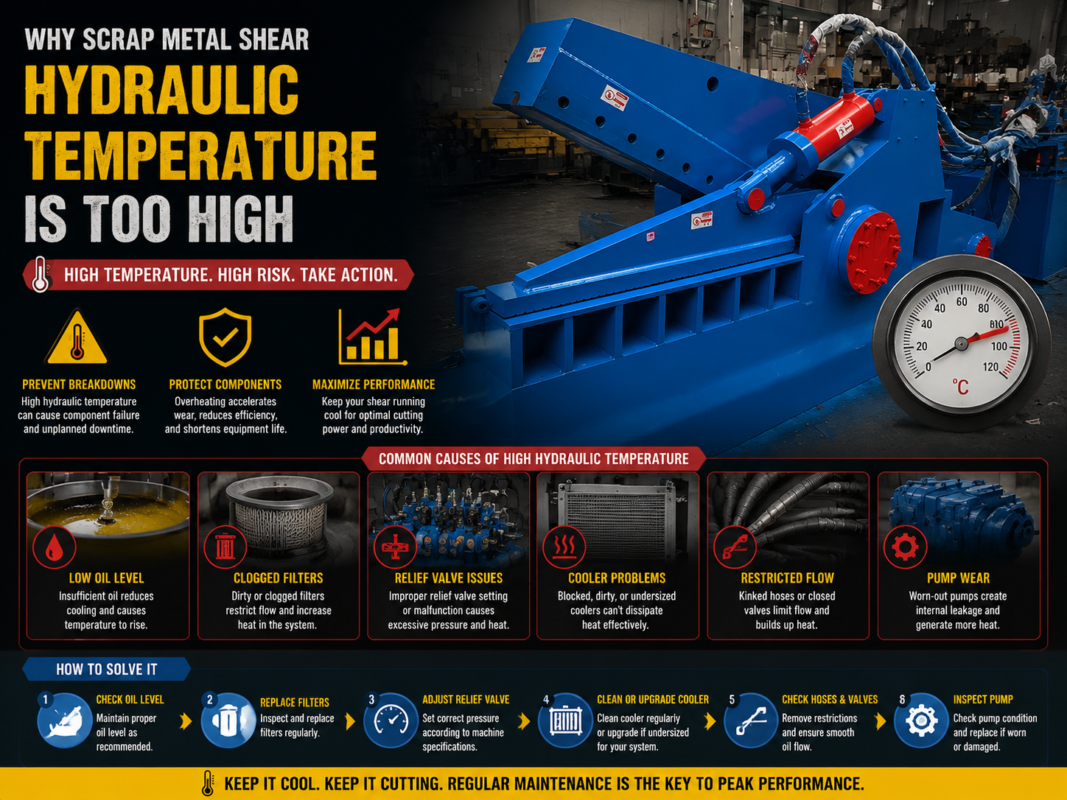
Temperature management is another critical aspect. Hydraulic systems generate heat, but excessive heat (typically above 60°C or 140°F) thins the oil, reduces lubrication, and damages seals. Ensure that the oil cooler is clean and that the cooling fans are operating correctly. In dusty environments, the fins of the heat exchanger can quickly become clogged with debris, significantly reducing cooling efficiency. Regularly blowing out the cooler with compressed air can prevent overheating issues.
Electrical System and Control Logic Checks
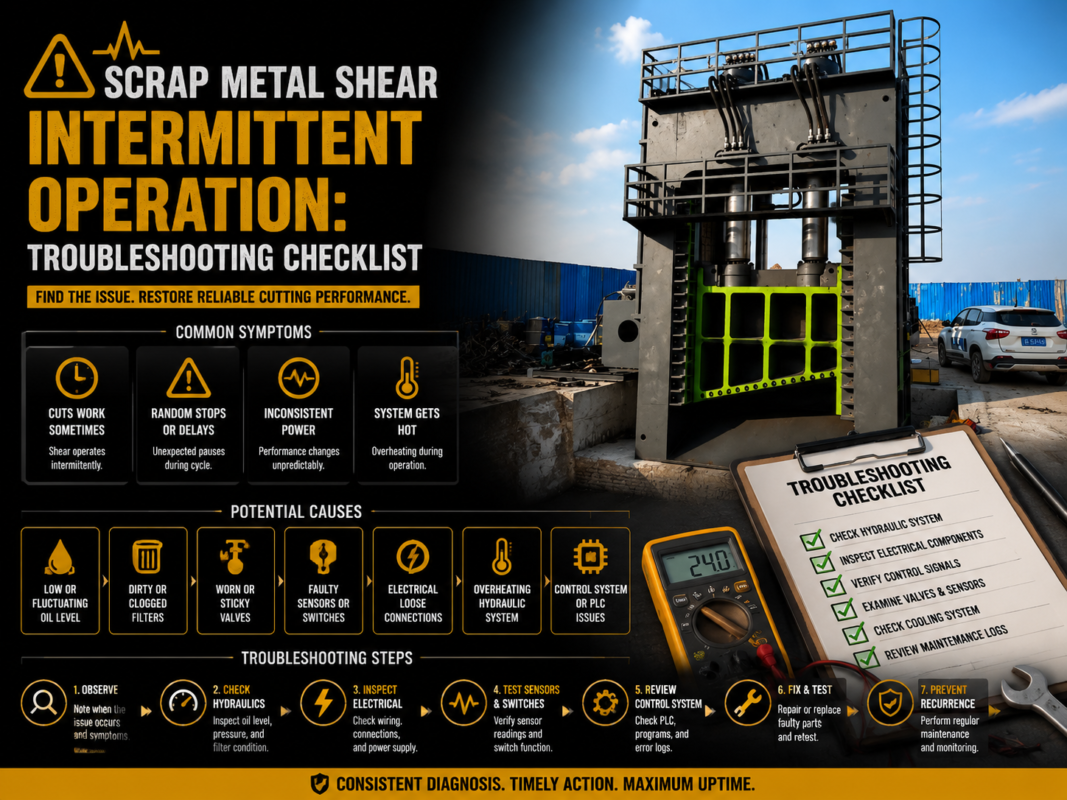
While the hydraulic system provides the brawn, the electrical system provides the brains. Modern HARSLE shears utilize sophisticated PLC (Programmable Logic Controller) systems to manage cycle times, pressure settings, and safety interlocks. Routine electrical maintenance involves inspecting the control cabinet for dust accumulation and ensuring that all wire terminations are tight. Vibrations can cause wires to vibrate loose from their terminals, leading to intermittent faults that are notoriously difficult to diagnose.
Inspect the condition of all external sensors, such as limit switches and proximity sensors. These components tell the PLC the position of the shear ram and the hold-down device. If a sensor is misaligned or coated in grease and metal dust, it may send false signals, causing the machine to stop mid-cycle or fail to start. Cleaning these sensors and checking their mounting brackets should be a weekly task.
Furthermore, check the condition of the electric motor. Listen for unusual bearing noises and ensure that the motor’s cooling fan is clear of obstructions. High-voltage connections should be inspected by a qualified electrician periodically to check for signs of arcing or heat damage. Maintaining a stable electrical supply and clean control signals ensures that the shear operates with the precision and speed intended by the engineers.
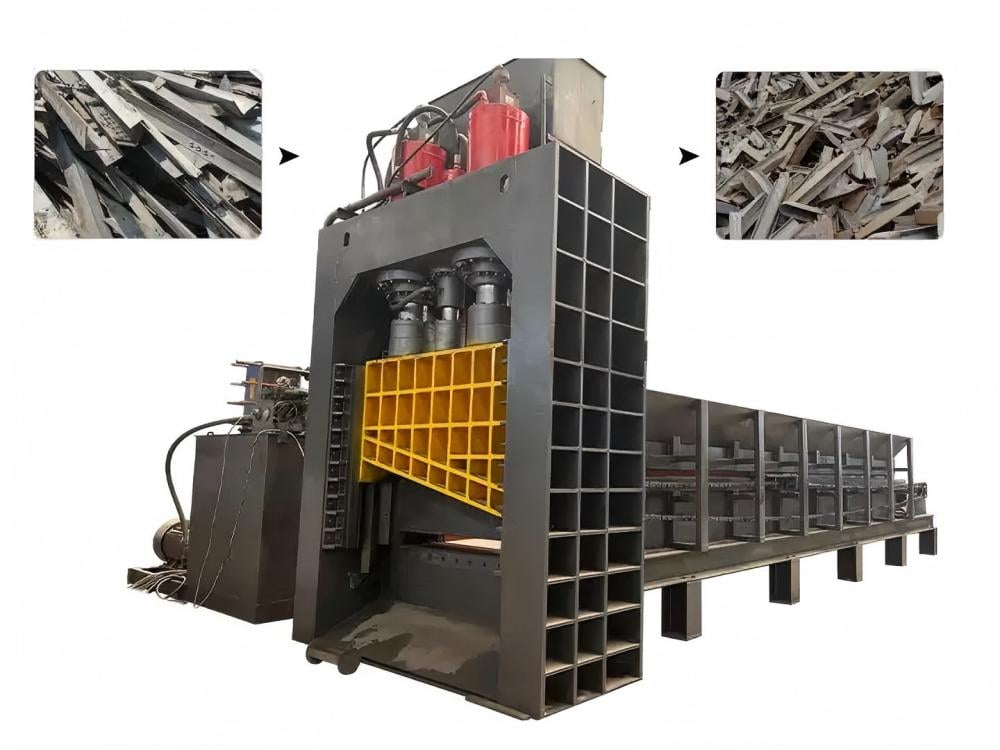
Mechanical Components and Blade Care
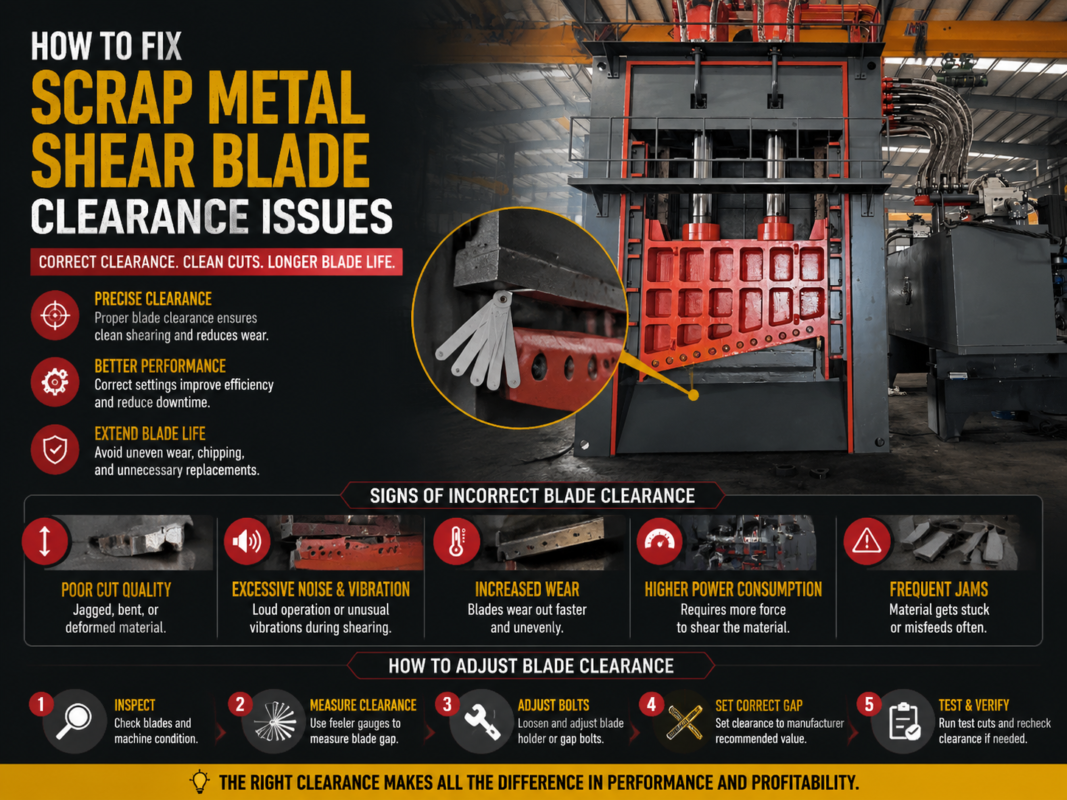
The mechanical integrity of the shear depends on the condition of its moving parts and the precision of the blade gap. The blade gap—the distance between the moving blade and the fixed blade—is critical for a clean cut. If the gap is too wide, the metal will bend or “fold” between the blades rather than being sheared, which can jam the machine and damage the blade seats. If the gap is too narrow, the blades may rub against each other, causing rapid wear and potential chipping.
Regularly measure the blade gap using feeler gauges at multiple points along the length of the blades. Adjustments should be made according to the thickness and type of material being processed. Most HARSLE shears feature adjustment bolts or shims to fine-tune this gap. Additionally, the blades themselves must be rotated or sharpened regularly. Most shear blades have four cutting edges; once one edge is dull, the blade can be flipped to a fresh edge. Once all four edges are worn, the blades must be professionally ground to restore their profile.
Beyond the blades, inspect the wear plates and gibs that guide the shear ram. These plates are designed to be sacrificial, wearing down over time to protect the main frame. If the wear plates become too thin, the ram will develop excessive play, leading to inaccurate cuts and increased stress on the hydraulic cylinders. Lubricating these sliding surfaces is essential to minimize friction and heat buildup.
Comprehensive Lubrication Plan
Effective lubrication is the simplest yet most often neglected part of Scrap Metal Shear Troubleshooting Routine Maintenance. A scrap metal shear has numerous pivot points, bushings, and sliding surfaces that operate under extreme loads. Without a consistent film of grease, these metal-on-metal contacts will quickly gall and seize. A lubrication plan should specify the type of grease to be used (typically a high-pressure lithium-based grease) and the frequency of application for each point.
Many large shears are equipped with automatic lubrication systems. While these systems reduce the manual labor involved, they are not “set and forget.” Operators must regularly check the grease reservoir level and verify that grease is actually reaching all the intended points. A blocked line in an automatic system can lead to a dry bearing without any obvious external signs until the component fails. For machines requiring manual lubrication, a daily or shift-based schedule should be strictly followed.
Pay special attention to the main pivot pin of the shear arm (in alligator shears) or the ram guides (in gantry shears). These areas bear the brunt of the shearing force. When greasing, continue to pump until fresh grease is seen exiting the seals or the edges of the joint; this ensures that old, contaminated grease and any ingested grit are flushed out of the bearing surface.
Troubleshooting Signals: Identifying Common Issues
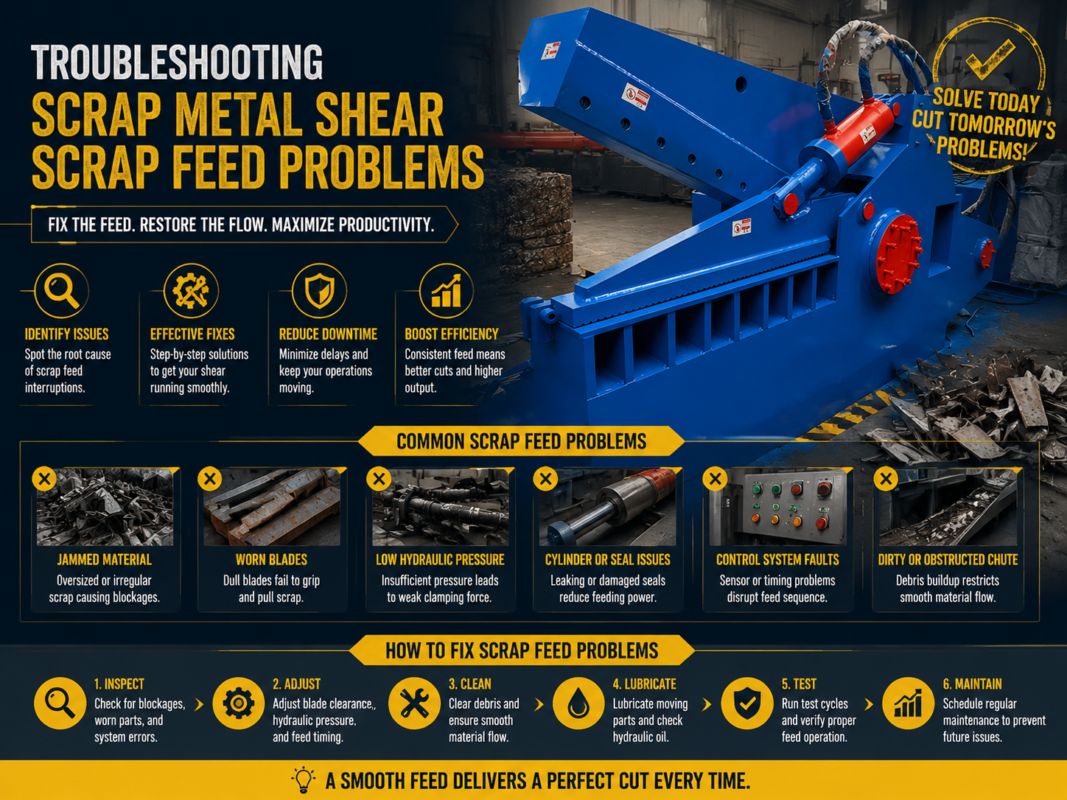
Even with the best maintenance, issues can arise. Being able to interpret the signals the machine is giving is key to effective Scrap Metal Shear Troubleshooting Routine Maintenance. Here are some common symptoms and their likely causes:
- Slow Cycle Times: This often indicates a drop in hydraulic flow. Check for a clogged suction filter, a worn hydraulic pump, or an internal leak in a control valve. It could also be caused by the oil being too cold or too thick.
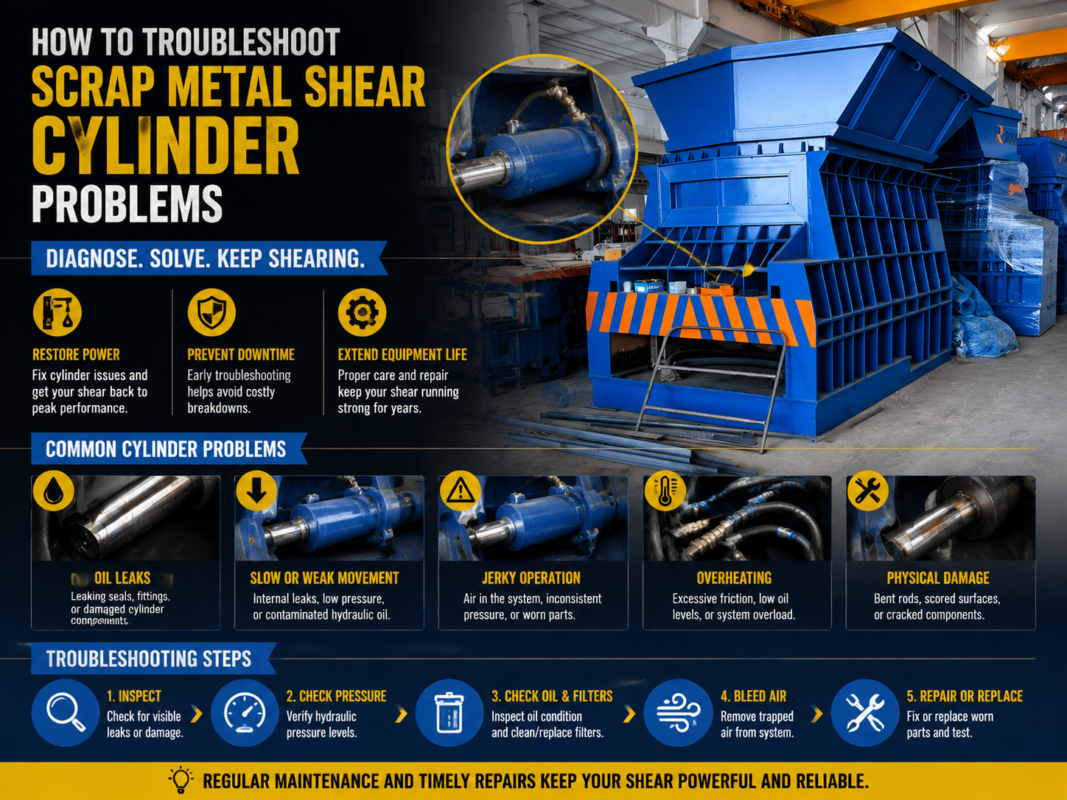
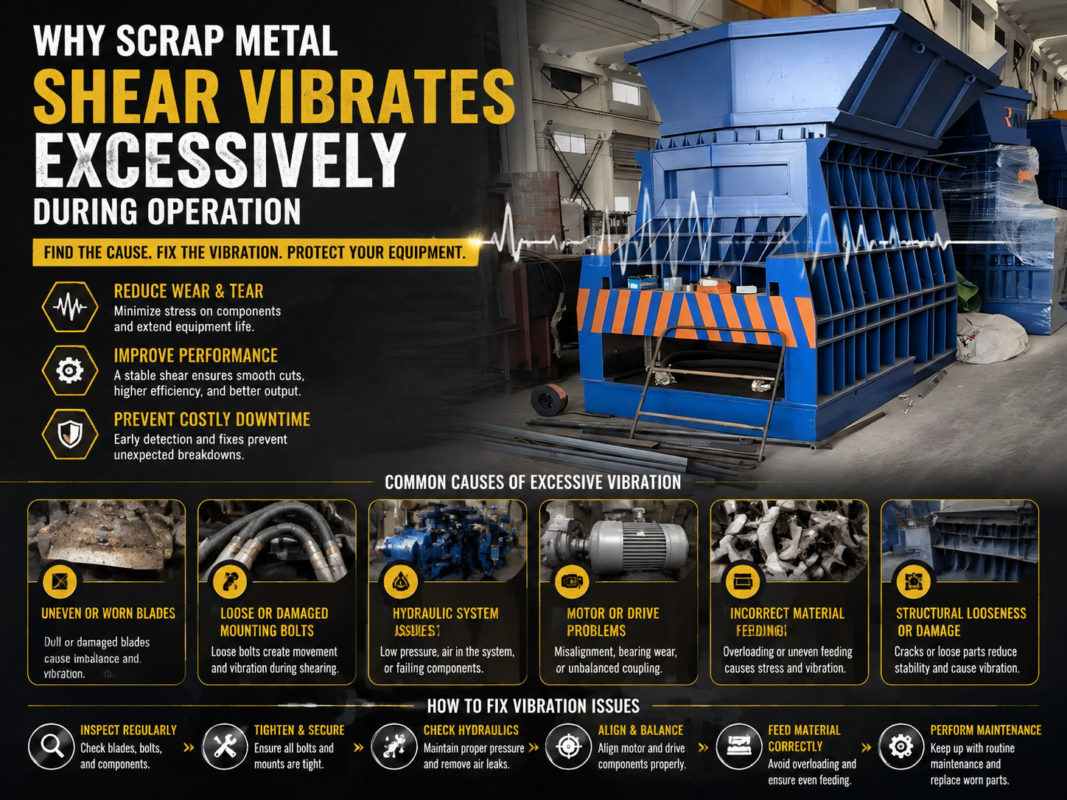
- Excessive Noise or Chattering: Loud banging or vibration during the cut can indicate loose blades, air in the hydraulic system (cavitation), or worn-out ram guides. A high-pitched whine from the pump usually suggests suction starvation.
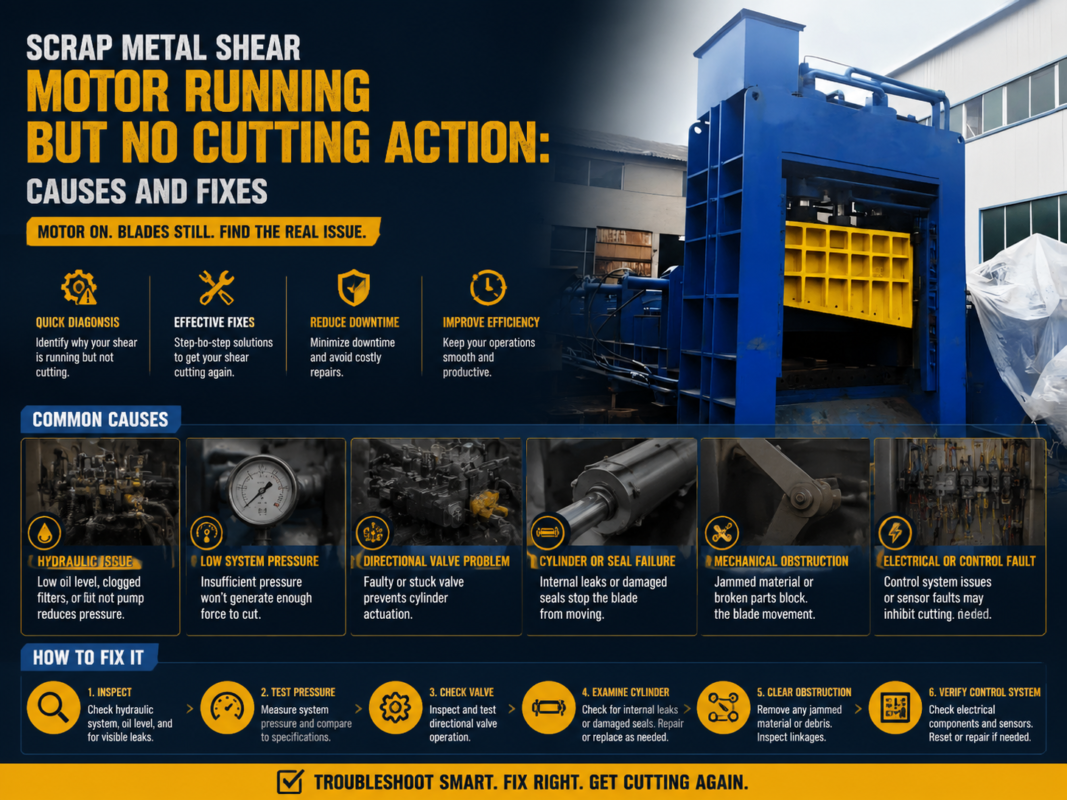
- Incomplete Cuts: If the shear fails to cut through material it previously handled easily, check the system pressure. A faulty relief valve may be bypassing oil at too low a pressure. Alternatively, the blades may be excessively dull or the blade gap may be too wide.
- Overheating Oil: This is usually caused by a dirty oil cooler, a pump that is bypassing internally, or the machine being operated beyond its rated duty cycle.
- Spongy Controls: If the ram movement feels “soft” or delayed, there is likely air trapped in the hydraulic lines. This requires bleeding the system and checking for leaks on the suction side of the pump.
Maintenance Schedule Table
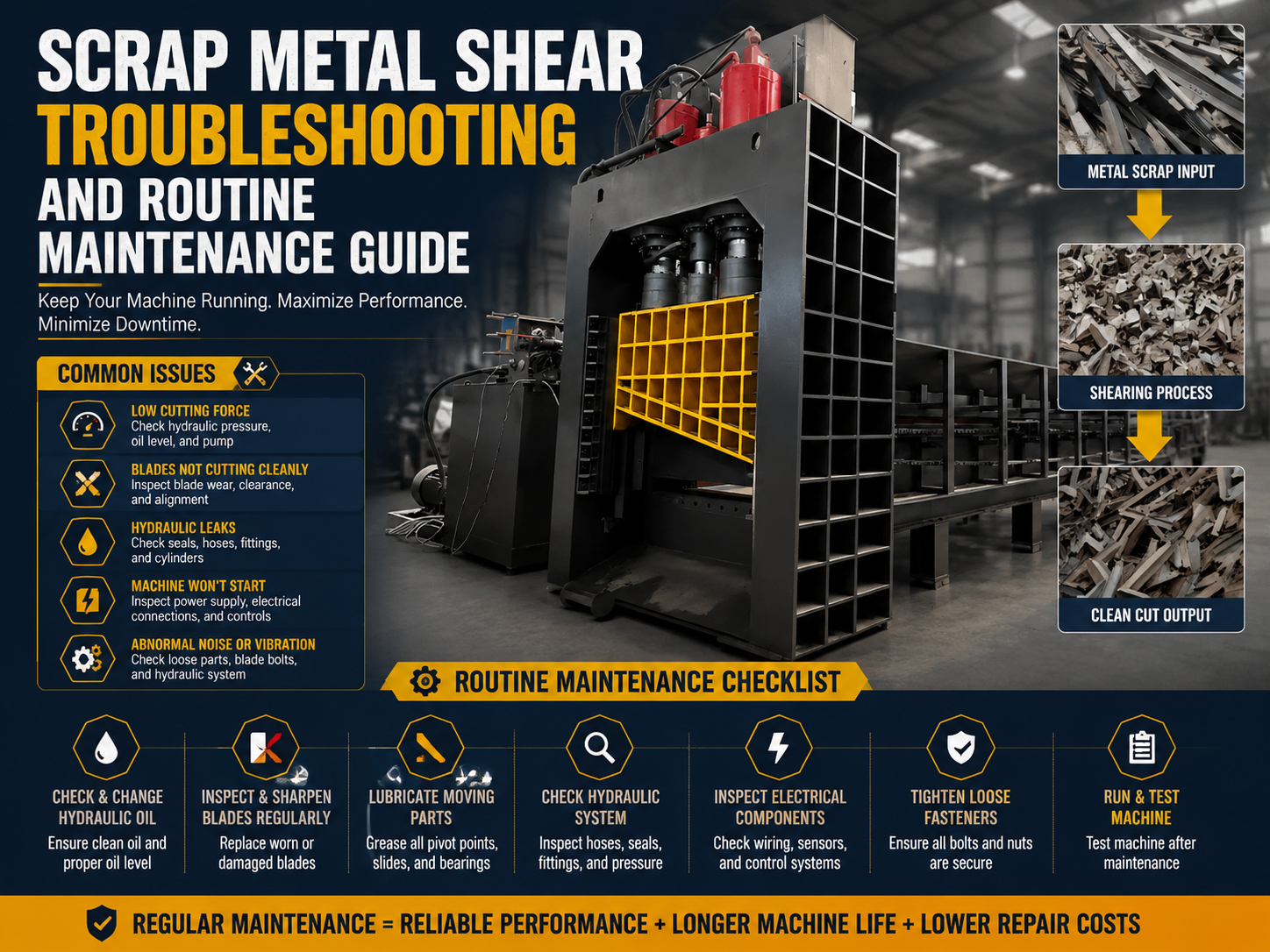
To assist in organizing your maintenance efforts, use the following table as a baseline for your Scrap Metal Shear Troubleshooting Routine Maintenance program. Adjust the frequencies based on your specific environment and workload.
| Frequency | Component | Action Required |
|---|---|---|
| Daily | Hydraulic Oil | Check level and visual clarity. |
| Daily | Shear Blades | Inspect for chips, cracks, and tightness. |
| Daily | Safety Systems | Test E-stops and check all guards. |
| Daily | Lubrication | Grease all primary pivot points and guides. |
| Weekly | Hydraulic Hoses | Inspect for abrasions, leaks, or bulging. |
| Weekly | Blade Gap | Measure with feeler gauges and adjust if necessary. |
| Weekly | Electrical Cabinet | Clean dust and check for loose connections. |
| Monthly | Hydraulic Filters | Replace suction and return line filters. |
| Monthly | Oil Cooler | Clean fins with compressed air. |
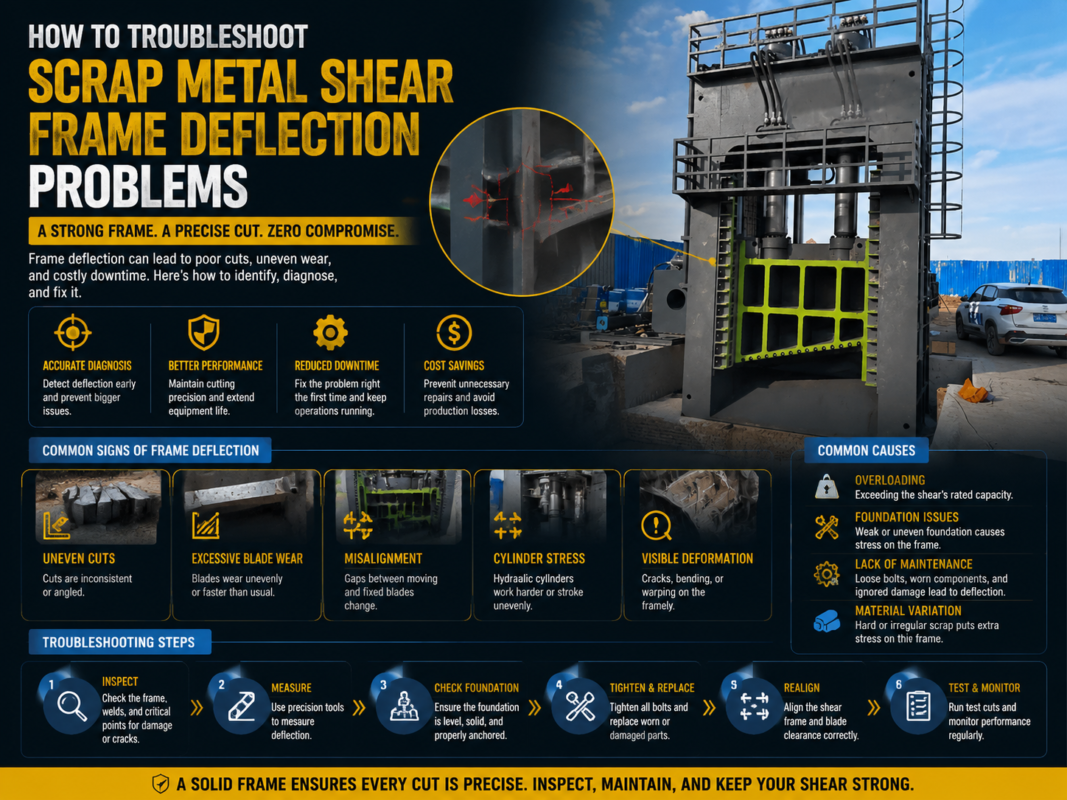
| Quarterly | Structure | Inspect frame welds for stress cracks. |
| Annually | Hydraulic Fluid | Perform laboratory oil analysis or replace fluid. |
| Annually | Accumulators | Check nitrogen pre-charge (if applicable). |
Frequently Asked Questions (FAQ)
1. How often should I sharpen my scrap metal shear blades?
The frequency of sharpening depends entirely on the volume and type of material you are processing. For high-volume yards processing abrasive materials like rebar or stainless steel, blades may need to be rotated every 2-4 weeks. Always monitor the quality of the cut; if you see excessive burrs or the machine is struggling, it is time to service the blades.
2. What type of hydraulic oil is best for HARSLE shears?
Generally, a high-quality anti-wear (AW) hydraulic oil with a viscosity grade of ISO 46 or 68 is recommended. However, in extremely cold climates, a multi-grade oil (high VI) may be necessary to ensure smooth startup. Always consult your specific HARSLE manual for the exact specifications for your model.
3. Why is my shear losing pressure during the middle of a cut?
This is often a sign of a failing relief valve or an internal leak in the main hydraulic cylinder (piston seal bypass). It could also be caused by a pump that cannot maintain flow under high load. A pressure gauge test at various points in the circuit can help isolate the failing component.
4. Can I use any grease for the manual lubrication points?
No. You should use a heavy-duty, extreme-pressure (EP) grease, typically NLGI Grade 2. These greases contain additives that prevent the lubricant from being squeezed out of the bearing under the massive loads generated during shearing.
5. How do I know if my hydraulic pump is cavitating?
Cavitation produces a very distinct, loud metallic noise, often described as “marbles in a blender.” It occurs when the pump cannot get enough oil, causing vacuum bubbles to form and collapse violently. If you hear this, stop the machine immediately, as cavitation will destroy a pump in minutes. Check for clogged suction strainers or a restricted suction hose.
6. Is it necessary to warm up the machine in winter?
Yes. Cold hydraulic oil is thick and does not flow easily, which can cause pump starvation and sluggish valve response. Allow the machine to idle for 10-15 minutes, cycling the cylinders without load to gradually bring the oil up to operating temperature before beginning heavy shearing operations.