Signs Your Scrap Metal Shear Needs Immediate Maintenance: A Comprehensive Guide for Industrial Efficiency

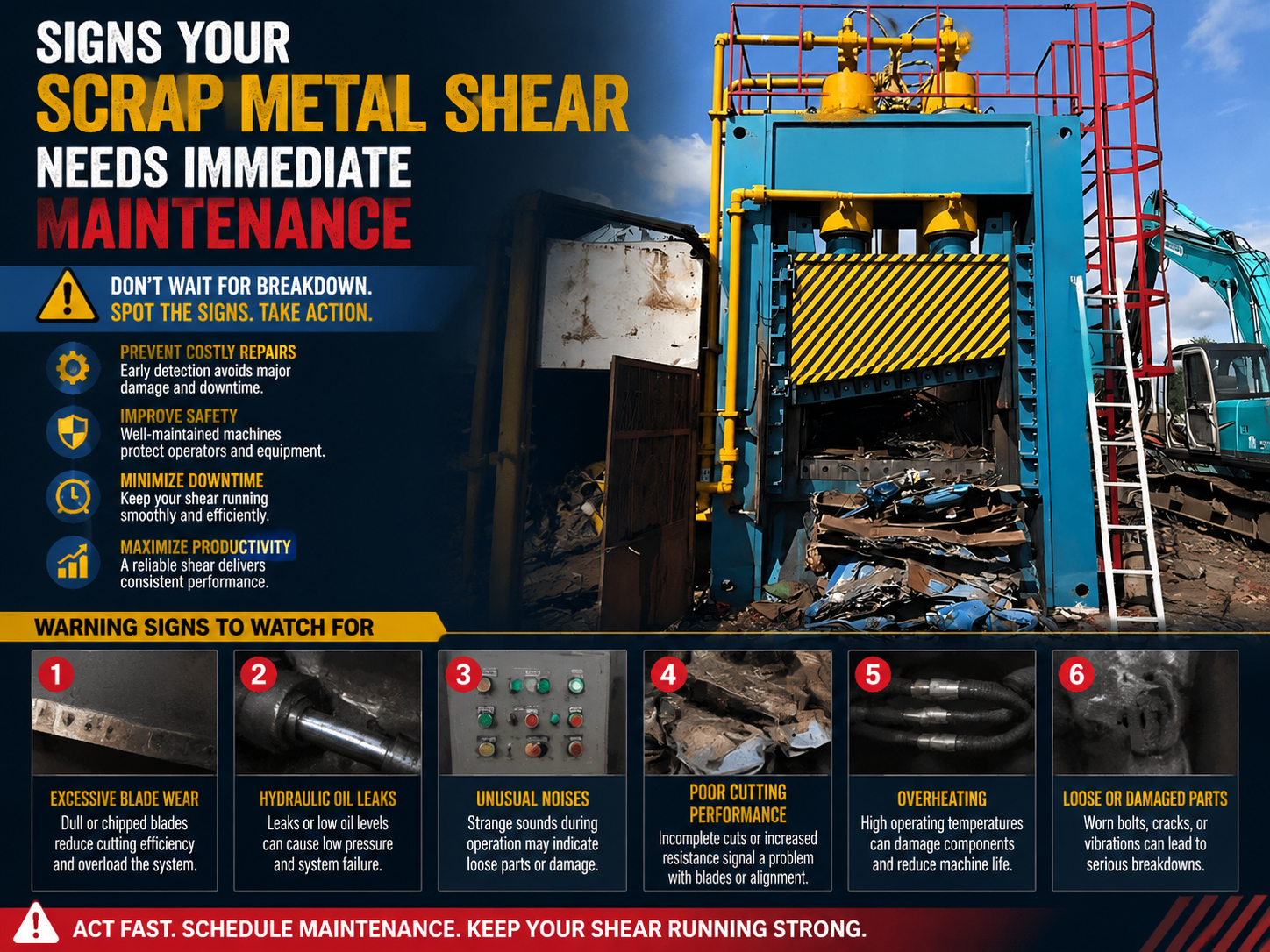
The Critical Importance of Scrap Metal Shear Maintenance
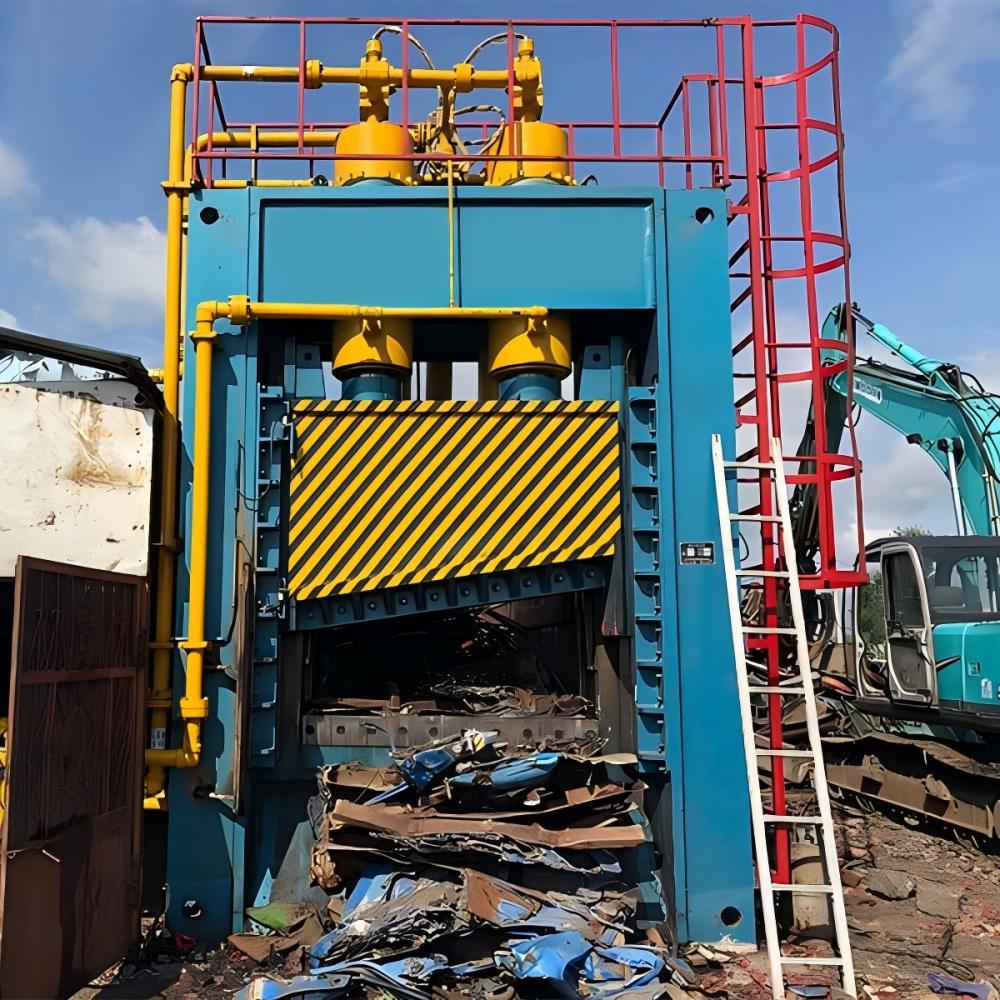
In the high-stakes world of metal recycling and industrial fabrication, the scrap metal shear stands as a cornerstone of productivity. These massive machines are designed to exert hundreds of tons of force to rend steel, aluminum, and copper into manageable sizes. However, the very nature of this work—constant high-pressure cycles and contact with abrasive materials—means that wear and tear are inevitable. Recognizing the signs your scrap metal shear needs immediate maintenance is not just a matter of operational preference; it is a necessity for safety, longevity, and profitability.
Neglecting maintenance leads to a domino effect of failures. What begins as a minor hydraulic leak can escalate into a total pump failure, costing thousands in repairs and weeks of downtime. Furthermore, a poorly maintained shear poses a significant safety risk to operators. Structural fatigue or failing safety sensors can lead to catastrophic accidents. By implementing a rigorous maintenance culture, facilities can ensure that their HARSLE equipment operates at peak efficiency, maintaining the high throughput required in modern scrap yards.
Regular maintenance also preserves the resale value of the machinery. In the industrial market, a well-documented service history is a testament to the machine’s reliability. Whether you are operating a gantry shear, a container shear, or a mobile attachment, understanding the subtle and overt signals of distress is the first step in proactive management. This guide explores the multifaceted indicators that your equipment requires professional intervention.
Daily Inspection: The First Line of Defense
The most effective way to catch issues before they become disasters is through a disciplined daily inspection routine. Before the first cycle of the day, operators should perform a comprehensive walk-around. This involves looking for any visible signs of distress, such as puddles of hydraulic fluid under the machine or loose bolts on the main frame. Even small changes in the machine’s appearance can indicate shifting components or failing seals.
During the daily check, pay close attention to the cutting zone. Debris buildup is a common cause of premature wear. Scrap metal fragments can lodge themselves in the guide rails or behind the blade seats, causing misalignment. Clearing these areas daily ensures that the mechanical components move freely. Additionally, check the condition of all hydraulic hoses for signs of abrasion or ‘weeping’—where fluid begins to seep through the outer casing of the hose.
Another vital part of the daily routine is checking fluid levels. Low hydraulic oil levels can lead to aeration and cavitation, which destroys pumps. Similarly, if your shear uses an automated lubrication system, verify that the reservoir is full and that the pump is cycling correctly. A single day of operation without proper lubrication can cause more wear than a month of normal use. These simple steps form the foundation of a healthy maintenance strategy.
Hydraulic System Checks: Identifying Fluid Failures
The hydraulic system is the heart of the scrap metal shear. It converts electrical energy into the raw mechanical force needed to cut through heavy I-beams and plate steel. When the hydraulic system begins to fail, the signs are often audible or thermal. One of the most common signs your scrap metal shear needs immediate maintenance is an increase in operating temperature. If the hydraulic oil exceeds 60°C (140°F), it begins to lose its lubricating properties and can damage internal seals.
Listen for unusual noises coming from the pump or the valve manifold. A high-pitched whining or ‘screaming’ sound often indicates cavitation—a condition where air bubbles form and collapse within the oil, pitting the metal surfaces of the pump. If you notice the shear moving slower than usual or failing to reach full cutting pressure, this points to internal leakage within the cylinders or a failing relief valve. These issues require immediate attention to prevent a total system shutdown.
Oil quality is another critical factor. Cloudy or ‘milky’ oil suggests water contamination, while dark, burnt-smelling oil indicates overheating or oxidation. Regularly sampling the oil for laboratory analysis can provide a ‘blood test’ for your machine, revealing microscopic metal particles that signal internal component wear. If the oil appears foamy in the sight glass, air is entering the system, likely through a loose suction line or a failing shaft seal.
Electrical and Control System Integrity
Modern scrap shears, like those manufactured by HARSLE, rely on sophisticated PLC (Programmable Logic Controller) systems and sensors to manage the complex timing of the shearing cycle. Electrical issues can be intermittent and frustrating, but they often provide warning signs. If the machine experiences ‘ghost’ stops—where it halts for no apparent reason—it is likely a failing proximity sensor or a loose wire in the control cabinet.
Inspect the electrical cabinets regularly for dust and debris. In a scrap yard environment, metallic dust is prevalent and can cause short circuits if it enters the control housing. Ensure that all cooling fans are operational; heat is the primary enemy of electronic components. If the touch-screen interface (HMI) becomes unresponsive or displays erratic error codes, it is time to call in a technician to check the signal integrity and power supply stability.
Safety circuits are the most critical part of the electrical system. Emergency stop buttons, light curtains, and interlock switches must be tested daily. If a safety device fails to trigger or requires multiple presses to work, the machine must be locked out immediately. Operating a scrap shear with compromised safety systems is a violation of industrial standards and puts lives at risk. Maintenance in this area is non-negotiable.
Mechanical Checks: Blade Gap and Structural Health
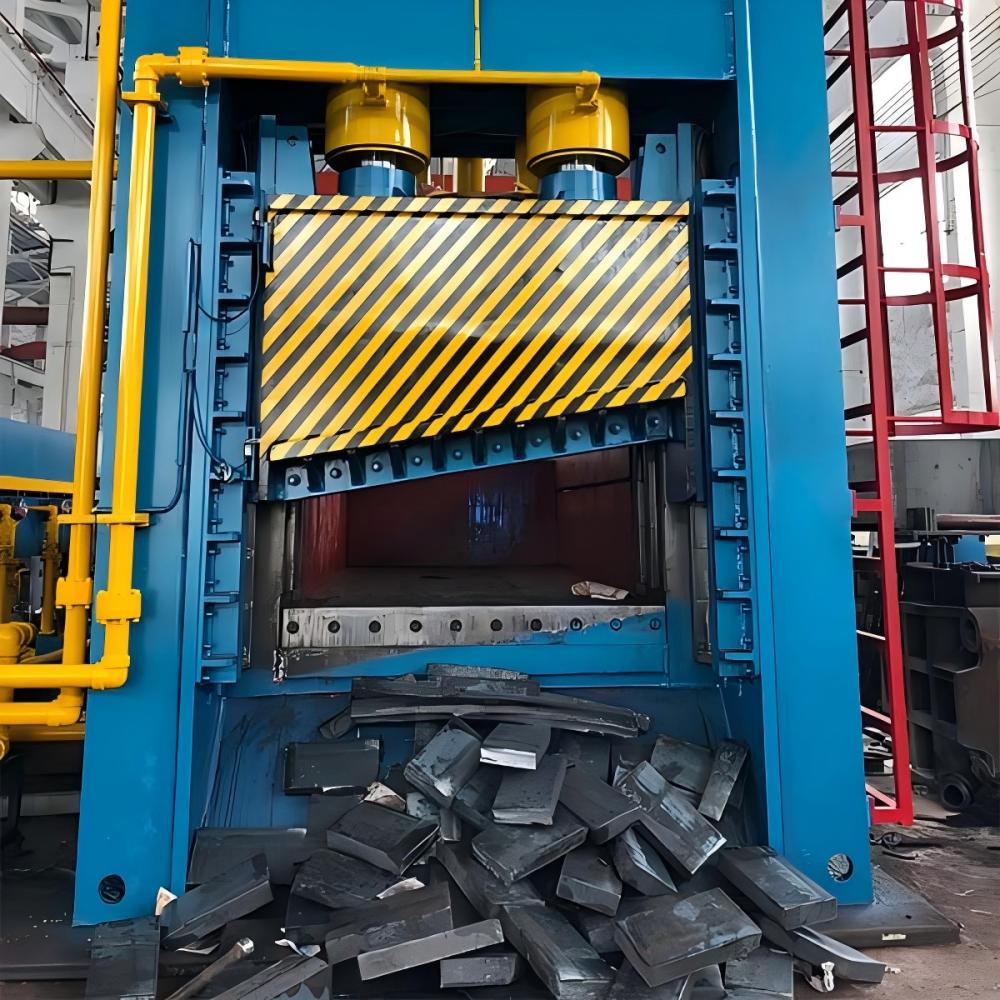
The mechanical integrity of the shear is defined by the relationship between the moving and stationary blades. The ‘blade gap’ or clearance is the most critical measurement in the machine. If the gap is too wide, the metal will ‘fold’ rather than cut, leading to massive lateral forces that can crack the shear head or damage the guide slides. If you notice ‘burrs’ or ragged edges on the cut scrap, it is a clear sign that the blades are dull or the gap needs adjustment.
Examine the blade bolts frequently. The vibration and shock of shearing can loosen even the highest-grade fasteners. A loose blade can shift during a cut, causing catastrophic damage to the blade seats. Furthermore, inspect the main pivot pins and bushings. Excessive ‘play’ or movement in the shear arm indicates that the bushings are worn and need replacement. Ignoring this will eventually lead to the ovalization of the pin holes, a much more expensive repair involving line boring.
Structural cracks are another major concern. Check the weldments around the cylinder mounts and the main frame. The repetitive stress of hundreds of tons of pressure can lead to fatigue cracks. If you see paint flaking off in a spider-web pattern or visible fissures in the steel, the machine requires immediate structural repair by a certified welder. Early detection of these cracks can prevent a complete structural failure during a high-pressure cut.
Comprehensive Lubrication Plan
Lubrication is the lifeblood of mechanical movement. In a scrap metal shear, multiple points require constant greasing to fight off the ingress of dirt and the friction of heavy loads. A proper lubrication plan specifies the type of grease (usually an Extreme Pressure or EP2 grade), the frequency of application, and the specific points to be serviced. These points typically include the main pivot pins, cylinder clevises, and the slide guides.
If you hear groaning or grinding noises during the cycle, it is a sign that metal-on-metal contact is occurring due to lack of grease. Automated lubrication systems are excellent, but they are not ‘set and forget.’ Lines can become clogged or severed by falling scrap. Manually verifying that grease is actually reaching the pins is a vital maintenance task. You should see a small ‘bead’ of fresh grease pushing out of the seals, which indicates that the old, contaminated grease is being flushed out.
Over-lubrication can also be an issue, though less common. Excessive grease can attract more dust and grit, creating an abrasive paste. The key is consistency. Following the manufacturer’s intervals—often every 4 to 8 hours of operation for high-wear areas—ensures that the protective film of lubricant remains intact. This simple act can double the lifespan of your pins and bushings.
Troubleshooting Signals: When to Stop Immediately
Knowing when to stop the machine is as important as knowing how to run it. There are several ‘red flag’ signals that should prompt an immediate emergency stop. These include: 1) Sudden, violent vibrations that shake the entire foundation. 2) The smell of burning rubber or electrical insulation. 3) A visible spray of hydraulic fluid (which can be a fire hazard or cause injection injuries). 4) Any ‘banging’ sound that suggests a mechanical obstruction or a broken internal component.
Another subtle but dangerous signal is ‘drifting.’ If the shear arm or the stamper begins to slowly sink when the controls are in neutral, it indicates an internal leak in the cylinder seals or the control valves. This ‘drift’ can lead to unexpected movement, creating a crushing hazard for anyone working near the machine. If the cycle time suddenly increases by more than 20%, the system is losing efficiency and needs a diagnostic check.
Finally, pay attention to the scrap itself. If the machine is struggling to cut material that it previously handled with ease, do not simply turn up the pressure. Increasing the relief valve setting to compensate for dull blades or a failing pump is a recipe for disaster. It puts undue stress on every component and will lead to a much larger failure. When the machine tells you it is struggling, listen to it and investigate the root cause.
Maintenance Schedule Table
| Frequency | Task Description | Critical Components |
|---|---|---|
| Daily | Visual inspection, fluid level check, debris removal. | Hoses, Oil Level, Blades |
| Weekly | Check blade gap, tighten bolts, inspect grease lines. | Blade Bolts, Auto-Lube System |
| Monthly | Filter replacement, oil sampling, electrical cabinet cleaning. | Hydraulic Filters, PLC, Sensors |
| Quarterly | Structural weld inspection, pump pressure testing. | Main Frame, Hydraulic Pump |
| Yearly | Full hydraulic oil change, cylinder seal replacement (if needed). | Hydraulic Reservoir, Cylinders |
Frequently Asked Questions (FAQ)
1. How often should I rotate or flip the shear blades?
Blade rotation depends entirely on the volume and type of material you are processing. However, a general rule is to inspect the edges every week. Most HARSLE blades have four cutting edges. You should flip or rotate them as soon as you notice a significant radius forming on the cutting edge or when the cut quality diminishes. Waiting too long can damage the blade seat.
2. Why is my hydraulic oil turning black?
Black oil is usually a sign of extreme oxidation caused by high heat. It can also indicate the presence of ‘soot’ or carbon from failing seals or extreme pressure. If your oil is black, it has lost its chemical stability and must be changed immediately, along with the filters. You should also investigate why the system is overheating.
3. Can I use any type of grease for the pivot pins?
No. Scrap shears require ‘Extreme Pressure’ (EP) grease, typically with a molybdenum disulfide (moly) additive. This additive provides a dry lubricant layer that protects the metal even when the grease is squeezed out under heavy loads. Using standard chassis grease will lead to rapid bushing wear.
4. What is the most common cause of shear failure?
Contamination is the leading cause of failure. Whether it is dirt entering the hydraulic system or scrap metal jamming the mechanical slides, foreign material accounts for the majority of downtime. Keeping the machine clean and the oil filtered is the best way to ensure long-term reliability.
5. How do I know if my pump is cavitating?
Cavitation produces a very distinct, metallic ‘marbles in a blender’ sound. You may also see foam in the hydraulic tank and feel a vibration in the high-pressure hoses. Cavitation will destroy a pump in a matter of hours, so if you hear this sound, shut down the machine and check for air leaks in the suction line or low oil levels.
6. Is it normal for the shear to vibrate during a cut?
Some vibration is normal when the metal ‘snaps’ at the end of a cut. However, excessive or rhythmic vibration throughout the stroke is not normal. This usually indicates a mechanical misalignment, a loose blade, or an issue with the hydraulic cylinder mounting. If the vibration increases over time, it needs to be investigated.