How Industrial Shredders Improve Waste Metal Processing Efficiency

Introduction to Modern Metal Recycling Efficiency
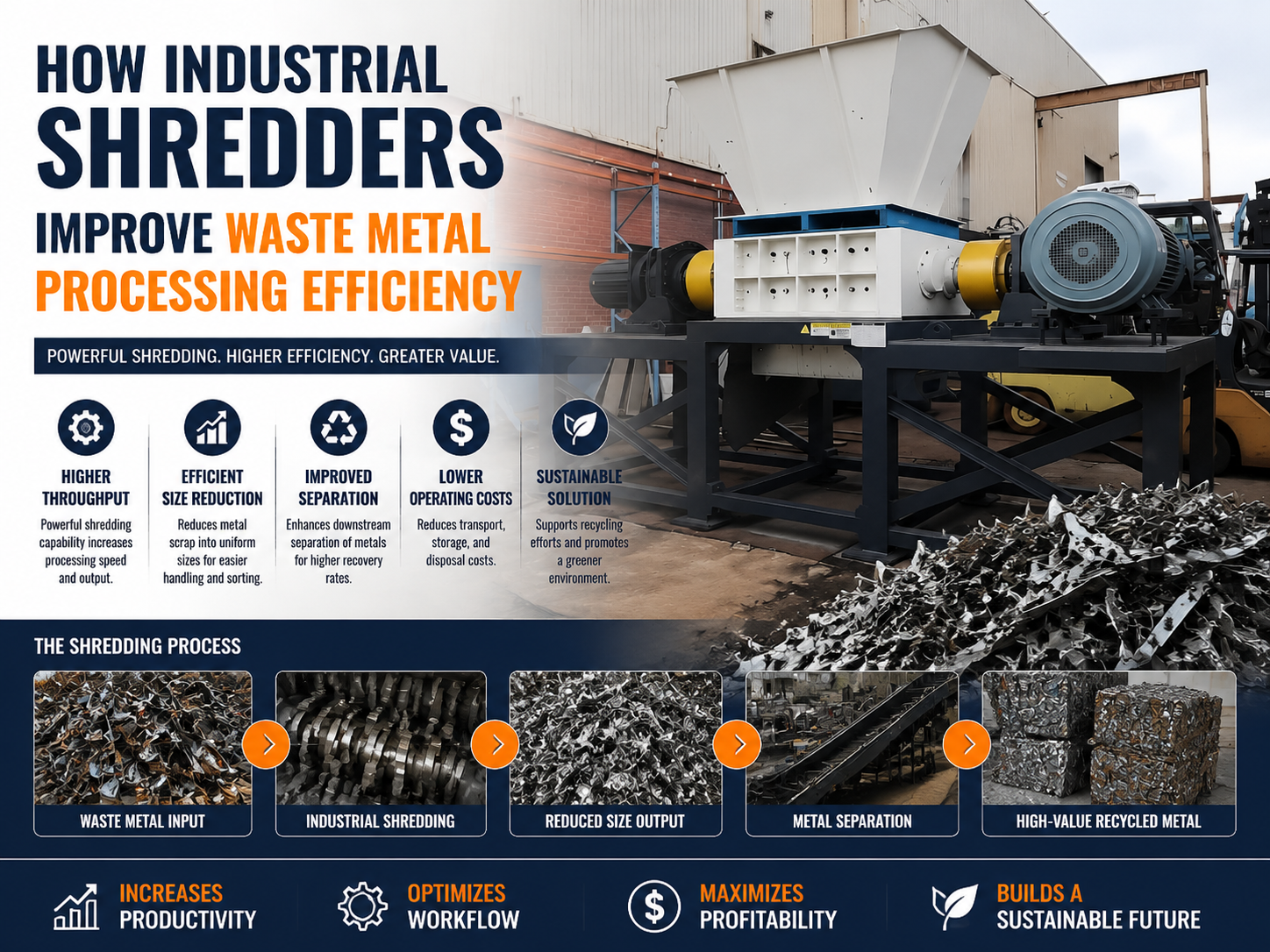
In the contemporary industrial landscape, the management of scrap metal has transitioned from a secondary waste concern to a primary resource recovery operation. As global demand for raw materials fluctuates and environmental regulations tighten, the question of how industrial shredders improve waste metal processing efficiency becomes central to the profitability of recycling facilities and manufacturing plants alike. Industrial shredders are not merely volume reduction tools; they are sophisticated engineering solutions designed to transform bulky, heterogeneous scrap into high-value, furnace-ready raw materials.
Efficiency in metal processing is measured by throughput, purity of output, and the minimization of operational costs. Traditional methods of manual sorting or simple crushing often fall short when dealing with the high-tensile alloys and complex assemblies found in modern scrap streams. By integrating advanced shredding technology, facilities can achieve a level of automation and precision that was previously unattainable. This article provides an in-depth analysis of the mechanisms, configurations, and strategic advantages of utilizing industrial shredders in the metal fabrication and recycling sectors.
Application Scenarios for Industrial Shredders
The versatility of industrial shredders allows them to be deployed across a wide range of sectors. One of the most prominent application scenarios is in End-of-Life Vehicle (ELV) processing. Modern cars are a mix of steel, aluminum, copper, and plastics. A high-torque shredder can reduce an entire vehicle chassis into small fragments within minutes, allowing for the subsequent mechanical separation of these valuable materials. This process significantly increases the recovery rate of non-ferrous metals, which are often lost in less sophisticated processing methods.
Another critical scenario is Electronic Waste (E-waste) recycling. Circuit boards, hard drives, and consumer electronics contain precious metals but are encased in complex housings. Industrial shredders designed for E-waste utilize specific blade geometries to liberate these components without destroying the delicate materials within, facilitating chemical or thermal recovery processes. Furthermore, in the construction and demolition (C&D) sector, shredders are used to process rebar-heavy concrete and structural steel beams, turning bulky debris into manageable scrap that is easier to transport and melt.
Manufacturing plants also benefit from on-site shredding. In metal stamping and CNC machining facilities, large volumes of skeletal scrap and turnings are generated. By shredding this waste at the source, companies can reduce the storage footprint of their scrap by up to 80%, leading to cleaner workspaces and more efficient logistics. This localized processing is a key example of how industrial shredders improve waste metal processing efficiency by streamlining the internal supply chain.
Material and Process Requirements
To maximize the efficiency of a shredding operation, one must understand the specific requirements of the materials being processed. Metal scrap varies significantly in terms of tensile strength, ductility, and thickness. For instance, processing thin-gauge aluminum siding requires a different approach than shredding thick-walled steel pipes. The shredder must be capable of delivering sufficient torque to overcome the material’s shear strength without causing excessive wear on the cutting components.
Process requirements also dictate the desired output size. In the steel industry, “shredded scrap” (often referred to as ISRI 211) must meet specific density and size specifications to be accepted by electric arc furnaces (EAF). Achieving this consistency requires a shredder with precise screen sizes or adjustable blade clearances. If the output is too large, it may cause bridging in the furnace; if it is too fine, it may lead to excessive oxidation and material loss during the melting process.
Contamination management is another vital process requirement. Waste metal often arrives mixed with oils, plastics, or rubber. Efficient shredding systems are frequently paired with aspiration systems to remove light fractions (fluff) and magnetic separators to isolate ferrous from non-ferrous materials. Understanding these requirements ensures that the chosen machinery is not just powerful, but also strategically aligned with the facility’s end-goals.
Recommended Machine Configuration
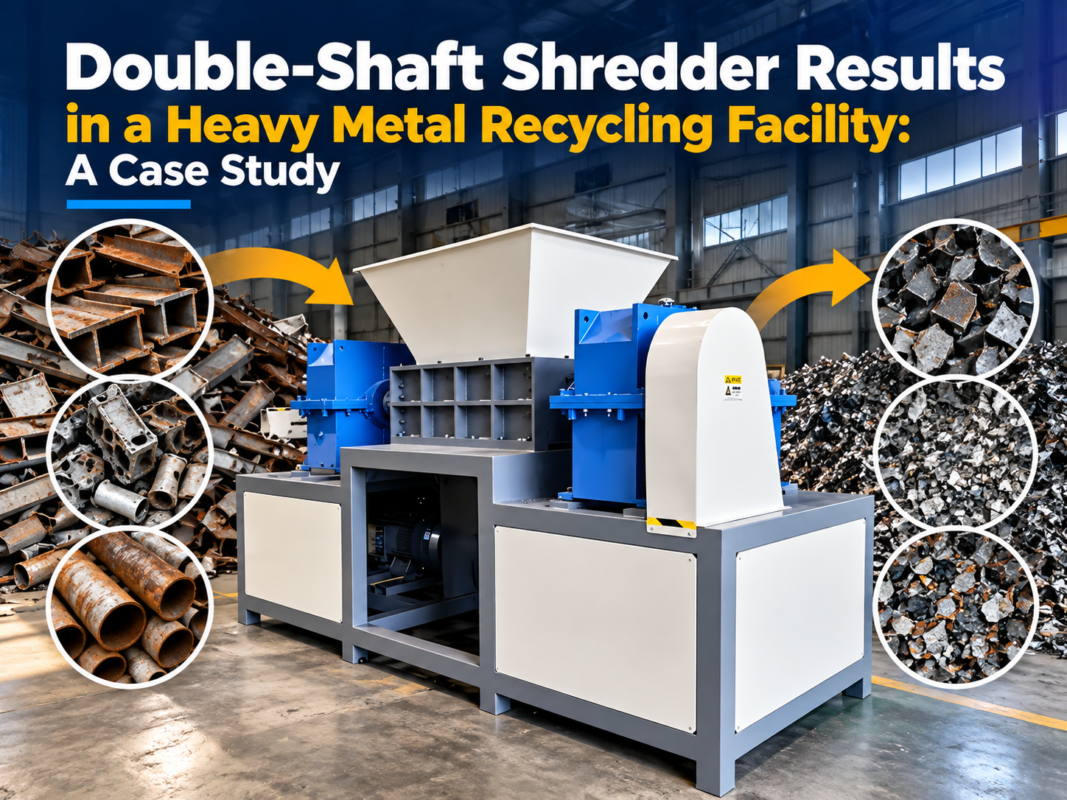
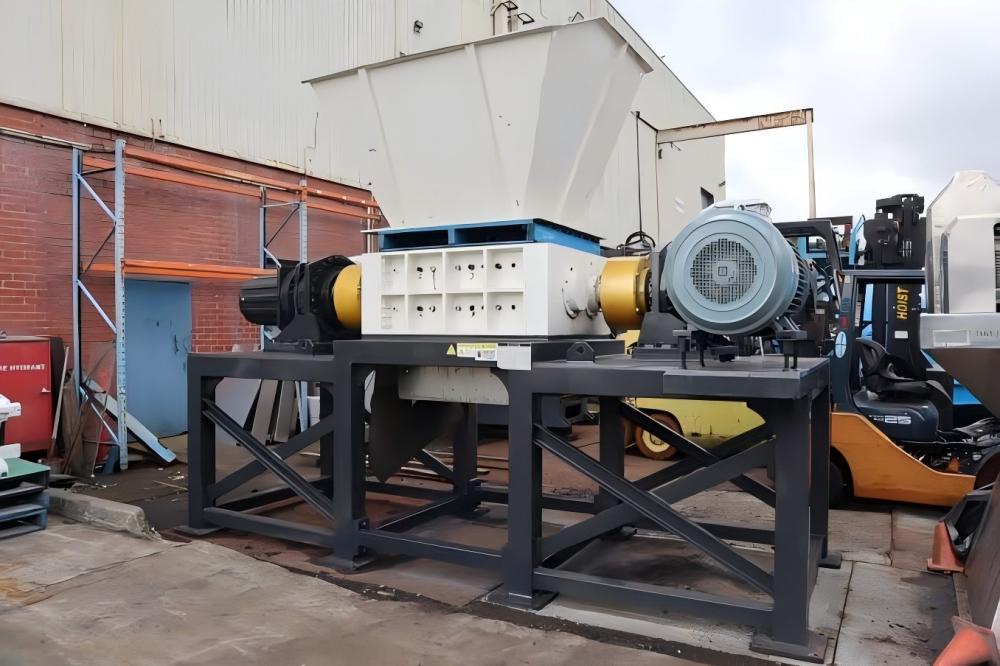
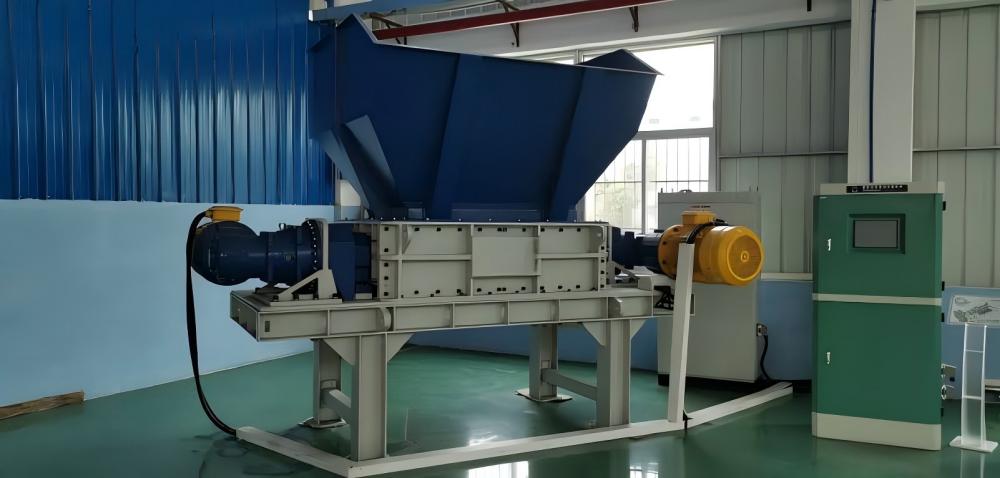
When selecting equipment, the configuration is the most critical factor in determining how industrial shredders improve waste metal processing efficiency. For most heavy-duty metal applications, a Dual-Shaft Shredder (also known as a twin-shaft shredder) is the industry standard. These machines operate at low speeds with high torque, which is ideal for shearing through tough metals while minimizing dust and noise. The counter-rotating shafts pull material into the cutting chamber, ensuring a consistent feed rate.
Key Components of a High-Efficiency Configuration:
- Blade Material: High-alloy steels like D2 or SKD-11 are essential. These materials undergo specialized heat treatments to achieve a balance between hardness (to maintain a sharp edge) and toughness (to resist chipping under impact).
- Drive System: While electric motors are common, hydraulic drive systems offer superior performance for shock-loading applications. Hydraulics allow for instantaneous reversals and variable speed control, which prevents machine damage when un-shreddable objects enter the chamber.
- PLC Control Systems: Modern HARSLE shredders are equipped with intelligent PLC units. These systems monitor motor load and automatically reverse the shafts if a jam is detected, preventing downtime and reducing the need for manual intervention.
- Customized Blade Geometry: The number of hooks, blade thickness, and diameter should be tailored to the specific scrap type. For example, more hooks are generally better for thin materials to ensure a clean cut, while fewer, larger hooks are better for grabbing and tearing heavy structural scrap.
The Shredding Workflow: From Feed to Finished Product
The efficiency of a shredder is only as good as the workflow surrounding it. The process typically begins with Pre-Sorting and Inspection. While industrial shredders are robust, removing large “tramp metal” (like solid engine blocks or heavy axles) that exceeds the machine’s capacity can prevent catastrophic failure. This is followed by the Feeding Stage, where conveyors or hydraulic grapples provide a steady stream of material into the hopper.
Once inside the Shredding Chamber, the material is subjected to intense shearing forces. The dual shafts work in tandem to tear the metal apart. The size of the output is determined by the width of the blades and the spacing between them. In some configurations, a screen is placed beneath the shafts; material that is too large is carried back up by the blades for another pass, ensuring 100% compliance with size requirements.
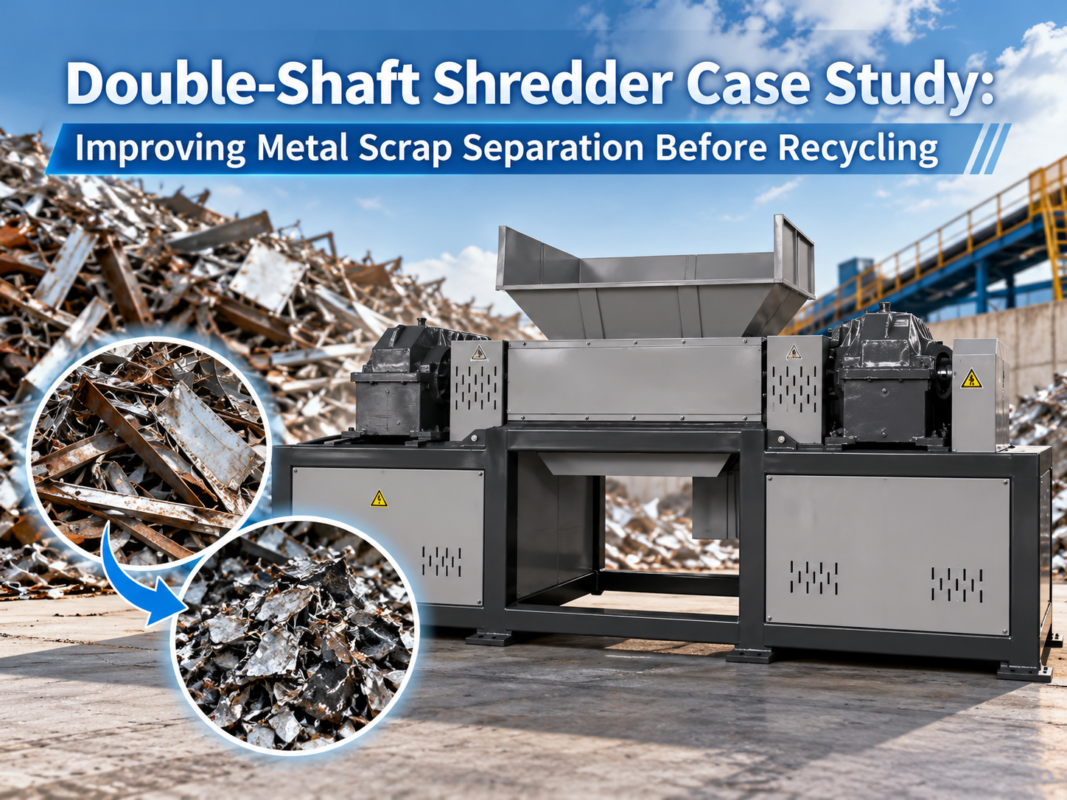
The final stage is Post-Shredding Separation. This is where the true value is unlocked. A typical workflow includes a magnetic drum to pull out ferrous steel, followed by an Eddy Current Separator to eject non-ferrous metals like aluminum and copper. By the end of this automated line, what started as a pile of mixed junk is transformed into clean, sorted, and sized commodities ready for sale or smelting. This automated flow is the primary reason why industrial shredders improve waste metal processing efficiency so dramatically compared to manual methods.
Productivity and Economic Benefits
Investing in high-quality shredding technology yields significant productivity benefits. The most immediate is Volume Reduction. Shredded metal occupies significantly less space than loose scrap. For a recycling facility, this means they can fit three to four times more material into a single transport truck, slashing logistics costs and reducing the carbon footprint of the operation. In an era of high fuel prices, these savings directly impact the bottom line.
Furthermore, shredded metal has a higher Bulk Density, which is highly prized by steel mills. High-density scrap melts more efficiently in electric arc furnaces, requiring less energy per ton of steel produced. This makes shredded scrap a premium product that commands a higher market price than un-shredded HMS (Heavy Melting Scrap). By upgrading their processing capabilities, recyclers can move up the value chain and increase their profit margins.
Labor efficiency is another major factor. A single automated shredding line can process more material in an hour than a team of ten workers using torches and shears could in a day. This not only reduces payroll expenses but also significantly improves Workplace Safety. Manual metal cutting is fraught with risks, including fires, respiratory issues from fumes, and physical injury. Shredders enclose the hazardous cutting process within a reinforced chamber, protecting operators and reducing insurance liabilities.
Case Example: Large-Scale Scrap Yard Optimization
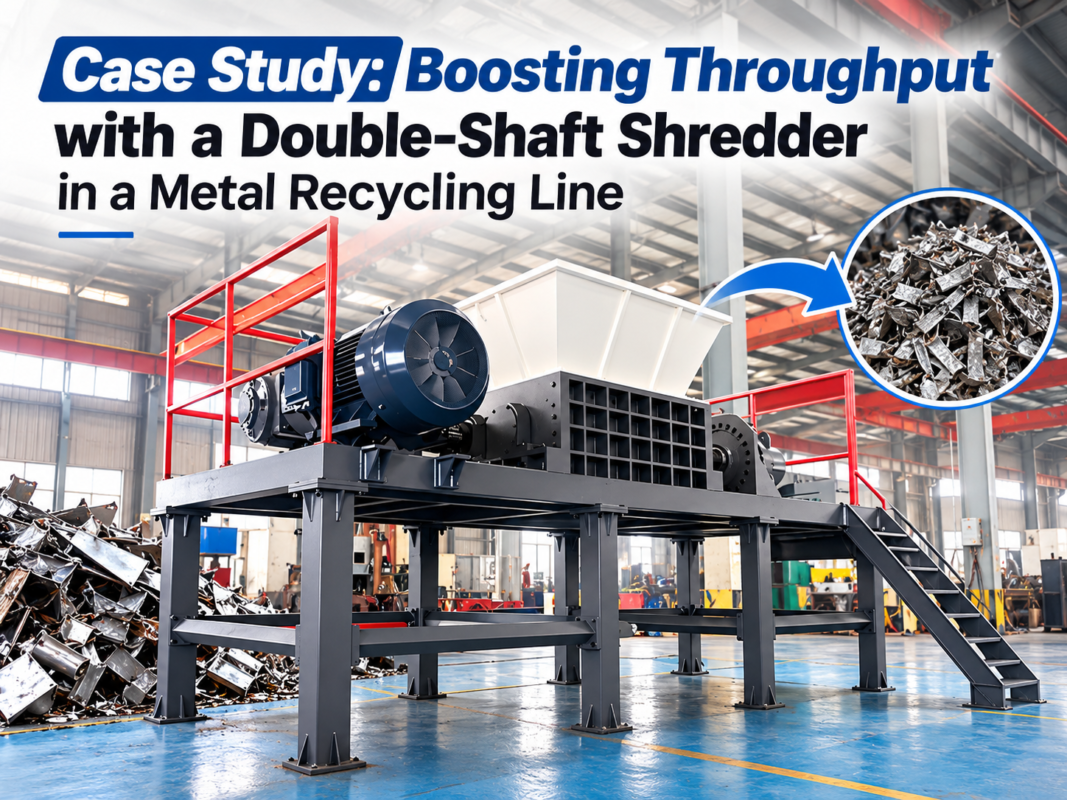
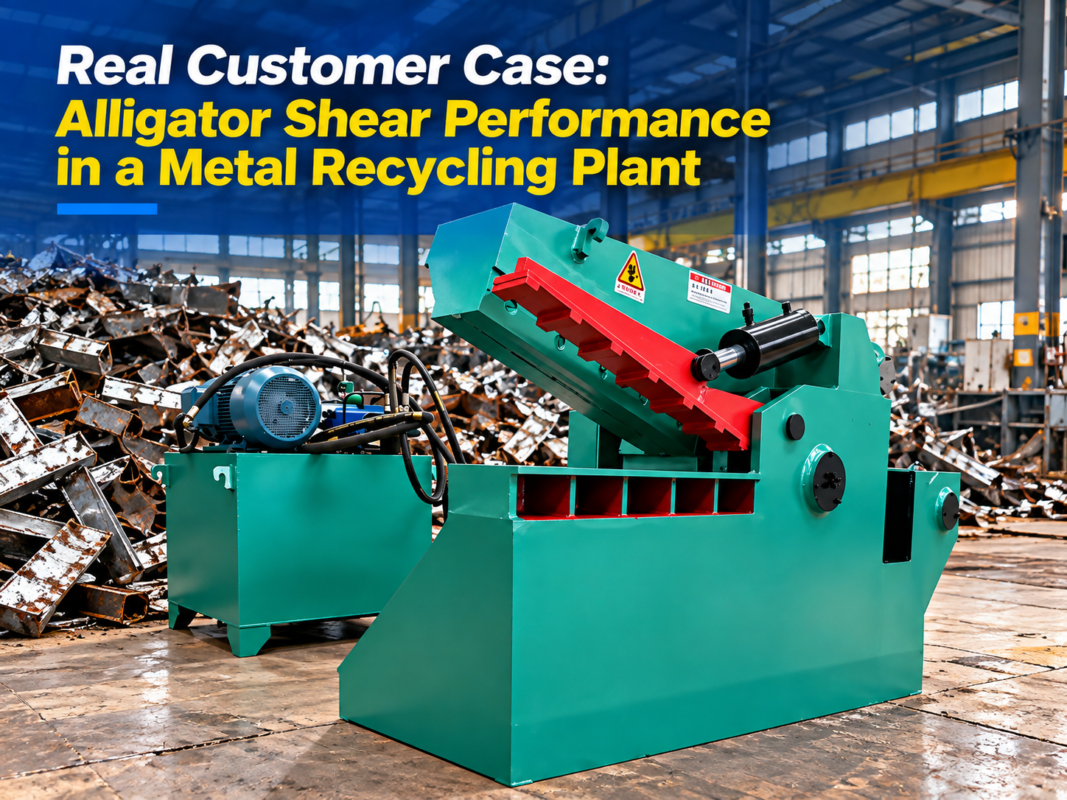
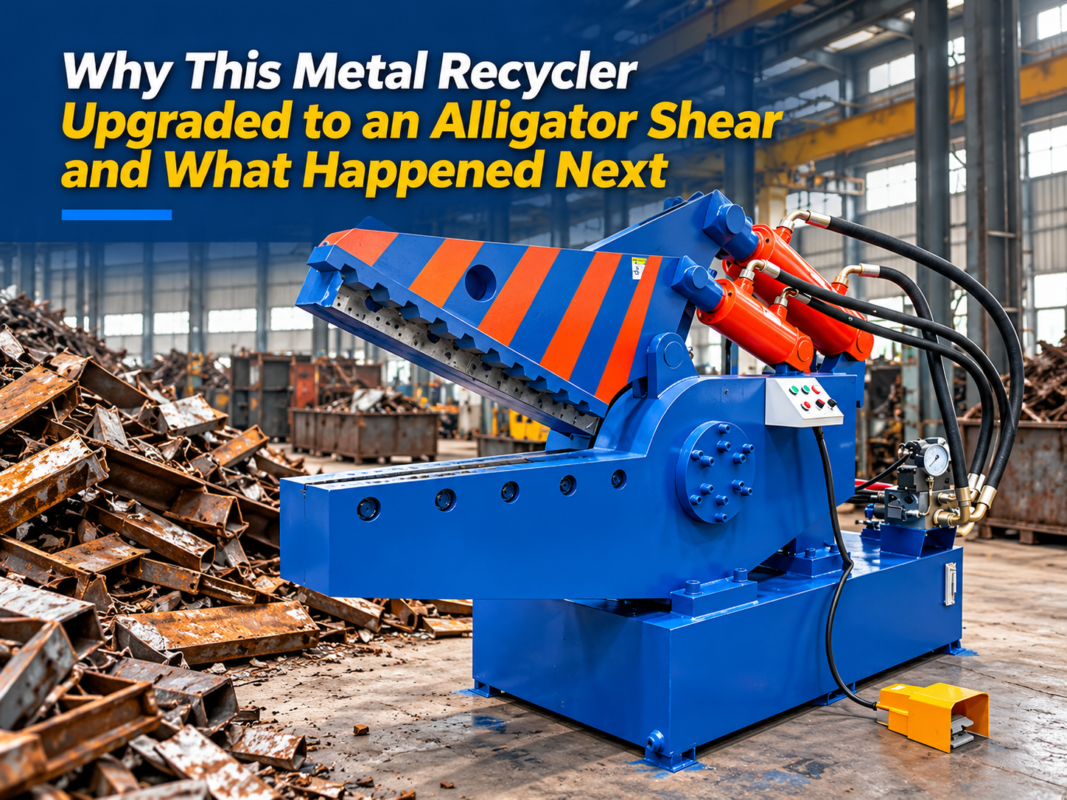
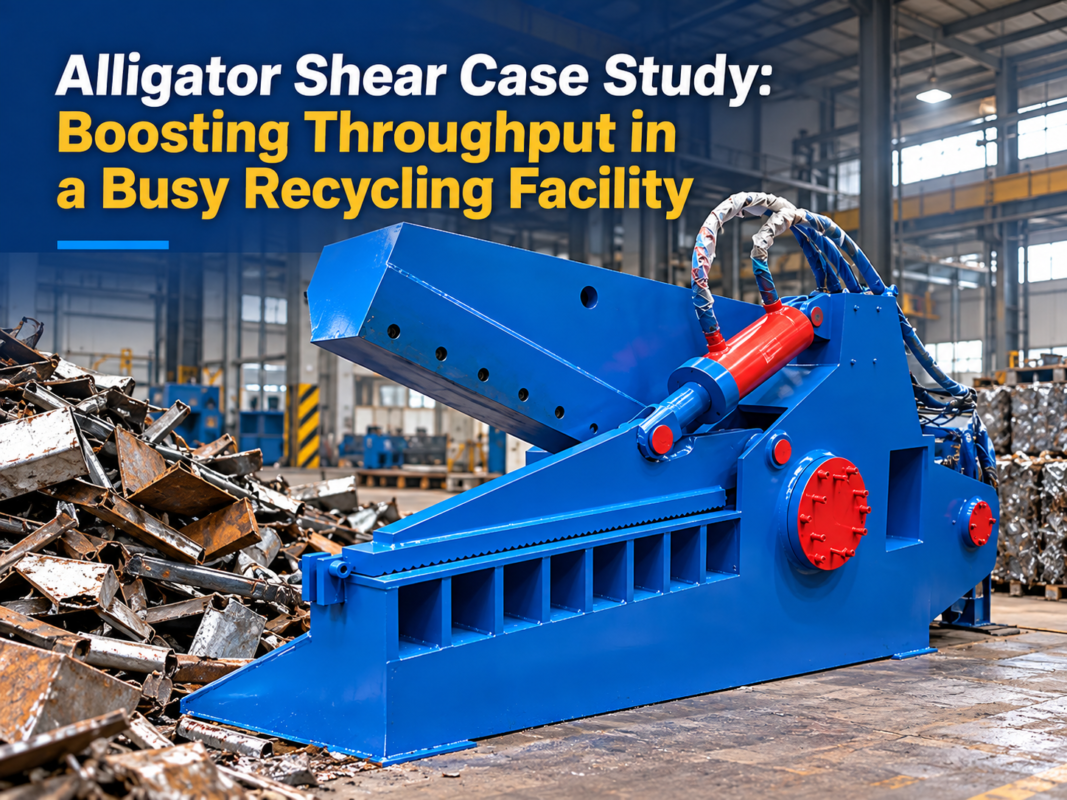
Consider a regional scrap yard that previously relied on manual sorting and a small hydraulic shear. Their throughput was limited to 15 tons per day, and their output was often contaminated with plastics, leading to lower payouts from the smelter. After consulting with HARSLE, they implemented a 200HP Dual-Shaft Industrial Shredder integrated with a magnetic separation belt.
The results were transformative. Within the first three months, their throughput increased to 60 tons per day—a 400% improvement. The automated separation system produced a ferrous stream that was 98% pure, allowing them to negotiate a 15% higher price per ton with their primary buyer. Additionally, the facility reduced its transport frequency from ten trucks a week to just three, saving thousands in monthly freight costs. This real-world example illustrates exactly how industrial shredders improve waste metal processing efficiency by addressing volume, purity, and labor simultaneously.
Maintenance and Longevity of Industrial Shredders
To ensure that a shredder continues to improve efficiency over the long term, a rigorous maintenance schedule is required. The most critical aspect is Blade Management. As blades dull, the machine requires more power to cut, and the quality of the output diminishes. Many modern shredders feature “hard-facing” capabilities, where the edges of the blades can be welded and reground without removing the entire shaft, significantly reducing downtime.
Lubrication of the main bearings and the gearbox is equally important. Given the dusty and often outdoor environment of metal recycling, using high-quality, contaminant-resistant lubricants is essential. Operators should also conduct daily inspections for “wrapping”—where wire or thin metal strips wrap around the shafts, causing friction and heat. By following a proactive maintenance plan, the service life of a HARSLE shredder can extend for decades, providing a massive return on investment.
Frequently Asked Questions (FAQ)
1. How does a shredder handle very thick metal pieces?
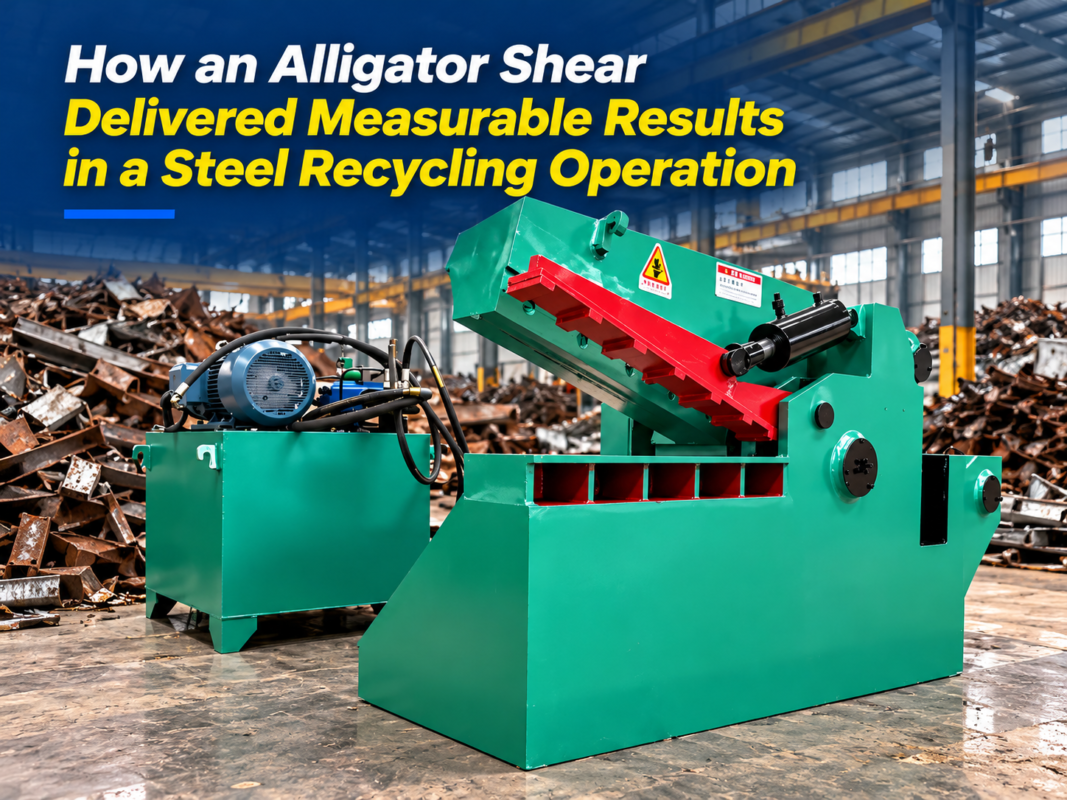
Industrial shredders are rated for specific maximum thicknesses. If a piece is too thick, the PLC system will detect a torque spike and reverse the blades to reposition the material. For consistently thick materials, a pre-shredder or a higher-tonnage hydraulic shear may be used before the primary shredding stage.
2. What is the typical lifespan of shredder blades?
Blade life depends entirely on the material being processed. Shredding clean aluminum will result in much longer blade life than shredding abrasive, sandy scrap or high-carbon steel. On average, blades may need servicing every 500 to 2,000 hours of operation, depending on the alloy and application.
3. Can one shredder handle both metal and plastic?
Yes, many dual-shaft shredders are versatile enough to handle both. However, the blade profile that is efficient for metal might not be optimal for plastic. If a facility processes large volumes of both, they may use different sets of shafts or a machine with adjustable speed settings to accommodate the different material properties.
4. How much power does an industrial metal shredder consume?
Power consumption varies by model, typically ranging from 37kW to over 400kW. While the power draw is significant, the efficiency gains in processing speed and the higher value of the output usually far outweigh the electricity costs.
Conclusion: Choosing HARSLE for Your Shredding Needs
Understanding how industrial shredders improve waste metal processing efficiency is the first step toward modernizing your recycling or manufacturing operation. By reducing volume, increasing material purity, and automating labor-intensive tasks, these machines provide a clear path to increased profitability and environmental sustainability. HARSLE remains at the forefront of this technology, offering robust, high-torque shredding solutions tailored to the rigors of the metal industry.
Whether you are looking to process ELVs, industrial offcuts, or complex E-waste, selecting the right machine configuration is paramount. With HARSLE’s expertise in blade metallurgy and drive system engineering, you can ensure that your facility is equipped to handle the challenges of tomorrow’s scrap metal market. Contact us today to discuss your material requirements and discover how our industrial shredders can revolutionize your processing workflow.