Industrial Shredder Applications In Metal Scrap Recycling: A Comprehensive Guide

Introduction to Industrial Shredder Applications In Metal Scrap Recycling
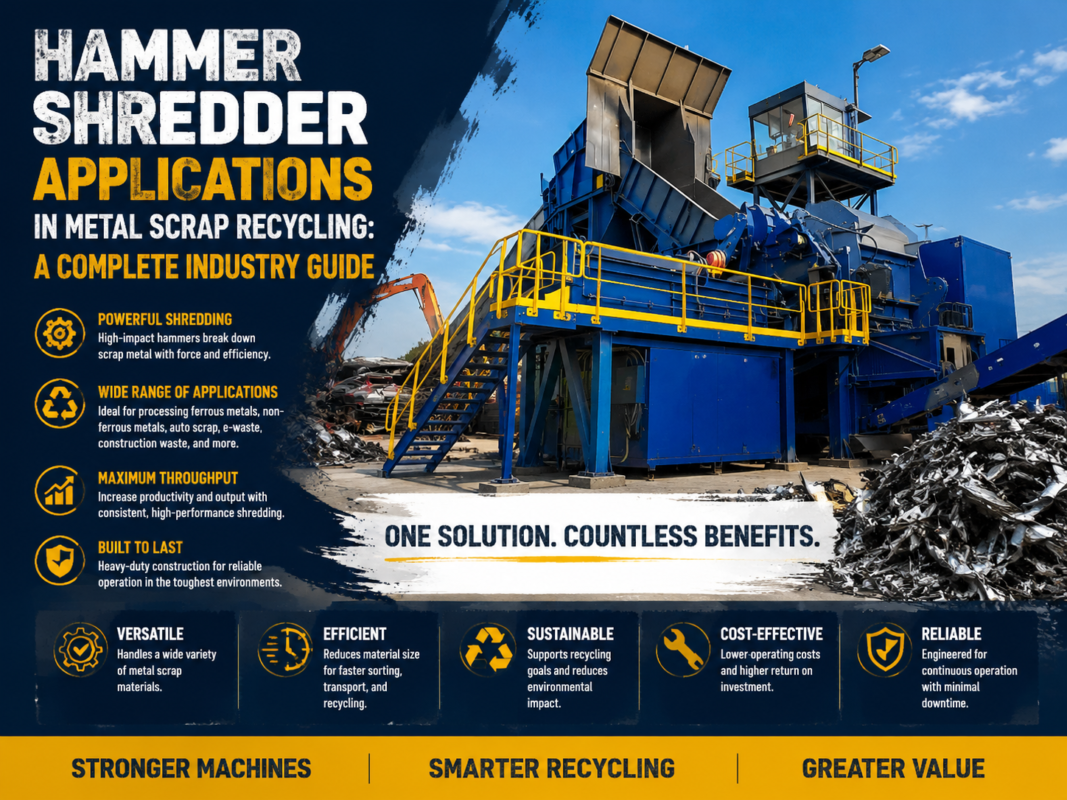
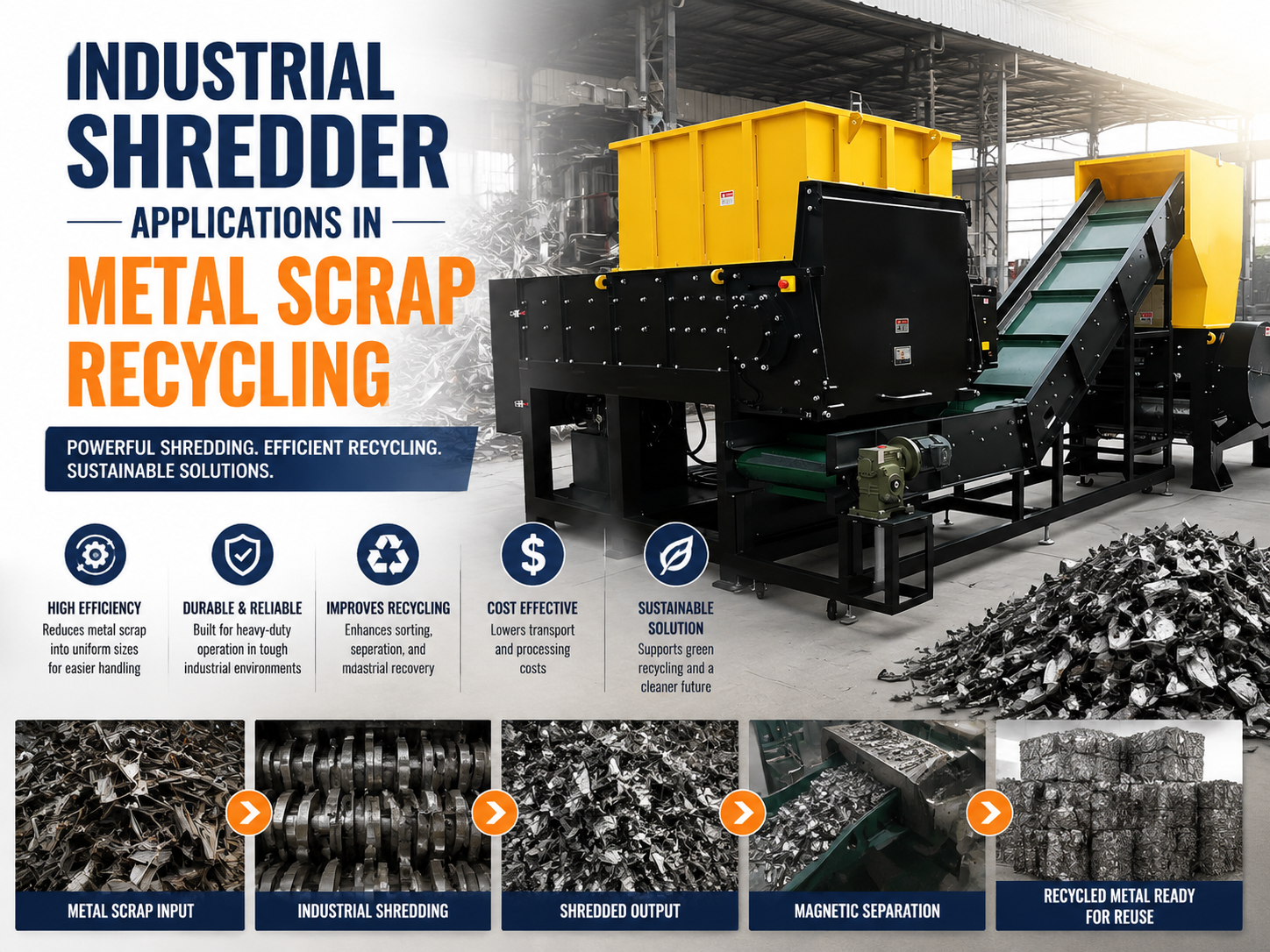
In the modern industrial landscape, the management of metal waste has transitioned from a logistical challenge to a highly profitable and environmentally necessary endeavor. Industrial shredder applications in metal scrap recycling represent the cornerstone of this transformation. These powerful machines are designed to reduce large volumes of metal waste—ranging from automotive frames to industrial offcuts—into manageable, uniform pieces that can be easily sorted, cleaned, and melted down for reuse.
The efficiency of a recycling facility is often measured by its ability to process diverse materials with minimal downtime and maximum purity of the output. Industrial shredders facilitate this by utilizing high-torque, low-speed shearing mechanisms or high-speed impact systems to break down the structural integrity of metal objects. As global demand for recycled steel, aluminum, and copper continues to rise, understanding the nuances of shredder technology becomes essential for any metal fabrication or recycling enterprise looking to optimize its operations.
HARSLE, a leader in metal fabrication machinery, recognizes that the right shredding solution can significantly impact a company’s bottom line. By integrating advanced shredding technology into the recycling workflow, businesses can reduce transportation costs, improve the efficiency of downstream smelting processes, and contribute to a circular economy. This guide explores the various facets of industrial shredder applications in metal scrap recycling, providing technical insights and practical advice for industry professionals.
Application Scenarios for Industrial Shredders
Automotive Recycling and End-of-Life Vehicles (ELVs)
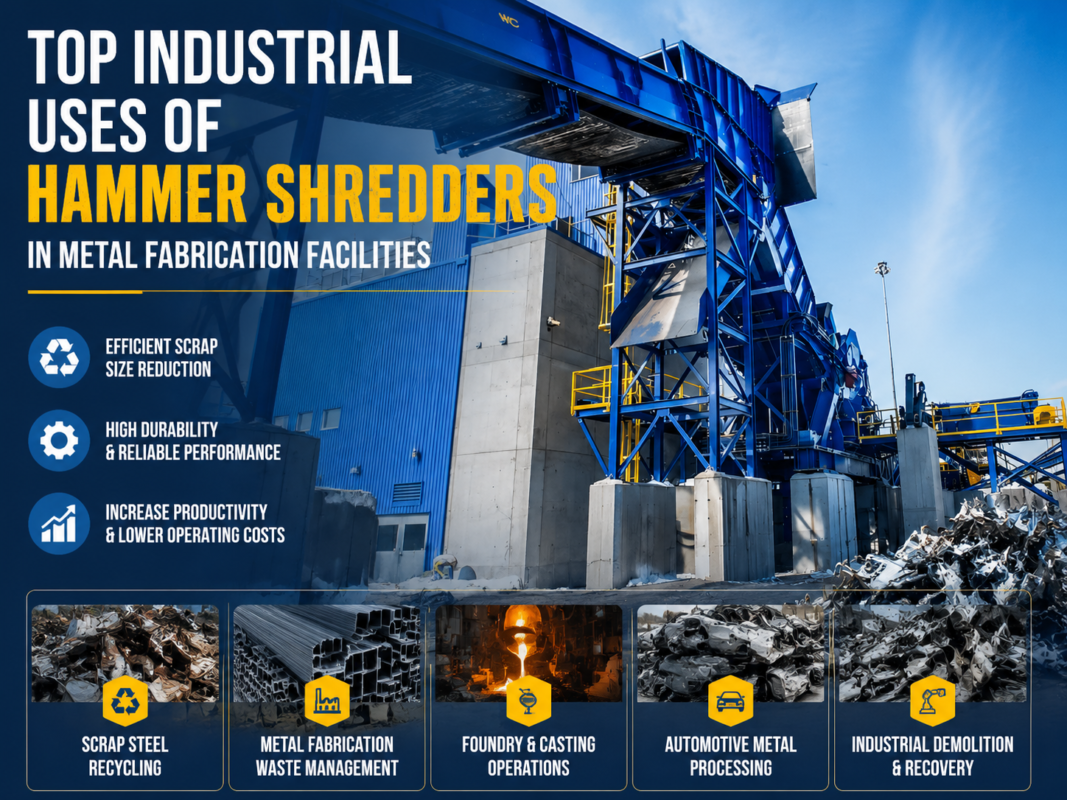
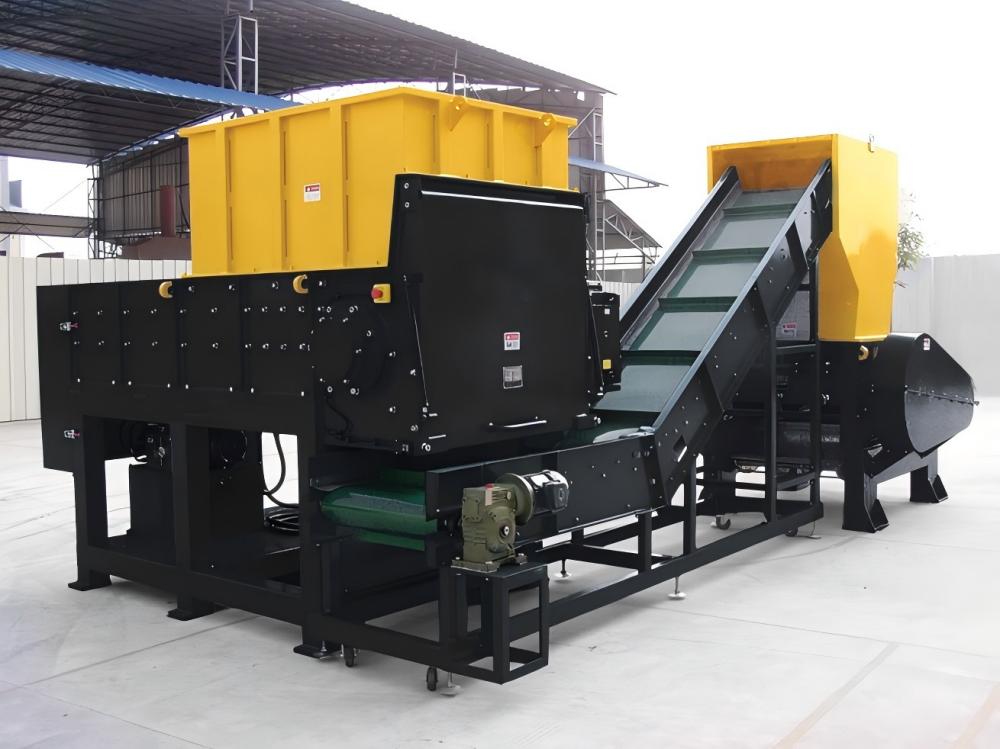
One of the most prominent industrial shredder applications in metal scrap recycling is the processing of end-of-life vehicles. Modern cars are a complex mix of ferrous metals, non-ferrous alloys, plastics, and glass. A heavy-duty industrial shredder can process an entire car chassis in minutes, breaking it down into fist-sized fragments. This process is vital for separating the valuable steel and aluminum from non-metallic components. The shredded material is then passed through magnetic separators and eddy current systems to isolate high-purity metals that are ready for the furnace.
Electronic Waste (E-Waste) Processing
E-waste is one of the fastest-growing waste streams globally. Industrial shredders are used to process computers, servers, telecommunications equipment, and household appliances. In these scenarios, the shredder must be capable of handling delicate circuit boards alongside robust metal casings. The goal is to liberate precious metals like gold, silver, and palladium, as well as significant quantities of copper and aluminum. Precision shredding ensures that the materials are reduced to a size that allows for high-accuracy automated sorting.
Industrial Offcuts and Manufacturing Scrap
Metal fabrication shops and manufacturing plants generate vast amounts of scrap in the form of skeletons from laser cutting, turnings from CNC machining, and rejected parts. Industrial shredder applications in metal scrap recycling for these environments focus on volume reduction. By shredding long, stringy turnings or bulky skeletons, manufacturers can fit more material into a single transport container, drastically reducing logistics costs. Furthermore, shredded scrap often fetches a higher price from foundries because it is easier to handle and melts more consistently.
Construction and Demolition Debris
The construction industry produces significant amounts of metal waste, including rebar, structural steel beams, and aluminum siding. Shredders used in this sector must be exceptionally rugged to handle the unpredictable nature of demolition scrap, which may be contaminated with concrete or wood. Industrial shredders help in recovering these metals from the debris, ensuring that valuable resources are not sent to landfills but are instead reintroduced into the production cycle.
Material and Process Requirements
Material Hardness and Tensile Strength
When considering industrial shredder applications in metal scrap recycling, the physical properties of the input material are paramount. Shredders must be engineered to overcome the tensile strength of various alloys. For instance, shredding stainless steel requires significantly more torque and more durable blade materials than shredding aluminum. The machine’s drive system—whether hydraulic or electric—must be sized to provide the necessary force to shear through the thickest sections of the scrap without stalling or causing mechanical failure.
Throughput and Particle Size Requirements
The desired output size dictates the type of shredder and the configuration of its blades. Some applications require a coarse shred (50-100mm) for basic volume reduction, while others, such as E-waste recycling, may require a fine granulate (less than 10mm) for chemical leaching or advanced optical sorting. Throughput requirements, measured in tons per hour (TPH), also influence the machine’s scale. A high-volume scrap yard may require a system capable of 20-50 TPH, necessitating a multi-stage shredding line with heavy-duty conveyors and automated feed controls.
Contamination and Purity Standards
Recycling is not just about breaking things; it is about purification. The shredding process must facilitate the removal of contaminants such as oils, paints, plastics, and rubber. In many industrial shredder applications in metal scrap recycling, the shredder is the first step in a multi-stage separation process. The blades must be designed to “liberate” different materials from one another—for example, stripping the plastic insulation from copper wiring or separating the steel reinforcement from rubber tires. The cleaner the resulting metal, the higher its market value.
Recommended Machine Configuration
Double-Shaft Shredders for Primary Reduction
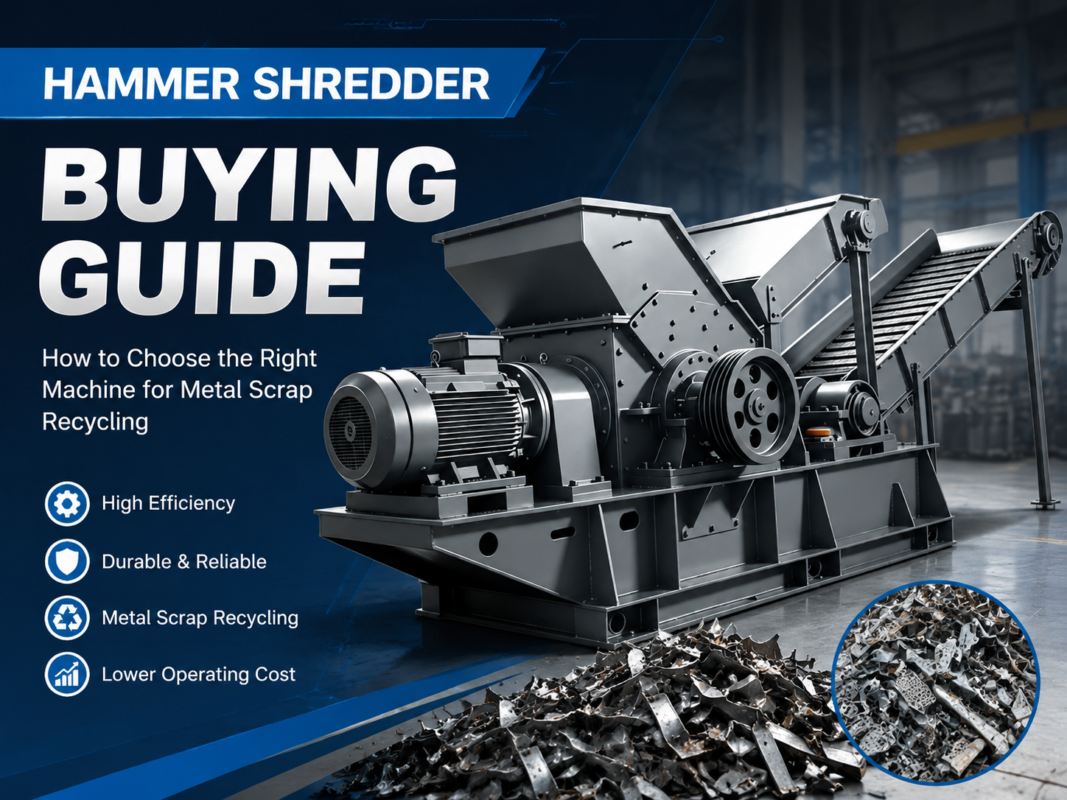
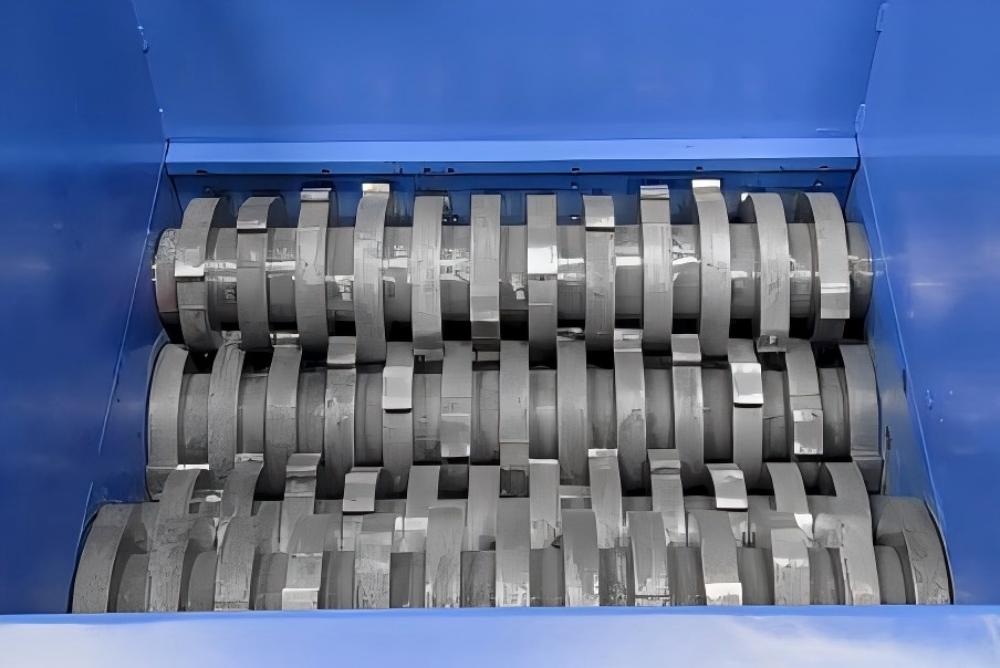
For most heavy-duty industrial shredder applications in metal scrap recycling, the double-shaft shredder is the industry standard. These machines feature two counter-rotating shafts equipped with hooked blades. They operate at low speeds with extremely high torque, making them ideal for “grabbing” and shearing bulky items like metal drums, car parts, and large sheets. The low-speed operation also minimizes dust and noise, which is a critical consideration for indoor recycling facilities.
Single-Shaft Shredders for Precision Sizing
Single-shaft shredders are often used as secondary shredders or for specific materials like aluminum extrusions and light-gauge scrap. They feature a high-speed rotor with replaceable cutters and a hydraulic pusher that forces the material against the rotor. A screen is typically placed beneath the rotor to ensure that only material of the correct size leaves the machine. This configuration is excellent for achieving a uniform particle size, which is essential for certain downstream separation technologies.
Blade Material and Geometry
The heart of any shredder is its blades. For metal recycling, blades are typically manufactured from high-strength alloy steels like D2 or SKD-11, often heat-treated to reach a hardness of 55-60 HRC. The geometry of the blade—the number of hooks, the thickness, and the profile—is customized based on the material being processed. For example, thinner blades with more hooks are better for shredding light-gauge metals and plastics, while thicker, wider blades are necessary for structural steel and heavy castings.
Control Systems and Safety Features
Modern industrial shredders are equipped with sophisticated PLC (Programmable Logic Controller) systems. These systems monitor the load on the motors and can automatically reverse the shafts if a jam is detected, preventing damage to the blades and drive train. Safety features such as emergency stop buttons, safety interlocks on access doors, and fire suppression systems (especially important when shredding materials that may contain residual fuels or batteries) are standard in high-quality HARSLE configurations.
Workflow of a Metal Shredding Plant
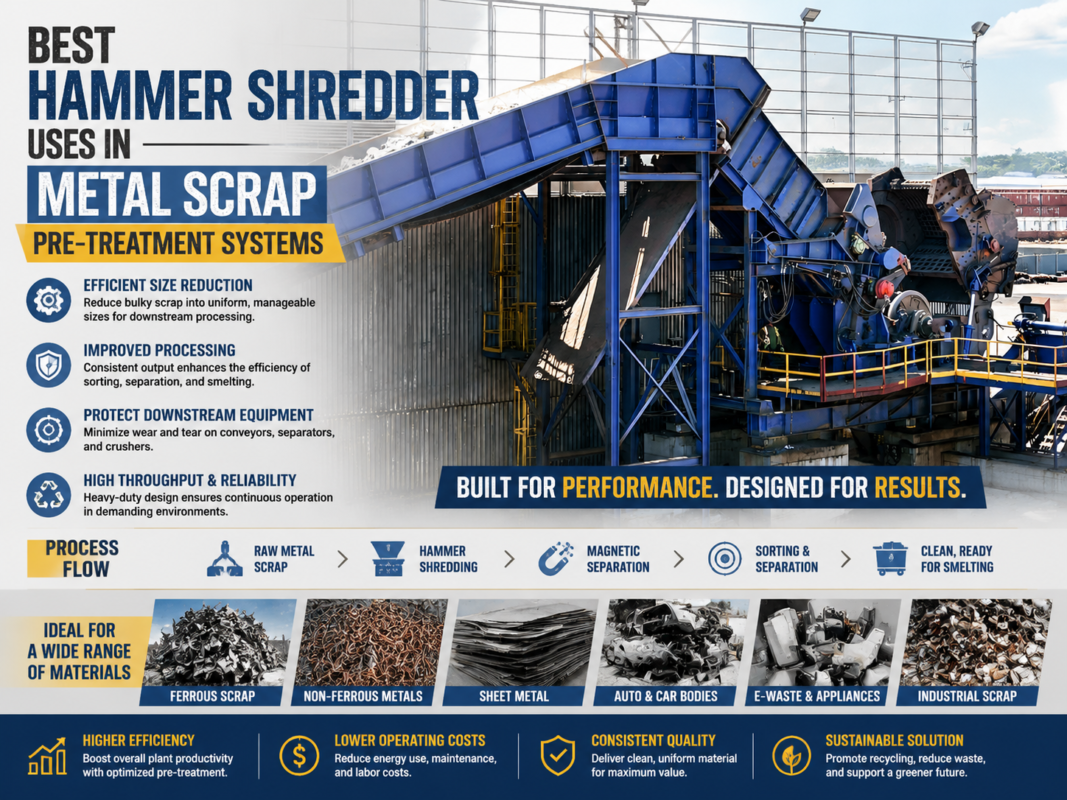
- Feeding and Pre-Sorting: Scrap metal is delivered to the facility and pre-sorted to remove hazardous materials (like pressurized tanks) or items too large for the primary shredder. A crane or conveyor then feeds the material into the shredder’s hopper.
- Primary Shredding: The double-shaft shredder breaks the bulky scrap into smaller, irregular pieces. This stage focuses on breaking the structural integrity of the objects.
- Magnetic Separation: The shredded material passes under a powerful overbelt magnet or over a magnetic drum. This step extracts ferrous metals (iron and steel) from the mix.
- Secondary Shredding (Optional): If a smaller particle size is required, the ferrous or non-ferrous streams may pass through a second shredder or granulator.
- Eddy Current Separation: This advanced technology uses a rapidly alternating magnetic field to induce currents in non-ferrous metals (like aluminum and copper), causing them to be repelled and separated from non-metallic waste like plastics and glass.
- Air Classification: A “Z-box” or air classifier uses air currents to blow away light contaminants like foam, paper, and thin plastics, further purifying the metal stream.
- Collection and Transport: The purified metal fractions are collected in bins or silos, ready to be transported to foundries or secondary smelters for melting.
Productivity and Economic Benefits
Reduction in Logistics and Storage Costs
One of the most immediate benefits of industrial shredder applications in metal scrap recycling is the dramatic reduction in material volume. Shredding can reduce the volume of bulky scrap by up to 80%. This means that a single truck can carry significantly more weight in shredded scrap than in un-shredded scrap, leading to fewer trips, lower fuel consumption, and reduced carbon emissions. Additionally, shredded material requires less warehouse space, allowing facilities to manage larger inventories more efficiently.
Enhanced Smelting Efficiency
Foundries and smelters prefer shredded scrap because of its high surface-area-to-volume ratio. Shredded metal melts faster and more uniformly than large, irregular chunks. This reduces the energy consumption of the furnace and increases the throughput of the smelting process. Furthermore, because the shredding and separation process removes most contaminants, the resulting melt is of higher quality, requiring fewer chemical additives to achieve the desired alloy specifications.
Revenue Generation from High-Purity Fractions
The ability to separate mixed scrap into high-purity streams of steel, aluminum, and copper allows recycling companies to command premium prices on the global commodities market. Instead of selling mixed “dirty” scrap at a discount, facilities can sell clean, sorted fractions that are ready for immediate industrial use. The ROI (Return on Investment) for a high-quality industrial shredder is often realized within a few years through these increased margins and operational efficiencies.
Case Example: Aluminum Profile Recycling Facility
A medium-sized recycling center in Southeast Asia recently upgraded its facility with a HARSLE double-shaft shredder specifically for processing aluminum window profiles and industrial extrusions. Previously, the company manually cut the profiles, which was labor-intensive and produced inconsistent results. The profiles often contained steel screws and plastic thermal breaks, which lowered the value of the aluminum.
By implementing an automated shredding line, the company was able to process 5 tons of aluminum profiles per hour. The shredder broke the profiles into 50mm pieces, which effectively liberated the steel screws and plastic strips. An integrated magnetic separator removed the steel, and an eddy current separator isolated the clean aluminum. The result was a 99% pure aluminum fraction that the company sold directly to an aluminum smelter at a 20% higher price than their previous un-sorted scrap. The labor costs were reduced by 60%, and the facility’s overall capacity tripled within the first six months of operation.
Frequently Asked Questions (FAQ)
What is the lifespan of shredder blades?
The lifespan of blades depends heavily on the material being shredded and the maintenance schedule. For general steel scrap, blades may last between 500 to 2,000 hours before requiring sharpening or replacement. Using hard-facing welding techniques can extend the life of the blades significantly. Regular inspection is key to preventing catastrophic failure.
Can industrial shredders handle heavy structural steel?
Yes, but it requires a machine specifically designed for heavy-duty applications. These shredders feature thicker shafts, higher torque motors, and reinforced housings. For extremely thick structural steel (over 20mm), a shear may be used as a pre-processor before the material enters the shredder.
How do I choose between an electric and a hydraulic drive?
Electric drives are generally more energy-efficient and easier to maintain, making them ideal for consistent loads. Hydraulic drives offer superior shock absorption and can provide maximum torque at zero speed, which is beneficial for processing unpredictable, heavy scrap that might cause frequent jams.
What maintenance is required for an industrial shredder?
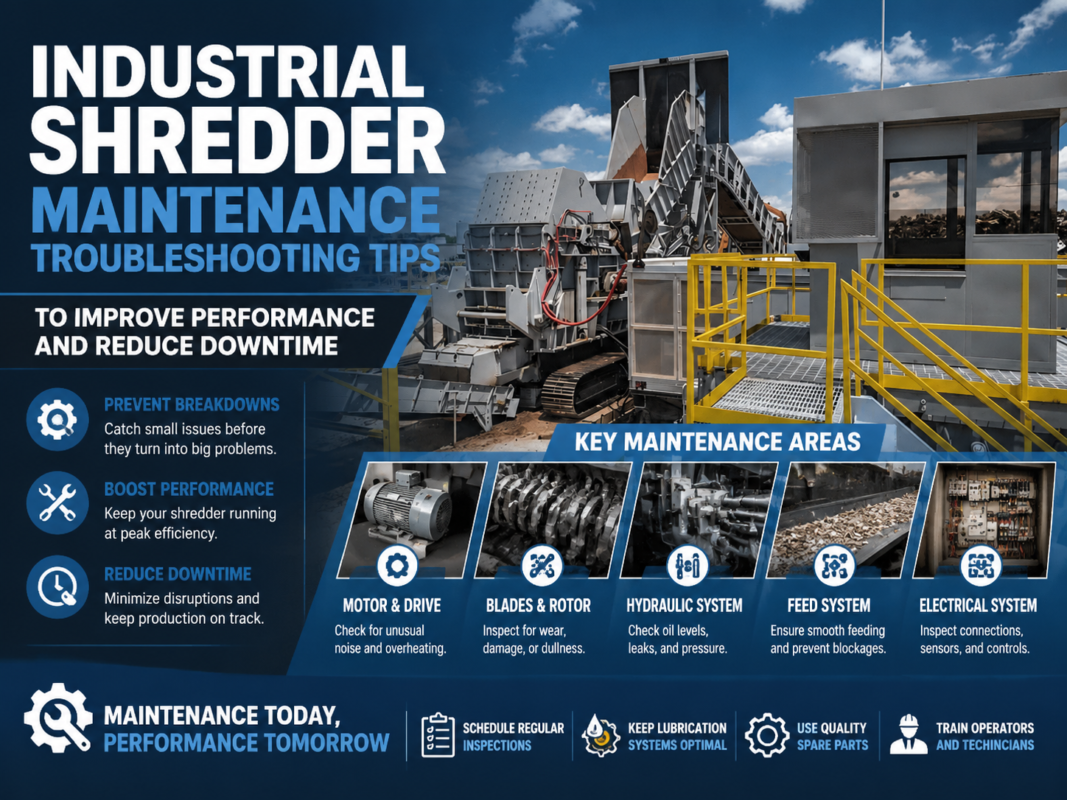
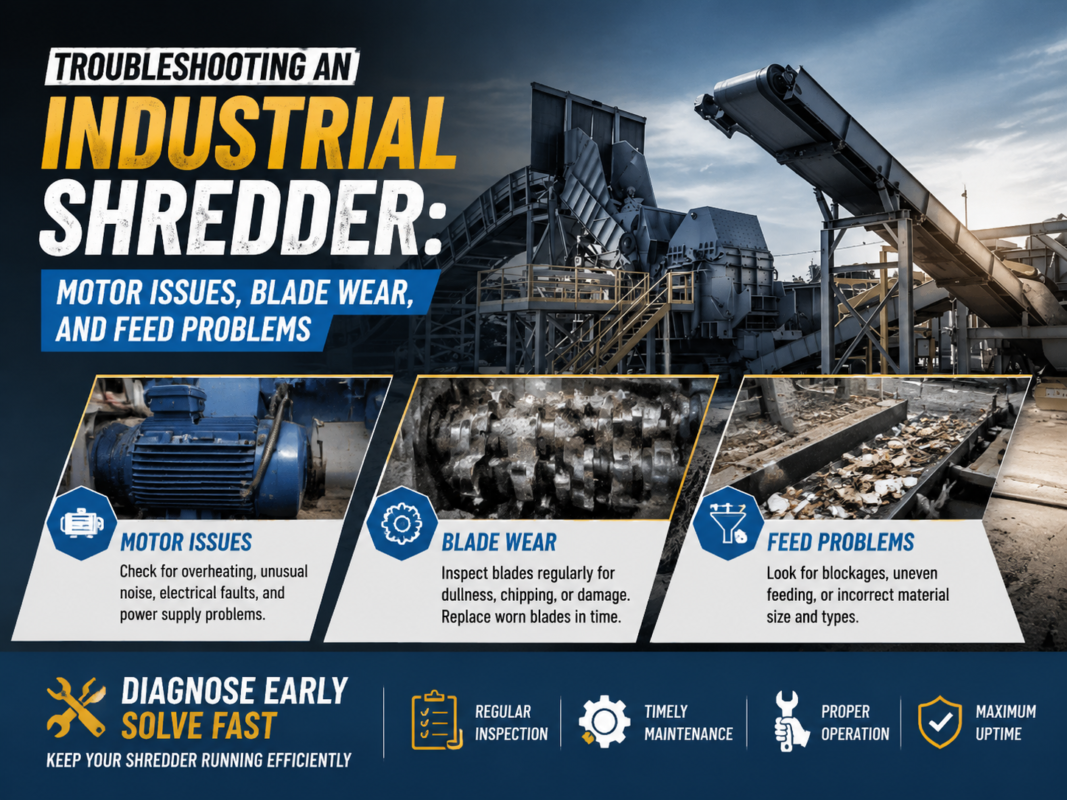
Daily maintenance includes checking lubrication levels, inspecting blades for chips or wear, and ensuring the hopper is clear of obstructions. Weekly tasks involve checking bolt tightness, inspecting conveyor belts, and monitoring the temperature of bearings and motors. A proactive maintenance schedule is essential for maximizing uptime.
Conclusion and Call to Action
Industrial shredder applications in metal scrap recycling are vital for any business aiming to thrive in the modern manufacturing and waste management sectors. By investing in the right technology, companies can transform waste into a valuable resource, optimize their logistics, and contribute to a more sustainable industrial future. HARSLE offers a range of high-performance shredding solutions tailored to the specific needs of the metal recycling industry.
Are you ready to enhance your recycling capabilities and boost your productivity? Contact HARSLE today to speak with our technical experts. We can help you design a custom shredding and separation line that meets your throughput requirements and maximizes your return on investment. Visit our website or reach out to our sales team for a detailed consultation and quote.