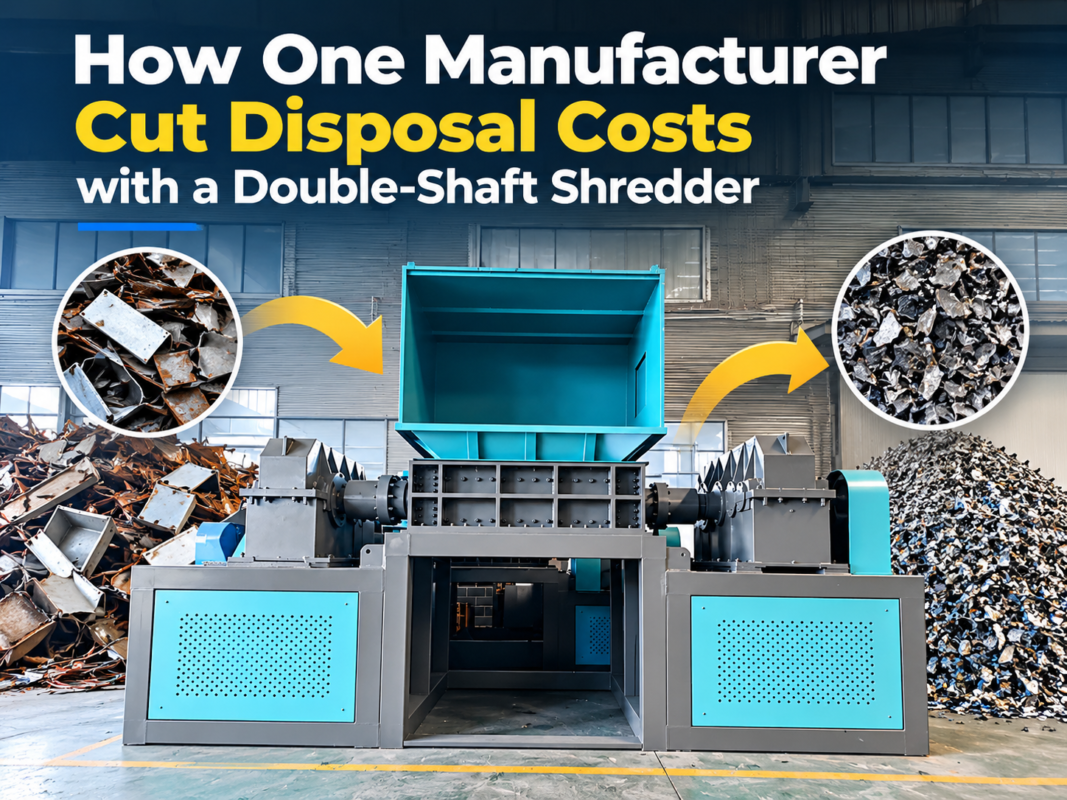
Maximizing Efficiency: Industrial Shredder Benefits for High-Volume Industrial Waste Reduction

Introduction to High-Volume Industrial Waste Management
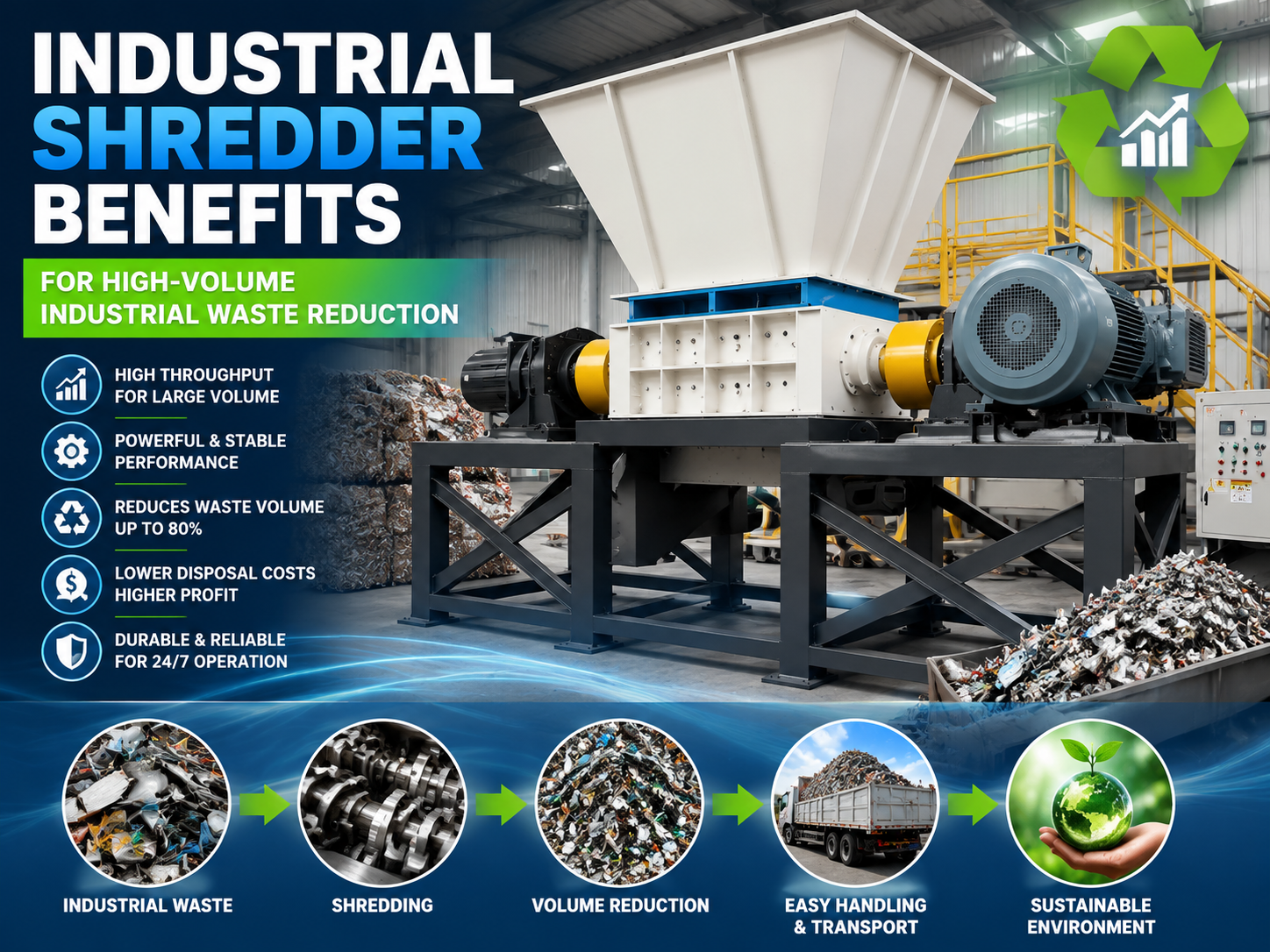
In the modern manufacturing landscape, the management of waste is no longer just a secondary operational concern; it is a critical factor in determining a company’s profitability and environmental footprint. As global industries scale up production, the volume of scrap metal, plastic, electronic waste, and composite materials increases exponentially. This is where the Industrial Shredder Benefits High-Volume Industrial Waste Reduction become most apparent. High-capacity shredding systems are designed to transform bulky, unmanageable waste into uniform, processed materials that are easier to transport, recycle, or dispose of.
HARSLE, a leader in metal fabrication and industrial machinery, recognizes that efficiency in waste reduction directly correlates with lower overhead costs. By implementing advanced shredding technology, facilities can reduce the physical volume of their waste by up to 80%, significantly cutting down on logistics expenses. This article provides an in-depth look at how industrial shredders function, the specific benefits they offer for high-volume operations, and how to select the right configuration for your specific industrial needs.
Application Scenarios for Industrial Shredders
The versatility of industrial shredders allows them to be deployed across a wide array of sectors. One of the primary application scenarios is in the automotive industry. During the manufacturing process, significant amounts of sheet metal scrap, plastic trimmings, and rubber components are generated. An industrial shredder can process these diverse materials, preparing them for secondary smelting or specialized recycling programs. Furthermore, end-of-life vehicle (ELV) processing centers rely on heavy-duty shredders to break down entire car bodies into manageable fragments for metal recovery.
Another critical scenario is electronic waste (e-waste) recycling. With the rapid turnover of consumer electronics, the volume of discarded circuit boards, hard drives, and plastic casings is staggering. Industrial shredders equipped with specialized blades can safely pulverize these items, allowing for the subsequent extraction of precious metals like gold, silver, and copper. This not only prevents hazardous materials from entering landfills but also turns waste into a valuable revenue stream.
In the municipal and commercial waste sectors, high-volume shredders are used to process bulky items such as furniture, pallets, and large-scale packaging. By reducing these items to a consistent size, facilities can optimize their incineration processes for energy-from-waste (EfW) plants or improve the compaction density in landfills. The ability to handle mixed-material streams makes the industrial shredder an indispensable tool for modern waste management facilities aiming for maximum throughput.
Material and Process Requirements
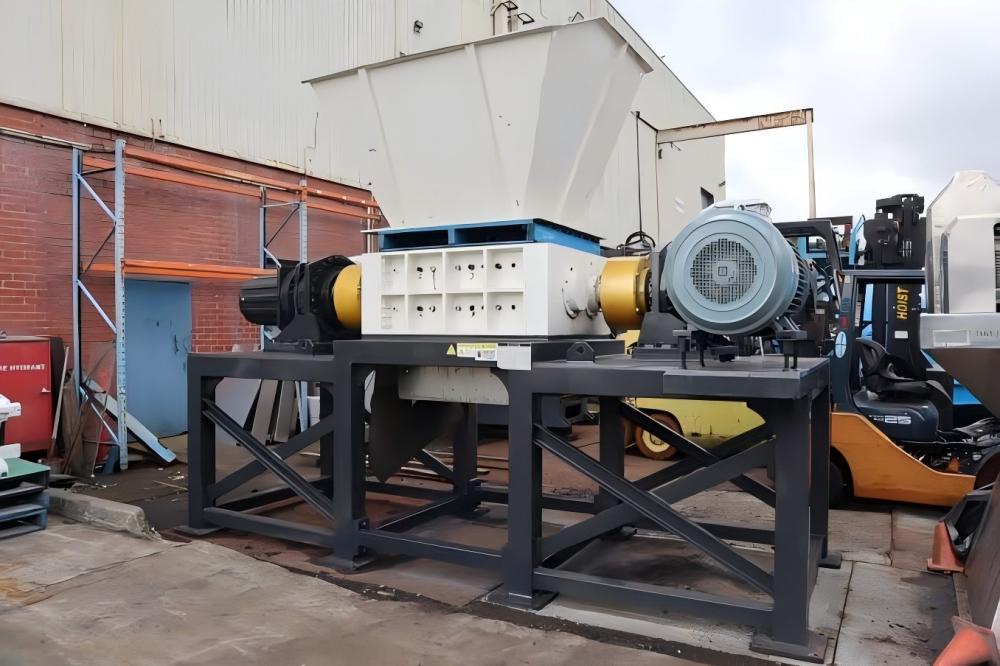
To fully realize the Industrial Shredder Benefits High-Volume Industrial Waste Reduction, one must understand the material and process requirements. Not all shredders are created equal, and the physical properties of the waste material dictate the machine’s design. For instance, shredding high-tensile steel requires significantly more torque and harder blade materials than shredding HDPE plastics or corrugated cardboard. The hardness, toughness, and moisture content of the material are the primary factors that engineers consider when designing a shredding system.
Process requirements also involve the desired output size. Some applications, such as RDF (Refuse Derived Fuel) production, require a very specific particle size to ensure efficient combustion. This necessitates the use of screens within the shredder to recirculate material until it meets the size specifications. Conversely, for simple volume reduction for transport, a coarser shred may be sufficient, which allows for higher throughput speeds. Understanding the balance between output quality and processing speed is essential for optimizing the ROI of the equipment.
Furthermore, the feeding method plays a vital role. High-volume operations often require automated feeding systems, such as conveyor belts or hydraulic lifters, to maintain a consistent flow of material into the hopper. Overloading the shredder can lead to frequent reversals and mechanical stress, while underloading results in inefficient energy consumption. A well-integrated process ensures that the shredder operates within its optimal performance envelope, maximizing the lifespan of the cutting components.
Recommended Machine Configuration
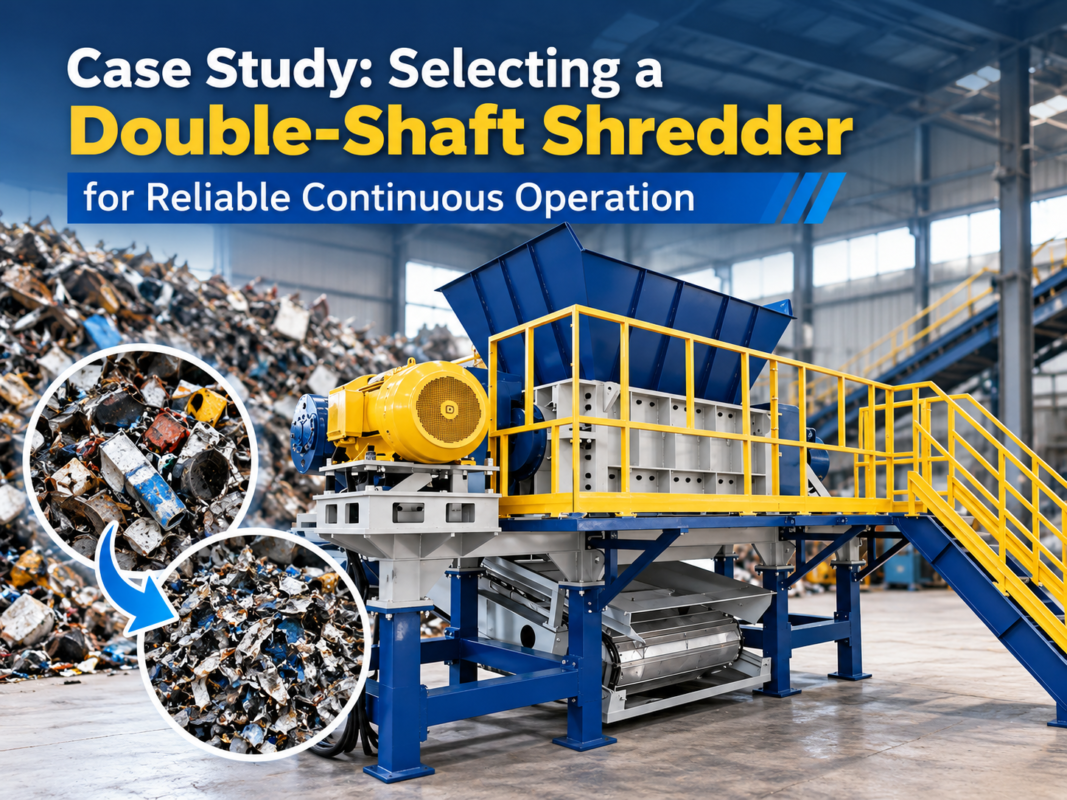
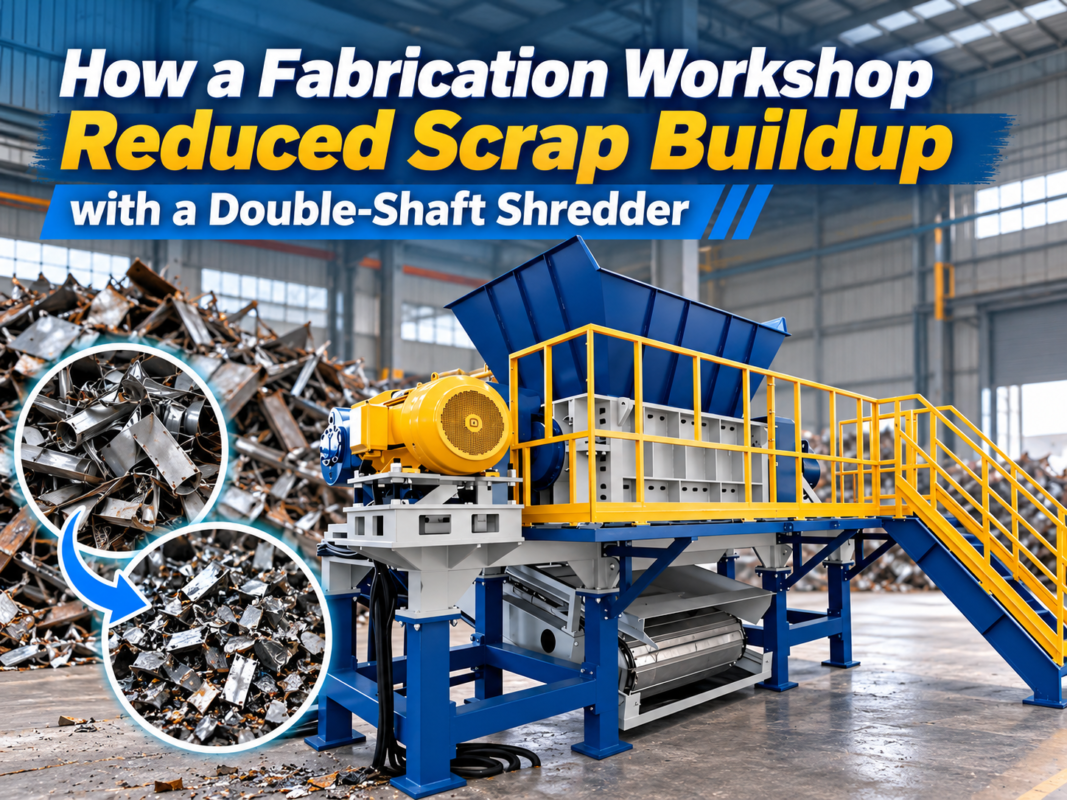
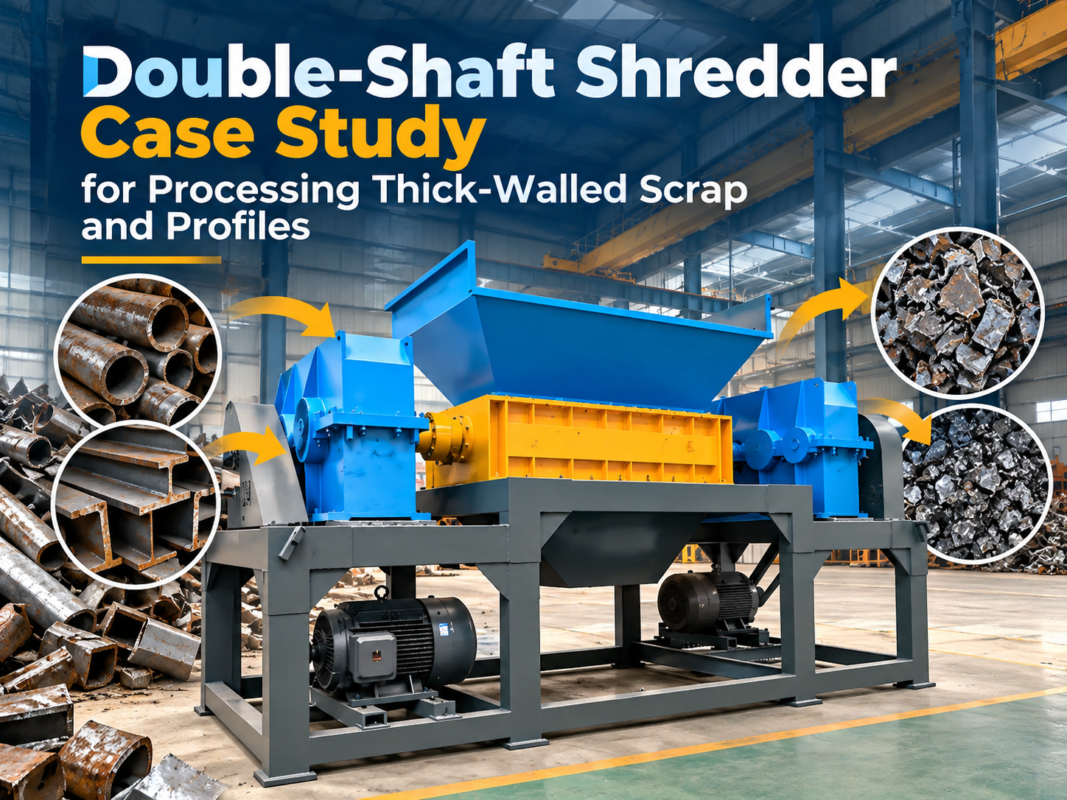
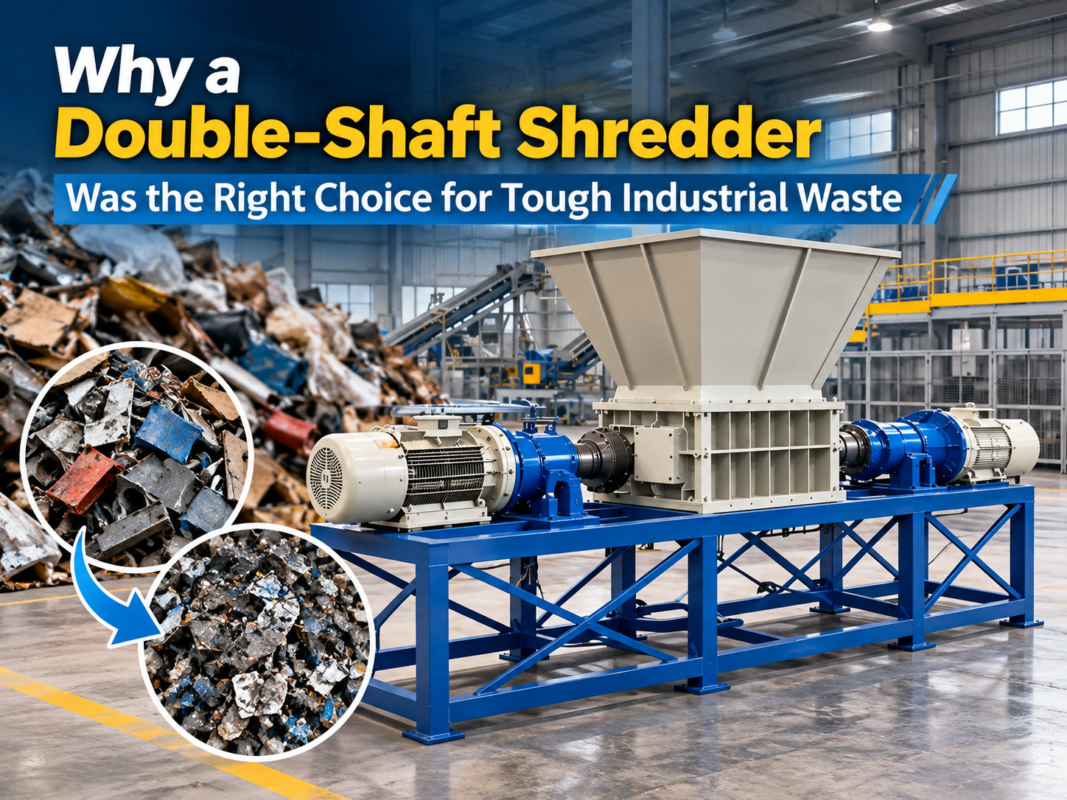
Choosing the right configuration is paramount for handling high-volume waste. HARSLE offers several configurations tailored to different industrial demands. The most common types include single-shaft, double-shaft, and four-shaft shredders. For high-volume metal and bulky waste, the double-shaft shredder is often the preferred choice. It utilizes two counter-rotating shafts with interlocking blades that provide high torque and low speed, making it ideal for shearing through tough materials without generating excessive heat or dust.
For applications requiring a precise final grain size, a four-shaft shredder is recommended. This configuration includes two main cutting shafts and two secondary shafts that help pull material back into the cutters, ensuring that nothing leaves the chamber until it passes through the integrated screen. This is particularly useful for e-waste and plastic recycling where uniformity is key for downstream sorting equipment. The inclusion of a PLC (Programmable Logic Controller) is also a standard recommendation, as it allows for automatic reversal of the shafts if a jam is detected, protecting the motor and drive train.
| Feature | Single-Shaft Shredder | Double-Shaft Shredder | Four-Shaft Shredder |
|---|---|---|---|
| Primary Use | Plastics, Wood, Paper | Metal, Tires, Bulky Waste | E-waste, Precise Sizing |
| Torque Level | Medium | Very High | High |
| Output Size Control | Excellent (via screen) | Moderate (blade width) | Superior (integrated screen) |
| Maintenance Level | Low | Moderate | High |
In addition to the shaft configuration, the material of the blades is a critical specification. High-alloy steels like D2 or SKD-11 are commonly used for their exceptional hardness and wear resistance. For high-volume operations, HARSLE recommends blades that are easily replaceable or can be refurbished, as this minimizes downtime. The drive system—whether electric or hydraulic—should also be selected based on the material’s resistance; hydraulic drives offer superior shock absorption for unpredictable waste streams containing heavy metal contaminants.
Workflow of an Industrial Shredding System
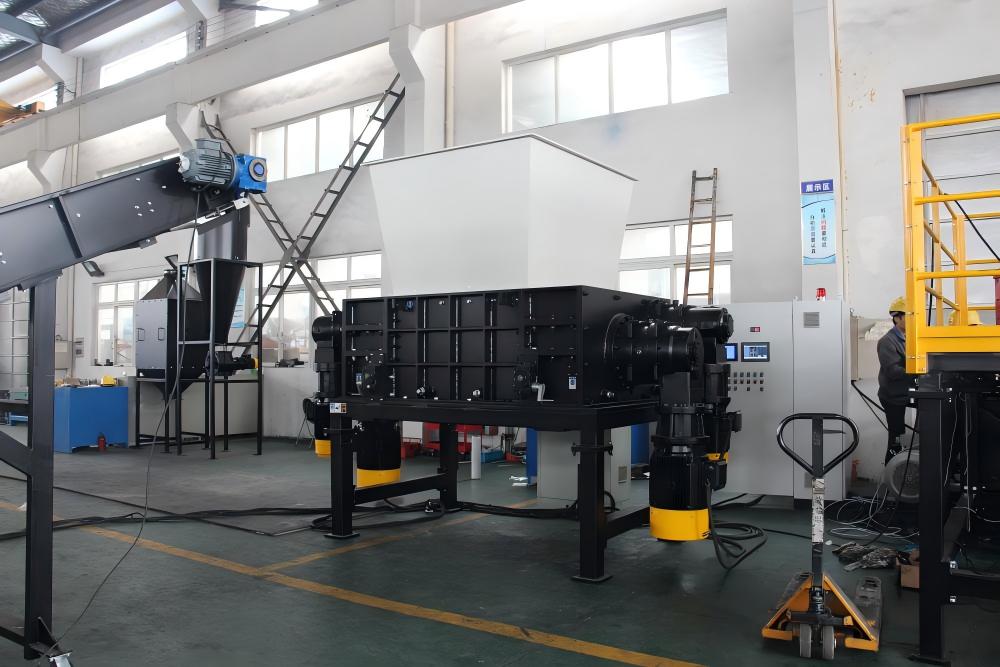
The workflow of a high-volume industrial shredding system is a multi-stage process designed for maximum efficiency. It begins with the Material Preparation and Feeding stage. In this phase, waste is collected and often pre-sorted to remove any non-shreddable items that could damage the blades. The material is then loaded into the shredder’s hopper via a conveyor or grapple. Sensors in the hopper monitor the load level to prevent overfilling, ensuring a steady stream of material into the cutting chamber.
The second stage is the Shredding and Size Reduction. As the material enters the chamber, the rotating blades grab and shear the waste against fixed counter-blades or against the opposing shaft. The high-torque motors provide the necessary force to break down the structural integrity of the waste. If the machine encounters an unshreddable object, the PLC triggers a momentary reversal of the shafts to reposition the material or allow for manual removal, preventing catastrophic failure of the drive system.
The final stage involves Discharge and Post-Processing. Once the material is shredded to the desired size, it falls through the discharge chute onto an outfeed conveyor. In many high-volume setups, this conveyor is equipped with a magnetic separator to pull out ferrous metals, or an eddy current separator for non-ferrous metals. The remaining material is then transported to storage silos, balers, or directly into transport containers. This automated workflow reduces the need for manual labor and ensures that the waste reduction process is continuous and predictable.
Productivity Benefits for High-Volume Operations
The Industrial Shredder Benefits High-Volume Industrial Waste Reduction extend far beyond simple trash management. The most immediate benefit is the dramatic reduction in transportation costs. By shredding bulky waste, companies can fit significantly more material into a single truck or container. For a facility producing 50 tons of waste per day, reducing the volume by 75% can mean the difference between ten truck trips and three, leading to massive savings in fuel, labor, and vehicle maintenance.
Another major productivity gain is the recovery of valuable materials. In the context of metal fabrication, shredding allows for the clean separation of different alloys. Shredded scrap is often valued higher by foundries because it is easier to melt and has a known density. This transforms a waste disposal cost into a revenue-generating activity. Furthermore, for companies aiming for “Zero Waste to Landfill” certifications, industrial shredders are the primary technology that enables the processing of complex waste streams into recyclable fractions.
Operational safety is also enhanced through industrial shredding. Manually handling large, sharp, or heavy scrap pieces is a significant safety risk for workers. An automated shredding line minimizes human contact with the waste, reducing the likelihood of workplace injuries. Additionally, by processing waste immediately as it is generated, facilities can maintain a cleaner, more organized floor space, which improves overall operational flow and reduces fire hazards associated with piled-up combustible waste.
Case Example: Metal Recycling Facility Optimization
Consider a medium-sized metal recycling facility that was struggling with the high cost of transporting loose aluminum scrap and mixed electronic waste. Before implementing a HARSLE double-shaft shredder, the facility was shipping loose material, which resulted in low-density loads and high freight costs. The manual sorting process was slow, and they were unable to capture the full value of the precious metals locked within the e-waste components.
After installing a custom-configured 150HP double-shaft shredder with an integrated magnetic separation line, the facility saw immediate results. The volume of the aluminum scrap was reduced by 70%, allowing them to double the weight of each outbound shipment. The shredder’s ability to break down e-waste into 20mm fragments allowed their downstream eddy current separators to recover 95% of the non-ferrous metals, which were previously lost. Within the first 14 months of operation, the facility reported that the savings in logistics and the increase in material recovery value had completely covered the capital investment of the shredder.
Frequently Asked Questions (FAQ)
1. How often do the blades need to be sharpened or replaced?
Blade longevity depends entirely on the material being shredded. For soft plastics or paper, blades can last for thousands of hours. For abrasive materials like glass-filled plastics or contaminated scrap metal, blades may need inspection every 500-1000 hours. HARSLE blades are designed for multiple regrinds to extend their service life.
2. Can an industrial shredder handle “unshreddable” items like thick steel plates?
While industrial shredders are powerful, every machine has a limit based on its motor power and blade thickness. Most shredders are equipped with “auto-reverse” logic to protect the machine from damage if an item is too hard. For very thick steel, a heavy-duty scrap shear may be required before shredding.
3. What is the average power consumption for a high-volume shredder?
Power consumption varies by model, typically ranging from 37kW to over 200kW. However, modern shredders use frequency drives (VFDs) to optimize power usage, ensuring the motor only draws the necessary current based on the resistance of the material being processed.
4. Is noise pollution a concern with these machines?
Industrial shredders operate at low speeds (typically 15-35 RPM), which significantly reduces noise compared to high-speed granulators. However, the sound of material fracturing can still be loud. Many facilities choose to install shredders in sound-dampened enclosures or use acoustic barriers if noise is a concern for nearby workers.
Conclusion and Call to Action
The Industrial Shredder Benefits High-Volume Industrial Waste Reduction are clear: lower costs, higher safety, and a more sustainable business model. As industrial regulations tighten and the cost of raw materials continues to rise, the ability to efficiently process and recycle waste is a competitive advantage that no modern manufacturer can afford to ignore. HARSLE provides the robust, high-performance machinery needed to tackle the toughest waste challenges, ensuring that your facility operates at peak efficiency.
Are you ready to transform your waste management process and unlock new revenue streams? Contact HARSLE today to speak with our technical experts. We can provide a customized waste audit and recommend the perfect shredding configuration for your specific material and volume requirements. Visit our website or call our sales team to learn more about our full range of industrial shredders and metal fabrication equipment.