Top Applications of Industrial Shredders in Manufacturing Plants

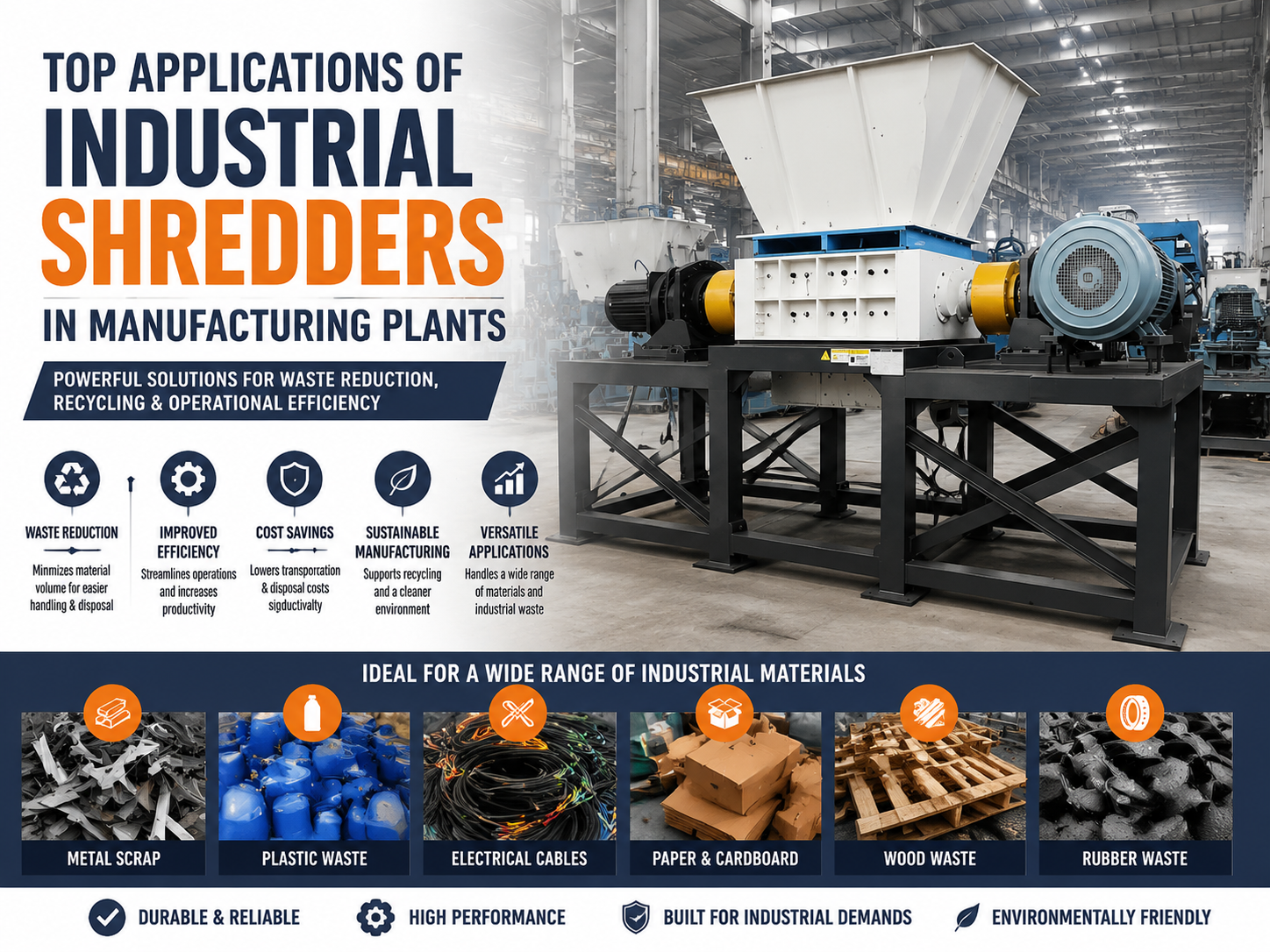
Introduction to Industrial Shredders in Modern Manufacturing
In the contemporary industrial landscape, the efficiency of a manufacturing plant is no longer measured solely by its production output but also by its ability to manage waste and recycle materials. Industrial shredders have emerged as indispensable tools in this transition toward a circular economy. These heavy-duty machines are designed to reduce large volumes of waste material into smaller, manageable pieces, facilitating easier transport, disposal, or further processing. Whether it is metal scrap from a CNC machining center, plastic offcuts from an injection molding line, or confidential prototypes that need destruction, industrial shredders provide the mechanical muscle required to handle diverse materials.
HARSLE, a leader in metal fabrication and industrial machinery, recognizes that the integration of high-performance shredding systems is a strategic move for any large-scale facility. By implementing the right shredding technology, plants can significantly reduce their carbon footprint while simultaneously unlocking new revenue streams from recycled materials. This article explores the top applications of industrial shredders in manufacturing plants, detailing the technical requirements, workflows, and productivity benefits that define these powerful machines.
Application Scenarios: Where Shredders Make the Difference
1. Metal Scrap Volume Reduction
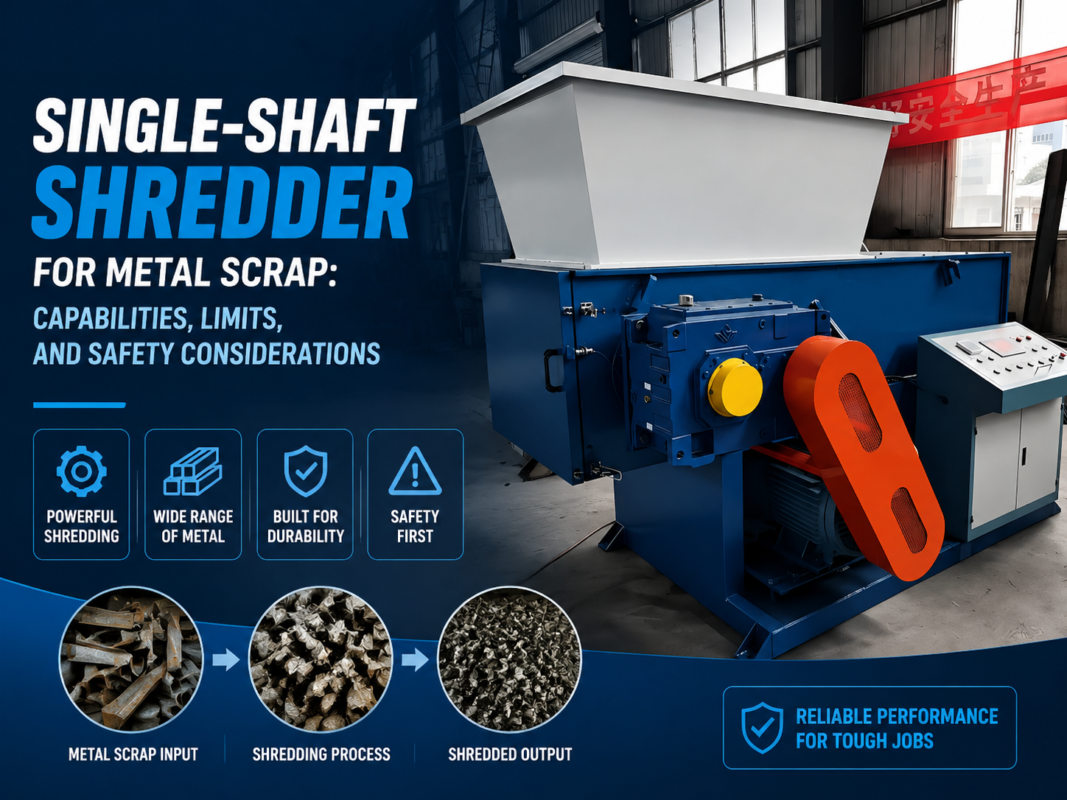
One of the primary applications of industrial shredders is the processing of metal scrap. In automotive and aerospace manufacturing, large quantities of aluminum, steel, and copper shavings or offcuts are generated daily. These materials are often bulky and difficult to transport. Industrial shredders, particularly dual-shaft models, are used to break down these metal remnants into uniform chips. This process not only saves space in the warehouse but also increases the bulk density of the scrap, making it more valuable to recyclers and easier to melt down in furnaces.
2. Plastic and Polymer Recycling
Manufacturing plants producing consumer goods often deal with significant plastic waste, including purgings, runners, and defective parts. Industrial shredders allow these plants to implement in-house recycling programs. By shredding plastic waste into small flakes, the material can be fed back into extruders or injection molding machines, drastically reducing raw material costs. This application is critical for industries striving to meet sustainability goals and reduce the amount of plastic sent to landfills.
3. Electronic Waste (E-waste) Processing
As electronics become more integrated into industrial equipment, the disposal of old circuit boards, cables, and hardware becomes a challenge. Industrial shredders are used to dismantle and shred E-waste, allowing for the separation of precious metals from plastic housings. This is a specialized application that requires high-precision blades to ensure that components are broken down sufficiently for downstream sorting technologies like eddy current separators or optical sorters.
4. Product Destruction and Brand Protection
For manufacturers of high-end consumer goods or sensitive military components, ensuring that defective or obsolete products do not reach the secondary market is vital. Industrial shredders provide a secure method for total product destruction. By reducing items to unrecognizable fragments, companies can protect their intellectual property and brand reputation. This is common in the pharmaceutical, fashion, and electronics industries.
Material and Process Requirements
Choosing the right industrial shredder depends heavily on the physical properties of the material being processed. Manufacturers must consider several factors to ensure the longevity of the machine and the quality of the output. The hardness of the material, measured on the Mohs or Brinell scale, determines the type of steel required for the shredder blades. For instance, shredding high-tensile steel requires blades made from specialized alloys like D2 or SKD-11, which undergo rigorous heat treatment to achieve maximum toughness.
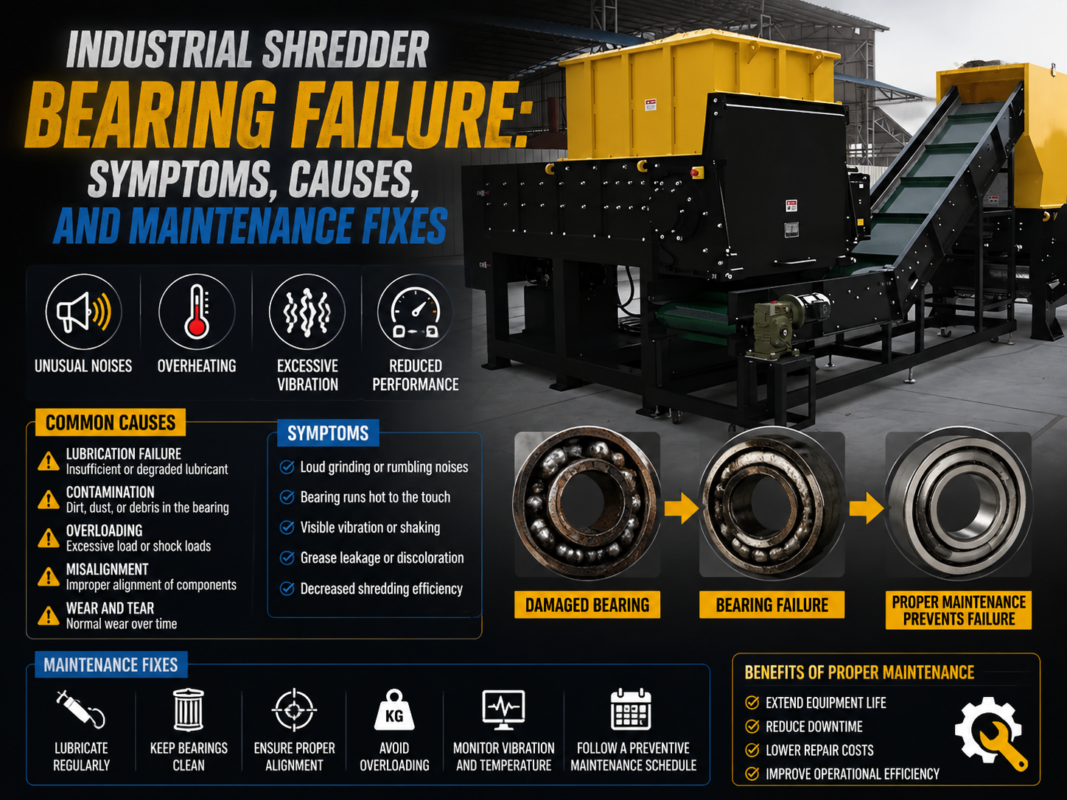
Moisture content is another critical factor. In applications involving organic waste or wet plastics, the shredder must be equipped with sealed bearings and corrosion-resistant components to prevent premature wear. Furthermore, the desired output size dictates the configuration of the shredder’s screen. If a plant requires a very fine output for chemical recycling, a single-shaft shredder with a fine-mesh screen might be more appropriate than a high-torque dual-shaft model designed for bulk reduction.
Throughput capacity is the final piece of the puzzle. Manufacturing plants must calculate the volume of waste generated per hour to size the motor and hopper correctly. Overloading a shredder can lead to frequent jams and motor burnout, while underutilizing a massive machine leads to unnecessary energy expenditure. HARSLE engineers typically recommend a 20% buffer in capacity to handle peak waste periods during high-production cycles.
Recommended Machine Configuration
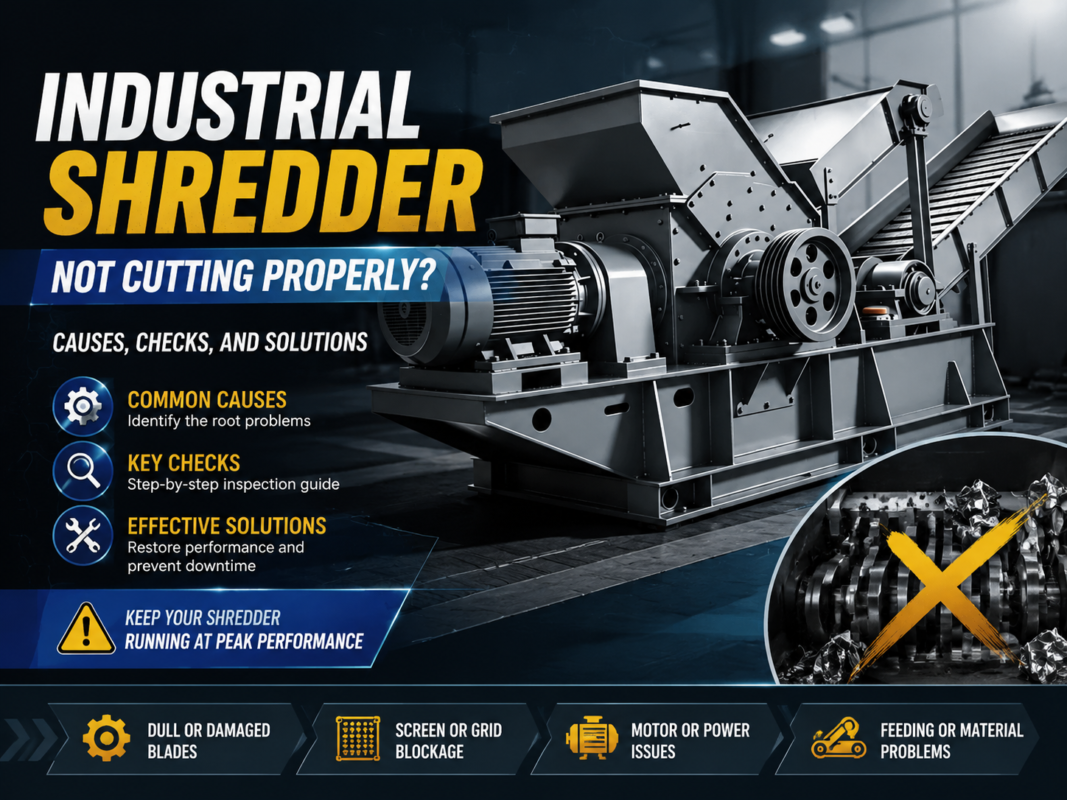
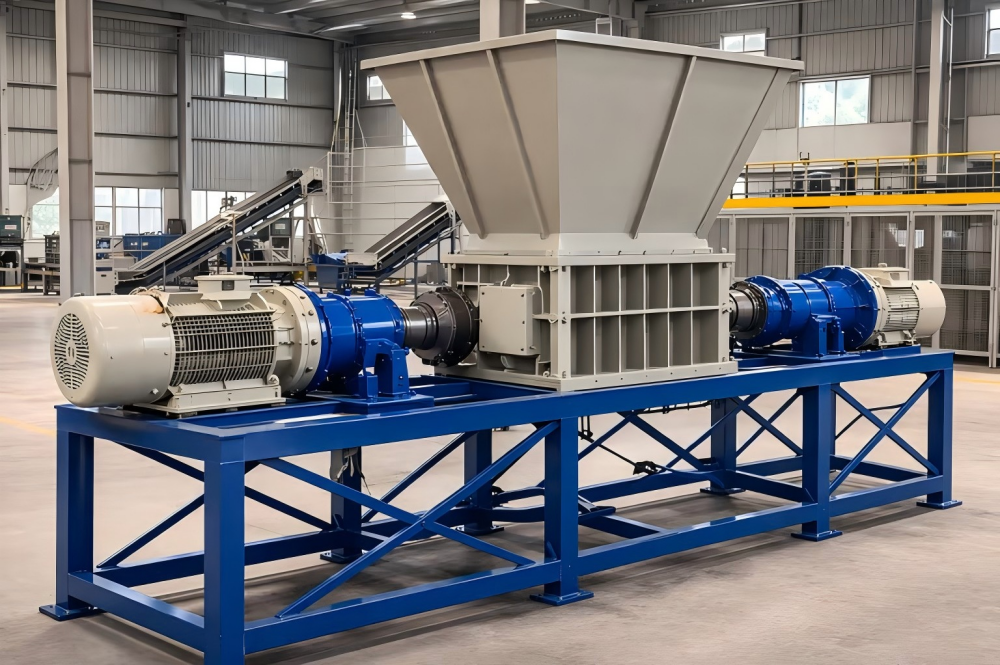
For most industrial manufacturing applications, the Dual-Shaft Shredder is the gold standard. This configuration features two counter-rotating shafts equipped with hooked blades that pull material into the cutting chamber. This design is exceptionally efficient for high-torque, low-speed shredding, which is ideal for heavy metals, tires, and large plastic drums.
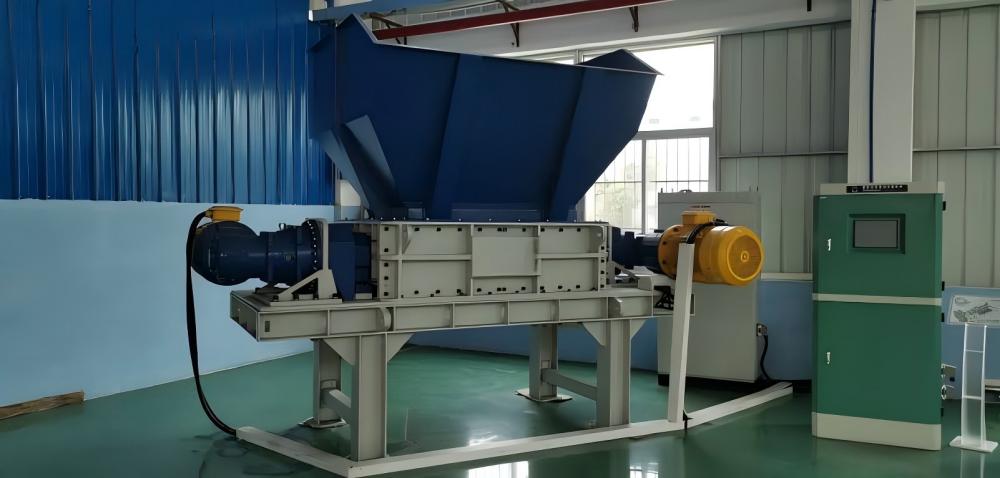
Key components of a recommended configuration include:
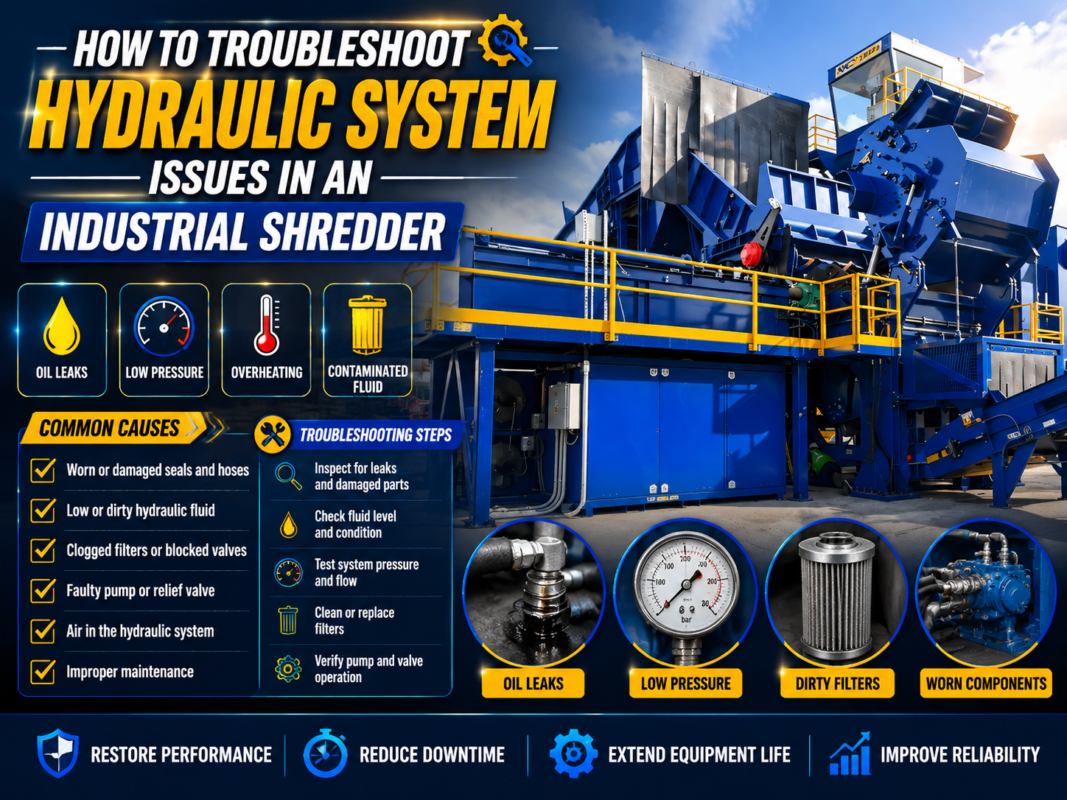
- Drive System: A high-efficiency electric motor coupled with a planetary gearbox provides the necessary torque to shear through tough materials. In some heavy-duty metal applications, hydraulic drives are preferred for their ability to handle shock loads.
- Blade Design: Blades should be manufactured from high-strength alloy steel. The thickness and number of hooks on the blade are customized based on the material—fewer, larger hooks for bulky items and more, smaller hooks for thin materials.
- PLC Control System: Modern shredders utilize Siemens or Schneider PLC systems. These systems include an auto-reverse function; if the machine detects an unshreddable object or a jam, the shafts automatically reverse to clear the obstruction, preventing damage to the blades and motor.
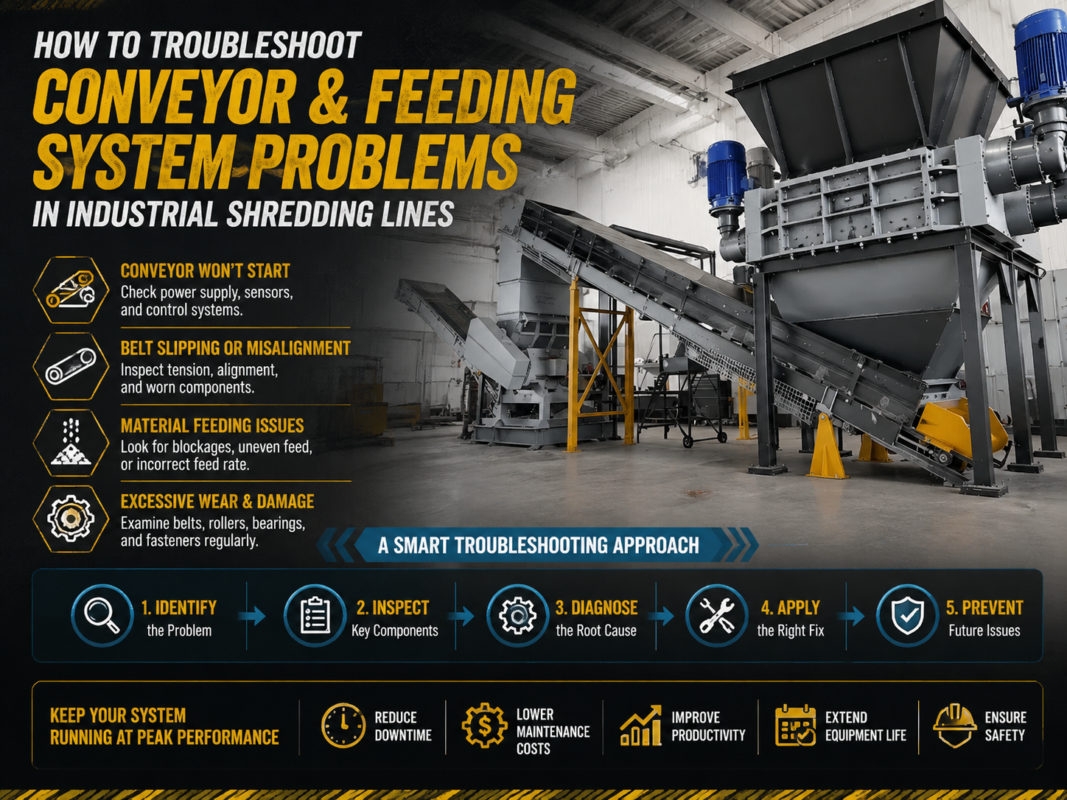
- Feeding Mechanism: Depending on the workflow, shredders can be equipped with manual hoppers, conveyor belts, or hydraulic rammers that push material against the rotors to increase throughput.
Workflow: From Waste to Resource
The operational workflow of an industrial shredder in a manufacturing plant is a streamlined process designed for safety and efficiency. It typically follows these stages:
- Feeding: Material is introduced into the hopper. In automated plants, this is done via a conveyor belt that monitors the load to prevent overfeeding.
- Shredding: The material falls into the cutting chamber where the rotating blades shear, tear, and cut the waste. The low-speed, high-torque action ensures that even the toughest materials are processed without excessive heat generation or dust.
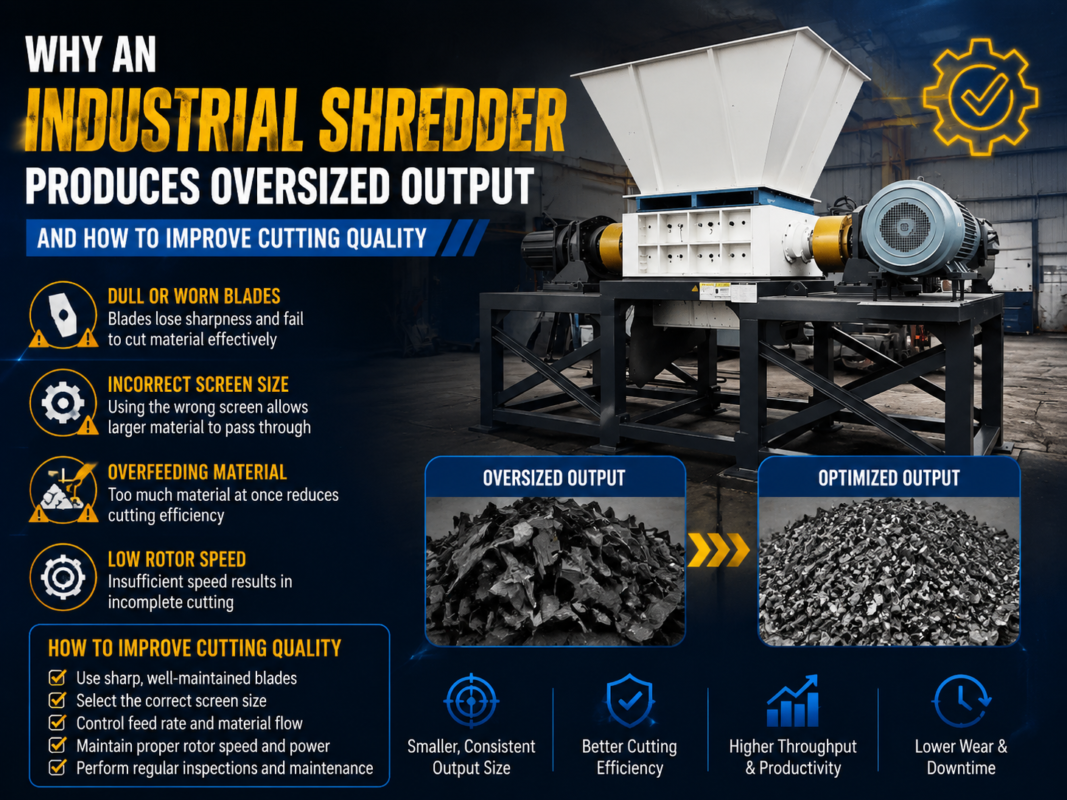
- Sizing: In single-shaft models, a screen located beneath the rotor ensures that only material of the correct size passes through. In dual-shaft models, the size is primarily determined by the width of the blades.
- Discharge and Sorting: The shredded material is discharged onto a secondary conveyor. At this stage, magnetic separators are often used to pull out ferrous metals, while air classifiers can remove light contaminants like paper or film.
- Collection: The final processed material is collected in bins or silos, ready for sale to recyclers or for re-introduction into the manufacturing process.
Productivity Benefits for Manufacturing Plants
Integrating an industrial shredder into a manufacturing facility offers a multitude of productivity and financial benefits. Firstly, Logistics Cost Reduction is immediate. By shredding waste, plants can reduce the volume of their scrap by up to 80%. This means fewer trips for waste removal trucks, leading to significant savings in transportation and tipping fees. In many cases, the reduction in logistics costs alone can pay for the machine within the first two years of operation.
Secondly, shredders enable Revenue Generation. Loose metal shavings or mixed plastic waste often have low market value. However, shredded, sorted, and uniform material is a high-demand commodity for recycling companies. By processing waste on-site, manufacturers can negotiate better prices for their scrap. Furthermore, for plants that can reuse their own shredded plastic or wood waste, the savings on raw material procurement are substantial.
Thirdly, Operational Safety and Cleanliness are improved. Large piles of bulky waste are a safety hazard and a fire risk. Shredding waste as it is produced keeps the shop floor clean and organized, allowing for better movement of personnel and forklifts. Additionally, modern shredders are designed with noise reduction features and dust suppression systems, contributing to a healthier working environment for employees.
Case Example: Automotive Component Manufacturer
Consider a mid-sized automotive component manufacturer that produces aluminum engine housings. During the die-casting and machining process, the plant generates approximately 5 tons of aluminum scrap and 2 tons of plastic packaging waste per week. Previously, the plant stored this waste in large open bins, which were collected twice a week. The collection costs were high, and the scrap dealer paid a lower rate due to the “contaminated” and bulky nature of the material.
The plant installed a HARSLE Dual-Shaft Shredder equipped with a magnetic separator. The aluminum scrap was shredded into 20mm chips, and the magnetic separator removed any stray steel bolts. The result was a 75% reduction in waste volume. The plant reduced its waste collection frequency from twice a week to once every two weeks. More importantly, the clean, shredded aluminum was sold to a local foundry at a 30% premium compared to the previous bulk scrap price. The plant also began shredding its plastic packaging, which was then sold to a plastic recycler, turning a previous expense into a new revenue stream.
Frequently Asked Questions (FAQ)
1. How often do the blades need to be sharpened or replaced?
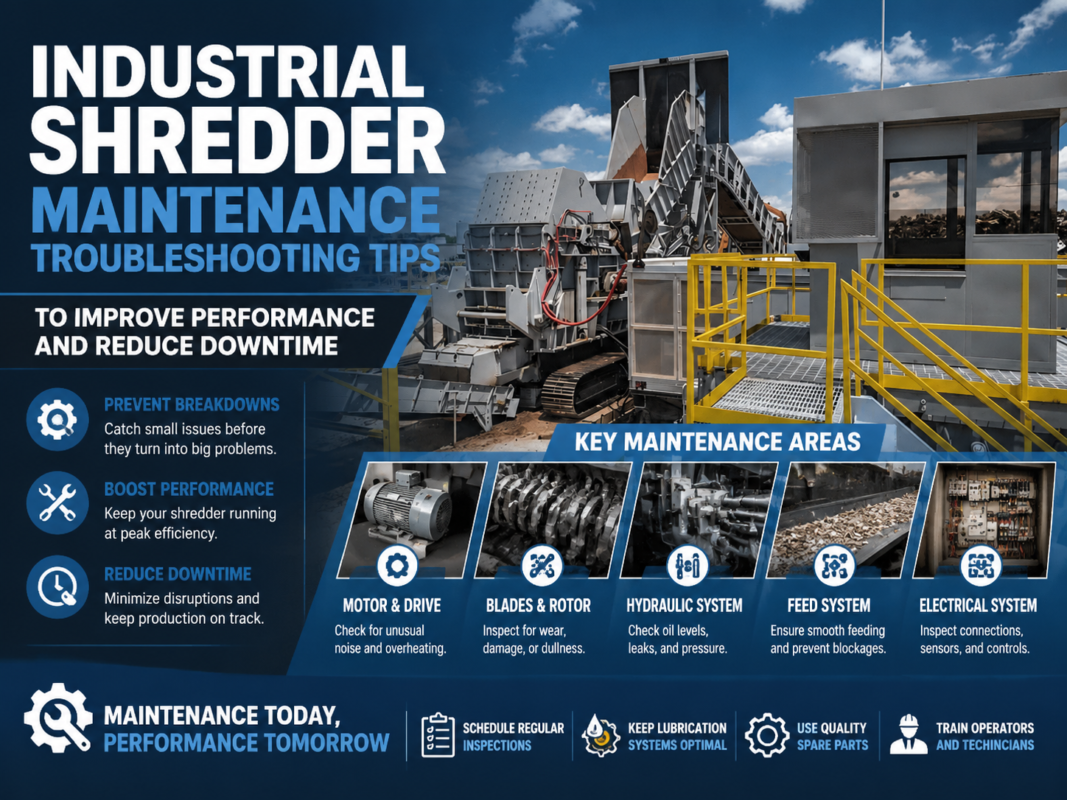
Blade longevity depends entirely on the material being shredded. For soft plastics, blades can last for years. For abrasive materials like glass-filled polymers or contaminated metals, blades may need sharpening every 6-12 months. HARSLE blades are designed to be easily removable for maintenance.
2. Can one shredder handle both metal and plastic?
While a high-torque dual-shaft shredder can technically handle both, it is not always efficient to switch between them without cleaning the machine to avoid contamination. If the goal is recycling, dedicated machines or a thorough cleaning protocol are recommended.
3. What safety features are included in industrial shredders?
Standard safety features include emergency stop buttons, safety interlocks on access doors, and PLC-controlled auto-reverse functions to prevent mechanical failure during jams. Feeding hoppers are also designed to prevent operator contact with the rotors.
4. What is the difference between a single-shaft and a dual-shaft shredder?
Single-shaft shredders use a high-speed rotor and a hydraulic ram to push material against it, making them ideal for achieving a specific, small output size (like plastic flakes). Dual-shaft shredders use low-speed, high-torque shearing, making them better for bulky, heavy materials like metal drums or tires.
5. How do I choose the right motor size?
Motor size is determined by the required throughput (kg/h) and the toughness of the material. A HARSLE consultant can help calculate the necessary horsepower based on your specific waste stream to ensure efficiency without over-investing.
6. Does shredding create a lot of dust?
Shredding brittle materials can create dust. Many industrial shredders can be fitted with misting systems or dust extraction ports to keep the air clean and comply with environmental regulations.
7. Is it difficult to install a shredder in an existing plant?
Most shredders are modular. They require a level concrete floor and a stable power supply. HARSLE provides detailed foundation plans and installation support to ensure the machine integrates seamlessly with your existing conveyors and workflows.
8. What is the ROI for an industrial shredder?
Most manufacturing plants see a Return on Investment (ROI) within 12 to 24 months through a combination of reduced waste disposal costs, lower labor costs for waste handling, and increased revenue from the sale of processed scrap.
Conclusion: Investing in the Future with HARSLE
Industrial shredders are no longer optional equipment for forward-thinking manufacturing plants; they are a cornerstone of modern, efficient, and sustainable operations. By understanding the specific applications and technical requirements of these machines, manufacturers can transform their waste management from a costly burden into a streamlined, profitable department. HARSLE remains committed to providing high-quality, durable shredding solutions tailored to the unique needs of the metal fabrication and general manufacturing industries. Whether you are looking to reduce volume, protect your brand, or enter the recycling market, our range of industrial shredders offers the reliability and performance your business demands. Contact HARSLE today to discuss your material processing needs and take the first step toward a more efficient production cycle.