How Industrial Shredders Support Circular Economy In Industry

Introduction to the Circular Economy and Industrial Shredding
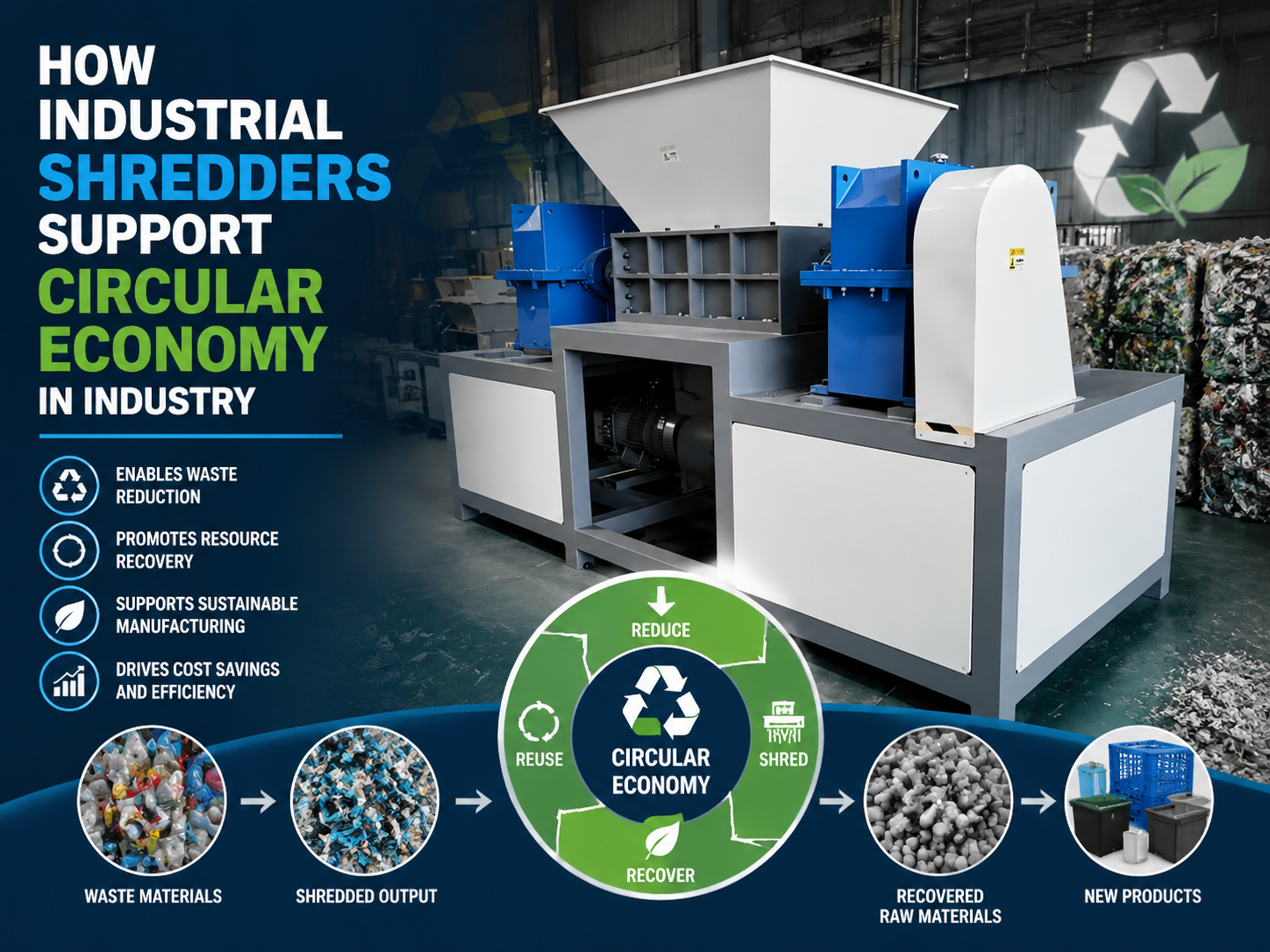
In the modern manufacturing landscape, the transition from a linear “take-make-dispose” model to a circular economy is no longer just an environmental ideal; it is a strategic business necessity. The core of this transition lies in the ability to recover, recycle, and reuse materials that were previously considered waste. This is where the role of high-performance machinery becomes critical. Specifically, Industrial Shredders Support Circular Economy In Industry by acting as the primary gateway for material transformation. Without efficient size reduction and material liberation, the recycling loop remains broken.
HARSLE, a leader in metal fabrication and industrial machinery, recognizes that shredding technology is the backbone of resource recovery. By breaking down complex products—ranging from end-of-life vehicles to electronic waste—into manageable, uniform pieces, industrial shredders enable downstream separation processes to function effectively. This article provides an in-depth look at how these machines facilitate sustainability, the technical requirements for various materials, and the configurations that drive maximum productivity in a circular industrial ecosystem.
Application Scenarios: Where Industrial Shredders Make an Impact
The application of industrial shredders spans across multiple sectors, each contributing to the circular economy in unique ways. One of the most prominent scenarios is in Metal Recycling. Scrap metal from construction, automotive manufacturing, and consumer goods must be processed to remove contaminants and prepare it for smelting. Shredders reduce large metal components into small fragments, allowing magnetic and eddy-current separators to isolate ferrous from non-ferrous metals with high precision.
Another critical area is Electronic Waste (E-waste) Processing. Modern electronics contain a mix of valuable precious metals, plastics, and hazardous materials. Industrial shredders are used to pulverize circuit boards, hard drives, and appliances. This process is essential for recovering copper, gold, and palladium while ensuring that plastics are separated for pelletizing. By keeping these materials in the production loop, manufacturers reduce the need for virgin mining, which is both energy-intensive and environmentally damaging.
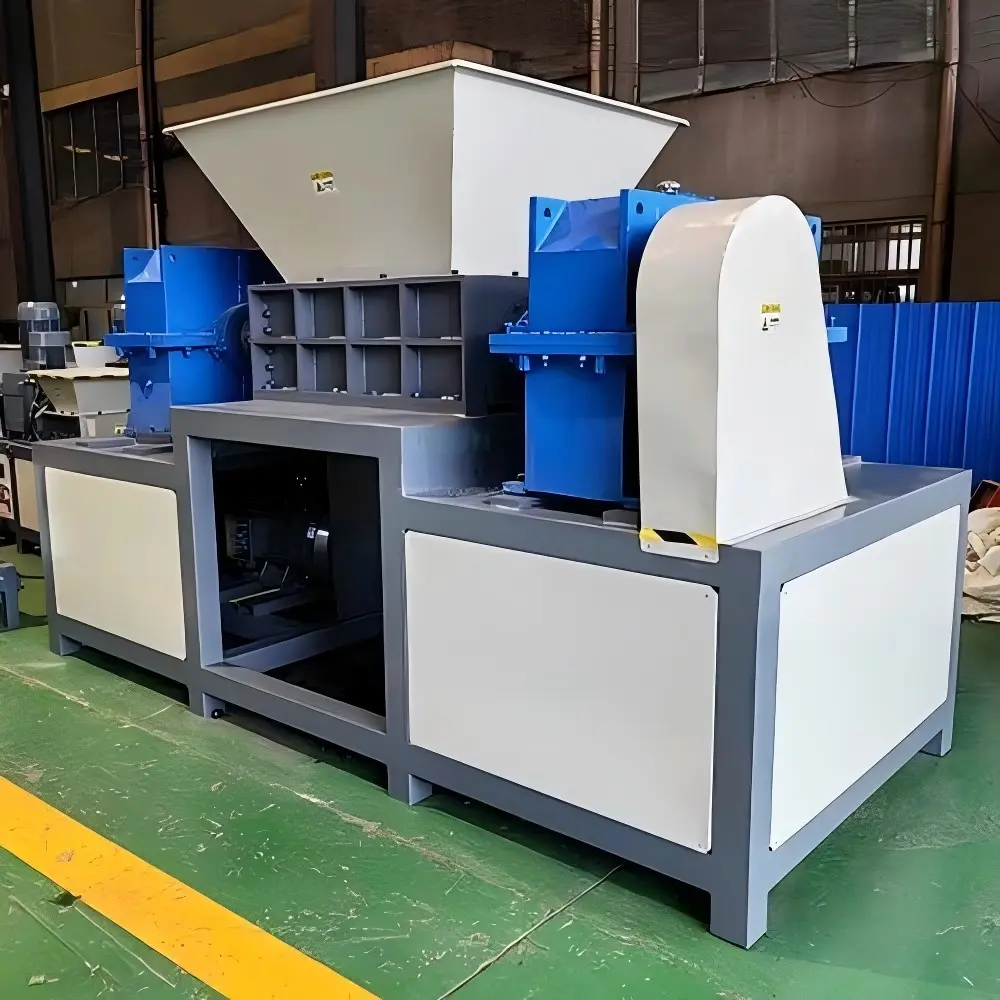
In the Plastics Industry, shredders are the first step in mechanical recycling. Large plastic purgings, HDPE pipes, and PET bottles are shredded into flakes. These flakes are then washed and extruded into new resins. Furthermore, in the Alternative Fuel Industry, shredders process municipal solid waste (MSW) and industrial waste into Refuse-Derived Fuel (RDF) or Solid Recovered Fuel (SRF). This transforms non-recyclable waste into a high-caloric energy source for cement kilns and power plants, further closing the energy loop.
Finally, Wood and Biomass processing utilizes shredders to turn pallets, crates, and forestry waste into wood chips for particleboard production or bioenergy. In every scenario, the goal remains the same: to take a bulky, heterogeneous waste stream and convert it into a homogenous raw material that has market value. This fundamental shift is how industrial shredders support circular economy in industry.
Material and Process Requirements
To successfully integrate shredding into a circular economy workflow, one must understand the specific requirements of the materials being processed. Not all shredders are created equal, and the choice of machine depends heavily on the physical properties of the input. The first consideration is Material Hardness and Tensile Strength. For instance, shredding high-strength alloy steels requires a machine with high torque and low speed to prevent blade breakage, whereas shredding soft plastics might require higher speeds to maintain throughput.
Output Size Requirements are equally important. In a circular economy, the “product” of the shredder is the “feedstock” for the next process. If the output is too large, secondary granulators or chemical recycling systems may fail. Conversely, over-shredding can lead to excessive dust and material loss. Precision screening and adjustable blade gaps allow operators to fine-tune the output size to meet the exact specifications of the recycling facility.
- Moisture Content: High moisture in materials like biomass or municipal waste can lead to corrosion and clogging. Shredders for these applications often feature specialized seals and stainless-steel components.
- Contamination Levels: In scrap metal recycling, the presence of “unshreddables” (like heavy engine blocks in a light-duty shredder) can cause catastrophic failure. Advanced shredders include shock-absorption systems and auto-reverse functions to handle such events.
- Bulk Density: Bulky items like refrigerators or car shells require large feed hoppers and aggressive tooth designs to “grab” the material and pull it into the cutting chamber.
The process also demands Thermal Management. During high-intensity shredding, friction generates heat. For heat-sensitive materials like certain polymers, water-cooled shafts or specialized blade geometries are necessary to prevent the material from melting and fouling the machine. Understanding these nuances ensures that the shredding process remains efficient and the material quality is preserved for reuse.
Recommended Machine Configuration
Choosing the right configuration is vital for ensuring that industrial shredders support circular economy in industry effectively. HARSLE offers several configurations tailored to specific industrial needs. The three primary types are single-shaft, double-shaft, and four-shaft shredders, each serving a distinct role in the recycling chain.
Single-Shaft Shredders
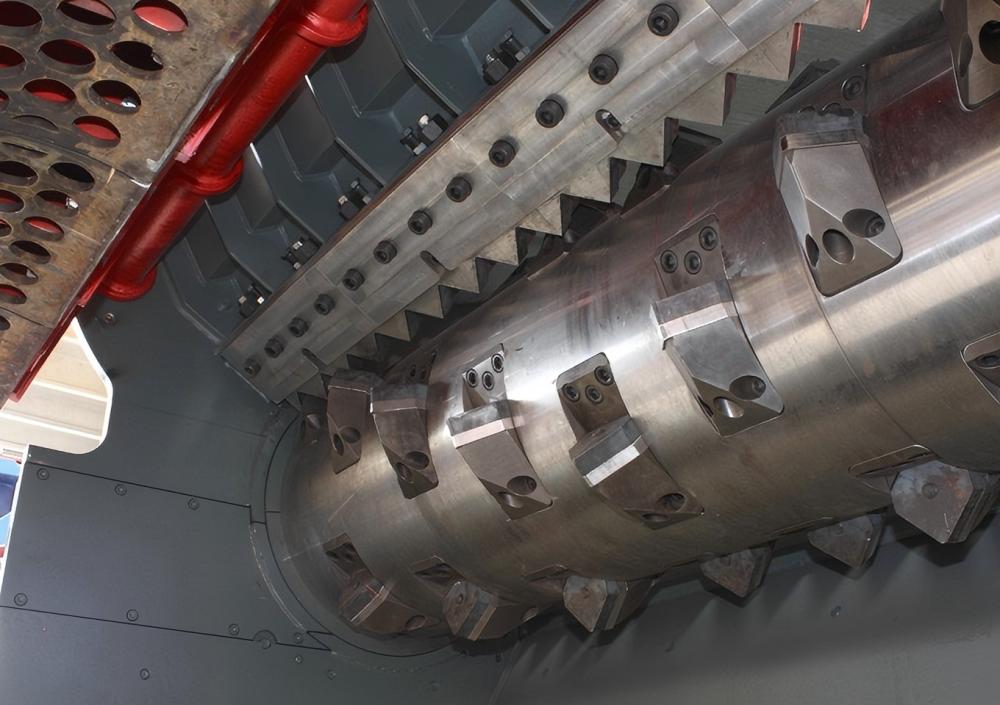
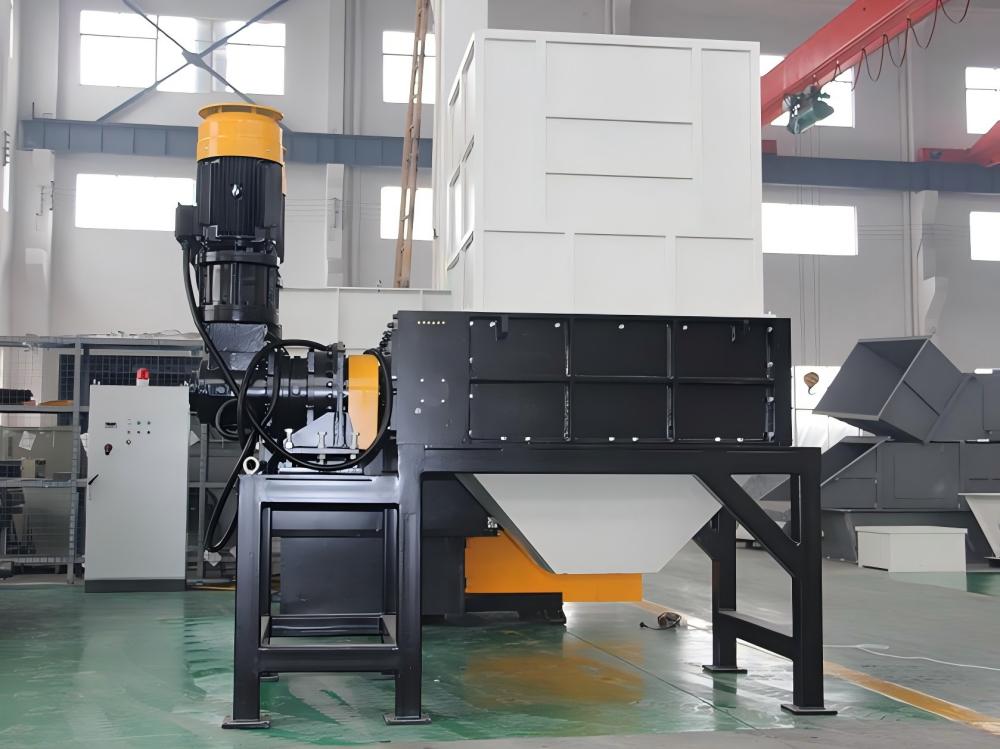
Single-shaft shredders are known for their precision. They feature a large hydraulic pusher that forces material against a high-speed rotating shaft equipped with replaceable cutters. This configuration is ideal for materials that require a uniform, small output size, such as plastics, rubber, and wood. The inclusion of a screen at the bottom ensures that only material of the desired size exits the machine.
Double-Shaft Shredders
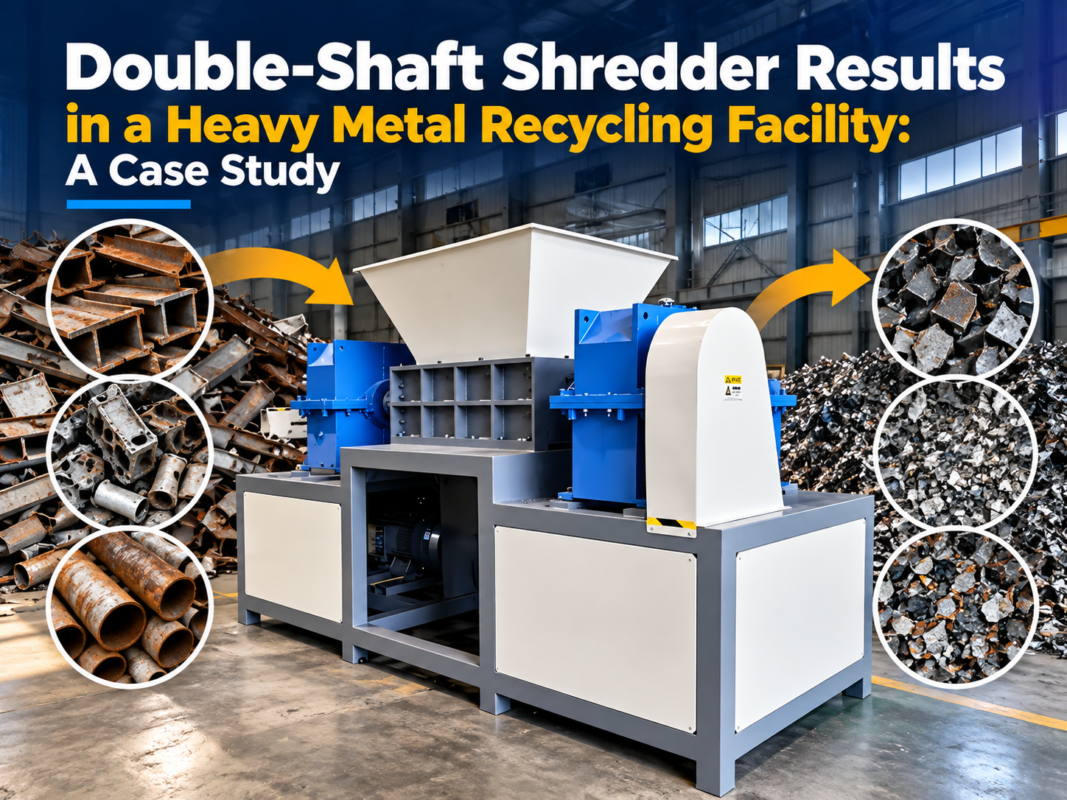
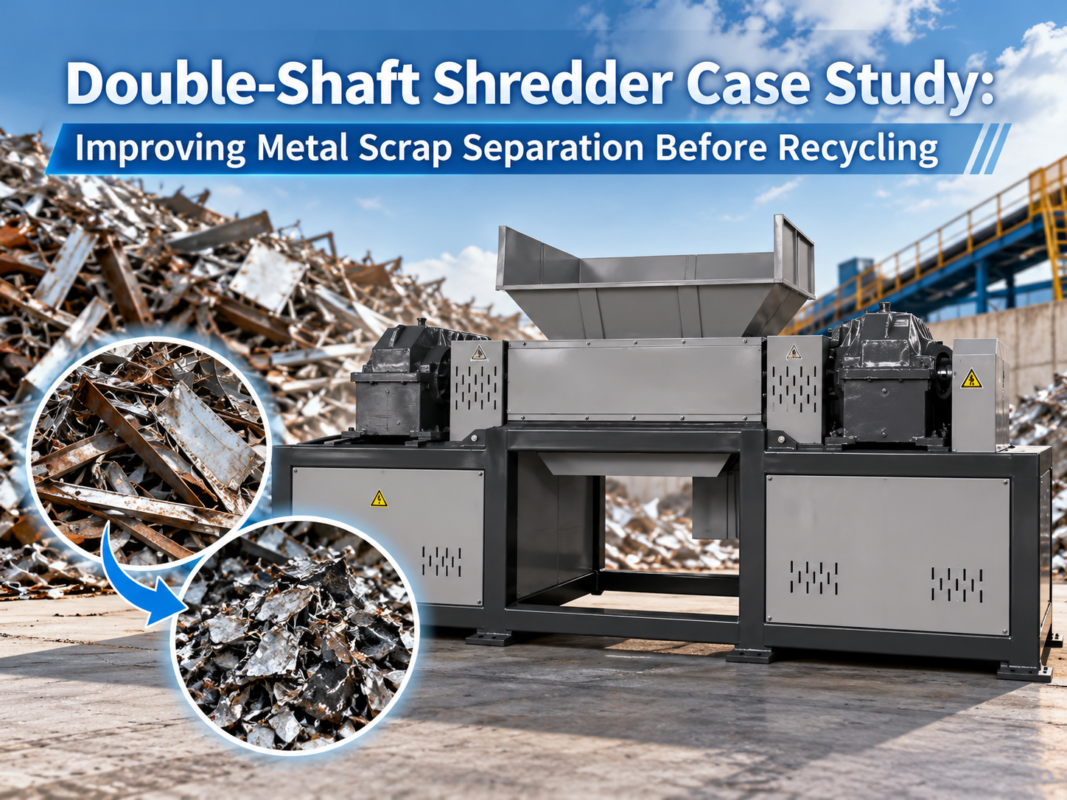
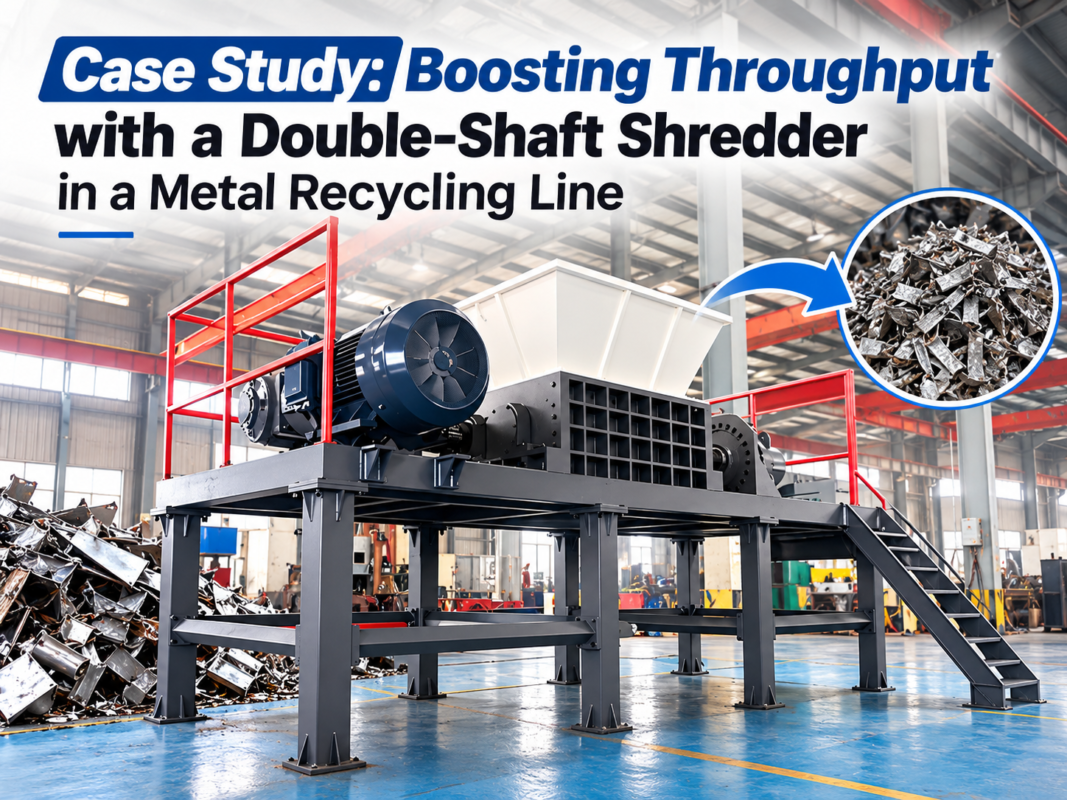
Double-shaft shredders (or twin-shaft) are the workhorses of the recycling industry. They operate at low speeds with high torque, using two counter-rotating shafts with interlocking blades to shear and tear material. These machines are perfect for bulky, high-volume waste like metal drums, tires, and electronic scrap. Their primary advantage is the ability to handle a wide variety of materials without the need for constant screen changes.
Four-Shaft Shredders
For applications requiring both high volume and controlled output size, four-shaft shredders are the premium choice. The two top shafts act as feeders, grabbing the material, while the two bottom shafts perform the primary shredding. Integrated screens allow for size control in a single pass, making them highly efficient for E-waste and hazardous waste processing where material liberation is critical.
Technical Specifications to Consider
| Feature | Single-Shaft | Double-Shaft | Four-Shaft |
|---|---|---|---|
| Torque | Medium | Very High | High |
| Speed | High (70-100 RPM) | Low (10-25 RPM) | Medium (20-40 RPM) |
| Primary Use | Plastics, Wood, Small Scrap | Bulky Waste, Tires, Metal | E-waste, Uniform Sizing |
| Blade Material | D2 / SKD-11 Steel | Hardened Alloy Steel | Hardened Alloy Steel |
| Screening | Integrated | External (Optional) | Integrated |
Workflow: From Waste to Resource
The workflow of an industrial shredding system within a circular economy framework is a multi-stage process designed to maximize material purity and value. It begins with Feeding and Pre-sorting. While shredders are robust, removing large non-shreddable items or hazardous tanks beforehand extends blade life and improves safety. Automated conveyors or grab cranes are typically used to provide a consistent feed to the hopper.
The second stage is Primary Shredding. Here, the bulk material is reduced to a coarse fraction. For example, a car body might be reduced to fist-sized pieces. This stage is critical for “liberation”—breaking the mechanical bonds between different materials (e.g., separating plastic trim from metal frames). The high-torque action of HARSLE shredders ensures that even reinforced materials are processed without stalling.
Following shredding is Separation and Sorting. This is where the true value of the circular economy is realized. The shredded mix passes under over-belt magnets to remove ferrous metals. Eddy-current separators are then used to eject non-ferrous metals like aluminum and copper. In advanced setups, optical sorters or air classifiers separate different types of plastics or remove light fractions like foam and fabric. Finally, the Secondary Processing stage may involve granulation or pelletizing to turn the shredded flakes into a ready-to-use raw material for manufacturing.
Productivity Benefits of Industrial Shredders
Investing in high-quality shredding technology offers significant productivity and economic benefits. First and foremost is Volume Reduction. Shredding can reduce the volume of waste by up to 80%, drastically lowering transportation and storage costs. For companies managing their own waste streams, this translates to fewer truck trips and a smaller warehouse footprint.
Secondly, shredders enable Revenue Generation from Waste. Instead of paying landfill fees, companies can sell shredded and sorted materials back into the supply chain. High-purity metal or plastic scrap commands a premium price on the global market. By processing waste in-house, manufacturers can turn a cost center into a profit center.
- Energy Efficiency: Modern shredders, like those from HARSLE, utilize high-efficiency motors and frequency drives (VFDs) to optimize power consumption based on the load, reducing operational costs.
- Compliance and ESG: As governments tighten regulations on waste disposal, having an on-site shredding and recycling solution ensures compliance with environmental laws and boosts a company’s ESG (Environmental, Social, and Governance) rating.
- Operational Continuity: Robust shredders with quick-change blade systems minimize downtime. When a machine is easy to maintain, the entire recycling line remains productive, ensuring a steady flow of recovered materials.
Case Example: Metal and Plastic Recovery in Automotive Recycling
Consider a regional automotive recycling center that implemented a HARSLE double-shaft shredder. Previously, the center manually dismantled vehicles, which was labor-intensive and left a significant amount of material unrecovered. By integrating a 150HP double-shaft shredder into their workflow, they were able to process entire chassis and interior components in minutes.
The shredder broke down the vehicles into a mix of steel, aluminum, and various plastics. By adding a magnetic separator and a water-wash plastic line, the center achieved a 95% material recovery rate. The recovered steel was sold directly to local foundries, while the shredded plastics were processed into pellets for the production of new automotive parts. This not only increased their monthly revenue by 40% but also established them as a key player in the local circular economy, proving that Industrial Shredders Support Circular Economy In Industry through tangible ROI.
Frequently Asked Questions (FAQ)
1. How long do shredder blades last?
Blade life depends on the material being shredded. For soft plastics, blades can last thousands of hours. For abrasive materials like glass-filled plastics or contaminated scrap metal, blades may need sharpening or replacement every 500-1,000 hours. HARSLE uses high-wear alloy steels to maximize longevity.
2. Can one shredder handle all types of materials?
While some shredders are versatile, it is best to choose a machine optimized for your primary material. A machine designed for wood may not have the torque required for heavy metal scrap. However, dual-shaft shredders offer the most flexibility for general industrial waste.
3. What is the maintenance schedule for an industrial shredder?
Daily checks should include inspecting for loose bolts and checking lubrication levels. Weekly maintenance involves inspecting blade wear and cleaning the cutting chamber. Monthly, the hydraulic systems and motor alignments should be checked to ensure peak performance.
4. How does shredding help in reducing carbon footprint?
Shredding facilitates recycling, which is significantly less energy-intensive than producing materials from virgin sources. For example, recycling aluminum saves 95% of the energy required to produce it from bauxite ore. By enabling this process, shredders directly reduce industrial CO2 emissions.
Conclusion: Partnering with HARSLE for a Sustainable Future
The evidence is clear: Industrial Shredders Support Circular Economy In Industry by providing the essential technology needed to reclaim value from waste. Whether you are processing scrap metal, plastics, or E-waste, the right shredding solution is the key to operational efficiency and environmental stewardship. HARSLE is committed to providing high-performance, durable, and efficient shredding machinery that empowers businesses to close the loop.
Are you ready to transform your waste management process and join the circular economy? Contact HARSLE today to discuss your material processing needs. Our team of experts will help you configure the perfect shredding system to maximize your productivity and sustainability goals. Visit our website or reach out to our sales department for a detailed consultation and quote.