Briquetting Machine Buying Guide: Key Specifications to Compare for Industrial Efficiency

Introduction to Briquetting Machine Selection
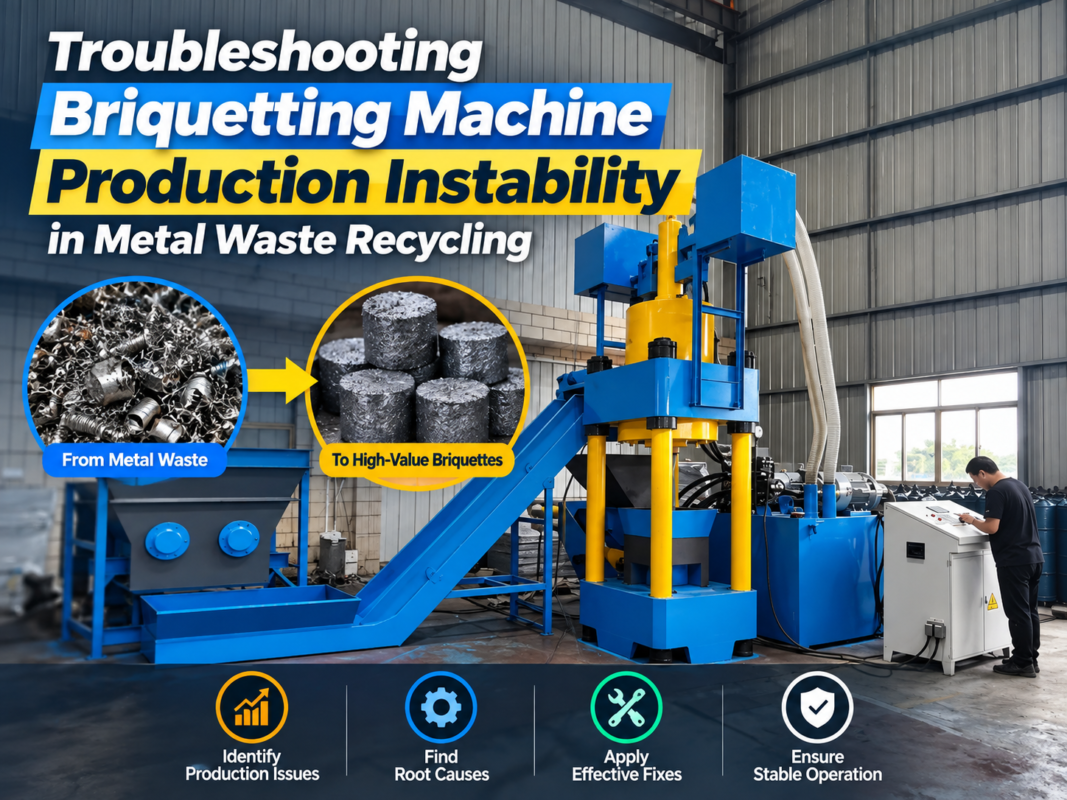
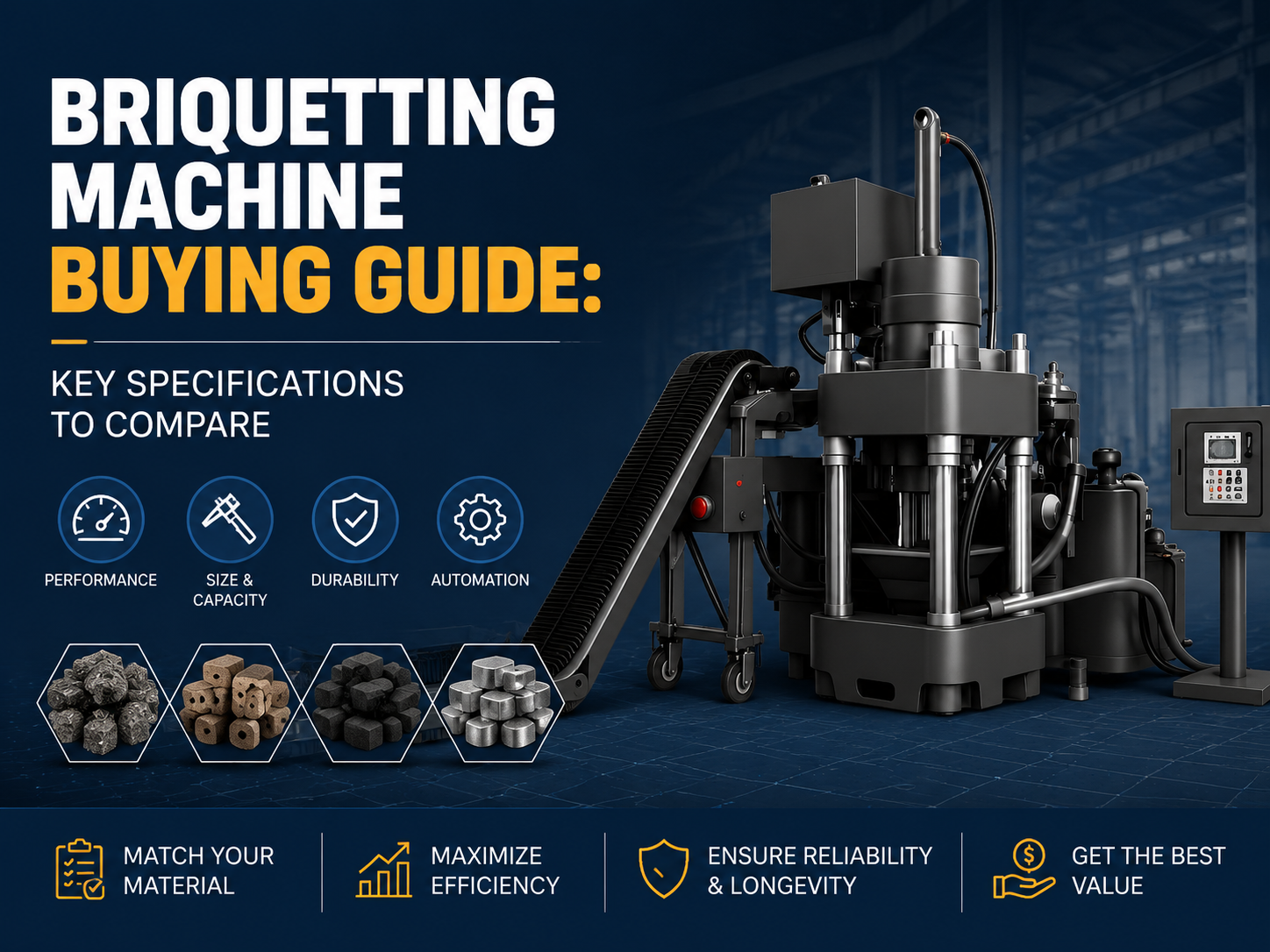
In the modern metal fabrication and machining industry, waste management is no longer just a matter of disposal; it is a critical component of operational efficiency and profitability. As machine shops generate vast quantities of metal chips, turnings, and swarf, the need for effective volume reduction becomes paramount. This is where the briquetting machine comes into play. By compressing loose metal scrap into dense, manageable blocks, these machines transform a logistical headache into a valuable resource. However, navigating the market for these machines requires a deep understanding of technical parameters. This Briquetting Machine Buying: Key Specifications Compare guide is designed to help procurement managers and shop owners make an informed investment.
The process of briquetting involves high-pressure hydraulic systems that force metal particles together, often squeezing out residual cutting fluids in the process. This not only makes the scrap easier to transport but also significantly increases its melting efficiency in a furnace. When you begin your search, you will find a wide array of machines ranging from small, localized units to massive, centralized systems. Understanding which specifications truly impact your bottom line is the first step toward a successful purchase. We will explore everything from hydraulic tonnage to automation levels, ensuring you have a comprehensive roadmap for your buying journey.
Price Range Overview: What to Expect
The cost of a briquetting machine can vary significantly based on its capacity, pressure, and level of automation. Generally, the market is divided into three main tiers. Entry-level machines, often suitable for small workshops or single-shift operations, typically range from $15,000 to $30,000. These units are usually semi-automated and have lower throughput capacities, making them ideal for businesses processing less than 200 kilograms of scrap per hour. While they lack some of the advanced cooling and filtration systems of larger models, they offer a quick entry point into scrap value recovery.
Mid-range industrial briquetters, which are the workhorses of the industry, generally fall between $35,000 and $85,000. These machines are designed for continuous operation and feature more robust hydraulic components, better PLC integration, and higher compression forces. They are capable of handling a wider variety of materials, including tougher alloys like stainless steel or titanium. For large-scale manufacturing facilities or dedicated recycling centers, high-end systems can exceed $150,000. These premium units offer fully integrated conveyor systems, advanced moisture extraction, and remote monitoring capabilities, providing the lowest cost-per-ton processing over the long term.
Main Cost Drivers in Briquetting Technology
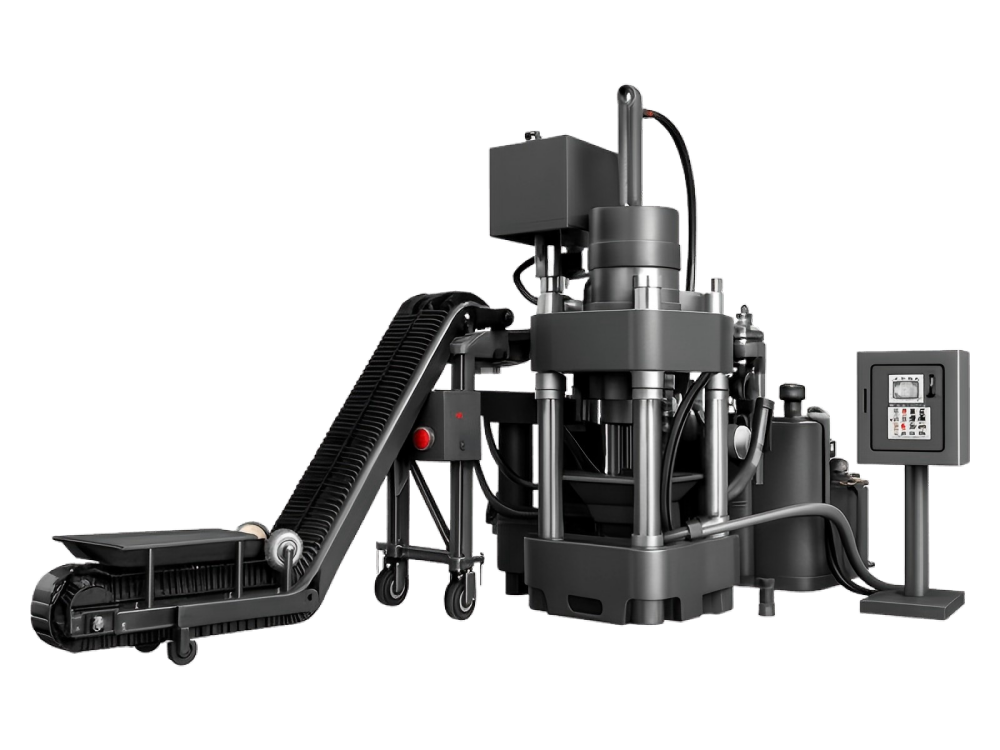
When performing a Briquetting Machine Buying: Key Specifications Compare analysis, it is essential to identify what actually drives the price. The most significant factor is the hydraulic system’s pressure capacity. A machine capable of exerting 500 tons of force requires much more substantial steel framing, larger cylinders, and more powerful pumps than a 100-ton unit. The higher the pressure, the denser the briquette, which directly affects the resale value of the scrap and the efficiency of coolant recovery.
Material compatibility is another major cost driver. For instance, aluminum chips are relatively soft and easy to compress, whereas cast iron or high-carbon steel requires specialized hardened dies and more aggressive feeding mechanisms. If your facility processes multiple types of metal, you may need a machine with adjustable pressure settings and interchangeable molds, which adds to the initial capital expenditure. Furthermore, the quality of the internal components—such as the use of Rexroth or Vickers valves versus generic alternatives—will significantly influence both the price and the machine’s expected lifespan.
Configuration Impact: Technical Specs That Matter
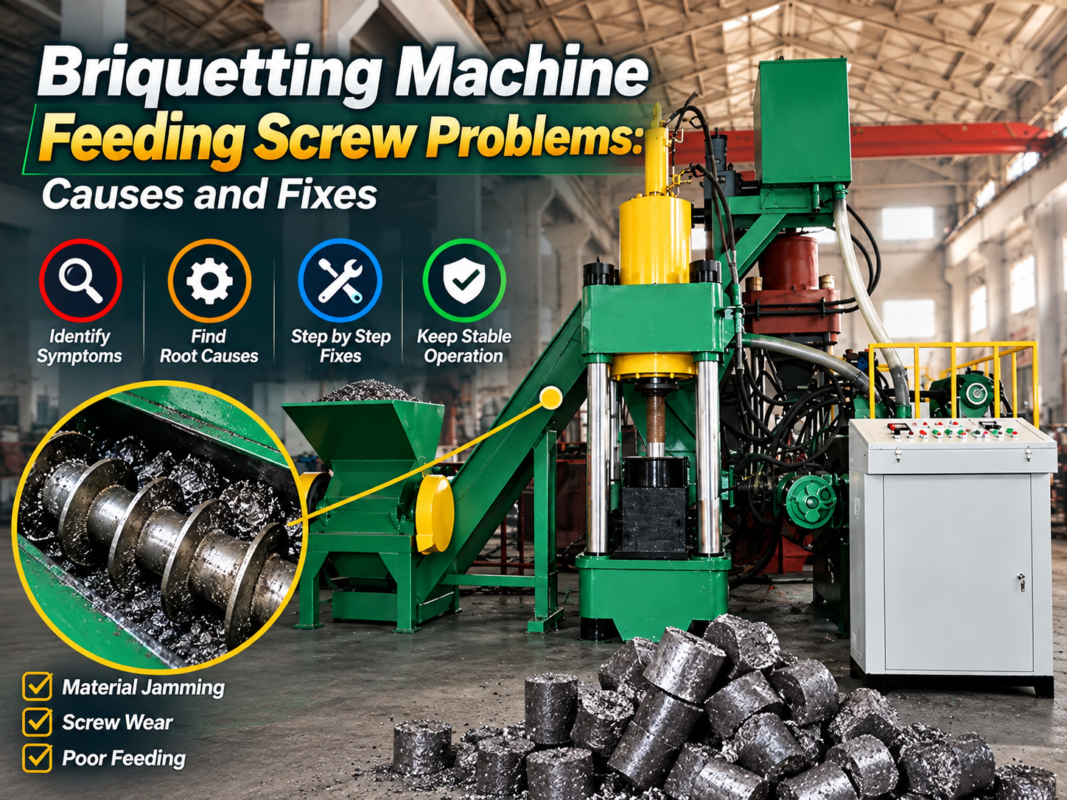
The configuration of a briquetting machine determines its daily performance and reliability. One of the first specs to compare is the hopper and feeding system. A gravity-fed hopper is simpler and cheaper but can lead to bridging (where material gets stuck). In contrast, a screw-fed or agitated hopper ensures a consistent flow of material into the compression chamber, which is vital for maintaining a steady cycle time. For high-volume operations, an automated feeding system is not just a luxury; it is a necessity to prevent bottlenecks.
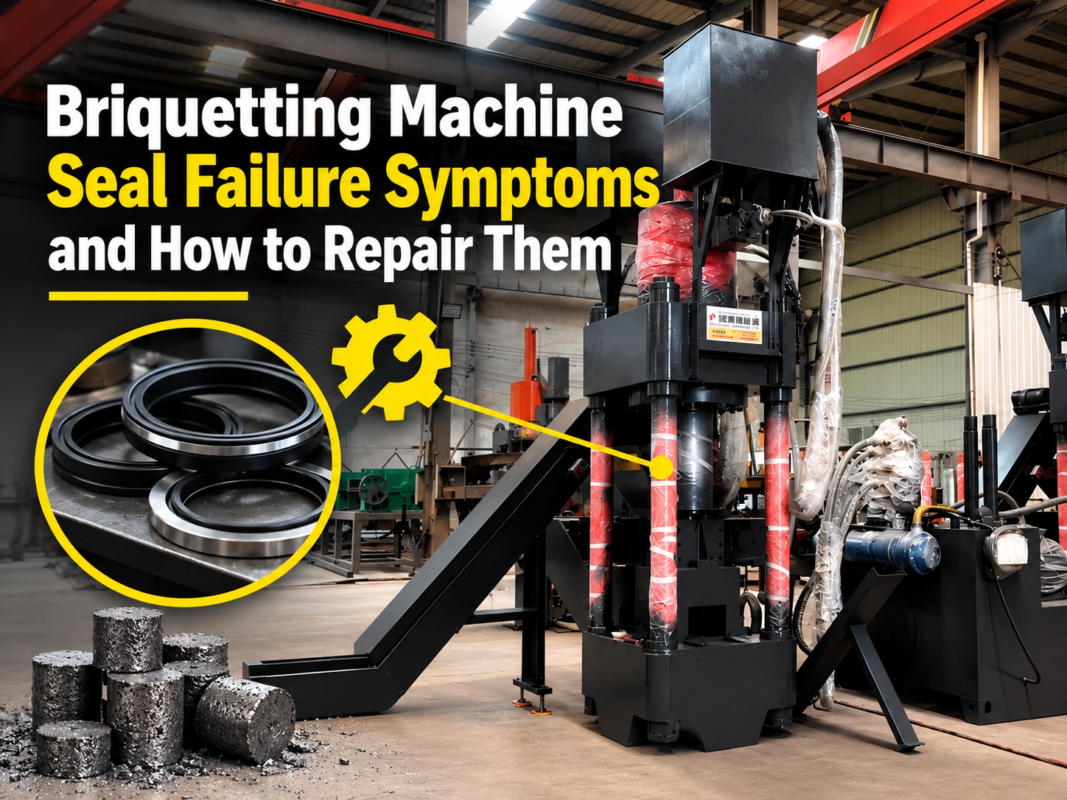
Another critical configuration detail is the cooling system. Hydraulic systems generate significant heat during continuous operation. Basic machines might rely on simple air cooling, which can be insufficient in hot environments or during 24/7 shifts. Advanced models feature water-cooled heat exchangers or independent refrigeration units to maintain hydraulic oil at the optimal viscosity. This prevents seal failure and ensures consistent pressure throughout the day. Additionally, the PLC (Programmable Logic Controller) brand and software interface impact how easily your staff can operate and troubleshoot the machine. A Siemens or Schneider Electric PLC with a multi-language touch screen is often preferred for its global support and user-friendly diagnostics.
Hidden Costs and Long-Term Maintenance
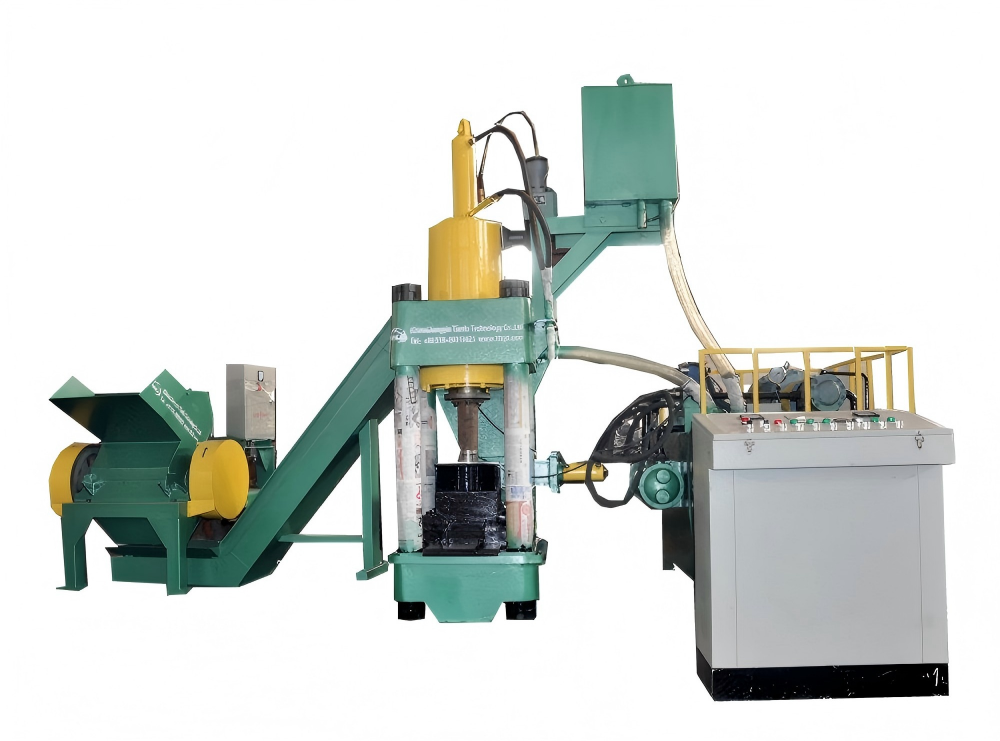
The purchase price is only the beginning of the total cost of ownership. One often overlooked hidden cost is the consumption of hydraulic oil. A large briquetting machine can require hundreds of liters of high-grade hydraulic fluid, which must be filtered and occasionally replaced. Furthermore, the wear parts—specifically the compression dies and punches—are subject to extreme friction and pressure. Depending on the abrasiveness of your metal chips (e.g., cast iron is very abrasive), these parts may need replacement every 6 to 12 months. It is crucial to check the cost and availability of these consumables during the Briquetting Machine Buying: Key Specifications Compare process.
Energy consumption is another factor that adds up over time. A machine with a 30kW motor running 16 hours a day will have a significant impact on your utility bill. Look for machines equipped with high-efficiency motors (IE3 or IE4 standards) and variable frequency drives (VFDs) that reduce power consumption during idle periods. Lastly, consider the cost of floor space and installation. Some machines require specialized foundations or heavy-duty electrical upgrades to handle the startup current of large hydraulic pumps. Always factor in the cost of shipping, rigging, and on-site commissioning by a qualified technician.
ROI Calculation: Turning Waste into Profit
The Return on Investment (ROI) for a briquetting machine is usually very attractive, often ranging from 12 to 24 months. The primary source of ROI is the increased value of the scrap metal. Smelters and recyclers pay a premium for briquettes over loose chips because briquettes have a much higher density and lower surface area, which reduces oxidation and metal loss during melting. In many cases, the price per ton for briquettes can be 20% to 50% higher than for loose swarf.
Secondary ROI comes from coolant recovery. As the machine compresses the chips, it squeezes out the cutting oils and coolants that are trapped in the material. A well-designed briquetting system includes a collection tray and pump to return this fluid to your central system or a filtration unit. For shops using expensive synthetic coolants, the savings here can be thousands of dollars per month. Additionally, you must consider the reduction in transportation and storage costs. Since briquettes reduce the volume of scrap by up to 90%, you will need fewer bins, less floor space for storage, and fewer truck trips to the recycler, significantly lowering your carbon footprint and logistics expenses.
Buying Advice: A Checklist for Success
When you are ready to move forward with a Briquetting Machine Buying: Key Specifications Compare strategy, follow this checklist to ensure you choose the right partner and equipment:
- Material Testing: Always send a sample of your actual scrap to the manufacturer. Different alloys behave differently under pressure, and a physical test is the only way to guarantee the machine will produce a stable briquette.
- Cycle Time vs. Throughput: Don’t just look at the motor power. Ask for the actual cycle time (seconds per briquette) and calculate the hourly throughput based on your material’s bulk density.
- Safety Standards: Ensure the machine complies with local safety regulations (CE, UL, or OSHA). This includes emergency stops, safety interlocks on access doors, and proper guarding around moving parts.
- After-Sales Support: Verify the manufacturer’s ability to provide remote technical support and the lead time for critical spare parts. A machine that is down for three weeks waiting for a seal kit is a major liability.
- Footprint and Integration: Measure your available space and consider how the machine will be fed. Will you use a forklift, a conveyor, or a manual dump? Ensure the machine’s height and width are compatible with your facility’s layout.
Choosing a reputable manufacturer like HARSLE ensures that you receive not only a high-quality machine but also the technical expertise required to integrate it into your production line. Look for companies that offer comprehensive warranties and have a proven track record in the metal fabrication industry.
Frequently Asked Questions (FAQ)
1. What is the difference between a vertical and horizontal briquetting machine?
Vertical machines are often more compact and are ideal for smaller spaces or lower volumes. They rely on gravity for feeding. Horizontal machines are typically used for high-volume, heavy-duty industrial applications. They allow for easier integration with long conveyor belts and often feature more powerful hydraulic cylinders for denser briquettes.
2. Can one machine handle both aluminum and steel chips?
Yes, most modern briquetting machines can handle various metals, but the settings must be adjusted. Steel requires much higher pressure than aluminum to form a solid block. If you plan to switch between materials frequently, look for a machine with programmable logic that allows you to save different pressure and timing profiles for each material type.
3. How much moisture can a briquetting machine remove?
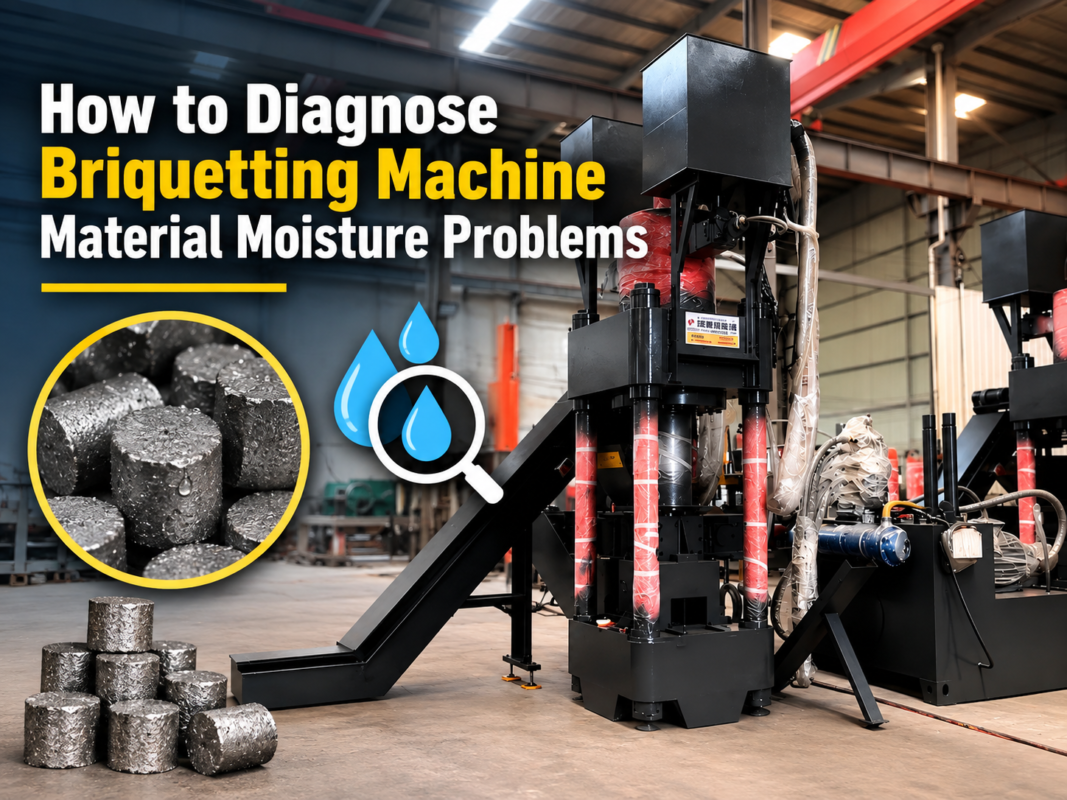
A high-quality hydraulic briquetting press can remove up to 95-98% of the residual coolant or cutting oil from metal chips. This not only recovers expensive fluid for reuse but also makes the briquettes more acceptable to foundries, as excess moisture can cause dangerous explosions in a furnace.
4. What kind of maintenance does a briquetting machine require?
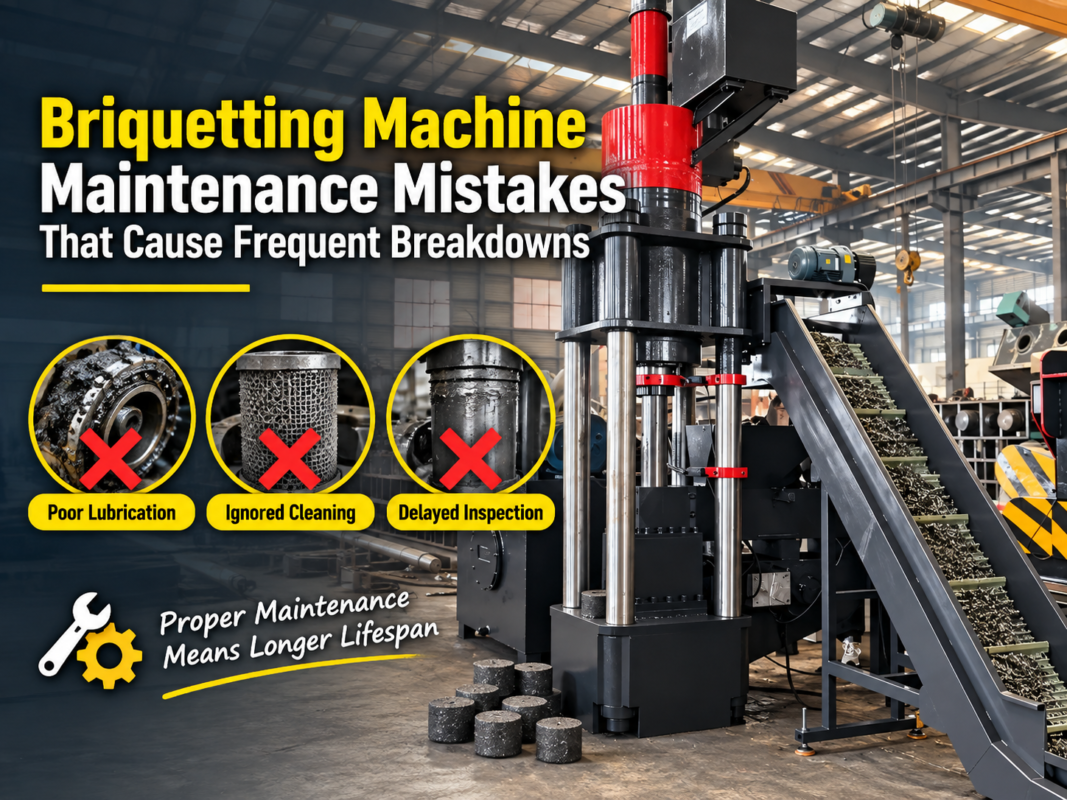
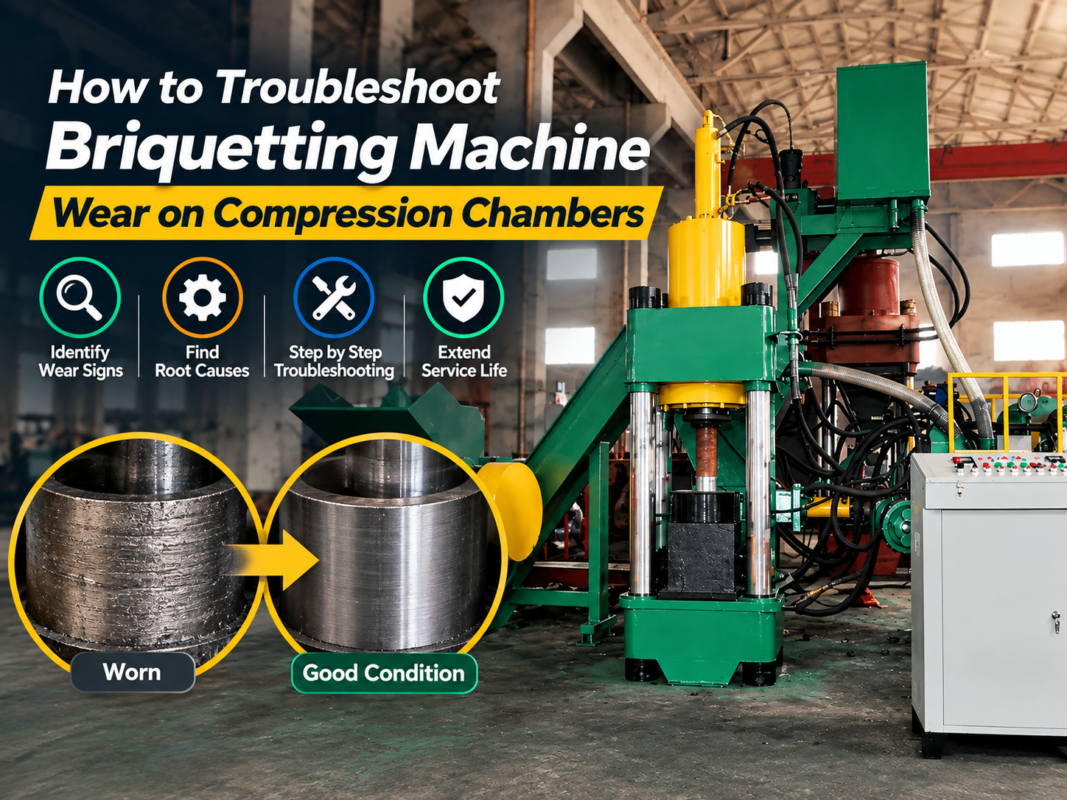
Routine maintenance includes checking hydraulic oil levels, inspecting seals for leaks, greasing moving parts, and cleaning the filtration system. The most critical maintenance task is monitoring the wear on the dies and punches. Keeping these components in good condition ensures consistent briquette quality and prevents damage to the hydraulic cylinders.
5. Is it worth buying a used briquetting machine?
While used machines are cheaper, they come with risks. The hydraulic system and the main frame are subject to immense stress. If a used machine was not properly maintained, you might face expensive cylinder repairs or structural cracks. For a critical piece of equipment that impacts your scrap revenue, a new machine with a warranty and modern PLC controls is usually the safer and more cost-effective long-term investment.
6. How do I determine the right tonnage for my needs?
The required tonnage depends on the material type and the desired briquette density. For example, aluminum usually requires 150-250 tons of force, while steel and cast iron may require 300-600 tons. Consult with a technical expert at HARSLE to match the tonnage to your specific material samples and production goals.