Comprehensive Guide: How to Evaluate Single-Shaft Shredder Suppliers and Machine Quality

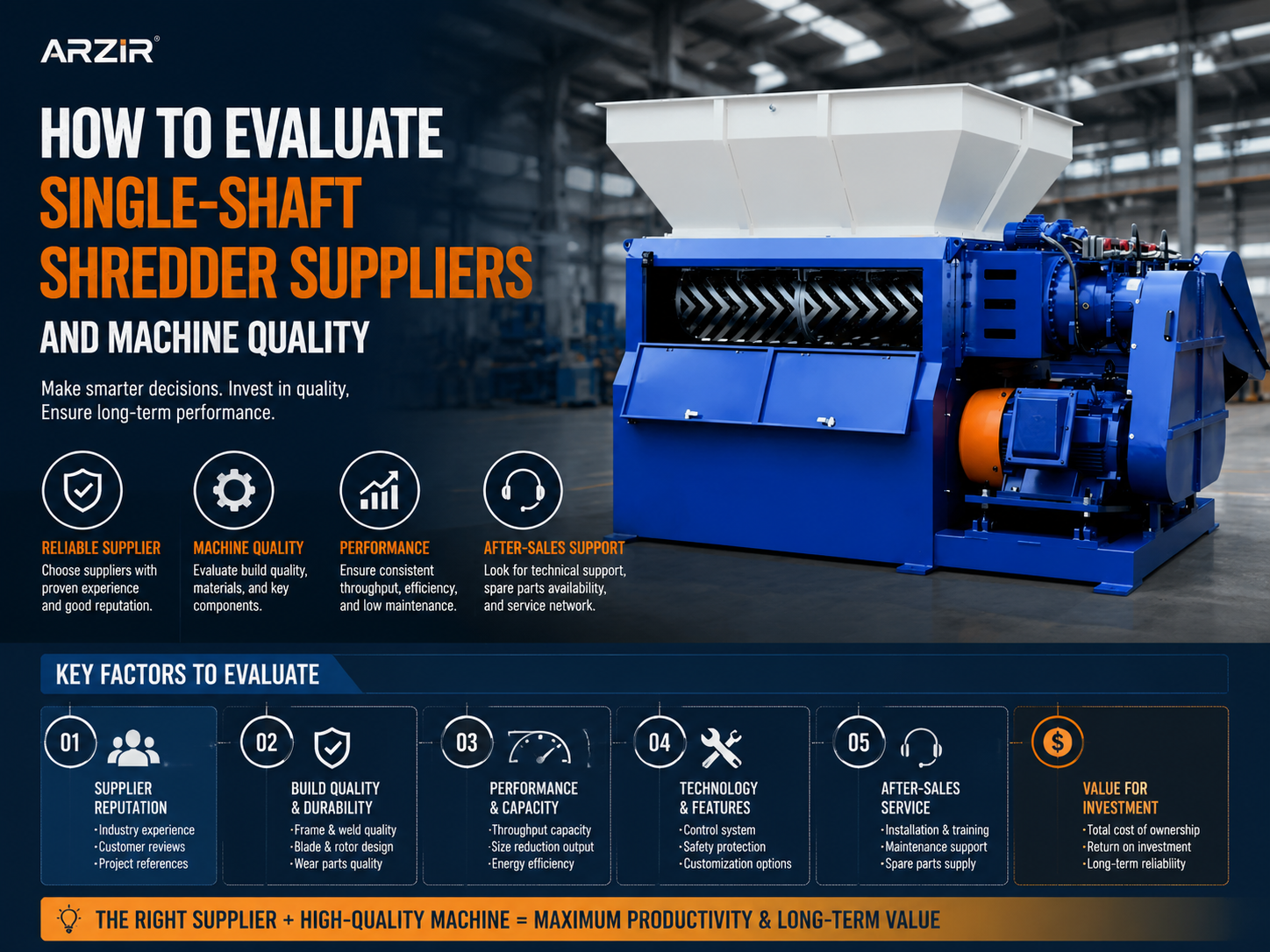
Introduction to Evaluating Single-Shaft Shredders
In the modern industrial landscape, the ability to efficiently process waste and recycle materials is not just an environmental mandate but a significant economic advantage. Single-shaft shredders have emerged as the workhorses of the recycling industry, capable of handling everything from plastics and wood to rubber and light metals. However, the market is flooded with various models and manufacturers, making it difficult for procurement managers to make an informed decision. To evaluate single-shaft shredder suppliers and machine quality effectively, one must look beyond the initial price tag and delve into the technical nuances, build quality, and the long-term reliability of the equipment.
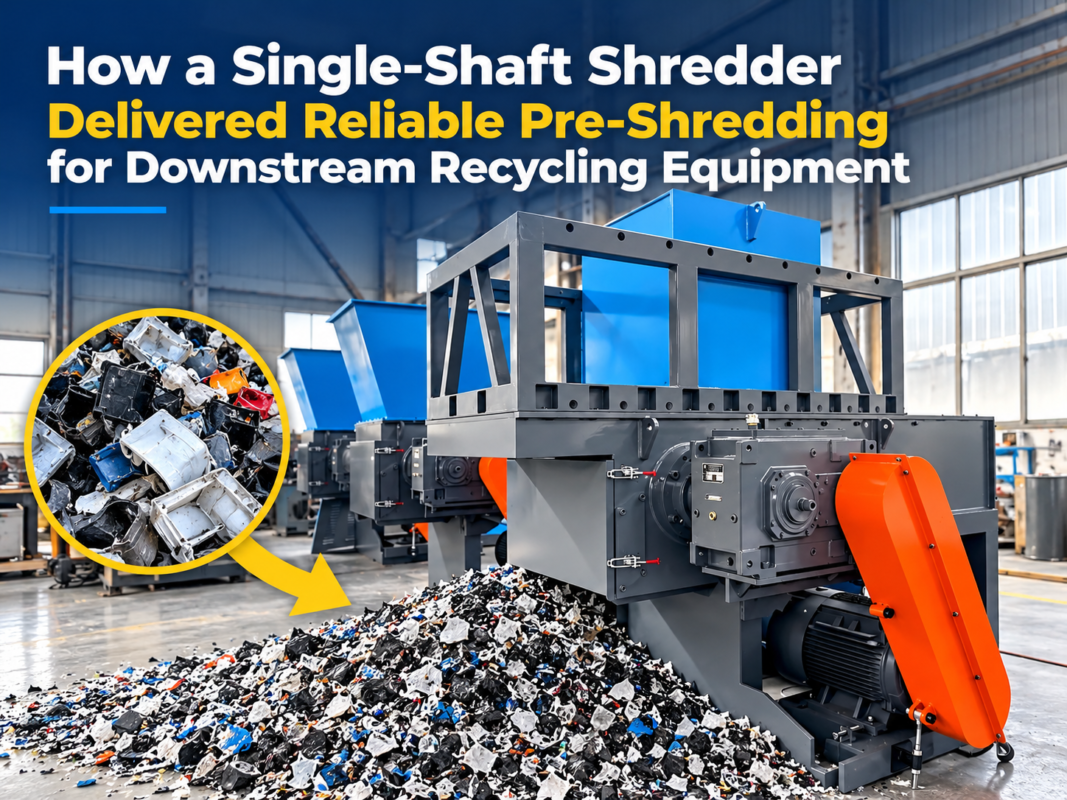
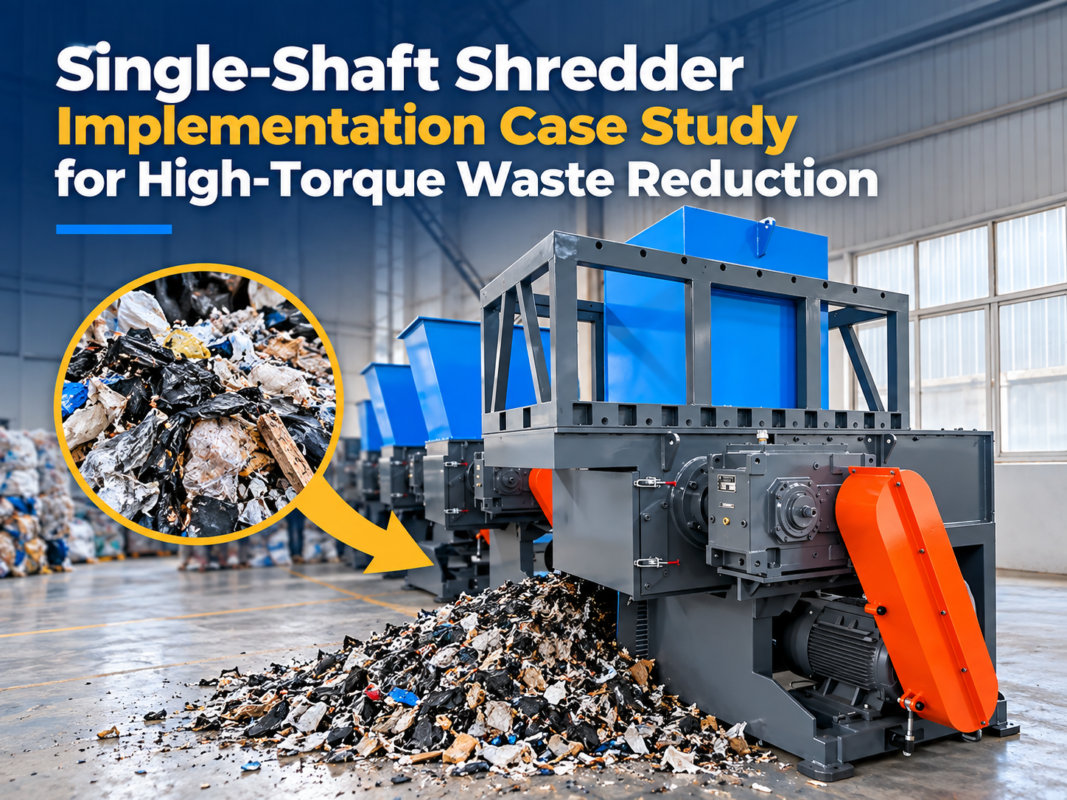
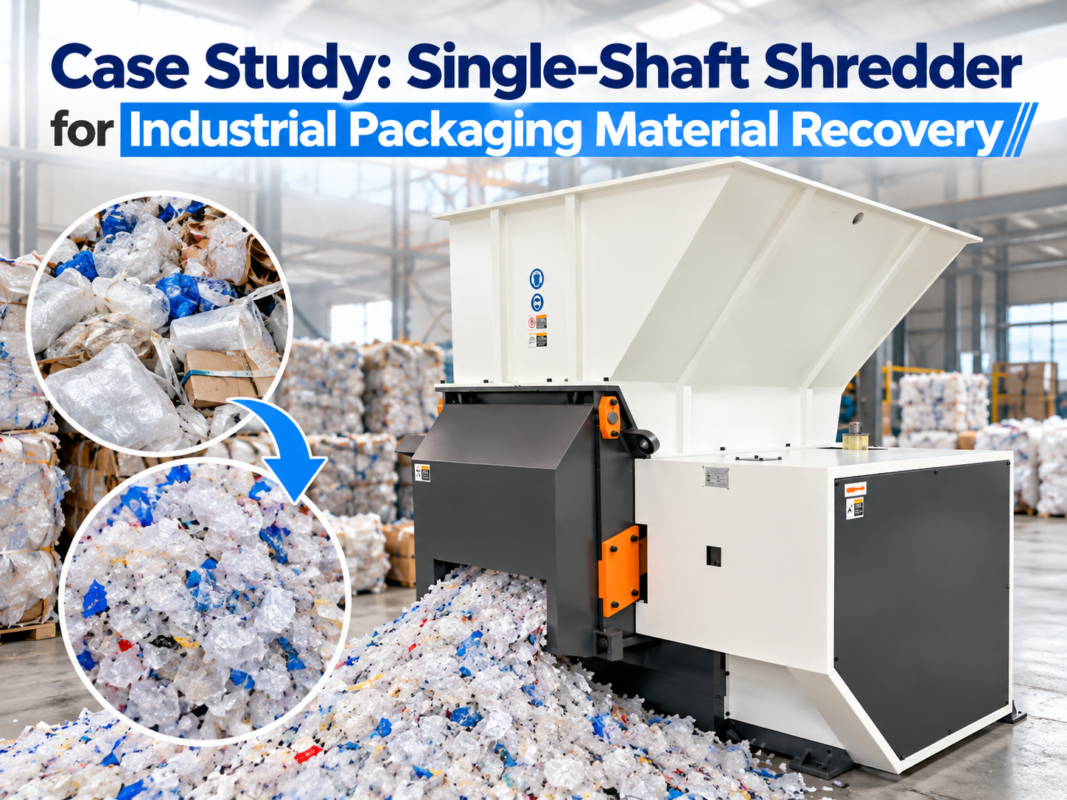
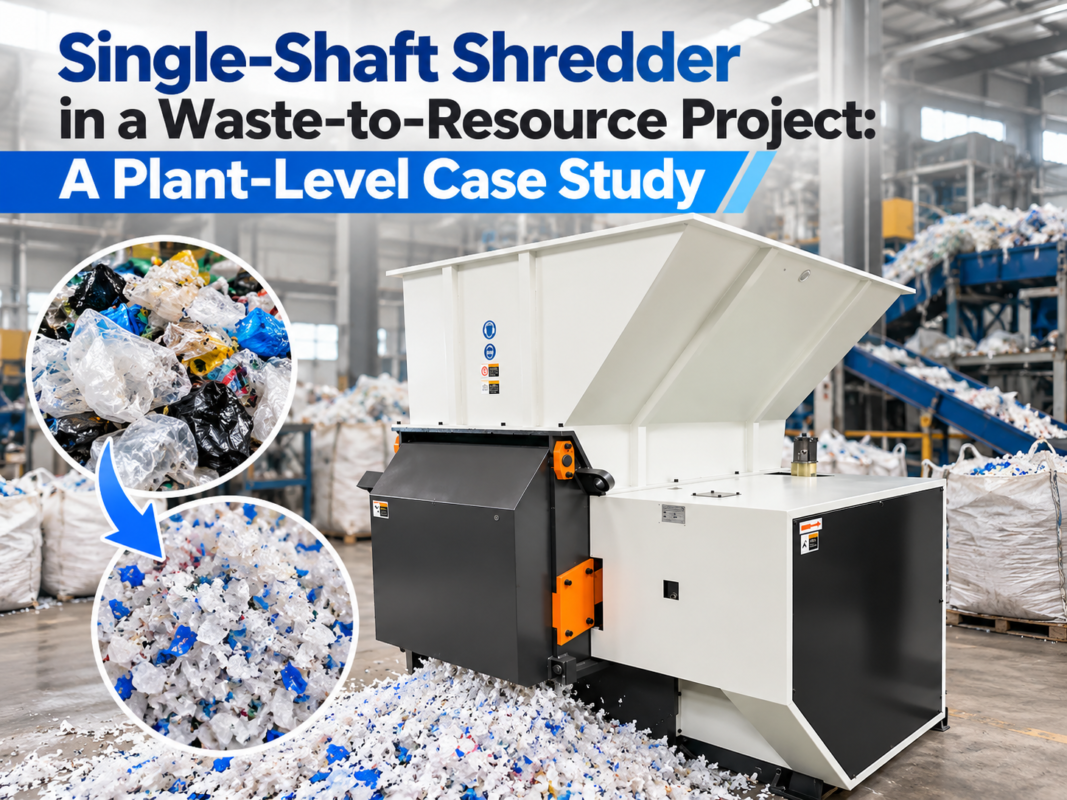
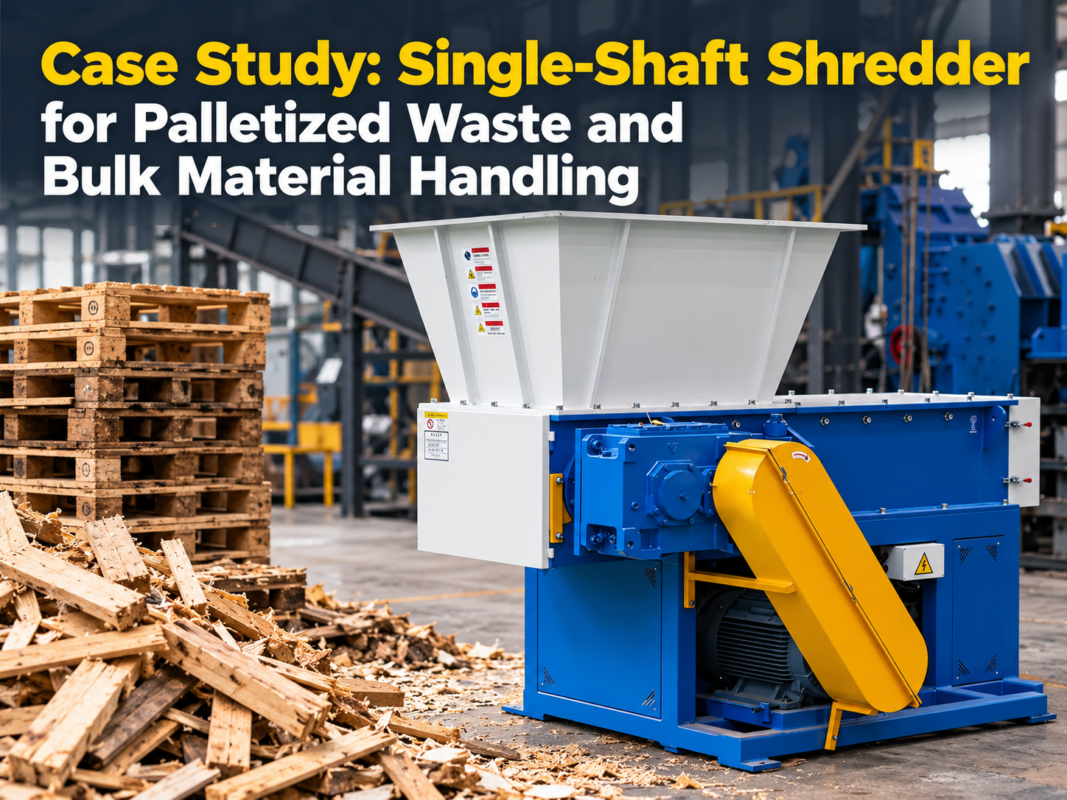
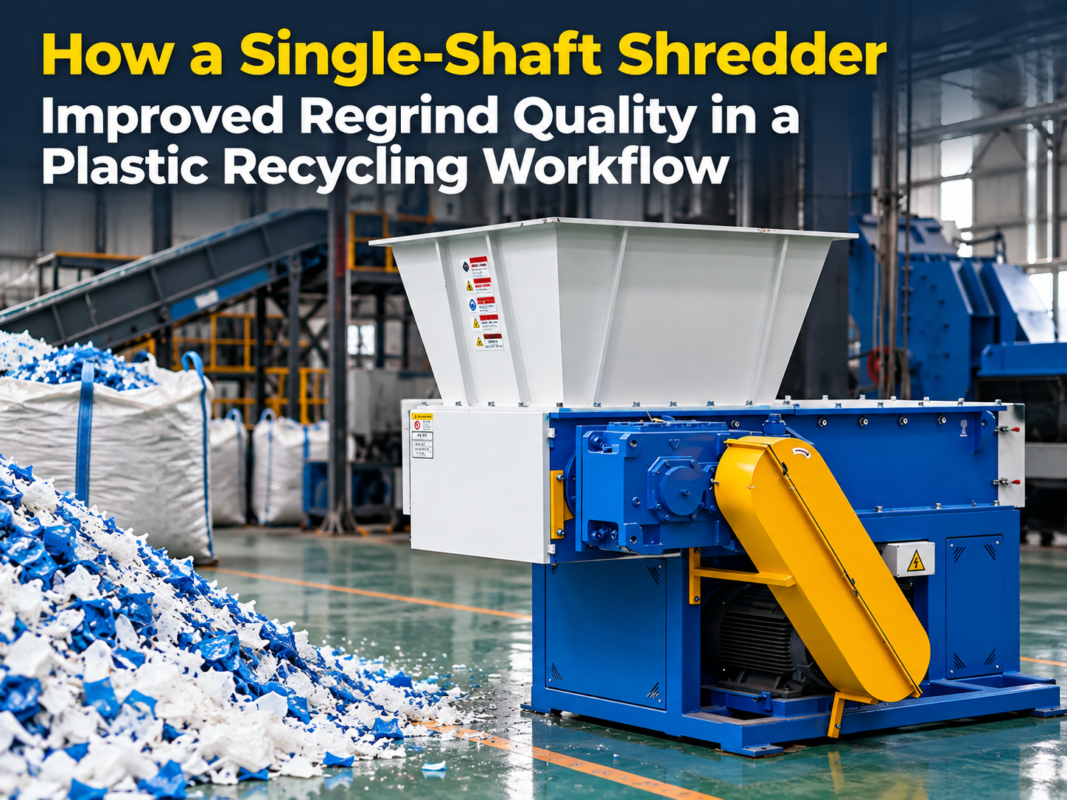
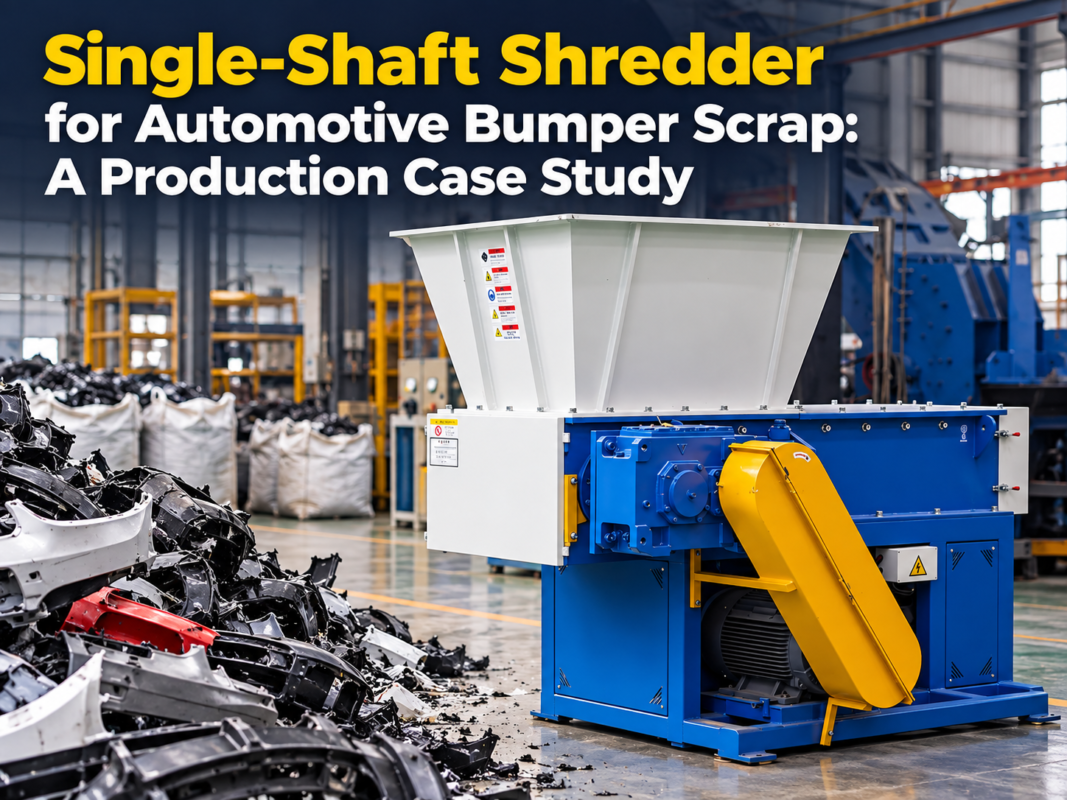
A single-shaft shredder operates by using a hydraulic pusher to force material against a rotating shaft equipped with multiple blades. The material is shredded against a fixed counter-blade and then passed through a screen to ensure a consistent output size. Because these machines are subjected to immense mechanical stress, the quality of the components and the integrity of the frame are paramount. Choosing the wrong supplier can lead to frequent breakdowns, high maintenance costs, and ultimately, a negative return on investment. This guide provides a structured framework to help you navigate the complexities of the shredder market.
Price Range Overview: Understanding the Market Tiers
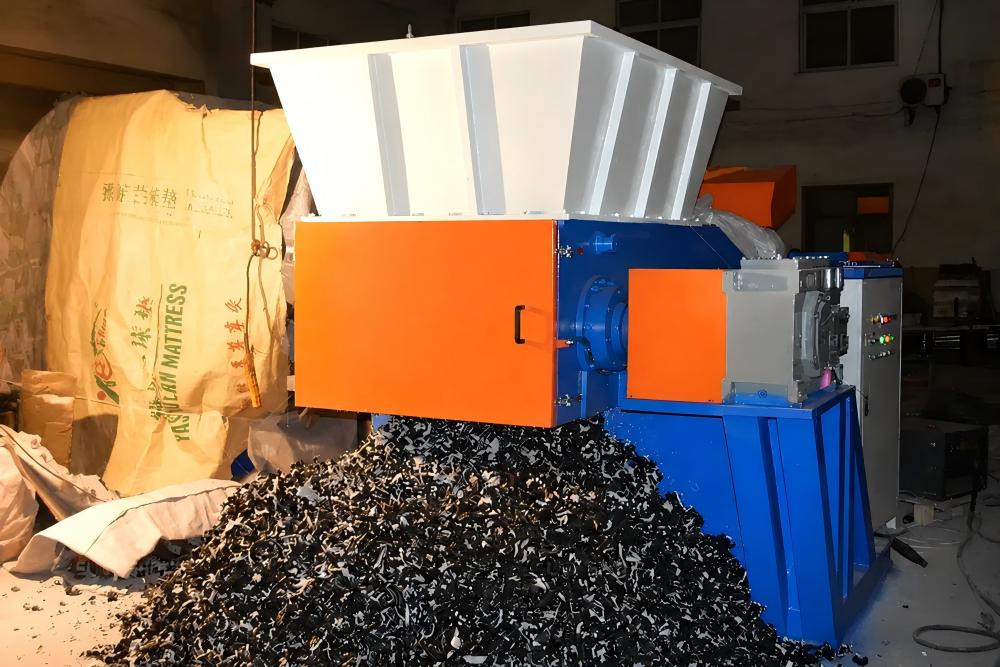
When you begin to evaluate single-shaft shredder suppliers and machine quality, you will notice a wide variance in pricing. Generally, the market can be divided into three primary tiers based on capacity, build quality, and technological integration. Understanding these tiers helps set realistic expectations for your budget and operational needs.
- Entry-Level / Small-Scale Units ($10,000 – $25,000): These machines are typically designed for light-duty applications, such as processing small plastic purgings or wood scraps in a workshop environment. They often feature smaller motors (7.5kW to 15kW) and lighter frames. While cost-effective, they may lack advanced PLC controls and heavy-duty hydraulic systems.
- Mid-Range Industrial Shredders ($30,000 – $75,000): This is the most common category for professional recycling facilities. These machines offer a balance of power (22kW to 55kW) and durability. They are built with thicker steel plates and utilize reputable components for the gearbox and electrical systems. They are suitable for continuous operation in 8-hour shifts.
- Heavy-Duty / High-Capacity Systems ($80,000 – $200,000+): Designed for 24/7 operation and difficult materials like large-diameter pipes, rubber tires, or baled plastics. These systems feature massive rotors, high-torque motors (75kW+), and sophisticated cooling systems. Suppliers in this tier often provide customized solutions and integrated conveyor systems.
It is important to note that the lowest price often indicates compromises in steel quality, bearing protection, or the sophistication of the hydraulic pusher. When evaluating suppliers, always ask for a detailed breakdown of what is included in the quoted price to ensure you are comparing like-for-like equipment.
Main Cost Drivers in Shredder Manufacturing
To accurately evaluate single-shaft shredder suppliers and machine quality, you must understand what drives the manufacturing cost. High-quality machines are built with premium materials that can withstand the rigors of high-torque shredding. The first major cost driver is the raw material and frame construction. A quality shredder should have a frame made of heavy-duty, welded steel plates (often 20mm to 50mm thick depending on the model). If the frame is too light, the machine will vibrate excessively, leading to premature failure of the bearings and motor mounts.
The rotor and blades represent the heart of the machine. Rotors should be precision-machined from solid steel and heat-treated for hardness. The blades, usually made from D2 (Cr12MoV) or DC53 steel, must be vacuum heat-treated to reach a hardness of 58-60 HRC. Cheap suppliers may use inferior alloys that dull quickly, requiring frequent sharpening or replacement, which halts production. Furthermore, the method of blade attachment—whether they are bolted or welded—affects the ease of maintenance.
Another significant cost driver is the drive system. This includes the motor and the gearbox. Reputable suppliers like HARSLE use motors from globally recognized brands such as Siemens or WEG, and gearboxes from specialized manufacturers like Bonfiglioli or Guomao. These components offer higher efficiency and better heat dissipation. A generic, unbranded gearbox is a major red flag when evaluating machine quality, as it is often the first component to fail under heavy load.
Configuration Impact: Customizing for Performance
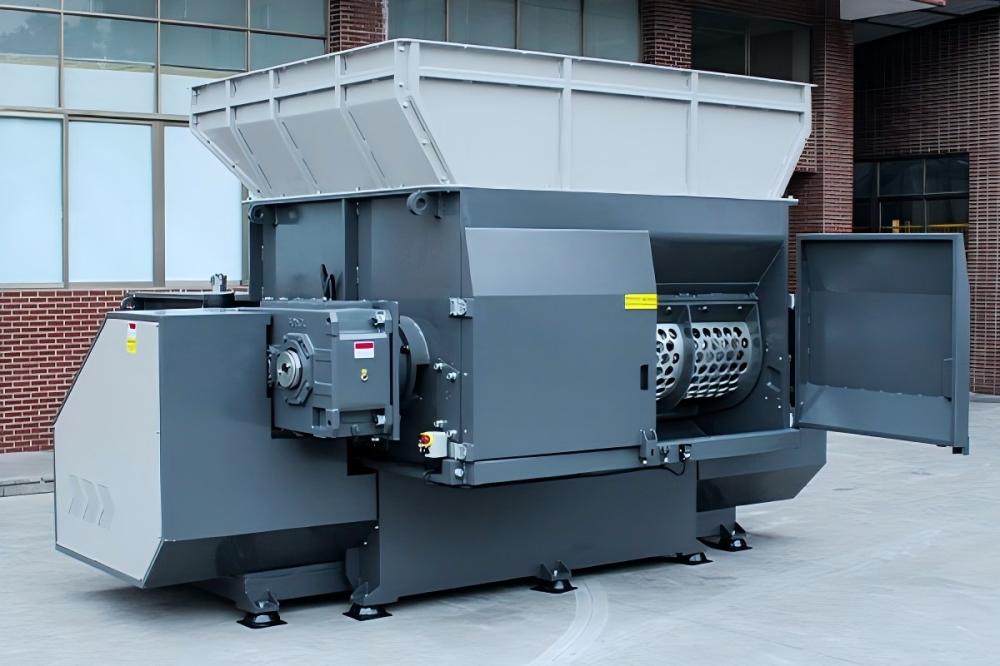
The configuration of a single-shaft shredder significantly impacts its performance and, consequently, its price. When you evaluate single-shaft shredder suppliers and machine quality, you should look at how the machine is configured for your specific material. For instance, the rotor design can vary. A “V-shaped” rotor is excellent for general plastics and reduces heat buildup, while a flat rotor might be better for film or fiber to prevent wrapping. The number of blades on the rotor also dictates the throughput and the size of the final product.
The hydraulic pusher system is another critical configuration point. In high-quality machines, the pusher is controlled by a PLC that monitors the motor’s load. If the motor draws too much current, the PLC automatically retracts the pusher to prevent a jam and then resumes once the load stabilizes. This “intelligent feeding” is a hallmark of a high-quality machine. Lower-end models may have a simple manual or timed pusher, which is far less efficient and more prone to causing motor burnouts.
Furthermore, the screen design determines the final particle size. Screens should be easily interchangeable to allow the machine to adapt to different production requirements. Some suppliers offer hydraulic screen cradles that allow for quick cleaning and replacement, which significantly reduces downtime. When evaluating a supplier, ask about the ease of access to the screen and the rotor for routine maintenance.
Hidden Costs of Industrial Shredders
The purchase price is only the beginning of the total cost of ownership. To truly evaluate single-shaft shredder suppliers and machine quality, you must account for hidden costs that can erode your profit margins. One of the most overlooked costs is energy consumption. A machine with a poorly designed drive system or inefficient blades will consume significantly more electricity to process the same amount of material. Over a year of operation, the difference in electricity bills between a high-efficiency machine and a cheap one can amount to thousands of dollars.
Wear parts and consumables are another ongoing expense. Blades, counter-blades, and screens will eventually wear out. You should evaluate the supplier based on the availability and price of these spare parts. Some manufacturers use proprietary blade shapes that force you to buy replacements only from them at inflated prices. A supplier that uses standard, widely available blade geometries is often a more economical choice in the long run.
Finally, consider the cost of downtime. If a machine breaks down and the supplier does not have a robust support network or available spare parts, your entire production line could grind to a halt. Evaluate the supplier’s after-sales service, the warranty terms, and their ability to provide remote technical support. A slightly more expensive machine from a supplier with a proven track record of support is often the cheaper option when downtime costs are factored in.
ROI Calculation: Is the Investment Worth It?
Calculating the Return on Investment (ROI) is the ultimate way to evaluate single-shaft shredder suppliers and machine quality. To calculate ROI, you need to estimate the total annual benefit (revenue from recycled material or savings on waste disposal) and divide it by the total cost of ownership (purchase price + operating costs + maintenance).
For example, if a HARSLE single-shaft shredder costs $50,000 and allows you to process 500kg of plastic waste per hour that was previously costing you $100/ton to dispose of, the savings are substantial. If the processed material can then be sold for $300/ton, the machine is generating $400 of value per ton. At 4 tons per day, that’s $1,600 per day in value. Even after accounting for labor, electricity, and blade wear, such a machine could pay for itself in less than six months.
However, this calculation only holds if the machine maintains its rated throughput and doesn’t suffer from excessive downtime. A lower-quality machine might have a lower initial cost of $35,000, but if its throughput is only 300kg/hour due to frequent jams and it requires $5,000 in repairs in the first year, the ROI period will be significantly longer. Always perform a sensitivity analysis: how does the ROI change if the machine is 20% less efficient than claimed?
Buying Advice: How to Vet a Supplier
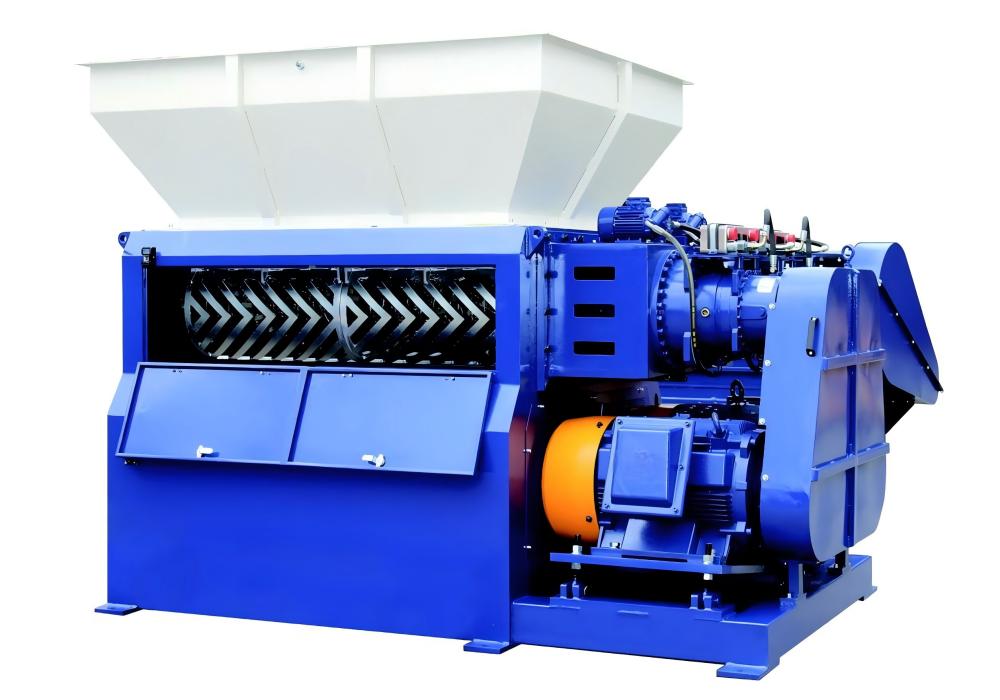
When you are ready to evaluate single-shaft shredder suppliers and machine quality, follow this checklist to ensure you are partnering with a reliable manufacturer:
- Request a Material Test: A reputable supplier should offer to test your specific material on their machines. This is the only way to verify the actual throughput and the quality of the shredded output. Ask for a video of the test or, better yet, visit the factory to see it in person.
- Check Component Brands: Ask for a detailed list of the brands used for the PLC, motor, gearbox, and hydraulic valves. If the supplier is vague or uses unknown brands, proceed with caution.
- Verify Certifications: Ensure the machine is CE certified and the manufacturer follows ISO 9001 quality management standards. This provides a baseline for safety and manufacturing consistency.
- Examine the Weld Quality: If possible, inspect the machine’s frame and rotor welds. Clean, consistent welds are a sign of professional manufacturing, while sloppy welds suggest a lack of quality control.
- Ask for References: A confident supplier will provide contacts for existing customers in your industry. Speak with these users about their experience with the machine’s reliability and the supplier’s support.
Suppliers like HARSLE emphasize transparency in their manufacturing process, providing detailed specifications and high-quality components to ensure long-term performance. By focusing on these technical and operational details, you can avoid the pitfalls of buying based on price alone.
Frequently Asked Questions (FAQ)
1. How long do the blades on a single-shaft shredder typically last?
Blade life depends heavily on the material being processed. For clean plastics, blades can last 500-1,000 hours before needing to be rotated or sharpened. However, if the material contains abrasives like sand or glass, or contaminants like metal, the lifespan can drop significantly. Most modern blades have four cutting edges, allowing them to be rotated three times before replacement.
2. Can a single-shaft shredder handle metal?
Standard single-shaft shredders are designed for plastics, wood, and paper. While they can handle light aluminum scraps or thin copper wiring, they are not intended for heavy steel or iron. Attempting to shred heavy metal can shatter the blades and damage the rotor or gearbox. For heavy metal, a specialized metal shredder or a twin-shaft shredder is required.
3. What is the difference between a single-shaft and a double-shaft shredder?
A single-shaft shredder uses a high-speed rotor and a screen to produce a small, uniform particle size, making it ideal for secondary recycling. A double-shaft (or twin-shaft) shredder operates at lower speeds with higher torque and no screen, designed for primary volume reduction of bulky waste. Single-shaft machines offer more control over the final output size.
4. How do I determine the right motor power for my needs?
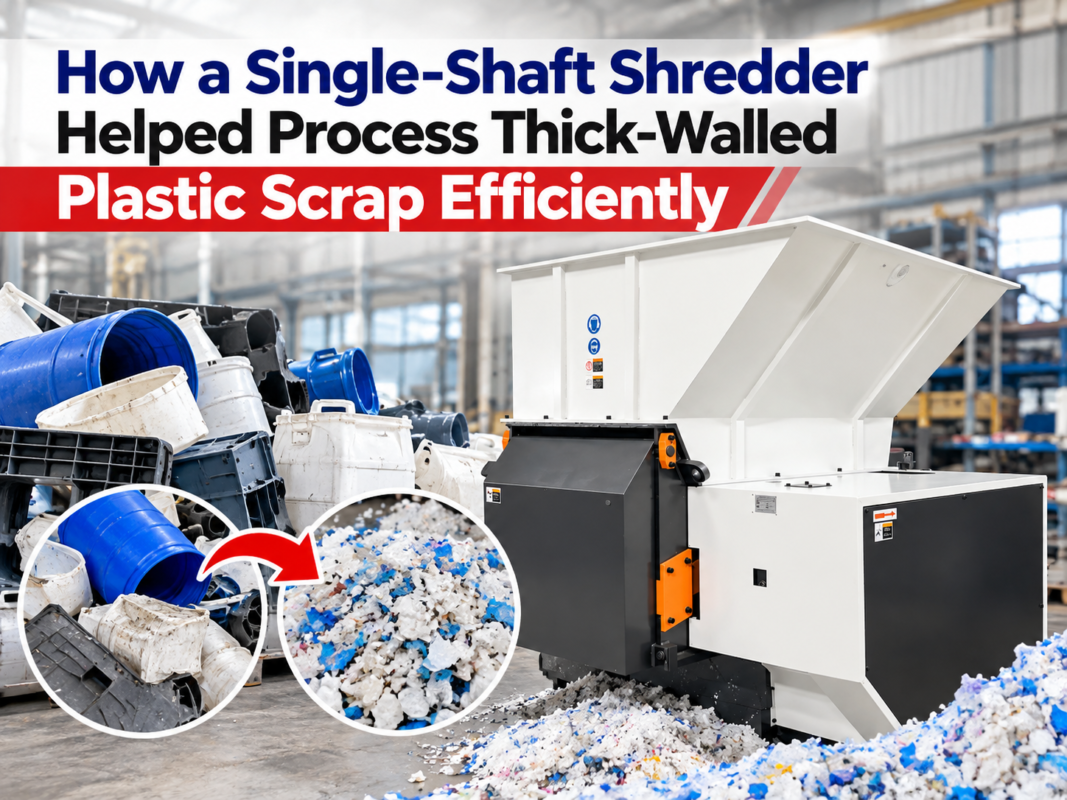
Motor power should be based on your required throughput and the toughness of the material. As a rule of thumb, tougher materials like rubber or thick-walled HDPE require more torque and higher kW ratings. Consult with the supplier and provide samples of your toughest material to ensure the motor is not underpowered, which leads to overheating and frequent stalling.
5. What maintenance is required for a single-shaft shredder?
Daily maintenance includes checking for loose bolts, inspecting the blades for chips, and ensuring the hydraulic oil level is sufficient. Weekly tasks involve greasing the main bearings and cleaning the radiator of the cooling system. Monthly, you should check the tension of the drive belts and inspect the electrical cabinet for dust accumulation.
6. Why is the PLC system important in a shredder?
The PLC (Programmable Logic Controller) acts as the brain of the machine. It protects the motor by managing the hydraulic pusher’s movement based on real-time load data. It also provides diagnostic codes that help in troubleshooting issues quickly, reducing the time spent on repairs.