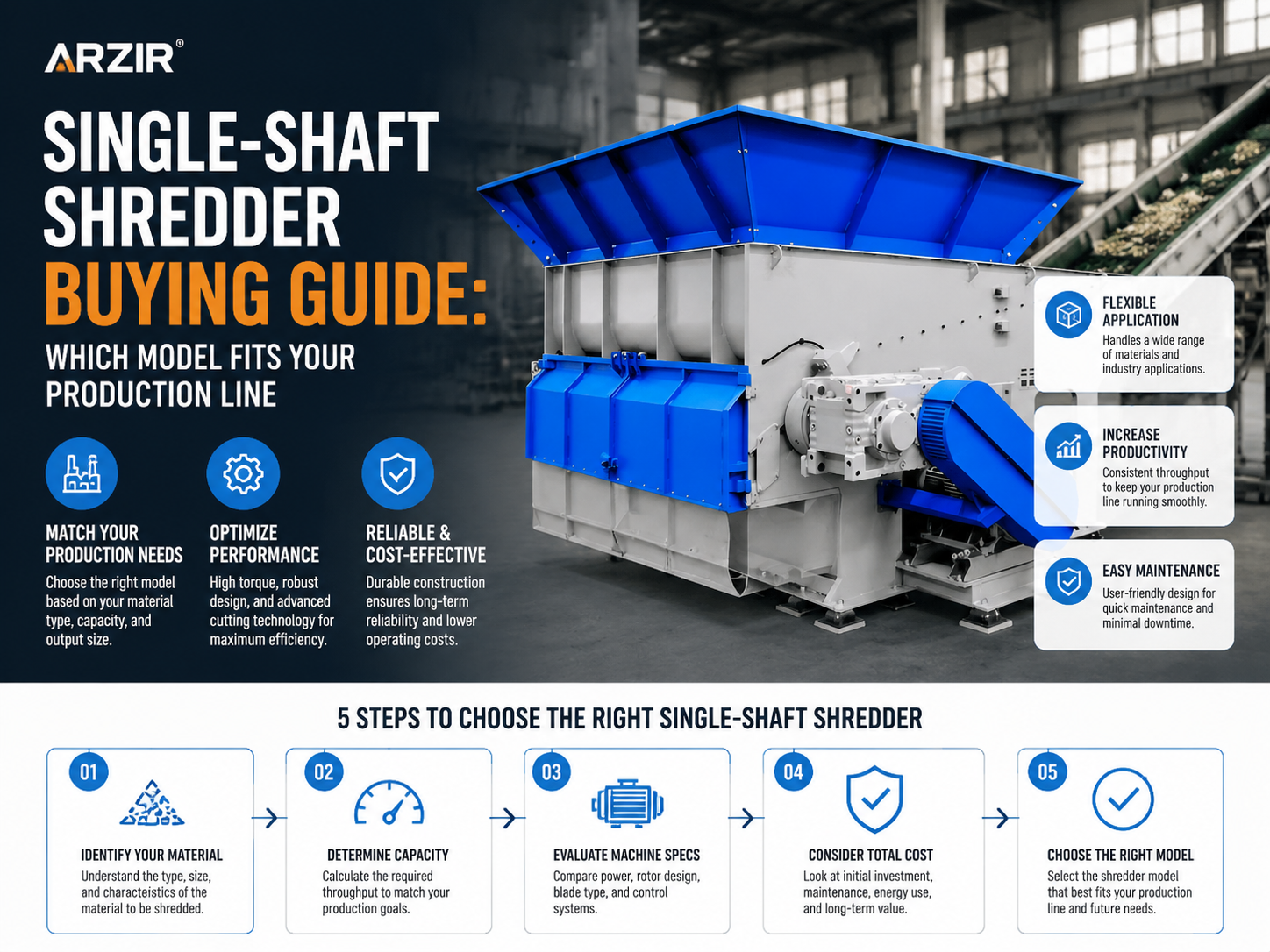
Single-Shaft Shredder Buying Guide: Which Model Fits Your Production Line

Introduction to Single-Shaft Shredder Selection
In the modern industrial landscape, efficiency and sustainability are no longer optional; they are the pillars of a successful production line. Whether you are dealing with plastic waste, wood scraps, textile remnants, or light metal refuse, the single-shaft shredder stands as a versatile workhorse. However, the market is flooded with various models, each boasting different specifications and price points. Navigating this landscape requires a strategic approach, which is why this Single-Shaft Shredder Buying Guide: Which Model Fits Your Production Line is essential for any facility manager or business owner looking to optimize their waste management or recycling processes.
At HARSLE, we understand that a shredder is a significant investment. It is not just about breaking down material; it is about preparing that material for the next stage of production, reducing volume for logistics, or creating a sellable byproduct. Choosing the wrong model can lead to frequent downtime, excessive energy consumption, or an output that doesn’t meet quality standards. This guide will break down everything from initial costs to long-term ROI, ensuring you make an informed decision that aligns with your specific operational needs.
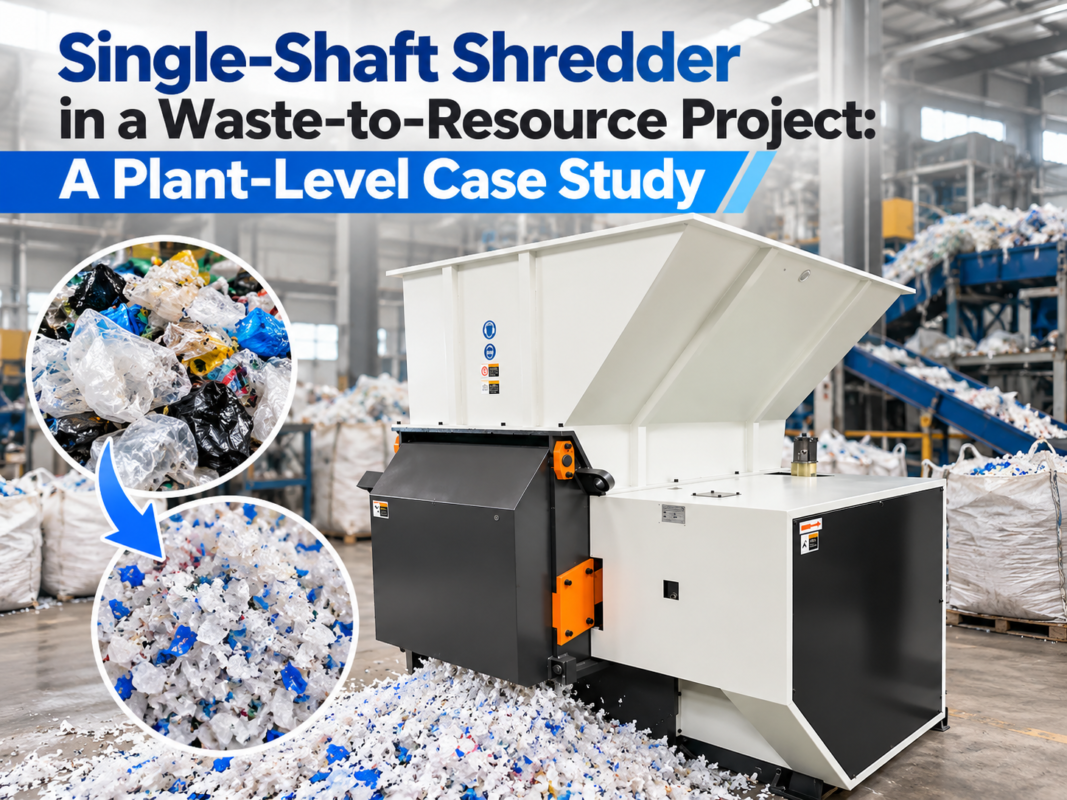
The single-shaft shredder is characterized by its high torque and low speed, making it ideal for tough materials that might stall a high-speed granulator. By utilizing a hydraulic pusher to force material against a rotating shaft equipped with specialized blades, these machines provide a consistent and controllable output. As we delve deeper into the specifics, keep in mind that the “best” machine is the one that balances throughput requirements with the physical properties of your waste stream.
Price Range Overview: What to Expect
When embarking on a Single-Shaft Shredder Buying : Which Model Fits Production Line journey, the first question is often about the budget. The price of a single-shaft shredder can vary wildly based on its capacity, build quality, and technological features. Generally, the market is divided into three primary tiers: entry-level, mid-range industrial, and heavy-duty specialized models.
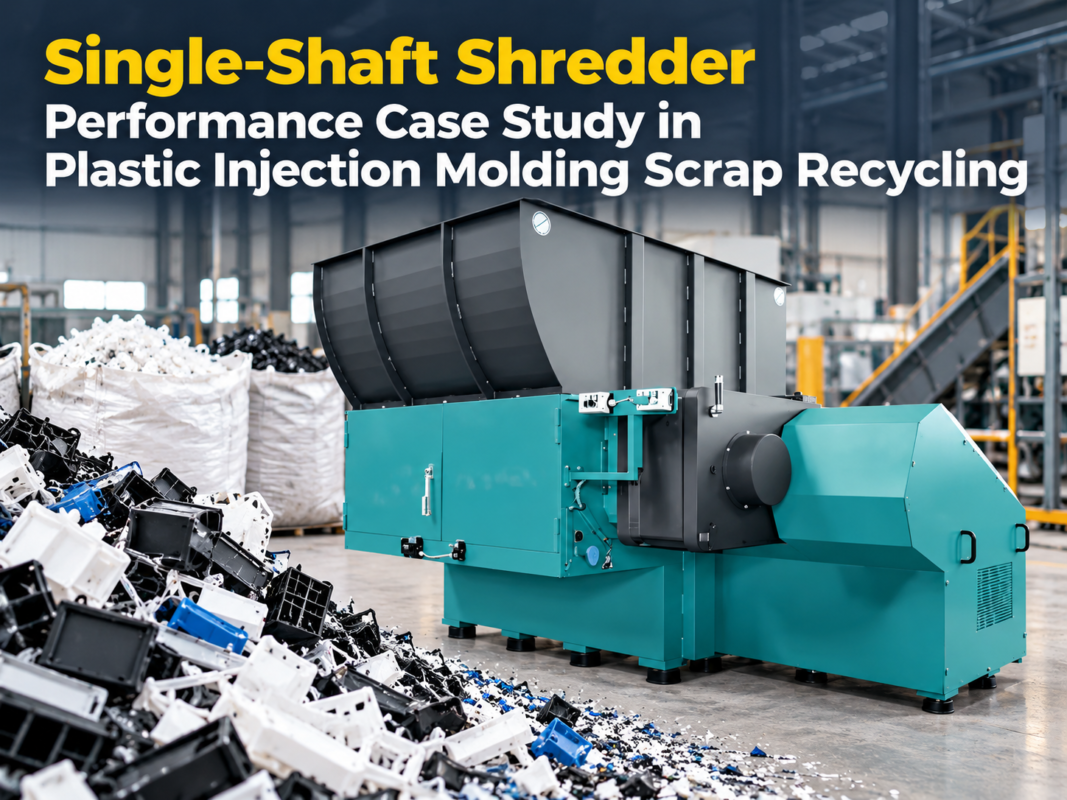
Entry-level models typically range from $10,000 to $25,000. These machines are designed for smaller workshops or facilities with intermittent shredding needs. They usually feature smaller motor sizes (7.5kW to 15kW) and narrower rotor widths. While they are cost-effective, they may lack the advanced hydraulic cooling systems or the heavy-duty steel frames required for 24/7 operation. They are perfect for shredding light plastics or small volumes of wood waste.
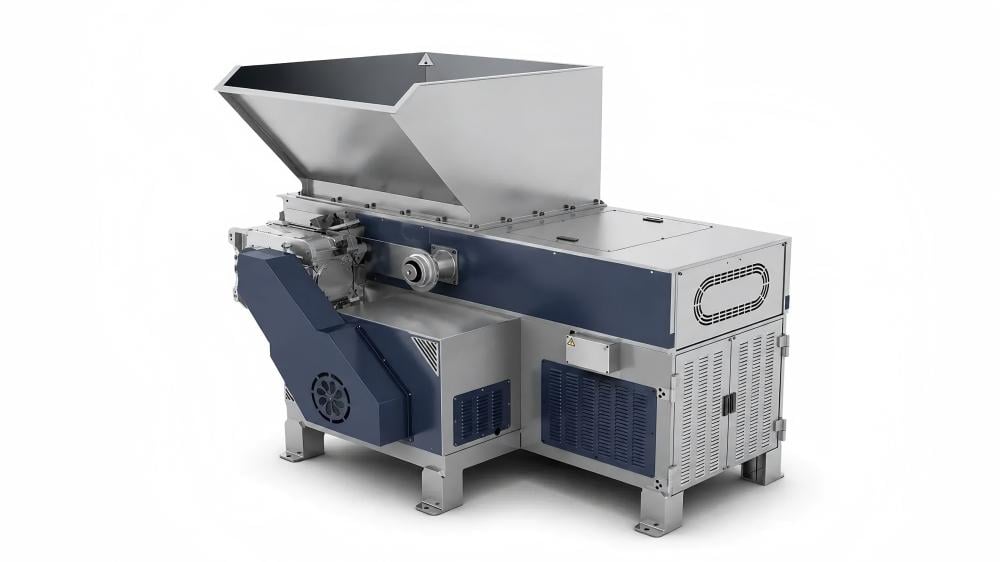
Mid-range industrial models, which fall between $30,000 and $75,000, are the most common choice for established production lines. These machines offer a balance of power (22kW to 55kW) and durability. They often include PLC control systems, high-efficiency gearboxes, and customizable screen sizes. These models are built to handle consistent daily throughputs of 500kg to 2,000kg per hour, depending on the material. HARSLE’s mid-range offerings focus on reliability and ease of maintenance, making them a staple in the recycling industry.
At the top end, heavy-duty and specialized shredders can exceed $100,000. These are massive machines designed for high-volume processing of difficult materials like thick-walled pipes, large purgings, or even light metal scrap. They feature reinforced rotors, dual-drive motors (up to 110kW or more), and sophisticated sensors to prevent damage from non-shreddable contaminants. While the initial investment is high, the cost per ton of processed material is often the lowest in this category due to extreme efficiency and high throughput.
Main Cost Drivers in Shredder Manufacturing
Understanding what drives the cost of a single-shaft shredder is crucial for evaluating quotes. The most significant cost driver is the Rotor and Blade Assembly. The rotor is the heart of the machine, and its construction—whether it is solid steel or a hollow pipe design—greatly affects its longevity and price. Furthermore, the quality of the blades (typically made from D2, DC53, or specialized alloy steels) determines how often you will need to sharpen or replace them. High-quality blades that can be rotated four times before needing a full replacement add value but increase the initial price.
The Motor and Drive System are also major factors. Brands like Siemens or ABB for motors and high-quality gearboxes from reputable manufacturers ensure that the machine can handle the torque requirements of tough materials. A cheap motor might save money upfront but will likely fail under the stress of heavy-duty shredding, leading to expensive repairs and lost production time. Additionally, the inclusion of a variable frequency drive (VFD) can increase the price but offers better control over the shredding speed and protects the motor from surges.
Hydraulic Systems play a vital role in single-shaft shredders. The hydraulic pusher (or ram) is responsible for feeding the material into the rotor. The complexity of this system—including the pump quality, the smoothness of the ram movement, and the inclusion of cooling systems for the hydraulic oil—directly impacts the machine’s performance. A well-engineered hydraulic system ensures that the rotor is always fed at an optimal rate, preventing jams and maximizing throughput.
Finally, the Control System and Automation contribute to the cost. Modern shredders utilize PLC (Programmable Logic Controller) systems to monitor motor load and automatically reverse the rotor if a jam is detected. This “auto-reverse” feature is critical for protecting the machine from damage. Higher-end models may also include remote monitoring capabilities, touch-screen interfaces, and integration with the rest of the production line’s ERP system, all of which add to the final price tag.
Configuration Impact: Tailoring the Machine to Your Material
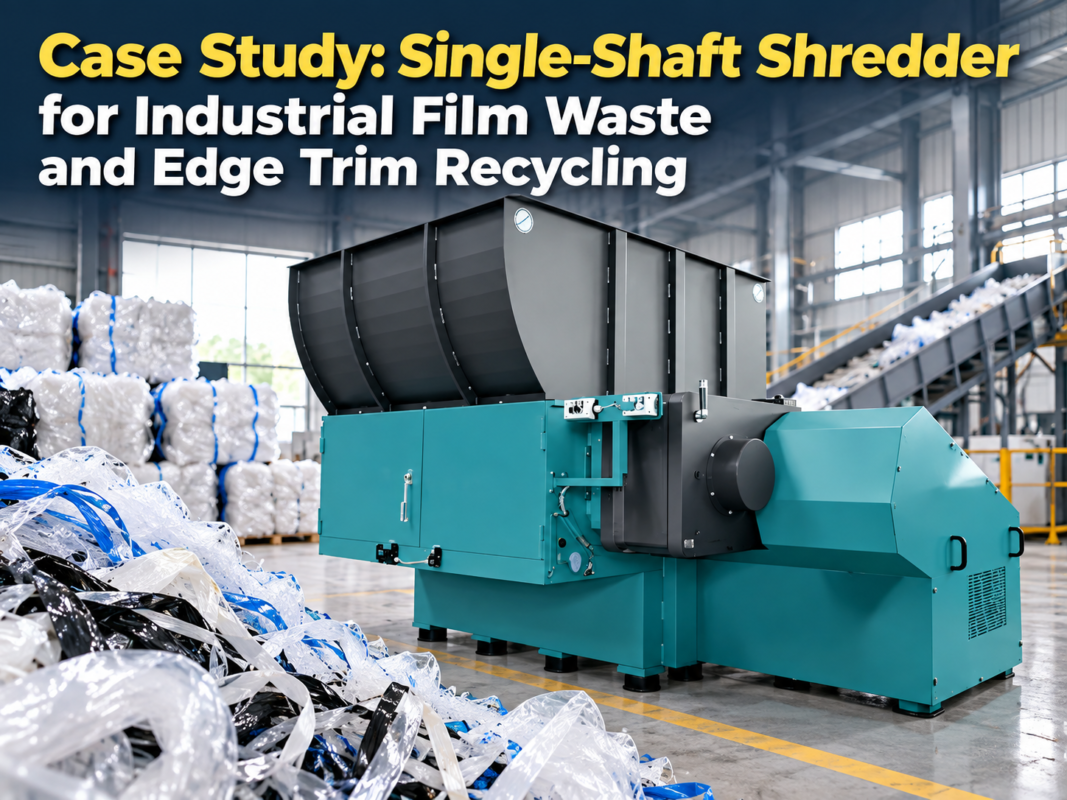
The configuration of your shredder is what determines if it will actually work for your specific application. One of the most important choices is the Rotor Design. For example, a “V-shaped” rotor is excellent for general-purpose shredding as it pulls material toward the center, reducing wear on the side walls. Conversely, a flat rotor might be better for specific types of film or fiber that tend to wrap around the shaft. The number of blades and their arrangement on the rotor also dictate the size of the initial cut and the overall efficiency of the process.
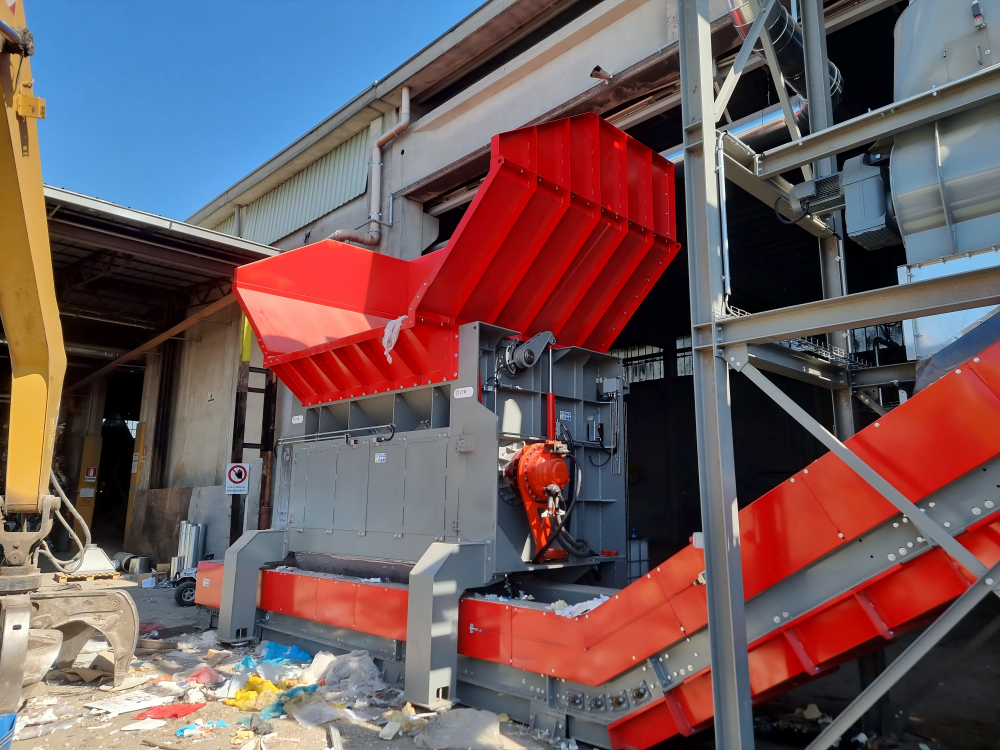
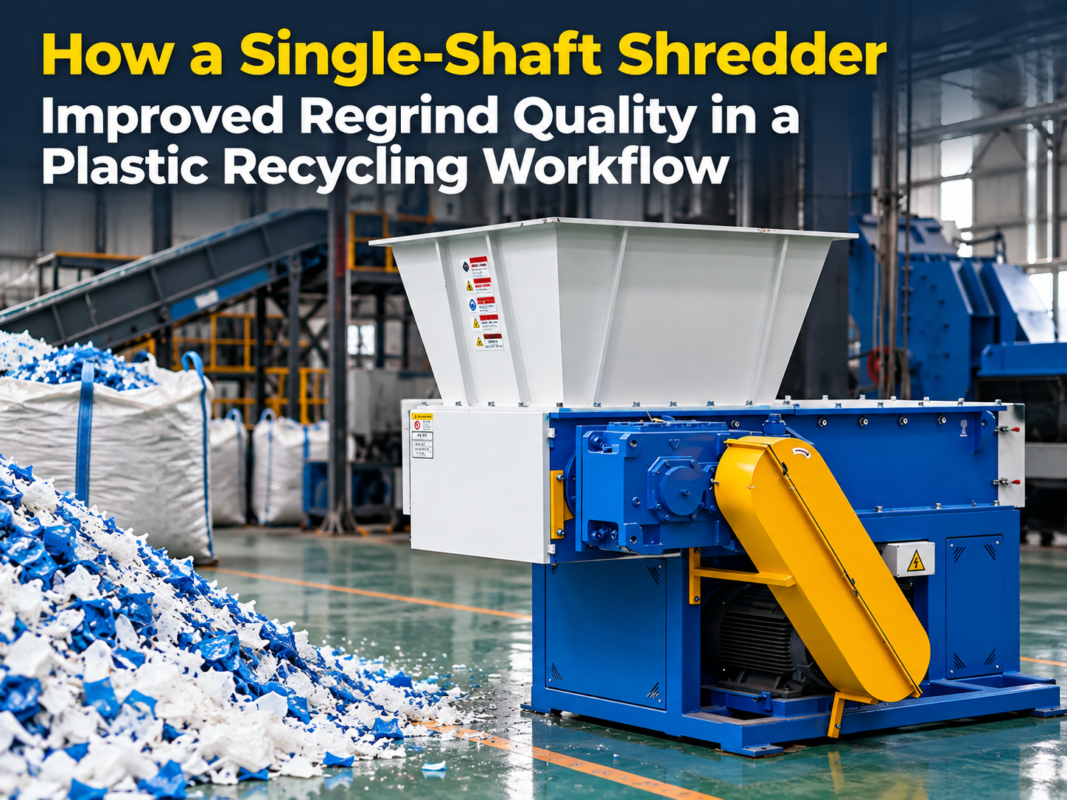
Screen Size is another critical configuration. The screen is located beneath the rotor and determines the final particle size of the shredded material. If you need a very fine output (e.g., 20mm), you will need a smaller screen, which will naturally reduce the throughput because the material stays in the shredding chamber longer. If you only need volume reduction (e.g., 80mm), a larger screen will allow for much faster processing. Many HARSLE models feature easy-to-change screens, allowing you to switch between different output requirements quickly.
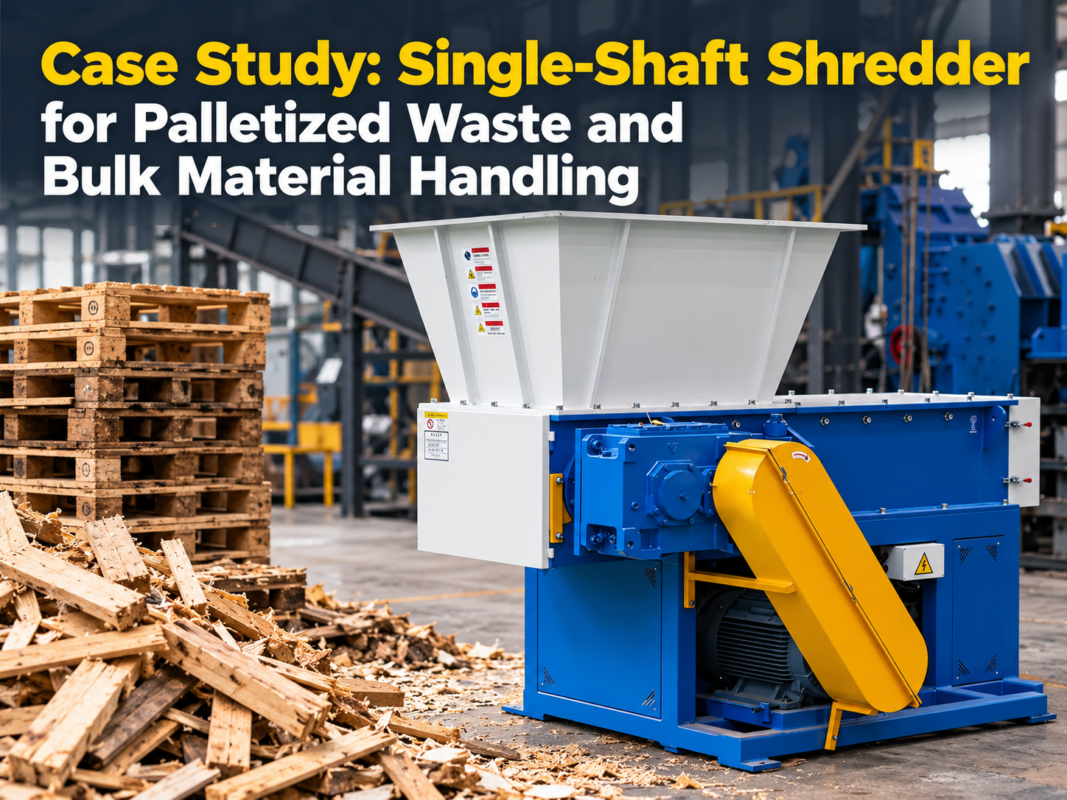
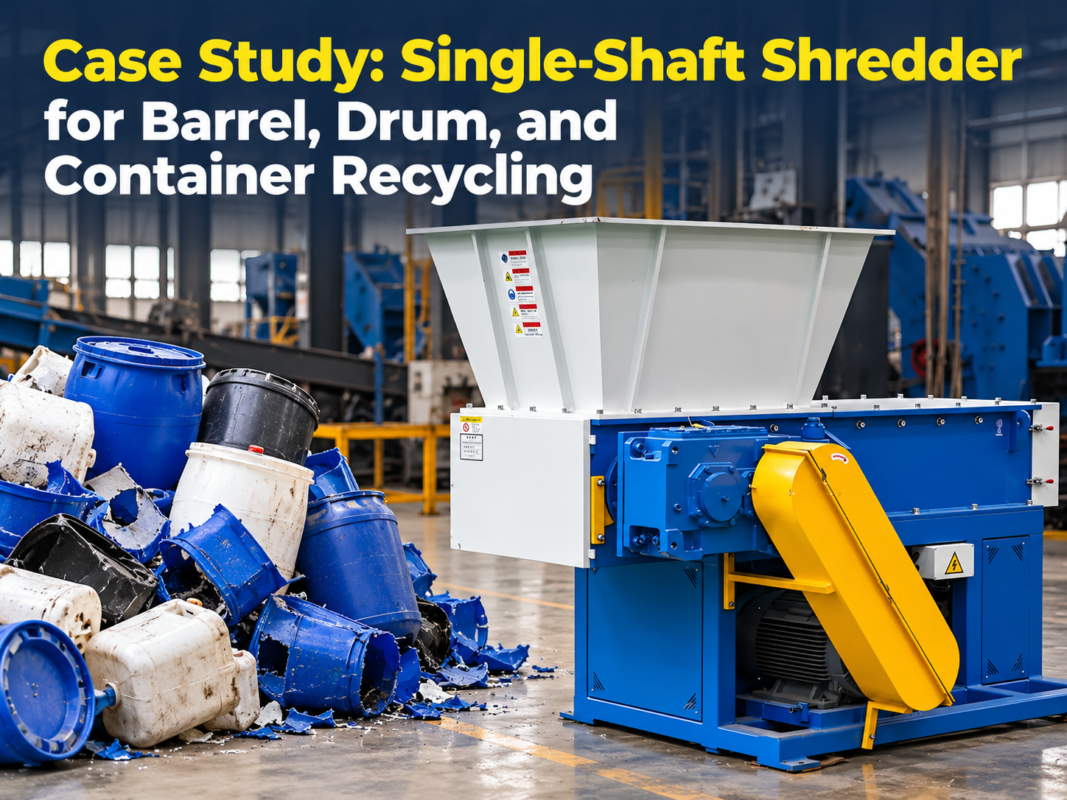
The Feeding Mechanism must also be considered. While most single-shaft shredders use a horizontal hydraulic pusher, some applications benefit from a gravity-fed hopper or a specialized “swing-arm” pusher. For bulky items like large plastic drums or crates, a larger hopper volume and a more aggressive pusher stroke are necessary. If you are feeding the machine via a conveyor belt, the hopper design must be compatible with the belt’s discharge height and width to prevent spillage and ensure a steady flow of material.
Lastly, consider the Cooling and Dust Extraction configurations. Shredding certain plastics can generate significant heat due to friction, which might cause the material to soften or melt, clogging the screen. In such cases, a water-cooled rotor or a specialized air-cooling system is required. Similarly, if your material produces a lot of dust (like wood or certain textiles), an integrated dust extraction port is essential for maintaining a clean and safe working environment, as well as protecting the machine’s internal components from abrasive particles.
Hidden Costs of Owning a Single-Shaft Shredder
When calculating the total cost of ownership, the purchase price is just the beginning. One of the most overlooked hidden costs is Electricity Consumption. Shredders are high-power machines. A 45kW motor running 8 hours a day can significantly impact your utility bill. Choosing a model with a high-efficiency motor and a smart PLC that idles the machine when not in use can save thousands of dollars over the machine’s lifespan. It is important to factor in the local cost per kWh when performing your financial analysis.
Wear Parts and Maintenance represent another ongoing expense. Blades are consumables. Depending on the abrasiveness of your material (e.g., glass-filled plastics or dirty wood with nails), you may need to rotate or sharpen blades every few weeks or months. The cost of a full set of replacement blades, along with the labor required to change them, should be budgeted for. Additionally, the hydraulic oil needs regular changes, and the gearbox requires periodic lubrication and inspection to prevent catastrophic failure.
Installation and Infrastructure costs can also surprise buyers. A heavy-duty shredder requires a reinforced concrete floor to handle the weight and vibration. You may also need to upgrade your facility’s electrical panel to handle the high startup current (inrush current) of the large motors. Furthermore, if the shredder is part of a larger system, you will need to account for the cost of input and output conveyors, magnetic separators (to remove metal contaminants), and bagging stations.
Finally, consider the Cost of Downtime. If your shredder is a critical link in your production line, a breakdown can halt your entire operation. This is why investing in a machine with readily available spare parts and local technical support is vital. At HARSLE, we emphasize the importance of a preventative maintenance schedule. The cost of a few hours of scheduled maintenance is negligible compared to the cost of an unscheduled week-long shutdown while waiting for a specialized part to ship from overseas.
ROI Calculation: When Will the Machine Pay for Itself?
Calculating the Return on Investment (ROI) for a Single-Shaft Shredder Buying : Which Model Fits Production Line involves comparing the total cost of ownership against the value generated by the machine. The value can come from several sources: reduced waste disposal fees, the sale of recycled material, or the reuse of shredded material back into your own production process (closed-loop recycling).
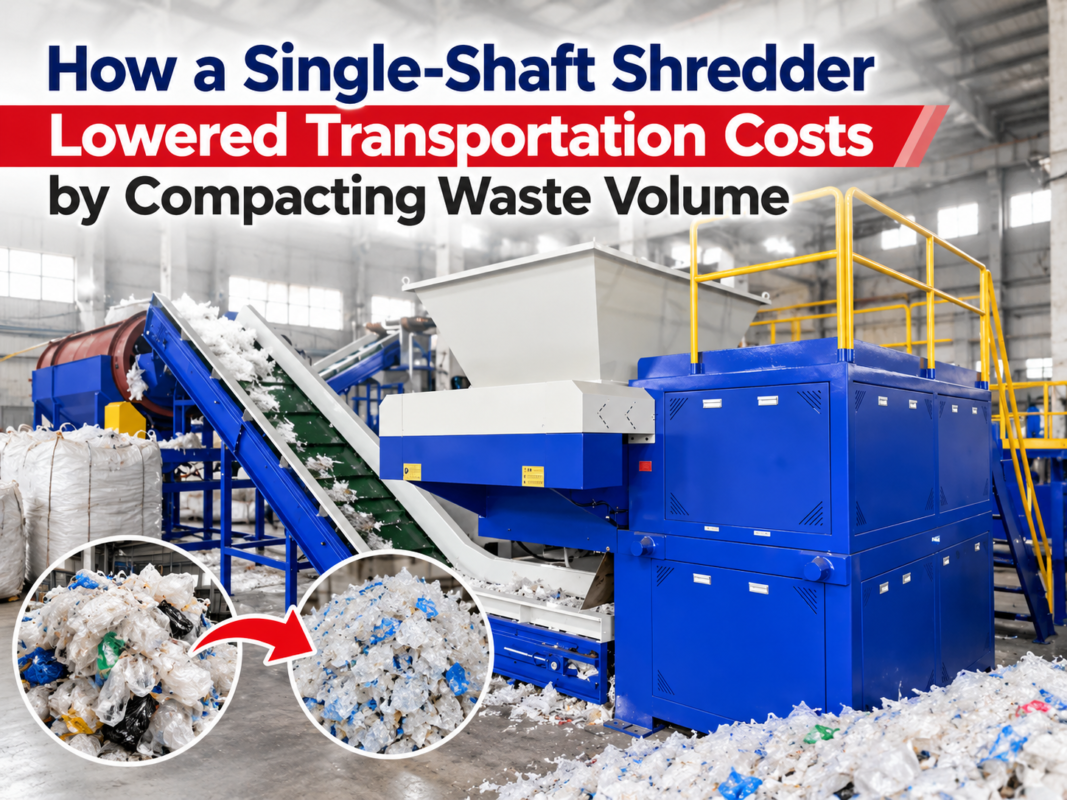
For example, if your facility currently pays $5,000 a month in waste hauling fees for bulky plastic scrap, and a shredder can reduce that volume by 70%, you might save $3,500 a month in logistics alone. If the shredded plastic can then be sold to a recycler for $300 per ton, and you produce 10 tons a month, that is an additional $3,000 in revenue. Total monthly benefit: $6,500. If the machine, including installation and estimated operating costs, totals $80,000, the payback period is approximately 12.3 months. Any operation after the first year is essentially pure profit (minus operating costs).
Another way to look at ROI is through Labor Savings. Manually breaking down large items for disposal is labor-intensive and carries a high risk of injury. A shredder automates this process, allowing your staff to focus on higher-value tasks. Reduced insurance premiums due to a safer work environment and lower labor costs per unit of waste processed should be factored into your ROI model. When presenting a purchase proposal to management, highlighting these multi-faceted savings is key to getting budget approval.
Buying Advice: Step-by-Step Selection Process
To ensure you choose the right model, follow this systematic approach. First, Analyze Your Material. What is the toughest thing you will shred? What is the average size? Are there contaminants like metal or stones? Send samples to the manufacturer for testing. Most reputable companies, including HARSLE, offer material testing services where they shred your specific waste and provide a report on throughput and output quality. This is the only way to be 100% sure the machine can handle your needs.
Second, Determine Your Throughput Requirements. Don’t just look at your current volume; consider your growth over the next 3-5 years. It is often more cost-effective to buy a slightly larger machine now than to replace an undersized one in two years. However, avoid over-speccing too much, as a massive machine running at 20% capacity is inefficient in terms of energy and floor space.
Third, Evaluate the Manufacturer. Look beyond the spec sheet. What is their reputation for after-sales service? Do they provide detailed manuals and wiring diagrams? Can they assist with integration into your existing line? A machine is only as good as the support behind it. Check for certifications like CE or ISO, which indicate a commitment to safety and quality standards. Ask for references from other customers in your industry to hear about their real-world experiences with the equipment.
Finally, Review the Technical Details. Pay close attention to the frame construction—is it bolted or welded? Welded frames are generally more rigid and better at absorbing vibration. Check the accessibility for maintenance. Can the screen be removed easily? Are the blades easy to reach? A machine that is difficult to maintain will eventually be neglected, leading to a shorter lifespan. Once you have compared these factors across 2-3 models, you will have a clear winner that fits both your production line and your budget.
Frequently Asked Questions (FAQ)
1. What is the difference between a single-shaft and a double-shaft shredder?
A single-shaft shredder uses a high-speed rotor and a hydraulic pusher to grind material against a screen, producing a consistent, small particle size. A double-shaft shredder (or shear shredder) uses two counter-rotating shafts with interlocking blades to tear material. Double-shaft shredders are better for high-volume primary shredding and bulky items but produce a less uniform, larger output compared to single-shaft models.
2. Can a single-shaft shredder handle metal?
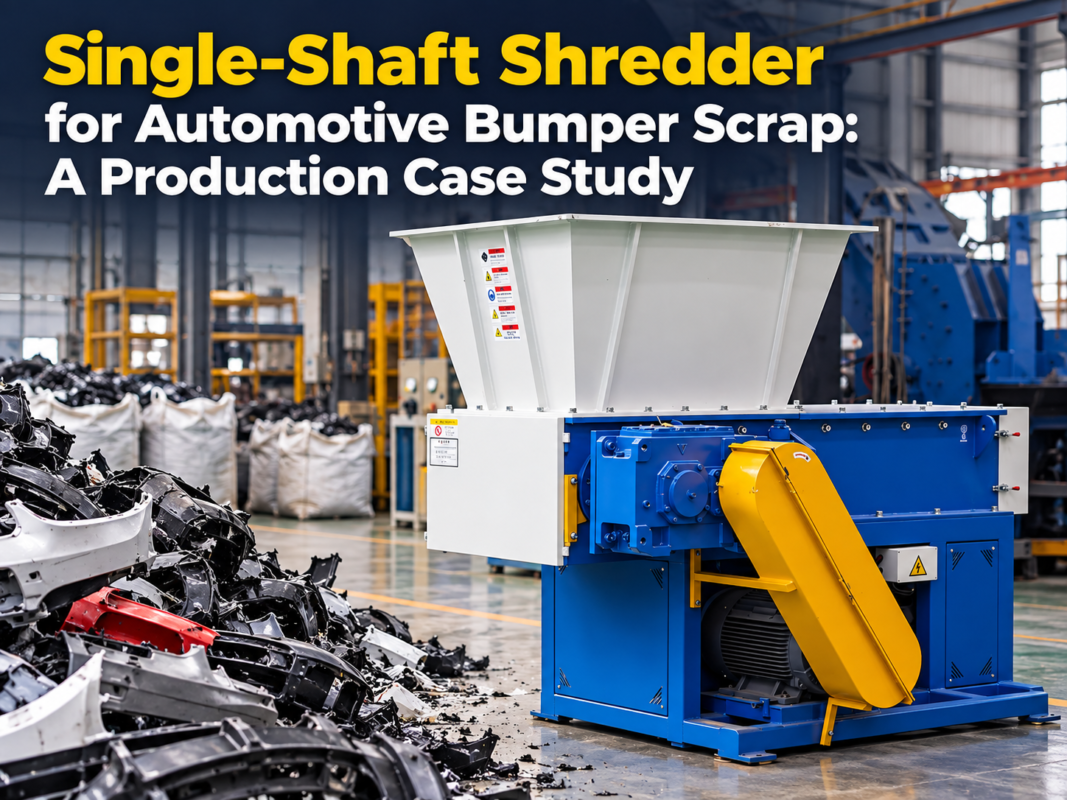
Single-shaft shredders are primarily designed for plastics, wood, paper, and textiles. While they can handle light non-ferrous metals like aluminum cans or thin copper wiring, they are not suitable for heavy steel scrap or iron. Attempting to shred thick metal can damage the blades and the rotor. If your waste stream contains occasional metal, ensure the machine has a robust “auto-reverse” feature and consider adding a magnetic separator before the shredder.
3. How often do the blades need to be changed?
Blade life depends entirely on the material being processed. For clean plastic, blades might last 500-1,000 hours before needing to be rotated. For abrasive materials like glass-reinforced plastic or dirty wood, this could drop to 200 hours. Most HARSLE blades have four cutting edges; you simply rotate them 90 degrees when one edge becomes dull, effectively quadrupling the life of the blade set.
4. What size screen should I choose?
The screen size depends on your desired end-product. For plastic recycling that will go into an extruder, a 20mm-40mm screen is common. For simple volume reduction for landfilling, an 80mm-100mm screen is sufficient. Remember that smaller screens significantly reduce the hourly throughput of the machine.
5. Does the machine require a special foundation?
Small to medium models can usually be placed on a standard industrial concrete floor (at least 150mm thick). However, very large, heavy-duty shredders may require a dedicated reinforced concrete pad to dampen vibrations and support the weight of the machine and the material being processed. Always consult the manufacturer’s installation manual for specific floor loading requirements.