Choosing the Best Single-Shaft Shredder: Features That Matter for Factory Use

Introduction to Industrial Single-Shaft Shredders
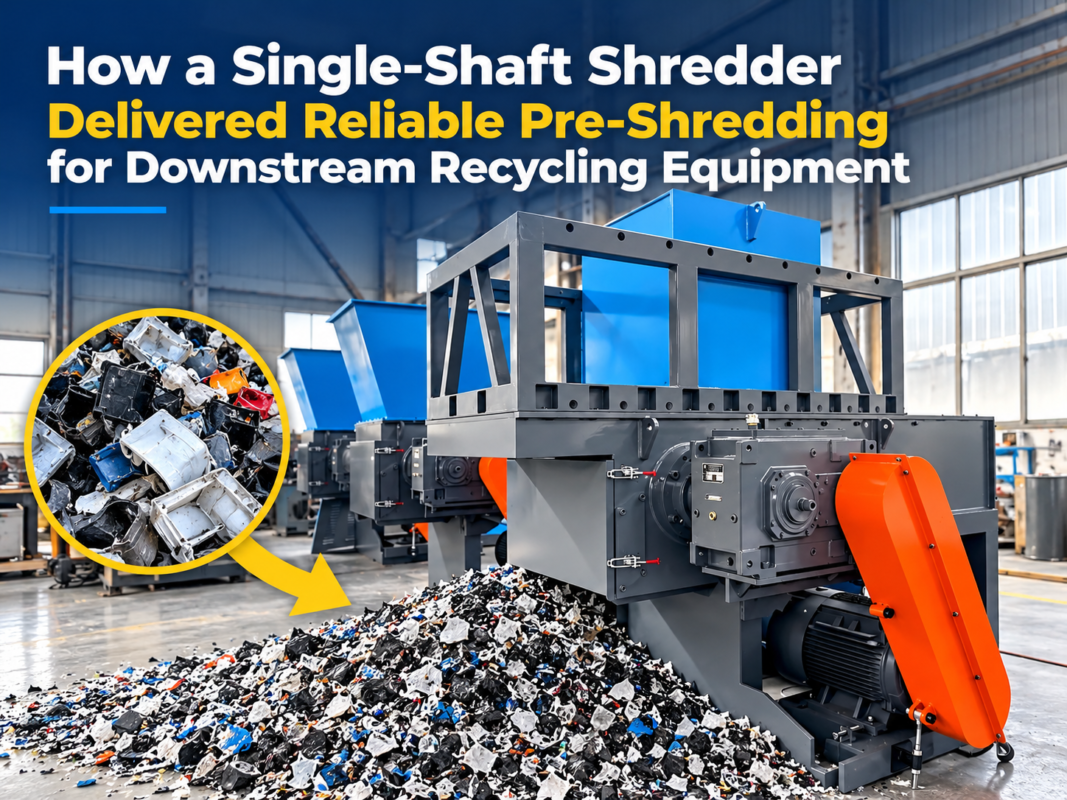
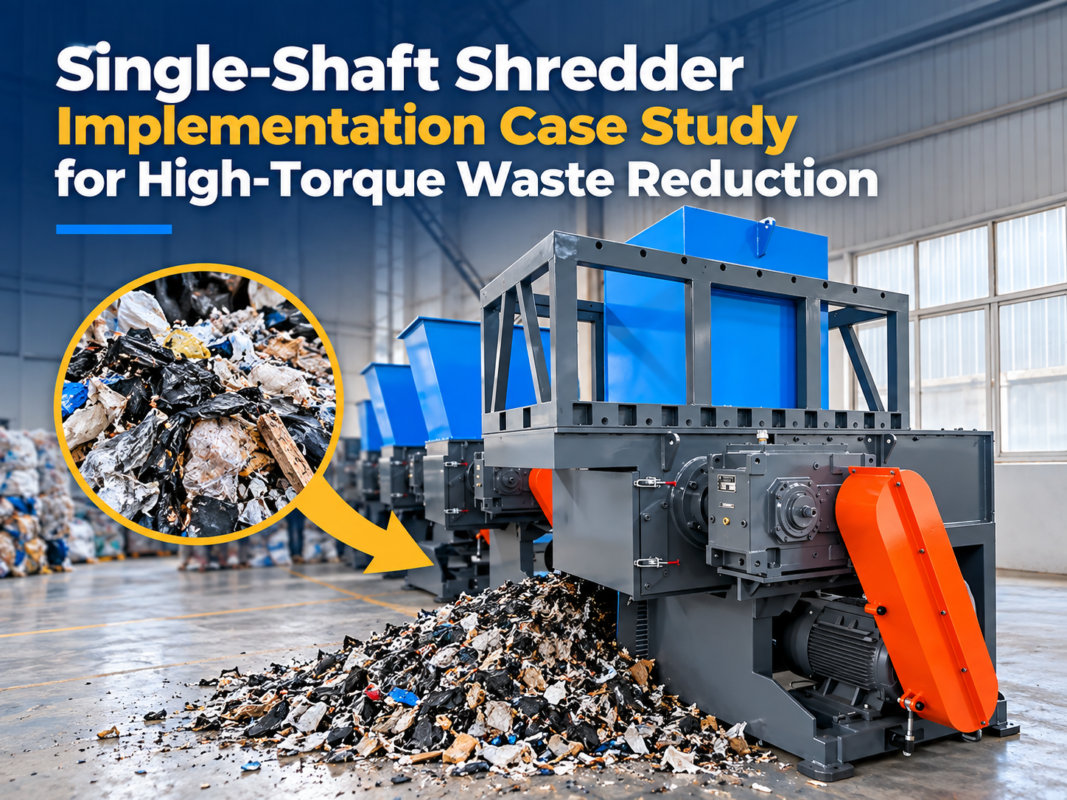
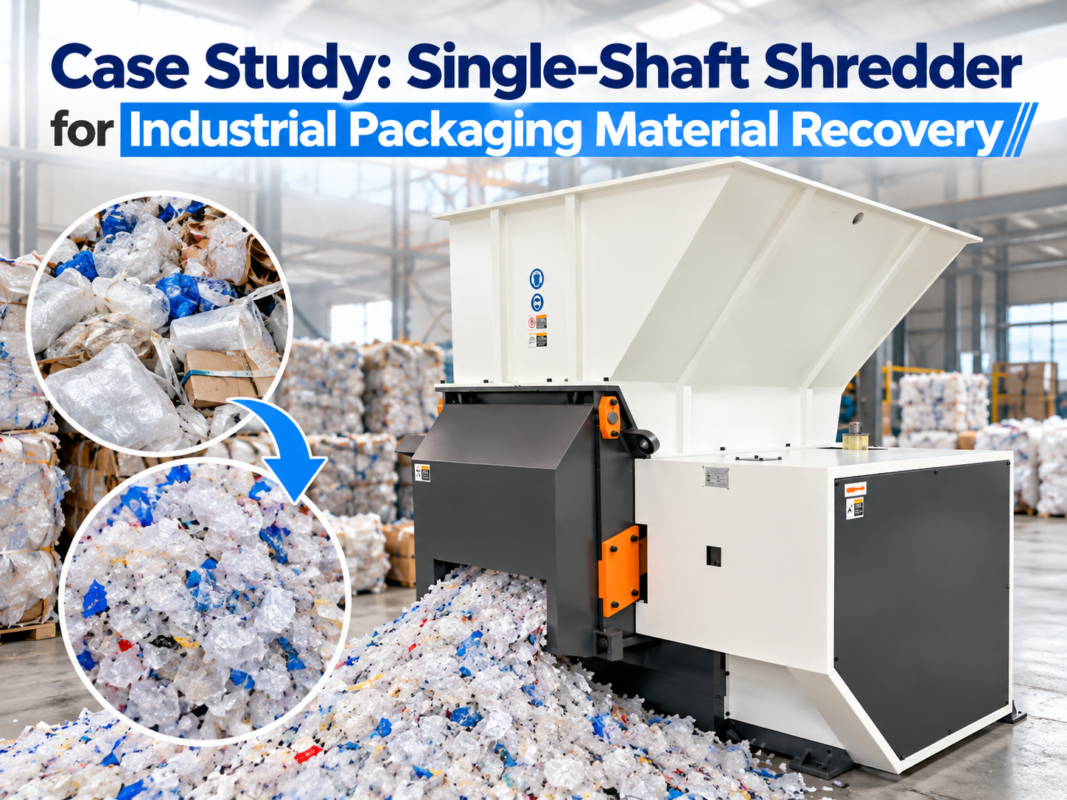
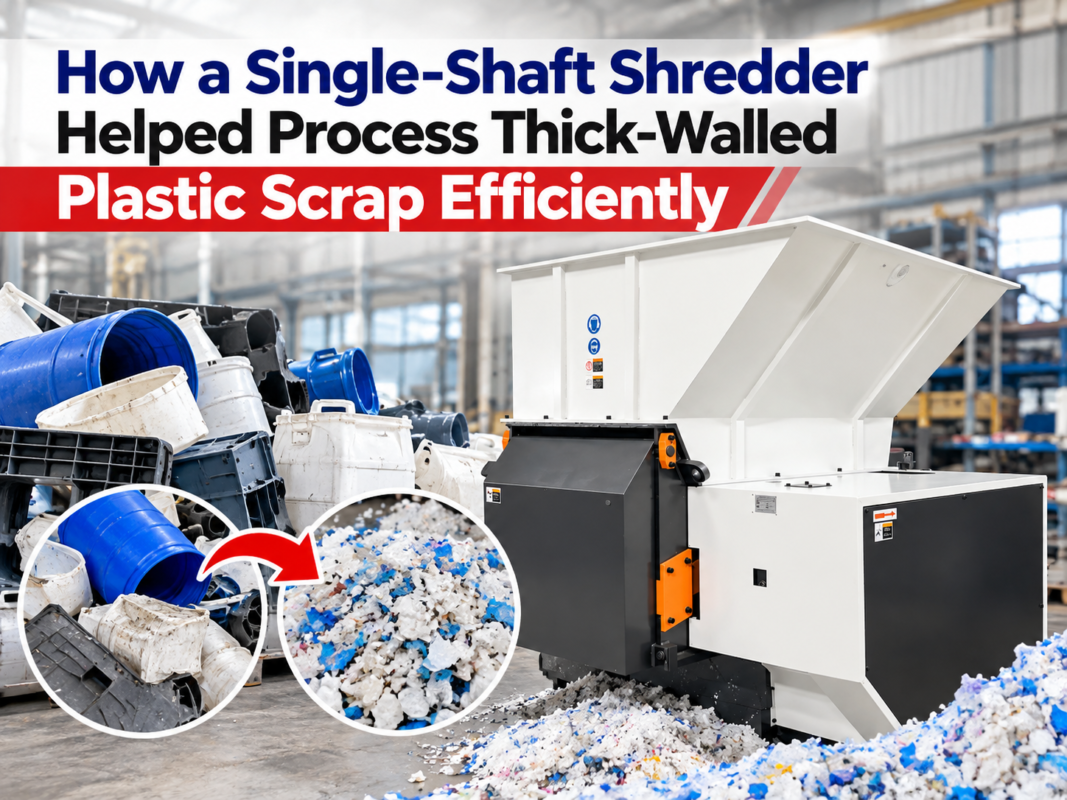
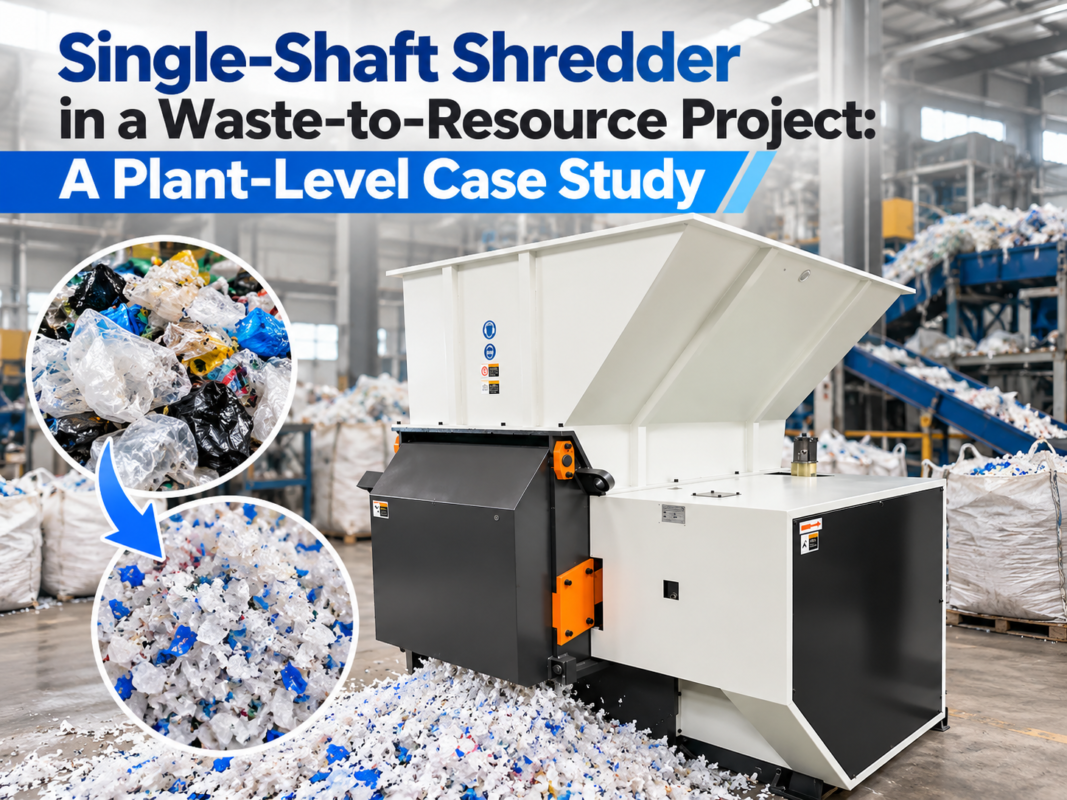
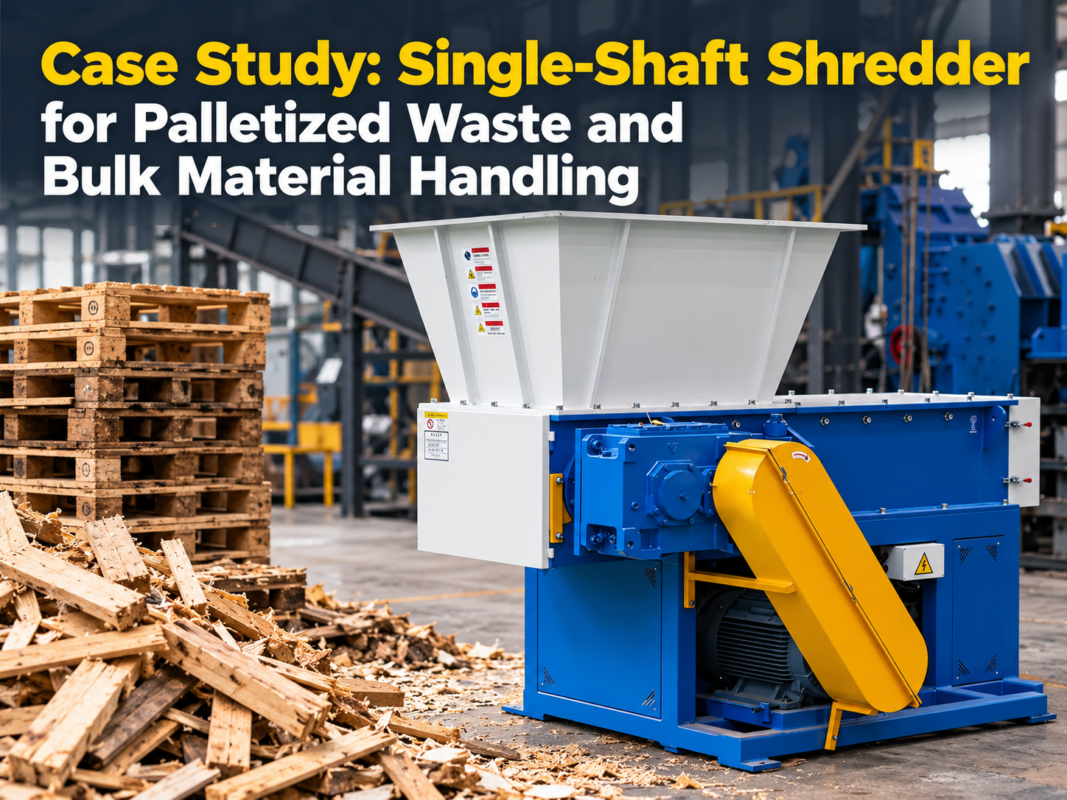
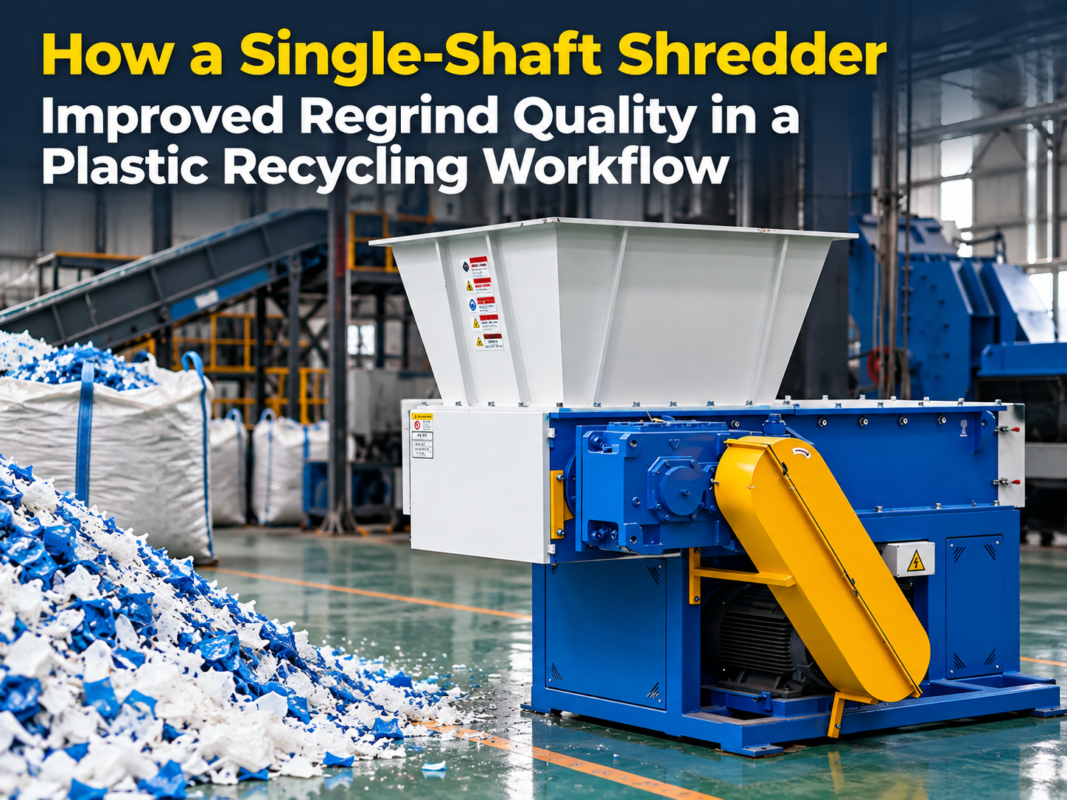
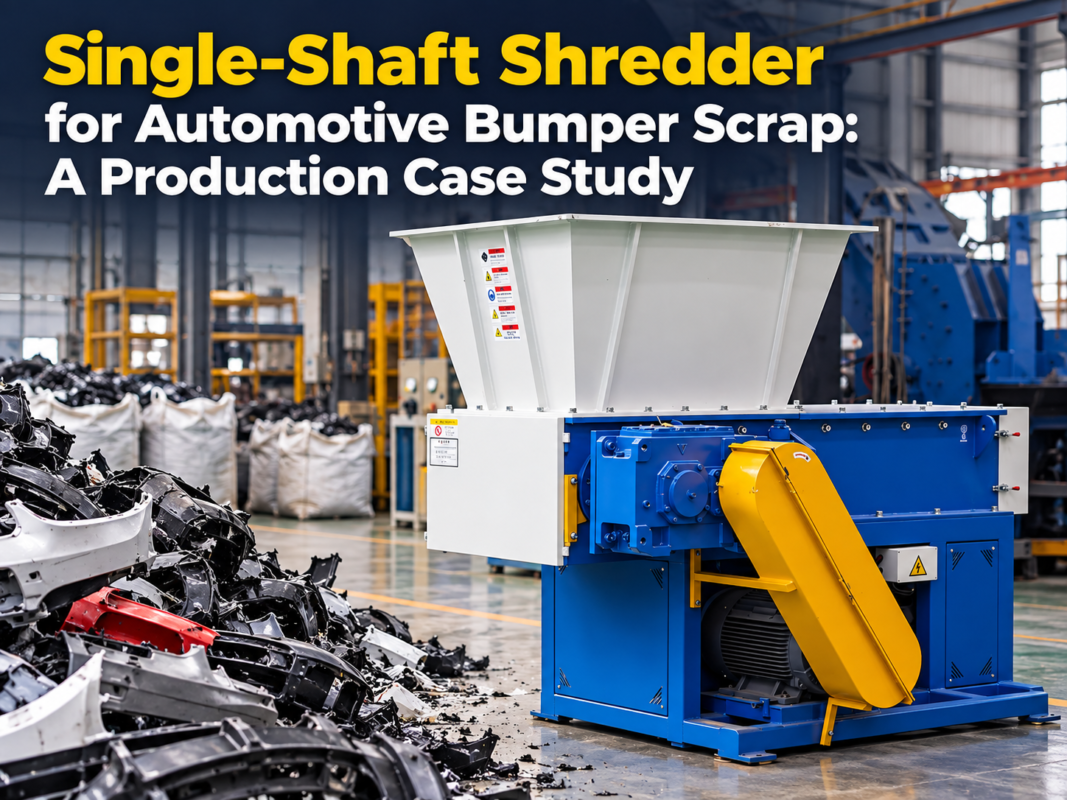
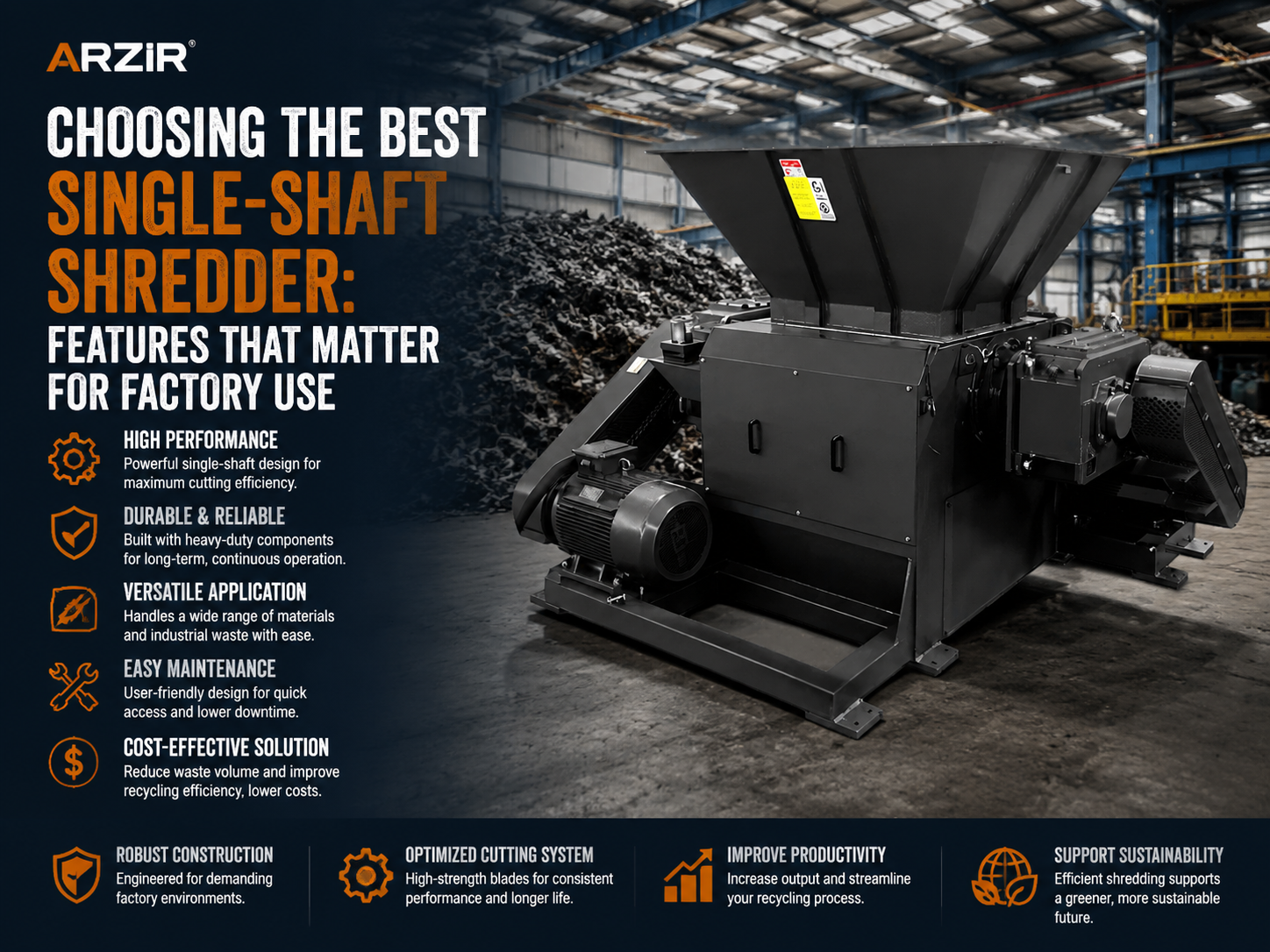
In the modern manufacturing landscape, waste management is no longer just a matter of cleanliness; it is a critical component of operational efficiency and sustainability. Choosing the best single-shaft shredder: features that matter factory use is a decision that impacts a facility’s ability to process scrap, reduce volume for transport, and prepare materials for recycling. A single-shaft shredder is a versatile machine designed to handle a wide variety of materials, including plastics, wood, paper, rubber, and even light metal scraps. Unlike dual-shaft shredders that use a shearing action between two counter-rotating shafts, a single-shaft shredder utilizes a high-speed rotor equipped with knives that cut against a stationary counter-knife.
For factory managers and procurement officers, the challenge lies in navigating a market filled with varying specifications, power ratings, and price points. The right shredder can turn a waste stream into a revenue stream, while the wrong choice can lead to frequent downtime, high maintenance costs, and safety hazards. This guide provides a deep dive into the technical and financial aspects of selecting the ideal single-shaft shredder for industrial environments, ensuring that your investment yields the highest possible return.
Price Range Overview: What to Expect
The cost of a single-shaft shredder varies significantly based on its capacity, build quality, and automation features. Understanding the price tiers helps in setting a realistic budget for factory upgrades. Generally, industrial shredders are categorized into three main price brackets.
Entry-Level and Small-Scale Shredders ($10,000 – $30,000)
These machines are typically designed for light-duty applications or small workshops. They usually feature motor powers ranging from 7.5 kW to 18.5 kW and rotor lengths under 600mm. While they are affordable, they are often limited in terms of the thickness of the material they can process and their duty cycle. They are ideal for processing small plastic purgings, paper waste, or thin-walled containers in a non-continuous operation.
Mid-Range Industrial Shredders ($30,000 – $80,000)
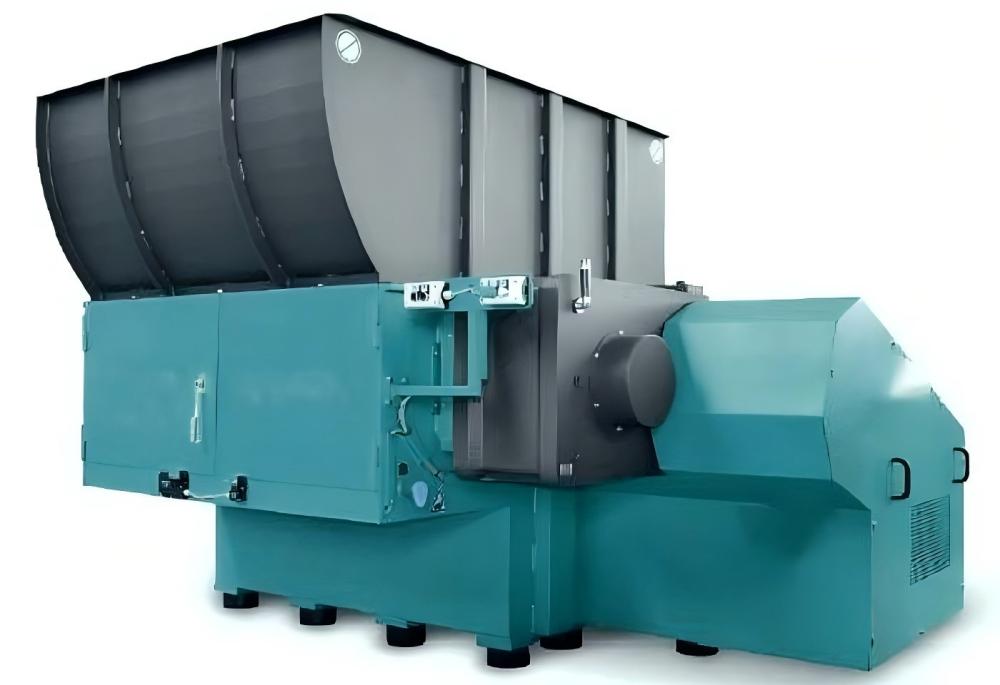
This is the most common category for medium-sized factories. These machines offer a balance between power and price, typically featuring 22 kW to 55 kW motors and rotor lengths between 800mm and 1200mm. They are built with more robust frames, better hydraulic systems for the pusher, and more advanced PLC controls. These shredders can handle tougher materials like thick HDPE blocks, rubber tires, and large-diameter plastic pipes.
High-End and Heavy-Duty Shredders ($80,000 – $250,000+)
Designed for 24/7 operation in large-scale recycling plants or high-volume manufacturing facilities, these machines are powerhouses. They feature motors exceeding 90 kW, massive rotors (1500mm+), and specialized cooling systems. They often include advanced features like vibration monitoring, automatic reverse to prevent jams, and high-wear-resistant alloys for all contact parts. When choosing the best single-shaft shredder: features that matter factory use at this level, the focus shifts entirely to throughput and uptime.
Main Cost Drivers in Shredder Manufacturing
When comparing quotes, it is essential to understand why one machine costs significantly more than another despite having similar outward appearances. Several core components drive the manufacturing cost and, consequently, the performance of the machine.
Rotor Design and Material
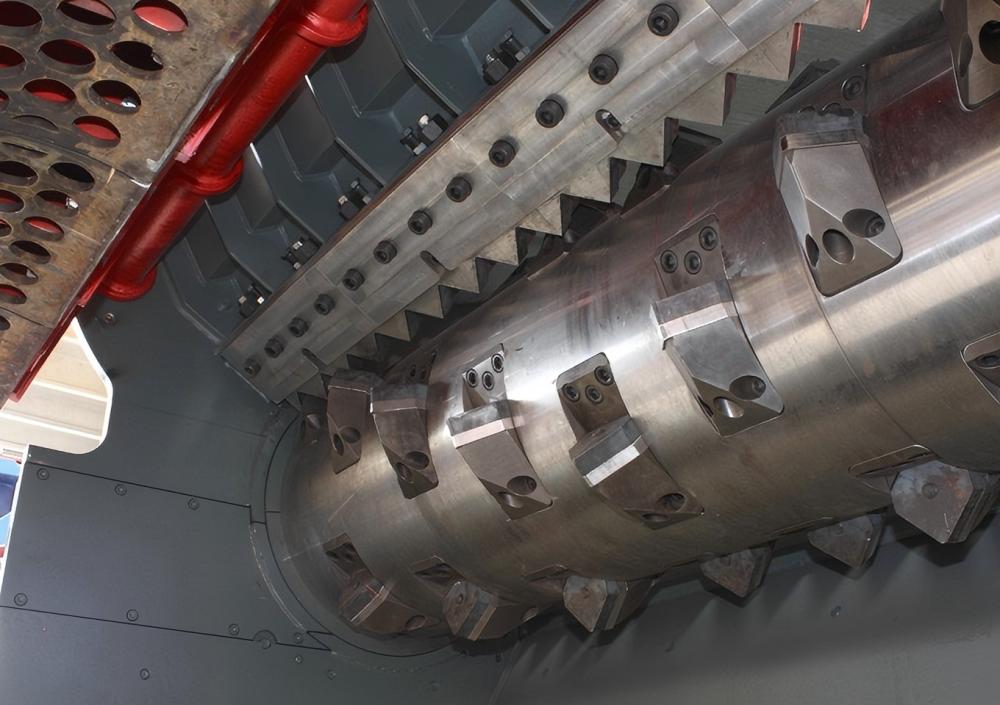
The rotor is the heart of the shredder. A solid steel rotor machined from a single piece is more expensive than a hollow or fabricated one but offers much higher inertia and durability. The method of knife attachment—whether they are bolted into milled pockets or held by external holders—also affects the price. High-quality rotors are often hard-faced with wear-resistant coatings to extend their lifespan when processing abrasive materials.
Motor and Drive System
The quality of the electric motor and the gearbox is a major cost driver. Premium brands like Siemens or ABB motors paired with high-torque gearboxes (such as those from Bonfiglioli or SEW) ensure energy efficiency and reliability. A machine equipped with a fluid coupling or a frequency inverter (VFD) will cost more upfront but protects the drive train from shock loads, reducing long-term repair costs.
Blade Quality and Metallurgy
Not all blades are created equal. High-performance blades made from DC53, D2, or SKD-11 tool steel undergo specialized heat treatment to achieve the perfect balance between hardness (to maintain an edge) and toughness (to prevent cracking). Cheap blades will dull quickly, leading to increased power consumption and poor shredding quality. The number of knives on the rotor also influences the price; more knives generally mean higher throughput but higher replacement costs.
Configuration Impact: Tailoring the Machine to Your Needs
The configuration of a single-shaft shredder must match the specific material and volume requirements of the factory. A “one size fits all” approach rarely works in industrial shredding.
Hydraulic Pusher Types
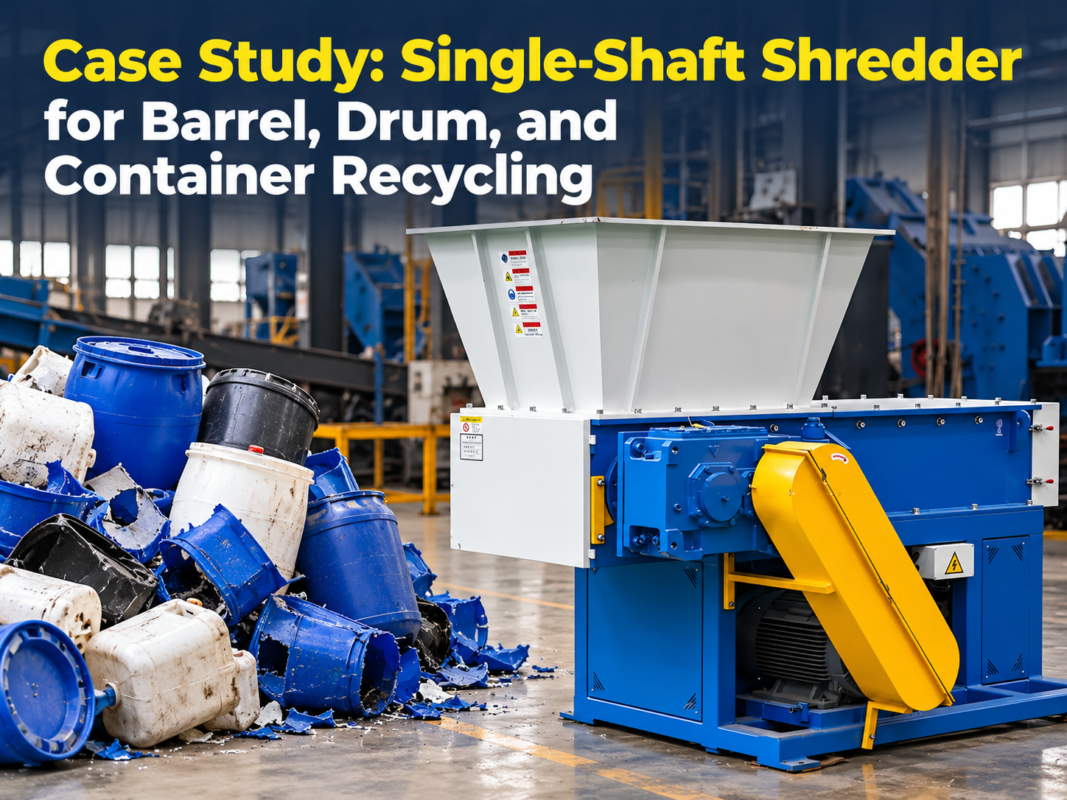
The hydraulic pusher forces the material against the rotating rotor. There are different designs: horizontal pushers, inclined pushers, and swing-arm pushers. For bulky, hollow objects like drums or crates, a swing-arm pusher is often more effective as it prevents the material from “bridging” or getting stuck above the rotor. The precision of the hydraulic valves and the speed of the pusher’s return stroke directly impact the machine’s hourly capacity.
Screen Size and Interchangeability
The screen determines the final particle size of the shredded material. When choosing the best single-shaft shredder: features that matter factory use, look for machines that allow for easy screen changes. If your factory processes different materials that require different output sizes (e.g., 20mm for extrusion vs. 50mm for volume reduction), a quick-change screen system is invaluable. The total surface area of the screen also dictates how quickly material can exit the cutting chamber.
Cooling and Lubrication Systems
For factories operating in hot climates or running the machine for multiple shifts, integrated cooling systems for the hydraulic oil and the gearbox are essential. Furthermore, automatic lubrication systems ensure that the main bearings are always greased, preventing catastrophic failures due to human oversight. These configurations add to the initial cost but are vital for “factory use” reliability.
Hidden Costs of Owning a Single-Shaft Shredder
The purchase price is only the beginning. To truly understand the cost of ownership, factory managers must account for several “hidden” expenses that occur over the machine’s lifecycle.
- Energy Consumption: Shredders are high-power machines. A machine that is poorly designed or uses an inefficient motor can cost thousands of dollars more in electricity annually. Choosing a model with a VFD can mitigate these costs by optimizing power usage based on the load.
- Wear Parts Replacement: Knives, counter-knives, and screens are consumables. Depending on the abrasiveness of the material (e.g., glass-filled plastics or dirty wood), these may need replacement every few months. The ease of access to these parts for maintenance is a critical “feature that matters.”
- Downtime and Labor: If a knife change takes a full shift because of poor machine design, that is lost production time. Modern shredders feature “easy-access” hoods and bolted knife designs that allow for rapid servicing.
- Waste Disposal of Fines: Shredding processes often create “fines” or dust. If not managed by a proper dust extraction system, this can create a fire hazard and require additional labor for cleaning.
ROI Calculation: Is the Investment Worth It?
Calculating the Return on Investment (ROI) for a single-shaft shredder involves more than just looking at the scrap value of the material. A comprehensive ROI analysis should include:
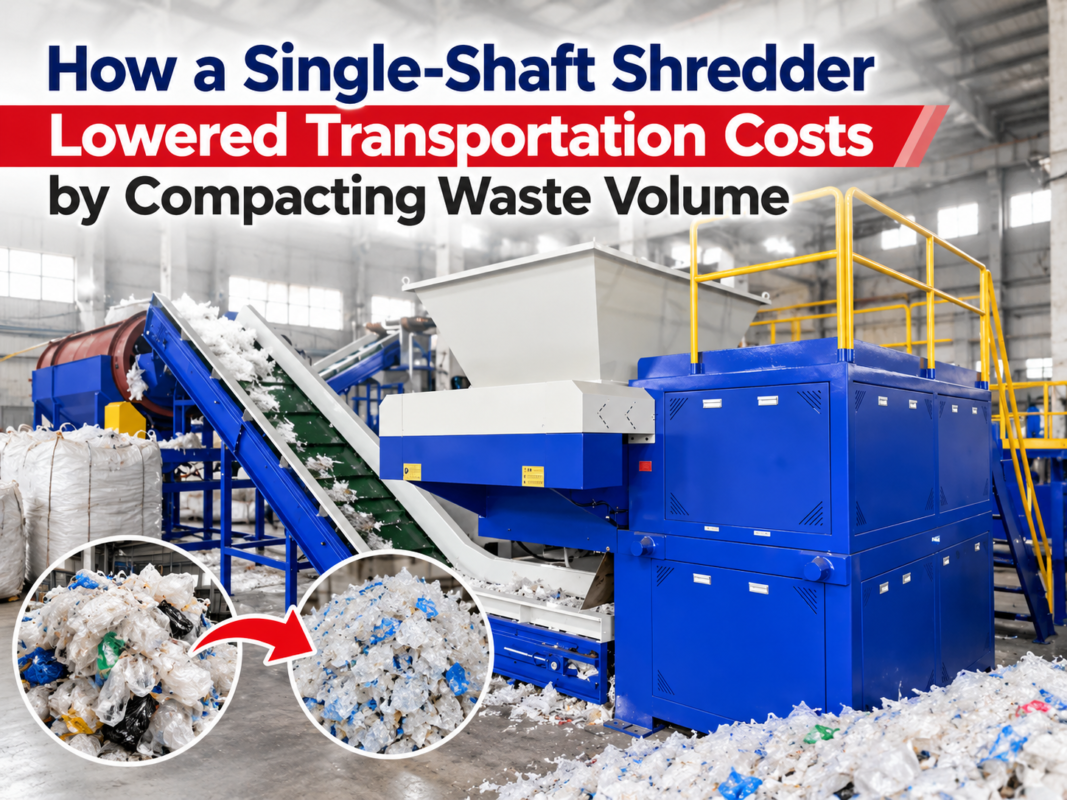
- Volume Reduction Savings: If you are paying for waste hauling by the container, shredding can reduce the volume of waste by a ratio of 3:1 or even 5:1. This significantly cuts the number of trips required by the waste management company.
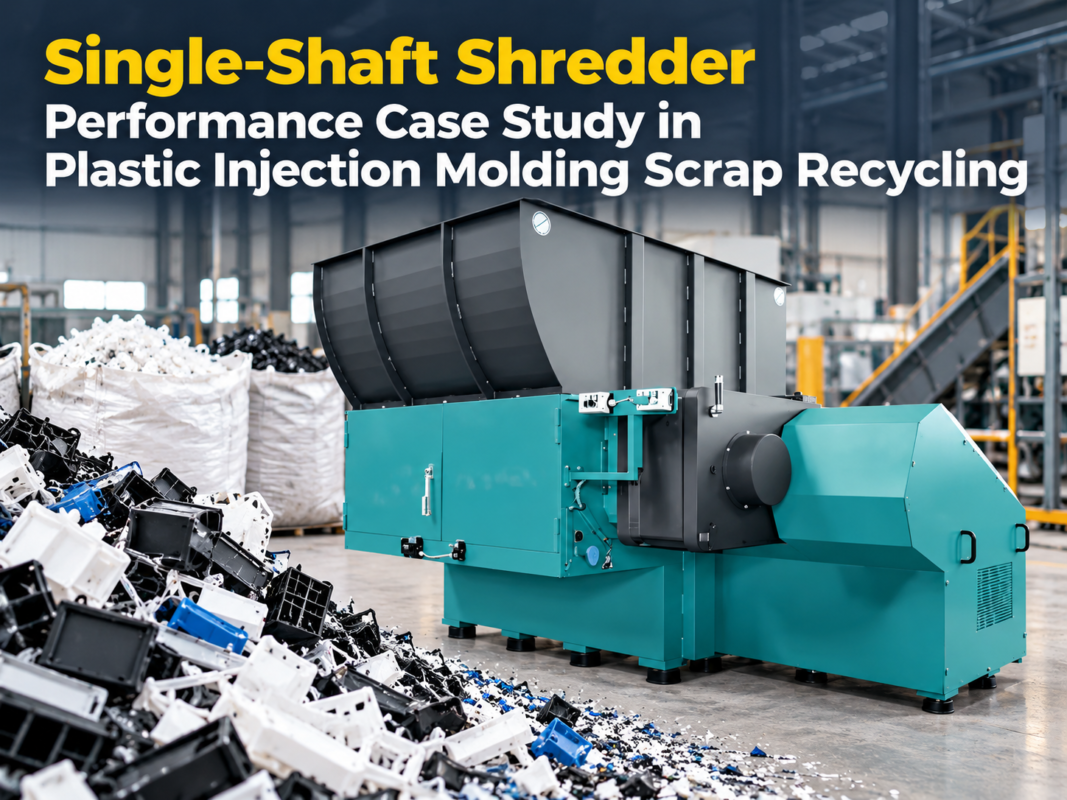
- Material Resale Value: Shredded, uniform material (regrind) is much more valuable to recyclers than bulky, mixed scrap. In some cases, factories can use the regrind directly back into their own production lines, drastically reducing raw material costs.
- Labor Efficiency: Instead of workers manually breaking down large crates or scrap pieces, they can simply toss them into a hopper. This frees up labor for more productive tasks.
- Space Optimization: Bulky waste takes up valuable floor space. A shredder allows for a smaller waste footprint, potentially opening up space for another production line.
Typically, a well-chosen single-shaft shredder in a busy factory environment can pay for itself within 12 to 24 months through these combined savings.
Buying Advice: How to Make the Final Choice
Before signing a purchase order, follow these professional recommendations to ensure the machine meets your factory’s specific needs.
Conduct a Material Test
Never buy a shredder without seeing it process your specific material. Reputable manufacturers like HARSLE offer material testing services where you can send samples of your waste to be shredded. This confirms the throughput (kg/h) and the quality of the output. It also reveals if the material has a tendency to wrap around the rotor or melt due to friction heat.
Evaluate the Control System
The PLC (Programmable Logic Controller) should be user-friendly and include safety interlocks. Look for features like “Auto-Reverse,” which detects a motor overload and automatically reverses the rotor to clear a jam before resuming shredding. This prevents motor burnout and reduces the need for manual intervention.
Check After-Sales Support and Parts Availability
A shredder is a heavy-wear machine. Ensure the supplier has a local or rapid-response service team and maintains a stock of wear parts (knives, bolts, screens). A machine that sits idle for three weeks waiting for a specialized bolt from overseas is a major liability.
Consider Future-Proofing
If your factory is growing, consider buying a machine with a slightly higher capacity than you currently need. It is much cheaper to run a large shredder at 70% capacity than to replace a small shredder that can no longer keep up with your production volume two years down the line.
Frequently Asked Questions (FAQ)
What is the difference between a single-shaft and a double-shaft shredder?
A single-shaft shredder uses a rotor and a screen to produce a specific, uniform particle size, making it ideal for recycling. A double-shaft shredder uses two sets of blades to shear material into strips, which is better for high-volume primary size reduction but offers less control over the final particle size.
How often do the blades need to be sharpened or replaced?
This depends entirely on the material. For clean plastics, blades may last 500-1,000 hours. For abrasive materials like glass-reinforced polymers or sandy wood, they may need attention every 200 hours. Most modern single-shaft shredder blades are four-way rotatable, meaning you can turn them three times to a fresh edge before needing to sharpen or replace them.
Can a single-shaft shredder handle metal?
Standard single-shaft shredders are designed for plastics, wood, and paper. While they can handle very thin aluminum or light copper wire, they are not intended for heavy steel scrap. Processing thick metal in a standard shredder will cause immediate damage to the knives and rotor. Specialized metal shredders are required for those applications.
What safety features should I look for?
Essential safety features include emergency stop buttons, safety limit switches on all access doors (preventing the machine from starting while open), and a robust hopper design that prevents operators from reaching the cutting chamber. Additionally, an ammeter on the control panel helps operators monitor the load on the motor.
Does the moisture content of the material matter?
Yes. High moisture content can cause some materials to become “slushy” or stick to the screen, reducing throughput. If you are shredding wet materials, you may need a stainless steel interior or specialized drainage features to prevent corrosion and clogging.
Conclusion
Choosing the best single-shaft shredder: features that matter factory use requires a thorough understanding of your material stream, production goals, and the technical nuances of shredder design. By focusing on high-quality components—such as robust rotors, premium motors, and durable tool-steel blades—and considering the long-term costs of energy and maintenance, you can select a machine that enhances your factory’s efficiency. Whether you are looking to reduce waste volume or create high-quality regrind for circular manufacturing, a well-configured single-shaft shredder from a trusted manufacturer like HARSLE is a cornerstone of modern industrial waste management.