What to Consider Before Buying a Gantry Shear for Steel Plate Processing

Introduction to Gantry Shears in Modern Metal Fabrication
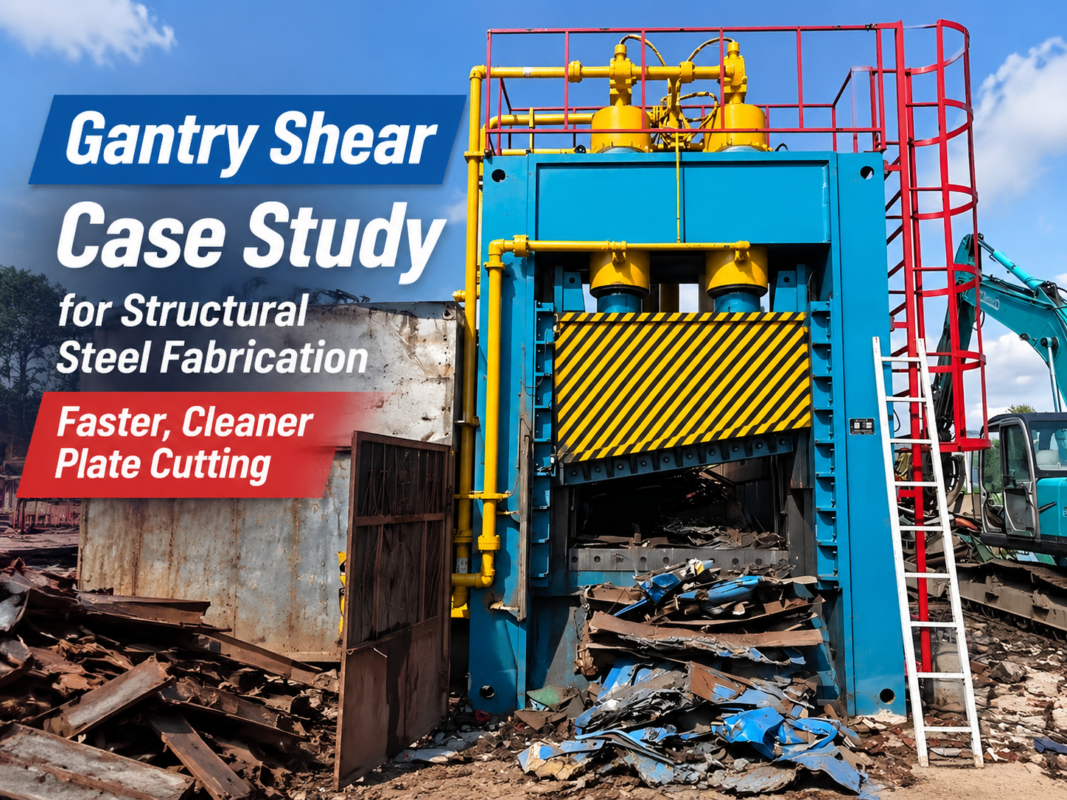
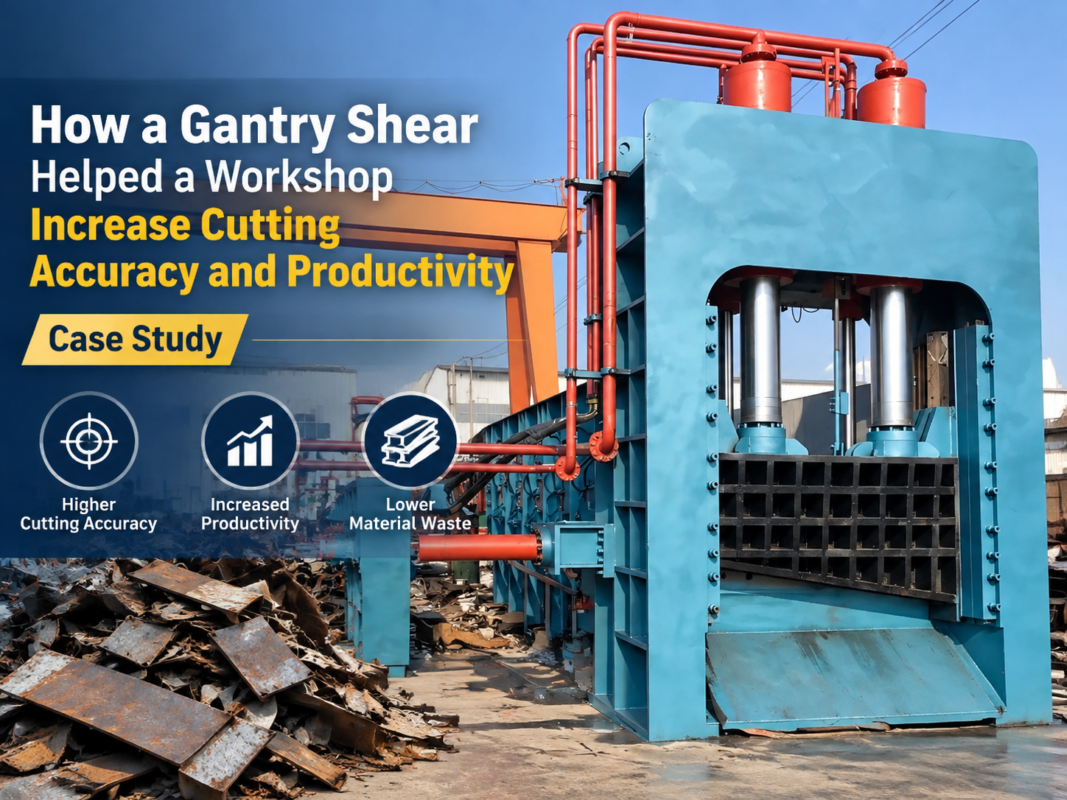
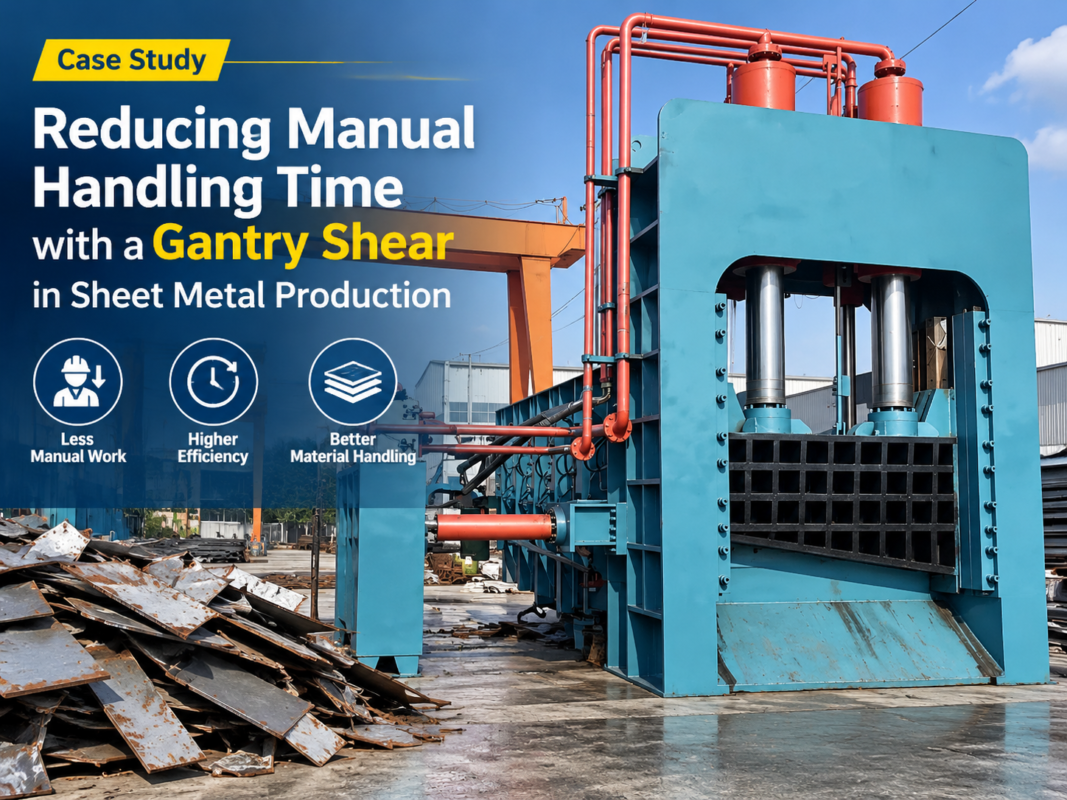
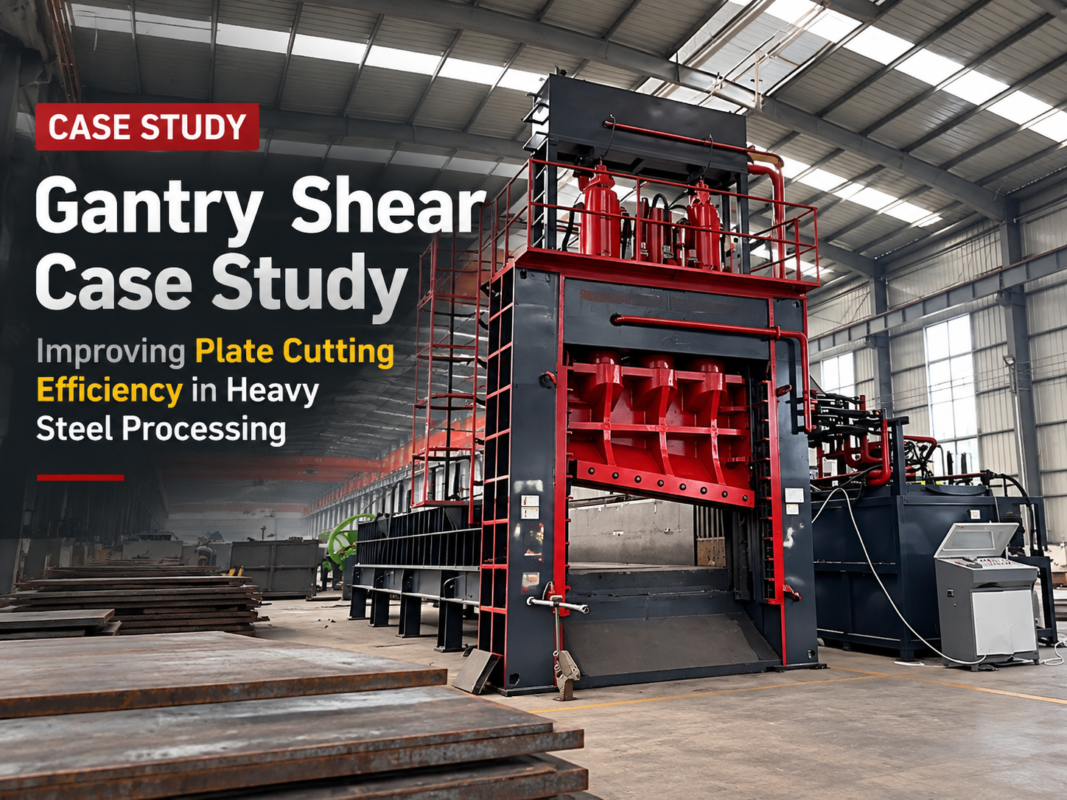
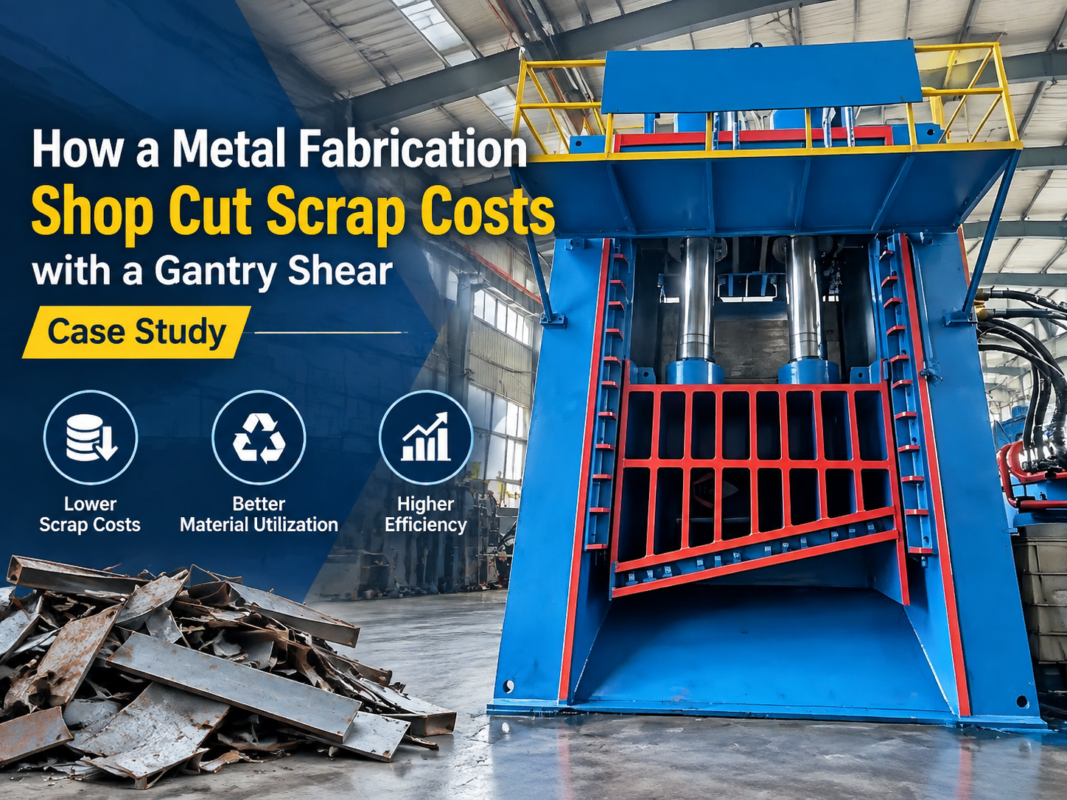
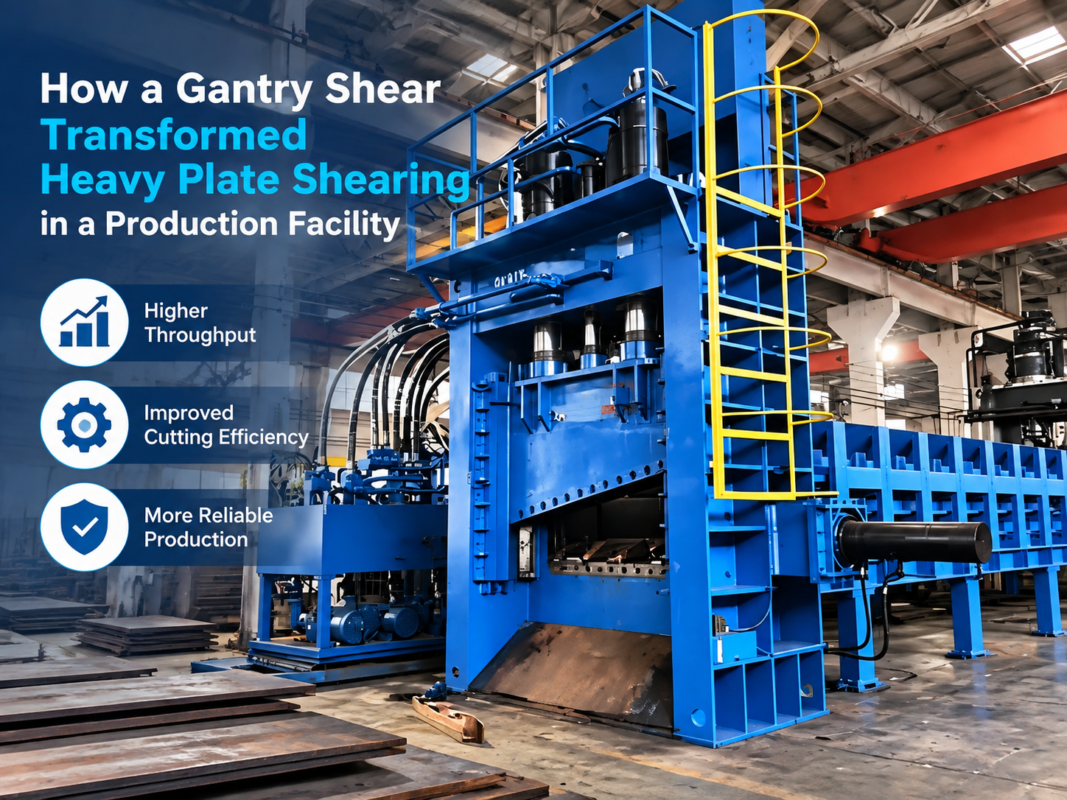
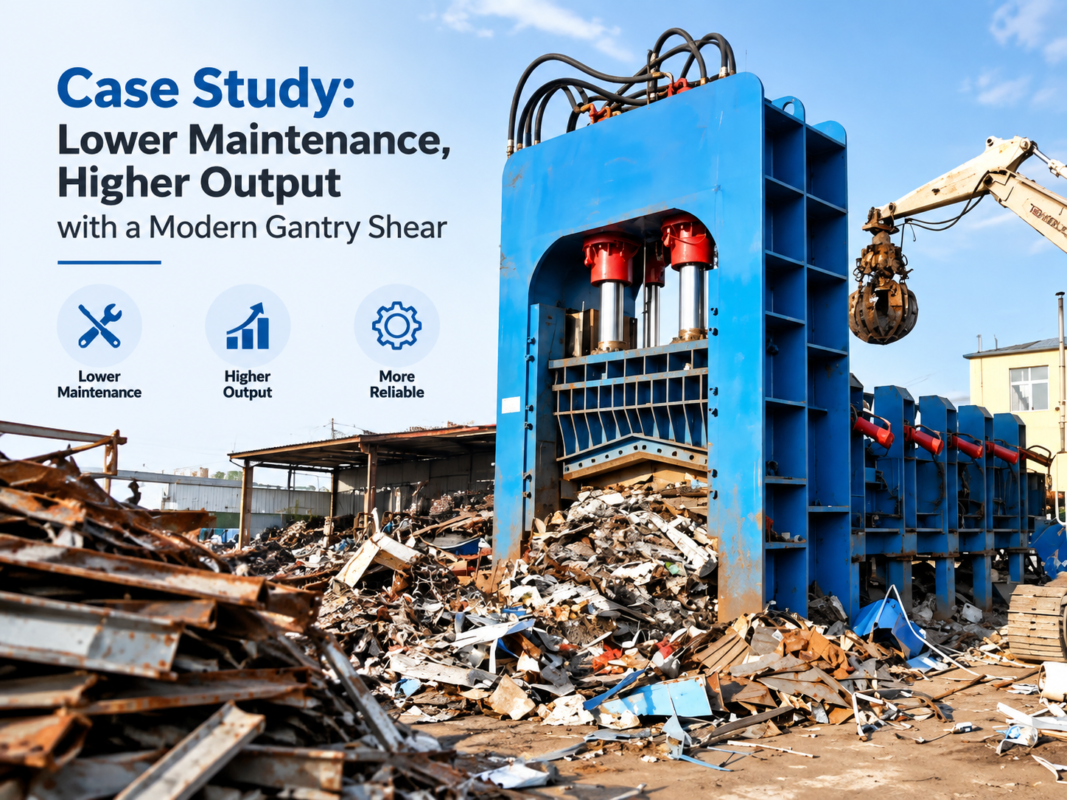
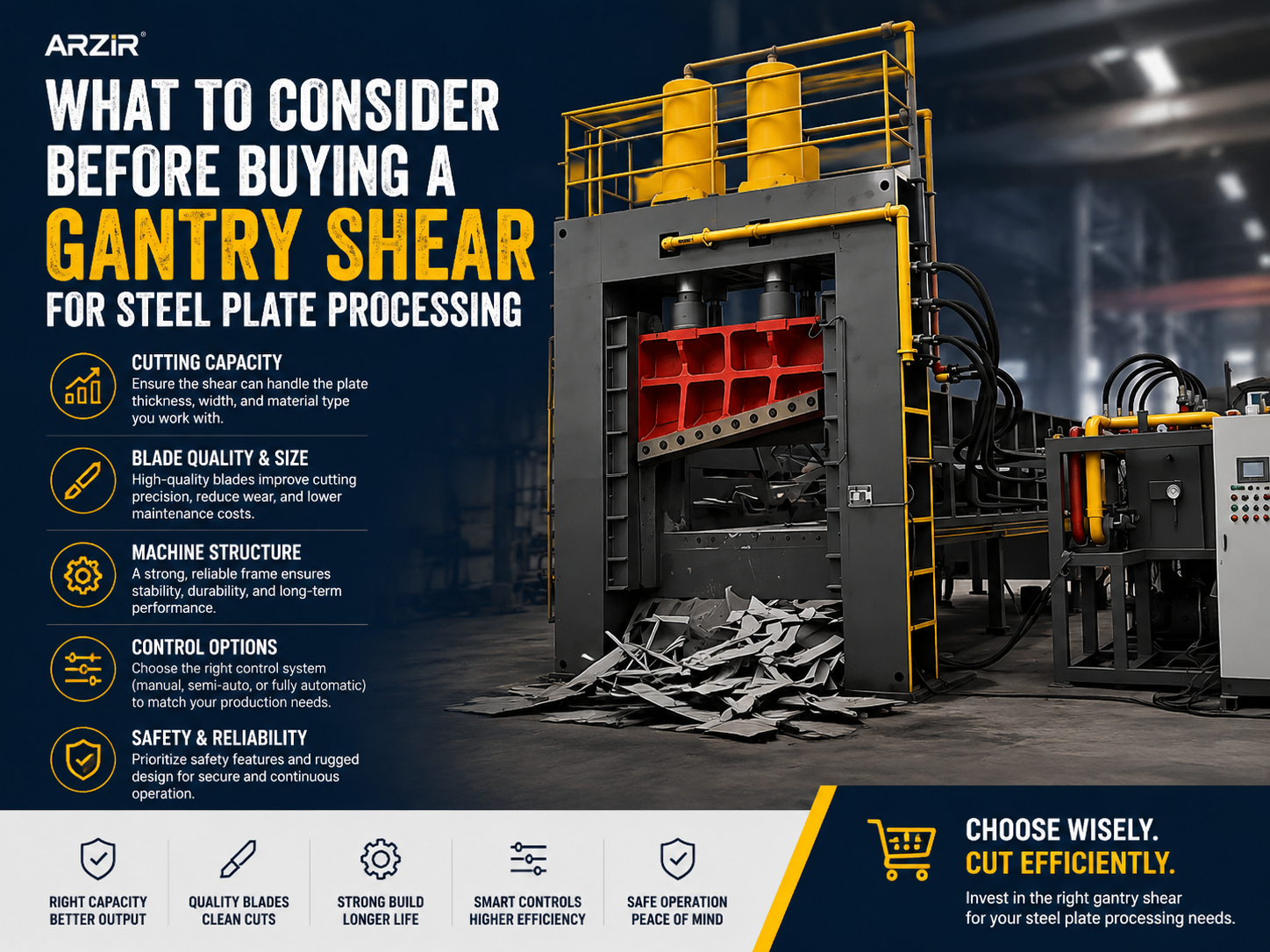
In the heavy-duty world of metal recycling and industrial fabrication, the gantry shear stands as a titan of efficiency. Designed to handle massive volumes of scrap metal and thick steel plates, these machines are essential for operations that require high-force cutting and continuous throughput. However, investing in a gantry shear is a significant capital expenditure. Understanding what to consider before buying a gantry shear for steel plate processing is the difference between a high-performing asset and a costly logistical nightmare.
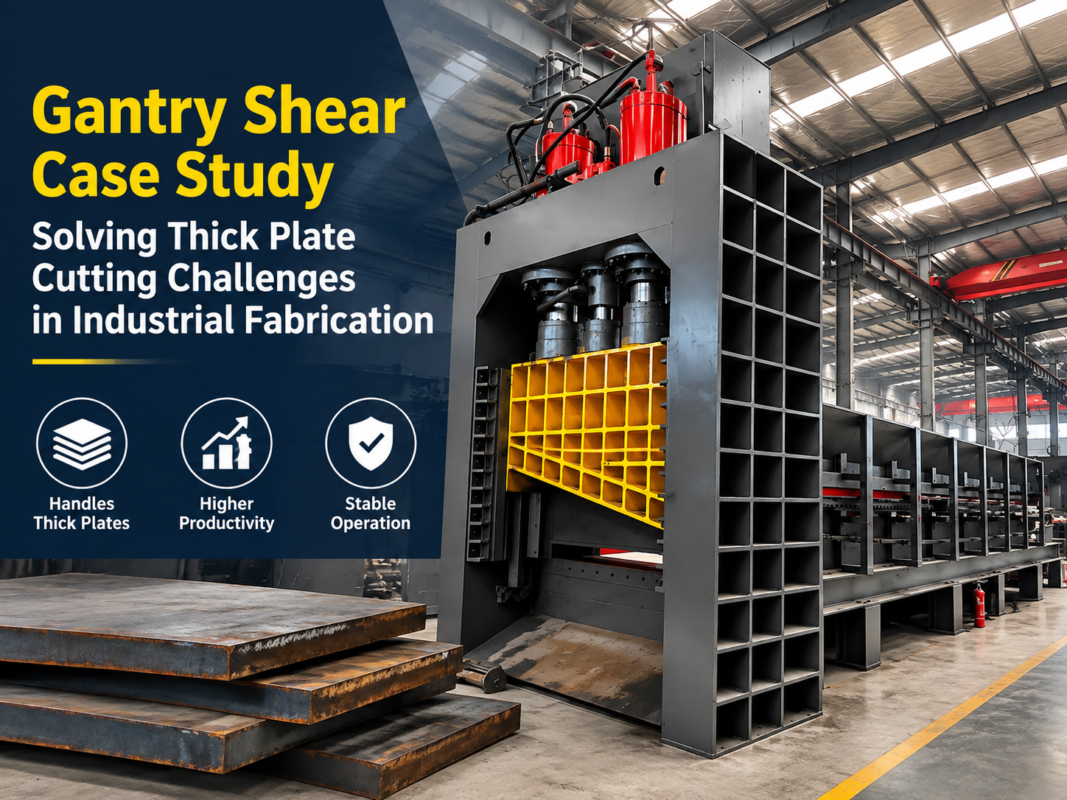
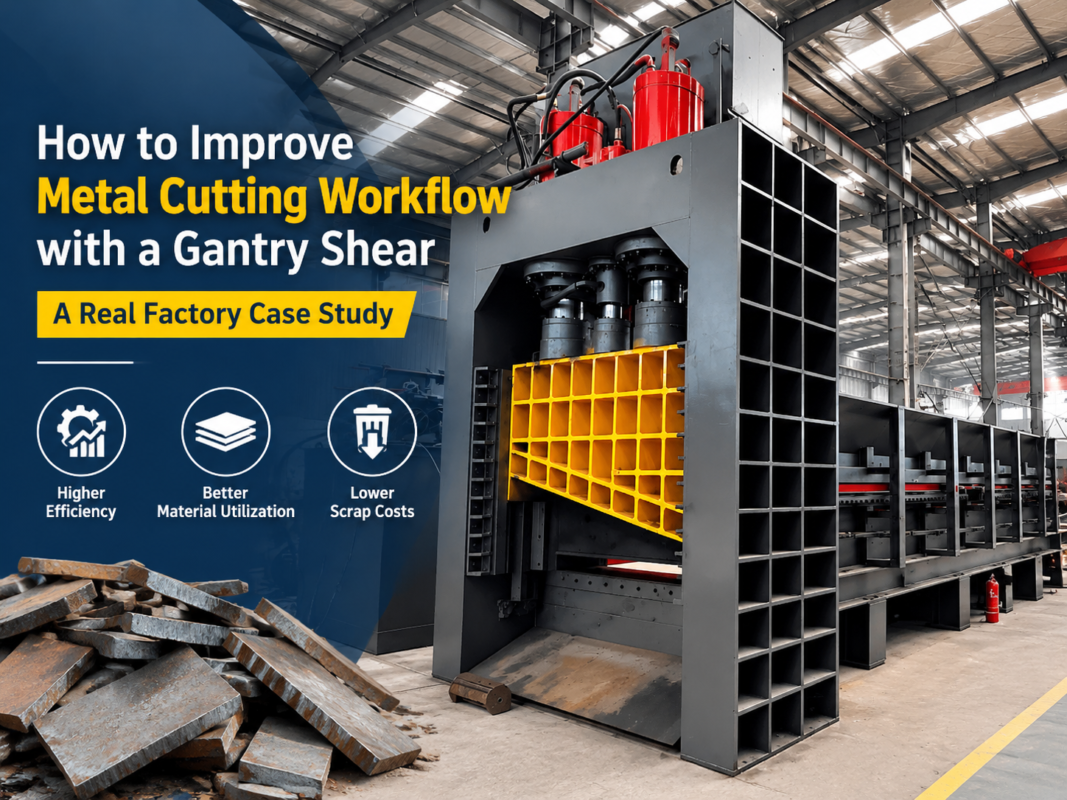
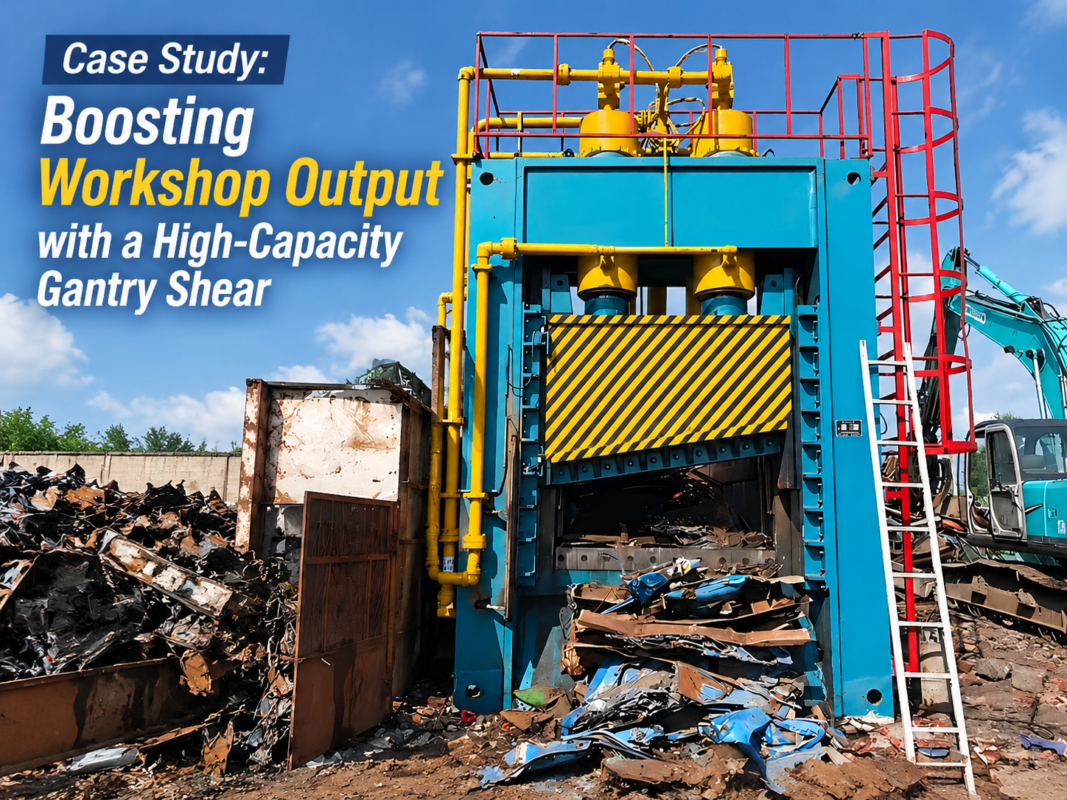
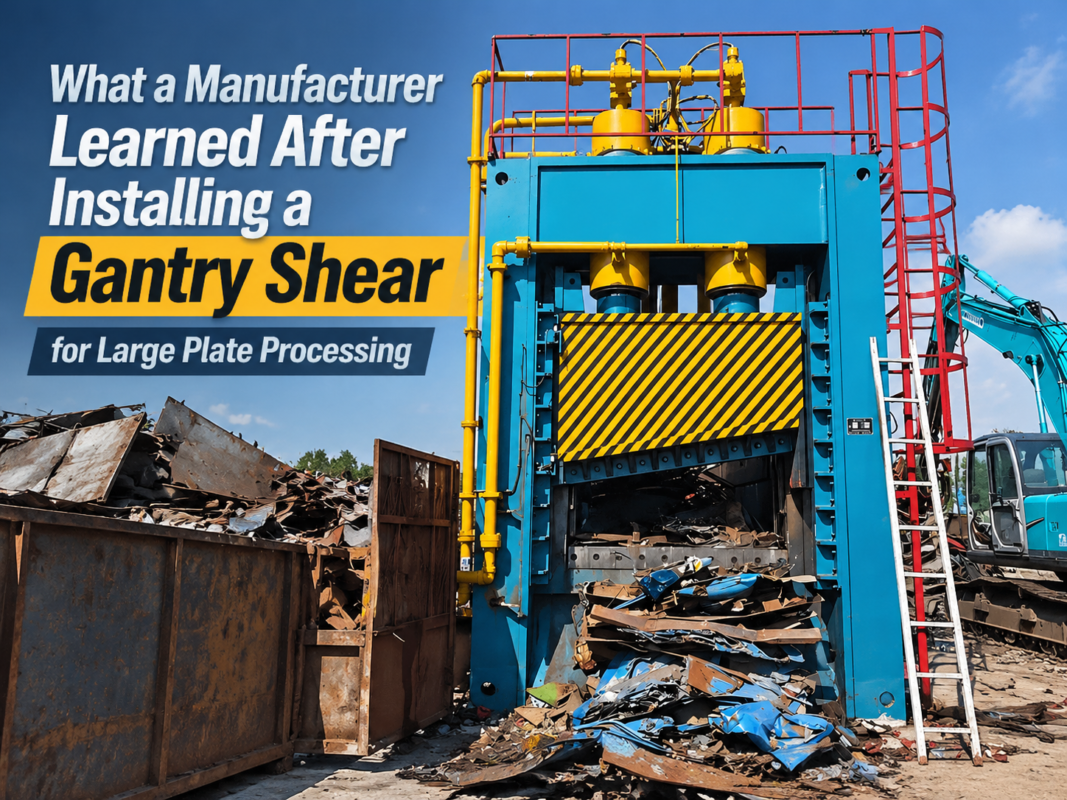
Gantry shears, unlike smaller alligator shears, utilize a vertical cutting motion within a robust frame (the gantry). This design allows for much higher shearing forces, often ranging from 400 to over 2,000 tons. They are primarily used to process heavy melting scrap (HMS), large steel plates, and structural beams into manageable sizes for furnace charging. As the global demand for recycled steel grows, the efficiency of your processing equipment directly impacts your bottom line. This guide provides a deep dive into the technical, financial, and operational factors you must evaluate before making a purchase.
Price Range Overview: Navigating the Market
The price of a gantry shear is primarily dictated by its shearing force (tonnage) and its level of automation. On the lower end of the spectrum, entry-level gantry shears with a cutting force of 400 to 600 tons typically range from $40,000 to $85,000. These machines are suitable for smaller scrap yards or fabrication shops that process medium-thickness plates and standard structural steel. They often feature manual or semi-automatic controls and basic hydraulic systems.
Mid-range machines, offering 800 to 1,200 tons of force, generally fall between $100,000 and $250,000. These are the workhorses of the industry, capable of processing thick steel plates and heavy industrial scrap at a much faster cycle rate. They often include advanced PLC (Programmable Logic Controller) systems, improved hydraulic cooling, and more durable blade materials. For large-scale industrial operations and massive recycling centers, heavy-duty gantry shears exceeding 1,600 tons can cost anywhere from $300,000 to over $600,000. These units are often integrated into fully automated processing lines with conveyor systems and sophisticated material sorting capabilities.
Main Cost Drivers: What Are You Paying For?
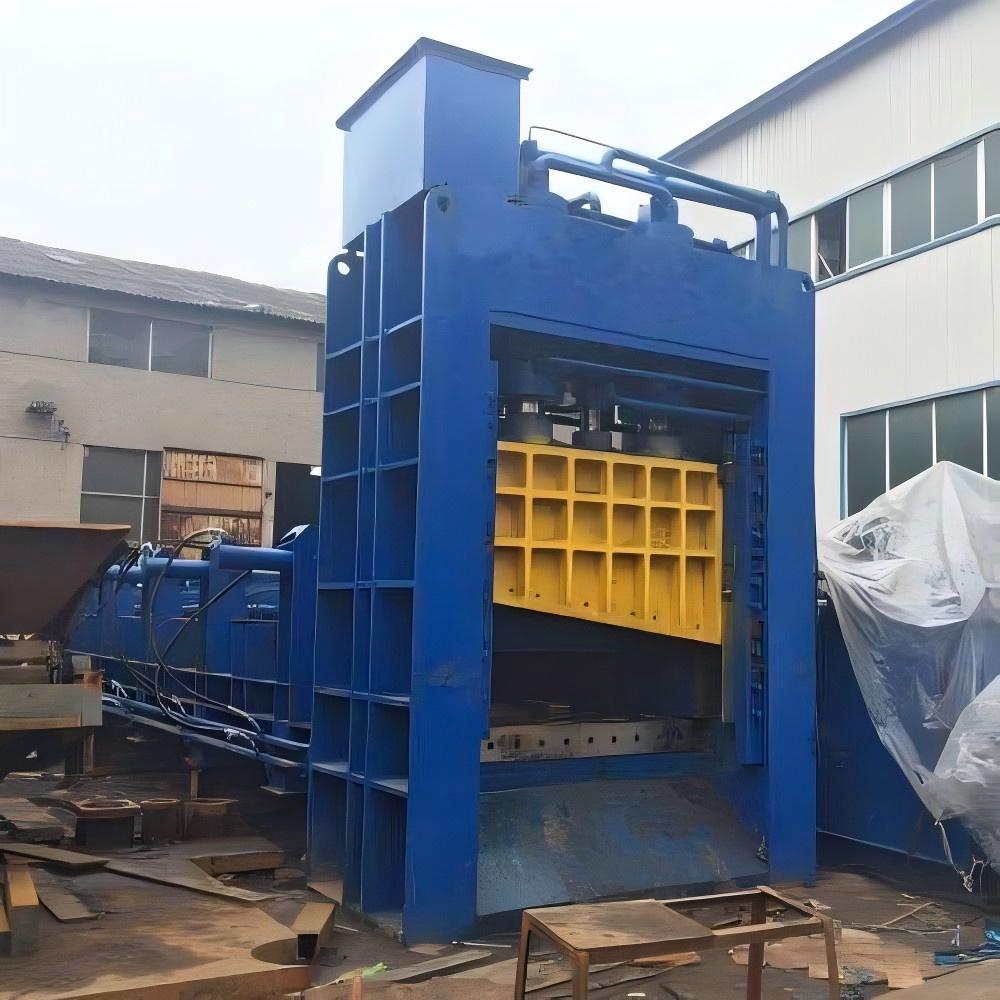
When evaluating the price tag of a gantry shear, it is crucial to look beyond the frame. The primary cost driver is the hydraulic system. High-quality pumps and valves from reputable brands like Rexroth or Vickers significantly increase the initial cost but offer superior reliability and easier maintenance. A machine’s cycle time—the time it takes for the blade to descend and return—is directly tied to the hydraulic flow rate and pressure, which in turn dictates the machine’s hourly productivity.
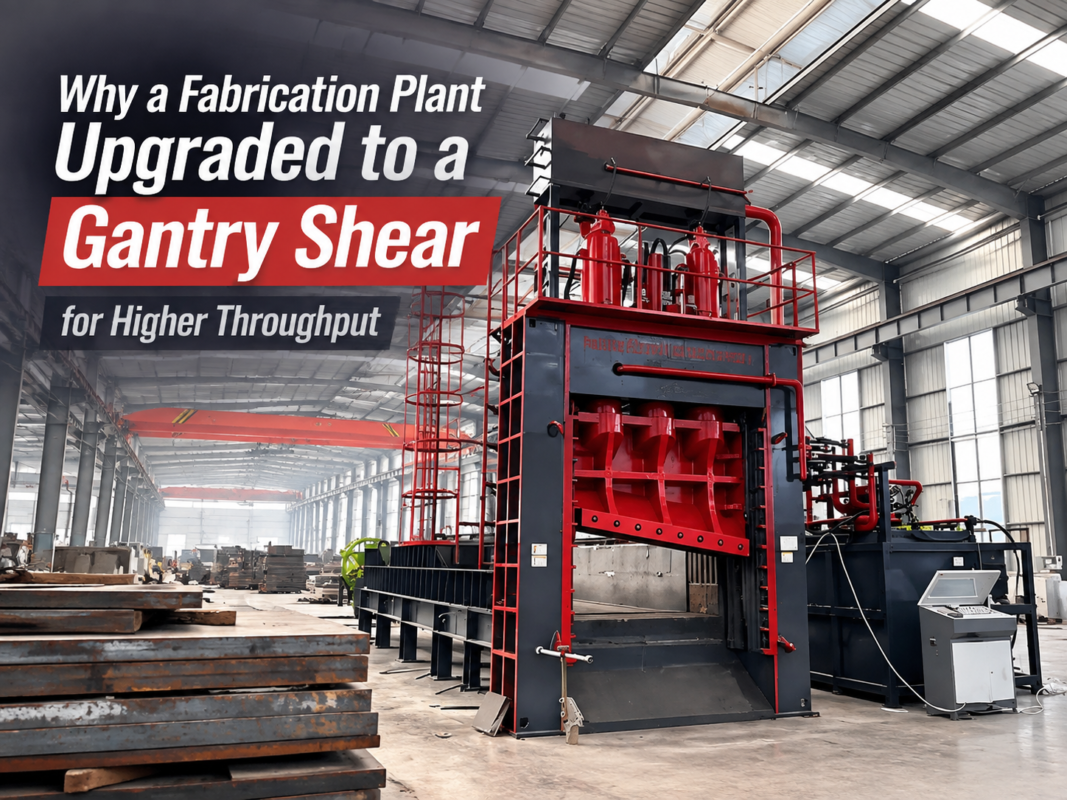
The structural integrity of the gantry frame is another major factor. A shear that processes 1,000 tons of force must be built with high-tensile steel and precision welding to prevent frame fatigue over years of operation. Cheaper models may use thinner plates or lower-grade steel, leading to structural cracks under heavy use. Additionally, the motor power (often measured in kilowatts) determines the energy consumption and the speed of the hydraulic pumps. High-efficiency motors, while more expensive, reduce long-term operational costs.
Finally, automation and control systems play a significant role. A basic relay-controlled machine is cheaper but lacks the diagnostic capabilities and precision of a PLC-based system with a touch-screen HMI (Human Machine Interface). Advanced systems allow for remote monitoring, automatic lubrication, and precise stroke adjustment, which minimizes wear on the blades and hydraulic seals.
Configuration Impact: Tailoring the Machine to Your Needs
The configuration of your gantry shear should be dictated by the specific types of steel plates and scrap you process. One of the most critical components is the blade length and throat depth. If you are processing wide steel plates, a longer blade is necessary to minimize the number of strokes required per plate. However, longer blades require more force to maintain the same cutting pressure per inch, which may necessitate a higher tonnage machine.
The feeding mechanism is another vital configuration choice. You can choose between a traditional push-feeder (where a hydraulic ram pushes material into the shear) or a continuous belt/vibratory feeder. For steel plate processing, a heavy-duty hydraulic pusher is often preferred for its ability to handle irregular shapes and heavy weights. Some modern gantry shears also feature a “pre-compression” box, which squeezes bulky scrap into a dense log before it reaches the shear blade, significantly increasing the efficiency of the cut.
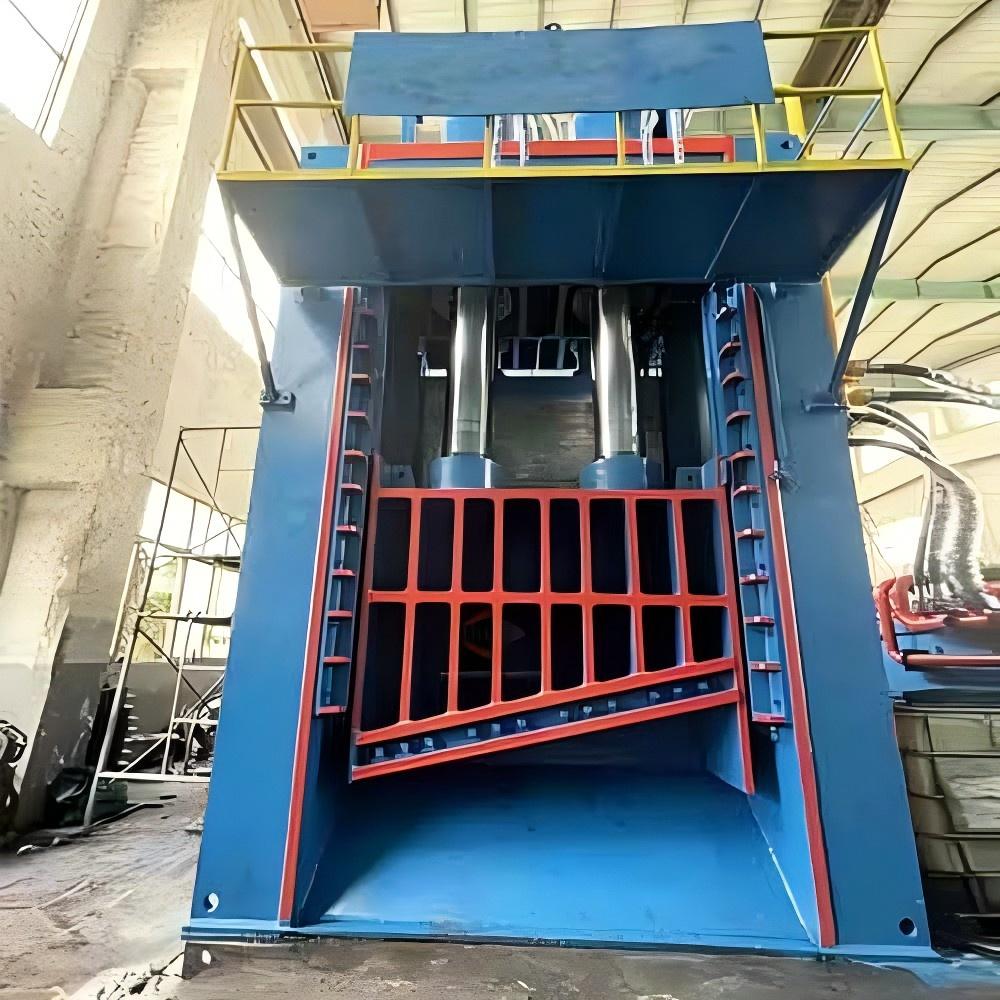
Blade material and adjustment mechanisms are also key. High-chrome or tungsten-carbide tipped blades stay sharp longer but are more brittle and expensive. Furthermore, look for machines that offer easy blade gap adjustment. As blades wear or as you switch between different thicknesses of steel plate, the gap between the upper and lower blades must be adjusted to ensure a clean cut and prevent “folding” of the metal, which can damage the machine.
Hidden Costs: Beyond the Purchase Price
When you consider before buying a gantry shear for steel plate processing, you must account for the “hidden” costs that occur after the machine leaves the factory. The most significant of these is site preparation and foundation work. A 1,000-ton gantry shear can weigh 50 to 100 tons itself, and the dynamic forces generated during shearing are immense. You will likely need a reinforced concrete foundation, often several feet deep, designed by a structural engineer to prevent the machine from sinking or shifting.
Electrical infrastructure is another common oversight. These machines require massive amounts of power. You may need to upgrade your facility’s transformers or install dedicated high-voltage lines to handle the peak loads during the shearing cycle. Furthermore, shipping and installation are not trivial. Because of their size, gantry shears are often shipped in multiple sections and require heavy-duty cranes and specialized technicians for on-site assembly and commissioning.
Don’t forget maintenance and consumables. Hydraulic oil (hundreds of gallons), filters, and replacement blades are ongoing expenses. A set of high-quality blades can cost several thousand dollars, and depending on your volume, they may need sharpening or replacement every few months. Factor in the cost of a specialized technician for annual hydraulic system inspections to prevent catastrophic pump failures.
ROI Calculation: Is the Investment Justified?
Calculating the Return on Investment (ROI) for a gantry shear involves comparing the total cost of ownership against the increased revenue from processed material. The primary driver of ROI is throughput. If a gantry shear allows you to process 10 tons of scrap per hour compared to 2 tons per hour with manual torch cutting, the labor savings and increased volume are massive. Furthermore, processed scrap (cut to specific sizes like 2ft x 2ft) commands a much higher market price at steel mills than unprocessed, bulky scrap.
To calculate ROI, use the following formula: (Annual Revenue Increase + Annual Labor Savings – Annual Operating Costs) / Total Investment Cost. Operating costs should include electricity, maintenance, and blade sharpening. Most high-volume scrap yards find that a well-chosen gantry shear pays for itself within 18 to 36 months. Additionally, consider the reduction in safety risks. Manual torch cutting involves fire hazards and respiratory risks; moving to an automated shear significantly improves the safety profile of your facility, potentially lowering insurance premiums.
Buying Advice: A Checklist for Success
Before signing a contract, follow this checklist to ensure you are getting the right machine for your steel plate processing needs:
- Define Your Material: What is the maximum thickness and width of the plates you will cut? Ensure the machine’s tonnage and blade length exceed these requirements by at least 20% to avoid constant strain.
- Verify Component Brands: Ask for a detailed list of hydraulic and electrical components. Stick to globally recognized brands to ensure spare parts are available locally.
- Inspect the Frame Construction: Look for heavy-duty box-frame construction. Ask about the steel grade used and the welding certifications of the manufacturer.
- Test the Software: If the machine has a PLC, ensure the interface is intuitive and includes diagnostic tools for troubleshooting hydraulic pressures and sensor states.
- Check References: Ask the manufacturer for contacts at other facilities using the same model. Real-world feedback on reliability is invaluable.
- Evaluate After-Sales Support: Does the manufacturer offer remote technical support? Do they stock replacement blades and seals in your region?
Frequently Asked Questions (FAQ)
1. What is the difference between a gantry shear and a container shear?
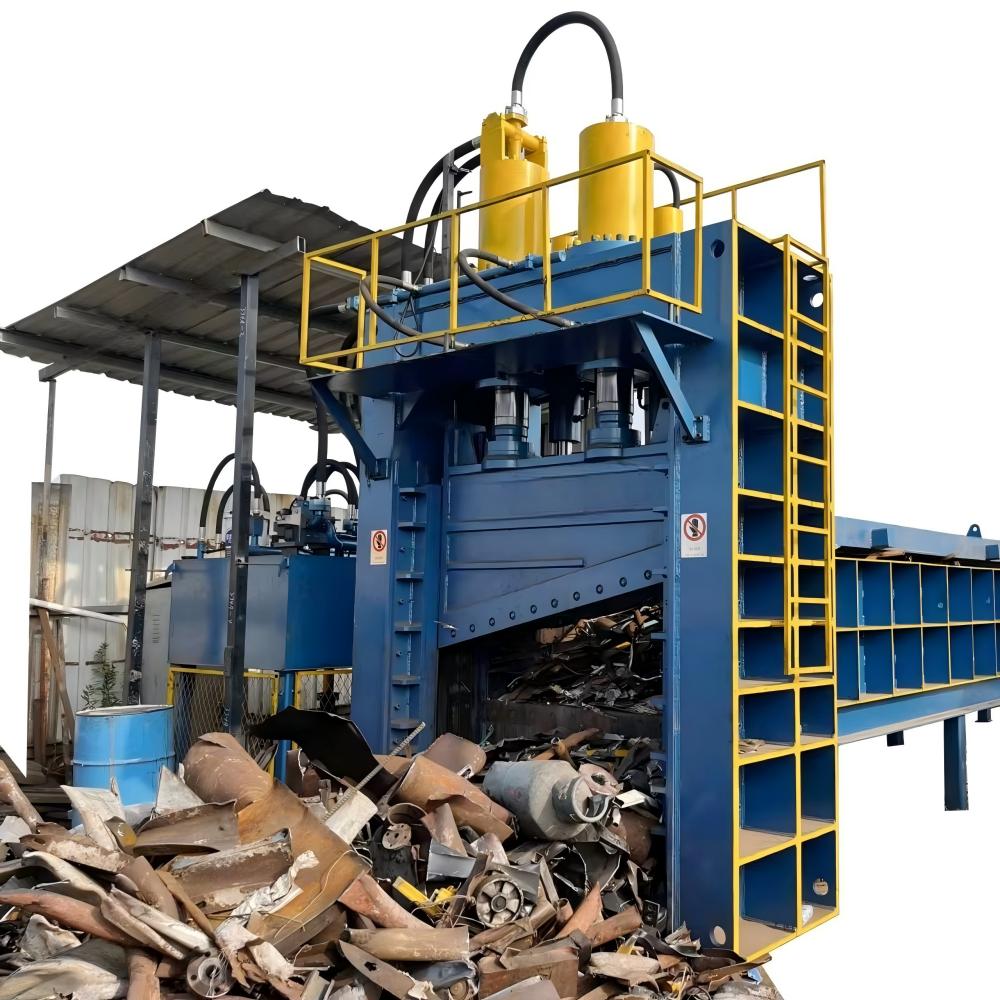
A gantry shear is a stationary machine where material is fed into a vertical cutting gate. A container shear is often more compact and can sometimes be mobile; it uses a horizontal or slightly inclined box to compress and then shear material. Gantry shears are generally preferred for heavy steel plates and high-volume stationary processing due to their higher force and stability.
2. How often do the blades need to be sharpened?
This depends entirely on the material being cut. If you are processing clean steel plates, blades may last 500-1,000 hours before needing a flip or sharpen. If you are processing sandy, dirty, or extremely hard alloy scrap, the interval could be much shorter. Most gantry shear blades have four cutting edges, meaning you can rotate them four times before they need professional grinding.
3. Can a gantry shear handle non-ferrous metals?
Yes, gantry shears are excellent for processing large volumes of aluminum, copper, and stainless steel. However, because non-ferrous metals are often more valuable, you must ensure the machine is cleaned between batches to prevent cross-contamination of scrap grades.
4. What kind of hydraulic oil should I use?
Most manufacturers recommend a high-quality anti-wear hydraulic oil (ISO VG 46 or 68, depending on your climate). In extremely cold environments, a low-pour-point oil or a tank heater is necessary to prevent pump cavitation during startup.
5. Is it better to buy new or used?
A new gantry shear comes with a warranty, modern safety features, and the latest efficiency standards. A used machine may be significantly cheaper but could have hidden structural fatigue or worn-out hydraulic pumps that are expensive to repair. If buying used, always perform a non-destructive test (NDT) on the frame to check for cracks.
Conclusion
Choosing the right gantry shear is a pivotal decision for any metal processing operation. By carefully evaluating the considerations before buying a gantry shear for steel plate processing—from the technical specifications of the hydraulic system to the long-term ROI and hidden installation costs—you can ensure that your investment drives productivity for years to come. At HARSLE, we specialize in providing high-performance, durable gantry shears tailored to the rigorous demands of the modern scrap and fabrication industries. Focus on quality, prioritize structural integrity, and always plan for the total cost of ownership to achieve the best results in your metal processing endeavors.