Gantry Shear Buying Guide for Industrial Metal Processing: Cost, Efficiency, and Maintenance

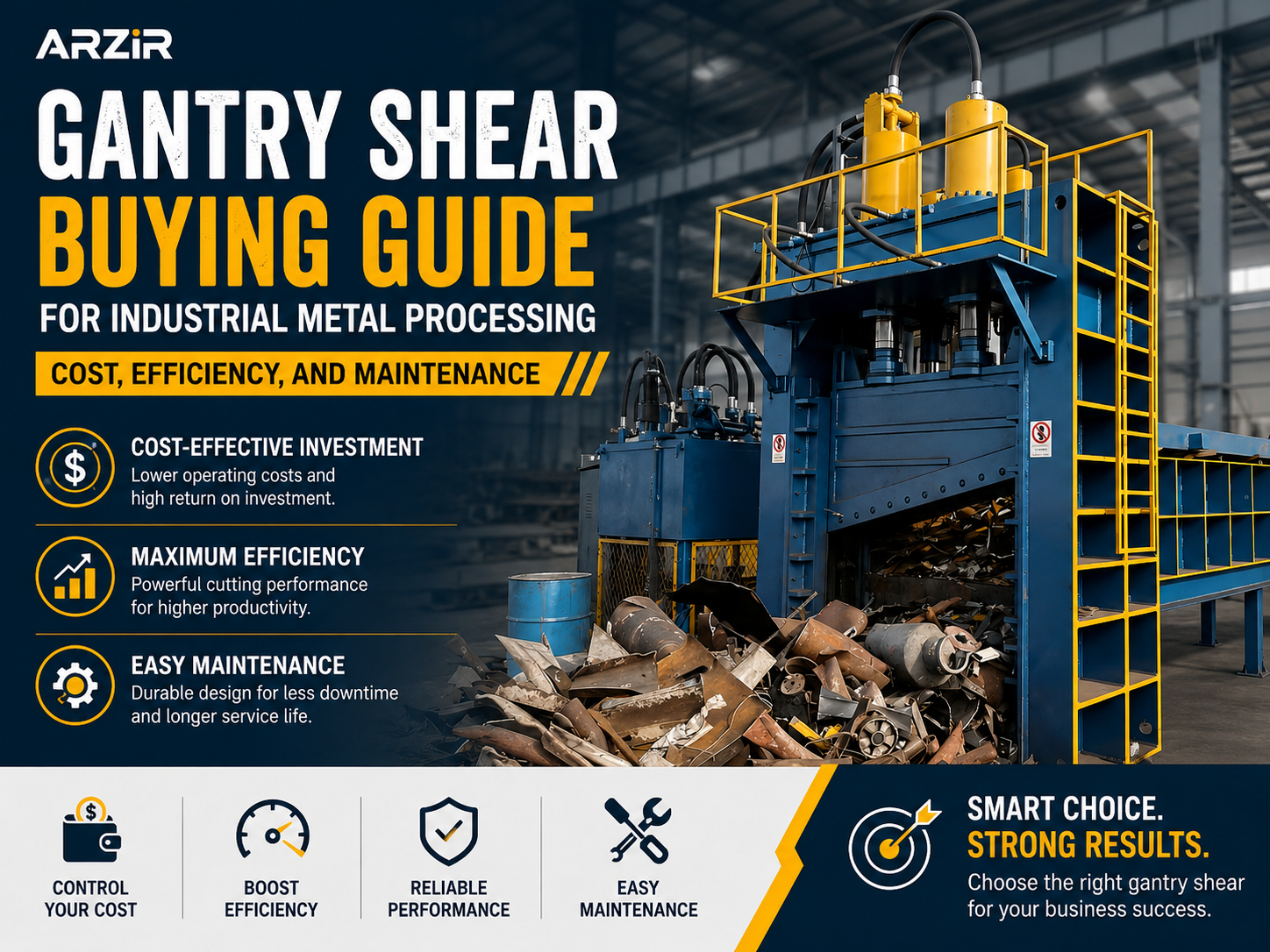
Introduction to Gantry Shear Buying Industrial Metal Processing: Cost, Efficiency, Maintenance
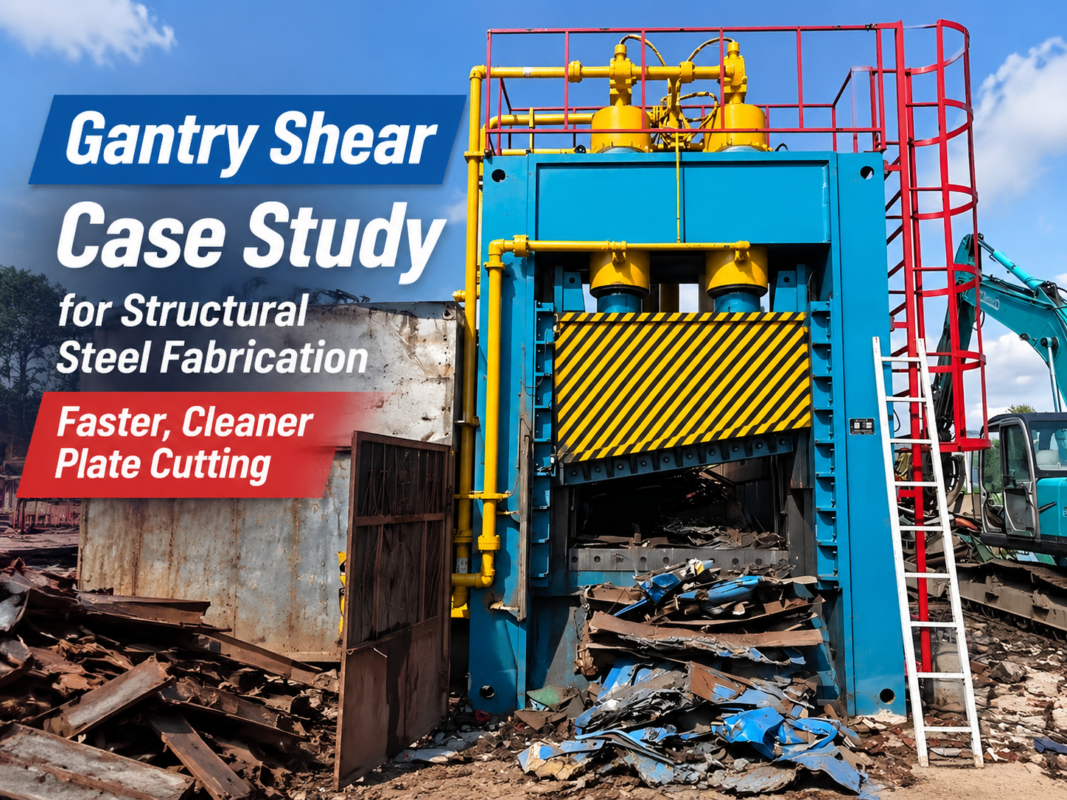
In the world of heavy-duty scrap recycling and industrial metal processing, the gantry shear stands as a titan of efficiency. Designed to handle massive volumes of structural steel, HMS (Heavy Melting Scrap), and various non-ferrous metals, these machines are the backbone of modern scrapyards and steel mills. However, investing in a gantry shear is a significant capital expenditure. Understanding the nuances of Gantry Shear Buying Industrial Metal Processing: Cost, Efficiency, Maintenance is crucial for any business owner looking to optimize their production line and ensure a high return on investment (ROI).
HARSLE, a leader in metal fabrication machinery, understands that the selection process involves more than just looking at a price tag. It requires a deep dive into technical specifications, operational costs, and long-term durability. This guide is designed to provide a comprehensive overview of everything you need to know before making a purchase, from initial cost drivers to the intricacies of daily maintenance.
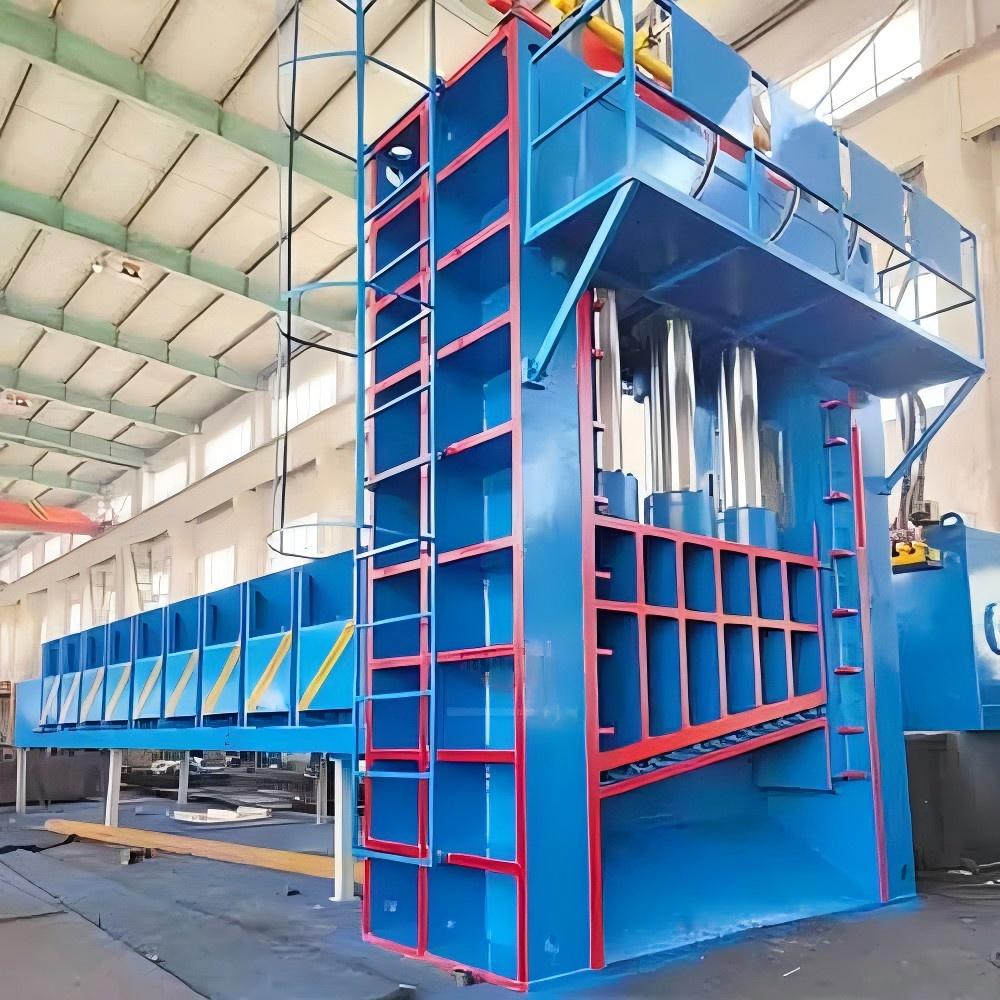
Price Range Overview: What to Expect
The price of a gantry shear varies significantly based on its shearing force, throat width, and automation level. Generally, industrial gantry shears are categorized by their tonnage, ranging from 400 tons to over 2000 tons. For a standard 400-ton to 600-ton unit, which is suitable for medium-sized recycling centers, prices typically start around $60,000 and can go up to $120,000. These machines are capable of cutting through standard steel plates and medium-sized beams.
As we move into the heavy-duty range, such as 800-ton to 1250-ton shears, the price jumps to between $150,000 and $350,000. These units are designed for continuous operation in large-scale industrial environments, handling thicker materials and higher throughput. For the most massive applications—2000 tons and above—the investment can exceed $500,000. These custom-engineered solutions often include integrated conveyor systems, advanced cooling units, and sophisticated PLC controls to manage the immense hydraulic pressures involved.
Main Cost Drivers in Gantry Shear Procurement
When evaluating the cost of a gantry shear, several key factors influence the final quote. Understanding these drivers helps buyers distinguish between a budget-friendly machine that might fail under pressure and a high-quality investment that will last decades.
1. Hydraulic System Quality
The heart of any gantry shear is its hydraulic system. High-end machines utilize pumps and valves from reputable brands like Rexroth, Parker, or Vickers. While these components increase the initial purchase price, they offer superior reliability, easier sourcing of replacement parts, and better energy efficiency. A cheaper, generic hydraulic system may save money upfront but often leads to frequent leaks, overheating, and inconsistent shearing force.
2. Frame Construction and Steel Quality
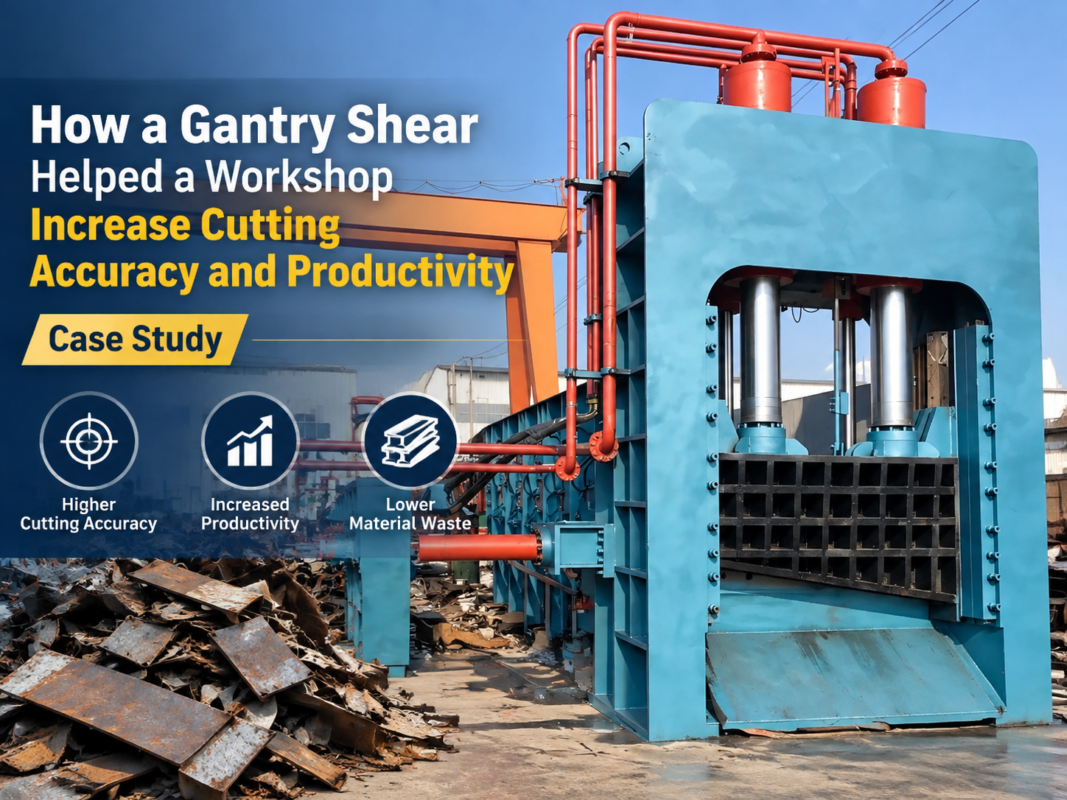
The structural integrity of the gantry frame is paramount. Heavy-duty shears must withstand repetitive, high-impact forces. Machines built with high-tensile Q345B or Q460 steel plates, featuring reinforced welding and stress-relieved frames, are more expensive. However, this robust construction prevents frame warping and cracking over time, which are common issues in lighter, cheaper models.
3. Blade Material and Design
The blades are the primary wear parts of the machine. High-quality blades made from H13, Cr12MoV, or specialized alloy steels are essential for cutting through hardened scrap. The cost of the machine often reflects the quality of the initial blade set provided. Furthermore, the design of the blade seat—whether it allows for four-sided rotation—can significantly impact long-term operational costs by extending the life of each blade set.
Configuration Impact on Efficiency and Price
The configuration of a gantry shear determines its throughput and ease of use. Buyers must choose features that align with their specific material flow requirements.
- Feeding Systems: Standard models often use a gravity-fed hopper or a simple pusher box. More advanced configurations include vibrating feeders or heavy-duty belt conveyors. While conveyors add to the cost, they allow for continuous feeding, which can increase efficiency by up to 40%.
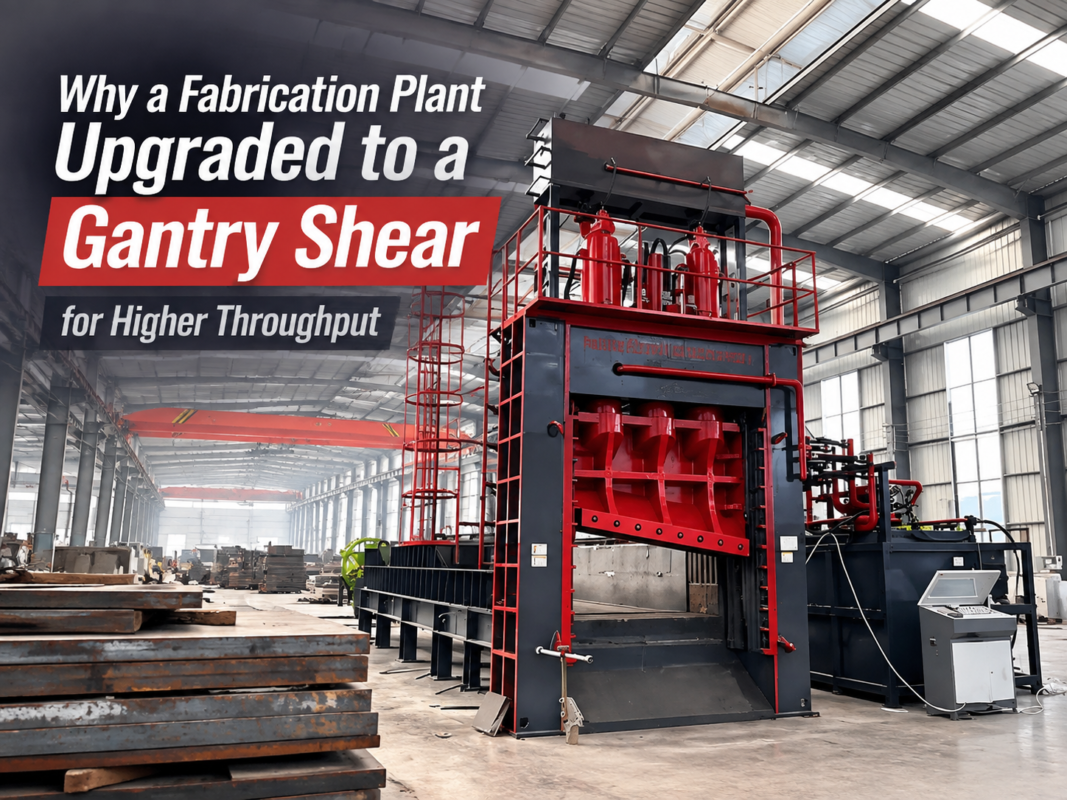
- Automation and PLC: A basic manual control system is cheaper but requires a skilled operator and is prone to human error. Modern gantry shears equipped with Siemens or Schneider PLC systems allow for fully automatic cycles, remote monitoring, and diagnostic reporting. This automation reduces labor costs and ensures consistent cycle times.
- Cooling Systems: In high-volume environments, hydraulic oil can overheat quickly. Air-cooled or water-cooled systems are necessary to maintain optimal oil viscosity. Integrated industrial chillers are an additional cost but are vital for 24/7 operations in warmer climates.
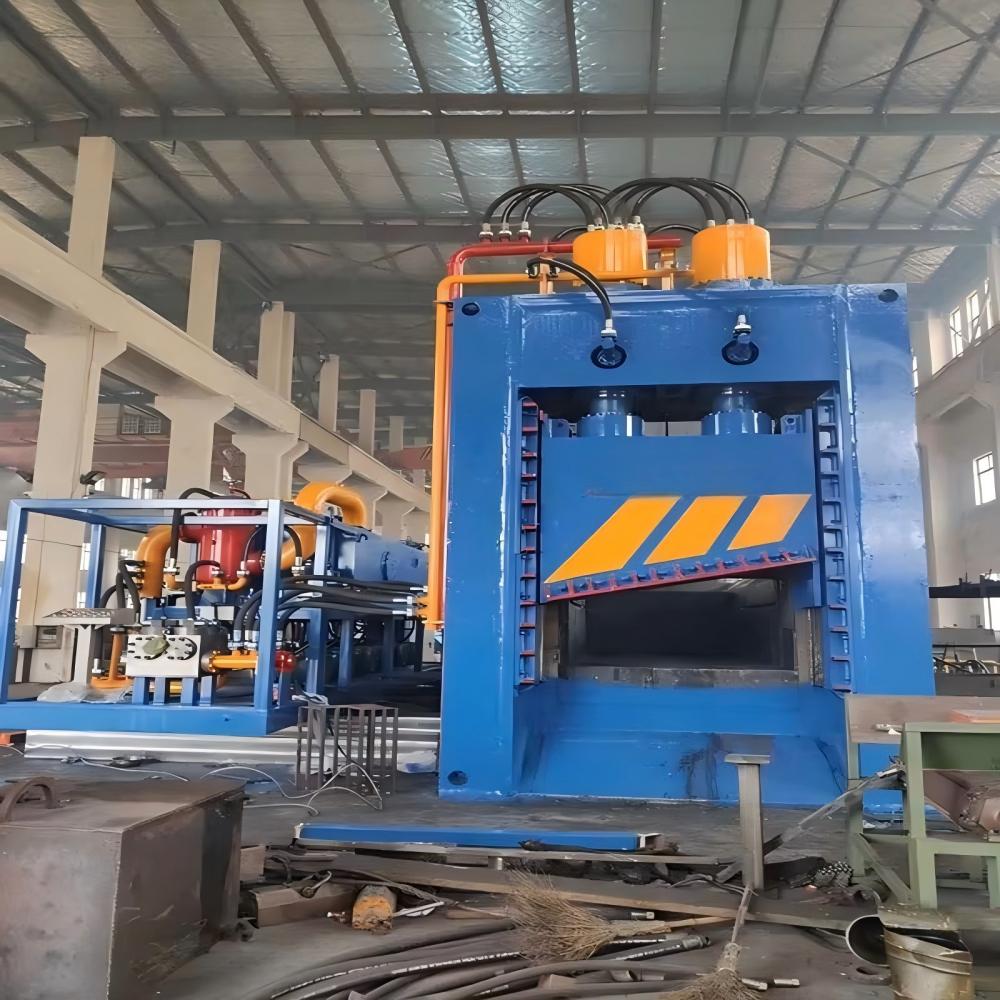
Hidden Costs: Beyond the Sticker Price
When budgeting for a gantry shear, many buyers overlook the secondary costs associated with installation and operation. These can add a significant percentage to the total project cost.
Foundation and Civil Works
A gantry shear weighing 40 to 100 tons cannot simply be placed on a standard factory floor. It requires a reinforced concrete foundation, often several meters deep, to absorb the vibrations and weight. The cost of excavation, rebar, and high-strength concrete must be factored into the initial budget. Additionally, some shears require a pit for the scrap discharge or the pusher mechanism.
Electrical Infrastructure
Industrial shears are power-hungry. A 1000-ton shear might require multiple 45kW or 75kW motors. Many facilities need to upgrade their electrical transformers or install new high-voltage lines to accommodate the surge currents during the shearing cycle. This electrical work can cost thousands of dollars and requires professional certification.
Logistics and Installation
Due to their size, gantry shears are often shipped in multiple sections. This requires specialized heavy-lift transport and cranes for offloading and assembly. HARSLE provides technical guidance for installation, but the buyer is typically responsible for hiring local crane services and ensuring the site is accessible for oversized loads.
Efficiency and Maintenance: Maximizing Machine Life
Efficiency in metal processing is measured by tons per hour. To maintain high efficiency, a strict maintenance schedule is non-negotiable. A well-maintained gantry shear from HARSLE can operate for 15-20 years, whereas a neglected one may see a 50% drop in efficiency within three years.
Daily and Weekly Maintenance
Operators should perform daily checks on hydraulic oil levels, leak points, and blade sharpness. Lubrication of the slide guides is critical; many modern HARSLE shears feature automatic lubrication systems to ensure that the moving parts of the gantry are always greased, reducing friction and wear. Weekly tasks include tightening bolts that may have loosened due to vibration and cleaning the magnetic filters in the hydraulic tank.
Blade Management
Blades should be rotated or sharpened as soon as the cut quality diminishes. Operating with dull blades puts unnecessary strain on the hydraulic pumps and the frame, leading to premature component failure. Keeping a spare set of blades on hand is essential to minimize downtime during the rotation process.
Hydraulic Oil Care
The hydraulic oil is the lifeblood of the machine. It should be sampled and tested every six months for contamination and oxidation. Using high-quality anti-wear hydraulic oil (such as ISO VG 46 or 68) and replacing filters regularly will prevent damage to the sensitive valves and cylinders.
ROI Calculation: Is the Investment Worth It?
To justify the purchase of a gantry shear, businesses must calculate the Return on Investment (ROI). The primary value proposition of a gantry shear is its ability to convert low-value, bulky scrap into high-value, dense melting scrap that steel mills prefer.
Example Calculation:
Assume a medium-sized yard processes 1,000 tons of scrap per month. By using a gantry shear instead of manual torch cutting, the yard reduces labor costs by $5,000/month and increases the scrap value by $30/ton due to better sizing and density. This results in a total monthly gain of $35,000. If the machine costs $210,000 (including installation), the payback period is only 6 months. Even with maintenance and electricity costs factored in, the ROI remains exceptionally high compared to other industrial equipment.
Buying Advice: Choosing the Right Supplier
Selecting the right manufacturer is as important as selecting the right machine. When evaluating suppliers like HARSLE, consider the following:
- Technical Support: Does the manufacturer provide detailed manuals, wiring diagrams, and remote troubleshooting?
- Spare Parts Availability: Ensure that wear parts like blades, seals, and filters are readily available in your region.
- Factory Inspection: If possible, visit the factory or request a live video demonstration of the machine processing material similar to what you will be shearing.
- Warranty Terms: Look for a comprehensive warranty that covers the frame and major hydraulic components for at least 12-24 months.
| Feature | Entry-Level (400T-600T) | Industrial (800T-1250T) | Heavy-Duty (1600T+) |
|---|---|---|---|
| Primary Use | Light scrap, sheet metal | HMS 1&2, structural steel | Heavy beams, ship breaking |
| Throughput (Tons/Hr) | 4 – 8 | 10 – 20 | 25+ |
| Typical Motor Power | 30kW – 45kW | 75kW – 150kW | 200kW+ |
| Automation | Manual / Semi-Auto | Full PLC Auto | Integrated System Control |
Frequently Asked Questions (FAQ)
1. How often should I change the blades on a gantry shear?
Blade life depends entirely on the material being cut. For standard steel scrap, blades can typically process 1,000 to 3,000 tons before needing a rotation. Most gantry shear blades have four cutting edges, allowing you to flip them three times before they require professional regrinding or replacement.
2. Can a gantry shear handle non-ferrous metals like aluminum?
Yes, gantry shears are excellent for processing large volumes of aluminum extrusions, copper busbars, and other non-ferrous materials. In fact, because these metals are softer, the machine experiences less wear, and the blades last significantly longer.
3. What is the difference between a gantry shear and a crocodile shear?
A crocodile (alligator) shear is a smaller, manual-feed machine used for cleaning scrap and cutting small pieces. A gantry shear is a large-scale, vertical-cutting machine designed for high-volume, heavy-duty processing with automated feeding capabilities.
4. Does HARSLE provide on-site training for operators?
Yes, HARSLE typically offers comprehensive training packages that cover machine operation, safety protocols, and routine maintenance procedures to ensure your team can operate the equipment safely and efficiently from day one.
5. What kind of hydraulic oil should I use?
We recommend using high-quality anti-wear hydraulic oil, such as ISO VG 46 for cooler climates and ISO VG 68 for warmer environments. Always refer to the specific machine manual for the exact grade required for your hydraulic pump model.
Conclusion
Investing in a gantry shear is a transformative step for any metal processing operation. By focusing on the core aspects of Gantry Shear Buying Industrial Metal Processing: Cost, Efficiency, Maintenance, you can ensure that your investment yields maximum productivity and minimal downtime. Whether you are upgrading an existing yard or starting a new industrial facility, HARSLE provides the expertise and robust machinery needed to succeed in the competitive world of metal recycling. Remember to look beyond the initial price and consider the long-term benefits of high-quality components, automation, and a dedicated maintenance strategy.