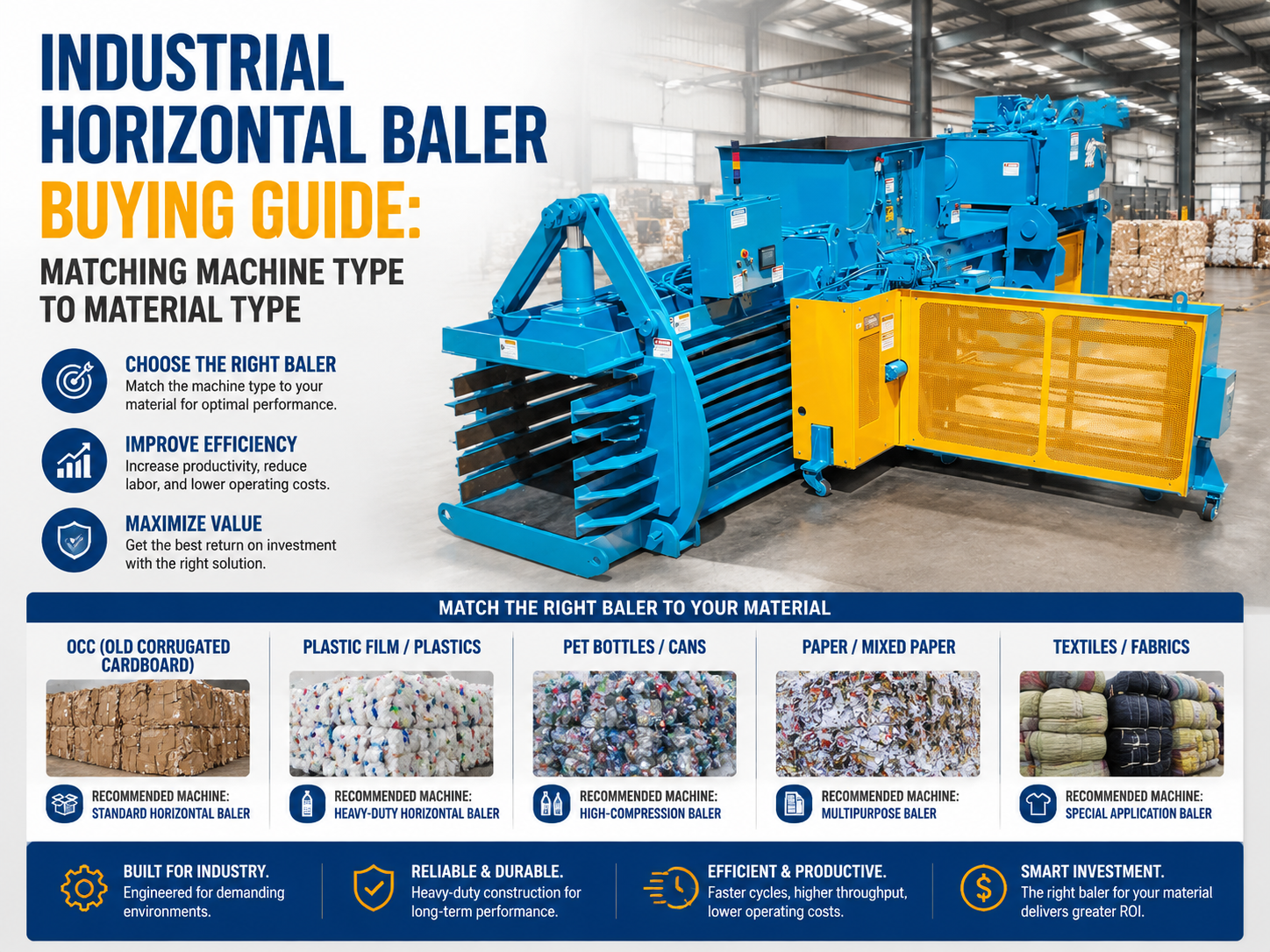
Industrial Horizontal Baler Buying Guide: Matching Machine Type to Material Type

Introduction to Industrial Horizontal Baler Selection
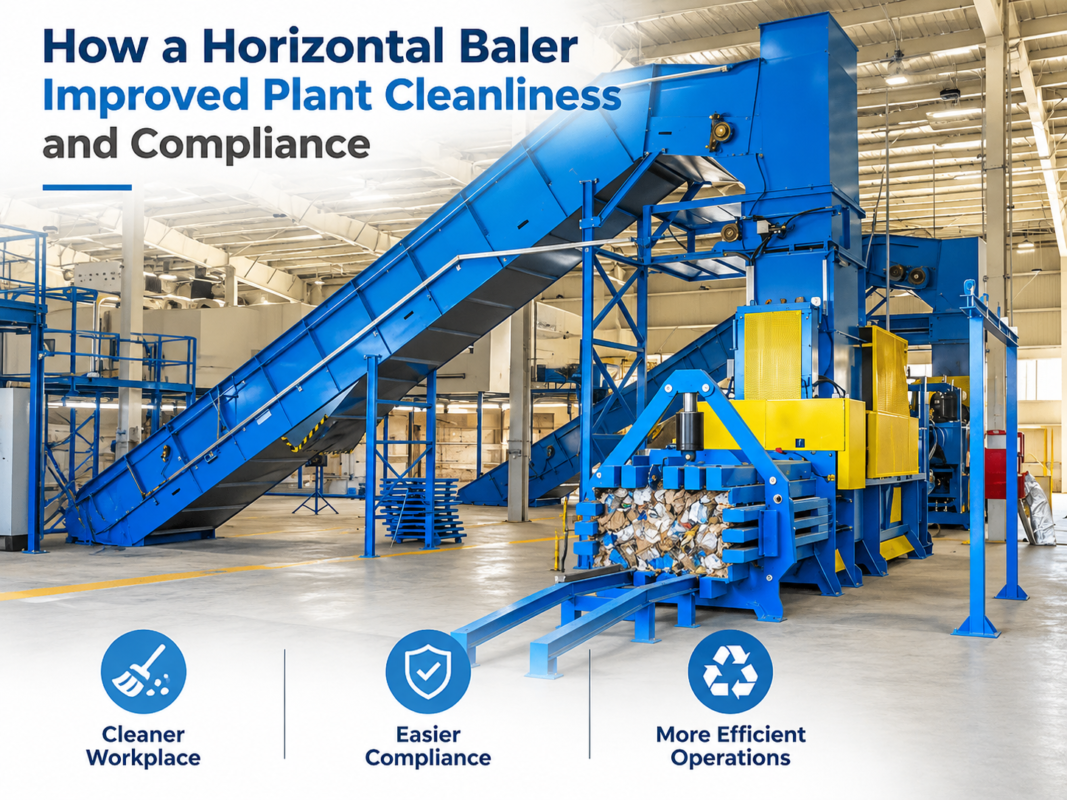
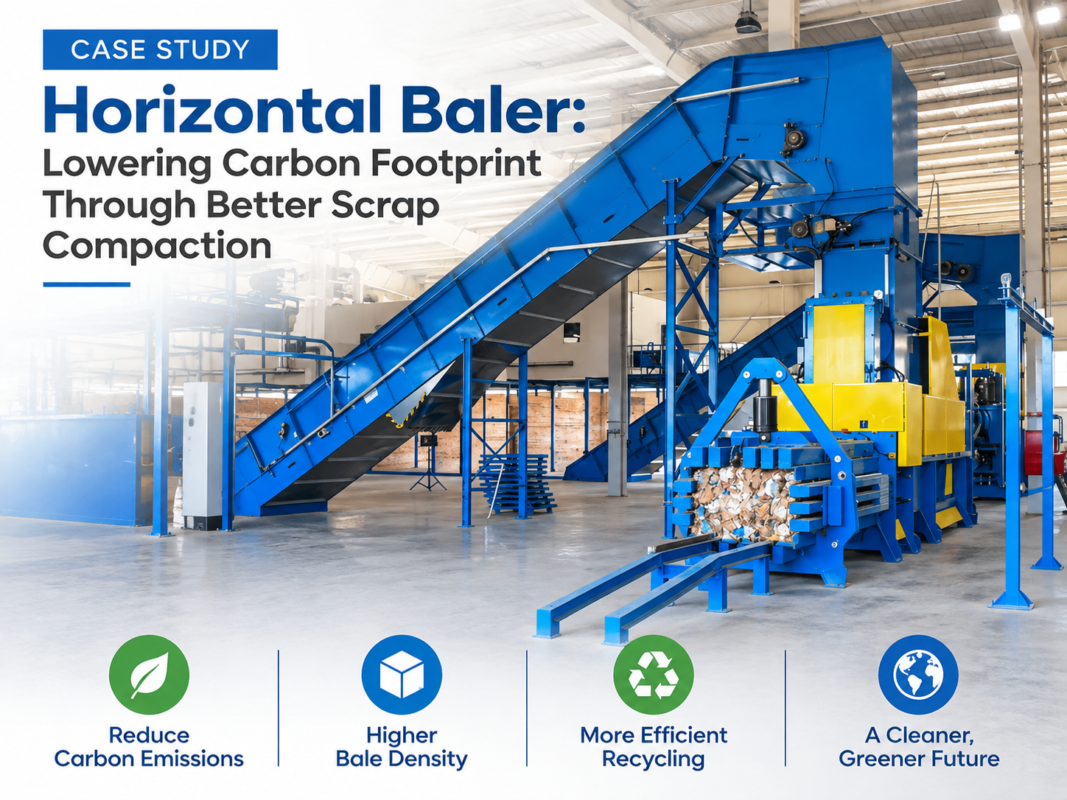
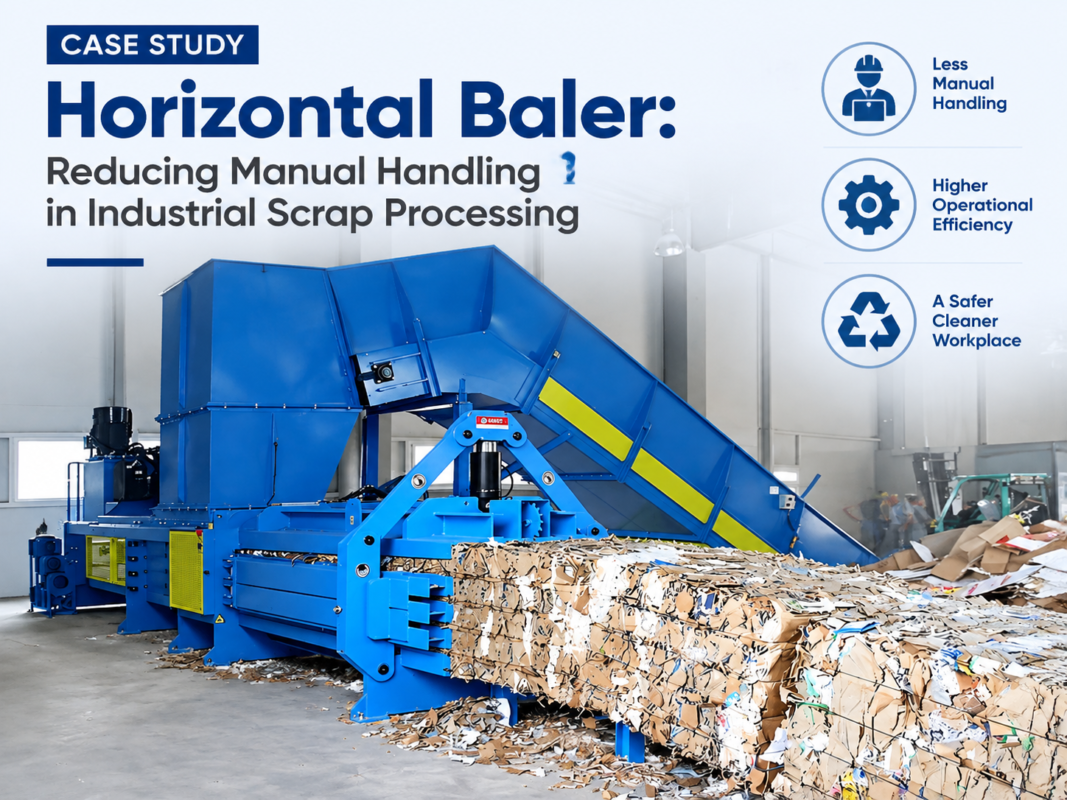
In the world of high-volume waste management and recycling, the industrial horizontal baler stands as the workhorse of efficiency. Unlike vertical balers, which are often limited by manual loading and lower throughput, horizontal models are designed for continuous operation, processing massive quantities of material into dense, transportable blocks. However, the market for these machines is vast, and the most common mistake buyers make is failing to align the machine’s technical specifications with the specific physical properties of the material being processed. This Industrial Horizontal Baler Buying Guide: Matching Machine Type to Material Type is designed to bridge that gap, ensuring your investment yields the highest possible return.
Choosing the right baler is not merely about finding the largest machine within your budget; it is about understanding the physics of compression. Different materials—ranging from corrugated cardboard and PET plastics to non-ferrous metals and municipal solid waste—behave differently under hydraulic pressure. Some materials have high ‘memory,’ meaning they attempt to expand after compression, while others are abrasive and can wear down internal components. By the end of this guide, you will understand how to navigate the complexities of hydraulic force, cycle times, and structural configurations to find the perfect match for your facility.
Price Range Overview: What to Expect
The price of an industrial horizontal baler can vary significantly based on its automation level, compression force, and throughput capacity. Generally, the market is divided into three primary tiers. Entry-level horizontal balers, often manual-tie or semi-automatic models designed for lower volumes (1-3 tons per hour), typically range from $25,000 to $50,000. These machines are ideal for small distribution centers or regional recycling hubs that handle consistent but moderate streams of cardboard or paper.
Mid-range balers, which feature automatic tying systems and higher hydraulic pressures, usually fall between $60,000 and $120,000. These machines are the industry standard for medium-to-large recycling plants, capable of processing 5-10 tons per hour. They offer a balance of speed and durability, often incorporating advanced PLC controls to manage different material settings. At this level, you begin to see specialized features like shear blades and high-efficiency power units.
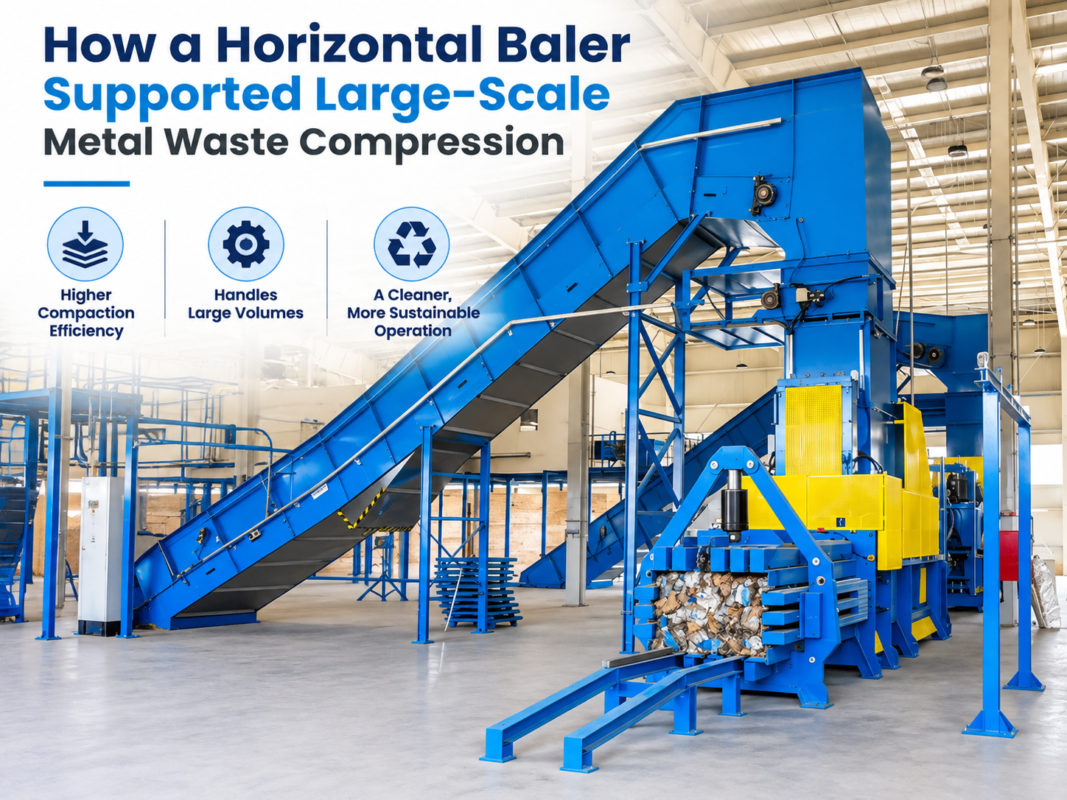
High-end, heavy-duty industrial balers can exceed $200,000. these are massive, multi-ram or high-density machines designed for 24/7 operation in scrap yards or massive municipal recovery facilities (MRFs). These units are built with reinforced steel, high-horsepower motors (often dual 50HP or 75HP setups), and sophisticated cooling systems to handle the heat generated by constant high-pressure cycles. When considering the price, it is vital to look beyond the initial sticker price and evaluate the total cost of ownership over a 10-to-15-year lifespan.
Main Cost Drivers in Horizontal Baler Procurement
Several technical factors dictate the final price of a horizontal baler. The most significant is the Hydraulic System. The size of the main cylinder and the horsepower of the electric motor determine the ‘press force.’ A machine capable of 100 tons of pressure requires more robust steel framing and more expensive hydraulic components than a 50-ton machine. Furthermore, the use of variable frequency drives (VFDs) can increase the initial cost but significantly reduce long-term energy consumption.
Another major cost driver is the Automation Level. Manual-tie balers require an operator to thread the bale wire and tie it off, which slows down production. Automatic-tie (auto-tie) systems use complex mechanical needles and twisters to secure the bale without stopping the ram. While auto-tie systems add $20,000 to $40,000 to the machine’s price, they drastically reduce labor costs and increase throughput, making them a preferred choice for high-volume operations.
The quality of Wear Components also impacts the price. Balers designed for abrasive materials like scrap metal or glass-contaminated plastics require replaceable liners made of hardened steel (such as Hardox). Machines equipped with these liners and high-quality shear blades (used to cut off excess material at the top of the compression chamber) will have a higher upfront cost but will save thousands in maintenance and downtime over the machine’s life.
Configuration Impact: Matching Machine to Material
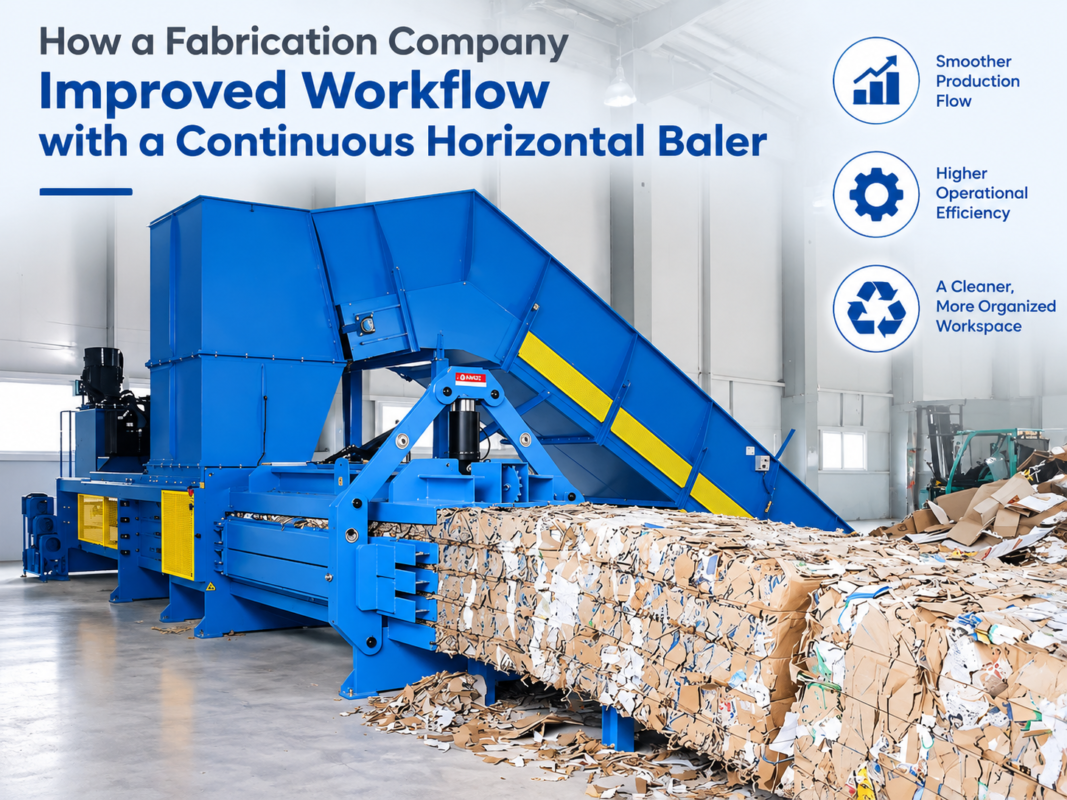
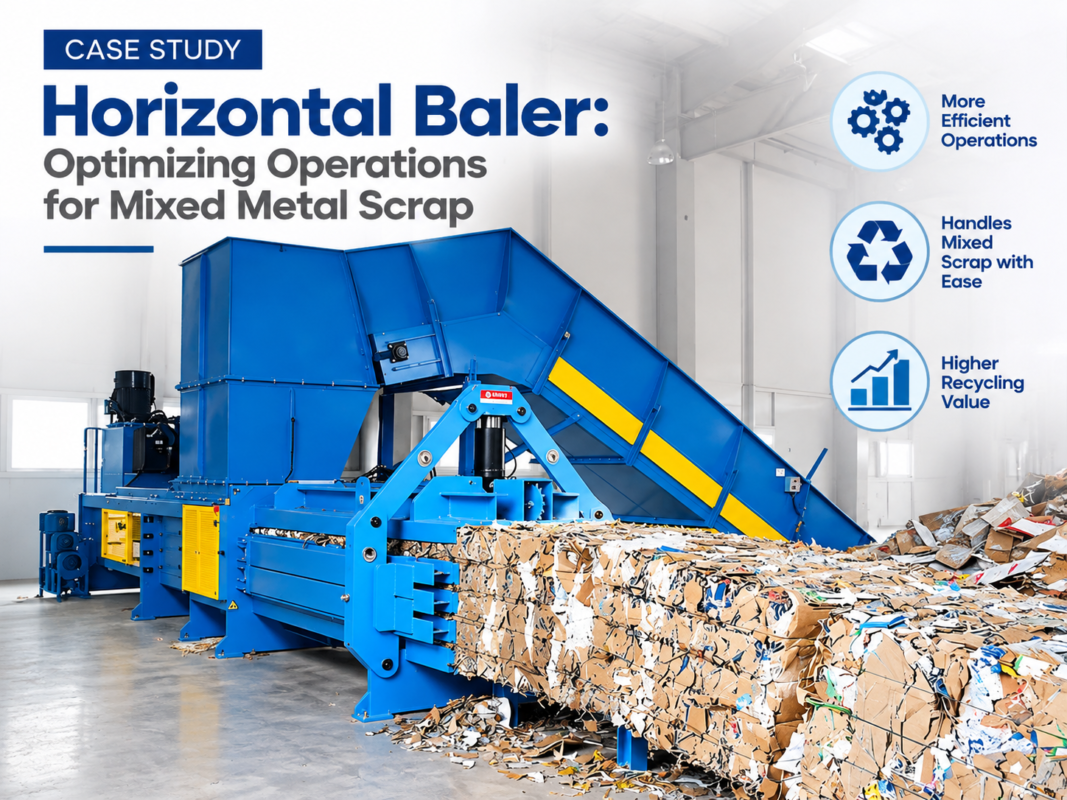
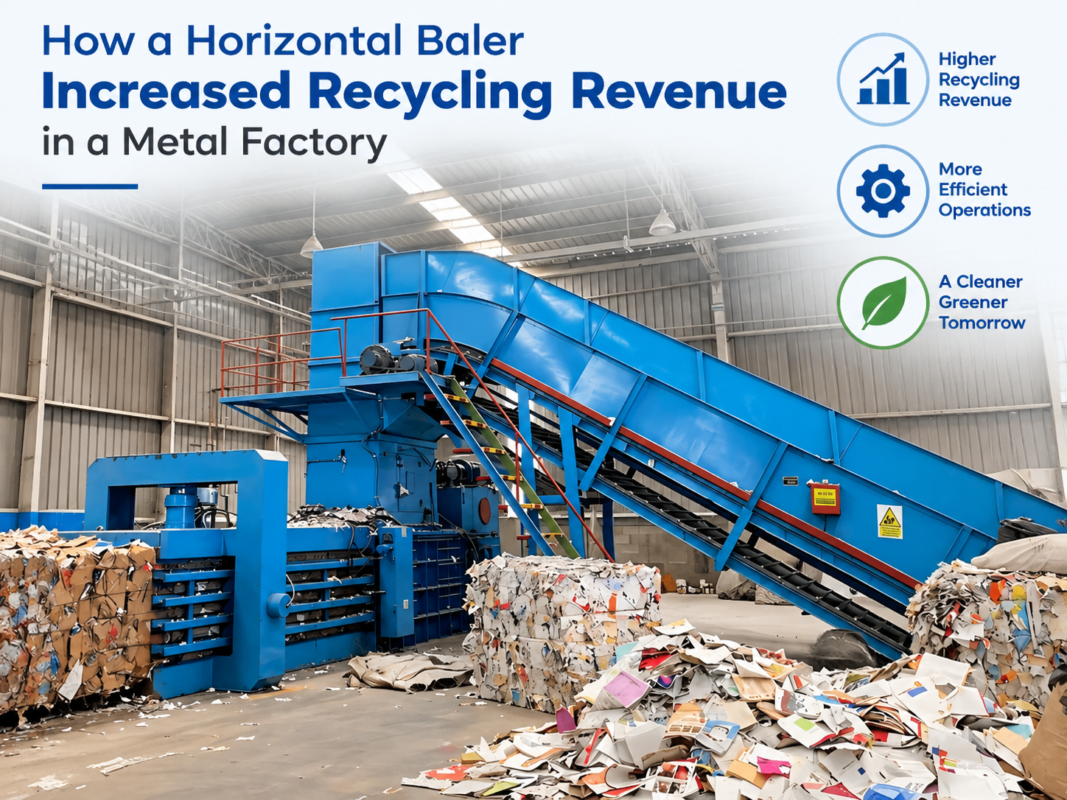
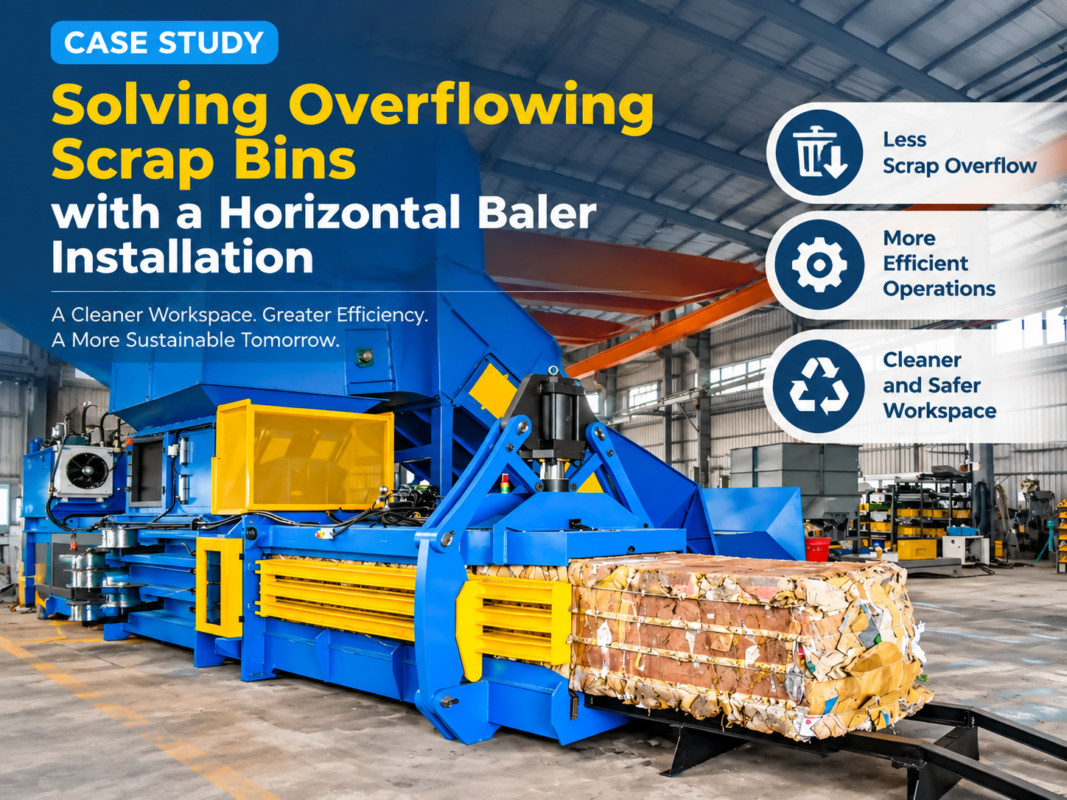
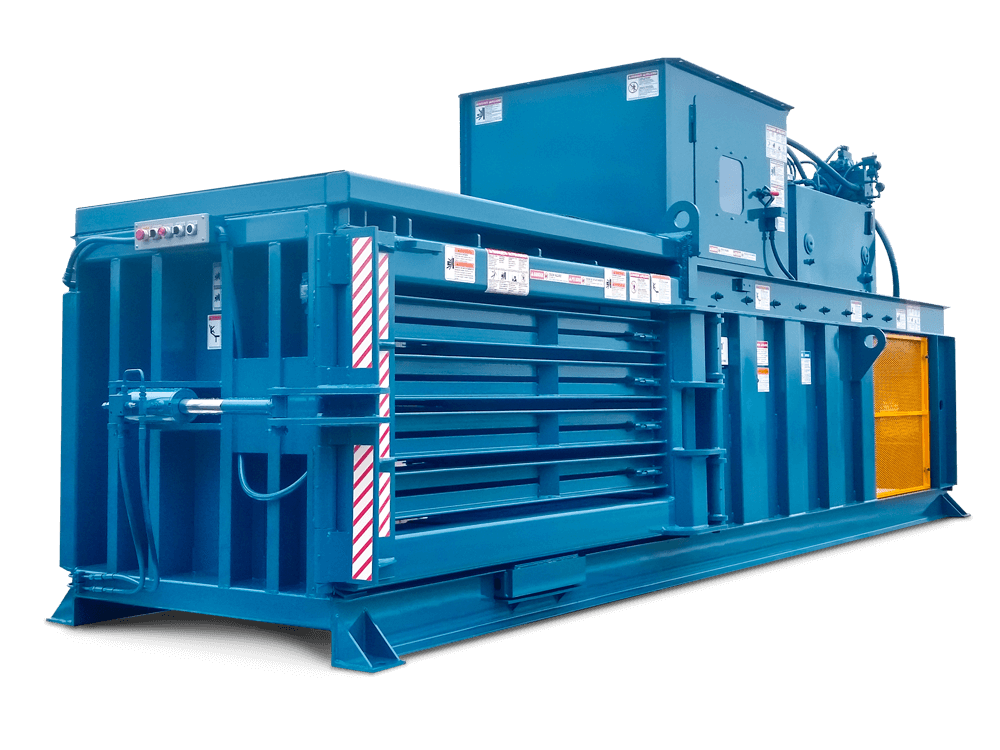
The core of Industrial Horizontal Baler Buying : Matching Machine Type Material Type lies in the configuration of the compression chamber and the ram. There are two primary types: Open-End (Auto-Tie) and Closed-End (Manual-Tie or Side-Eject).
1. Cardboard and Paper (OCC)
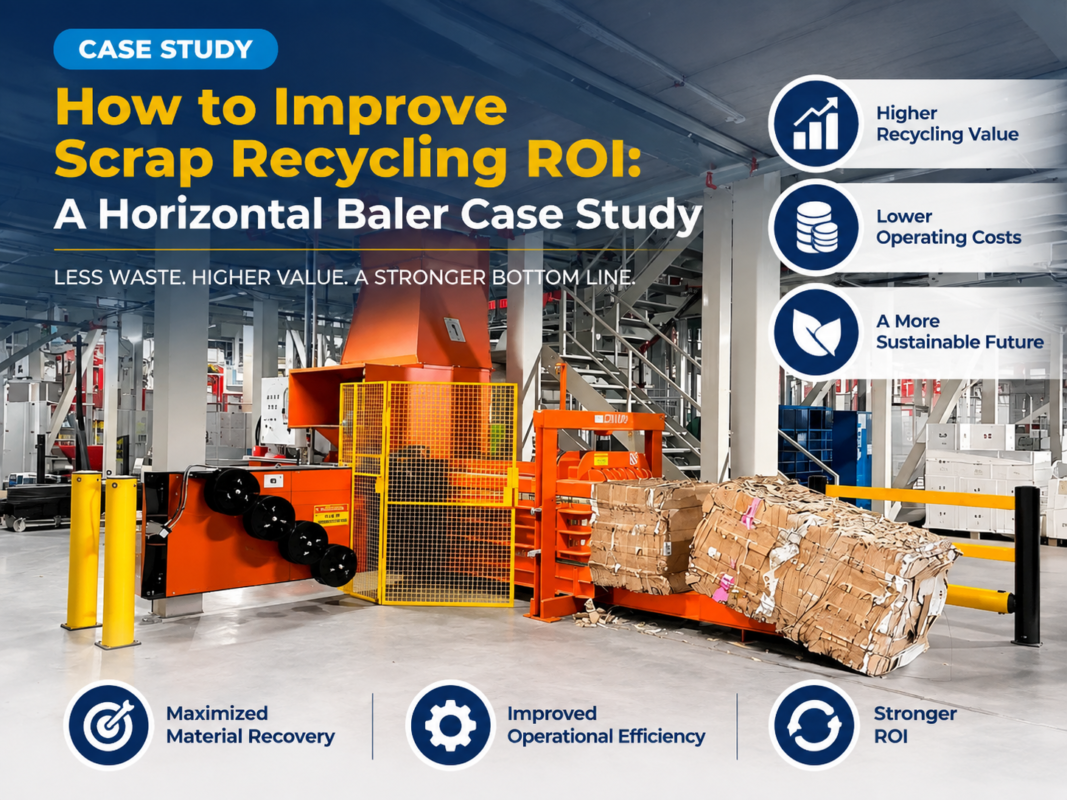
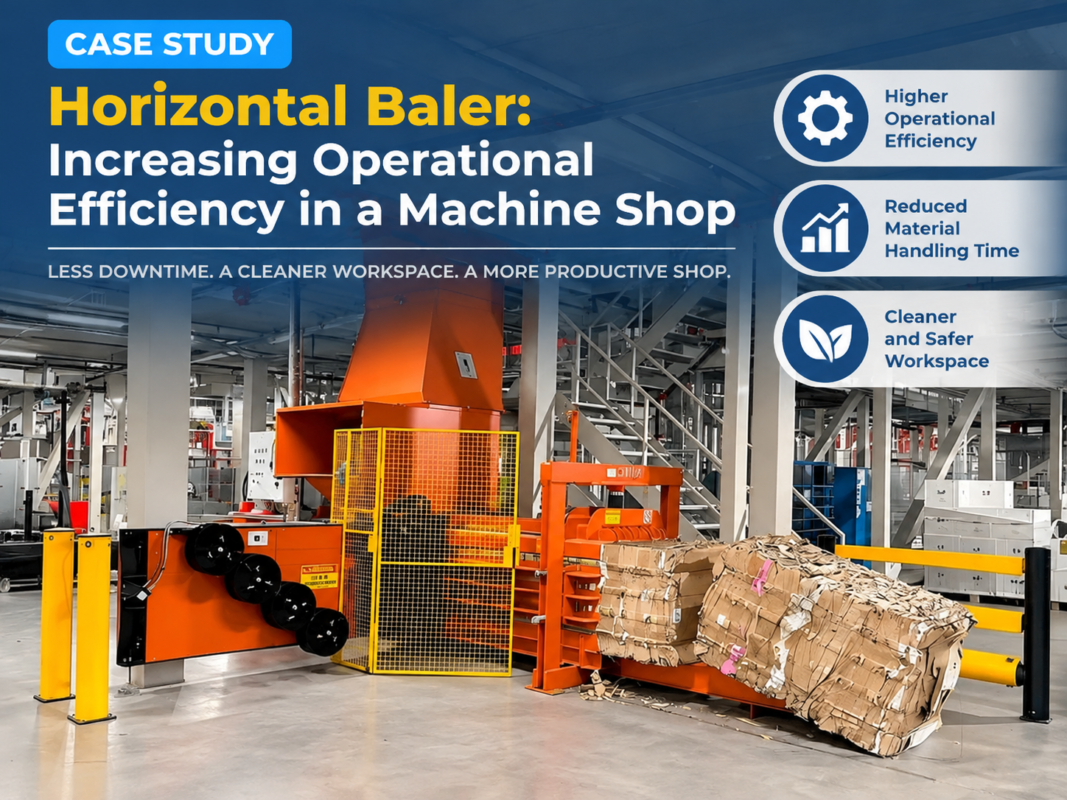
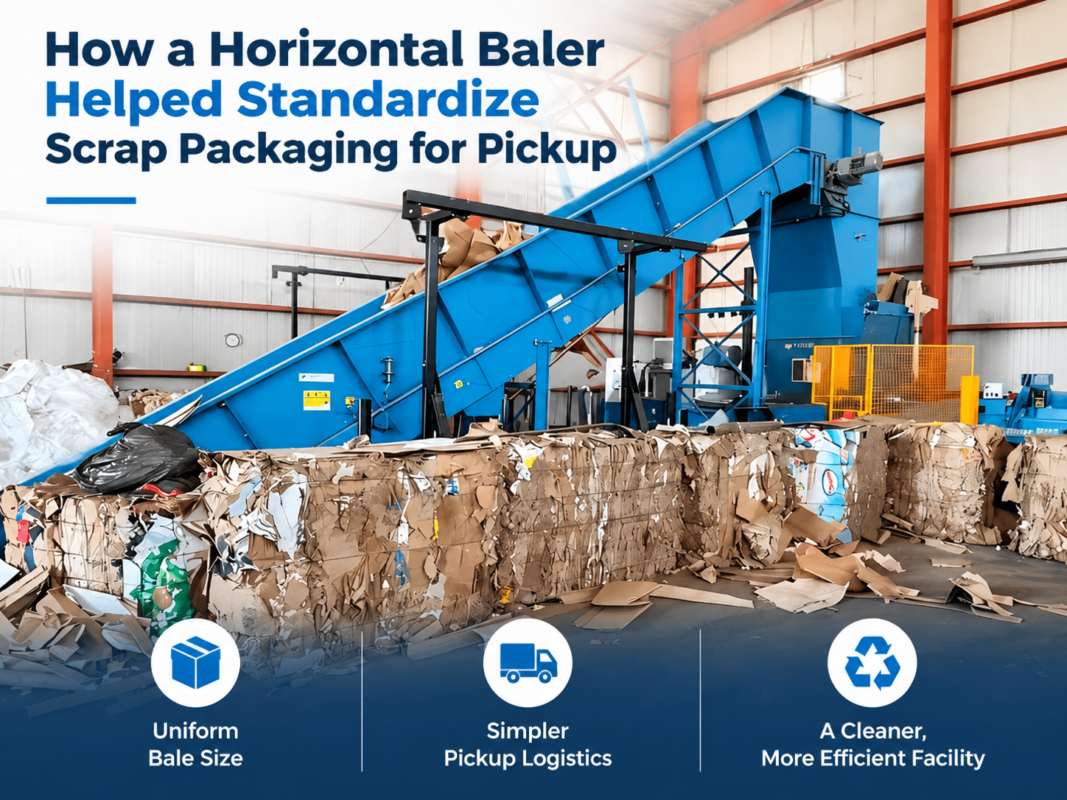
Cardboard is relatively easy to compress but requires high volume. For this material, an Open-End Auto-Tie Baler is usually the best fit. The continuous extrusion process allows for high-speed baling. Because cardboard doesn’t have much ‘memory’ compared to plastic, the friction of the long extrusion channel is enough to keep the bale dense until the wires are applied.
2. Plastics (PET, HDPE, and Film)
Plastics are notorious for their ‘memory’—the tendency to spring back to their original shape. To achieve export-quality bale density, a Two-Ram Baler or a high-pressure closed-end baler is often required. Two-ram balers use one ram to compress the material against a solid wall and a second ram to push the finished bale out. This ensures maximum density, which is critical for maximizing shipping container weights and getting the best market price for plastic scrap.
3. Non-Ferrous Metals
For aluminum cans, copper wiring, or light extrusion scrap, the machine must be incredibly rugged. A Heavy-Duty Closed-End Baler with specialized shear blades is necessary. The shear blades must be sharp and properly gapped to cut through metal without jamming the ram. Furthermore, the floor of the baler should be reinforced to handle the abrasive nature of metal shards.
Hidden Costs of Industrial Baler Ownership
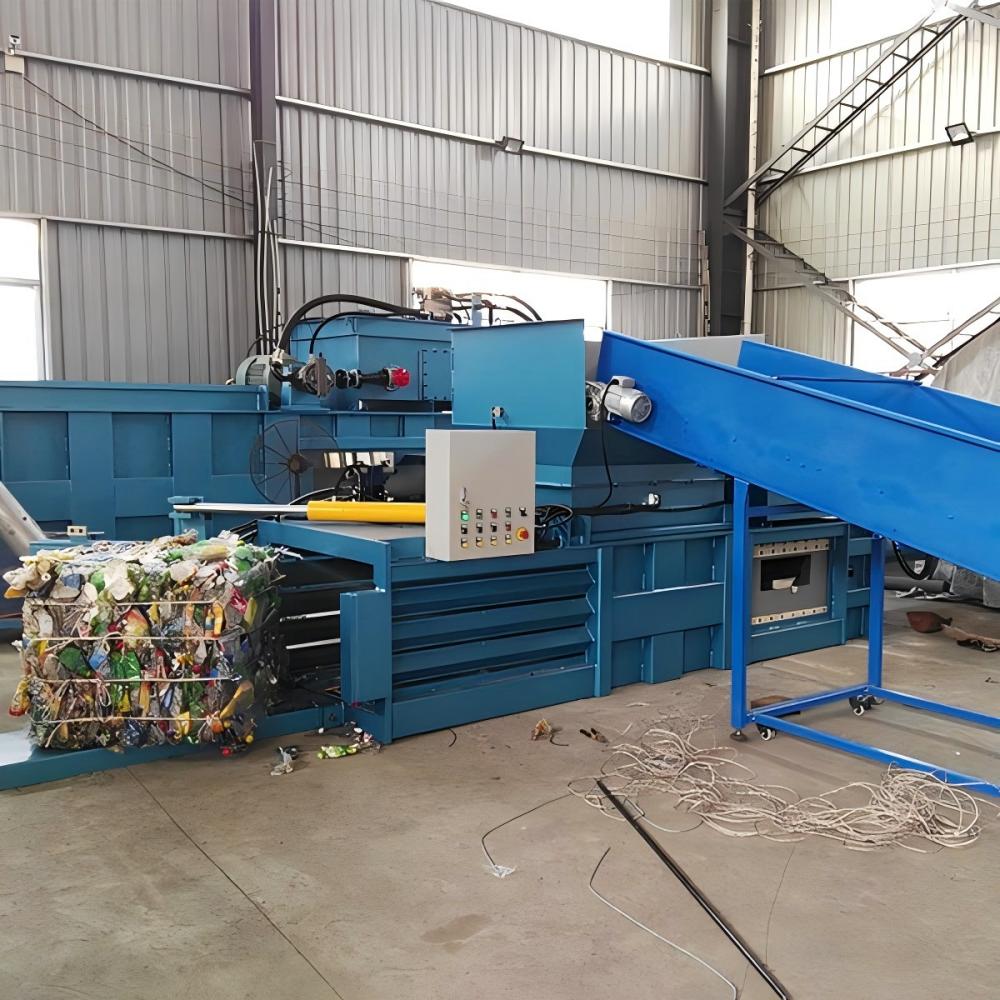
When budgeting for a horizontal baler, many companies overlook the ‘soft costs’ associated with installation and operation. Freight and Rigging can be substantial; these machines are oversized and heavy, often requiring specialized flatbed trailers and heavy-duty cranes for placement. Depending on your location, this can add $5,000 to $15,000 to your project cost.
Electrical Infrastructure is another common hidden cost. A large horizontal baler might require a 460V three-phase power supply with a 200-amp service. If your facility currently only has standard 220V power, the cost of bringing in a new transformer and running heavy-gauge conduit can be significant. Always consult with an electrician before finalizing your machine choice.
Finally, consider Consumables and Maintenance. Auto-tie balers require specific gauges of baling wire, and the cost of this wire fluctuates with the steel market. Additionally, hydraulic oil (which can be 200-400 gallons for a large unit) needs to be filtered and occasionally replaced. A preventative maintenance contract is highly recommended to ensure the hydraulic seals and sensors are checked regularly, preventing catastrophic failures that could halt production for weeks.
ROI Calculation: Is the Investment Worth It?
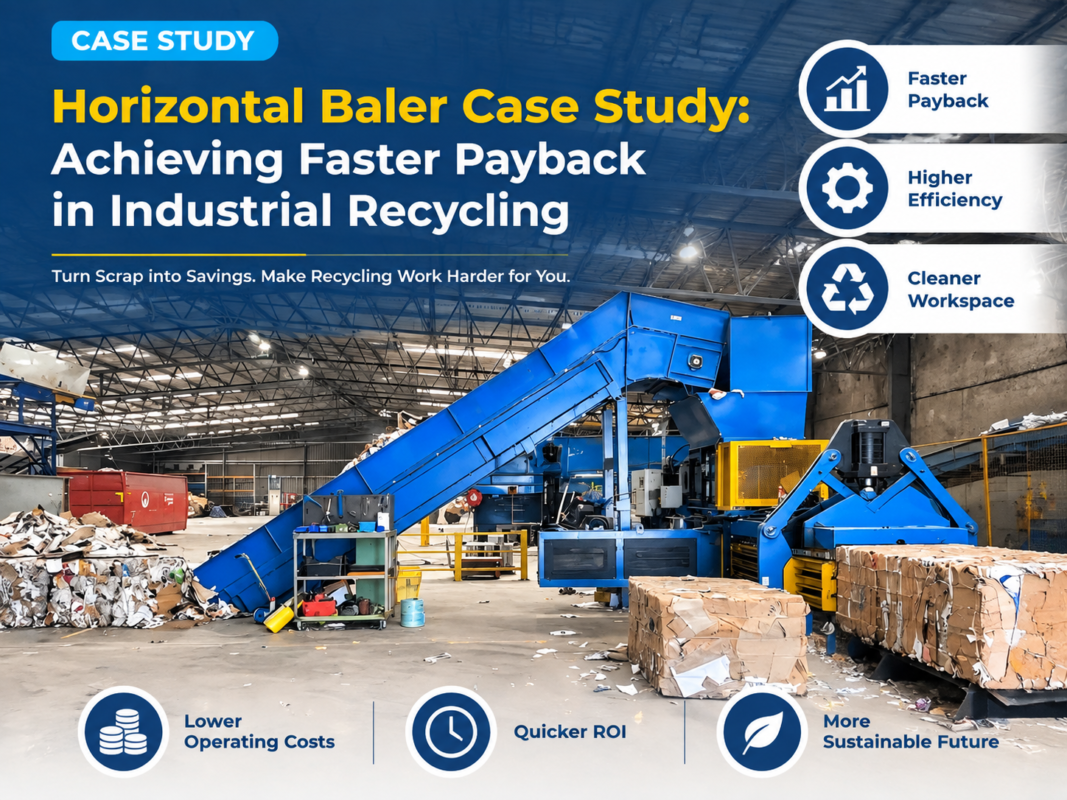
Calculating the Return on Investment (ROI) for an industrial horizontal baler involves looking at three main areas: Labor Savings, Transportation Savings, and Material Revenue. Let’s look at a hypothetical scenario for a distribution center processing 200 tons of cardboard per month.
| Factor | Without Horizontal Baler (Loose/Vertical) | With Auto-Tie Horizontal Baler |
|---|---|---|
| Labor Hours | 160 hours/month | 40 hours/month |
| Bale Weight | 800 lbs (Vertical) | 1,500 lbs (Horizontal) |
| Truckloads per Month | 20 loads | 8 loads |
| Revenue per Ton | $70 (Lower density) | $95 (Mill-ready density) |
In this scenario, the labor savings alone (120 hours at $20/hr) amount to $2,400 per month. The reduction in truckloads from 20 to 8 significantly lowers freight costs, potentially saving another $3,000 per month. Finally, the ‘mill-ready’ density of the horizontal bales commands a higher price from recyclers. Total monthly savings and increased revenue could easily exceed $7,000, meaning a $100,000 machine would pay for itself in less than 15 months. This calculation demonstrates why matching the machine to the material volume is critical for financial success.
Buying Advice: How to Choose the Right Partner
When you are ready to purchase, the manufacturer you choose is just as important as the machine’s specs. Look for a company like HARSLE that offers comprehensive technical support and a clear understanding of material science. Here is a quick checklist for your buying process:
- Material Test: Ask the manufacturer if they can test-bale a sample of your specific material to verify density and cycle times.
- Footprint Analysis: Ensure the machine, including the conveyor system and bale discharge area, fits within your facility’s workflow.
- Safety Standards: Verify that the machine meets OSHA and ANSI Z245.5 standards, including proper guarding and emergency stop systems.
- Parts Availability: Ensure that critical wear parts (seals, blades, sensors) are stocked locally or can be shipped overnight.
- User Interface: Modern balers should have intuitive touch-screen controls (HMI) that provide diagnostics and bale counts.
Don’t be afraid to ask for references from other companies in your industry. A reputable manufacturer will be happy to showcase their machines in a real-world environment. Remember, the goal is to create a seamless waste-to-revenue stream, and that starts with the right equipment.
Frequently Asked Questions (FAQ)
What is the difference between a single-ram and a two-ram horizontal baler?
A single-ram horizontal baler (often open-end) pushes material through a long chamber where friction creates the resistance needed for compression. It is best for cardboard and paper. A two-ram baler pushes material against a solid steel wall for maximum compression and then uses a second ram to eject the bale. Two-ram balers are more versatile and are used for difficult materials like plastics, tires, and light metals.
How often does a horizontal baler need maintenance?
Daily checks should include oil levels and clearing debris from the ram track. Monthly maintenance should involve lubricating moving parts and checking wire-tier alignment. A full professional inspection of the hydraulic system and structural integrity should be performed annually. High-volume operations may require more frequent intervals.
Can one baler handle both cardboard and plastic?
Yes, many horizontal balers are multi-material. However, you must adjust the pressure settings and potentially the ‘coyote’ (retainer) fingers. Plastics usually require higher pressure and more wires to prevent the bale from expanding. If you switch materials frequently, look for a machine with programmable logic controllers (PLC) that allow you to save ‘recipes’ for different materials.
What is ‘Mill-Ready’ bale density?
Mill-ready refers to bales that meet the strict density and size requirements of paper mills or plastic reclaimers. Generally, this means a bale that weighs between 1,200 and 1,500 lbs and fits perfectly into a standard shipping container. Achieving mill-ready density is key to getting the highest market value for your recyclables.
Does the moisture content of the material matter?
Absolutely. High moisture content in cardboard or paper increases the weight but can weaken the structural integrity of the bale, leading to ‘broken’ bales during transport. For plastics, moisture can be a contaminant that lowers the resale value. Always try to store your material in a dry area before baling.