Comprehensive Vertical Baler Selection Guide for Warehouses, Recycling Centers, and Factories

Introduction to Vertical Baler Selection for Industrial Waste Management
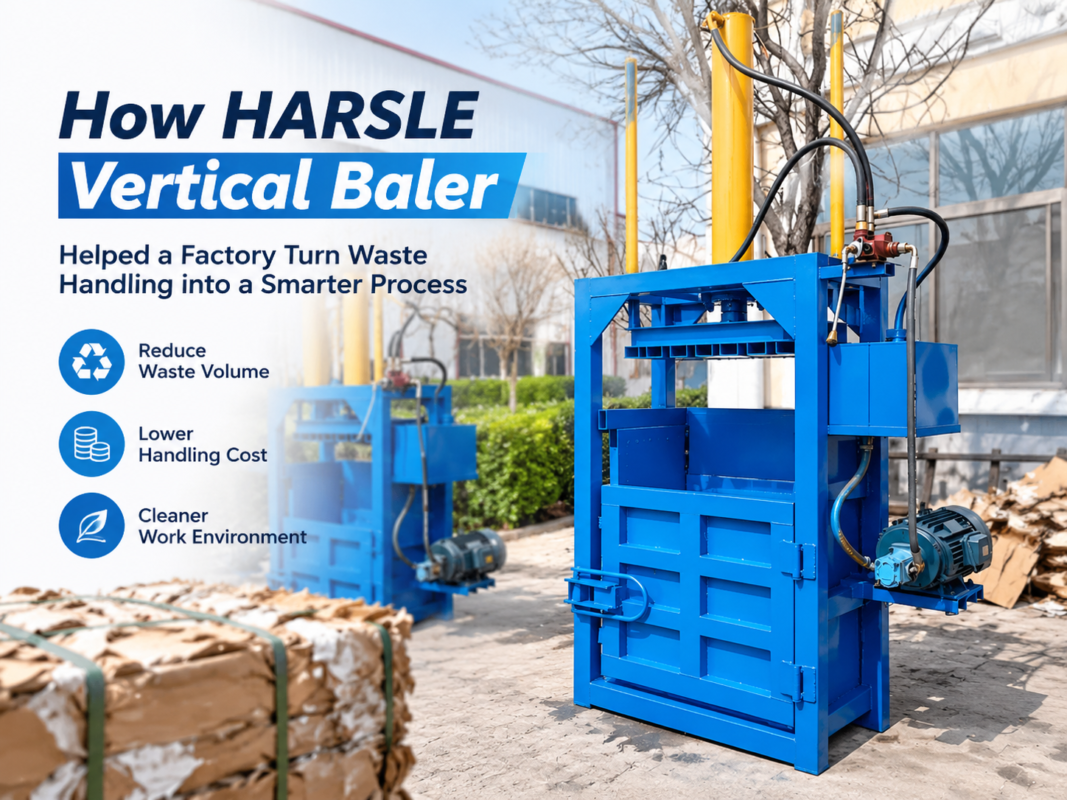
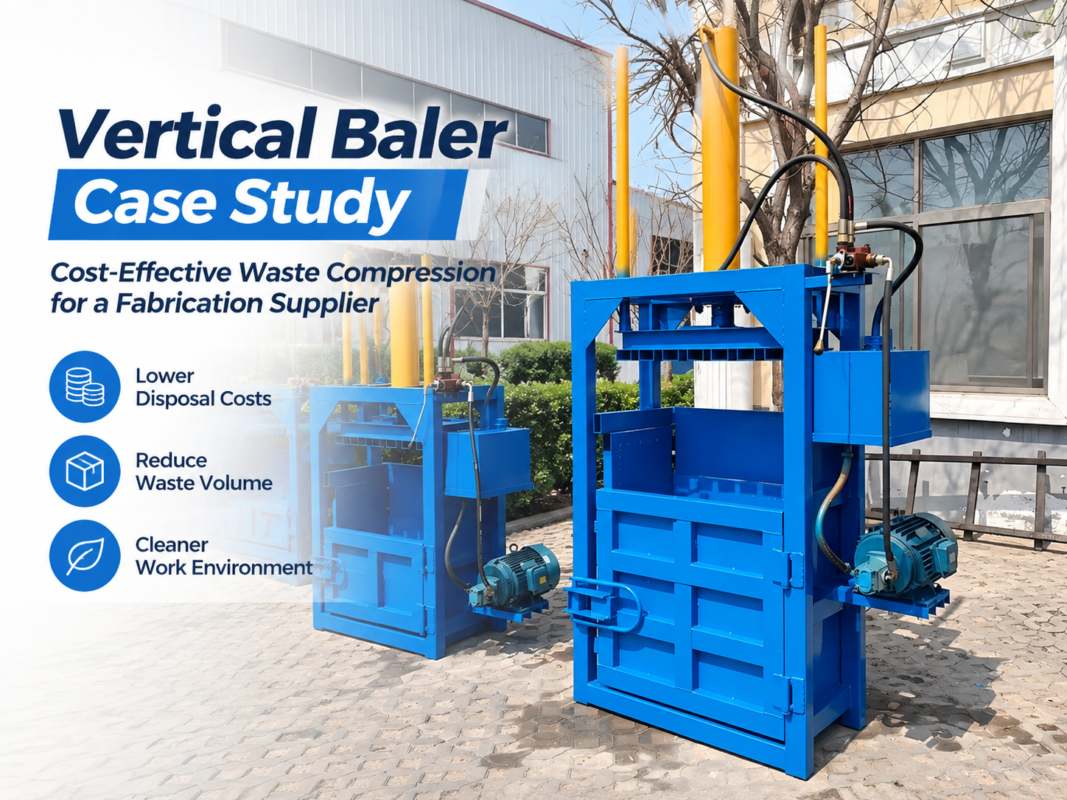
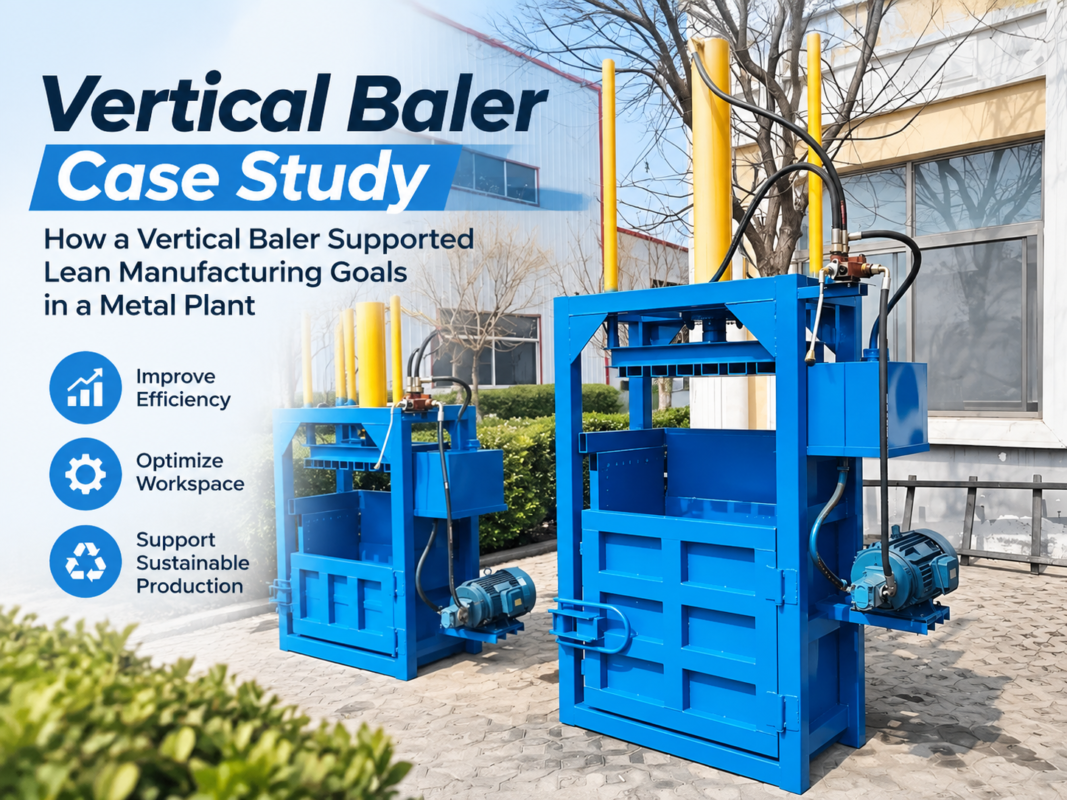
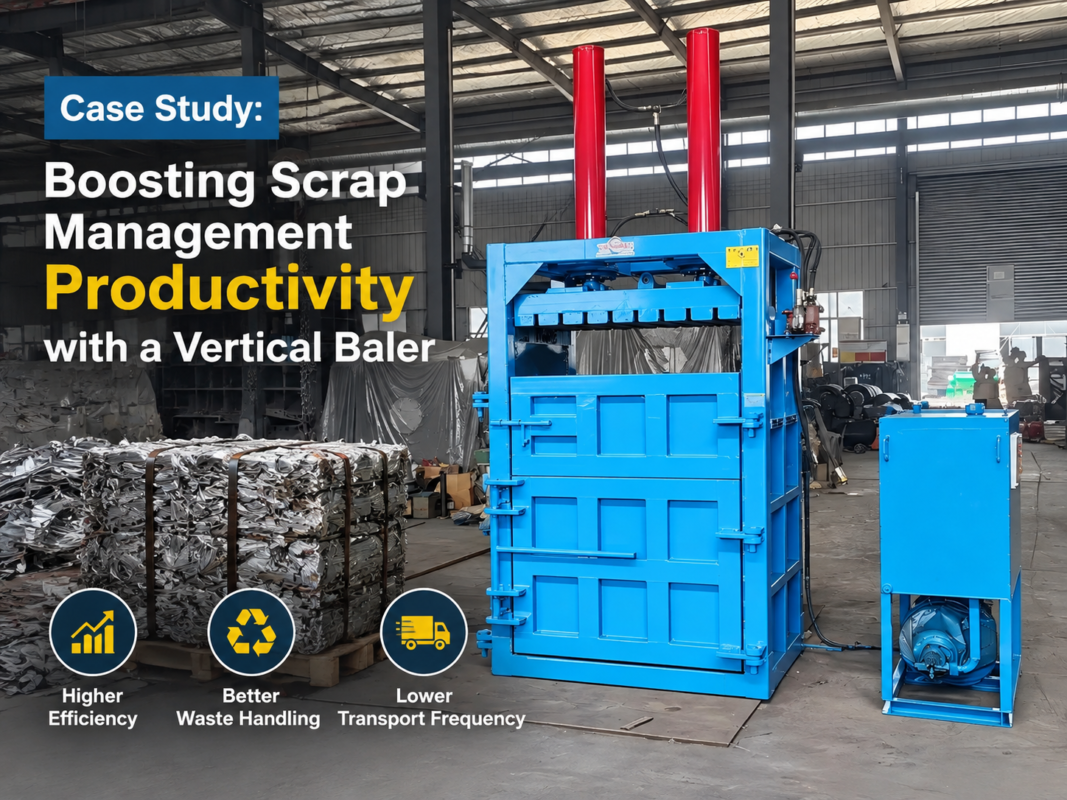
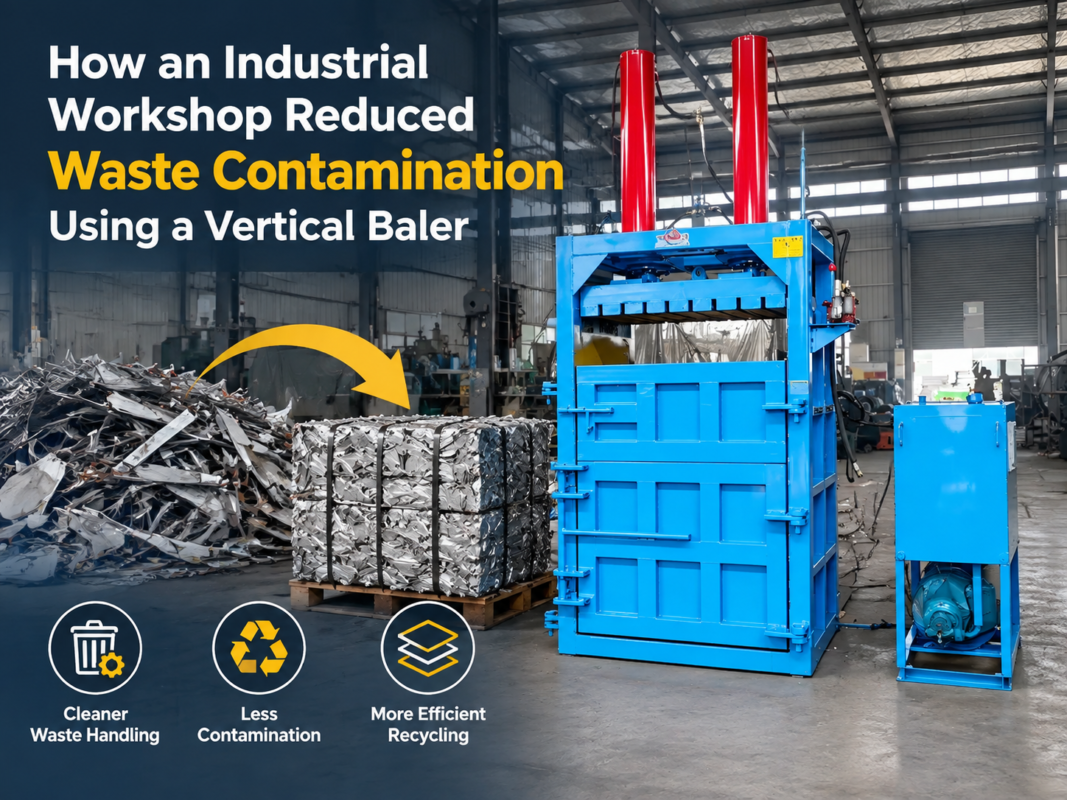
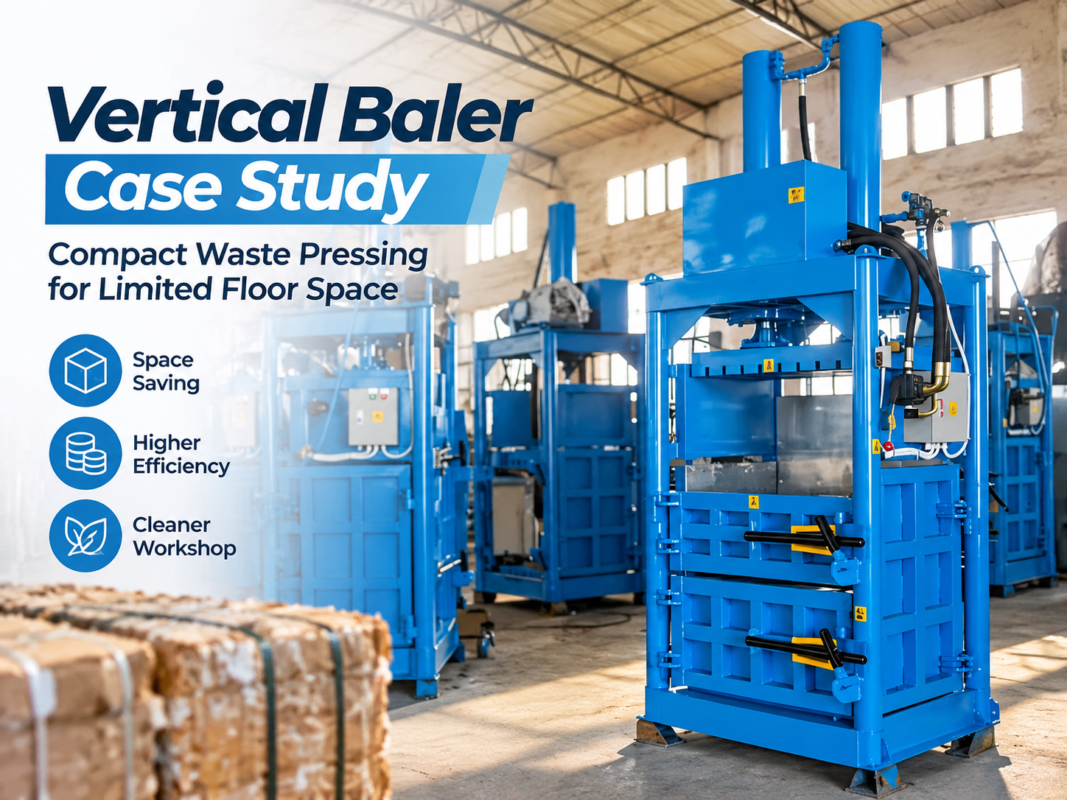
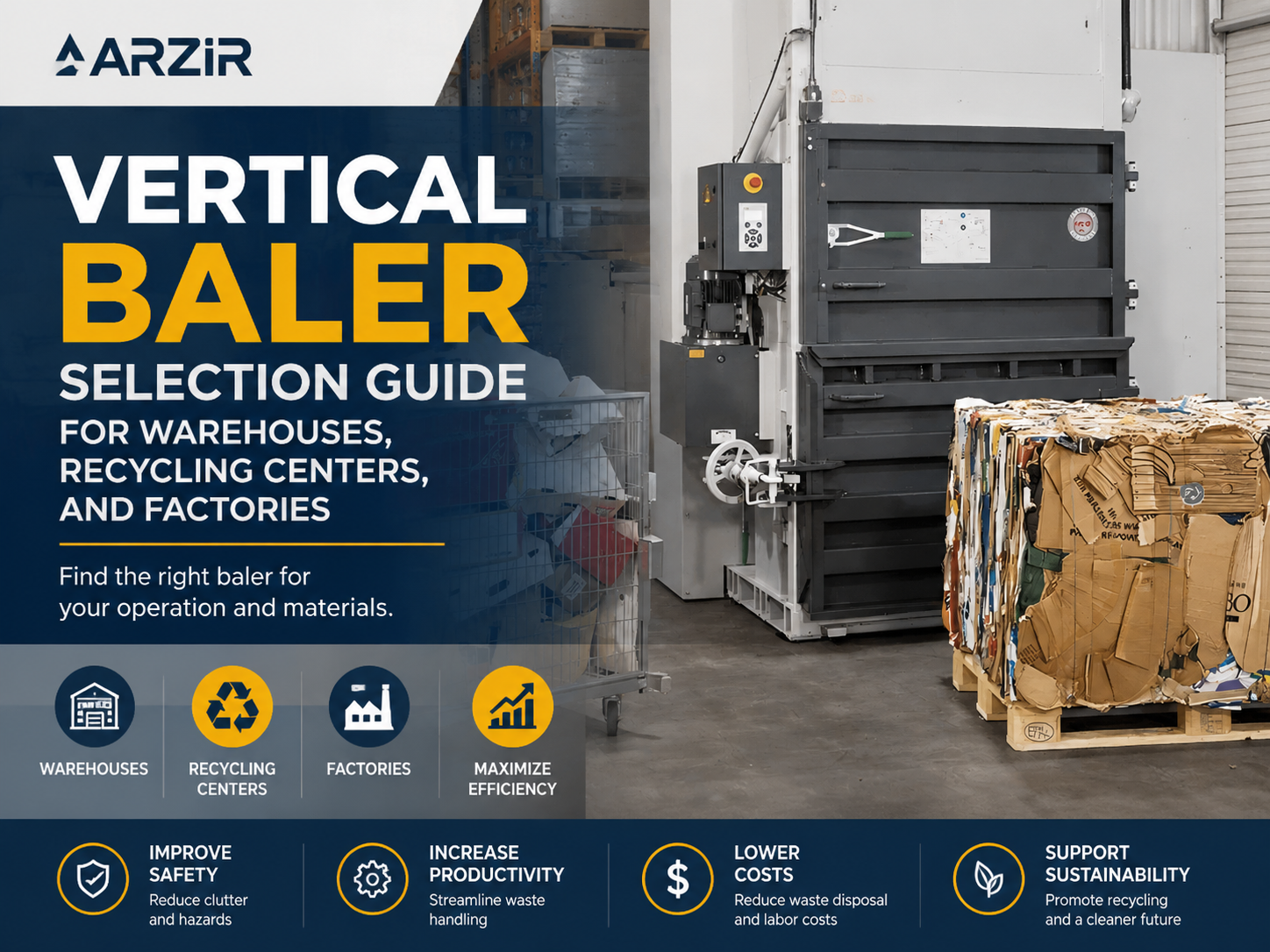
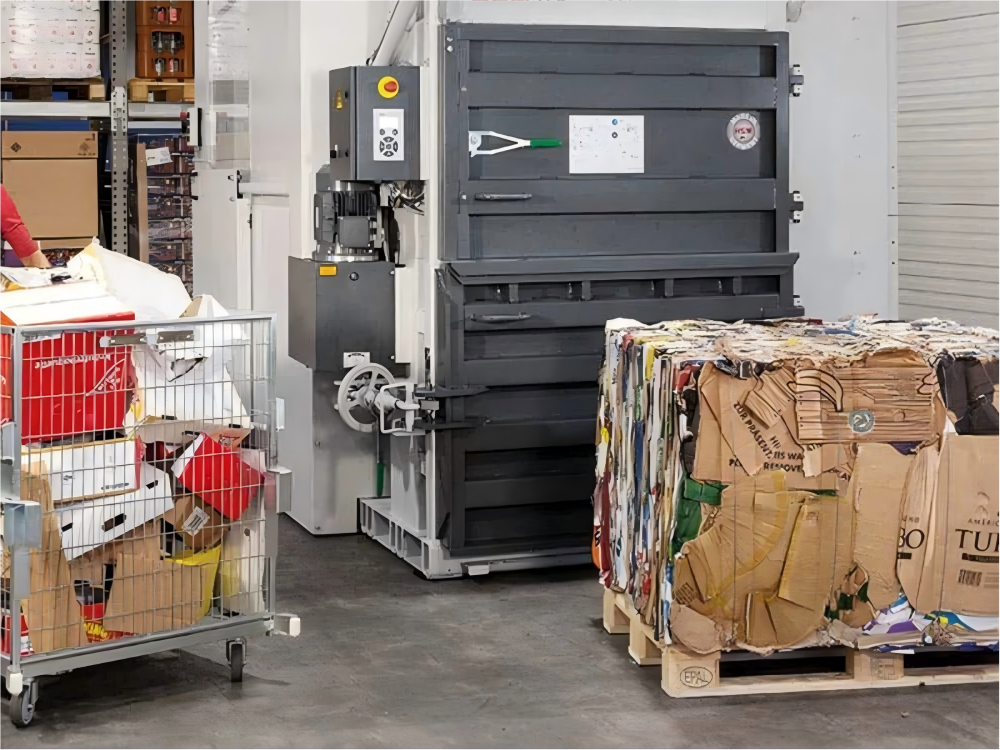
In the modern industrial landscape, efficient waste management is no longer just a matter of environmental responsibility; it is a critical component of operational efficiency and cost control. For warehouses, recycling centers, and factories, the accumulation of packaging materials, cardboard, plastics, and textile scraps can quickly become a logistical nightmare. This is where the vertical baler becomes an indispensable asset. A vertical baler is a powerful hydraulic machine designed to compress recyclable materials into dense, manageable blocks known as bales. By reducing the volume of waste, businesses can significantly lower disposal costs, reclaim valuable floor space, and even generate revenue by selling compacted recyclables to processing facilities.
Selecting the right vertical baler requires a deep understanding of your facility’s specific needs, the volume of waste generated, and the technical specifications of the machinery available. Whether you are managing a high-volume distribution center or a specialized manufacturing plant, the choice of equipment will impact your long-term ROI and labor productivity. This guide provides a comprehensive overview of the selection process, focusing on the unique requirements of warehouses, recycling centers, and factories, while highlighting the technical nuances that differentiate a standard machine from a high-performance industrial solution.
Price Range Overview: Understanding the Investment
The price of a vertical baler can vary significantly based on its compression force, chamber size, and automation features. Generally, the market is divided into three primary categories: entry-level/small-scale balers, mid-range industrial balers, and heavy-duty high-capacity balers. Understanding these price brackets is the first step in budgeting for your waste management upgrade.
Entry-Level Balers ($2,500 – $6,000): These machines typically offer a compression force of 5 to 15 tons. They are ideal for small retail outlets or warehouses with limited waste output. These units produce smaller bales (often 100-200 lbs) that can be moved with a hand truck. While affordable, they are not suited for the rigorous demands of a 24/7 factory environment or high-volume recycling centers.
Mid-Range Industrial Balers ($7,000 – $15,000): This is the most common category for medium-sized warehouses and factories. With compression forces ranging from 20 to 50 tons, these machines can handle large volumes of cardboard (OCC) and plastic film. They often produce “mill-size” bales (typically 60 inches wide and weighing up to 1,000 lbs), which are the industry standard for maximizing transport efficiency and resale value.
Heavy-Duty and Specialized Balers ($16,000 – $35,000+): Designed for large-scale recycling centers and heavy manufacturing plants, these balers offer 60 to 100+ tons of pressure. They are built with reinforced steel frames and high-performance hydraulic systems to handle dense materials like aluminum cans, heavy plastics, or even light scrap metal. These units often feature advanced PLC controls and automated bale ejection systems to maximize throughput.
Main Cost Drivers in Vertical Baler Manufacturing
When comparing quotes from manufacturers like HARSLE, it is important to understand what drives the cost of the machine. The price is rarely just about the size of the box; it is about the engineering and components within.
- Hydraulic System Quality: The heart of the baler is its hydraulic pump and cylinder. High-quality machines use premium valves and heavy-duty cylinders designed for millions of cycles. A twin-cylinder design, for instance, provides more balanced pressure than a single-cylinder setup, reducing wear on the ram and frame but increasing the initial cost.
- Steel Grade and Frame Construction: A baler is subjected to immense internal pressure. High-end manufacturers use thicker, high-tensile steel and reinforced welding at critical stress points. A machine that weighs 20% more than a competitor’s model of the same size often indicates a more robust frame that will resist warping over years of heavy use.
- Motor Horsepower and Cycle Time: Time is money in a busy warehouse. A larger motor (e.g., 15HP vs. 5HP) allows for faster cycle times, meaning the ram moves down and up more quickly. This increases the number of bales produced per shift, which is a critical metric for high-volume operations.
- Safety Features and Certifications: Compliance with safety standards such as CE, ANSI, or OSHA adds to the manufacturing cost. Features like magnetic safety interlocks on doors, emergency stop buttons, and shielded hydraulic lines are essential for protecting operators and reducing corporate liability.
Configuration Impact: Tailoring the Machine to Your Workflow
The configuration of your vertical baler should align with the specific materials you process and the physical layout of your facility. A mismatch in configuration can lead to operational bottlenecks or premature equipment failure.
Chamber Size and Bale Dimensions
The chamber size determines the maximum size of the material you can feed into the machine without pre-shredding or folding. For warehouses dealing with large appliance boxes, a wide-mouth opening is essential. Furthermore, the bale size must be compatible with your downstream logistics. If you intend to sell your bales, most recyclers prefer “mill-size” bales (60″ x 30″ x 48″) because they fit perfectly into standard shipping containers and trailers, allowing for maximum weight density during transport.
Door Configurations: Manual vs. Automatic
Most vertical balers feature a manual loading door, but high-volume environments may benefit from automatic sliding doors or hydraulic gates. Automatic doors reduce the physical strain on the operator and can speed up the loading process. Additionally, the type of discharge door—whether it opens sideways or lifts upward—can impact the amount of floor space required in front of the machine.
Bale Ejection Systems
Removing a 1,000-lb bale from a machine can be dangerous if not handled correctly. Modern vertical balers often include an automatic bale ejector, which uses the hydraulic ram’s return stroke or a dedicated chain system to tip the bale onto a pallet. This feature is a must-have for factories and recycling centers where speed and safety are paramount.
Hidden Costs of Ownership
The purchase price of the machine is only one part of the total cost of ownership (TCO). To accurately calculate your budget, you must account for several often-overlooked expenses.
Shipping and Installation: Vertical balers are heavy, industrial machines. Freight costs can be significant, especially if specialized rigging or a crane is required to move the unit into a basement or an upper floor. Installation often requires a certified electrician to wire the machine into a 3-phase power supply.
Consumables: To keep a bale together, you need baling wire or high-strength twine. Depending on your volume, the cost of wire can add up to hundreds or thousands of dollars annually. Using the correct gauge of wire is also crucial; using wire that is too thin for a high-density bale can result in “bale bursts,” leading to safety hazards and wasted labor.
Maintenance and Wear Parts: Like any hydraulic machinery, vertical balers require regular maintenance. This includes hydraulic oil changes, filter replacements, and lubrication of moving parts. Over time, the wear plates inside the chamber may need replacement. Choosing a reputable brand like HARSLE ensures that spare parts are readily available, reducing potential downtime.
ROI Calculation: How a Baler Pays for Itself
For most warehouses and factories, a vertical baler is an investment that pays for itself within 12 to 24 months. The Return on Investment (ROI) is driven by three primary factors: labor savings, waste removal savings, and recycling revenue.
Labor Efficiency
Without a baler, employees often spend hours breaking down boxes manually and walking them to an outdoor dumpster. With a vertical baler located near the source of the waste, employees can simply toss the material into the machine. This can save dozens of man-hours per week, allowing staff to focus on core tasks like picking, packing, or production.
Reduced Disposal Fees
Waste management companies charge based on the number of pickups and the volume of the dumpsters. By compacting cardboard and plastic at a ratio of up to 10:1, you can significantly reduce the frequency of trash pickups. In many cases, businesses can switch from a daily pickup schedule to a weekly or bi-weekly schedule, saving thousands of dollars in hauling fees.
Revenue Generation
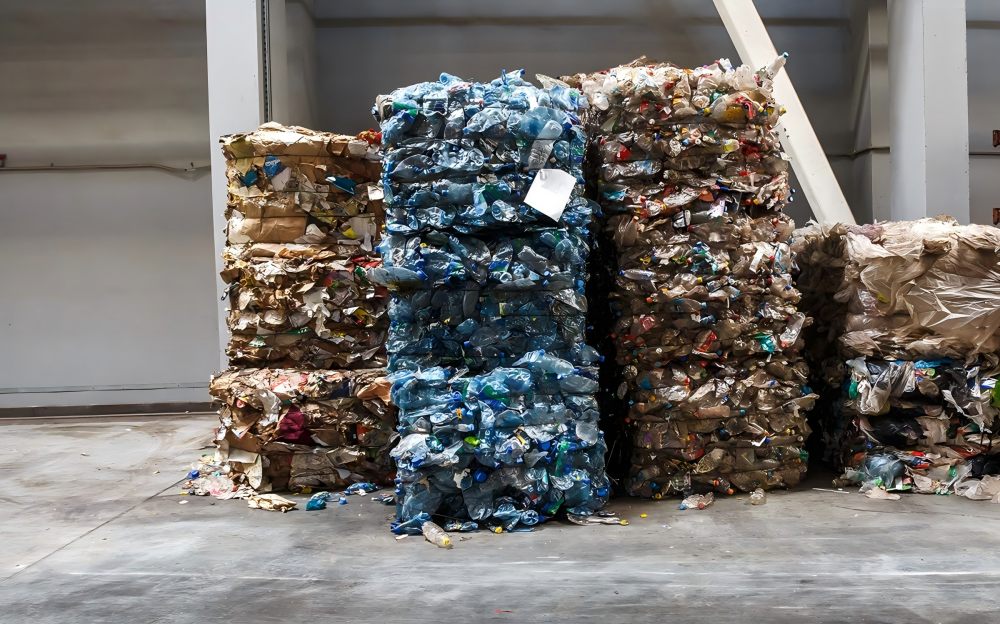
Loose cardboard is often seen as trash, but compacted mill-size bales are a commodity. Depending on market prices, recycling centers will pay for high-quality, clean bales of cardboard (OCC), LDPE plastic, or aluminum. Instead of paying to have waste removed, your facility can turn its waste stream into a consistent revenue source.
Buying Advice: Choosing the Right Partner
When you are ready to purchase, keep the following checklist in mind to ensure you get the best value for your investment:
- Assess Your Volume: Track your waste output for at least two weeks. If you produce more than 5 tons of cardboard per week, a heavy-duty 60-inch baler is likely the most efficient choice.
- Material Specificity: Not all balers are created equal. If you are baling expanding materials like plastic film or tires, you need a machine with “retainer dogs” (teeth that hold the material down) and a longer stroke to ensure the bale stays compressed.
- Space Constraints: Measure your ceiling height. Vertical balers require significant overhead clearance for the hydraulic cylinder when it is in the fully extended (upward) position. If you have low ceilings, look for “low-profile” models.
- Service and Support: Buy from a manufacturer or distributor that offers technical support and a solid warranty. Industrial machinery will eventually need service, and having a partner like HARSLE ensures you won’t be left with a non-functional machine during peak season.
Frequently Asked Questions (FAQ)
1. What is the difference between a vertical and horizontal baler?
Vertical balers are loaded from the front and compress material downward. they take up less floor space and are generally more affordable, making them ideal for warehouses and retail. Horizontal balers are loaded from the top (often via a conveyor) and compress material sideways. They are designed for much higher volumes and continuous operation, typically found in large-scale recycling plants.
2. Can I bale different materials in the same machine?
Yes, most vertical balers are versatile. You can bale cardboard, plastic wrap, and even textiles in the same machine. However, you must not mix materials within a single bale. You should run a full cycle of cardboard, eject the bale, and then switch to plastic. Some materials, like aluminum cans, may require a specialized “liquid extraction” baler or a heavy-duty model with a reinforced floor.
3. What electrical requirements do I need for an industrial baler?
Small balers may run on standard 110V or 220V single-phase power. However, most industrial-grade vertical balers require 208V, 230V, or 460V three-phase power. It is essential to consult with an electrician before purchase to ensure your facility’s electrical panel can handle the load.
4. How long does a typical vertical baler last?
With proper maintenance, a high-quality vertical baler from a reputable manufacturer can last 15 to 20 years or more. The lifespan depends heavily on the volume of material processed and the consistency of hydraulic oil changes and structural inspections.
5. Is operator training required?
Yes. While vertical balers are relatively simple to operate, they are powerful machines capable of causing serious injury if misused. Operators should be trained on proper loading techniques, how to safely tie off bales, and how to use the ejection system. Most manufacturers provide safety manuals and instructional videos to assist with this process.
6. How do I know when the bale is finished?
Most modern balers include a “bale full” indicator light. This sensor detects when the ram has reached a certain point in the chamber, signaling that the bale has reached its target density and size. At this point, the operator stops loading and begins the tying process.