Comprehensive Guide: How to Troubleshoot Uneven Bale Density in a Recycling Baler

Introduction to Bale Density Challenges in Recycling
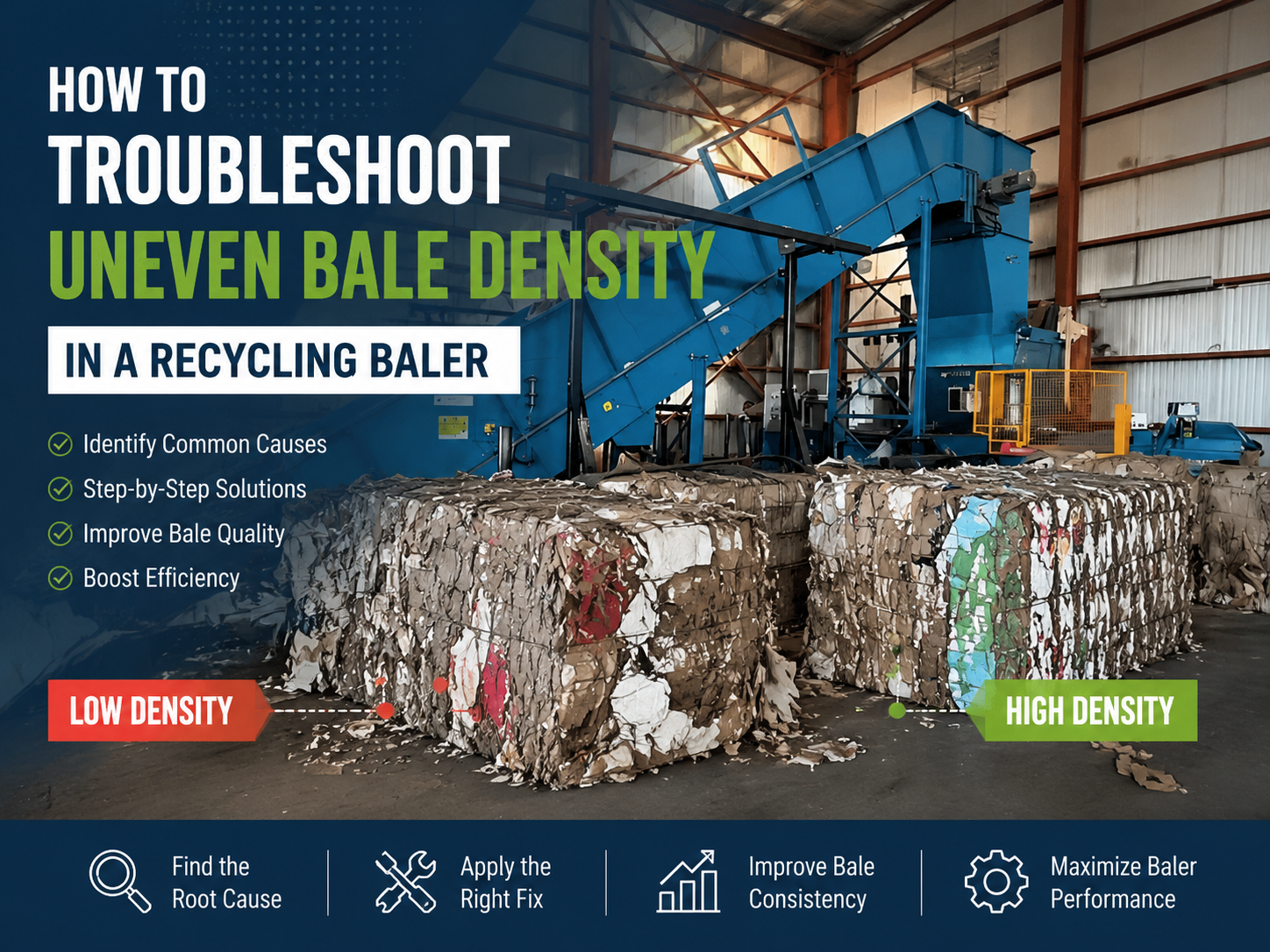
In the world of waste management and metal fabrication, the efficiency of a recycling operation is often measured by the quality and consistency of the bales produced. Achieving high-density, uniform bales is not merely a matter of aesthetics; it is a critical economic factor. High-density bales maximize shipping container space, reduce transportation costs, and are often required by mills and recycling centers for processing. However, operators frequently encounter a frustrating issue: uneven bale density. When you need to troubleshoot uneven bale density in a recycling baler, you are looking at a problem that can stem from mechanical failure, hydraulic inconsistency, or improper operational procedures.
Uneven density typically manifests as bales that are ‘lopsided,’ softer on one side, or structurally unstable, leading to ‘explosions’ when the wires are cut or during transport. For companies using HARSLE machinery, maintaining the precision of these industrial workhorses is paramount. This guide provides a deep dive into the technicalities of why density fluctuates and how to systematically address these issues to ensure your recycling baler operates at peak performance. Whether you are dealing with cardboard, plastics, or scrap metal, the principles of density management remain consistent across the board.
Key Considerations for Consistent Baling
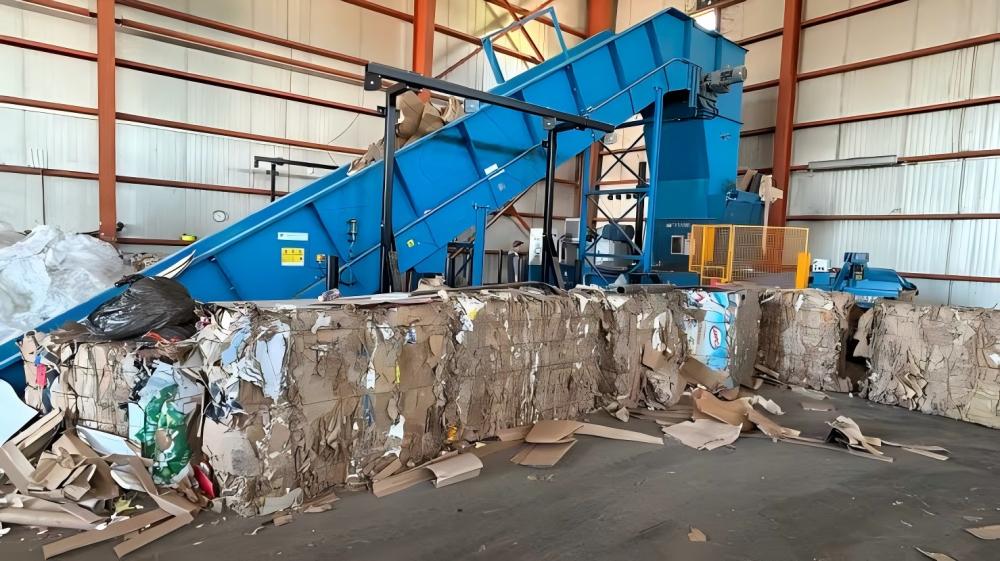
Before diving into the mechanical troubleshooting, it is essential to understand the external factors that influence how a baler compresses material. The first consideration is the material composition. Not all recyclables behave the same under pressure. For instance, corrugated cardboard has a high ‘memory’ and tends to spring back, whereas soft plastics might compress easily but slide around the chamber. If the material feed is a mix of different types, the baler may struggle to apply uniform pressure, resulting in uneven density throughout the bale.
Another critical factor is moisture content. Wet material is significantly heavier and less compressible than dry material. If one batch of material is damp and the next is dry, the hydraulic system will register different pressure levels, leading to inconsistent bale weights and densities. Furthermore, the feeding method plays a massive role. If a conveyor belt dumps material into only one side of the hopper, the platen will meet more resistance on that side. Even with heavy-duty guides, this uneven resistance can cause the platen to tilt slightly or apply force unevenly, which is a primary cause of lopsided bales.
Finally, consider the ambient temperature. Industrial recycling balers rely on hydraulic oil. In extremely cold environments, the oil viscosity increases, which can slow down valve response times and affect the pressure sensors’ accuracy. Conversely, overheating oil can lose its lubricating properties and lead to internal leakage within the cylinders. Monitoring the operating environment is just as important as monitoring the machine itself when you troubleshoot uneven bale density in a recycling baler.
Technical Details of the Baling Process
To effectively troubleshoot, one must understand the internal mechanics of the baler. The core components involved in density control are the hydraulic pump, the directional control valves, the main compression cylinder, and the platen. In a HARSLE recycling baler, these components are engineered for high-tonnage applications, but they are still subject to wear and tear. The hydraulic system works by converting electrical energy into fluid power, which then moves the platen. The density is determined by the system pressure setting, usually controlled by a relief valve or a pressure transducer connected to a PLC (Programmable Logic Controller).
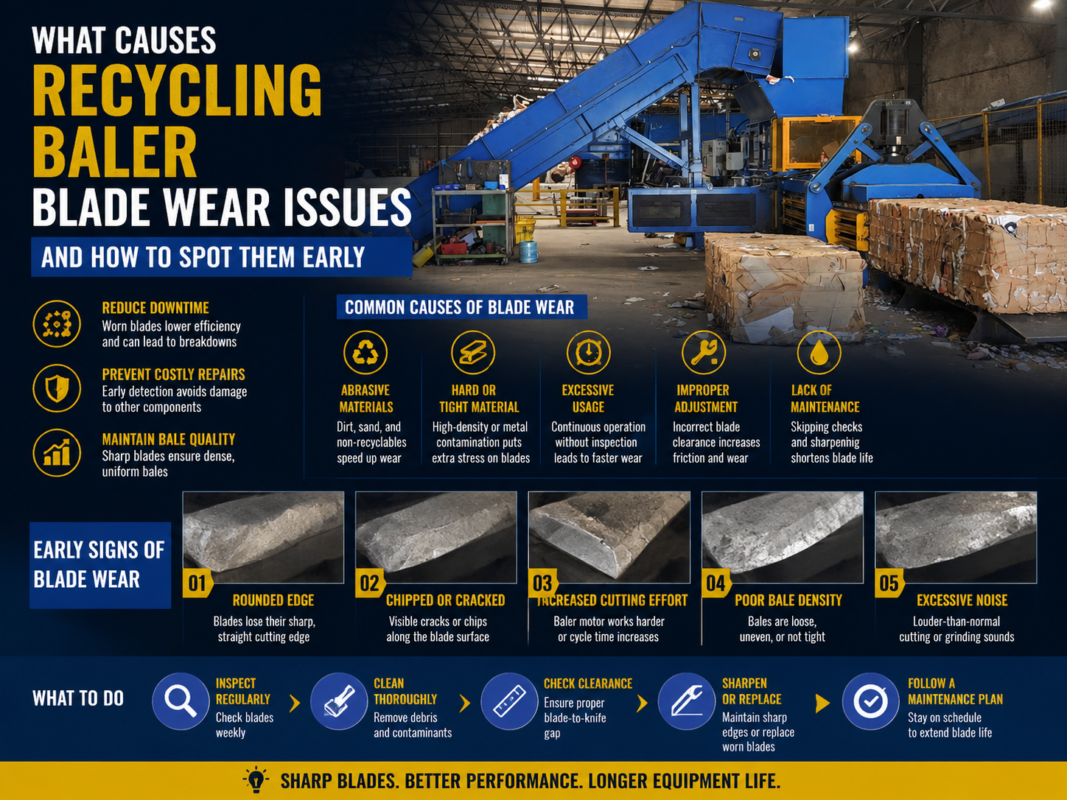
The platen alignment is perhaps the most technical aspect of density troubleshooting. The platen is the large steel plate that pushes the material. It travels on wear liners or guides. If these liners become worn or if debris gets trapped behind them, the platen may not travel perfectly square to the chamber. Even a few millimeters of deviation can result in a significant density gradient across the face of the bale. Additionally, the shear blades at the top of the chamber must be sharp. Their job is to cut off excess material as the platen moves forward. If they are dull, they will ‘pinch’ material instead of cutting it, creating a wedge of high-resistance material on one side of the chamber.
The Role of Hydraulic Pressure and Sensors
Modern balers use sophisticated sensors to determine when a bale has reached the desired density. A pressure transducer monitors the hydraulic line. When the pressure reaches a pre-set limit (e.g., 2500 PSI), the PLC signals the platen to retract or the tying cycle to begin. If this sensor is out of calibration, it may trigger too early or too late. Furthermore, internal leaks in the hydraulic cylinder—specifically past the piston seals—can cause a drop in effective force. This means that while the gauge might show high pressure, the actual force being applied to the material is insufficient, leading to soft, low-density bales.
Step-by-Step: How to Troubleshoot Uneven Bale Density
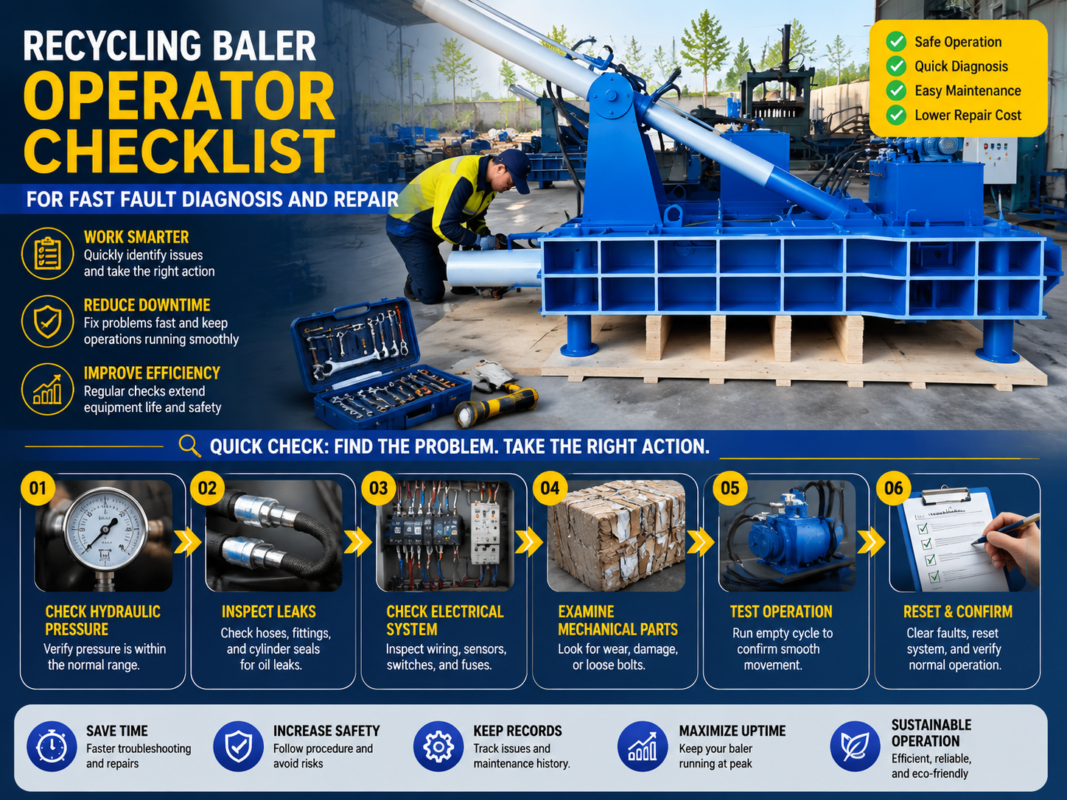
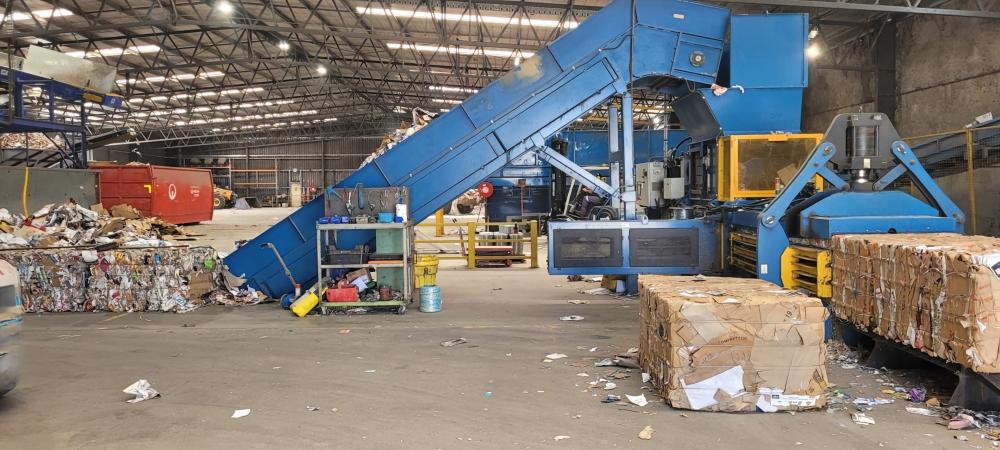
When you encounter inconsistent results, follow this systematic approach to identify the root cause. This process is designed to move from the simplest external factors to the most complex internal mechanical issues.
Step 1: Inspect the Material Feed
Observe the hopper during a full cycle. Is the material being distributed evenly across the width of the chamber? If you are using a conveyor, ensure it is centered. If manual feeding is used, instruct operators to spread the material. Uneven loading is the cause of nearly 40% of density issues. Check for ‘bridging,’ where material gets stuck in the upper part of the hopper, causing the platen to strike empty space on one side and dense material on the other.
Step 2: Check Hydraulic System Integrity
Examine the pressure gauges during the compression stroke. The pressure should rise steadily and peak at the manufacturer’s recommended setting. If the pressure fluctuates wildly, there may be air in the hydraulic lines or a failing pump. Inspect all hoses and fittings for leaks. Even a small ‘weeping’ leak can lead to a loss of pressure over time. Check the hydraulic oil level and its condition; if the oil looks milky, it is contaminated with water and must be replaced immediately.
Step 3: Evaluate Platen and Wear Liners
With the machine safely locked out (LOTO), inspect the gap between the platen and the chamber walls. It should be uniform on all sides. Look for signs of ‘scuffing’ on the chamber walls, which indicates the platen is tilting. If the wear liners are thin or missing, the platen will wobble under load. Replacing wear liners is a standard maintenance task that significantly improves bale squareness and density consistency.
Step 4: Sharpen or Adjust Shear Blades
Dull shear blades increase the load on the hydraulic system and cause uneven material distribution. Check the clearance between the moving blade (on the platen) and the stationary blade (on the frame). If the gap is too wide, material will get pulled into the gap, causing a jam or an uneven ‘hump’ at the top of the bale. Sharpen the blades or rotate them if they have multiple cutting edges.
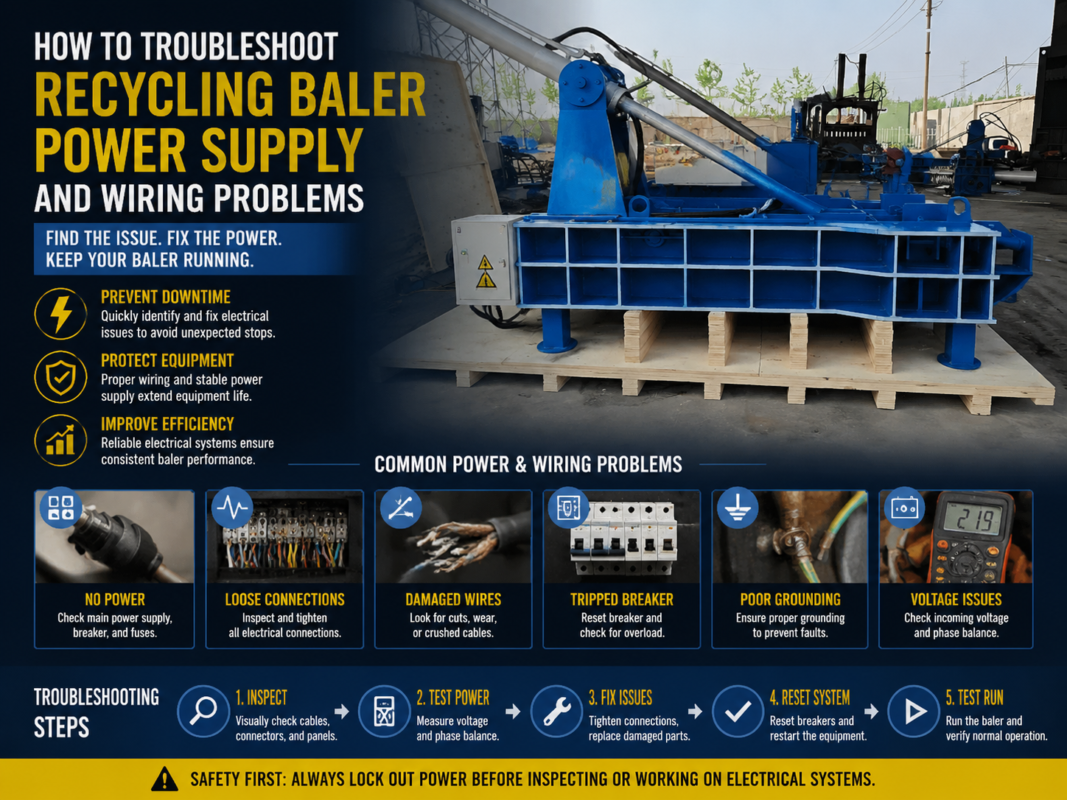
Step 5: Calibrate the PLC and Sensors
If the mechanical and hydraulic systems appear sound, the issue may be electronic. Check the settings on the HMI (Human Machine Interface). Ensure the ‘Full Bale’ pressure setting hasn’t been accidentally lowered. If the baler uses a laser or ultrasonic sensor to measure bale length, ensure the lens is clean. A dirty sensor can give false readings, causing the machine to stop the compression cycle prematurely.
| Problem Observed | Potential Root Cause | Recommended Action |
|---|---|---|
| Bale is soft on one side | Uneven material feeding | Adjust conveyor or manual loading pattern |
| Bale expands significantly after tying | Low hydraulic pressure | Check relief valve and pump output |
| Platen makes a grinding noise | Worn wear liners | Replace liners and lubricate guides |
| Bale length varies wildly | Faulty length sensor | Clean or recalibrate the length sensor |
| Hydraulic oil overheating | Internal cylinder bypass | Inspect and replace piston seals |
Selection Advice for High-Performance Balers
When purchasing a new recycling baler, choosing a machine designed to prevent density issues is better than fixing them later. HARSLE recommends looking for several key features that ensure long-term consistency. First, prioritize a heavy-duty frame construction. A frame that flexes under pressure will never produce a consistent bale. Look for reinforced chambers and high-grade steel components.
Second, consider the hydraulic manifold design. Modern balers with regenerative hydraulic circuits offer faster cycle times and more consistent pressure application. An integrated oil cooling system is also vital for operations running multiple shifts, as it keeps the oil at an optimal viscosity. Third, look for advanced PLC controls. Systems that allow for ‘material profiles’ are incredibly useful; for example, you can have a specific setting for ‘Aluminum Cans’ and another for ‘Cardboard,’ which automatically adjusts the pressure and timing for each material type.
Finally, evaluate the ease of maintenance. Are the wear liners easily accessible? Can the shear blades be adjusted without dismantling the entire hopper? A machine that is easy to maintain is more likely to be kept in top condition by the operators. HARSLE’s range of recycling balers is designed with these ‘maintenance-first’ principles, ensuring that when you do need to troubleshoot uneven bale density in a recycling baler, the process is straightforward and fast.
Frequently Asked Questions (FAQ)
Why is my baler producing ‘banana’ shaped bales?
Banana-shaped or curved bales are almost always caused by uneven feeding or a misaligned platen. If more material is packed into the bottom of the chamber than the top (or vice versa), the bale will curve as it exits the machine. Ensure the material is distributed evenly and check that the platen is traveling straight.
How often should I check the hydraulic pressure?
Hydraulic pressure should be monitored daily via the built-in gauges. A formal inspection of the relief valves and pressure transducers should be conducted monthly as part of a preventative maintenance program. If you notice a sudden change in bale density, the pressure check should be your first troubleshooting step.
Can the type of baling wire affect density?
While the wire doesn’t affect the *compression* density, it affects the *retained* density. If the wire is too thin or of low quality, it may stretch or break, allowing the bale to expand. Always use the gauge and tensile strength of wire recommended by the manufacturer for your specific material type.
What is the ideal moisture content for baling cardboard?
Ideally, cardboard should have a moisture content below 15%. Anything higher makes the cardboard ‘mushy,’ which prevents the fibers from interlocking during compression. This results in a bale that feels heavy but lacks structural integrity and density once it dries out.
Conclusion: Maintaining Peak Baling Efficiency
To troubleshoot uneven bale density in a recycling baler requires a blend of mechanical intuition and systematic testing. By understanding the relationship between material feed, hydraulic pressure, and mechanical alignment, operators can quickly identify and rectify issues that lead to poor bale quality. Consistent density is not just about meeting shipping requirements; it is about the safety of your staff and the longevity of your equipment. A baler that is struggling with uneven loads is a baler that is experiencing unnecessary stress on its frame and hydraulics.
Regular maintenance remains the most effective tool against density fluctuations. Keeping shear blades sharp, wear liners fresh, and hydraulic oil clean will prevent the majority of problems before they start. As a leader in metal fabrication and recycling machinery, HARSLE is committed to providing the tools and knowledge necessary for businesses to thrive. By following the steps outlined in this guide, you can ensure that your recycling operation remains productive, cost-effective, and capable of producing the high-quality bales that the global market demands. Remember, a well-maintained machine is the backbone of a profitable recycling business.