Recycling Baler Overheating Issues: What Causes Them and How to Solve Them

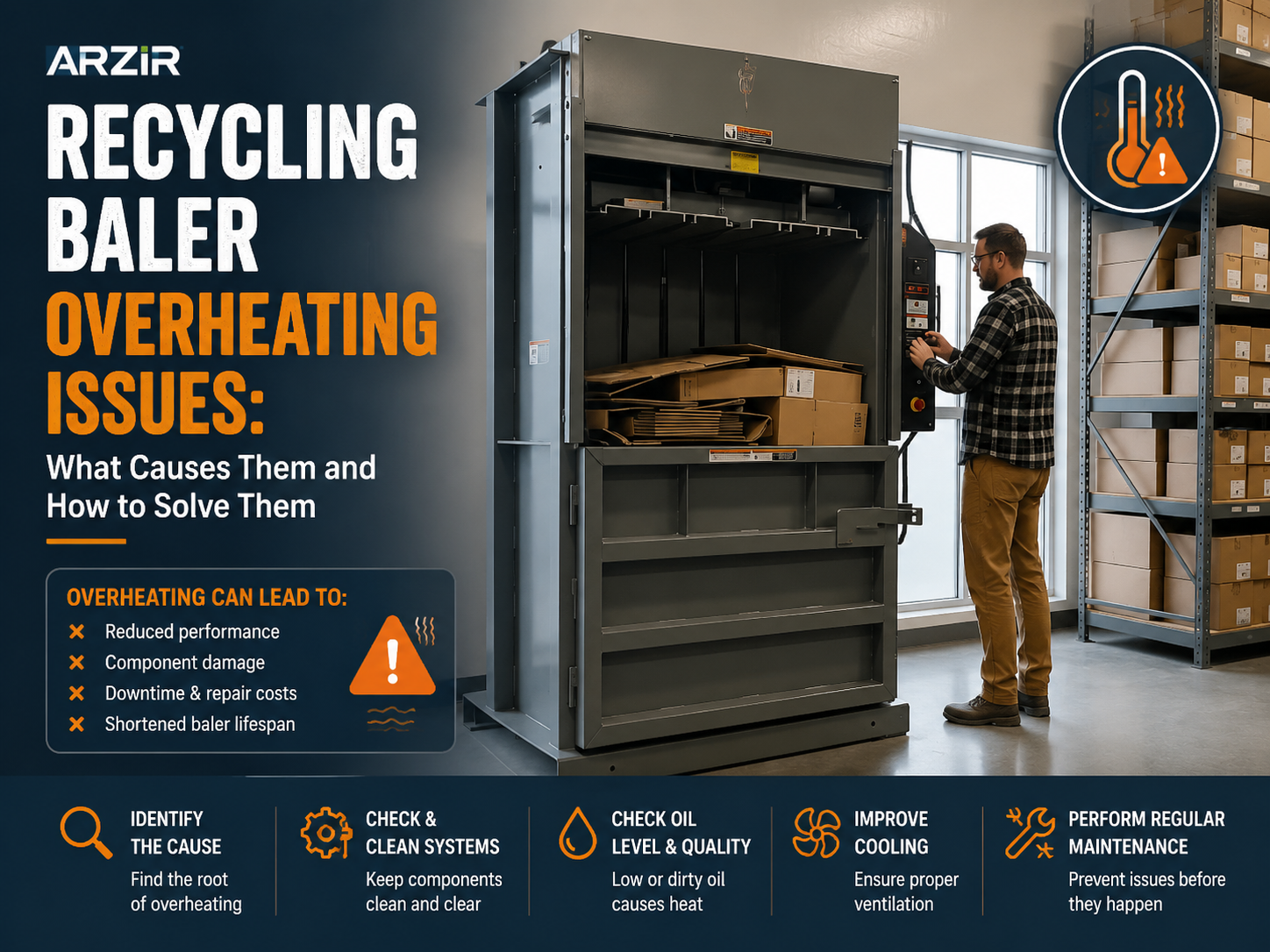
Introduction to Recycling Baler Thermal Management
In the demanding world of waste management and metal fabrication, the recycling baler stands as a cornerstone of efficiency. Whether processing cardboard, plastics, or scrap metal, these machines rely heavily on high-pressure hydraulic systems to compress materials into manageable bales. However, one of the most persistent challenges faced by operators is the phenomenon of overheating. When a recycling baler exceeds its optimal operating temperature, it doesn’t just slow down; it risks catastrophic component failure, degraded oil quality, and significant financial losses due to unplanned downtime.
Understanding Recycling Baler Overheating Issues: Causes Them Solve Them is essential for any facility manager or machine operator. Heat is a natural byproduct of hydraulic energy conversion, but when the system cannot dissipate this heat faster than it is generated, the temperature of the hydraulic fluid rises. This leads to a cascade of mechanical issues. At HARSLE, we emphasize that a well-maintained thermal profile is the key to longevity and consistent performance in industrial machinery. This guide will delve deep into the technical reasons behind thermal spikes and provide actionable solutions to keep your baler running cool.
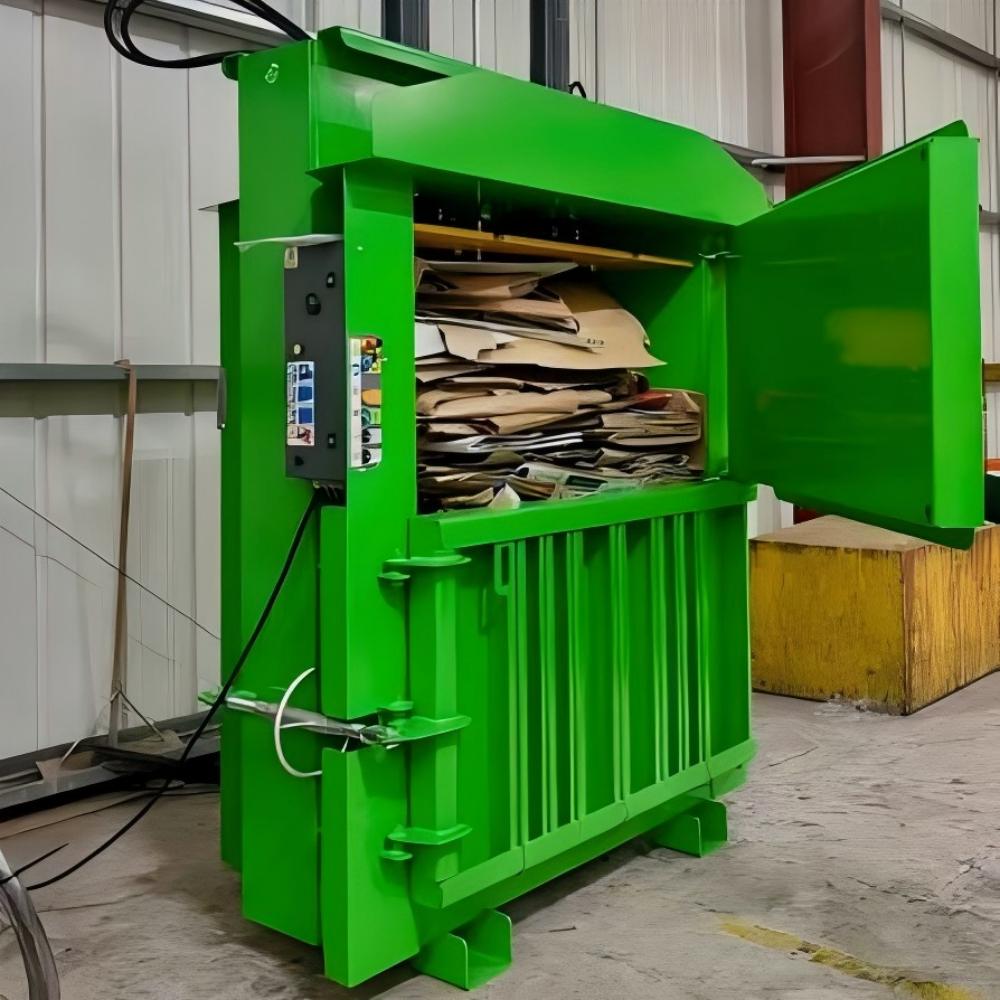
The impact of overheating extends beyond the immediate mechanical strain. It affects the chemical stability of the hydraulic oil, leading to oxidation and the formation of sludge. This sludge can clog fine orifices in valves and accelerate the wear of pumps and cylinders. By the time an operator notices a ‘high temperature’ alarm, internal damage may already be occurring. Therefore, a proactive approach to thermal management is not just a maintenance task—it is a critical operational strategy for modern recycling facilities.
Key Considerations: Why Overheating is a Critical Threat
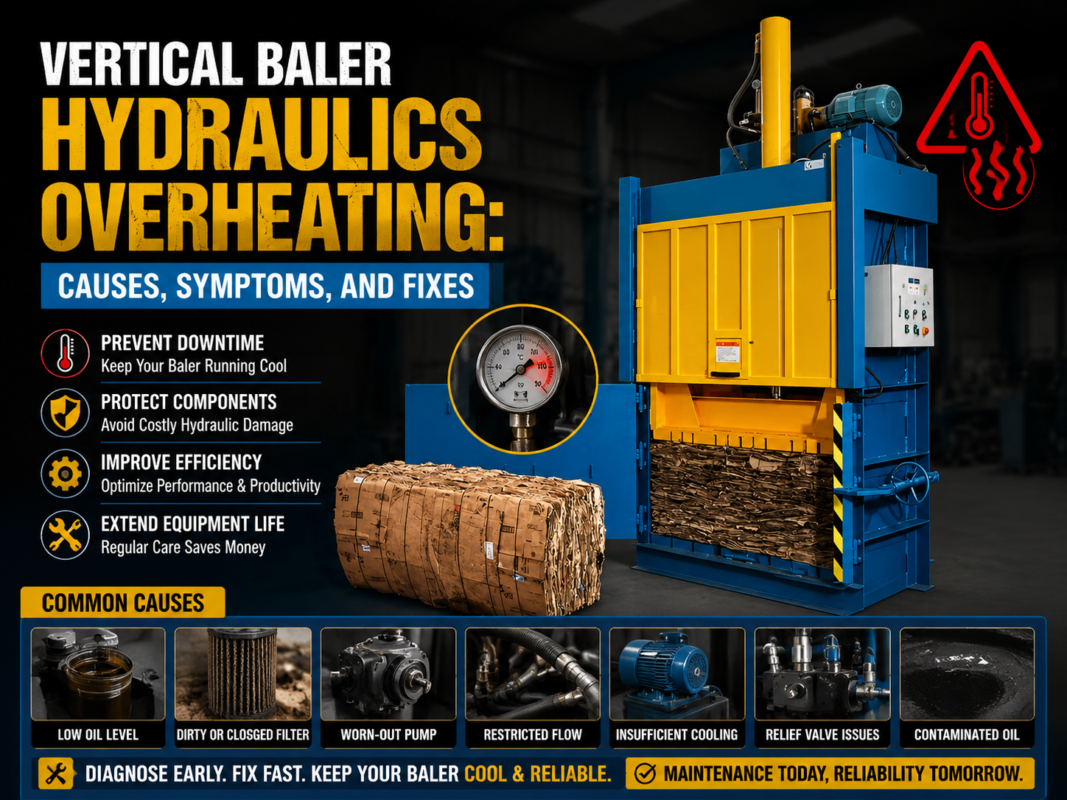
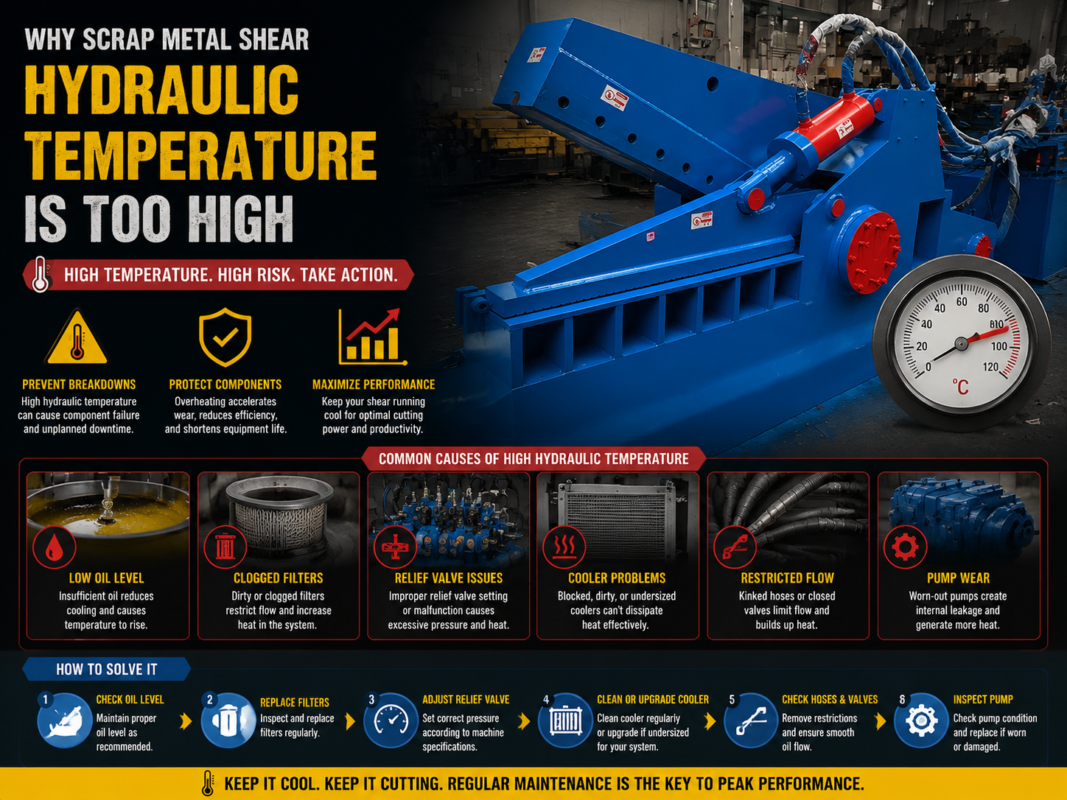
When discussing Recycling Baler Overheating Issues: Causes Them Solve Them, we must first recognize the threshold of danger. Most industrial hydraulic systems are designed to operate between 40°C and 60°C (104°F to 140°F). Once the temperature exceeds 65°C (150°F), the viscosity of the hydraulic fluid drops significantly. This ‘thinning’ of the oil reduces its lubricating properties, leading to increased friction between moving parts, which in turn generates even more heat—a destructive feedback loop.
Furthermore, high temperatures are the primary enemy of seals and gaskets. Most standard hydraulic seals are made of nitrile or polyurethane, materials that begin to harden and become brittle when exposed to excessive heat over prolonged periods. Once a seal loses its elasticity, internal and external leaks occur. Internal leakage in a cylinder or valve allows high-pressure oil to bypass the intended path, converting pressure energy directly into heat without doing any useful work, further exacerbating the overheating problem.
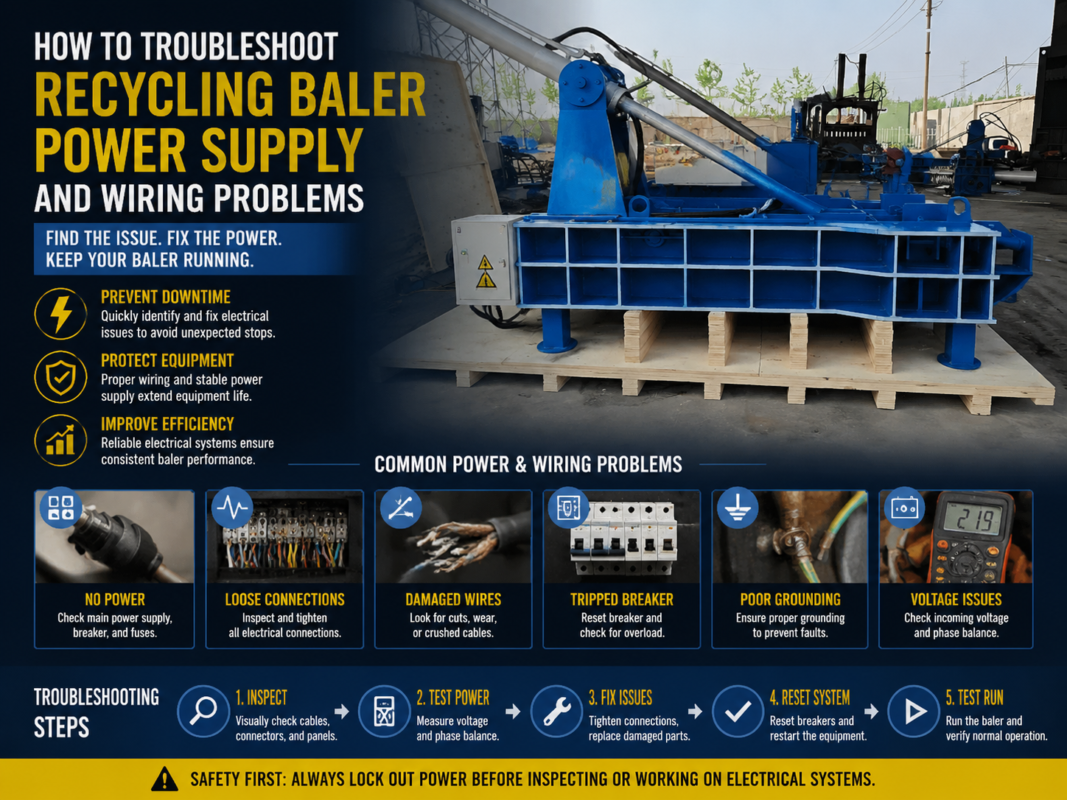
Another consideration is the efficiency of the electric motor. As the ambient temperature around the baler rises due to hydraulic heat radiation, the motor’s ability to cool itself diminishes. This can lead to motor windings overheating, tripping circuit breakers, or even causing motor burnout. In a high-volume recycling environment, a single hour of downtime can disrupt the entire supply chain, making the prevention of overheating a top priority for operational continuity.
Technical Details: Primary Causes of Overheating
1. Hydraulic Fluid Viscosity and Quality
The choice of hydraulic oil is fundamental to thermal stability. If the oil’s viscosity is too high (too thick), it creates excessive internal friction as it moves through the pipes and valves. Conversely, if the viscosity is too low (too thin), the pump must work harder to maintain pressure, and internal leakage increases. Both scenarios result in heat generation. Over time, oil also loses its anti-foaming and anti-oxidation additives. Contaminated oil, containing water or particulate matter, increases friction and reduces the efficiency of heat exchangers, leading to rapid temperature climbs.
2. Inefficient Cooling Systems
Most recycling balers utilize either air-cooled or water-cooled heat exchangers. In air-cooled systems, the most common cause of overheating is a clogged radiator or a failing fan motor. In the dusty environment of a recycling center, debris, lint, and metal dust quickly coat the cooling fins, insulating the heat and preventing dissipation. In water-cooled systems, mineral scale buildup inside the heat exchanger tubes (calcification) can restrict water flow and reduce thermal transfer efficiency significantly.
3. Pressure Relief Valve Misconfiguration
The pressure relief valve is a safety component designed to divert oil back to the reservoir when the system pressure exceeds a set limit. However, if the relief valve is set too low, or if it is stuck in a partially open position, oil is constantly forced through a narrow orifice at high pressure. This process, known as ‘throttling,’ converts nearly 100% of the energy into heat. This is a common ‘hidden’ cause of overheating where the machine appears to be working normally but the oil temperature skyrockets during the compression cycle.
4. Pump Wear and Internal Leakage
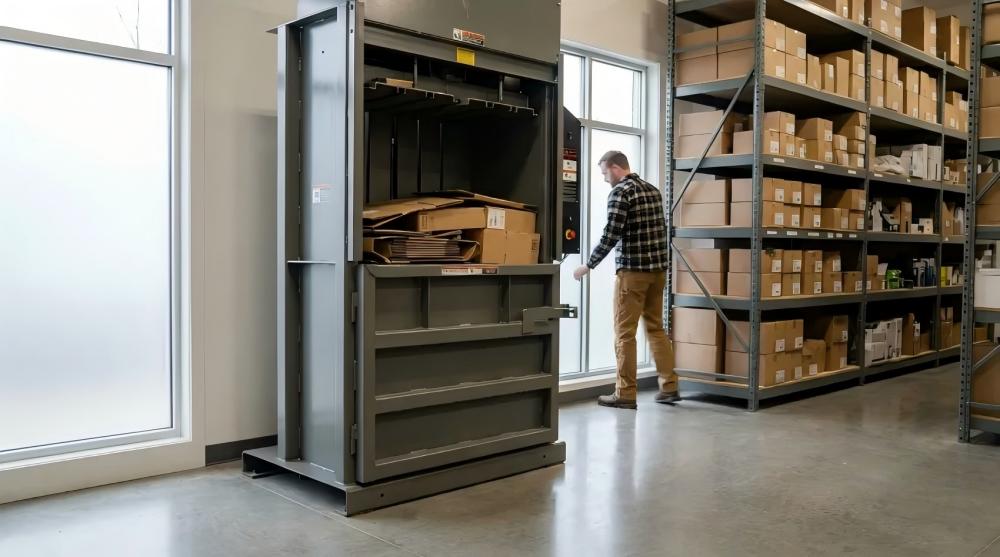
As hydraulic pumps age, internal clearances increase due to wear. This allows high-pressure oil to leak back to the low-pressure side within the pump housing. This ‘slippage’ does not contribute to the baling force but generates substantial heat. If you notice that your baler is taking longer to complete a cycle while simultaneously running hot, it is a strong indicator that the pump is reaching the end of its service life or requires a rebuild.
Technical Details: How to Solve Overheating Issues
Step-by-Step Cooling System Restoration
To solve Recycling Baler Overheating Issues: Causes Them Solve Them, start with the easiest and most effective fix: cleaning. For air-cooled balers, use compressed air or a soft brush to clean the radiator fins daily. Ensure that the baler is positioned in a well-ventilated area with at least three feet of clearance around the cooling intake. For water-cooled units, implement a descaling schedule and check the water flow rate. If the ambient temperature in your facility is consistently high, consider upgrading to a larger heat exchanger or installing an auxiliary cooling loop.
Optimizing Hydraulic Settings
Verify the settings of your relief valves against the manufacturer’s specifications. Using a pressure gauge, ensure the valve only opens at the peak of the compression stroke. If the valve is bypassing oil during the middle of the cycle, it needs adjustment or replacement. Additionally, check the cycle timers. If the pump continues to run at high pressure after the bale is fully compressed (dead-heading), it will generate heat rapidly. Adjusting the limit switches or pressure transducers can ensure the pump unloads or shuts off as soon as the work is done.
Fluid Maintenance and Filtration
Implement a rigorous oil analysis program. Testing the oil every six months can reveal the presence of wear metals and the remaining life of additives. If the oil is dark or has a ‘burnt’ smell, it must be replaced immediately. Ensure that the suction filters and return line filters are clean. A clogged filter creates a pressure drop, which generates heat. Upgrading to high-efficiency synthetic hydraulic fluids can also help, as these oils often have a higher viscosity index, meaning they remain stable across a wider temperature range.
Mechanical Component Inspection
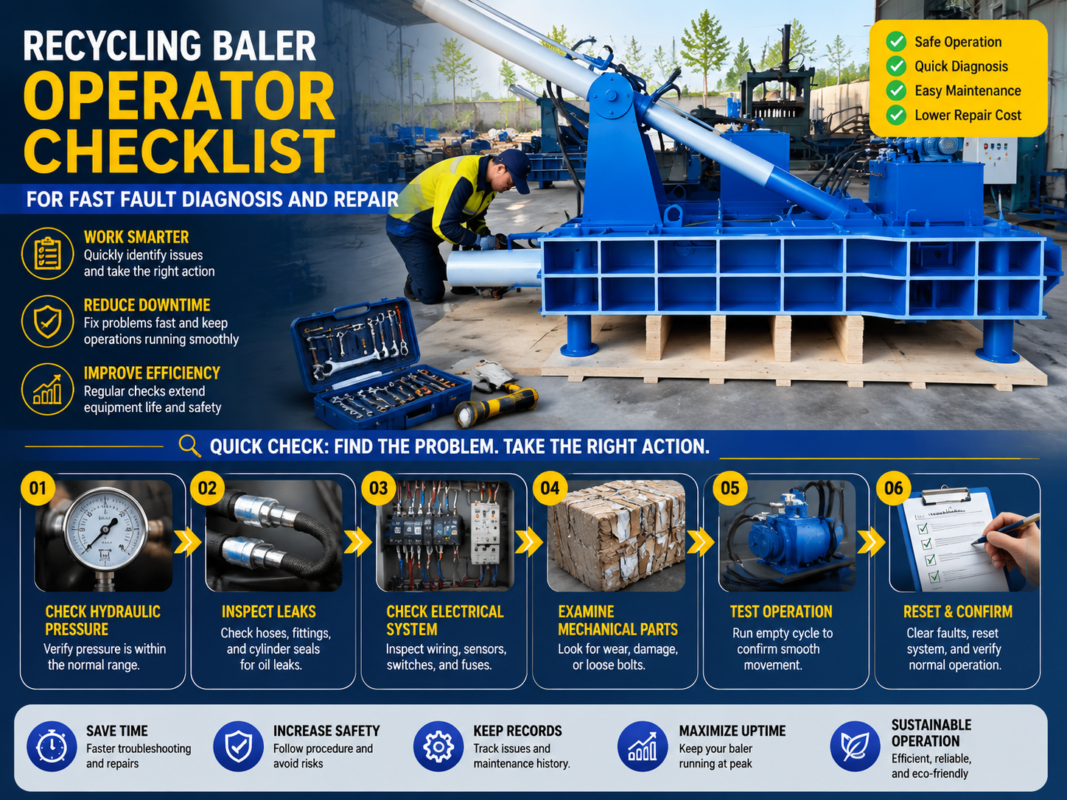
Check for ‘hot spots’ using an infrared thermometer. By scanning the hydraulic lines, valves, and cylinders, you can identify exactly where heat is being generated. A significantly hotter valve compared to others usually indicates internal leakage. Replacing worn seals in cylinders and rebuilding the main pump can restore the volumetric efficiency of the system, reducing the amount of energy wasted as heat. HARSLE machines are designed for easy access to these components, simplifying the repair process.
Selection Advice: Choosing a Baler That Stays Cool
When purchasing a new recycling baler, thermal management should be a primary selection criterion. Not all balers are created equal in how they handle heat. Here are key features to look for to avoid Recycling Baler Overheating Issues: Causes Them Solve Them in the future:
- Oversized Oil Reservoirs: A larger tank provides more surface area for natural heat dissipation and allows the oil more ‘dwell time’ to cool down before being recirculated.
- High-Efficiency Motors and Pumps: Look for variable displacement pumps. These pumps only deliver the flow required for the task, significantly reducing heat generation compared to fixed-displacement pumps that dump excess oil over a relief valve.
- Integrated Cooling Logic: Modern balers, like those from HARSLE, often feature PLC-controlled cooling systems that activate fans or water valves only when needed, saving energy and maintaining precise temperature control.
- Quality Filtration Systems: Ensure the machine has a multi-stage filtration system with easy-to-replace cartridges to keep the oil pristine.
- Ambient Temperature Rating: If your facility is in a tropical climate or a non-air-conditioned warehouse, specify a ‘high-ambient’ cooling package during the purchase phase.
| Feature | Benefit for Heat Control | Recommended For |
|---|---|---|
| Variable Displacement Pump | Reduces wasted energy and heat generation | High-volume 24/7 operations |
| Air-Over-Oil Cooler | Low maintenance, easy to clean | Standard recycling centers |
| Water-Cooled Exchanger | Superior cooling capacity in hot climates | Heavy-duty metal scrap yards |
| Thermostatic Control | Maintains consistent oil temperature | Precision baling applications |
Frequently Asked Questions (FAQ)
What is the maximum safe temperature for a recycling baler?
Generally, the maximum safe operating temperature for hydraulic oil in a recycling baler is 60°C (140°F). While some systems can tolerate up to 70°C (158°F) for short periods, sustained operation above 65°C will lead to rapid oil degradation and seal damage. If your machine consistently hits 65°C, it is time to investigate the cooling system or internal leaks.
Can I just add more oil to the tank to stop it from overheating?
While maintaining the correct oil level is crucial, overfilling the tank will not solve an overheating problem and can actually cause other issues like foaming or aeration. The oil level should be kept within the manufacturer’s specified range on the sight glass. If the level is correct and it still overheats, the problem lies in the heat dissipation or generation, not the volume of oil.
Why does my baler overheat more in the afternoon?
This is usually due to rising ambient temperatures. As the air around the machine gets hotter, the temperature differential between the hydraulic oil and the cooling air decreases, making the heat exchanger less efficient. This is often a sign that your cooling system is marginally sized for your environment or that the radiator fins are partially clogged.
How often should I clean the cooling system?
In a typical recycling environment, air-cooled radiators should be blown out with compressed air at least once a week. In very dusty conditions (like paper or textile recycling), daily cleaning may be necessary. Water-cooled systems should be inspected for scale and flow every six months.
Does the type of material being baled affect the temperature?
Yes. Baling denser materials like scrap metal requires higher pressures and longer cycle times, which generates more heat than baling light cardboard. If you switch from light-duty to heavy-duty materials, you may need to increase your cooling capacity or allow for more frequent ‘cool-down’ periods between shifts.
Conclusion: Maintaining a Cool and Efficient Baler
Addressing Recycling Baler Overheating Issues: Causes Them Solve Them is a multi-faceted task that requires attention to mechanical, chemical, and environmental factors. By understanding that heat is the enemy of hydraulic efficiency, operators can take the necessary steps to protect their investment. Regular cleaning of cooling components, precise adjustment of hydraulic valves, and consistent monitoring of oil quality are the three pillars of effective thermal management.
At HARSLE, we design our recycling balers with these challenges in mind, incorporating robust cooling solutions and high-quality hydraulic components to ensure reliable performance even in the toughest conditions. However, even the best machine requires proper care. By implementing the solutions outlined in this guide, you can significantly extend the lifespan of your baler, reduce maintenance costs, and ensure that your recycling operations remain productive and profitable for years to come. Remember, a cool machine is a happy machine, and a happy machine is a profitable one.