Recycling Baler Operator Checklist for Fast Fault Diagnosis and Repair

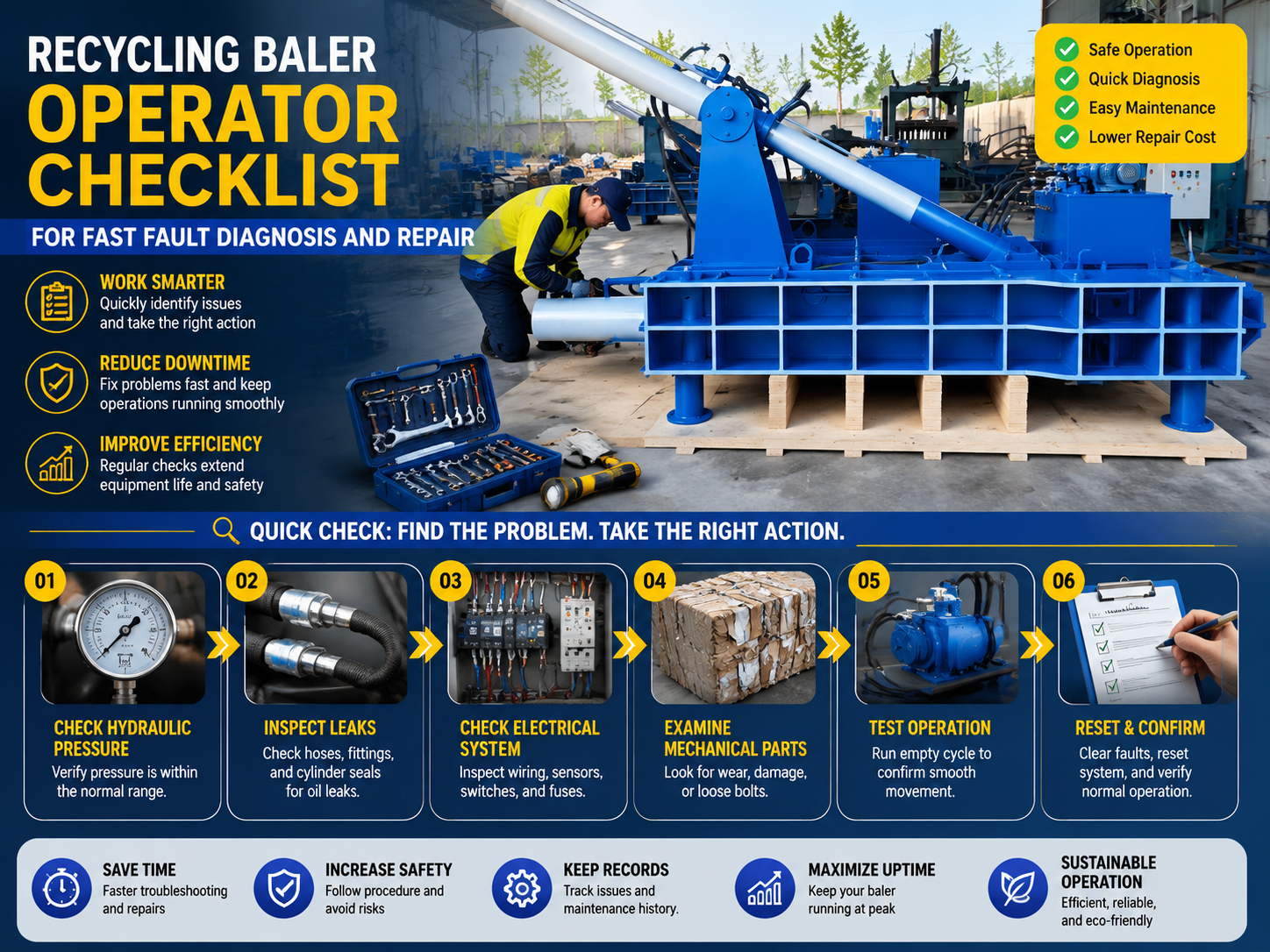
Introduction to Efficient Recycling Baler Operations
In the high-stakes world of waste management and scrap processing, equipment uptime is the primary driver of profitability. A recycling baler is the workhorse of the facility, responsible for compressing voluminous waste into manageable, transportable units. However, when these machines fail, the entire production line grinds to a halt. Implementing a robust Recycling Baler Operator Checklist Fast Fault Diagnosis Repair strategy is not just a recommendation; it is a necessity for modern industrial operations. By empowering operators with the knowledge to identify issues before they escalate, companies can significantly reduce maintenance costs and extend the lifespan of their HARSLE machinery.
The complexity of modern hydraulic balers requires a systematic approach to inspection. These machines integrate high-pressure hydraulics, sophisticated electrical control systems, and heavy-duty mechanical structures. A minor misalignment or a small hydraulic leak, if left unchecked, can lead to catastrophic component failure. This guide provides a comprehensive framework for operators to perform daily checks, diagnose common faults rapidly, and understand the fundamental repair procedures that keep the recycling floor moving efficiently.
Effective fault diagnosis begins with understanding the baseline performance of the machine. An experienced operator knows the sound of a healthy pump, the speed of a standard cycle, and the typical temperature of the hydraulic fluid. When these parameters deviate, the checklist serves as the first line of defense. By following a structured Recycling Baler Operator Checklist Fast Fault Diagnosis Repair protocol, facilities can transition from reactive firefighting to proactive asset management, ensuring that every bale produced meets quality standards without compromising safety.
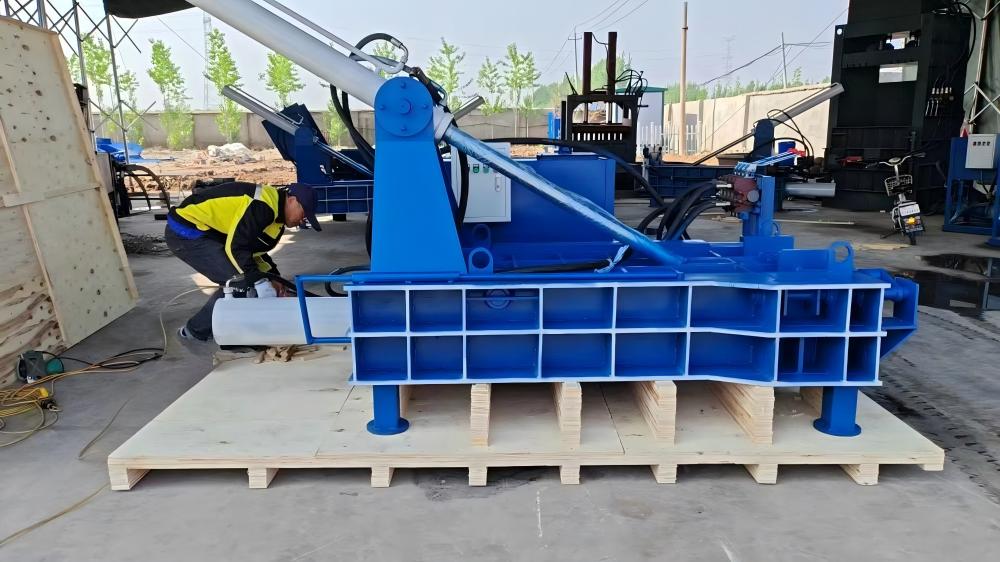
Key Considerations for Baler Maintenance and Safety
Before diving into the technical specifics of fault diagnosis, it is crucial to establish the foundational considerations for baler operation. Safety is the paramount concern. Recycling balers exert hundreds of tons of force; therefore, any maintenance or diagnostic activity must be preceded by strict Lockout/Tagout (LOTO) procedures. Operators must be trained to recognize that a machine under pressure is a potential hazard, even if the power is turned off. Checking the pressure gauges to ensure the system is depressurized is a critical first step in any Recycling Baler Operator Checklist Fast Fault Diagnosis Repair routine.
Environmental factors also play a significant role in machine health. Recycling facilities are often dusty, damp, or subject to extreme temperature fluctuations. Dust and debris are the enemies of hydraulic systems and electrical panels. A key consideration in your checklist should be the cleanliness of the cooling fans and the integrity of the seals on the electrical cabinet. If the machine is operating in a cold environment, the hydraulic oil viscosity must be monitored to prevent pump cavitation during startup. Conversely, in hot environments, the efficiency of the oil cooler becomes the priority.
Material consistency is another factor that operators must consider. A baler calibrated for cardboard may struggle with heavy-gauge aluminum scrap or plastic film. Overloading the chamber or attempting to bale materials beyond the machine’s rated capacity can lead to structural fatigue and hydraulic overheating. The operator’s checklist should include a verification of the material type against the machine’s current settings. Proper material preparation, such as ensuring no oversized rigid objects enter the chamber, prevents the ram from jamming and protects the shear blades from premature dulling.
Daily Pre-Start Inspection Points
- Fluid Levels: Check the hydraulic oil level in the reservoir. Low levels can lead to air ingestion and pump damage.
- Visual Leaks: Inspect all hoses, fittings, and cylinder seals for signs of weeping or active leaks.
- Safety Interlocks: Test all emergency stop buttons and gate sensors to ensure they halt operation immediately.
- Debris Removal: Clear any loose material from the ram track and around the limit switches to prevent false readings.
- Bale Wire/Twine: Ensure the tying mechanism is loaded and that the wire paths are clear of obstructions.
Technical Details of Baler Systems and Components
To perform a Recycling Baler Operator Checklist Fast Fault Diagnosis Repair, one must understand the three core systems: Hydraulics, Electrical, and Mechanical. The hydraulic system is the heart of the baler. It consists of the main pump, directional control valves, relief valves, and the cylinders. The pump converts mechanical energy from the motor into hydraulic flow. If the ram moves slowly, the technician should first look at the pump’s efficiency or check for internal bypass in the control valves. Pressure fluctuations often point to a faulty relief valve or air trapped in the lines.
The electrical system, often controlled by a Programmable Logic Controller (PLC), acts as the brain. It receives signals from limit switches, pressure transducers, and operator inputs to coordinate the baling cycle. Modern HARSLE balers feature diagnostic screens that display error codes. Understanding these codes is essential for fast fault diagnosis. For instance, an error indicating a “Ram Timeout” might not be a mechanical failure but rather a misaligned limit switch that fails to signal the PLC that the ram has reached its home position.
Mechanically, the baler relies on the integrity of the frame, the ram assembly, and the shearing mechanism. The ram is typically guided by wear liners or rollers. Over time, these liners wear down, leading to increased friction and potential damage to the chamber walls. A technical inspection involves measuring the gap between the ram and the chamber floor. Furthermore, the shear blades, which cut excess material as the ram moves forward, must be kept sharp and properly gapped. Dull blades increase the load on the hydraulic system and result in messy, poorly formed bales.
| Component | Common Failure Mode | Diagnostic Indicator | Repair Action |
|---|---|---|---|
| Hydraulic Pump | Wear/Cavitation | High-pitched whining, slow cycle | Check oil level/Replace pump |
| Directional Valve | Solenoid Burnout | Ram fails to move in one direction | Replace solenoid coil |
| Limit Switch | Physical Damage | Cycle stops mid-way, no error code | Realign or replace switch |
| Shear Blades | Dulling/Chipping | Material jamming at the top of the ram | Sharpen or rotate blades |
| Oil Cooler | Clogging | High oil temperature alarm | Clean fins or check fan motor |
Fast Fault Diagnosis: A Step-by-Step Guide
When a machine fails, the goal is to minimize the “Mean Time To Repair” (MTTR). The first step in the Recycling Baler Operator Checklist Fast Fault Diagnosis Repair process is to categorize the symptom. Is it a total power failure, a hydraulic issue, or a mechanical jam? If the machine won’t start at all, the operator should check the main disconnect, the E-stop status, and the control circuit fuses. Often, a tripped thermal overload on the motor starter is the culprit, caused by a temporary voltage spike or an overworked motor.
If the motor is running but the ram isn’t moving, the focus shifts to the hydraulics. Check the pressure gauge. If the pressure is zero, the pump coupling may have sheared, or the pump may have lost its prime. If the pressure is high but the ram is stationary, there is likely a mechanical obstruction in the chamber or a seized cylinder. Operators should never attempt to clear a jam while the system is under pressure. Reversing the ram manually via the control panel is the first diagnostic step to see if the obstruction can be dislodged safely.
For issues related to bale quality—such as bales being too loose or falling apart—the diagnosis centers on the pressure settings and the tying mechanism. If the baler reaches full pressure but the bale is still soft, the material may be too resilient (like certain plastics), requiring a longer “dwell time” at full pressure. If the tying mechanism fails to knot or twist the wire, the operator should check for wire tension issues or debris buildup in the needle tracks. Fast diagnosis in these cases often involves a simple cleaning and lubrication of the moving parts within the auto-tier assembly.
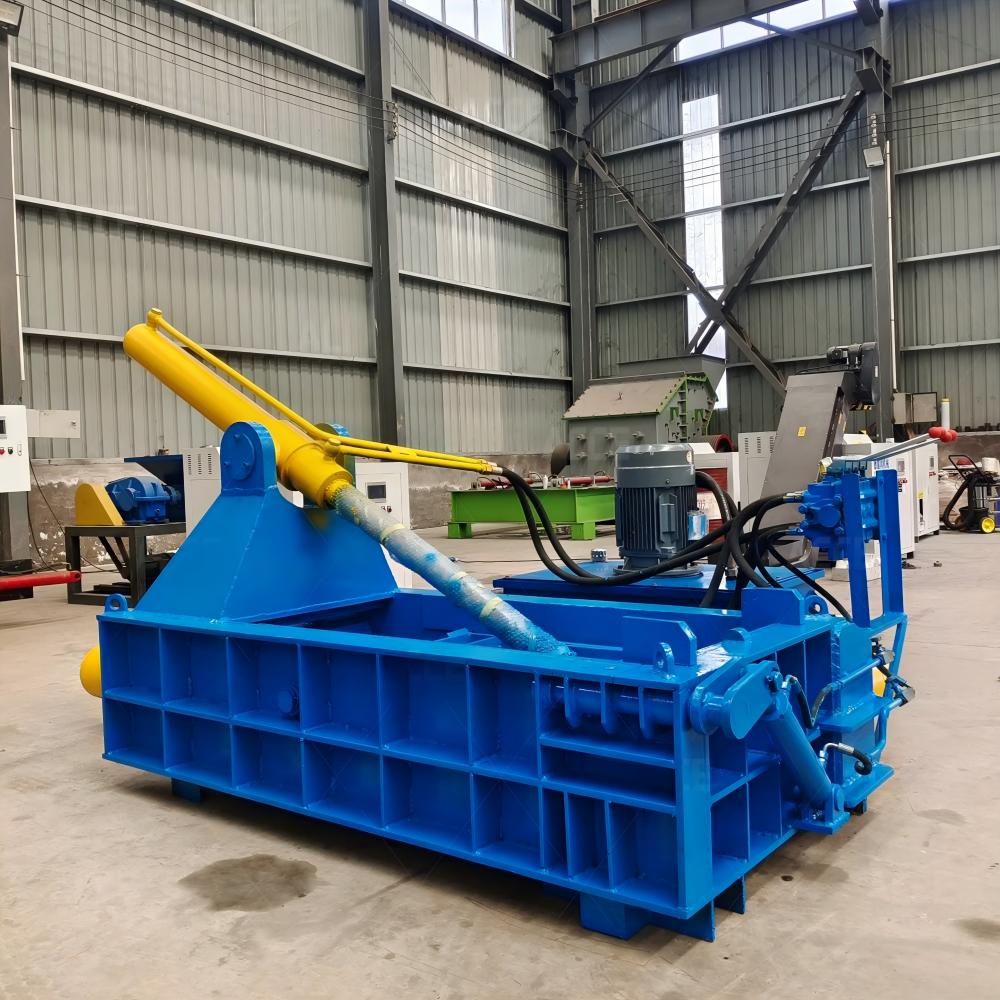
Selection Advice for Recycling Balers
Choosing the right baler is the first step in ensuring long-term reliability and ease of maintenance. When selecting a machine, consider the volume and type of material you process. For high-volume paper and cardboard, a horizontal auto-tie baler is ideal. For scrap metal, a heavy-duty ferrous baler with high-pressure cylinders and reinforced chamber walls is necessary. HARSLE offers a range of machines tailored to specific industrial needs, each designed with maintenance accessibility in mind.
Look for machines that feature standard, off-the-shelf components for their hydraulic and electrical systems. This ensures that when a Recycling Baler Operator Checklist Fast Fault Diagnosis Repair identifies a failed part, you can source a replacement quickly without waiting for proprietary components from overseas. Additionally, prioritize balers with integrated diagnostic software. A PLC that provides descriptive fault messages rather than just blinking lights can reduce troubleshooting time by hours.
Consider the total cost of ownership, which includes maintenance and energy consumption. A baler with a regenerative hydraulic circuit can offer faster cycle times with a smaller motor, reducing electrical strain and heat generation. Furthermore, ensure the manufacturer provides comprehensive documentation, including hydraulic schematics and wiring diagrams. These documents are the “map” for any repair process and are essential for your maintenance team to perform their jobs effectively.
Key Features to Look For:
- Accessible Manifolds: Easy access to valves and test ports for pressure checking.
- Robust Filtration: High-quality suction and return line filters to keep the oil clean.
- User-Friendly HMI: A touch-screen interface that provides real-time feedback on machine status.
- Heavy-Duty Wear Plates: Replaceable liners that protect the main structure from abrasion.
- Safety Compliance: Machines that meet or exceed CE or ANSI safety standards.
Frequently Asked Questions (FAQ)
How often should I change the hydraulic oil in my recycling baler?
Generally, hydraulic oil should be changed every 2,000 to 4,000 hours of operation, or at least once a year. However, this depends on the operating environment. It is highly recommended to perform oil analysis every six months to check for oxidation, water content, and particulate contamination. Changing filters more frequently (every 500-1,000 hours) can significantly extend the life of the oil and the pump.
Why is my baler making a loud banging noise during the cycle?
A loud banging noise usually indicates mechanical interference or a hydraulic shock. Check for loose bolts on the ram or the chamber liners. It could also be caused by the “decompression” stage of the cycle; if the hydraulic fluid is released too quickly from the cylinder, it can cause a shockwave. Adjusting the decompression valves can often solve this. If the noise is a metallic scrape, stop the machine immediately and check for a jammed object or a failed wear liner.
What should I do if the bale won’t eject from the chamber?
First, ensure the ejector cylinder is receiving hydraulic flow. If the cylinder moves but the bale stays put, the bale may be wedged due to over-compression or a flared chamber. Sometimes, spraying a small amount of lubricant on the chamber walls (if appropriate for the material) can help. In the long term, check if the chamber walls are bowed inward, which can happen over years of heavy use, creating a mechanical trap for the bale.
Can I use any type of hydraulic oil?
No, you must use the oil grade specified by the manufacturer, typically an ISO 32, 46, or 68 anti-wear (AW) hydraulic oil. Using the wrong viscosity can lead to pump cavitation in cold weather or excessive thinning and component wear in hot weather. Always consult your HARSLE manual before topping up or changing fluids.
Conclusion: The Value of a Systematic Approach
Mastering the Recycling Baler Operator Checklist Fast Fault Diagnosis Repair is a journey toward operational excellence. By treating the baler not just as a piece of iron but as a precision instrument, operators can prevent the vast majority of common failures. The cost of a daily 10-minute inspection is negligible compared to the thousands of dollars lost during a single day of unplanned downtime. A well-maintained baler produces denser bales, uses less energy, and provides a safer working environment for everyone on the floor.
HARSLE remains committed to providing not only top-tier recycling machinery but also the knowledge base required to keep that machinery running at peak performance. By integrating the technical details and diagnostic steps outlined in this guide, your facility can ensure that its recycling operations remain profitable and sustainable. Remember, the key to fast repair is fast diagnosis, and the key to fast diagnosis is a well-trained operator armed with a comprehensive checklist. Stay proactive, stay safe, and keep the recycling cycle moving.