Vertical Baler Hydraulics Overheating: Causes, Symptoms, and Fixes

Introduction to Vertical Baler Hydraulic Systems
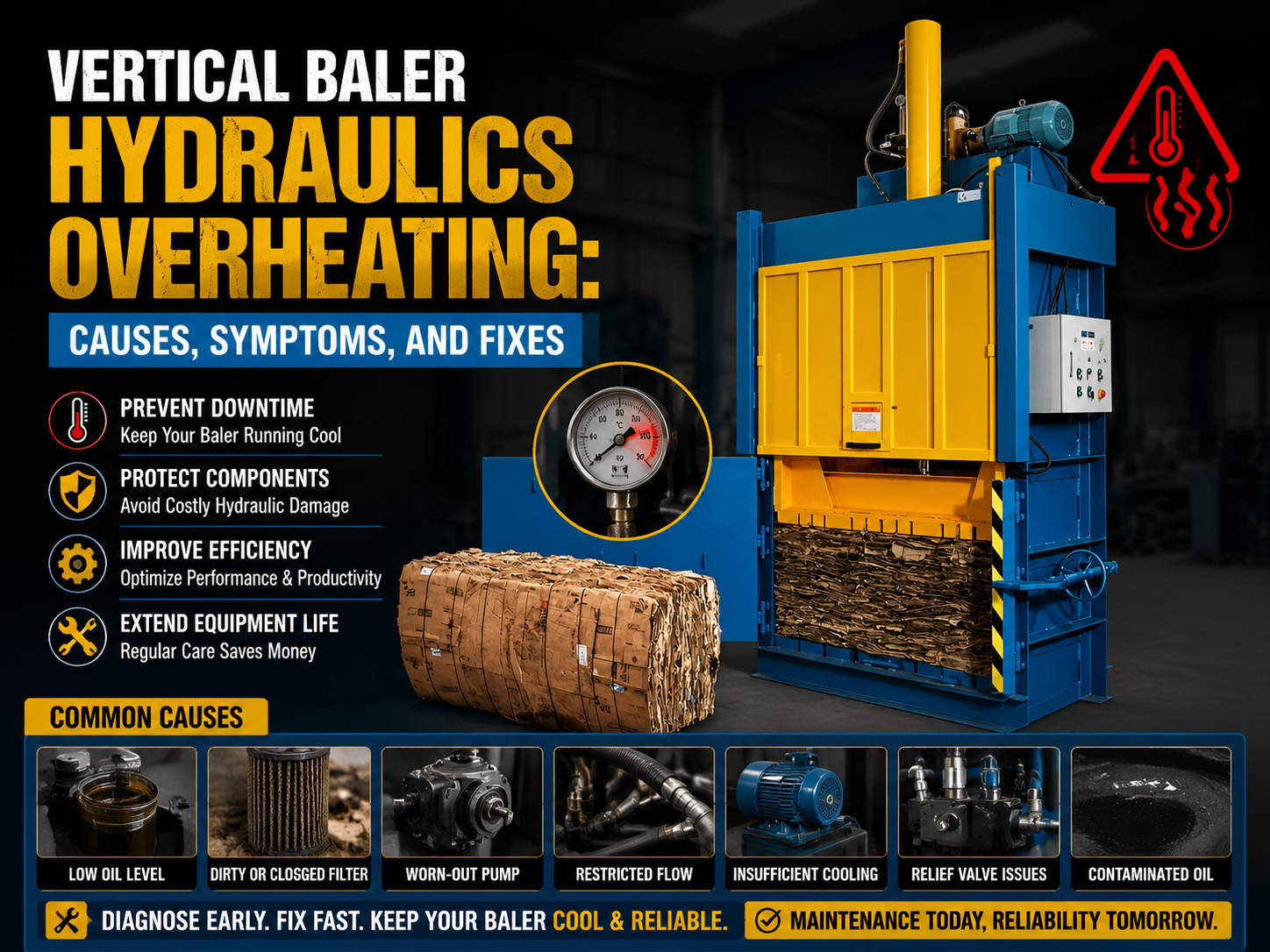
In the world of industrial waste management and metal fabrication, the vertical baler stands as a cornerstone of efficiency. These machines rely heavily on robust hydraulic systems to exert the immense pressure required to compress bulky materials into manageable, transportable bales. However, the high-intensity nature of this work makes the system susceptible to thermal stress. Understanding Vertical Baler Hydraulics Overheating: Causes, Symptoms, and Fixes is essential for any facility manager or maintenance technician looking to maximize equipment lifespan.
When a hydraulic system operates outside its optimal temperature range—typically between 40°C and 60°C—the integrity of the entire machine is compromised. Excessive heat accelerates the degradation of hydraulic fluid, damages seals, and puts undue strain on pumps and valves. At HARSLE, we emphasize that proactive monitoring is the most effective way to prevent catastrophic failure. By recognizing the early warning signs of overheating, operators can intervene before the machine requires an expensive, time-consuming overhaul.
This comprehensive guide explores the technical intricacies of hydraulic thermal management. We will delve into why overheating occurs, how to identify it through subtle machine behavior, and the specific mechanical adjustments required to restore peak performance. Whether you are operating a heavy-duty metal baler or a standard plastic recycling unit, the principles of hydraulic cooling remain universal and critical to your operational success.
Key Considerations for Hydraulic Thermal Management
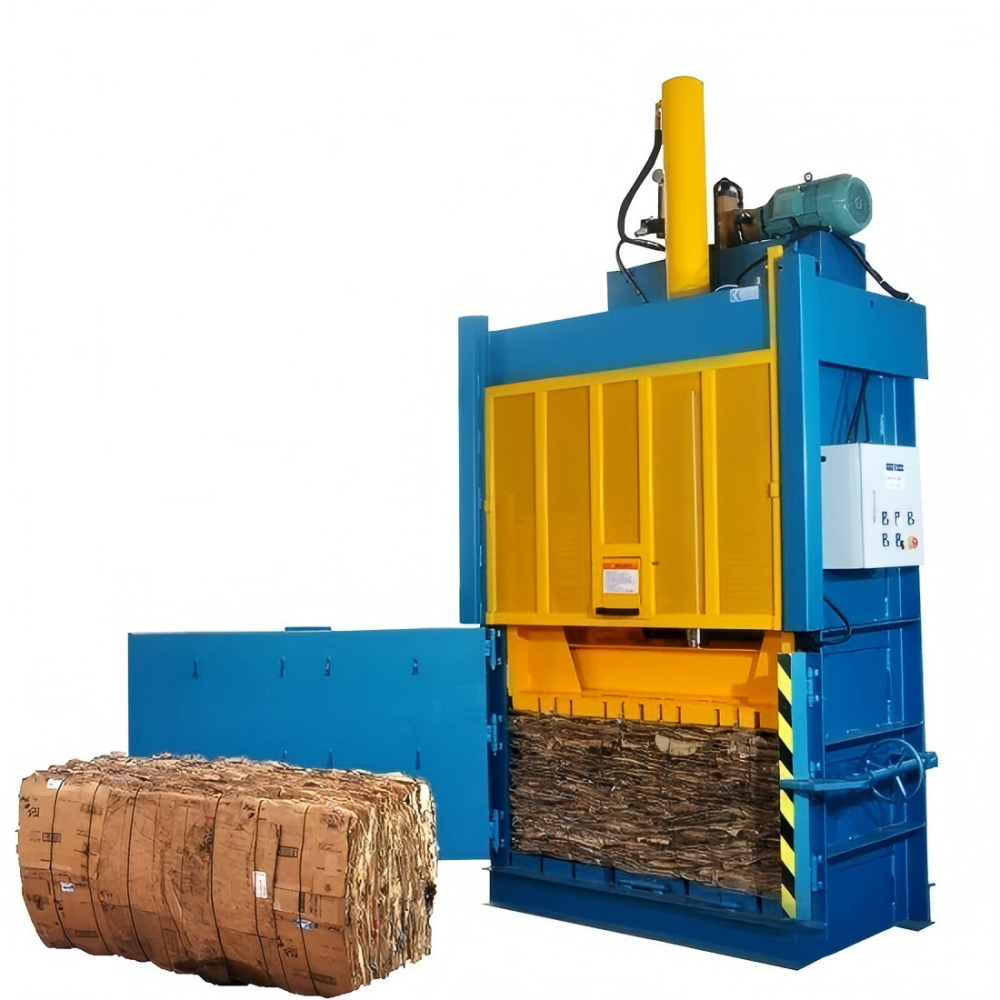
The hydraulic system of a vertical baler is a closed-loop environment where energy is converted from mechanical power to fluid pressure. During this conversion, a portion of the energy is inevitably lost as heat. Under normal operating conditions, the system is designed to dissipate this heat through the reservoir walls or dedicated cooling systems. When the rate of heat generation exceeds the rate of dissipation, the system enters a state of thermal imbalance.
One of the primary considerations is the quality and viscosity of the hydraulic fluid. Fluid acts not only as a power transmission medium but also as a lubricant and a coolant. If the fluid is too thin due to high temperatures, it loses its lubricating properties, leading to increased friction within the pump and cylinder walls. This friction generates even more heat, creating a vicious cycle that can destroy a hydraulic pump in a matter of hours.
Environmental factors also play a significant role. Vertical balers are often housed in warehouses or outdoor recycling yards where ambient temperatures can fluctuate wildly. A machine operating in a poorly ventilated corner of a factory will naturally struggle to shed heat compared to one in an open, airy environment. Facility managers must account for ambient heat when scheduling duty cycles, especially during peak summer months.
Finally, the duty cycle of the machine itself is a critical factor. Pushing a baler to its maximum capacity continuously without allowing for cooling periods will inevitably lead to thermal buildup. Understanding the rated duty cycle of your HARSLE equipment is vital. Overloading the chamber or attempting to compress materials that exceed the machine’s design specifications forces the hydraulic pump to work at maximum relief pressure, which is the most heat-intensive state of operation.
Technical Details: Causes of Overheating
The causes of hydraulic overheating in vertical balers are rarely singular; they are often a combination of mechanical wear, fluid degradation, and operational misuse. The most common culprit is internal leakage. As components like the hydraulic pump or control valves wear down over time, fluid begins to bypass the intended flow paths. This internal leakage creates significant heat as high-pressure fluid is forced through small, restricted gaps, effectively turning the hydraulic system into a giant heater.
Another major cause is a malfunctioning relief valve. The relief valve is designed to protect the system from over-pressurization by diverting excess fluid back to the reservoir. If this valve is stuck partially open or is set to an incorrect pressure, fluid is constantly being bypassed at high pressure, generating massive amounts of heat. Regular calibration of the relief valve is a non-negotiable aspect of routine maintenance.
Contamination of the hydraulic fluid is a silent killer. Dirt, metal shavings, and moisture can clog filters and restrict flow. When filters become clogged, the system experiences a pressure drop, forcing the pump to work harder to maintain the required force. Furthermore, contaminated oil has a lower thermal conductivity, meaning it cannot effectively carry heat away from the working components to the reservoir.
Lastly, we must consider the cooling system itself. Many industrial balers are equipped with air-blast or water-cooled heat exchangers. If the fins of an air-cooled radiator are clogged with dust or debris, the heat exchange process is severely hampered. Similarly, if a water-cooled system has a restricted flow or a malfunctioning thermostat, the heat will remain trapped within the hydraulic circuit, leading to rapid temperature spikes during operation.
Symptoms of Hydraulic Overheating
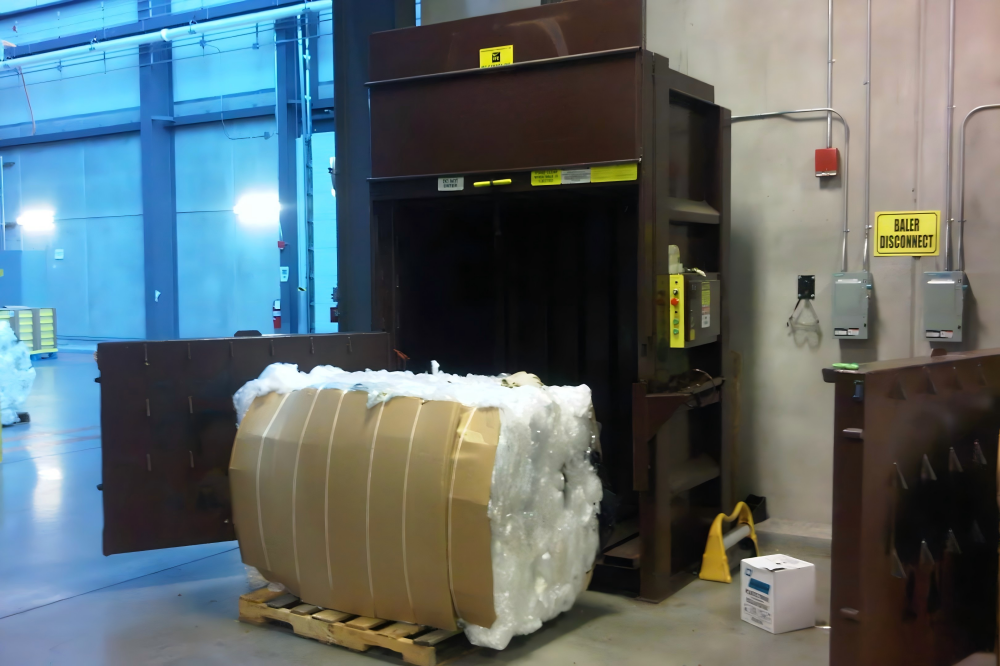
Identifying the symptoms of overheating early can save thousands of dollars in repair costs. The most obvious sign is a noticeable drop in machine performance. You may observe that the baler is moving slower than usual or that it lacks the force to fully compress the material. This occurs because the thinning of the overheated hydraulic oil reduces the volumetric efficiency of the pump, resulting in lower pressure output.
Another common symptom is the presence of a distinct, burnt odor near the power unit. This is often caused by the hydraulic fluid breaking down and releasing volatile compounds, or by the overheating of electrical components near the motor. If you smell something “off” while operating the baler, it is a clear indication that the system is running significantly hotter than its design parameters.
Operators should also pay close attention to the noise levels of the machine. A hydraulic pump that is struggling with overheated, thin oil will often produce a high-pitched whining or cavitating sound. This noise is the result of the pump failing to maintain a full prime, leading to air bubbles collapsing within the fluid—a phenomenon known as cavitation. Cavitation is extremely destructive and can pit the internal surfaces of the pump in a very short time.
Finally, visual inspections of the hydraulic reservoir and hoses are vital. If the paint on the reservoir is peeling or discolored, it is a sign of chronic overheating. Additionally, if the hydraulic hoses feel excessively hot to the touch or appear brittle and cracked, the system is likely operating at temperatures that are compromising the rubber compounds. Monitoring the temperature gauge, if equipped, should be a standard part of every shift’s pre-operation checklist.
Fixes and Maintenance Strategies
Addressing Vertical Baler Hydraulics Overheating: Causes, Symptoms, and Fixes requires a systematic approach. The first step is to perform a thorough fluid analysis. If the oil is dark, smells burnt, or contains visible particles, it must be drained and replaced immediately. Flushing the system is also recommended to remove any sludge or contaminants that have settled in the lines or the bottom of the reservoir.
Once the fluid is addressed, inspect the cooling system. Clean the radiator fins using compressed air or a specialized cleaning solution to ensure maximum airflow. If you are using a water-cooled system, check the water flow rate and the condition of the heat exchanger. Replacing a faulty thermostat or cleaning a clogged water line can often restore the cooling efficiency to factory standards.
If the overheating persists, the relief valve and pump should be tested. Using a hydraulic pressure gauge, verify that the system pressure matches the manufacturer’s specifications. If the pressure is erratic or if the pump is running hot even when the machine is idle, it is likely time for a pump rebuild or replacement. HARSLE recommends using genuine replacement parts to ensure compatibility and performance.
Finally, implement a strict maintenance schedule that includes regular filter changes. Filters should be replaced according to the manufacturer’s hours-of-operation guidelines, or sooner if the system is used in a high-dust environment. By keeping the hydraulic circuit clean and the cooling system unobstructed, you ensure that your vertical baler remains a reliable asset for years to come.
Selection Advice for New Machinery
When selecting a new vertical baler, it is important to consider the cooling capacity of the hydraulic system relative to your expected workload. If your facility processes high volumes of dense material, look for models that feature oversized reservoirs or integrated oil coolers. A larger reservoir provides more surface area for heat dissipation, which can be a significant advantage in high-temperature environments.
Consider the quality of the hydraulic components used in the machine’s construction. HARSLE balers are built with high-efficiency pumps and precision-engineered valves that are designed to minimize internal heat generation. When comparing equipment, ask the manufacturer about the duty cycle rating. A machine with a 100% duty cycle is designed for continuous operation and will have a more robust cooling system than a machine designed for intermittent use.
Think about the environment where the baler will be installed. If you are operating in a climate with extreme heat, discuss the possibility of installing an auxiliary cooling fan or an upgraded heat exchanger with your sales representative. Investing in these features upfront is significantly cheaper than retrofitting them after the machine has been installed and is already experiencing thermal issues.
Lastly, prioritize ease of maintenance. A machine that allows for easy access to the hydraulic reservoir, filters, and cooling unit will be maintained more frequently and more effectively. HARSLE designs its machinery with the technician in mind, ensuring that routine inspections can be performed quickly and safely, which ultimately leads to better long-term thermal management.
FAQ: Common Questions
How often should I change my hydraulic oil?
Generally, hydraulic oil should be changed every 2,000 to 4,000 hours of operation, depending on the environment. However, if you notice signs of overheating or contamination, it should be changed immediately.
Why does my baler make a whining noise when it gets hot?
The whining noise is likely cavitation, caused by the hydraulic oil becoming too thin due to heat. This prevents the pump from maintaining proper pressure and can lead to permanent damage.
Can I use a higher viscosity oil to fix overheating?
Using a higher viscosity oil is not a recommended fix. It may mask the symptoms temporarily but can lead to increased friction and further overheating. Always use the oil grade specified in your HARSLE manual.
What is the ideal operating temperature for a vertical baler?
The ideal operating temperature is between 40°C and 60°C. Temperatures exceeding 80°C will cause rapid degradation of the oil and damage to the hydraulic seals.
Conclusion
Managing the thermal health of your vertical baler is a fundamental aspect of industrial maintenance. By understanding the Vertical Baler Hydraulics Overheating: Causes, Symptoms, and Fixes, you empower your team to maintain high productivity and avoid the pitfalls of equipment failure. From regular oil analysis to keeping cooling fins clean, these small, consistent actions prevent the heat-related damage that plagues neglected machinery. At HARSLE, we are committed to providing not just the equipment, but the knowledge required to keep your operations running smoothly. Remember, a cool-running hydraulic system is a long-lasting, efficient system.