How to Troubleshoot Vertical Baler Door and Safety Interlock Problems: A Comprehensive HARSLE Guide

Introduction
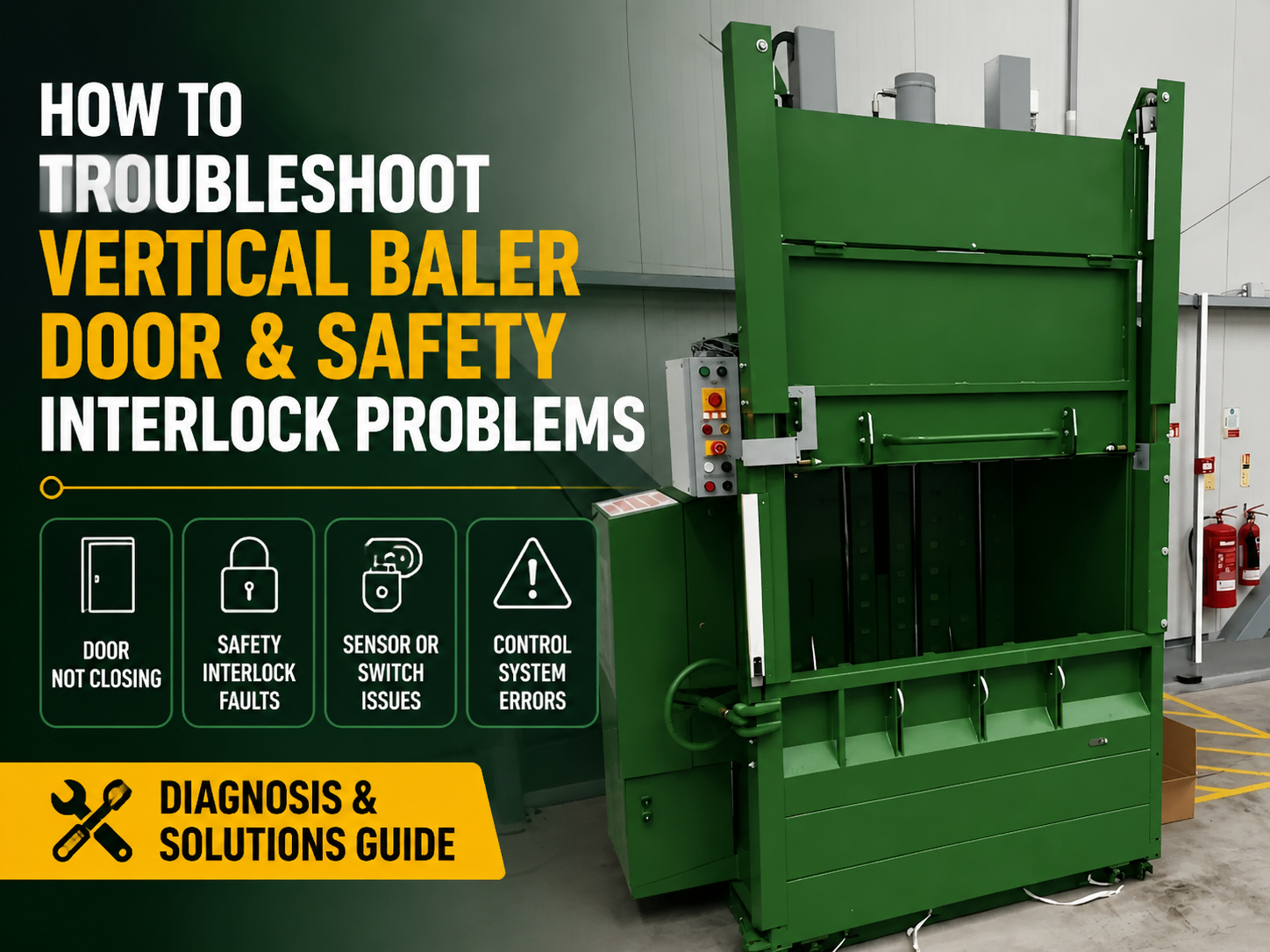
In the high-pressure environment of waste management and metal fabrication, the vertical baler stands as a critical piece of machinery. It is designed to compress bulky materials into manageable, dense bales, significantly optimizing storage and logistics. However, the operational integrity of these machines relies heavily on their safety systems. When you need to troubleshoot vertical baler door safety interlock problems, it is not just a matter of machine uptime; it is a fundamental requirement for workplace safety. At HARSLE, we prioritize the safety of every operator, which is why understanding the nuances of these interlock systems is essential for any facility manager or maintenance technician.
The safety interlock system is the primary line of defense against accidents. It ensures that the baler’s hydraulic ram cannot operate while the loading or bale-ejection doors are open. If the system fails, the machine may refuse to start, or worse, continue to operate in an unsafe state. Troubleshooting these issues requires a systematic approach, combining electrical knowledge, mechanical inspection, and a strict adherence to lockout/tagout (LOTO) procedures. This guide provides a deep dive into the common failure points and the technical steps required to restore your equipment to peak performance.
Understanding the relationship between the door mechanism and the electrical control circuit is the first step in effective maintenance. Most modern vertical balers utilize proximity switches or limit switches that send a signal to the Programmable Logic Controller (PLC) or relay logic board. When the door is closed and latched, the circuit is completed, allowing the hydraulic pump to engage. Any misalignment, debris buildup, or electrical fault in this loop will trigger a safety lockout. By mastering these diagnostic steps, you can minimize downtime and ensure your HARSLE equipment remains a safe, productive asset for years to come.
This article will walk you through the diagnostic process, from simple physical inspections to complex electrical troubleshooting. We will explore why these systems fail, how to identify the root cause, and when it is time to call in professional support. Whether you are dealing with a recurring sensor fault or a mechanical door latch issue, this guide serves as your comprehensive manual for maintaining the highest standards of industrial safety.
Key Considerations for Baler Safety
Before diving into technical troubleshooting, it is imperative to establish a culture of safety. The most common cause of interlock failure is often not a faulty component, but rather environmental factors or improper operator handling. Vertical balers are frequently exposed to dust, debris, and heavy-duty usage, all of which can compromise the sensitive components of the door interlock system. Regular cleaning and visual inspections are the first line of defense against unexpected downtime.
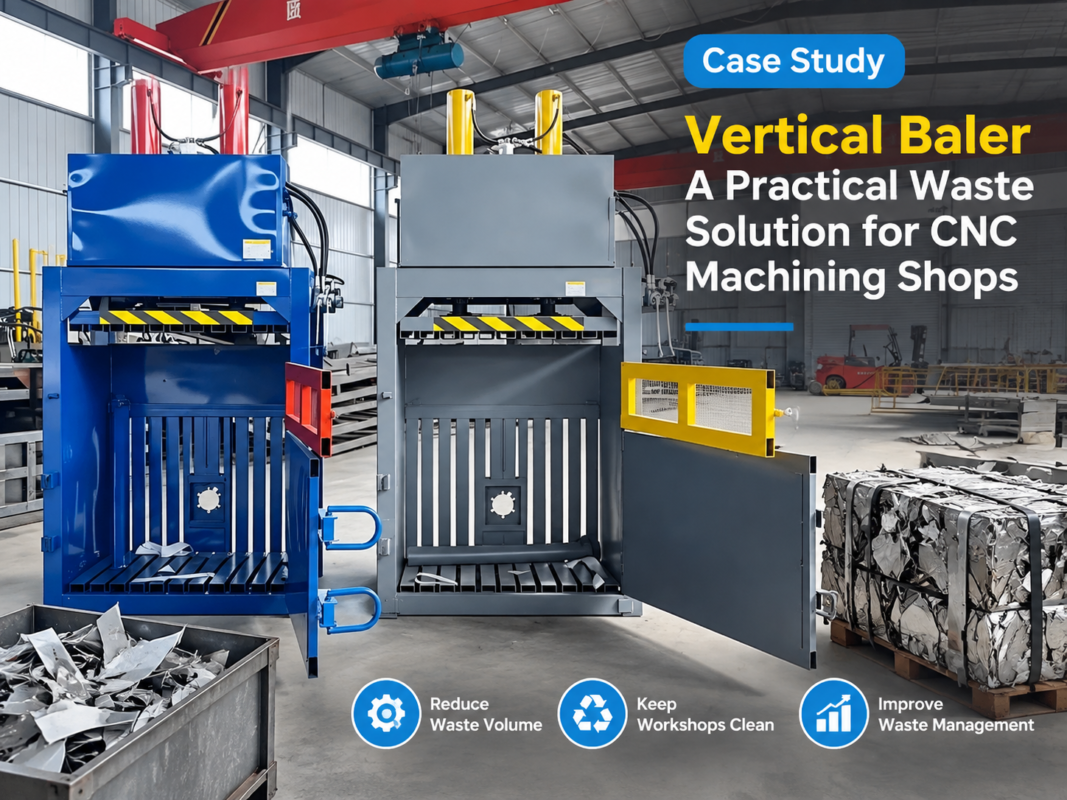
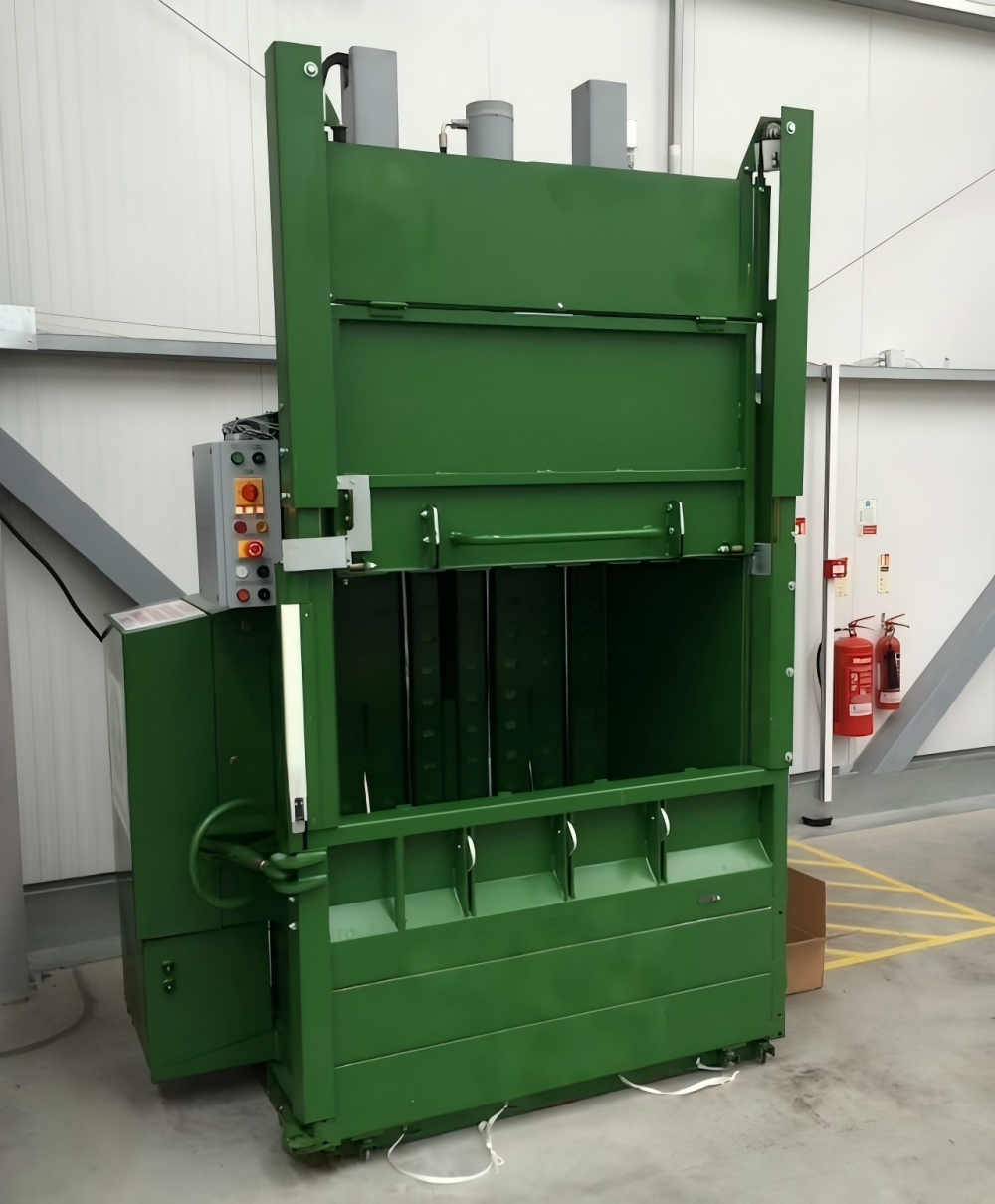
One of the primary considerations is the physical alignment of the door. Over time, the heavy-duty hinges on a vertical baler can sag due to the weight of the door and the vibrations of the hydraulic system. Even a few millimeters of misalignment can prevent the safety switch from engaging correctly. When the switch does not align with its actuator, the machine perceives the door as being open, even if it appears closed to the naked eye. Checking hinge tightness and door latch integrity should be part of your weekly maintenance checklist.
Another critical factor is the accumulation of debris. In metal fabrication environments, small metal shards, dust, and packaging materials can easily find their way into the switch housing. If a limit switch is obstructed by debris, it cannot complete the circuit. Operators should be trained to clear the area around the door frame and the switch housing daily. Using compressed air or a soft brush to remove buildup can prevent 80% of common sensor-related faults before they even occur.
Finally, consider the electrical environment. Industrial facilities often experience power fluctuations or electromagnetic interference (EMI) that can affect sensitive control circuits. If your baler is located near high-voltage equipment or large motors, the wiring for the safety interlock may be susceptible to signal noise. Ensuring that all electrical connections are tight, corrosion-free, and properly shielded is vital for the longevity of the interlock system. Always verify that your control panel is properly grounded to prevent erratic behavior in the safety logic.
Technical Details: Troubleshooting the Interlock Circuit
When you are ready to troubleshoot vertical baler door safety interlock problems, you must approach the machine with a multimeter and the electrical schematic provided by HARSLE. The interlock circuit is typically a low-voltage control loop. The goal is to trace the signal from the power source, through the safety switches, and back to the control relay or PLC input. If the signal is interrupted at any point, the machine will not cycle.
Start by identifying the specific switch that is causing the fault. Most modern HARSLE balers feature diagnostic LEDs on the PLC or the control board. If the “Door Open” indicator light remains illuminated even when the door is firmly latched, you have confirmed that the control system is not receiving the “Closed” signal. Use your multimeter to check for voltage at the switch terminals. If you have power going into the switch but no power coming out when the door is closed, the switch itself is likely defective or misaligned.
If the switch appears to be functioning, the next step is to inspect the wiring harness. Look for signs of wear, such as frayed insulation or pinched wires, especially near the door hinges where the cable experiences constant movement. Over time, the flexing of the door can cause internal wire breakage that is not visible from the outside. A continuity test from the switch terminal to the control panel terminal block will reveal if there is a break in the circuit. If the wire is broken, it must be replaced with high-flex industrial-grade cabling to prevent future failures.
In some cases, the problem may lie within the relay logic. If the switches are functioning and the wiring is intact, the issue might be a stuck relay contact. Relays are mechanical devices that can wear out after thousands of cycles. If a relay is stuck in the open position, it will prevent the machine from starting. You can test this by gently tapping the relay or using a multimeter to check for continuity across the contacts while the machine is in the “Run” state. If the relay fails to close, it must be replaced with an identical component to maintain the safety integrity of the system.
Selection Advice: Choosing the Right Safety Features
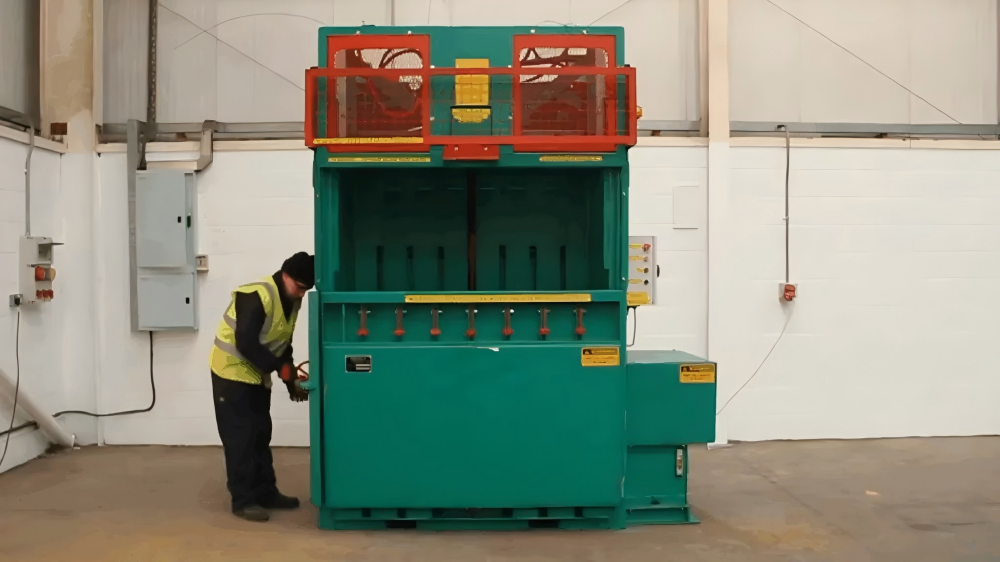
When investing in new metal fabrication equipment, the quality of the safety interlock system should be a primary selection criterion. Not all balers are built with the same level of safety redundancy. At HARSLE, we recommend looking for machines that utilize dual-channel safety switches. These systems provide a higher level of reliability by using two independent circuits to monitor the door status. If one channel fails, the second channel remains active, preventing the machine from operating in an unsafe condition and alerting the operator to the fault.
Consider the ingress protection (IP) rating of the safety switches. In environments where metal dust, oil, or moisture are present, standard switches will fail prematurely. Opt for switches with an IP67 or IP69K rating, which ensures they are fully sealed against dust and high-pressure water jets. This investment significantly reduces the frequency of maintenance and ensures that your safety systems remain operational even in harsh industrial conditions.
Another feature to look for is the ease of adjustment. Some balers come with adjustable mounting brackets for their limit switches. This allows maintenance teams to fine-tune the alignment of the switch and actuator without needing to drill new holes or perform complex mechanical modifications. This feature is a major time-saver during routine maintenance and helps keep the machine running smoothly as the door hinges naturally wear over time.
Finally, prioritize machines that offer integrated diagnostic displays. A baler that provides specific error codes on an HMI (Human-Machine Interface) screen is infinitely easier to troubleshoot than one that relies on a single “Fault” light. Knowing exactly which door or which specific sensor is triggering the safety lockout can reduce your troubleshooting time from hours to minutes. When selecting your next HARSLE vertical baler, ensure that the control system is designed with the maintenance technician in mind.
Frequently Asked Questions (FAQ)
Why does my vertical baler stop mid-cycle?
A mid-cycle stop is often caused by a loose door latch or a vibration-sensitive safety switch. If the door shifts slightly during the compression stroke, the interlock circuit may break, causing an immediate emergency stop. Check the door latches for wear and ensure the safety switch is securely mounted.
How often should I test the safety interlocks?
We recommend testing the safety interlocks at the start of every shift. Simply attempt to start the baler with the door slightly ajar. If the machine starts, the interlock system is compromised and must be repaired immediately before any further operation.
Can I bypass the safety interlock to finish a bale?
Absolutely not. Bypassing a safety interlock is a severe violation of industrial safety protocols and puts operators at extreme risk of injury. If the interlock is faulty, the machine must be locked out and tagged out until the repair is completed by a qualified technician.
What should I do if the safety switch is damaged?
If a safety switch is physically damaged, it must be replaced immediately. Do not attempt to repair the switch housing or the internal contacts. Always use OEM-specified parts from HARSLE to ensure compatibility and safety compliance.
Is it possible for the PLC to cause an interlock error?
While rare, a PLC input module can fail, causing it to ignore a signal from a perfectly functional switch. If you have verified the switch and the wiring, use a multimeter to check if the signal is reaching the PLC input terminal. If the signal is present but the PLC does not register it, the input module may require replacement.
Conclusion
Troubleshooting vertical baler door safety interlock problems is a critical skill for maintaining a safe and efficient metal fabrication facility. By understanding the mechanical and electrical components of your HARSLE equipment, you can proactively address issues before they lead to costly downtime or safety hazards. Remember that the safety interlock is not just a regulatory requirement; it is a vital component that protects your most valuable asset: your employees.
Regular maintenance, including cleaning, hinge adjustment, and electrical inspection, will go a long way in preventing interlock failures. When problems do arise, follow a logical, step-by-step diagnostic process to isolate the fault. Always prioritize the use of high-quality, OEM-approved components and never compromise on safety by attempting to bypass these systems. By following the guidelines in this article, you can ensure that your vertical baler continues to perform reliably, safely, and efficiently for years to come.
At HARSLE, we are committed to providing not only the best metal fabrication equipment but also the knowledge to keep it running at its best. If you encounter a complex issue that exceeds your internal maintenance capabilities, do not hesitate to reach out to our technical support team. We are here to help you maintain the highest standards of industrial excellence.