Vertical Baler Ram Won’t Return: Troubleshooting Most Common Faults

Introduction
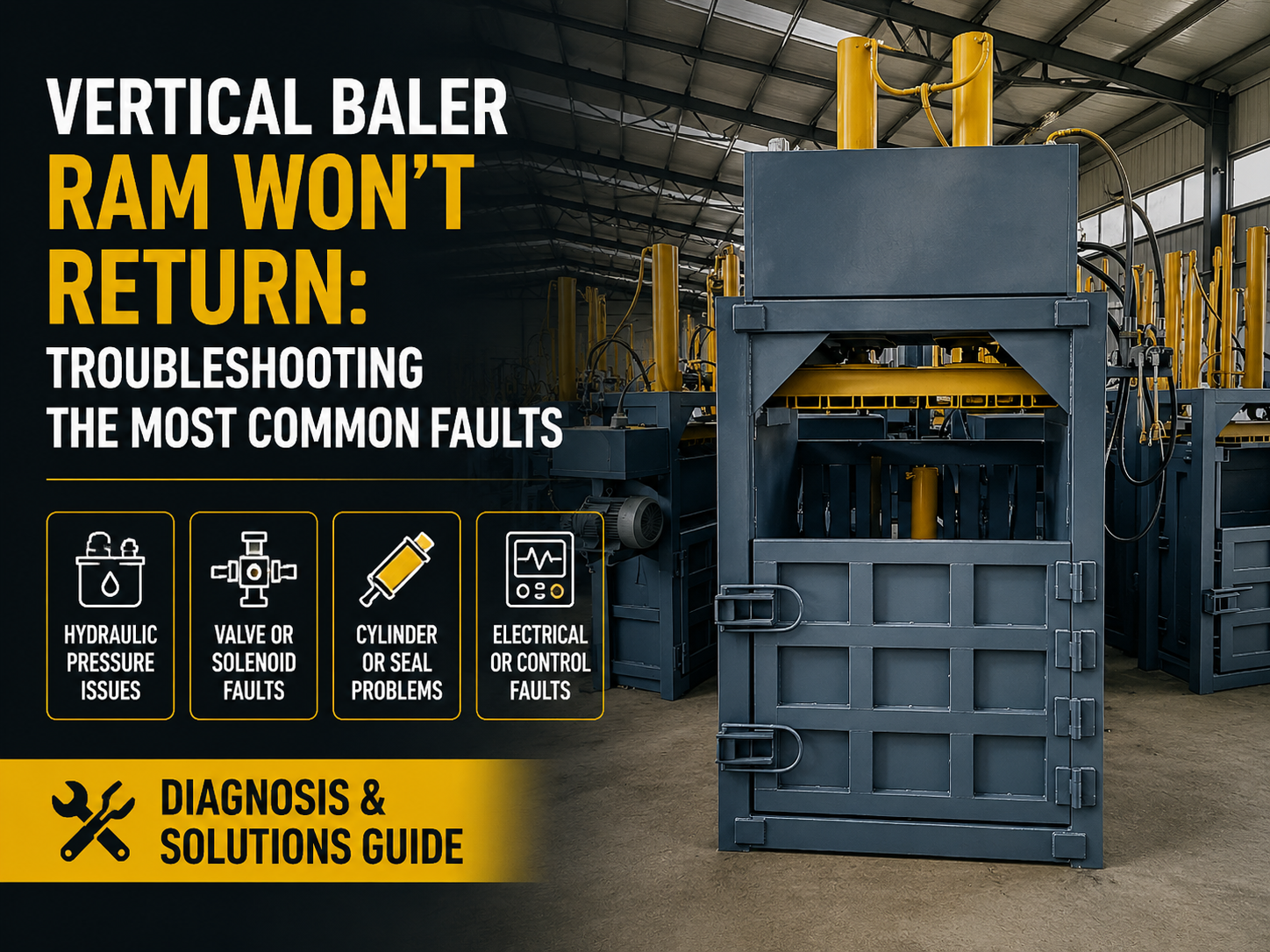
In the fast-paced environment of industrial waste management and metal fabrication, the vertical baler stands as a cornerstone of efficiency. However, even the most robust HARSLE machinery can encounter operational hurdles. One of the most frustrating and potentially disruptive issues operators face is when the vertical baler ram won’t return. Troubleshooting most common faults requires a systematic approach, combining electrical diagnostics, hydraulic pressure analysis, and mechanical inspection.
When a ram fails to retract, it halts the entire baling process, leading to bottlenecks in production and potential safety hazards. Understanding the root cause—whether it is a faulty limit switch, a hydraulic pressure imbalance, or a mechanical obstruction—is essential for maintenance teams. This guide provides a comprehensive roadmap to diagnosing and resolving these issues, ensuring your facility maintains peak operational uptime.
At HARSLE, we prioritize equipment longevity and safety. By following these professional troubleshooting steps, you can minimize downtime and extend the life of your hydraulic systems. Always remember that safety is paramount; before performing any internal inspections, ensure the machine is locked out and tagged out according to standard industrial safety protocols.
Key Considerations for Baler Diagnostics
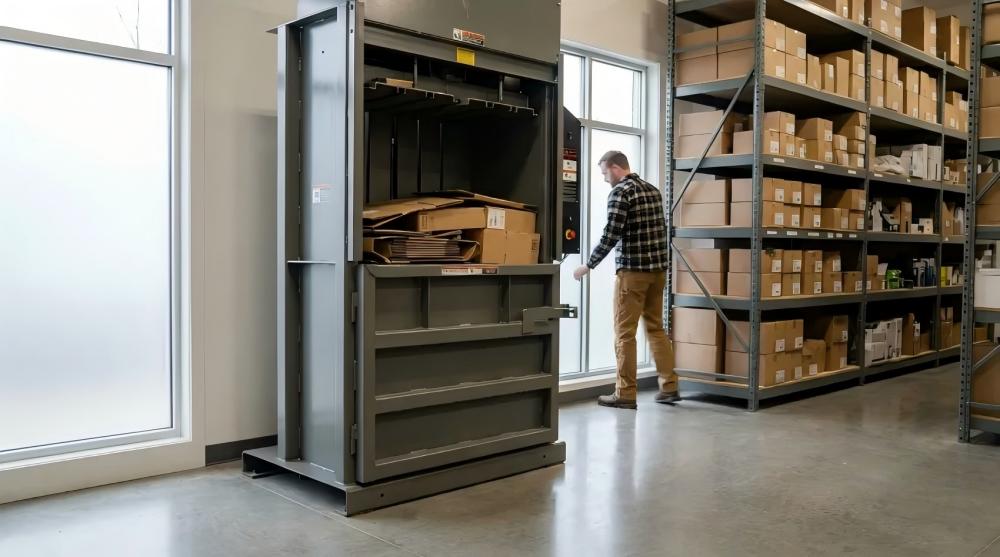
Before diving into the technical components, it is vital to assess the environment and the recent history of the machine. Often, the reason a vertical baler ram won’t return is linked to external factors such as power fluctuations, extreme temperature changes affecting hydraulic fluid viscosity, or improper loading techniques that have caused the ram to bind.
Operators should first check the control panel for error codes. Modern HARSLE vertical balers are equipped with sophisticated PLC (Programmable Logic Controller) systems that can pinpoint the exact sensor or circuit causing the fault. If the screen displays a specific alarm, consult your manual immediately. Ignoring these digital warnings can lead to more severe damage to the hydraulic pump or the motor.
Another key consideration is the material being processed. If the baler is being used for materials outside its design specifications—such as oversized metal scraps or non-compressible items—the ram may have jammed against the chamber walls. Inspect the chamber for debris that might be preventing the ram from completing its full stroke. A clean chamber is the first step toward a functional baler.
Finally, consider the hydraulic fluid levels and quality. Contaminated or low fluid is a frequent culprit in hydraulic system failures. If the fluid has not been changed according to the manufacturer’s schedule, it may have developed sludge or lost its lubricating properties, causing the valves to stick. Regular fluid analysis is a proactive measure that prevents the ram from getting stuck in the first place. Furthermore, ambient temperature plays a significant role; in colder climates, hydraulic oil can thicken, leading to sluggish ram movement. Ensure you are using the correct viscosity grade recommended for your specific operating environment.
Technical Details: Troubleshooting Hydraulic and Electrical Systems
The hydraulic system is the heart of the vertical baler. When the ram fails to return, the issue is frequently found in the directional control valve. If the solenoid coil on the valve is burnt out or the spool is stuck due to debris, the hydraulic fluid will not be redirected to the retract side of the cylinder. Testing the solenoid for electrical continuity is a quick way to rule out this common electrical fault. If the solenoid is receiving power but the valve is not shifting, the spool is likely mechanically seized.
Electrical limit switches are another common point of failure. These switches tell the PLC where the ram is located. If the upper limit switch is faulty or misaligned, the system may think the ram is already at the top, or conversely, it may fail to trigger the return sequence. Inspect these switches for physical damage, loose wiring, or excessive dust buildup that might be interfering with the sensor’s signal. A simple cleaning with compressed air can often restore functionality to a sensor obscured by cardboard dust or metal shavings.
Pressure relief valves play a critical role in system safety. If the relief valve is set too low or is stuck in an open position, the system may lack the necessary pressure to overcome the friction of the ram, especially if the baler is under load. Adjusting these valves requires precision; it is recommended to use a pressure gauge to verify the system output against the HARSLE technical specifications provided in your machine manual. Never adjust these valves while the machine is under full load, as this can lead to dangerous pressure spikes.
The hydraulic pump itself should be monitored for cavitation or excessive noise. If the pump is failing, it may not be able to provide the flow rate required to retract the ram efficiently. Check the suction line for air leaks, which can introduce bubbles into the system, causing erratic movement or complete failure of the hydraulic cylinder to respond to operator commands. Additionally, inspect the hydraulic hoses for signs of bulging, cracking, or pinhole leaks, which can cause a significant drop in system pressure.
Advanced Maintenance and Preventive Strategies
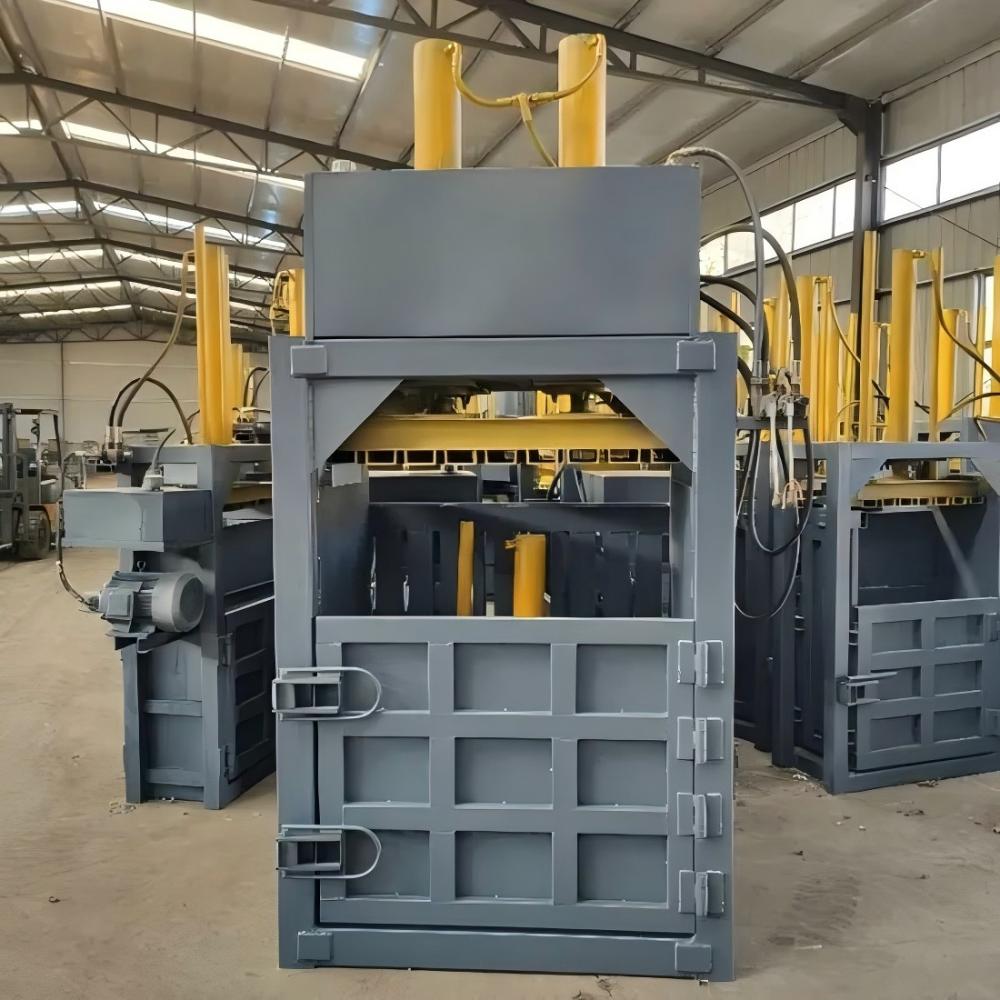
To truly minimize the risk of a ram failing to return, a preventive maintenance schedule is non-negotiable. Beyond basic fluid checks, technicians should perform a monthly inspection of the ram guide shoes. Over time, these shoes wear down, allowing the ram to tilt slightly. This tilt increases friction against the chamber walls, which can eventually cause the ram to bind during the return stroke. Replacing these wear components before they fail is a cost-effective way to ensure smooth operation.
Electrical connections should also be inspected for corrosion, especially in facilities with high humidity or exposure to outdoor elements. Tighten all terminal block connections annually, as vibration from the baler can loosen wires over time, leading to intermittent signal loss. By maintaining a clean, dry, and secure electrical cabinet, you eliminate many of the “ghost” faults that plague older machinery.
Selection Advice: Choosing the Right Equipment
When selecting a vertical baler, the most effective way to avoid troubleshooting headaches is to choose a machine that matches your specific throughput requirements. HARSLE offers a range of balers designed for different material densities. Selecting a machine that is underpowered for your application will lead to constant strain on the hydraulic system, resulting in frequent ram jams and premature component wear. Always calculate your peak volume and choose a baler with a safety margin of at least 20% above your maximum expected load.
Consider the build quality of the guide rails and the ram structure. High-quality fabrication ensures that the ram remains aligned throughout its stroke. If the guide rails are flimsy or poorly maintained, the ram can tilt slightly, causing it to bind against the chamber walls. Investing in a machine with reinforced structural integrity is a long-term cost-saving strategy. Look for heavy-duty steel construction and precision-welded seams that can withstand the high-pressure cycles of industrial baling.
Ease of maintenance is another factor. Look for balers that offer easy access to hydraulic manifolds, electrical panels, and limit switches. If a machine is designed with maintenance in mind, your technicians will be able to perform inspections and repairs much faster, significantly reducing the downtime associated with a ram that won’t return. Features like modular hydraulic blocks and clearly labeled wiring diagrams are hallmarks of a user-friendly industrial machine.
Finally, evaluate the availability of spare parts and technical support. HARSLE provides comprehensive support networks to ensure that when a fault occurs, you have access to the correct components and expert guidance. Choosing a reputable manufacturer means you are not just buying a machine, but a partnership that supports your operational continuity. Ensure that the manufacturer offers a robust warranty and readily available documentation for all critical components.
FAQ: Common Questions About Baler Maintenance
- Q: Why does my baler ram stop halfway during the return stroke?
A: This is often caused by a faulty limit switch or a physical obstruction in the guide rails. Check for debris and ensure the limit switches are clean and properly aligned. It could also indicate a drop in hydraulic pressure due to a failing pump or a leak in the return line. - Q: How often should I change the hydraulic fluid?
A: Generally, hydraulic fluid should be replaced every 1,000 to 2,000 operating hours, or as specified in your HARSLE maintenance manual, depending on the intensity of use. Always use the manufacturer-recommended fluid grade to maintain system performance. - Q: Can I force the ram back down if it is stuck?
A: Never attempt to force the ram manually or by bypassing safety sensors. This can cause catastrophic damage to the hydraulic cylinder or injury to the operator. Always follow the lockout/tagout procedure first and consult a qualified technician. - Q: What should I do if the hydraulic pump is making a whining noise?
A: A whining pump often indicates air in the system or a low fluid level. Check the reservoir and ensure all suction lines are tight and free of leaks. If the noise persists, the pump may be suffering from internal wear and require replacement. - Q: How do I know if a solenoid is faulty?
A: Use a multimeter to check for voltage at the solenoid coil when the command is given. If voltage is present but the valve does not actuate, the coil is likely burnt out or the internal spool is jammed.
Conclusion
Troubleshooting a vertical baler ram that won’t return is a manageable task when approached with a clear understanding of the machine’s hydraulic and electrical systems. By focusing on regular maintenance, monitoring sensor health, and ensuring the hydraulic system is free of contaminants, you can prevent most common faults before they lead to significant downtime. Remember that the longevity of your HARSLE equipment depends on the care and attention provided during routine inspections.
If you find that your troubleshooting efforts do not resolve the issue, do not hesitate to contact HARSLE technical support. Our team is dedicated to helping you maintain your metal fabrication equipment, ensuring that your operations remain efficient, safe, and productive. By prioritizing proactive care, you protect your investment and ensure that your facility continues to operate at the highest standards of industrial performance. Investing time in training your staff on basic troubleshooting and safety protocols will pay dividends in reduced repair costs and increased equipment lifespan.