How to Solve Vertical Baler Power Unit Issues Quickly: A Comprehensive Maintenance Guide

Introduction to Vertical Baler Power Unit Reliability
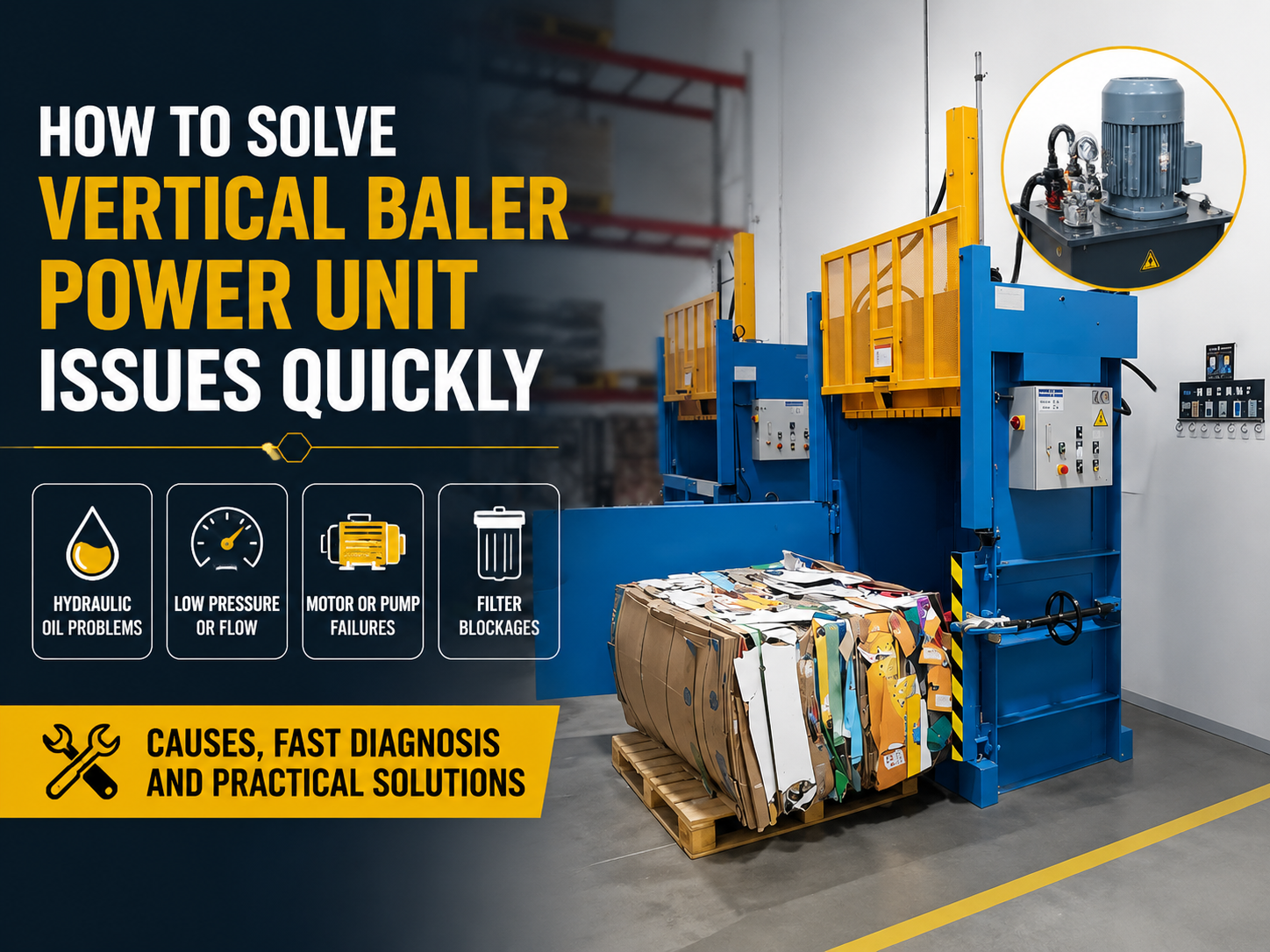
In the demanding world of metal fabrication and waste management, the vertical baler stands as a cornerstone of operational efficiency. At the heart of this machine lies the hydraulic power unit (HPU), a complex assembly responsible for generating the force required to compress bulky materials into manageable bales. When this unit falters, production grinds to a halt, leading to costly downtime and logistical bottlenecks. Understanding how to solve vertical baler power unit issues quickly is not just a maintenance skill; it is a critical operational necessity for any facility manager or technician.
HARSLE recognizes that industrial machinery is only as productive as its uptime. A vertical baler is subjected to immense pressure cycles, heat, and environmental stressors that can degrade the power unit over time. By mastering the diagnostic process, operators can distinguish between minor electrical glitches and major hydraulic failures. This guide provides a structured approach to troubleshooting, ensuring that your equipment remains a reliable asset in your production line.
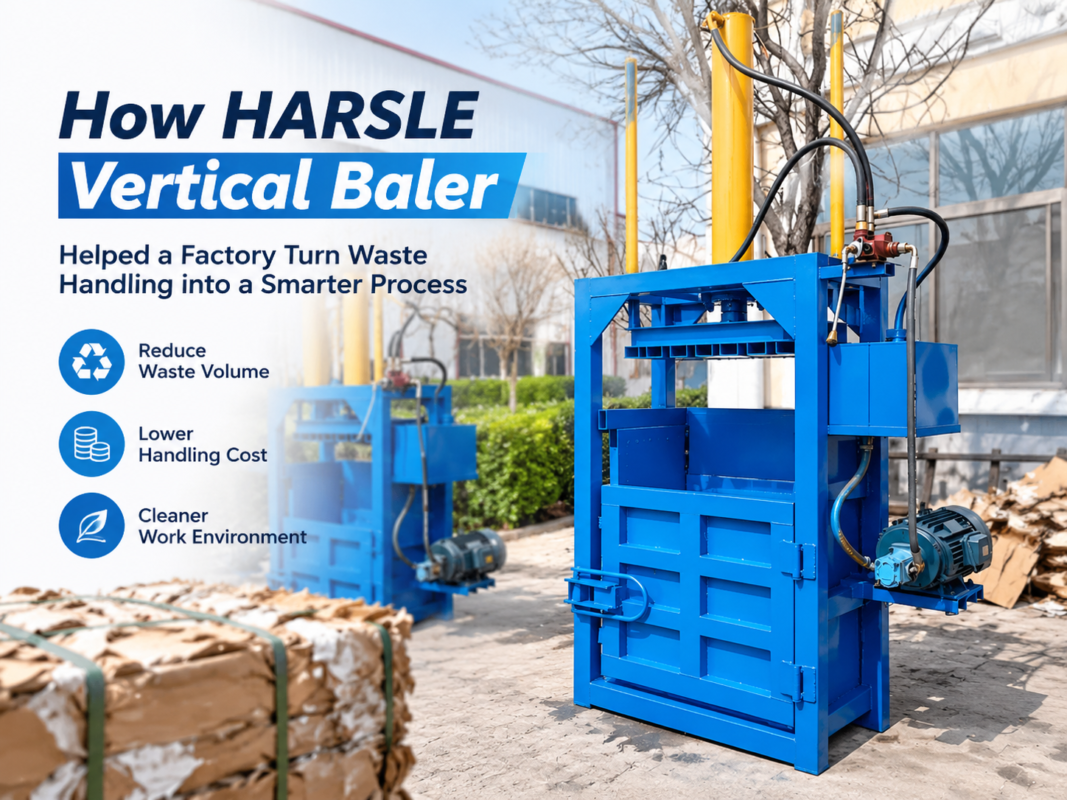
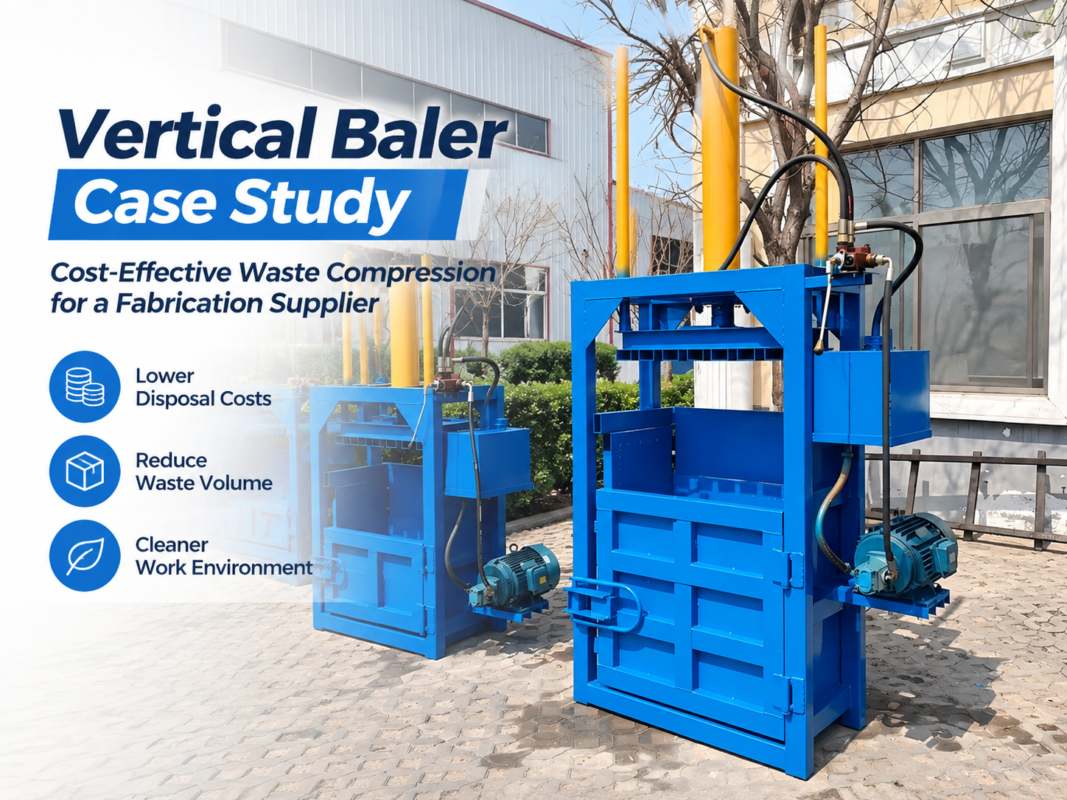
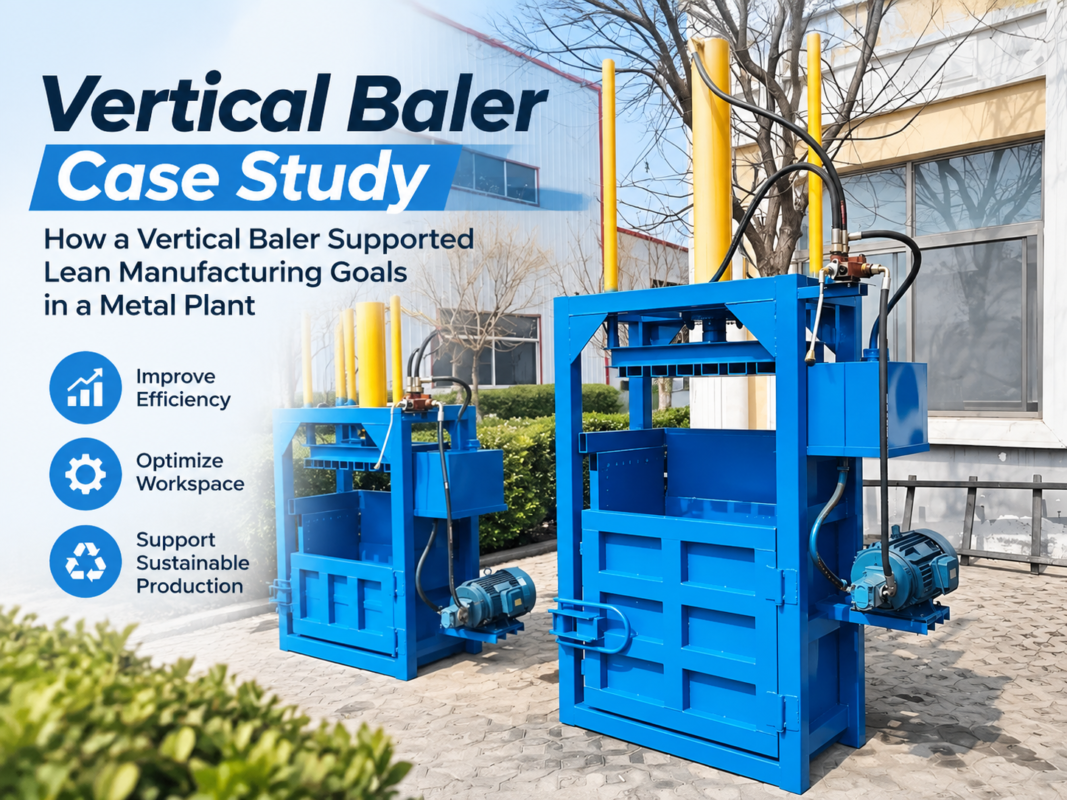
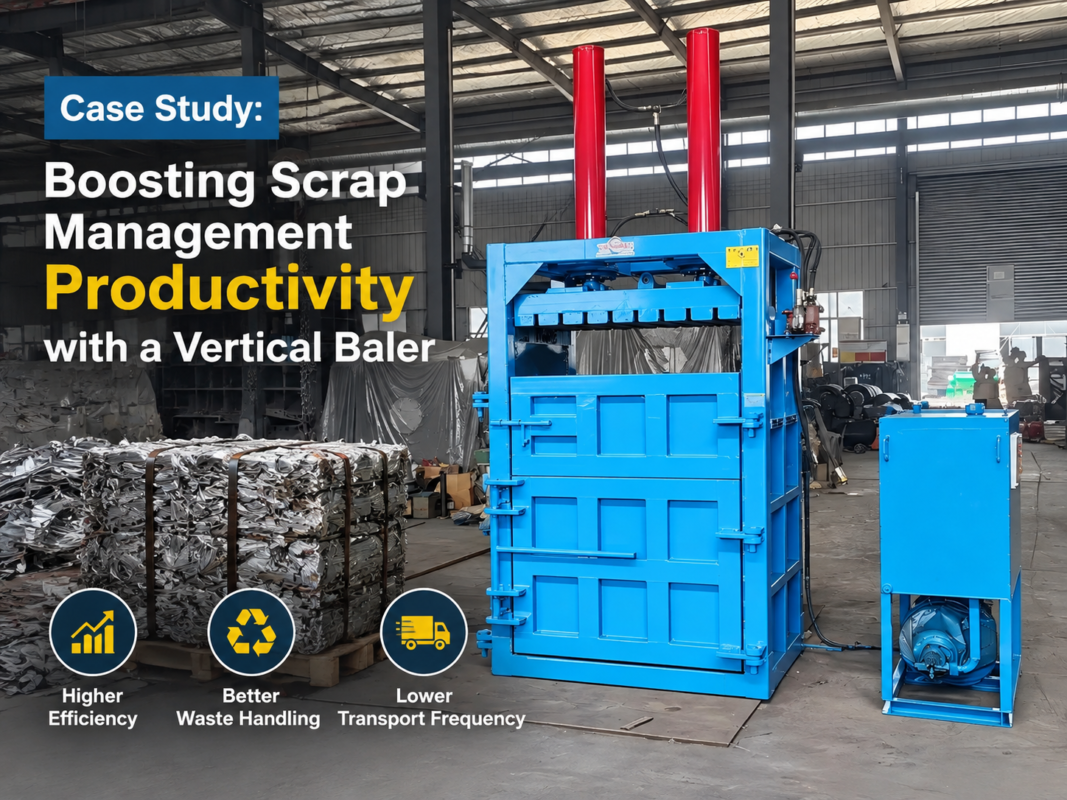
The power unit consists of several interconnected components: the electric motor, the hydraulic pump, the reservoir, control valves, and the fluid delivery system. Each of these elements must function in perfect harmony to maintain the required system pressure. When a failure occurs, it is rarely a total system collapse; rather, it is usually a specific component signaling distress. Learning to interpret these signals is the first step in restoring functionality.
This article serves as a comprehensive resource for maintenance teams. We will explore the common symptoms of power unit failure, the diagnostic steps required to isolate the root cause, and the preventive measures that keep your HARSLE equipment running at peak performance. Whether you are dealing with pressure loss, overheating, or unusual noise, the following sections will guide you through the resolution process.
Key Considerations for Hydraulic Power Unit Health
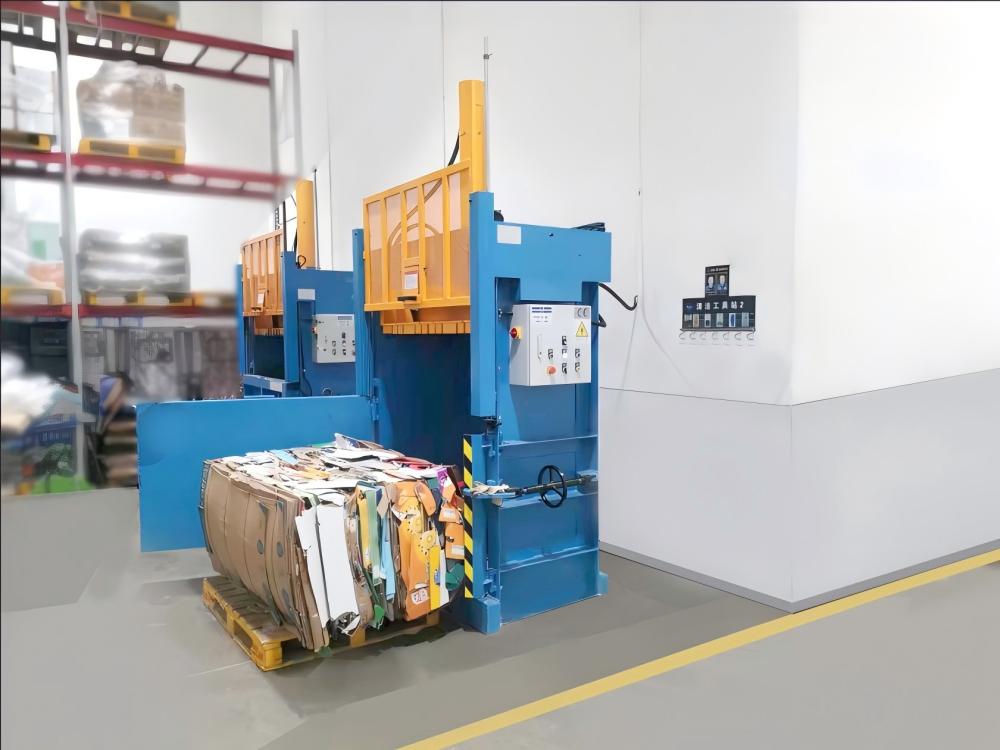
Before diving into repairs, it is essential to understand the environment in which the power unit operates. Hydraulic systems are highly sensitive to contamination. Even microscopic particles of dust, metal shavings, or moisture can wreak havoc on precision-engineered valves and pumps. Maintaining a clean workspace around the power unit is the first line of defense against premature failure.
Temperature management is another critical factor. Hydraulic fluid acts as both a power transmission medium and a coolant. If the fluid temperature exceeds the recommended operating range, its viscosity drops, leading to internal leakage and accelerated wear on pump components. Operators should regularly check the oil cooler and ensure that the ventilation around the power unit is unobstructed. High ambient temperatures in a fabrication shop can exacerbate these issues, making regular monitoring vital.
The quality of the hydraulic fluid itself cannot be overstated. Using the wrong grade of oil or failing to change it according to the manufacturer’s schedule will lead to sludge buildup and cavitation. Cavitation, the formation of vapor bubbles in the fluid, is a silent killer of hydraulic pumps. It creates shockwaves that can pit metal surfaces and destroy seals in a matter of hours. Always adhere to the viscosity specifications provided by HARSLE for your specific model.
Finally, electrical integrity is paramount. The power unit relies on a series of contactors, relays, and sensors to regulate pressure and cycle timing. Loose connections or corroded terminals can cause intermittent power delivery, leading to erratic behavior that mimics hydraulic failure. A systematic check of the electrical cabinet should always accompany any investigation into the hydraulic system. By addressing these key considerations, you create a foundation for long-term reliability.
Technical Details: Troubleshooting Common Power Unit Issues
When you need to solve vertical baler power unit issues quickly, you must follow a logical diagnostic path. The most common symptom is a loss of compression force. If the baler is failing to reach its target pressure, start by checking the hydraulic fluid level. A low reservoir level can introduce air into the system, causing the pump to run dry and lose efficiency. If the level is correct, inspect the pressure relief valve. This valve is designed to bypass fluid when the system reaches its limit; if it is stuck in the open position, the system will never achieve full pressure.
Another frequent issue is excessive noise during operation. A whining or grinding sound usually indicates that the pump is struggling. This is often caused by a clogged suction strainer or a restricted inlet line. If the pump cannot draw enough fluid, it will cavitate, producing a distinct, high-pitched noise. Immediately shut down the unit if this occurs to prevent permanent damage to the pump internals. Clean or replace the suction strainer and ensure that all inlet hoses are free of kinks or blockages.
Overheating is a symptom that requires immediate attention. If the power unit feels excessively hot to the touch, check the cooling system. If the baler is equipped with an air-cooled heat exchanger, ensure the fan is operational and the fins are free of debris. If the system uses a water-cooled heat exchanger, verify the flow rate and temperature of the cooling water. Continuous operation under high heat will rapidly degrade the hydraulic seals, leading to external leaks that are both messy and hazardous.
Electrical failures often manifest as the motor failing to start or stopping mid-cycle. Use a multimeter to verify that the motor is receiving the correct voltage across all three phases. If the motor hums but does not turn, check the start capacitor or the motor starter contactor. In many cases, a simple reset of the thermal overload relay is all that is needed to get the machine back online. However, if the relay trips repeatedly, it indicates an underlying mechanical load issue that must be investigated before resetting again.
Selection Advice for Replacement Parts
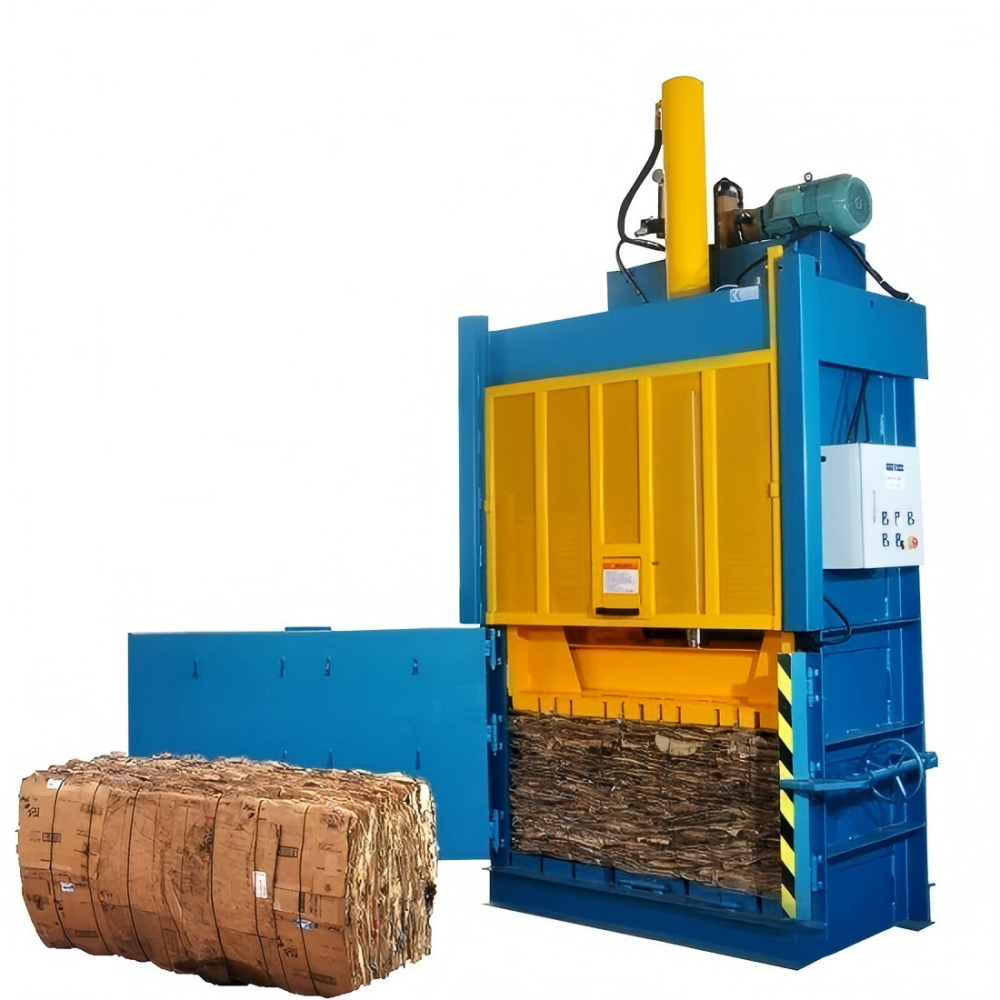
When a component within the power unit fails, the temptation to use generic, off-the-shelf parts can be high. However, for industrial machinery like a HARSLE vertical baler, using OEM-specified components is critical. Hydraulic pumps, valves, and seals are engineered to specific tolerances and flow rates. A generic pump might fit the mounting bracket, but its internal displacement or pressure rating could be incompatible with the rest of the system, leading to catastrophic failure of other components.
When selecting replacement hydraulic hoses, always match the pressure rating and the inner diameter of the original hose. Using a hose with a lower pressure rating than the system’s maximum operating pressure is a significant safety hazard. Furthermore, ensure that the hose ends are compatible with the existing fittings to prevent leaks. It is always a good practice to keep a small inventory of critical spares, such as filter elements, seals, and common electrical relays, to minimize downtime when a failure occurs.
Consider the environmental conditions of your facility when selecting replacement parts. If your baler operates in a high-dust environment, look for upgraded filtration systems or protective covers for the power unit. If the machine is exposed to moisture, ensure that all electrical components are rated for the appropriate IP (Ingress Protection) level. Investing in high-quality components during a repair is an investment in the future productivity of your baler.
Consulting with HARSLE technical support is the best way to ensure you are selecting the correct parts. Provide the serial number of your machine and a description of the failed component. Our team can provide the exact specifications or direct you to the latest, most reliable version of the part. Do not guess when it comes to hydraulic systems; precision is the key to longevity.
Maintenance Checklist for Long-Term Performance
| Frequency | Maintenance Task | Purpose |
|---|---|---|
| Daily | Check hydraulic fluid level | Prevent pump cavitation |
| Weekly | Inspect hoses for leaks | Ensure safety and system pressure |
| Monthly | Clean air filter/cooler | Prevent overheating |
| Quarterly | Test pressure relief valve | Maintain compression force |
| Annually | Change hydraulic oil and filter | Remove contaminants and sludge |
Implementing a rigorous maintenance schedule is the most effective way to avoid having to solve vertical baler power unit issues quickly in the first place. The table above outlines a basic schedule, but it should be adapted based on the intensity of your baler’s usage. Machines that run multiple shifts per day will require more frequent inspections than those used occasionally.
Documentation is a vital part of maintenance. Keep a logbook for each baler, recording the dates of oil changes, filter replacements, and any repairs performed. This history helps in identifying patterns of failure. For example, if you find yourself replacing a specific valve every six months, it may indicate a deeper issue with the system’s pressure spikes or fluid quality that needs to be addressed through a more permanent engineering solution.
Training your operators is equally important. An operator who is familiar with the normal sounds and performance characteristics of the baler will be the first to notice when something is wrong. Encourage them to report any changes in cycle time, unusual noises, or minor leaks immediately. Early detection is the difference between a five-minute adjustment and a five-day repair job.
Frequently Asked Questions (FAQ)
Why is my vertical baler losing pressure during the compression cycle?
Loss of pressure is typically caused by a leaking internal seal, a faulty pressure relief valve, or a worn-out hydraulic pump. Start by checking for external leaks, then test the relief valve to ensure it is holding pressure correctly.
How often should I change the hydraulic fluid in my HARSLE baler?
Generally, hydraulic fluid should be changed every 2,000 to 4,000 operating hours, or at least once a year. However, if the fluid appears dark, cloudy, or has a burnt smell, it should be replaced immediately regardless of the hours.
Can I use any hydraulic oil for my baler?
No. You must use the specific viscosity and grade recommended in your HARSLE operation manual. Using the wrong oil can lead to pump damage, seal degradation, and poor performance in varying temperatures.
What should I do if the motor hums but the baler doesn’t move?
This usually indicates an electrical issue or a seized pump. Check the motor starter and contactors first. If the electrical system is fine, the pump may be mechanically locked, which requires professional inspection.
Is it safe to tighten hydraulic fittings while the system is under pressure?
Absolutely not. Never attempt to tighten or loosen hydraulic fittings while the system is pressurized. High-pressure hydraulic fluid can penetrate the skin and cause severe injury. Always de-pressurize the system before performing any maintenance.
Conclusion
Learning how to solve vertical baler power unit issues quickly is a skill that pays dividends in operational efficiency and equipment longevity. By understanding the core components of the hydraulic system, maintaining a clean and cool operating environment, and adhering to a strict maintenance schedule, you can prevent the majority of common failures. When issues do arise, a systematic approach—checking fluid levels, electrical integrity, and valve functionality—will help you isolate the problem and implement a solution with minimal downtime.
HARSLE is committed to supporting your fabrication needs with robust, high-quality machinery. Our vertical balers are designed for durability, but they require the same care and attention as any high-performance industrial tool. By following the guidelines provided in this article, you ensure that your equipment remains a reliable partner in your production process. Remember, when in doubt, consult your HARSLE manual or contact our technical support team for expert guidance. Proper care today prevents the costly repairs of tomorrow.