Vertical Baler Leak Troubleshooting: Hydraulic Oil Loss and Seal Failure

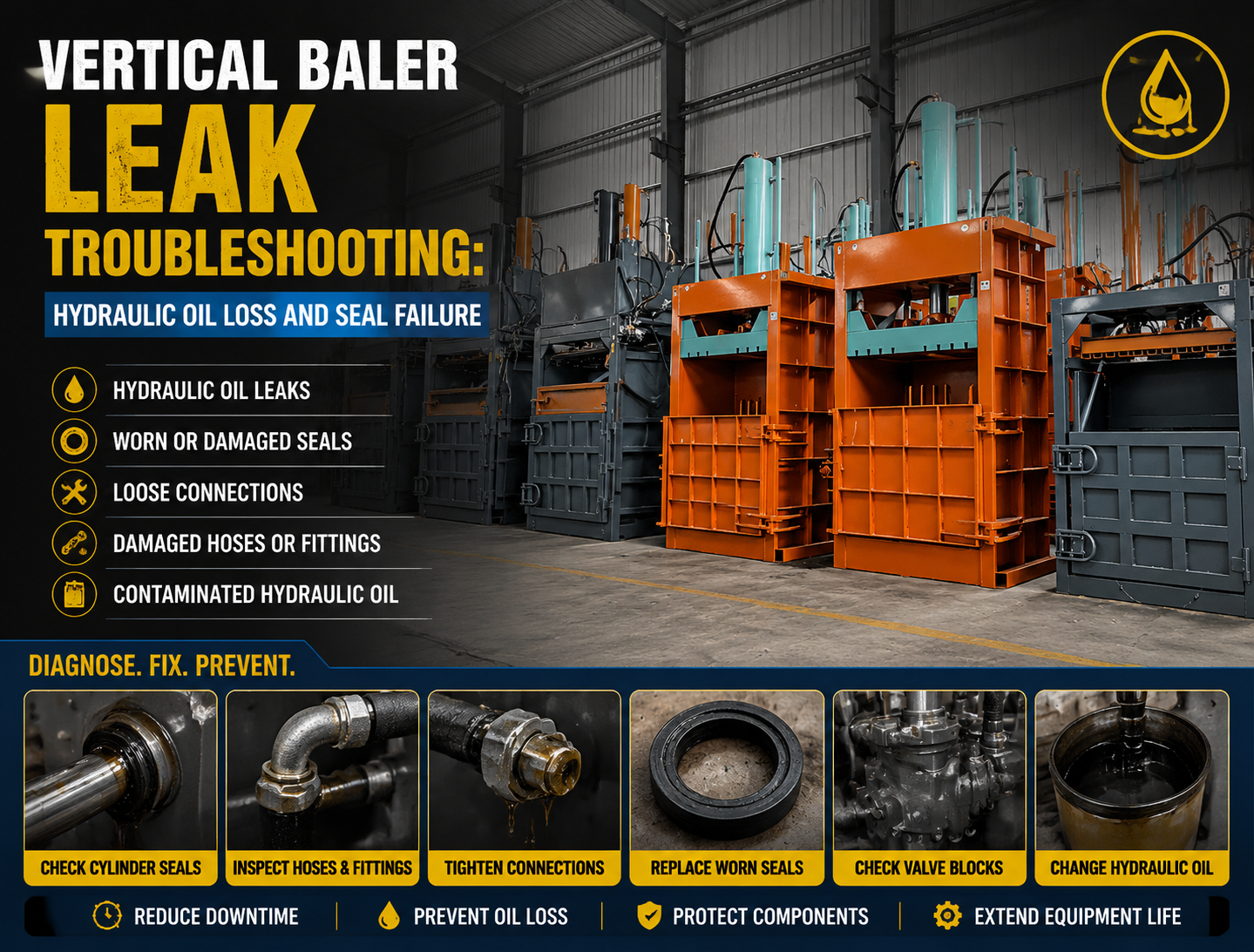
Introduction to Vertical Baler Leak Troubleshooting: Hydraulic Oil Loss and Seal Failure
In the high-pressure environment of metal fabrication and waste management, the vertical baler stands as a cornerstone of operational efficiency. However, even the most robust HARSLE machinery can encounter hydraulic challenges over time. Vertical Baler Leak Troubleshooting: Hydraulic Oil Loss and Seal Failure is a critical skill for maintenance teams aiming to minimize downtime and extend the lifespan of their equipment. When a hydraulic system loses pressure or begins to leak, it is not merely a housekeeping issue; it is a signal that the integrity of the machine’s core power source is compromised.
Hydraulic oil serves as the lifeblood of your vertical baler, transmitting the force required to compress heavy materials into dense, manageable bales. When this fluid escapes, the machine loses its mechanical advantage, leading to slower cycle times, increased energy consumption, and potential damage to the hydraulic pump. Understanding the root causes of these leaks—whether they stem from worn-out seals, loose fittings, or degraded hoses—is essential for any facility manager.
This comprehensive guide explores the technical nuances of hydraulic systems in vertical balers. We will walk through the diagnostic process, identify common failure points, and provide actionable maintenance strategies to ensure your HARSLE equipment remains in peak condition. By prioritizing proactive troubleshooting, you can prevent catastrophic failures and ensure a safer, more productive workspace.
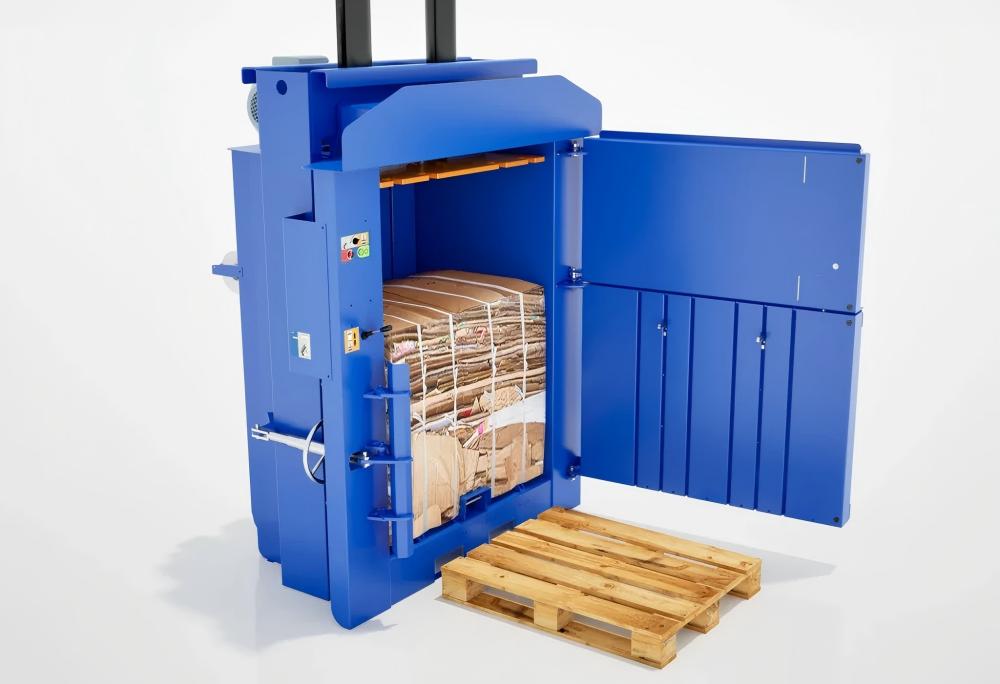
Key Considerations for Hydraulic System Integrity
The hydraulic system of a vertical baler is a closed-loop circuit designed to operate under immense pressure. Maintaining this system requires a deep understanding of fluid dynamics and mechanical wear. One of the primary considerations is the quality and viscosity of the hydraulic oil. Using the wrong grade of oil can lead to excessive heat generation, which in turn accelerates the degradation of seals and gaskets. Always refer to the HARSLE technical manual to ensure your fluid specifications align with the manufacturer’s recommendations.
Environmental factors also play a significant role in leak development. Vertical balers are often located in areas with fluctuating temperatures or high levels of dust and debris. Over time, these contaminants can infiltrate the hydraulic system if breathers or filters are not properly maintained. Once inside, abrasive particles act like sandpaper on internal seals, leading to premature failure. Regular inspection of the hydraulic reservoir and filter housing is a non-negotiable aspect of daily maintenance.
Another key consideration is the vibration inherent in baling operations. As the ram compresses material, the entire structure of the baler experiences stress. This vibration can cause threaded fittings to loosen over time, creating small “weeping” leaks that eventually escalate into significant oil loss. Implementing a routine torque-check schedule for all hydraulic connections can prevent these minor issues from becoming major repair projects.
Finally, consider the age and duty cycle of your equipment. A baler that runs 24/7 will naturally experience seal wear faster than one used intermittently. Establishing a predictive maintenance schedule based on actual machine hours rather than calendar dates allows you to replace seals and hoses before they fail. This proactive approach is the hallmark of a well-managed industrial facility.
Technical Details: Identifying and Fixing Seal Failure
Seal failure is the most common culprit in Vertical Baler Leak Troubleshooting: Hydraulic Oil Loss and Seal Failure. Hydraulic seals, typically made of high-grade elastomers or polyurethane, are designed to hold back high-pressure fluid while allowing the piston rod to move smoothly. When these seals harden, crack, or tear, the hydraulic fluid bypasses the seal, resulting in external leaks or internal pressure loss. Identifying the location of the leak is the first step in the repair process.
To diagnose a seal failure, start by cleaning the entire hydraulic assembly. Use a degreaser to remove old oil and grime, then operate the baler through a full cycle. Observe the cylinder rods, valve blocks, and hose connections carefully. If oil is dripping from the cylinder gland, the rod seal is likely the culprit. If the leak is occurring at a connection point, it may be a simple O-ring failure or a damaged flare fitting that requires replacement.
When replacing seals, cleanliness is paramount. Even a microscopic piece of dust or metal shaving can compromise a new seal, leading to a repeat failure within days. Ensure that the work area is sterile, and use lint-free cloths to wipe down all components. Before installing new seals, inspect the cylinder rod for scoring or pitting. If the metal surface is damaged, a new seal will not be able to maintain a proper barrier, and the leak will persist regardless of the seal quality.
For complex repairs involving the main hydraulic cylinder, it is often advisable to perform a full seal kit replacement. This involves disassembling the cylinder, removing the piston, and replacing all internal wear components, including the piston seals, rod seals, and wiper rings. While this is a more labor-intensive process, it ensures that the entire cylinder is restored to factory specifications, preventing the need for repeated maintenance in the near future.
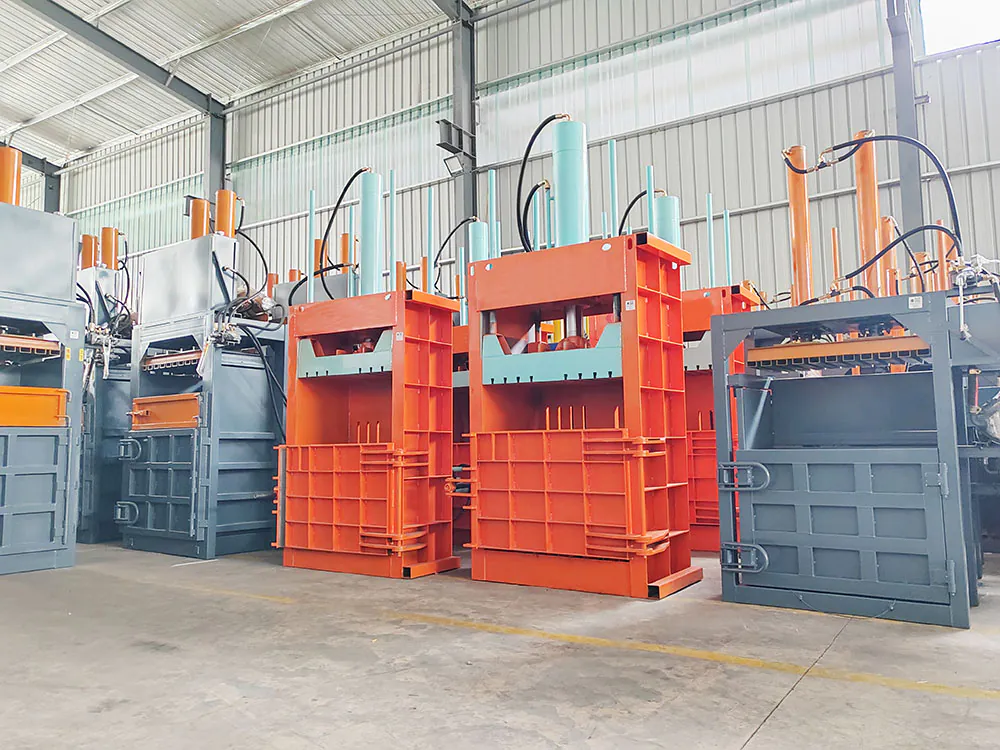
Selection Advice: Preventing Future Leaks
Choosing the right vertical baler is the first line of defense against hydraulic issues. When selecting equipment from HARSLE, consider the specific material density and volume you intend to process. An undersized baler forced to handle material beyond its capacity will experience excessive hydraulic pressure, leading to premature seal failure and hose ruptures. Always opt for a machine with a safety margin in its pressure rating to ensure it operates comfortably within its design limits.
Look for features that enhance maintainability. Modern HARSLE balers often include integrated diagnostic ports and easily accessible hydraulic manifolds. These features allow technicians to monitor system pressure and identify leaks without extensive disassembly. When evaluating potential models, ask about the accessibility of the hydraulic components. A machine that requires hours of labor just to reach a filter or a hose is a machine that will likely be neglected during routine maintenance.
Consider the quality of the hydraulic components used in the build. High-quality hoses with reinforced braiding and industrial-grade fittings are less prone to fatigue and vibration-induced leaks. During the procurement process, inquire about the manufacturer’s standards for hydraulic components. Investing in a machine built with premium parts may have a higher upfront cost, but the reduction in maintenance expenses and downtime will provide a superior return on investment over the life of the equipment.
Finally, establish a relationship with a reliable service provider or ensure your internal team is trained on HARSLE-specific maintenance protocols. Having a stock of common spare parts—such as O-rings, seal kits, and hydraulic hoses—on-site can drastically reduce the time it takes to address a leak. Being prepared is the best way to ensure that a minor hydraulic issue does not turn into a production-halting catastrophe.
FAQ: Troubleshooting Common Baler Issues
Q: How often should I check my vertical baler for hydraulic leaks?
A: We recommend a visual inspection of all hydraulic connections and cylinders at the start of every shift. A more thorough, deep-clean inspection should be performed monthly to identify slow leaks that may be hidden by dust.
Q: What are the signs of internal hydraulic seal failure?
A: If your baler is losing pressure, struggling to compress material, or if the ram drifts downward when the machine is idle, you likely have an internal seal failure where fluid is bypassing the piston.
Q: Can I use generic hydraulic fluid in my HARSLE baler?
A: Always use the fluid grade specified in your HARSLE manual. Using the wrong viscosity can lead to overheating and seal degradation, which will void your warranty and cause long-term damage.
Q: Why does my hydraulic hose keep bursting?
A: Frequent hose failure is often a sign of excessive system pressure, vibration, or the hose rubbing against a sharp metal edge. Check your pressure relief valve settings and ensure all hoses are properly secured with clamps.
Q: Is it safe to tighten a leaking hydraulic fitting while the machine is under pressure?
A: Absolutely not. Never attempt to tighten or adjust hydraulic components while the system is pressurized. Always shut down the machine and release all residual pressure before performing any maintenance.
Conclusion
Vertical Baler Leak Troubleshooting: Hydraulic Oil Loss and Seal Failure is an essential aspect of industrial maintenance that directly impacts the profitability and safety of your operations. By understanding the mechanics of your HARSLE baler, recognizing the early warning signs of seal degradation, and adhering to a strict maintenance schedule, you can ensure that your equipment remains a reliable asset for years to come.
Remember that hydraulic systems are precise instruments. They require clean fluid, proper pressure settings, and regular inspections to function correctly. When you treat your machinery with the care it deserves, it will reward you with consistent performance and minimal downtime. If you encounter a leak that you cannot resolve, do not hesitate to contact HARSLE support or a certified technician. Addressing issues early is always more cost-effective than dealing with the aftermath of a total system failure.
As you continue to manage your metal fabrication equipment, keep this guide as a reference for your maintenance team. By fostering a culture of proactive care and technical excellence, you can maximize the output of your vertical baler and maintain a safe, efficient, and productive facility. Stay vigilant, keep your hydraulic systems clean, and your baling operations will continue to run smoothly.