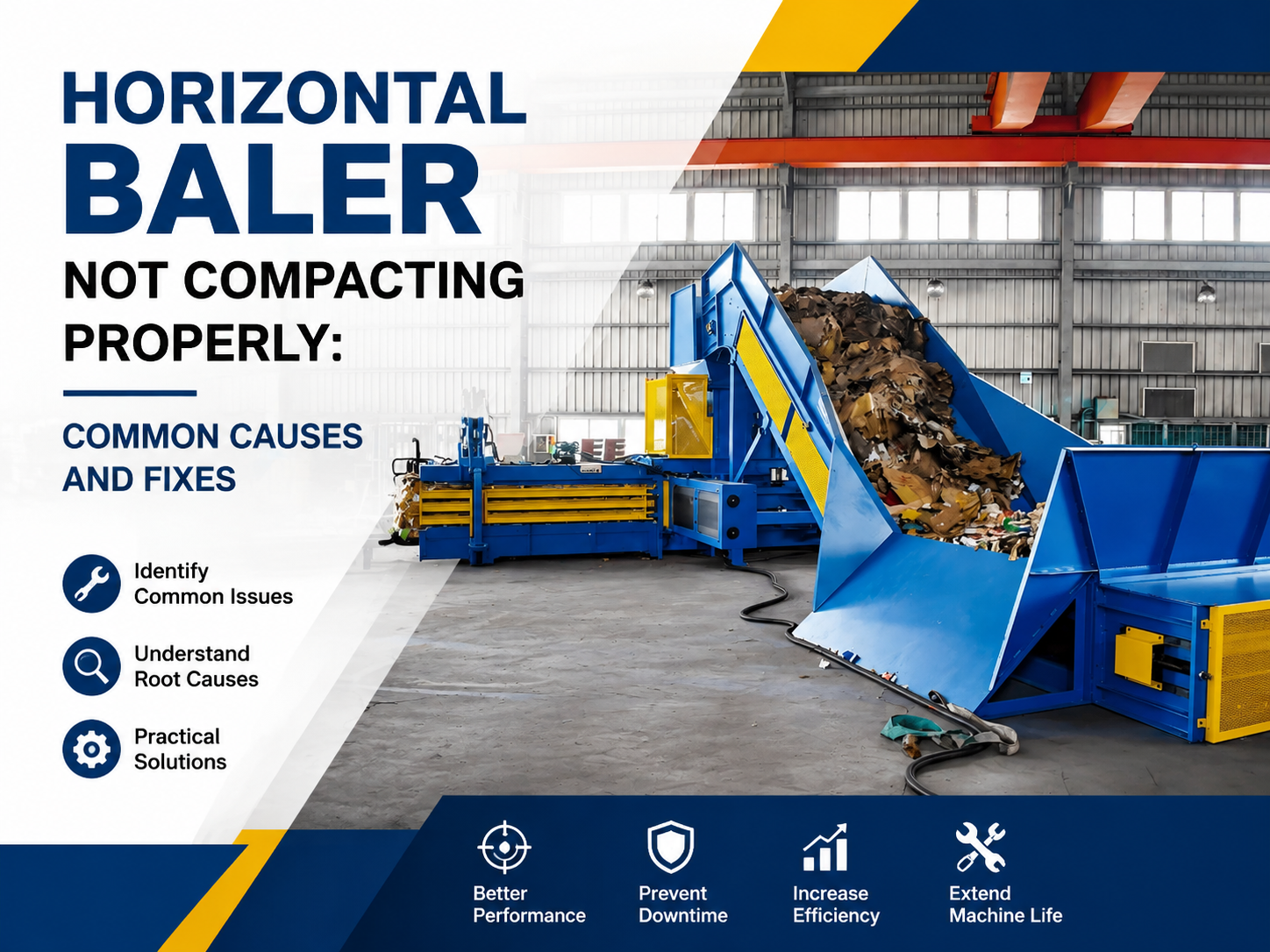
Horizontal Baler Not Compacting Properly: Common Causes and Fixes

Introduction
In the high-stakes environment of metal fabrication and industrial recycling, the horizontal baler serves as the backbone of waste management and material processing. When a horizontal baler not compacting properly: common causes and fixes become the primary concern for facility managers, the entire production line can grind to a halt. At HARSLE, we understand that downtime is not just an inconvenience—it is a direct hit to your bottom line. Whether you are processing scrap metal, cardboard, or plastic, maintaining consistent bale density is critical for logistics, storage, and material resale value.
This comprehensive guide is designed to help operators and maintenance teams diagnose performance issues systematically. When your machine fails to reach the desired compression force, it is rarely due to a single catastrophic failure. Instead, it is often a combination of hydraulic inefficiencies, mechanical wear, or operational errors. By understanding the intricate relationship between hydraulic pressure, ram alignment, and material feed rates, you can restore your equipment to peak performance without unnecessary external service costs.
As we explore the common causes of poor compaction, we will look at the specific components that define HARSLE’s high-performance horizontal balers. From the hydraulic power unit to the PLC control systems, every element plays a role in the final bale density. This article serves as a technical roadmap for troubleshooting, ensuring that your facility remains productive, safe, and efficient in its material handling operations.
Key Considerations for Baler Performance
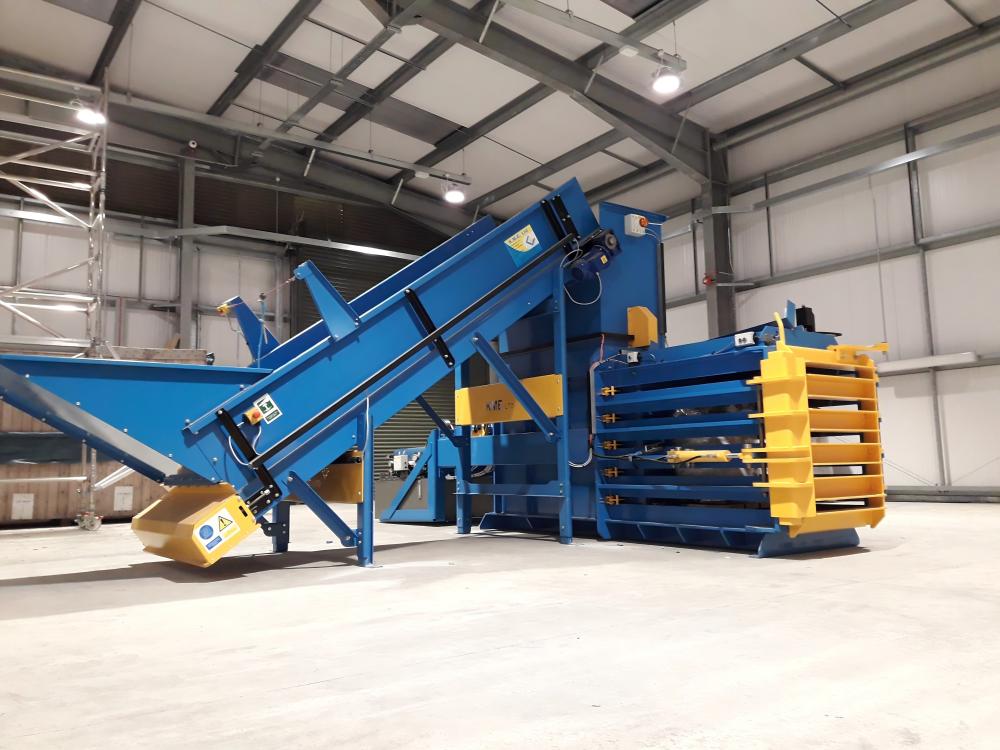
Before diving into mechanical repairs, it is essential to consider the operational environment and material characteristics. A horizontal baler not compacting properly: common causes and fixes often start with the material being fed into the chamber. If the material is too wet, too bulky, or improperly sorted, the hydraulic system may struggle to achieve the required density. Understanding the load profile is the first step in effective troubleshooting.
Another key consideration is the frequency of maintenance. Industrial machinery requires a strict adherence to lubrication schedules and filter replacement intervals. If hydraulic oil is contaminated or if the oil viscosity is incorrect due to temperature fluctuations, the system pressure will drop, leading to loose or poorly formed bales. Operators should maintain a log of hydraulic pressure readings to identify trends before a total failure occurs.
Safety protocols must never be bypassed during the inspection process. Horizontal balers utilize immense force, and any intervention requires the machine to be locked out and tagged out (LOTO). Ensure that all personnel involved in troubleshooting are trained on the specific HARSLE model specifications. Ignoring safety during maintenance is the leading cause of workplace accidents in the metal fabrication industry.
Finally, consider the age and usage intensity of your equipment. Older machines may suffer from seal degradation or internal cylinder bypass, which are common culprits for reduced compaction force. By keeping a detailed history of component replacements, you can predict when seals or valves are nearing the end of their service life, allowing for proactive maintenance rather than reactive repairs.
Technical Details: Troubleshooting Compaction Issues
When investigating why a horizontal baler is not compacting properly, the hydraulic system is the primary suspect. The hydraulic pump is the heart of the machine; if it is failing to build pressure, the ram will move but lack the force to compress the material. Check the pressure relief valve settings to ensure they haven’t drifted over time. A pressure gauge reading that fluctuates wildly is often a sign of air in the system or a failing pump.
The hydraulic cylinder seals are another critical area. If the internal seals are worn, hydraulic fluid can bypass the piston, resulting in a loss of force. This is often characterized by a ram that moves slowly or stalls under load. To test for this, a technician can perform a bypass test to see if fluid is leaking internally within the cylinder. Replacing these seals is a standard maintenance procedure that can significantly restore compaction performance.
Electrical and sensor issues can also mimic mechanical failures. HARSLE balers utilize sophisticated PLC systems to monitor ram position and pressure. If a proximity sensor is misaligned or faulty, the machine may think the ram has reached the end of its stroke prematurely, stopping the compression cycle before the bale is fully formed. Regularly cleaning and calibrating these sensors is vital for consistent operation.
Mechanical alignment of the ram and the chamber walls is equally important. Over time, the guide rails or the ram face itself can become worn or bent due to the processing of heavy or abrasive materials. If the ram is not perfectly aligned, it will create uneven pressure across the bale, leading to structural instability. Inspect the ram guides for excessive play and ensure the chamber walls are free of debris that could impede the ram’s movement.
Selection Advice: Choosing the Right Baler
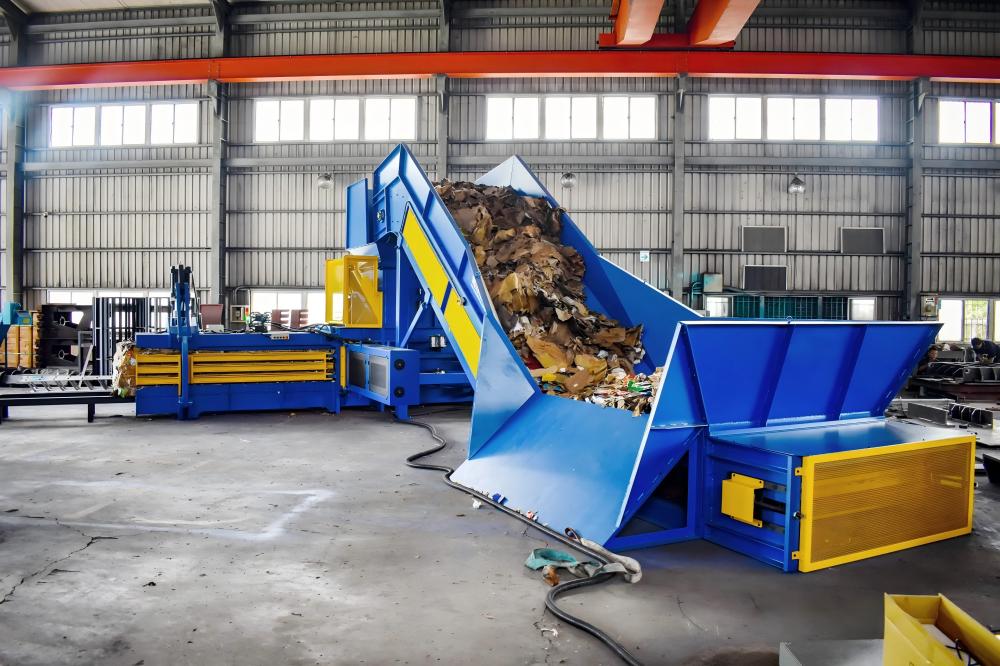
Selecting the right horizontal baler for your specific application is the best way to avoid compaction issues in the first place. If you are processing high-density scrap metal, a light-duty cardboard baler will inevitably fail to meet your needs. HARSLE offers a range of machines tailored to different material types, and choosing the correct tonnage is paramount. Always consult with an engineer to match the machine’s force output with your material throughput requirements.
Consider the automation level of the baler. Fully automatic horizontal balers are designed for high-volume facilities where consistent bale density is required 24/7. These machines feature advanced tie-off systems and continuous feeding capabilities. If your current manual or semi-automatic baler is struggling, it may be a sign that your production volume has outgrown the machine’s capacity, and an upgrade to a more robust model is necessary.
Look for features that enhance durability, such as wear-resistant liners in the compression chamber. These liners protect the main structure from the abrasive nature of metal scrap and can be replaced easily, extending the life of the machine. Additionally, consider the ease of maintenance access. HARSLE designs its equipment with serviceability in mind, ensuring that critical components like valves and pumps are accessible for routine checks.
Finally, evaluate the support network. A horizontal baler is a long-term investment. Choosing a manufacturer like HARSLE ensures that you have access to genuine spare parts, technical support, and expert guidance. When a machine is not compacting properly, having a reliable partner to provide troubleshooting advice or replacement parts can save weeks of downtime and thousands of dollars in lost productivity.
FAQ: Common Questions About Baler Compaction
- Why is my bale density inconsistent? Inconsistent density is often caused by uneven material feeding or a failing hydraulic pressure relief valve. Ensure the material is distributed evenly across the chamber and check your hydraulic pressure settings.
- How often should I change hydraulic oil? We recommend changing the hydraulic oil and filters every 1,000 to 2,000 operating hours, depending on the intensity of use and environmental conditions.
- What should I do if the ram stalls? First, check for physical obstructions in the chamber. If clear, check the hydraulic pressure gauge. If the pressure is low, you may have a pump issue or a leak in the hydraulic circuit.
- Can I use any hydraulic oil? No, always use the oil grade specified in your HARSLE manual. Using the wrong viscosity can lead to overheating and premature pump failure.
- How do I know if my cylinder seals are worn? If the ram drifts or lacks power under load, it is a strong indicator of internal seal bypass. A professional technician can perform a pressure test to confirm.
Conclusion
Addressing a horizontal baler not compacting properly: common causes and fixes requires a methodical approach that combines technical knowledge with regular maintenance practices. By monitoring your hydraulic system, ensuring proper ram alignment, and selecting the right equipment for your material load, you can ensure that your HARSLE baler remains a reliable asset in your metal fabrication facility. Remember that most compaction issues are preventable through proactive care and timely intervention.
At HARSLE, we are committed to providing the highest quality industrial machinery and support. If you have exhausted the troubleshooting steps outlined in this guide and are still experiencing performance issues, do not hesitate to contact our technical support team. We are here to help you optimize your operations and maintain the efficiency your business demands. Investing time in understanding your equipment today will pay dividends in productivity and machine longevity for years to come.