Vertical Baler Performance Problems: Troubleshooting Guide for Better Output

Introduction to Vertical Baler Performance
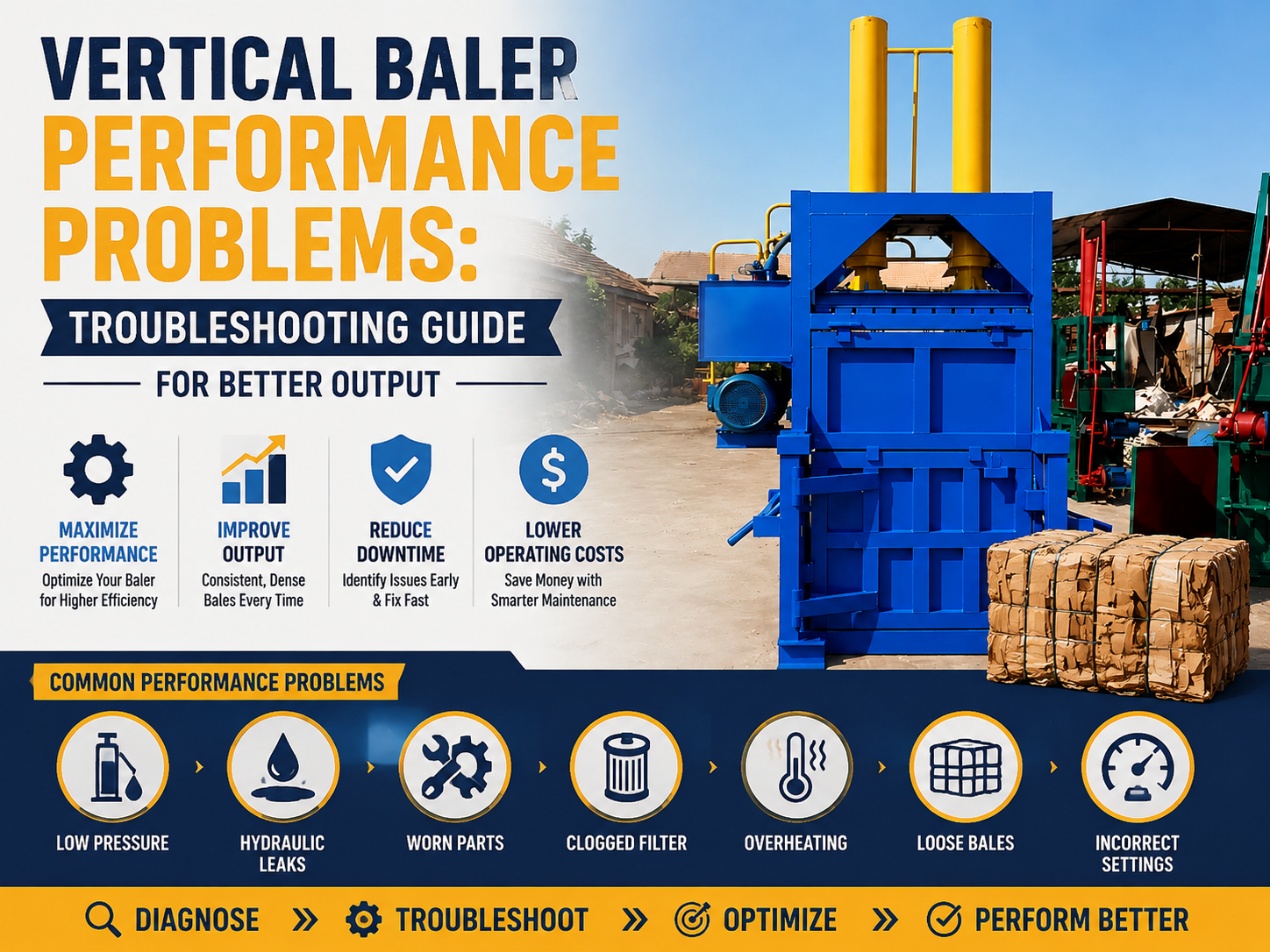
In the modern metal fabrication and recycling industry, the vertical baler stands as a cornerstone of operational efficiency. As businesses strive to minimize their environmental footprint and maximize the value of scrap materials, the reliability of these machines becomes paramount. However, even the most robust HARSLE vertical baler can encounter operational hurdles that impede throughput and compromise bale density. Understanding Vertical Baler Performance Problems: Troubleshooting Better Output is essential for facility managers and maintenance teams aiming to maintain a seamless workflow.
When a baler fails to perform at its peak, the consequences extend beyond simple downtime. Inefficient baling leads to increased storage costs, higher logistics expenses, and potential safety hazards on the shop floor. By identifying the root causes of performance degradation—whether they be hydraulic, electrical, or mechanical—operators can implement proactive solutions that restore productivity. This guide serves as a comprehensive resource for diagnosing common issues and optimizing your equipment for long-term success.
Achieving consistent output requires more than just reactive repairs; it demands a deep understanding of the machine’s internal dynamics. From the pressure settings in the hydraulic system to the structural integrity of the bale chamber, every component plays a role in the final product. As we delve into the technical aspects of troubleshooting, we will explore how proper maintenance schedules and operator training contribute to the overall longevity and performance of your industrial machinery.
HARSLE is committed to providing high-performance solutions that withstand the rigors of heavy-duty industrial environments. By following the troubleshooting steps outlined in this article, you can ensure that your equipment remains a productive asset rather than a bottleneck. Let us explore the key considerations for maintaining your vertical baler and achieving the high-density output your business requires.
Key Considerations for Optimal Baler Performance
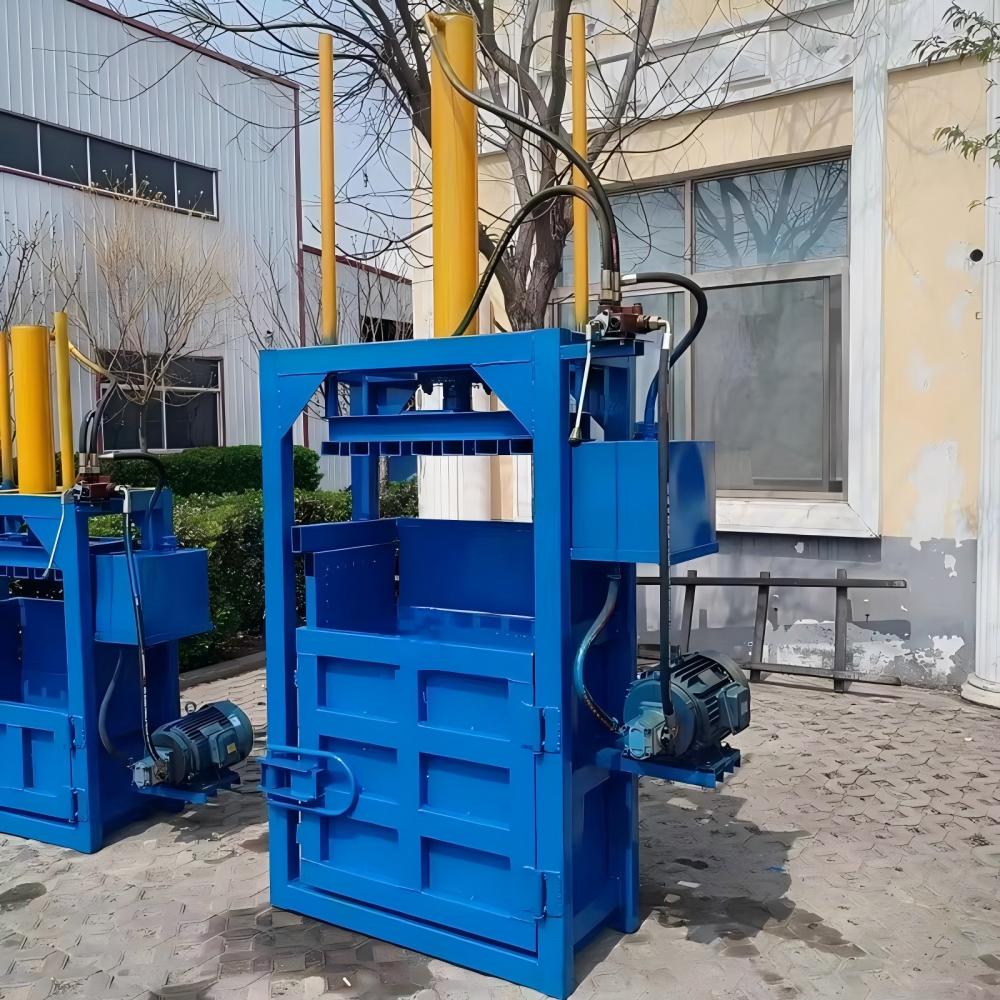
The first step in addressing Vertical Baler Performance Problems: Troubleshooting Better Output is establishing a baseline for what ‘optimal’ looks like. Performance is not merely about the speed of the cycle; it is about the consistency of the bale weight, the integrity of the strapping, and the safety of the operator. A well-maintained baler should operate with minimal noise, smooth hydraulic movement, and precise control over the compression force.
Environmental factors play a significant role in how your machine performs. Dust, metal shavings, and extreme temperature fluctuations can wreak havoc on sensitive electrical components and hydraulic seals. It is crucial to maintain a clean operating environment around the baler. Regular cleaning of the guide rails and the removal of debris from the chamber floor are simple yet effective ways to prevent mechanical binding and ensure the platen travels smoothly during each cycle.
Operator training is another critical pillar of performance. Many performance issues are actually the result of improper loading techniques. Overloading the chamber, placing materials unevenly, or using the wrong strapping material can lead to uneven bale density and increased strain on the hydraulic cylinders. By ensuring that all staff are trained on the specific requirements of your HARSLE model, you can significantly reduce the frequency of troubleshooting calls.
Finally, consider the importance of a structured maintenance log. Tracking cycle times, oil pressure readings, and any unusual sounds or vibrations allows you to spot trends before they turn into major failures. A proactive approach to maintenance—such as checking fluid levels and inspecting hoses for signs of wear—is the most effective way to ensure that your vertical baler continues to deliver high-quality output day after day.
Technical Details: Diagnosing Hydraulic and Mechanical Issues
Hydraulic systems are the heart of any vertical baler. When you experience a drop in compression force, the hydraulic system is usually the first place to look. A common issue is air in the hydraulic lines, which can cause the platen to move erratically or fail to reach full pressure. Bleeding the system according to the manufacturer’s manual is a standard procedure that can often resolve these performance bottlenecks.
Another technical concern involves the hydraulic pump and relief valves. If the pump is noisy or the cycle time is significantly slower than usual, it may indicate a failing pump or a relief valve that is set incorrectly. The relief valve is designed to protect the system from over-pressurization, but if it is set too low, the baler will never achieve the density required for efficient transport. Regularly calibrating these valves is a vital part of troubleshooting for better output.
Mechanical wear on the guide shoes and the platen itself can also lead to performance problems. Over time, the friction between the platen and the chamber walls can cause misalignment. If the platen is not perfectly level, it will put uneven pressure on the bale, leading to ‘banana-shaped’ bales that are difficult to stack and transport. Inspecting these components for wear and applying the correct lubrication is essential for maintaining the structural integrity of the baling process.
Electrical control systems, including limit switches and sensors, are often overlooked during troubleshooting. If the baler stops mid-cycle or fails to start, a faulty limit switch might be the culprit. These sensors ensure that the door is closed and the strapping is in place before the machine engages. Keeping these sensors free of debris and ensuring they are properly aligned will prevent unnecessary downtime and keep your production line moving efficiently.
Selection Advice: Choosing the Right Baler for Your Needs
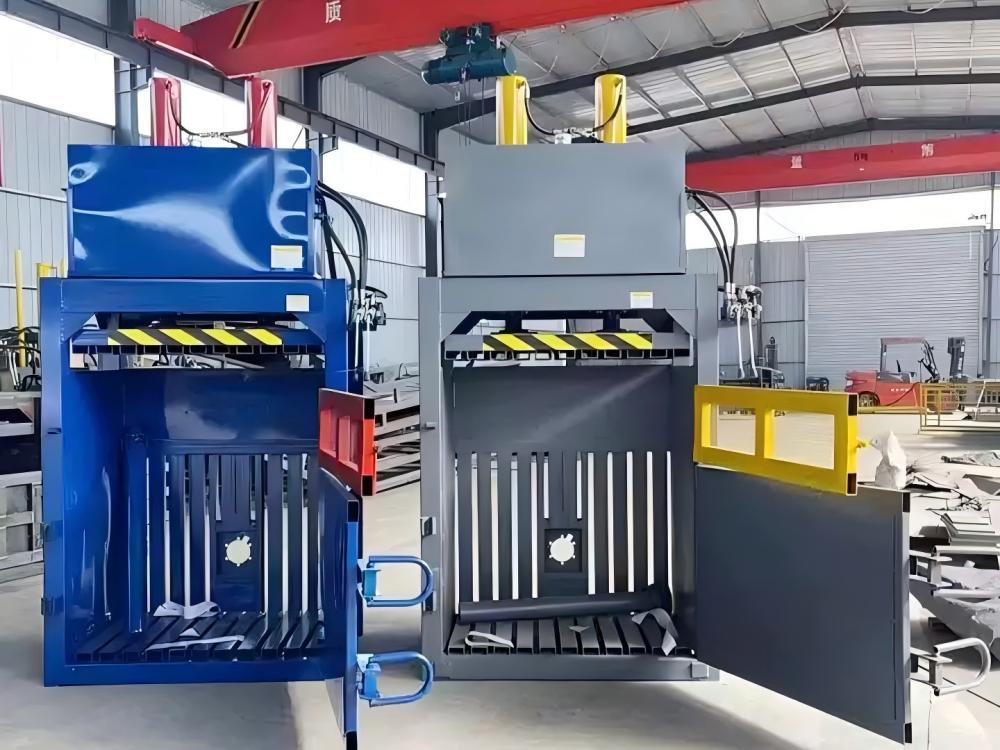
When selecting a vertical baler, the most common mistake is choosing a machine that is underpowered for the volume or density of the material being processed. If you are baling high-density scrap metal, a light-duty baler will struggle, leading to frequent performance problems and premature component failure. Always assess your material type, expected daily volume, and the required bale size before making an investment.
Consider the automation features available in modern HARSLE balers. Features like automatic bale ejection, programmable logic controllers (PLC), and integrated strapping systems can significantly improve output and reduce the physical burden on operators. While these features may increase the initial investment, the long-term gains in efficiency and reduced labor costs often justify the expense.
The physical footprint of the machine is also a key selection criterion. Ensure that your facility has adequate space not just for the baler, but for the material staging and the movement of finished bales. A cramped workspace can lead to inefficient loading practices, which, as we have discussed, is a primary cause of performance issues. Work with your HARSLE representative to design a layout that optimizes the flow of materials to and from the baler.
Finally, look for a manufacturer that offers robust after-sales support. A vertical baler is a long-term asset, and having access to spare parts, technical documentation, and expert advice is invaluable. Choosing a reputable brand like HARSLE ensures that you are not just buying a machine, but a partnership that supports your operational goals through every stage of the equipment’s lifecycle.
FAQ: Common Questions on Vertical Baler Performance
- Why is my baler producing uneven bales?
Uneven bales are usually caused by improper material distribution. Ensure that the material is spread evenly across the chamber floor and that the platen is clean and properly aligned. - How often should I change the hydraulic oil?
Hydraulic oil should be changed according to the manufacturer’s schedule, typically every 1,000 to 2,000 operating hours, or sooner if the oil appears cloudy or contaminated. - What should I do if the baler makes a loud grinding noise?
Stop the machine immediately. Grinding noises often indicate a mechanical failure, such as a worn guide shoe or a loose component. Inspect the chamber and platen for signs of metal-on-metal contact. - Can I use any type of strapping material?
No, always use the strapping material recommended by the manufacturer. Using the wrong gauge or material can cause the straps to snap under pressure, leading to bale expansion and safety risks. - How do I improve the density of my bales?
To improve density, ensure the hydraulic pressure is set correctly, allow the platen to dwell at the bottom of the stroke for a few seconds, and ensure the chamber is not overloaded beyond its capacity.
Conclusion: Sustaining High Performance
Mastering Vertical Baler Performance Problems: Troubleshooting Better Output is a continuous process of observation, maintenance, and optimization. By understanding the intricate relationship between hydraulic force, mechanical alignment, and operator technique, you can transform your baling operation from a source of frustration into a model of industrial efficiency. HARSLE equipment is designed to provide the power and reliability needed to handle the toughest materials, but its true potential is unlocked through diligent care.
Remember that troubleshooting is not just about fixing what is broken; it is about refining your processes to prevent future issues. Regularly scheduled inspections, thorough operator training, and a commitment to using genuine replacement parts will pay dividends in the form of increased uptime and higher-quality bales. As your business grows, your baling strategy should evolve with it, ensuring that your equipment always matches your production demands.
We encourage you to keep this guide as a reference for your maintenance team. Whether you are dealing with a minor sensor issue or a complex hydraulic challenge, the principles outlined here will provide a clear path forward. With the right approach to maintenance and a focus on operational excellence, your HARSLE vertical baler will continue to be a vital, high-performing asset in your metal fabrication facility for years to come.