How to Repair a Vertical Baler That Trips the Breaker Repeatedly: A Comprehensive Industrial Guide

Introduction
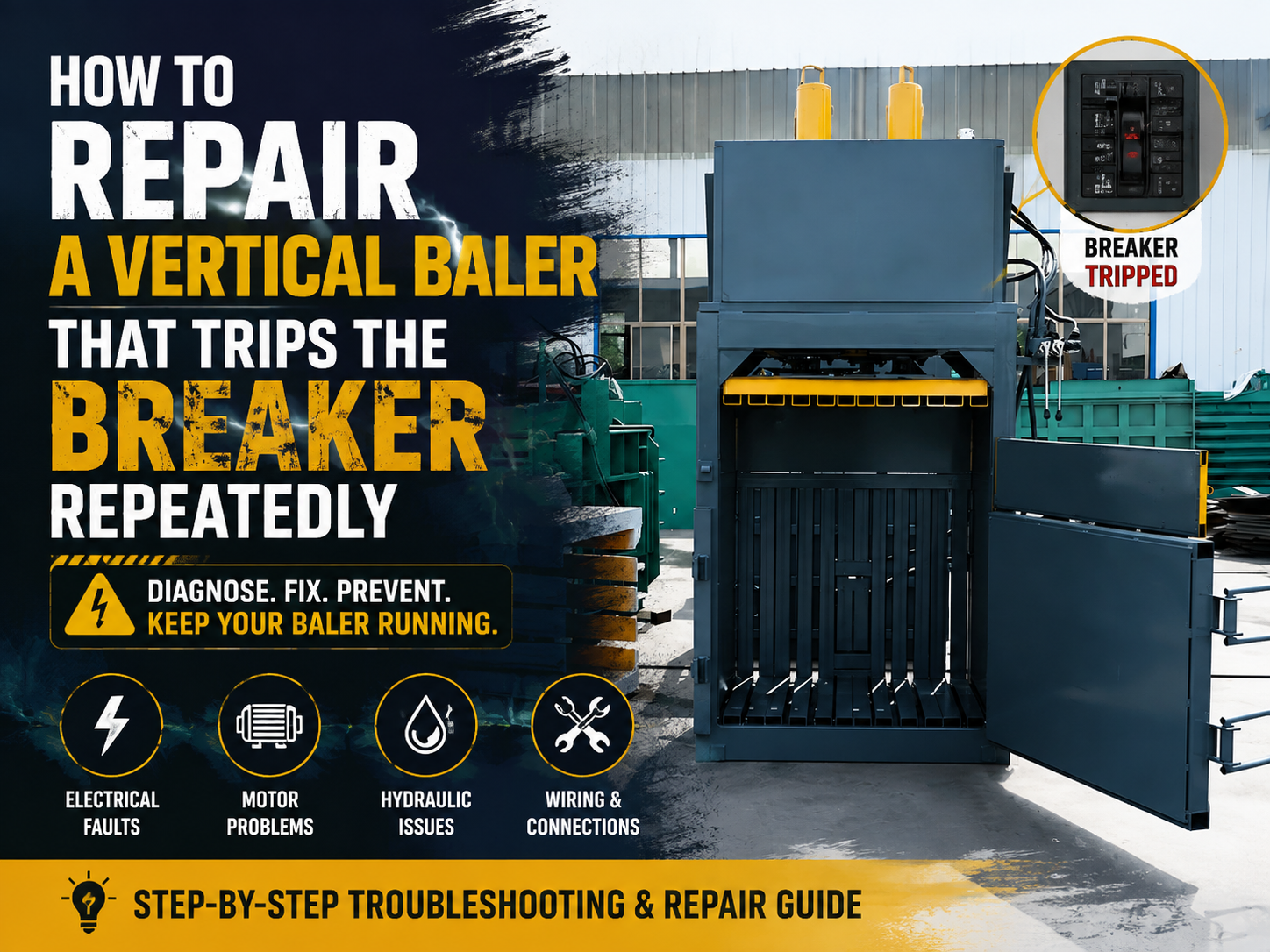
In the high-pressure environment of a metal fabrication or recycling facility, downtime is the enemy of productivity. When you encounter a situation where you need to repair a vertical baler that trips the breaker repeatedly, it is not just a minor inconvenience—it is a significant operational bottleneck. A vertical baler is a robust piece of industrial machinery designed to handle immense force, but its electrical system is sensitive to fluctuations, overloads, and environmental wear.
At HARSLE, we understand that industrial equipment is the backbone of your business. When a circuit breaker trips, it is the system’s way of protecting itself from catastrophic failure, such as motor burnout or electrical fires. However, diagnosing the root cause requires a systematic approach. This guide is designed to help maintenance teams and facility managers identify, isolate, and resolve the electrical issues that cause frequent power interruptions in vertical balers.
Whether you are operating a heavy-duty hydraulic press or a standard cardboard baler, the principles of electrical troubleshooting remain consistent. By following this guide, you will learn how to inspect your power supply, evaluate motor health, and ensure your hydraulic systems are not placing undue stress on your electrical infrastructure. Let’s dive into the technical aspects of maintaining your equipment.
Key Considerations for Electrical Stability
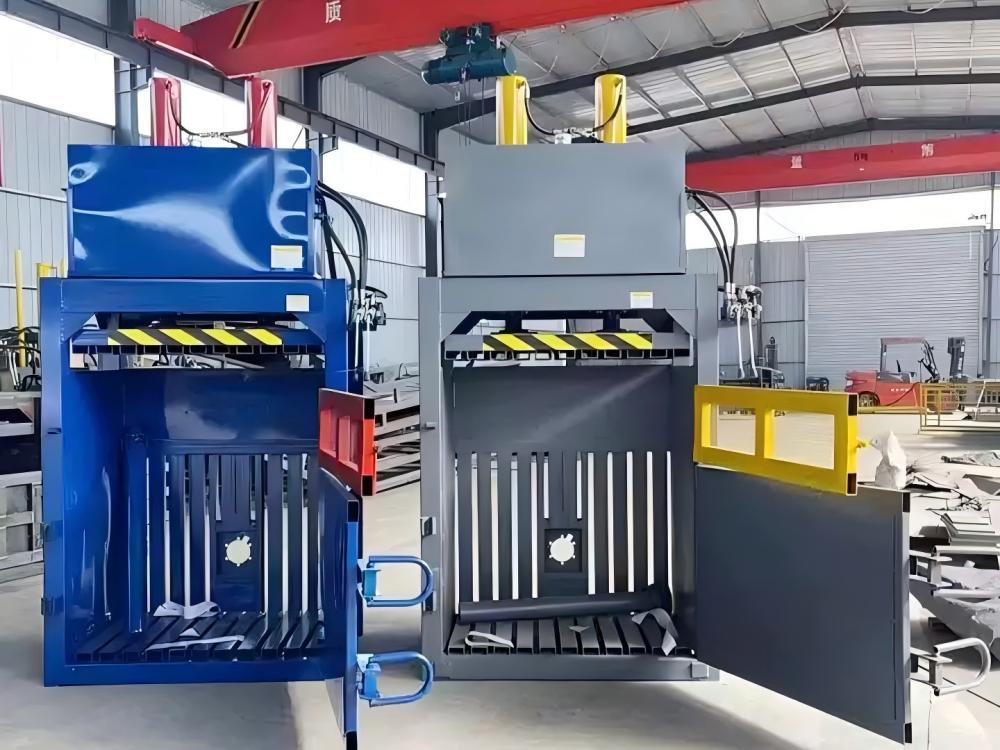
Before you begin to repair a vertical baler that trips the breaker repeatedly, you must consider the environmental and operational factors that contribute to electrical instability. Often, the issue is not a faulty component but an external factor that has compromised the integrity of the power delivery system. Humidity, dust, and vibration are common culprits in metal fabrication facilities.
First, evaluate the power supply consistency. Industrial balers require a stable voltage supply to operate the hydraulic pump motor. If your facility experiences voltage drops or surges, the motor may draw excessive current to compensate, triggering the breaker. Use a multimeter to check the voltage at the main disconnect while the machine is under load. If the voltage drops significantly when the pump engages, you may have an issue with your facility’s wiring or the transformer capacity.
Second, consider the ambient temperature and ventilation. Electrical cabinets on vertical balers are designed to dissipate heat. If the cabinet is clogged with dust or if the cooling fans have failed, the internal components—specifically the thermal overload relays—may trip prematurely. A hot electrical component has higher resistance, which can lead to increased current draw and subsequent breaker trips.
Third, inspect the physical integrity of the power cables. Over time, the constant vibration of the baler can cause wire connections to loosen. Loose connections create resistance, which generates heat and causes the breaker to trip. Ensure that all terminal screws are tightened to the manufacturer’s specifications. Always perform these inspections with the power locked out and tagged out to ensure technician safety.
Technical Details: Diagnosing the Root Cause
When you set out to repair a vertical baler that trips the breaker repeatedly, you must look at the motor and the hydraulic system as a single integrated unit. The motor is the primary consumer of electricity, and the hydraulic system is the primary source of mechanical resistance. If the hydraulic pressure is too high, the motor works harder, drawing more amperage than the circuit is rated for.
Start by checking the hydraulic pressure settings. If the pressure relief valve is set too high, the pump will continue to build pressure beyond the machine’s design limits, forcing the motor to stall or draw excessive current. Consult your HARSLE manual to verify the correct pressure settings for your specific model. If the pressure is correct, check the hydraulic fluid viscosity. Fluid that is too thick, especially in cold environments, can put a massive strain on the motor during startup.
Next, inspect the motor windings for signs of insulation breakdown. A motor with shorted windings will draw significantly more current than a healthy motor. You can perform a megohmmeter test (insulation resistance test) to determine if the motor windings are grounded or shorted. If the insulation resistance is low, the motor is likely nearing the end of its service life and will need to be rewound or replaced.
Finally, examine the contactors and starters. These components are responsible for switching the high-current power to the motor. If the contactor points are pitted, burned, or welded together, they can cause erratic power delivery. A failing contactor often creates an arc, which can lead to voltage spikes that trip sensitive breakers. Replacing worn contactors is a standard part of the process to repair a vertical baler that trips the breaker repeatedly.
Selection Advice: Choosing the Right Equipment
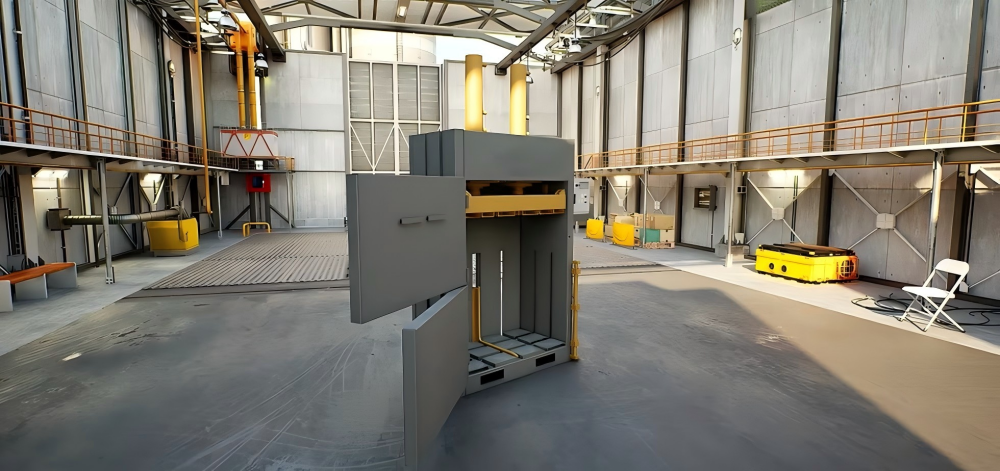
Preventing electrical issues starts long before you need to repair a vertical baler that trips the breaker repeatedly. When selecting a baler for your facility, it is crucial to match the machine’s power requirements with your existing electrical infrastructure. Many facilities make the mistake of installing a high-horsepower baler on a circuit that is already near its capacity limit.
Consider the starting current (inrush current) of the motor. Induction motors used in balers can draw 5 to 7 times their full-load amperage during the first few seconds of startup. If your breaker is not a “motor-rated” or “time-delay” type, it will trip every time the baler starts. Always ensure that your electrical panel is equipped with the correct type of breaker to handle the specific motor characteristics of your HARSLE equipment.
Furthermore, look for machines that feature soft-start technology or variable frequency drives (VFDs). VFDs allow the motor to ramp up to speed gradually, significantly reducing the inrush current and preventing the breaker from tripping. While these systems represent a higher initial investment, they pay for themselves by reducing stress on the electrical system and extending the life of the motor and hydraulic pump.
Lastly, prioritize equipment with high-quality electrical components. HARSLE utilizes industry-standard, high-durability components that are designed for the rigors of metal fabrication. When buying, ask about the IP rating of the electrical cabinet. An IP65 or higher rating ensures that dust and moisture—the two biggest enemies of electrical longevity—are kept out of the sensitive control circuitry.
FAQ: Troubleshooting Common Baler Issues
Why does my baler trip the breaker only when the ram is at the bottom of the stroke?
This usually indicates that the hydraulic pressure is peaking at the end of the stroke. Check your pressure relief valve settings. If the valve is not opening, the motor will continue to push until it stalls, causing a current spike that trips the breaker.
Can a faulty capacitor cause the breaker to trip?
Yes, if your baler uses a single-phase motor with a start capacitor, a failing capacitor will prevent the motor from reaching its operating speed quickly. This results in a prolonged high-current draw that will trip the breaker.
How often should I tighten the electrical connections?
In a high-vibration environment like a metal fabrication shop, you should perform a visual and physical inspection of all electrical terminals every 3 to 6 months. Always ensure the machine is disconnected from the power source before touching any wiring.
Is it safe to replace a breaker with a higher amperage rating?
Absolutely not. Never replace a breaker with one of a higher rating without consulting a licensed electrician and verifying that the wire gauge (thickness) is sufficient to handle the increased load. Doing so creates a severe fire hazard.
Conclusion
Learning how to repair a vertical baler that trips the breaker repeatedly is a vital skill for any maintenance professional working with industrial metal fabrication equipment. By systematically checking the power supply, hydraulic pressure, motor health, and electrical components, you can identify the root cause of the failure and implement a lasting solution. Remember that safety is paramount; always follow lockout/tagout procedures and consult your HARSLE manual for specific technical data.
Investing in quality equipment and performing regular, preventative maintenance will minimize the frequency of these issues. If you find that the problem persists despite your best efforts, do not hesitate to reach out to HARSLE’s technical support team. We are committed to ensuring your machinery operates at peak performance, helping you maintain the efficiency and productivity your business demands. Keep your electrical systems clean, your connections tight, and your hydraulic pressures balanced to ensure years of reliable service from your vertical baler.