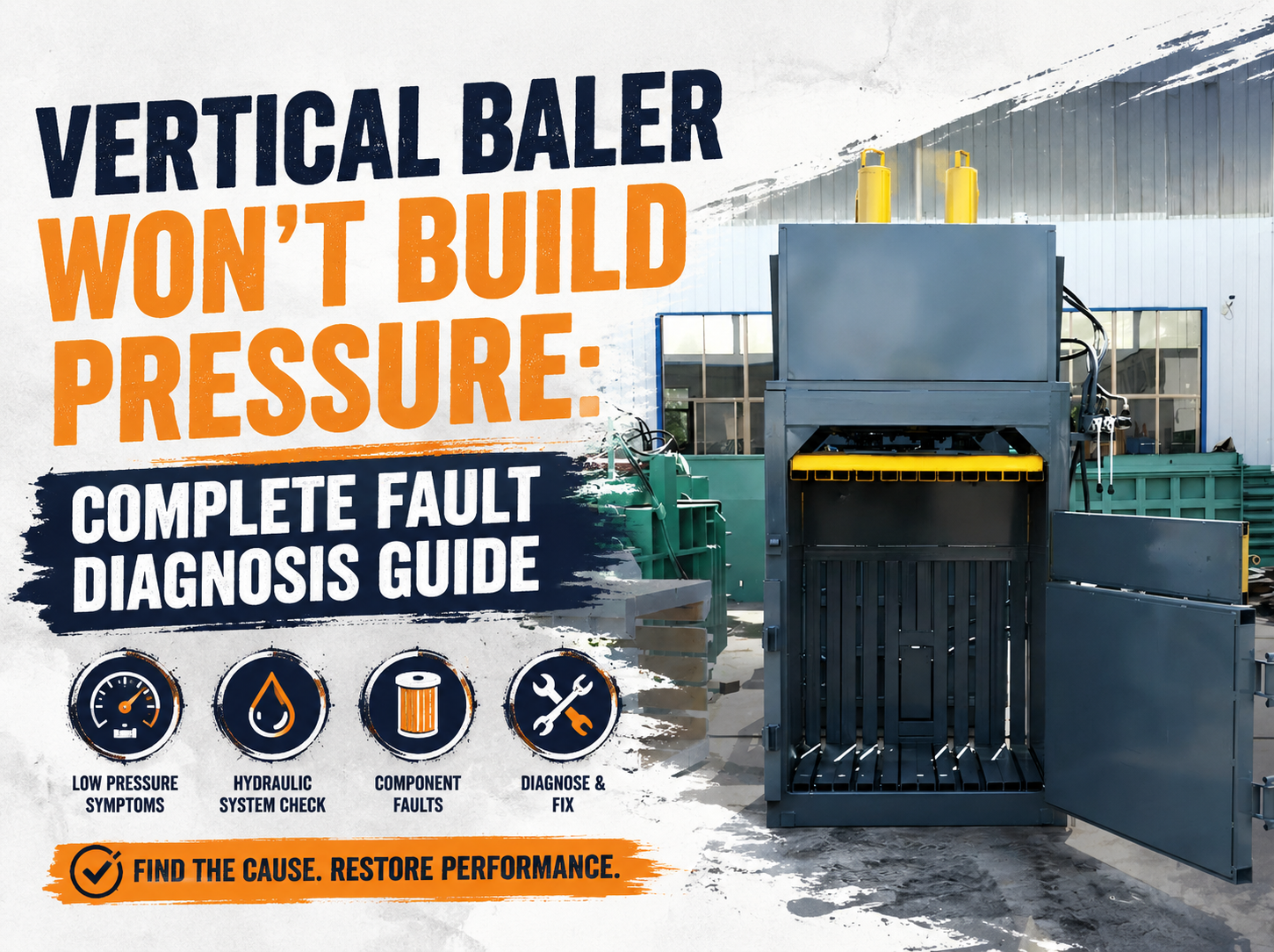
Vertical Baler Won’t Build Pressure: Complete Fault Diagnosis Guide

Introduction to Vertical Baler Pressure Issues
In the high-stakes environment of metal fabrication and waste management, the vertical baler serves as a critical component for operational efficiency. When a vertical baler won’t build pressure, it effectively halts your production line, leading to backlogs of scrap material and significant downtime. Understanding the root cause of this failure is essential for maintenance teams and facility managers alike.
At HARSLE, we emphasize that hydraulic systems are the heart of your baling equipment. When the system fails to reach the required PSI (pounds per square inch) to compress materials, the issue usually stems from one of three areas: hydraulic fluid dynamics, electrical control signals, or mechanical wear. This guide provides a systematic approach to diagnosing these complex issues, ensuring your equipment returns to peak performance quickly.
Diagnosing a vertical baler that won’t build pressure requires a methodical mindset. Rather than guessing, technicians should follow a logical flow—starting from the simplest potential points of failure, such as fluid levels, and moving toward more complex internal valve adjustments. By following this structured diagnostic path, you can avoid unnecessary component replacement and reduce long-term maintenance costs.
This article serves as a comprehensive resource for HARSLE equipment owners and operators. Whether you are dealing with a minor pressure drop or a complete loss of compression force, the following sections will provide the technical depth required to identify and resolve the problem. Remember, safety is paramount; always ensure the machine is locked out and tagged out before performing any internal inspections.
Key Considerations for Hydraulic System Integrity
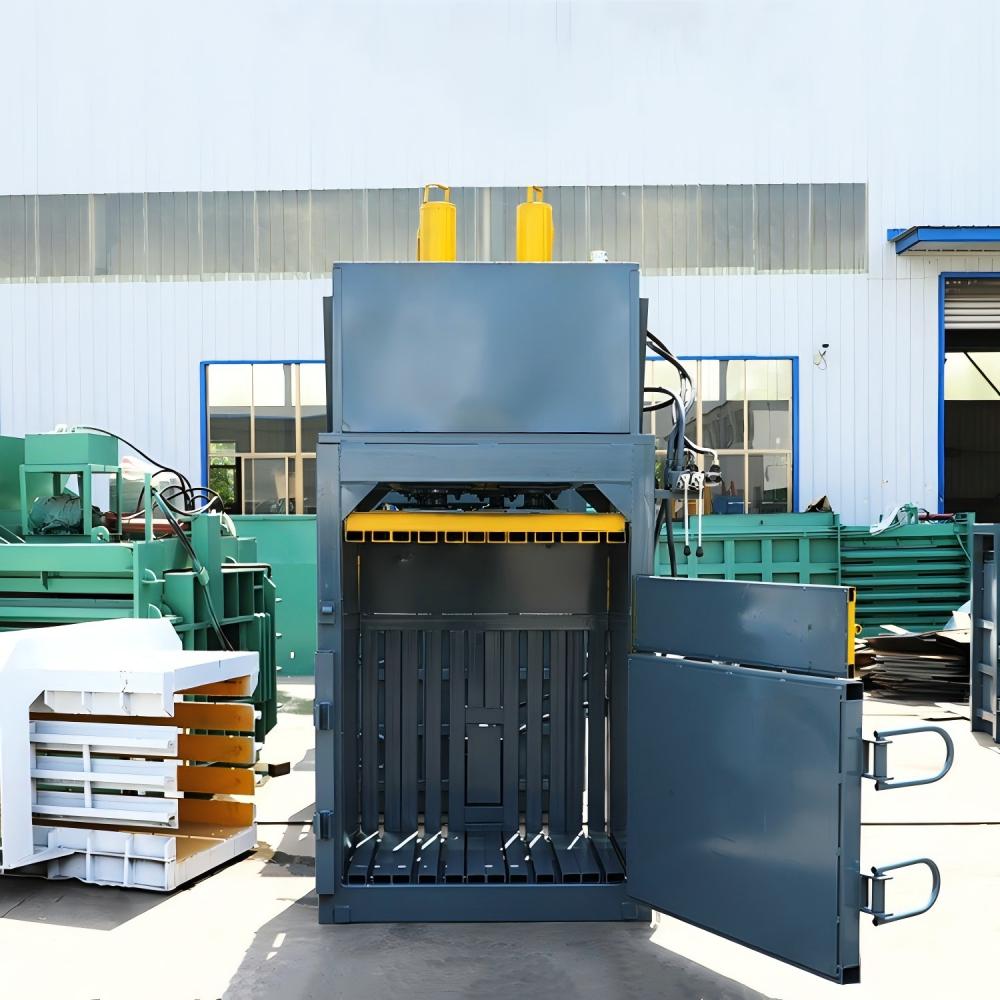
The hydraulic system is a closed-loop circuit that relies on precise fluid pressure to move the ram. If your vertical baler won’t build pressure, the first step is to inspect the hydraulic reservoir. Low fluid levels are the most common cause of pressure loss. If the pump is drawing air instead of oil, the system will cavitate, leading to erratic pressure readings and potential damage to the pump internals.
Beyond fluid levels, the quality and viscosity of the hydraulic oil play a significant role. Over time, hydraulic oil can break down, lose its viscosity, or become contaminated with debris. Contamination can clog the suction strainer or the pressure relief valve, preventing the system from reaching its set pressure. Always ensure you are using the manufacturer-recommended oil grade, as incorrect viscosity can lead to sluggish performance in varying ambient temperatures.
Temperature management is another critical factor. Hydraulic systems generate significant heat during operation. If the oil becomes too hot, its viscosity drops, which can lead to internal leakage within the cylinder or pump. Check your oil cooler and ensure that the ventilation around the power unit is unobstructed. If the system is running excessively hot, it may be a sign of an internal bypass issue that prevents pressure buildup.
Finally, consider the condition of your hydraulic hoses and fittings. Even a small pinhole leak can cause a significant drop in system pressure. Inspect all high-pressure lines for signs of weeping, bulging, or external damage. A leak doesn’t always result in a puddle on the floor; sometimes, it manifests as a slow, consistent loss of pressure during the compression cycle. Regular visual inspections of the entire hydraulic circuit are a non-negotiable part of preventive maintenance.
Technical Details: Diagnosing Pressure Relief Valves and Pumps
The pressure relief valve is the primary component responsible for limiting the maximum pressure of the hydraulic system. If this valve is stuck in an open or partially open position, the hydraulic fluid will bypass the cylinder and return directly to the reservoir, resulting in a total inability to build pressure. Technicians should inspect the relief valve for debris or spring fatigue that might be preventing it from seating correctly.
The hydraulic pump itself is the engine of your baler. If the pump is worn, it will struggle to move the required volume of oil against the resistance of the material being baled. A common symptom of a failing pump is increased noise—often described as a whining or grinding sound. If you hear this, it is likely that the internal gears or vanes are worn, and the pump is no longer capable of maintaining the necessary flow and pressure.
Electrical control of the hydraulic system is equally important. Modern HARSLE vertical balers utilize solenoid-operated valves to direct oil flow. If the solenoid coil is burnt out or the electrical signal is not reaching the valve, the hydraulic circuit will not engage properly. Use a multimeter to verify that the solenoid is receiving the correct voltage when the cycle is initiated. If the electrical signal is present but the valve does not actuate, the valve spool may be mechanically jammed.
Internal cylinder leakage is a more advanced diagnostic area. If the piston seals inside the main hydraulic cylinder are worn, oil can leak from the high-pressure side to the low-pressure side of the piston. This is known as “internal bypass.” To test for this, you can perform a drift test or monitor the heat signature of the cylinder during operation. If the cylinder becomes hot while the ram is under load but not moving, it is a strong indicator of internal seal failure.
Selection Advice: Choosing the Right Baler for Your Needs
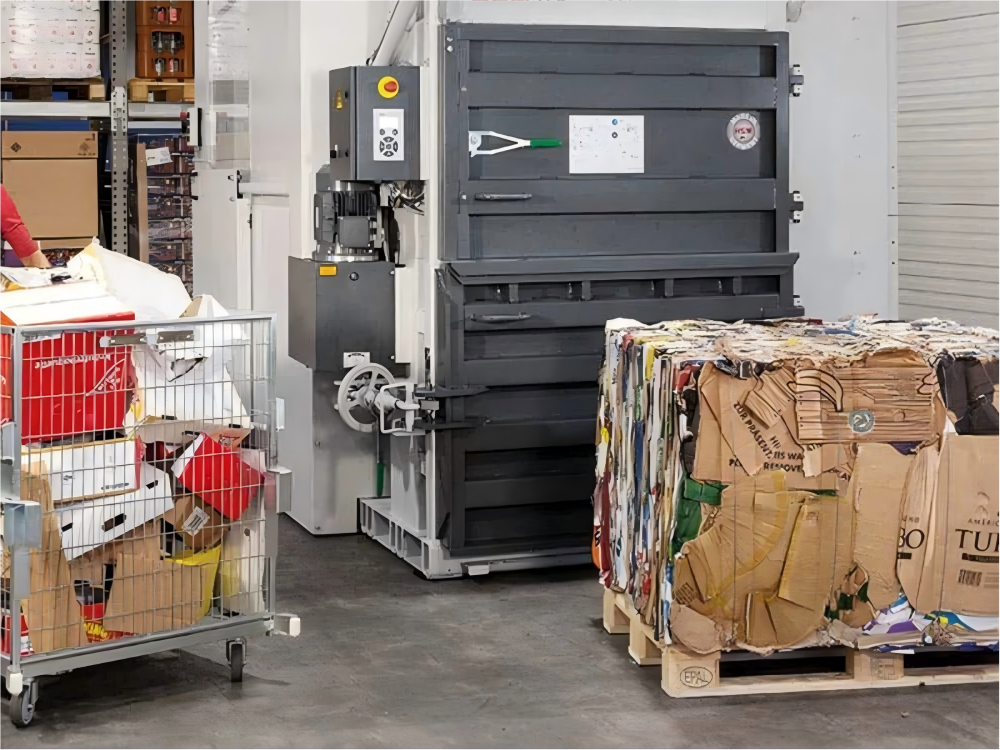
When selecting a vertical baler, the pressure capacity should be matched to the material density you intend to process. A common mistake is purchasing a machine that is under-rated for the volume or type of scrap metal being handled. If you consistently push a baler to its maximum pressure limit, you will accelerate the wear on seals, pumps, and valves, leading to the very pressure issues discussed in this guide.
Consider the duty cycle of the machine. If your facility operates on multiple shifts, you need a baler with a robust cooling system and high-quality hydraulic components designed for continuous operation. HARSLE offers various models tailored to different throughput requirements. Investing in a machine with a slightly higher pressure rating than your current needs provides a safety margin that extends the lifespan of the hydraulic components.
Ease of maintenance is another factor that should influence your purchase decision. Look for machines with accessible hydraulic manifolds, clear diagnostic panels, and modular components. A baler that is difficult to service will inevitably lead to longer downtime when pressure issues arise. HARSLE designs its equipment with the technician in mind, ensuring that critical components are reachable and easy to replace.
Finally, consider the integration of smart monitoring systems. Modern vertical balers can be equipped with sensors that monitor hydraulic pressure, oil temperature, and motor load in real-time. These systems can alert operators to pressure drops before they become catastrophic failures. When selecting your next piece of metal fabrication equipment, prioritize models that offer these diagnostic capabilities to streamline your maintenance workflow.
FAQ: Troubleshooting Common Baler Issues
Why does my baler ram move slowly but not build pressure?
Slow movement combined with low pressure often indicates a pump that is failing to deliver sufficient flow, or a suction-side restriction. Check the suction strainer for clogs and ensure the pump is not cavitating due to low oil levels.
How often should I change the hydraulic oil?
For most industrial vertical balers, hydraulic oil should be changed every 1,000 to 2,000 operating hours, or annually. However, if the machine operates in a dusty environment, more frequent changes may be necessary to prevent contamination.
Can a faulty pressure switch cause pressure loss?
Yes. If the pressure switch is miscalibrated or faulty, it may signal the system to stop the pump before the desired pressure is reached. Always verify the pressure switch settings against the manufacturer’s specifications.
What should I do if the hydraulic oil is foaming?
Foaming is a sign of air in the system. This can be caused by a loose suction line fitting, low oil levels, or a damaged pump shaft seal. Air in the system will cause spongy operation and prevent the baler from building full pressure.
Conclusion: Maintaining Your HARSLE Baler
A vertical baler that won’t build pressure is a challenge, but it is rarely an unsolvable one. By systematically checking the hydraulic fluid, inspecting the relief valves, verifying electrical signals, and monitoring for internal cylinder bypass, you can identify the root cause of the pressure loss. Remember that preventive maintenance is the most effective way to avoid these issues entirely.
At HARSLE, we are committed to providing not only high-quality metal fabrication equipment but also the knowledge required to keep it running. Regular inspections, timely oil changes, and operator training are the pillars of a long-lasting baling system. If you encounter a fault that you cannot resolve, do not hesitate to reach out to our technical support team for expert guidance.
By maintaining a proactive approach to your equipment’s health, you ensure that your facility remains productive and efficient. Use this guide as a reference during your routine maintenance checks, and keep your vertical baler operating at its peak potential for years to come. Proper care today prevents the costly repairs of tomorrow.