Troubleshooting Vertical Baler Tying and Strapping Issues: A Comprehensive HARSLE Guide

Introduction to Vertical Baler Efficiency
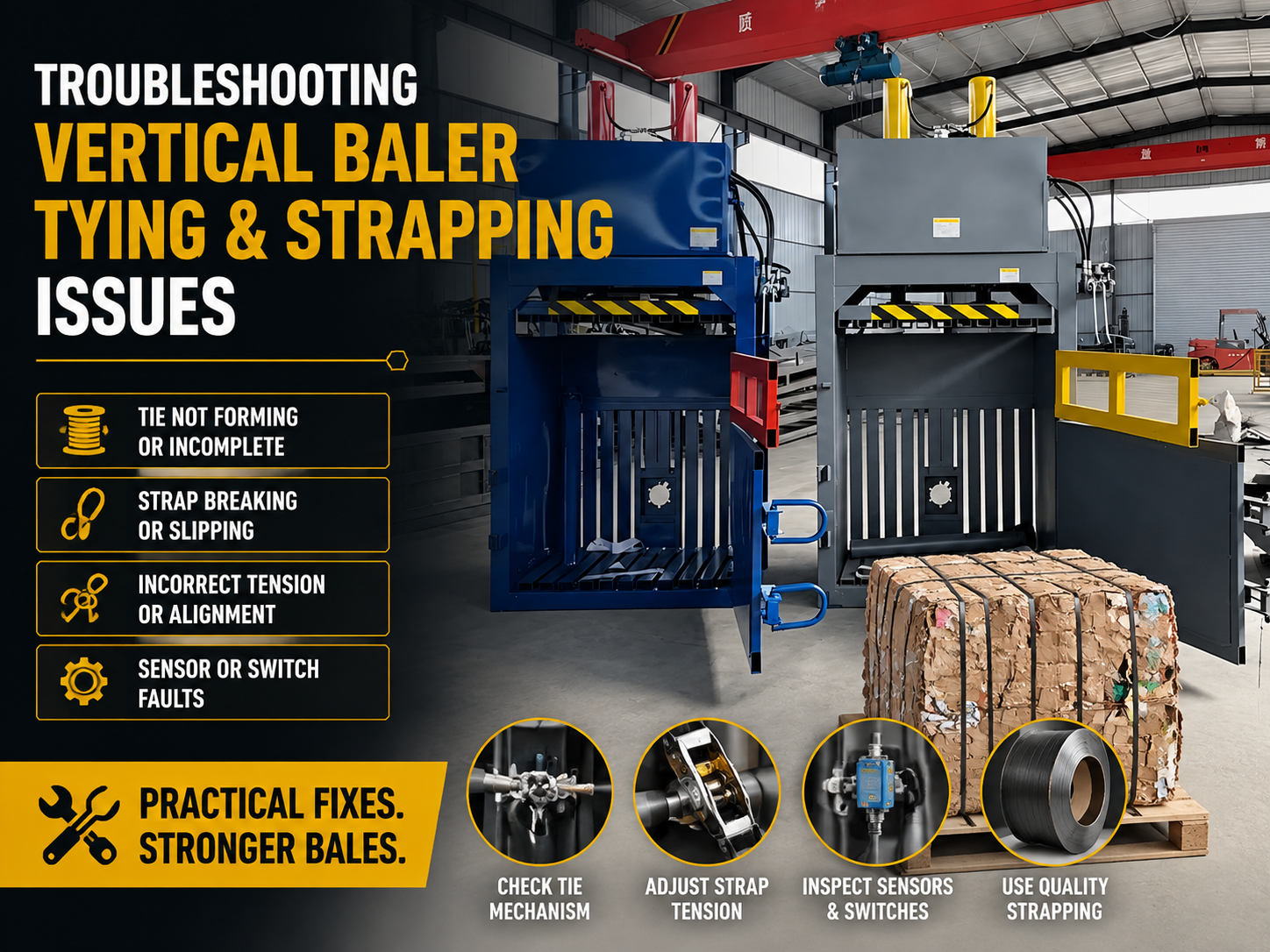
In the world of industrial waste management and metal fabrication, the vertical baler stands as a cornerstone of operational efficiency. These machines are designed to compress bulky materials—ranging from cardboard and plastics to light-gauge metal scraps—into dense, manageable bales. However, the integrity of these bales relies entirely on the tying and strapping mechanism. When this system fails, it leads to downtime, safety hazards, and increased labor costs. Troubleshooting vertical baler tying and strapping issues is a critical skill for any facility manager or maintenance technician aiming to maintain high throughput.
At HARSLE, we understand that even the most robust hydraulic systems are only as effective as their ability to secure the final product. A failed strap or a loose tie can cause a bale to expand, potentially damaging the machine or creating a dangerous environment for operators. This guide provides a deep dive into the common failure points, diagnostic procedures, and preventative maintenance strategies required to keep your baling operations running smoothly.
Understanding the mechanics of your vertical baler is the first step toward effective troubleshooting. Whether you are operating a semi-automatic or a fully automatic unit, the strapping process involves a precise sequence of tensioning, sealing, and cutting. When any part of this sequence is interrupted, the result is a compromised bale. By systematically addressing these issues, you can extend the lifespan of your HARSLE equipment and ensure consistent performance across all shifts.
This article serves as a technical resource for identifying the root causes of strapping failures. We will explore everything from tensioning inconsistencies to sensor malfunctions and mechanical wear. By following these guidelines, your maintenance team can transition from reactive repairs to proactive optimization, ensuring that your facility remains productive and safe.
Key Considerations for Strapping System Integrity
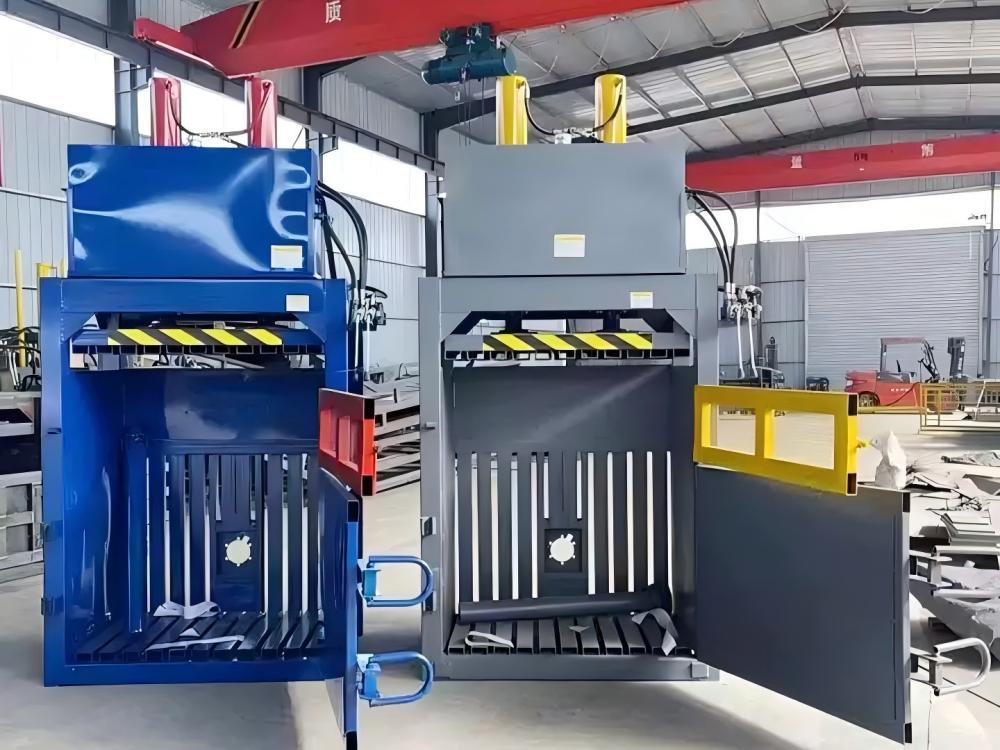
The strapping system is the most complex part of the vertical baler, involving moving parts, electrical sensors, and high-tension forces. Before diving into specific repairs, it is essential to consider the environmental and operational factors that contribute to tying issues. Dust, debris, and extreme temperatures can significantly impact the performance of the strapping head and the quality of the seal.
First, consider the quality of the strapping material itself. Using low-grade or incompatible strapping can lead to frequent breakage, jamming, or poor seal strength. Always ensure that the strap width, thickness, and material type (polypropylene, polyester, or steel) match the specifications provided by HARSLE for your specific model. Using the wrong material is the most common cause of “phantom” issues that appear to be mechanical but are actually material-related.
Second, environmental cleanliness is paramount. Vertical balers often operate in dusty environments where cardboard fibers or metal dust can accumulate in the strapping track. This buildup creates friction, which prevents the strap from feeding smoothly or causes the sealing mechanism to misalign. Regular cleaning schedules, including the use of compressed air to clear the strapping head, should be a non-negotiable part of your daily maintenance routine.
Third, operator training plays a significant role in system longevity. Operators should be trained to recognize the early warning signs of a failing strap, such as unusual noises during the tensioning cycle or inconsistent bale shapes. When operators understand how to properly load the strapping material and perform basic resets, the frequency of major mechanical failures drops significantly. Empowering your team with the knowledge to troubleshoot minor issues prevents them from escalating into costly downtime.
Finally, consider the hydraulic pressure settings. The tensioning force applied to the strap is often controlled by the hydraulic system. If the pressure is set too high, the strap may snap during the tensioning phase; if it is set too low, the bale will be loose and unstable. Regularly checking the hydraulic gauges and ensuring the pressure relief valves are calibrated correctly is essential for maintaining the perfect balance of tension and structural integrity.
Technical Details: Troubleshooting Vertical Baler Tying and Strapping Issues
When a vertical baler fails to tie or strap correctly, the issue usually falls into one of three categories: feeding failures, tensioning failures, or sealing failures. Each category requires a specific diagnostic approach. Feeding failures occur when the strap fails to travel through the track or around the bale. This is often caused by debris in the track, a misaligned strap guide, or a worn feed wheel. Inspect the entire strap path for obstructions and ensure that the feed wheel has sufficient grip to push the strap through the mechanism.
Tensioning failures are characterized by loose bales or straps that break before the seal is applied. This is frequently linked to the tensioning arm or the hydraulic cylinder responsible for pulling the strap tight. Check for air leaks in the pneumatic lines or hydraulic fluid leaks around the tensioning cylinder. Additionally, examine the tensioning rollers for wear; if the rollers are smooth, they will slip against the strap instead of providing the necessary grip to pull it taut.
Sealing failures are perhaps the most critical, as they result in bales that fall apart immediately after ejection. In heat-sealing systems, the heating element may be damaged, or the temperature may be set too low to create a proper bond. In mechanical or crimp-style systems, the issue is often a worn crimper or a misaligned anvil. Inspect the sealing area for buildup of molten plastic or metal shavings, which can prevent the components from making full contact with the strap.
Sensor malfunctions are another common culprit. Modern HARSLE vertical balers use proximity sensors to detect the position of the strap and the completion of the bale. If a sensor is dirty, misaligned, or faulty, the machine may skip the tying cycle or attempt to tie when the strap is not in the correct position. Use a multimeter to test the continuity of the sensors and ensure they are triggering correctly when the strap passes by. Replacing a faulty sensor is often a quick and inexpensive fix that restores full functionality.
Diagnostic Checklist for Maintenance Teams
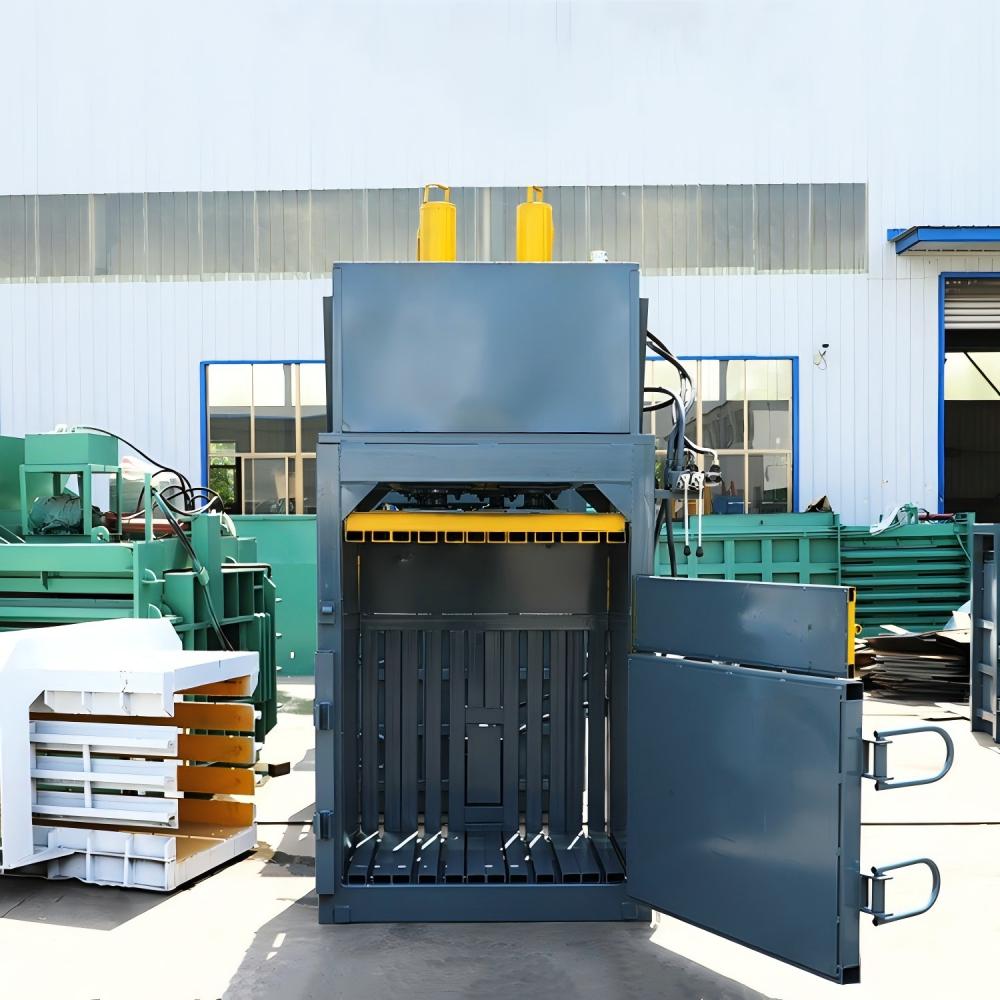
- Check Strap Path: Ensure there are no kinks, twists, or debris in the strapping track.
- Verify Strap Quality: Confirm the material matches the manufacturer’s specifications.
- Inspect Feed Wheels: Look for signs of wear or glazing on the rubber or metal feed wheels.
- Test Sensors: Use a diagnostic tool to verify that all proximity switches are active.
- Calibrate Tension: Adjust the hydraulic or pneumatic tension settings based on material density.
- Examine Sealing Head: Clean the heating element or crimping jaws to ensure a solid bond.
Selection Advice: Choosing the Right Baler for Your Needs
When selecting a vertical baler, it is crucial to match the machine’s capabilities with your material throughput and density requirements. A common mistake is purchasing a machine that is under-rated for the volume of waste produced, leading to constant mechanical strain and frequent strapping failures. HARSLE offers a range of vertical balers, from compact units for retail environments to heavy-duty industrial balers for metal fabrication shops. Assessing your daily tonnage and the physical characteristics of your waste is the first step in the selection process.
Consider the automation level of the strapping system. Manual tying systems are reliable and simple to maintain but require more labor. Semi-automatic systems reduce the physical effort required by the operator, while fully automatic systems are ideal for high-volume facilities where speed is critical. If your facility struggles with consistent strapping, upgrading to a model with an automated, self-threading strapping head can eliminate human error and improve overall bale consistency.
Another factor to consider is the ease of maintenance. Look for machines that offer easy access to the strapping head and electrical panels. HARSLE designs its equipment with the technician in mind, providing modular components that can be quickly swapped out during repairs. When evaluating a machine, ask about the availability of spare parts and the quality of the technical support provided by the manufacturer. A machine is only as good as the support behind it.
Finally, think about the future-proofing of your investment. As your business grows, your waste management needs may change. Choosing a baler with adjustable settings and the ability to handle different types of strapping materials provides flexibility. Investing in a high-quality, durable machine from the start will save you money in the long run by reducing the frequency of troubleshooting vertical baler tying and strapping issues and minimizing the total cost of ownership.
Frequently Asked Questions (FAQ)
Why does my vertical baler strap keep breaking during the tensioning cycle?
This is usually caused by excessive tension settings or a rough surface on the tensioning rollers. Check your hydraulic pressure settings and ensure the rollers are clean and free of debris. Also, verify that the strap is not being pinched or kinked as it feeds through the machine.
How often should I clean the strapping head?
In a high-volume facility, the strapping head should be inspected and cleaned daily. Use compressed air to remove dust and debris, and check for any buildup of plastic or metal residue that could interfere with the sealing process.
Can I use any type of strapping material with my HARSLE baler?
No, you should only use strapping material that meets the specifications outlined in your HARSLE operation manual. Using the wrong material can lead to poor seal strength, jamming, and premature wear of the feed wheels and sealing components.
What should I do if the baler sensor fails to detect the strap?
First, clean the sensor lens to ensure it is not obscured by dust. If the issue persists, check the wiring for loose connections or damage. If the sensor is still unresponsive, it may need to be replaced. Always consult your HARSLE service manual for the correct part number and installation procedure.
Is it normal for the strapping head to make a loud noise during operation?
While some mechanical noise is expected, loud grinding or banging sounds indicate a problem. This could be a sign of worn bearings, misaligned gears, or a loose component. Stop the machine immediately and inspect the strapping head to prevent further damage.
Conclusion
Troubleshooting vertical baler tying and strapping issues is an essential aspect of maintaining a productive and safe metal fabrication or waste management facility. By understanding the mechanical and electrical components of your HARSLE baler, you can quickly identify the root causes of failures and implement effective solutions. Whether it is a simple cleaning task or a more complex sensor adjustment, proactive maintenance is the key to minimizing downtime and maximizing the return on your equipment investment.
Remember that the reliability of your baling operation is a reflection of your commitment to quality and safety. By following the guidelines provided in this article, you can ensure that your vertical baler continues to perform at its peak, producing dense, secure bales that meet industry standards. If you encounter persistent issues that go beyond the scope of basic troubleshooting, do not hesitate to reach out to the HARSLE technical support team. Our experts are dedicated to helping you maintain your machinery and optimize your production processes for years to come.
As you continue to refine your maintenance practices, keep detailed logs of all repairs and adjustments. This data will prove invaluable for identifying recurring issues and planning future upgrades. With the right knowledge, the right tools, and a commitment to excellence, you can master the art of vertical baler maintenance and keep your facility running at full capacity.