Vertical Baler Maintenance Vs Troubleshooting: How to Spot Early Warning Signs

Introduction to Vertical Baler Reliability
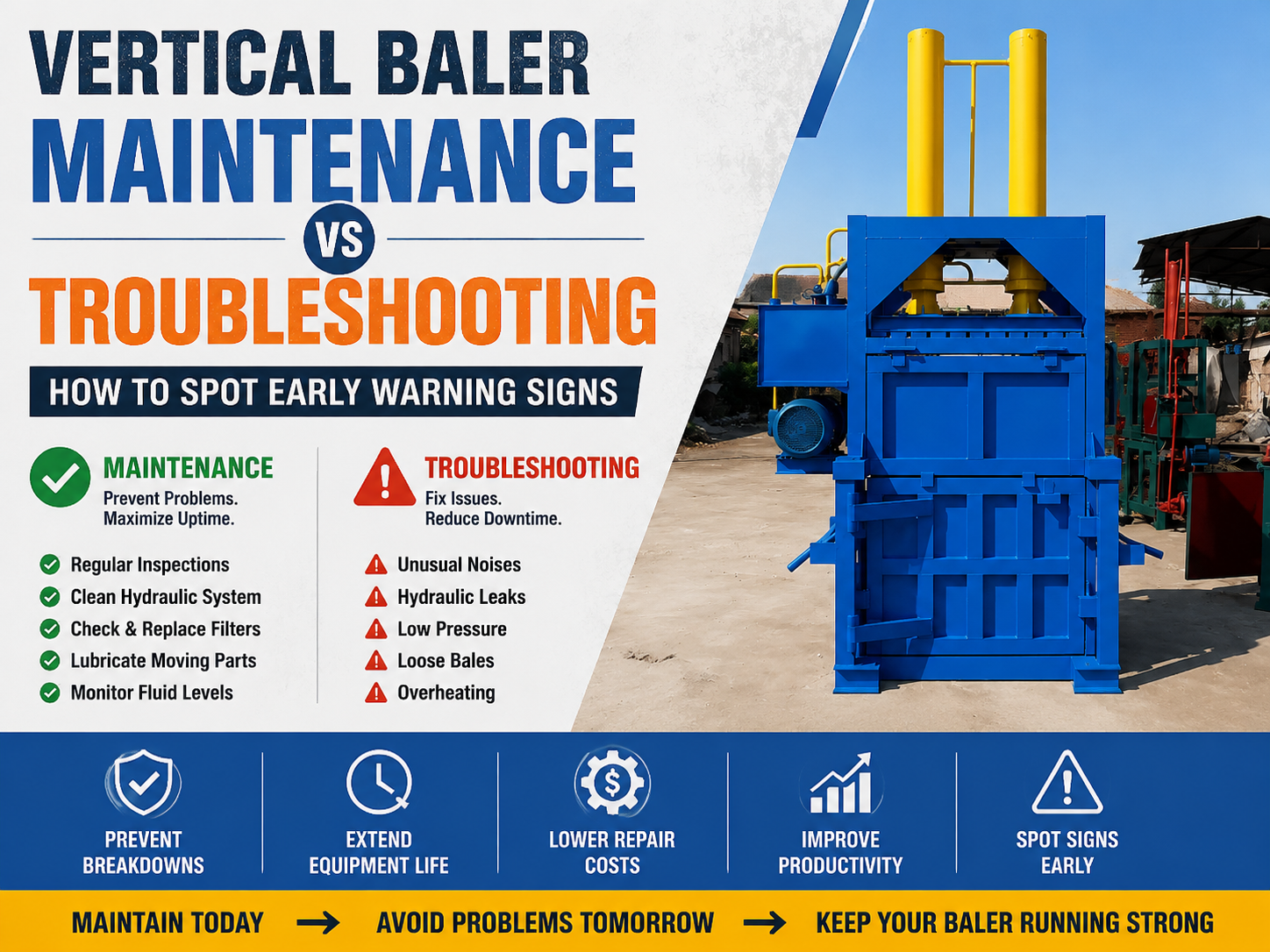
In the high-stakes environment of metal fabrication and industrial waste management, the vertical baler serves as a critical link in operational efficiency. Whether you are processing scrap metal, cardboard, or plastic, the consistent performance of your HARSLE vertical baler is paramount to maintaining a streamlined workflow. However, many facility managers often confuse routine upkeep with reactive repair, leading to a cycle of preventable downtime. Understanding the distinction between vertical baler maintenance vs troubleshooting: how to spot early warning signs is the first step toward maximizing the lifespan of your heavy-duty equipment.
Maintenance is a proactive, scheduled discipline designed to keep the machine operating within its optimal parameters. Troubleshooting, conversely, is a reactive process triggered by a deviation from those parameters. By mastering the early warning signs of mechanical or hydraulic fatigue, operators can shift their focus from emergency repairs to planned maintenance, significantly reducing the total cost of ownership. This guide explores the technical nuances of keeping your baler in peak condition while identifying the subtle indicators that suggest a deeper issue is brewing beneath the surface.
The economic impact of a failed baler cannot be overstated. When a machine goes down, floor space is quickly consumed by uncompressed waste, creating safety hazards and logistical bottlenecks. By implementing a rigorous maintenance schedule and training staff to recognize the ‘silent’ symptoms of wear, facilities can avoid the catastrophic failures that often stem from ignored minor issues. This article provides a comprehensive roadmap for distinguishing between standard wear-and-tear and critical system failures.
HARSLE equipment is engineered for durability, but even the most robust hydraulic systems require a symbiotic relationship between the operator and the machine. This guide will walk you through the technical indicators of hydraulic health, electrical integrity, and structural stability. By the end of this article, you will have a clear understanding of how to implement a predictive maintenance strategy that keeps your facility running at full capacity without the constant threat of unexpected mechanical failure.
Key Considerations for Vertical Baler Maintenance
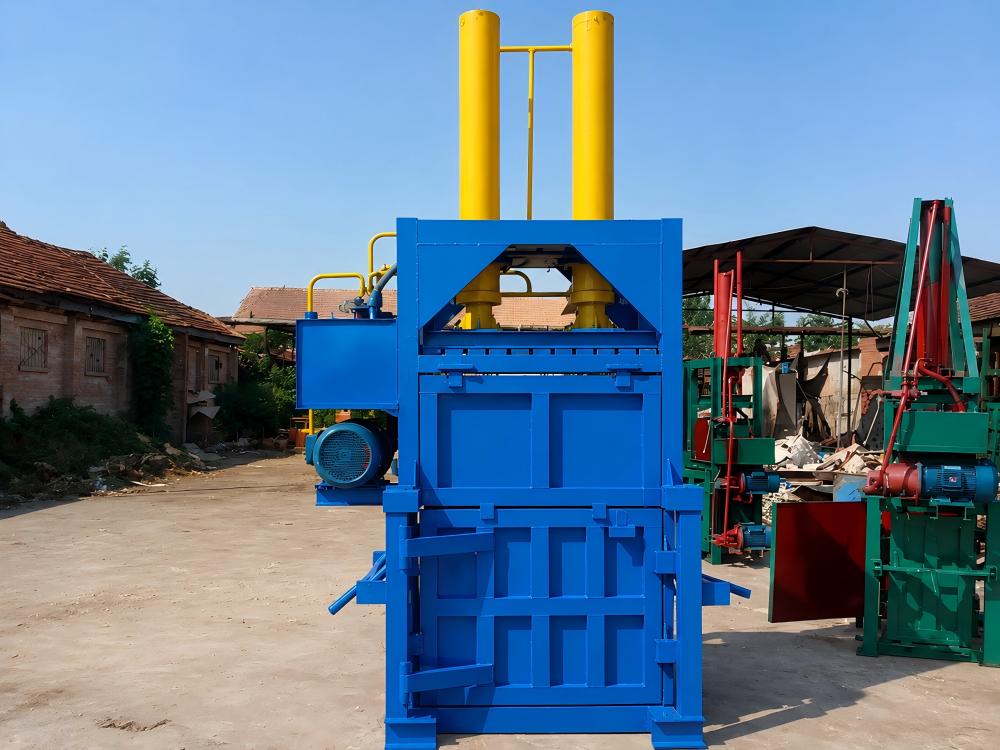
Routine maintenance is not merely about cleaning the machine; it is about verifying the integrity of every component that undergoes stress during the compression cycle. A well-maintained vertical baler should be inspected daily, weekly, and monthly. Daily checks should focus on the cleanliness of the chamber, the condition of the door latches, and the presence of any unusual debris that might interfere with the platen movement. If the platen guides are not lubricated or if the chamber is packed with debris, the motor will work harder than necessary, leading to premature electrical failure.
Hydraulic fluid management is perhaps the most critical aspect of vertical baler maintenance. The hydraulic system is the heart of the machine, and the oil is its lifeblood. Over time, hydraulic fluid can become contaminated with moisture, metal shavings, or dust, which degrades its viscosity and lubrication properties. Regularly checking the oil level and color is essential. If the oil appears milky, it indicates water contamination; if it smells burnt, the system is likely overheating. Replacing filters at manufacturer-recommended intervals is a non-negotiable task that prevents contaminants from reaching the pump and valves.
Electrical components, including limit switches, relays, and motor starters, require periodic inspection for signs of heat stress or loose connections. In a metal fabrication environment, vibration is constant. This vibration can cause terminal screws to loosen over time, leading to arcing or intermittent power issues. A maintenance technician should perform a thermal scan or a physical inspection of the electrical cabinet to ensure all connections are tight and that there is no evidence of scorched insulation or dust buildup that could cause a short circuit.
Structural integrity checks involve inspecting the welds and the platen guides. Because vertical balers exert immense pressure, the structural frame is subject to significant fatigue. Look for hairline cracks in the steel, particularly around the hinges and the cylinder mounting points. If the platen begins to ‘wobble’ or drift during the stroke, it is a clear sign that the guide shoes are worn and require immediate replacement. Ignoring these structural warning signs can lead to permanent frame deformation, which is often more expensive to repair than the cost of the machine itself.
Technical Details: Spotting Early Warning Signs
Troubleshooting is often viewed as a last resort, but it should actually be a continuous process of observation. Early warning signs are rarely catastrophic; they are usually subtle changes in the machine’s behavior. One of the most common indicators of an impending issue is a change in the sound profile of the baler. A healthy hydraulic pump has a consistent, rhythmic hum. If you notice a high-pitched whine, a grinding noise, or a ‘chattering’ sound, it suggests that the pump is struggling, likely due to cavitation or air in the hydraulic lines.
Another critical warning sign is the cycle time. If your baler takes significantly longer to complete a full compression stroke than it did when it was new, you are likely dealing with a loss of hydraulic pressure or a failing pump. This is often caused by internal leakage within the hydraulic cylinder seals. When seals begin to bypass fluid, the cylinder loses its ‘holding’ power, and the motor must run longer to achieve the same compression force. Tracking cycle times in a maintenance log is an excellent way to spot this trend before the machine fails completely.
Temperature fluctuations are also a major red flag. If the hydraulic reservoir feels excessively hot to the touch, the system is working under abnormal stress. This could be due to a blocked cooling fan, a malfunctioning relief valve, or simply the wrong grade of hydraulic oil being used for the ambient temperature of your facility. Excessive heat accelerates the breakdown of hydraulic seals and hoses, leading to leaks and eventual system failure. Always monitor the temperature gauge if your baler is equipped with one, or use an infrared thermometer to check the reservoir temperature periodically.
Finally, pay close attention to the quality of the bale itself. If the bale is misshapen, loose, or if the strapping is breaking prematurely, the issue may not be with the strapping material, but with the platen alignment or the hydraulic pressure settings. A platen that is slightly tilted will apply uneven pressure, resulting in a bale that is denser on one side than the other. This uneven loading puts unnecessary torque on the cylinder and the guide system, accelerating wear across the entire machine. If you notice your bales are consistently ‘leaning,’ it is time to perform a structural alignment check.
Selection Advice: Choosing the Right Baler for Your Needs
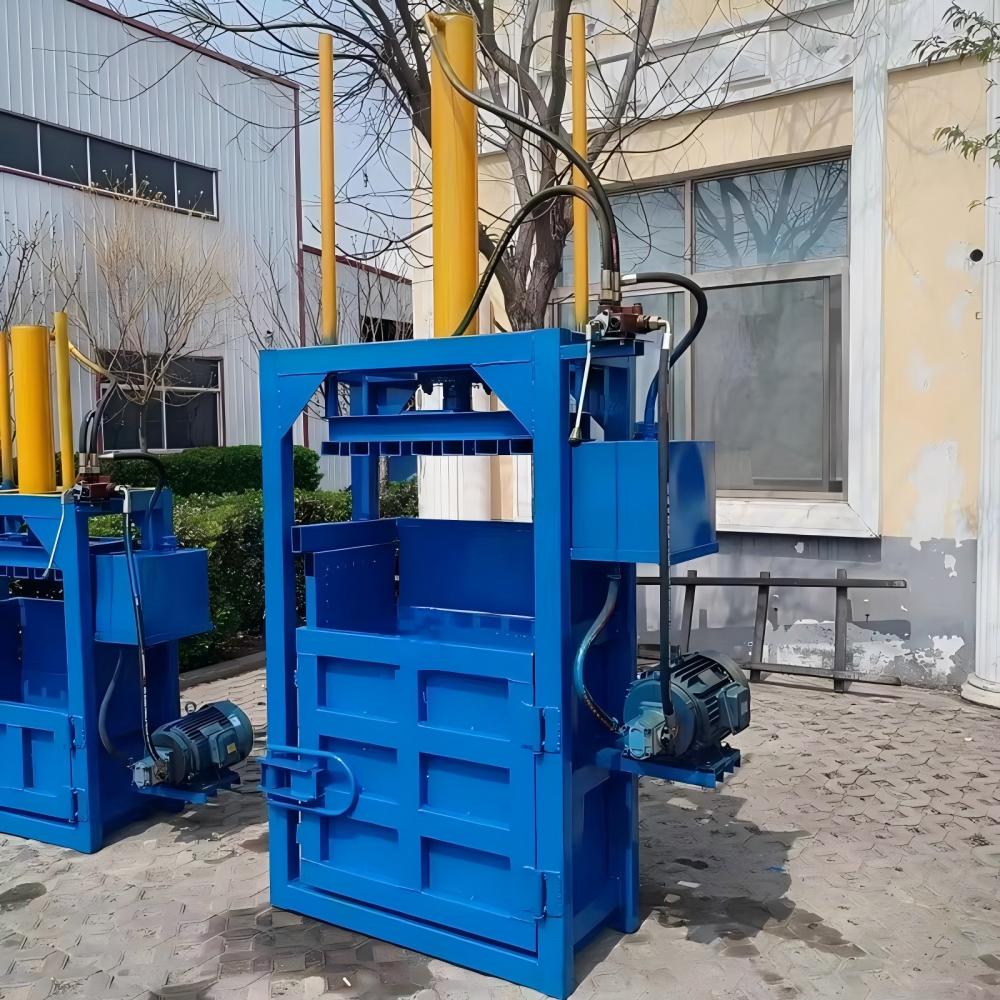
When selecting a vertical baler, the most common mistake is choosing a machine that is undersized for the volume or density of the material being processed. If you are processing heavy-gauge scrap metal, a light-duty cardboard baler will fail almost immediately. The selection process must begin with a thorough analysis of your waste stream. Consider the material type, the volume per day, and the required bale density. HARSLE offers a range of vertical balers designed for different applications, and selecting the correct model is the first step in maintenance prevention.
Consider the ease of maintenance when evaluating different models. Look for balers that offer easy access to the hydraulic power unit, the electrical panel, and the lubrication points. A machine that requires a complete teardown to change a filter will inevitably be neglected by maintenance staff. HARSLE designs its equipment with the end-user in mind, ensuring that critical components are accessible and that maintenance tasks can be performed safely and efficiently. Ask for a maintenance manual before purchasing to see how complex the routine tasks are.
Another factor to consider is the availability of spare parts. In the metal fabrication industry, downtime is expensive. You want a manufacturer that maintains a robust inventory of replacement parts and offers responsive technical support. When you invest in a HARSLE vertical baler, you are not just buying a machine; you are entering into a partnership. Ensure that your facility has a plan for stocking common wear items like hydraulic hoses, seals, and limit switches so that you are not waiting weeks for a part to arrive from overseas.
Finally, consider the integration of smart technology. Modern vertical balers often come equipped with sensors that monitor hydraulic pressure, oil temperature, and cycle counts. These features can be invaluable for predictive maintenance. By setting up alerts for when the oil temperature exceeds a certain threshold or when the pressure drops below a specific level, you can address issues before they result in a machine stoppage. Investing in these advanced features can pay for itself many times over by preventing a single major breakdown.
FAQ: Vertical Baler Maintenance vs Troubleshooting
How often should I change the hydraulic oil in my vertical baler?
Generally, hydraulic oil should be changed every 1,000 to 2,000 operating hours, or at least once a year. However, if you operate in a dusty or high-heat environment, you may need to change it more frequently. Always check the manufacturer’s recommendations for your specific HARSLE model.
What should I do if the baler platen gets stuck?
First, ensure the emergency stop is engaged for safety. Check for any physical obstructions in the chamber. If the chamber is clear, the issue may be a hydraulic pressure problem or a faulty limit switch. Do not attempt to force the platen down; consult your maintenance manual or contact a qualified technician to diagnose the hydraulic system.
Why is my baler making a loud screeching noise?
A screeching noise often indicates a lack of lubrication on the platen guides or a belt-driven pump that is slipping. Check the guide shoes for wear and ensure they are properly greased. If the noise persists, inspect the motor and pump coupling for signs of misalignment.
Can I perform my own maintenance, or do I need a professional?
Routine tasks like cleaning, checking oil levels, and inspecting for loose wires can be performed by trained in-house staff. However, complex repairs involving the hydraulic pump, electrical control board, or structural welding should always be handled by a certified technician to ensure safety and warranty compliance.
What are the most common signs of a failing hydraulic pump?
Common signs include increased cycle times, excessive heat in the hydraulic reservoir, a high-pitched whining noise, and a noticeable decrease in the compression force of the platen. If you notice these symptoms, have the pump pressure tested immediately.
Conclusion: Prioritizing Proactive Care
The debate between vertical baler maintenance vs troubleshooting: how to spot early warning signs is ultimately a choice between control and chaos. By adopting a proactive maintenance mindset, you transform your vertical baler from a potential liability into a reliable asset. The early warning signs—whether they manifest as subtle changes in sound, slight increases in cycle time, or minor leaks—are your machine’s way of communicating its needs. When you listen to these signals and act accordingly, you extend the life of your equipment and protect your bottom line.
HARSLE is committed to providing the industrial sector with machinery that stands the test of time. However, the longevity of any industrial machine is ultimately determined by the care it receives. By integrating the practices outlined in this guide—regular inspections, diligent fluid management, and a keen eye for performance deviations—you can ensure that your facility remains productive and safe. Do not wait for a breakdown to address the health of your baler; start your predictive maintenance program today and experience the difference that consistent, professional care makes.
Remember that maintenance is an investment, not an expense. Every hour spent inspecting your equipment is an hour saved from emergency repairs and lost production time. As you continue to operate your HARSLE vertical baler, keep this guide as a reference for your maintenance team. With the right tools, the right knowledge, and a commitment to excellence, you can keep your metal fabrication operations running smoothly for years to come.