Vertical Baler Ram Sticking Or Jamming? Step-By-Step Troubleshooting For Smooth Operation

Introduction: Understanding Vertical Baler Performance
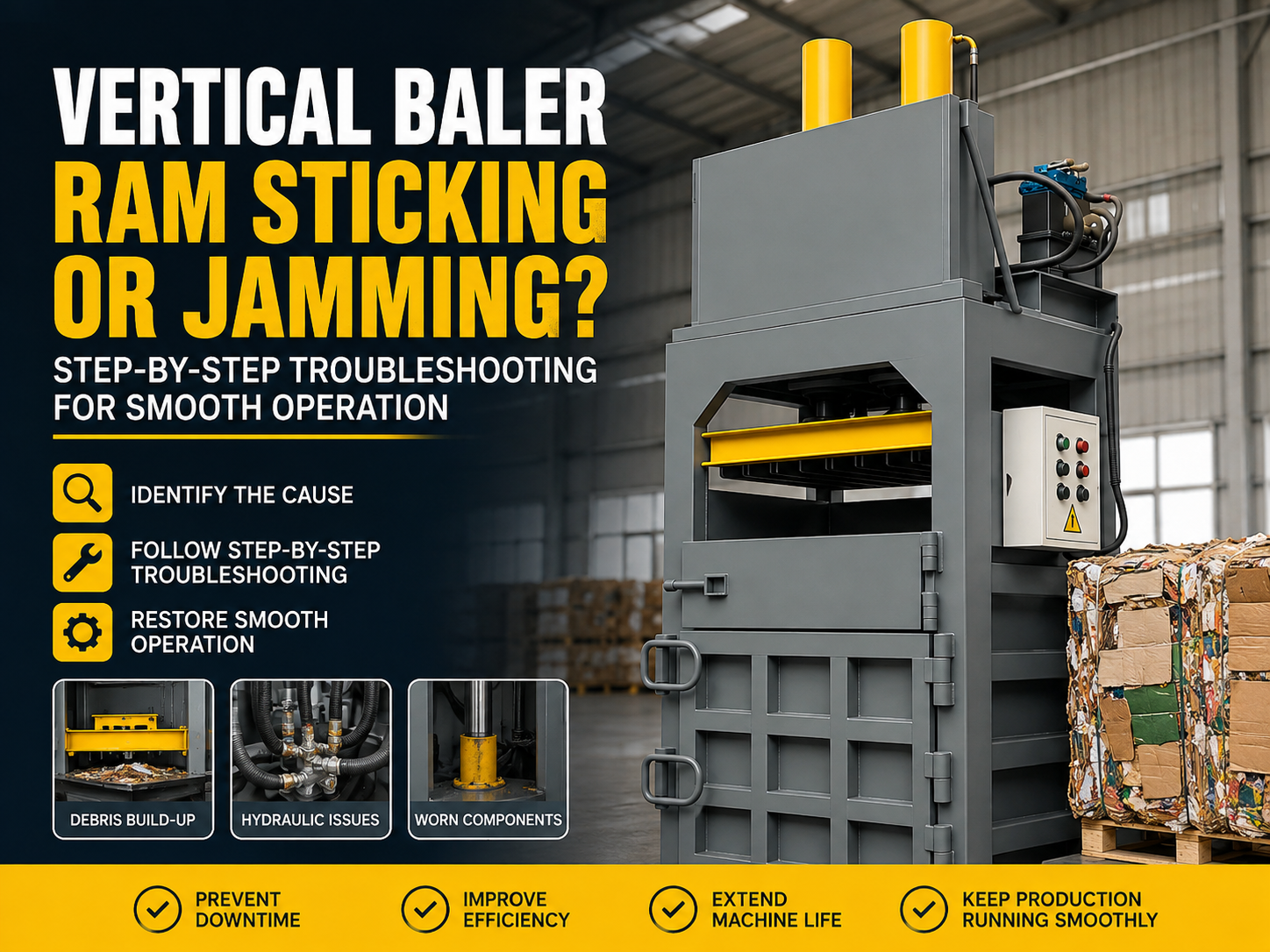
In the high-pressure environment of waste management and recycling, the vertical baler stands as a cornerstone of operational efficiency. However, even the most robust HARSLE machinery can encounter mechanical resistance. When you find yourself asking, “Vertical Baler Ram Sticking Or Jamming? Step-By-Step Troubleshooting Smooth Operation,” you are addressing a critical bottleneck that impacts your facility’s throughput and safety. A jammed ram is not merely an inconvenience; it is a signal that your hydraulic system, guide rails, or material loading processes require immediate attention.
At HARSLE, we prioritize engineering excellence, but we recognize that industrial environments are harsh. Dust, debris, and improper loading habits can lead to friction, misalignment, or hydraulic pressure drops. This guide is designed to provide maintenance managers and operators with a comprehensive roadmap to identify the root cause of ram sticking and implement effective, long-term solutions to restore peak performance.
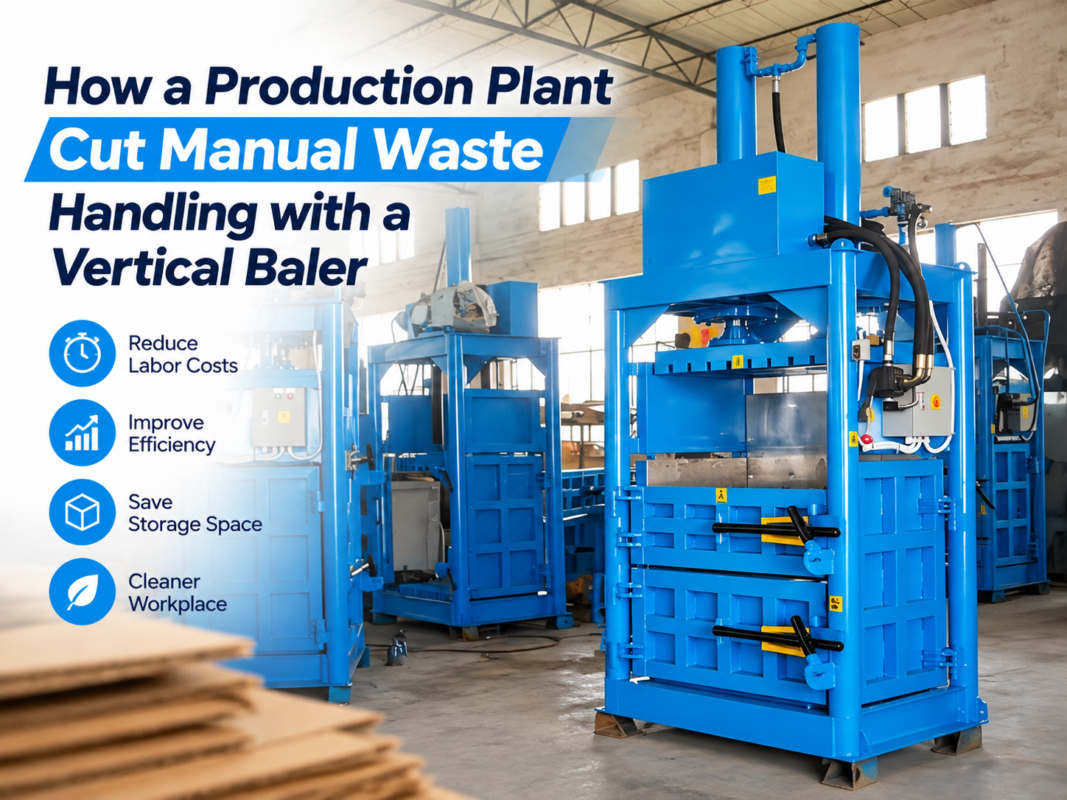
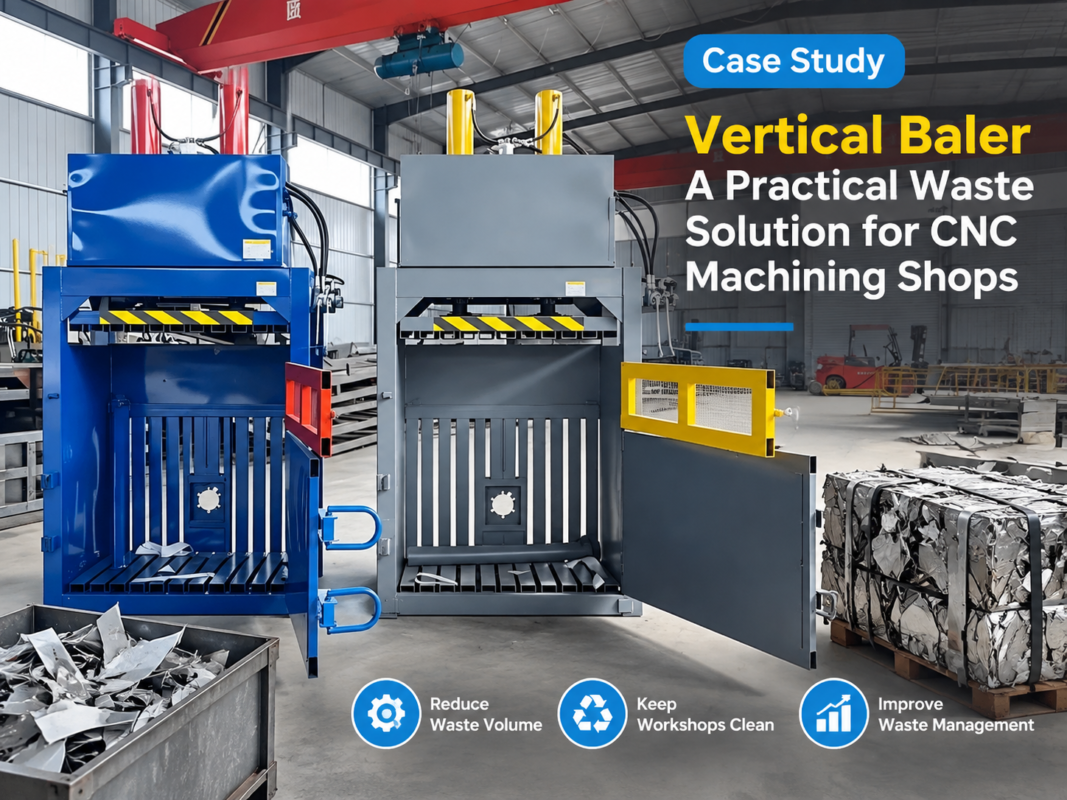
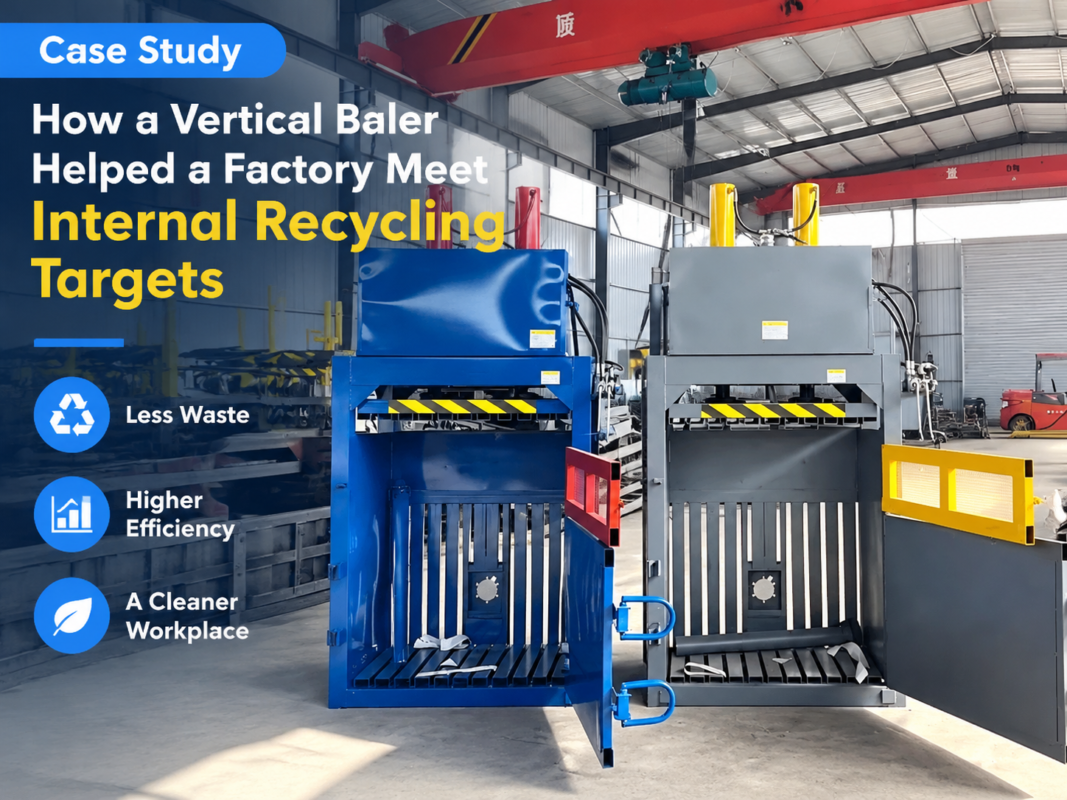
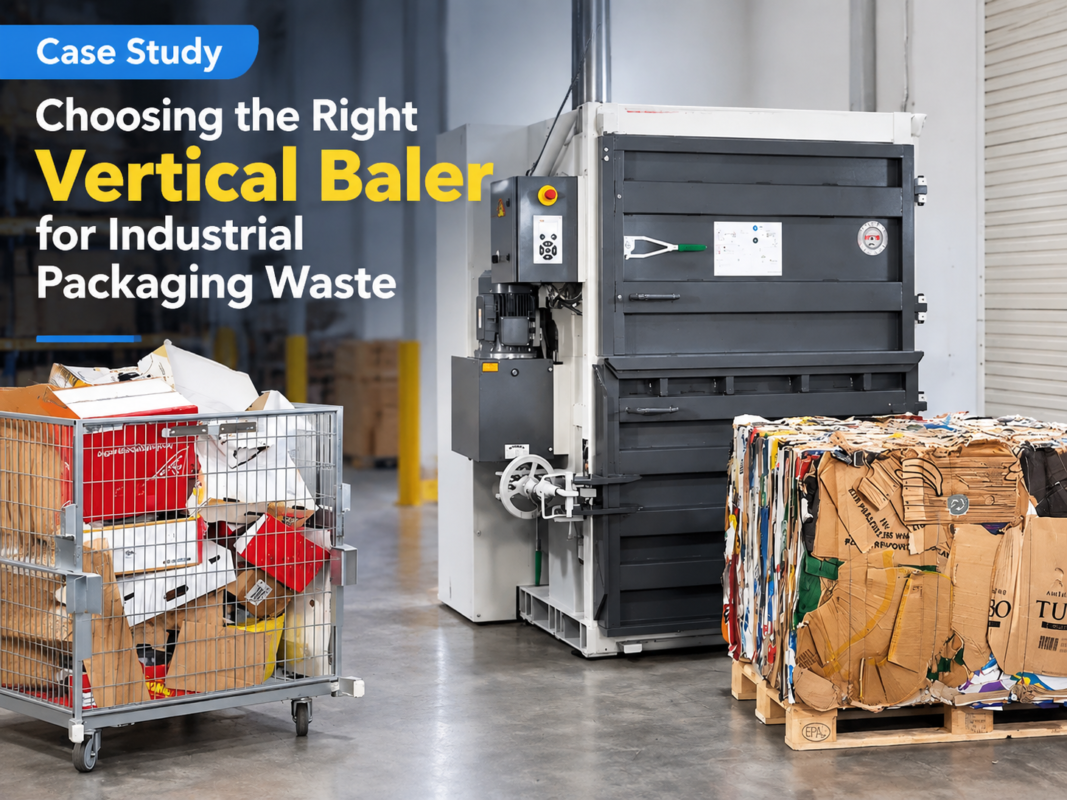
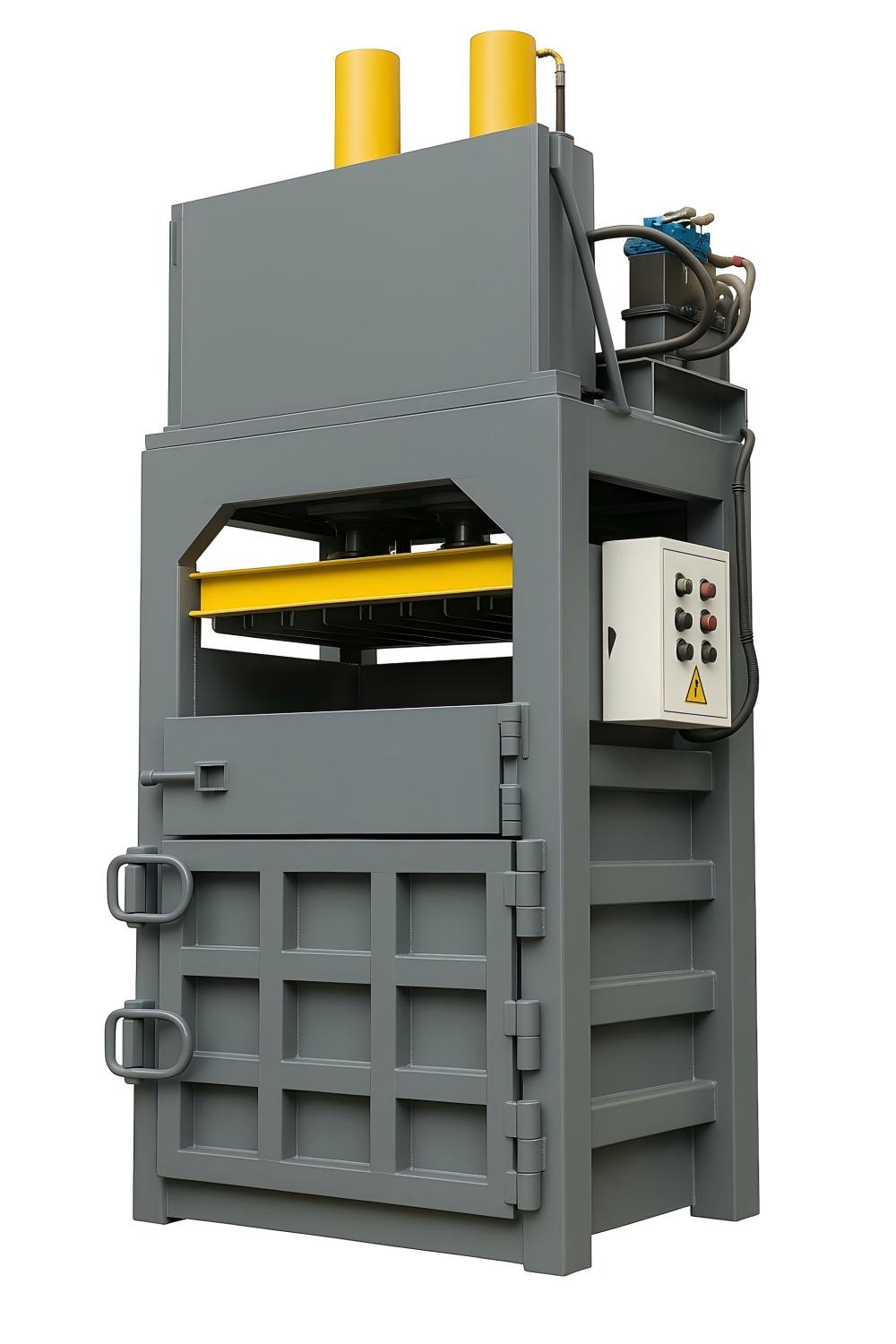
Understanding the anatomy of a vertical baler is the first step in effective troubleshooting. The ram is the heart of the compression cycle, driven by hydraulic cylinders and guided by precision-engineered tracks. When this movement is compromised, the entire baling process halts. By systematically evaluating the mechanical, hydraulic, and operational aspects of your machine, you can minimize downtime and extend the lifespan of your equipment.
This article will walk you through the diagnostic process, from simple debris removal to complex hydraulic pressure adjustments. We will also explore preventative maintenance strategies that ensure your vertical baler remains a reliable asset in your metal fabrication or recycling workflow. Let’s dive into the technical nuances of keeping your ram moving smoothly.
Key Considerations for Ram Sticking and Jamming
The most common cause of ram sticking is often the simplest: material buildup. In many industrial settings, operators may inadvertently load materials that are too large, too rigid, or improperly distributed within the chamber. When the ram descends, these materials can wedge against the chamber walls, creating a mechanical lock that the hydraulic system cannot overcome. This is particularly common when processing mixed waste or oversized cardboard.
Another critical consideration is the condition of the guide rails. The ram relies on these rails to maintain a perfectly vertical path. Over time, the accumulation of grit, dust, and metal shavings can create a grinding surface that increases friction. If the lubrication on these rails has dried out or become contaminated, the ram will struggle to move, leading to stuttering or complete jamming. Regular cleaning and re-lubrication are non-negotiable tasks for any maintenance schedule.
Hydraulic pressure consistency is the third pillar of smooth operation. If your hydraulic pump is failing or if there is a leak in the cylinder seals, the ram may lack the necessary force to compress the material. Sometimes, the issue isn’t that the ram is stuck, but that the system is unable to generate the pressure required to overcome the resistance of the material being baled. Checking the hydraulic fluid levels and pressure gauges is essential during the troubleshooting phase.
Finally, consider the electrical and sensor components. Modern vertical balers are equipped with limit switches and safety sensors that prevent the machine from operating if the door is open or if the ram is misaligned. If a sensor is faulty or obstructed by debris, the machine may trigger an emergency stop, mimicking the symptoms of a mechanical jam. Always verify that your control panel is not displaying an error code before assuming a mechanical failure.
Technical Details: Step-by-Step Troubleshooting
When you encounter a jam, the first step is safety. Always ensure the machine is powered down and locked out according to your facility’s safety protocols before attempting to clear any obstructions. Never reach into the chamber while the hydraulic system is pressurized. Once the machine is safe, perform a visual inspection of the chamber walls. Look for protruding metal, trapped debris, or uneven material distribution that could be causing the ram to bind.
If the chamber appears clear, inspect the guide rails. Use a high-quality degreaser to remove old, contaminated lubricant, and then apply a fresh coat of industrial-grade grease recommended by HARSLE. Ensure that the ram is level. If you notice the ram is tilting, this indicates a potential issue with the guide shoes or the cylinder mounting bolts. Tightening loose hardware can often resolve minor alignment issues that lead to sticking.
Next, examine the hydraulic system. Check the hydraulic oil reservoir to ensure the fluid is at the correct level and that it is not contaminated with water or debris. If the oil appears milky or dark, it may need to be flushed and replaced. Inspect the hydraulic hoses for any signs of bulging, leaks, or crimping. A restricted hose can significantly reduce the flow of hydraulic fluid, causing the ram to move slowly or stall under load.
If the mechanical and hydraulic systems appear sound, test the electrical limit switches. These switches tell the PLC (Programmable Logic Controller) where the ram is in its cycle. If a switch is stuck or covered in dust, the controller may think the ram has reached the end of its travel prematurely. Clean the sensors with compressed air and verify their functionality using a multimeter. If the sensor does not trigger, it may need to be replaced to restore normal operation.
Selection Advice: Choosing the Right Baler for Your Needs
Preventing ram sticking starts long before the machine is installed. Choosing the right vertical baler for your specific material type is crucial. If you are processing heavy-duty scrap metal, a standard cardboard baler will inevitably fail. HARSLE offers a range of balers designed for specific densities and material types. Selecting a machine with a higher compression force than you currently need provides a safety margin that prevents jamming during peak production periods.
Consider the chamber size and loading aperture. If your waste stream includes large, bulky items, a baler with a smaller opening will force operators to break down materials manually, which increases the risk of improper loading. A larger aperture allows for easier material placement, reducing the likelihood of items getting stuck against the chamber walls. Investing in a machine that matches your material size is a long-term cost-saving measure.
Look for features like automatic bale ejection and programmable cycle times. These features reduce the amount of manual intervention required, which in turn reduces the risk of operator error. HARSLE balers are designed with user-friendly interfaces that provide real-time feedback on system pressure, allowing operators to adjust their loading habits before a jam occurs. When purchasing, prioritize machines with robust steel construction and reinforced guide tracks.
Finally, consider the manufacturer’s support network. A vertical baler is a long-term investment. Ensure that the supplier provides comprehensive documentation, spare parts availability, and technical support. HARSLE prides itself on providing detailed manuals and responsive service, ensuring that if you do encounter a jam, you have the resources to resolve it quickly and safely.
FAQ: Common Questions About Baler Maintenance
- Q: How often should I lubricate the guide rails?
A: Depending on the volume of material processed, we recommend inspecting and lubricating the guide rails weekly. In high-dust environments, this may need to be increased to twice a week. - Q: What should I do if the ram stops halfway through a cycle?
A: First, check for an obstruction in the chamber. If clear, check your hydraulic pressure gauge. If the pressure is normal but the ram won’t move, the issue is likely electrical or a faulty solenoid valve. - Q: Can I use any hydraulic oil in my HARSLE baler?
A: No, always use the hydraulic oil grade specified in your user manual. Using the wrong viscosity can lead to pump failure and sluggish ram movement. - Q: Why does my baler make a grinding noise?
A: Grinding noises usually indicate metal-on-metal contact, often caused by worn guide shoes or a lack of lubrication. Stop the machine immediately and inspect the tracks. - Q: How do I know if my hydraulic pump is failing?
A: Signs include a significant drop in compression force, excessive heat generation in the hydraulic tank, and a high-pitched whining noise during operation.
Conclusion: Maintaining Operational Excellence
Addressing the issue of “Vertical Baler Ram Sticking Or Jamming? Step-By-Step Troubleshooting Smooth Operation” is an essential skill for any industrial facility manager. By maintaining a clean environment, adhering to a strict lubrication schedule, and monitoring hydraulic health, you can prevent the vast majority of jamming incidents. Remember that your baler is a precision tool; treating it with the care it deserves will pay dividends in the form of increased uptime and reduced maintenance costs.
At HARSLE, we are committed to the success of your operations. Our equipment is built to withstand the rigors of industrial use, but even the best machinery requires proactive care. Use this guide as a reference point for your maintenance team, and don’t hesitate to reach out to our technical support staff if you encounter a problem that falls outside the scope of standard troubleshooting. With the right approach, your vertical baler will continue to provide reliable, efficient service for years to come.
Ultimately, the goal is to create a culture of maintenance. When operators are trained to recognize the early signs of a potential jam—such as unusual noises, slower cycle times, or uneven bale density—they can take corrective action before a total shutdown occurs. Keep your machine clean, keep your hydraulic system healthy, and keep your production line moving with HARSLE.