Horizontal Baler Wire Tying Problems: Troubleshooting Guide for Operators

Introduction to Horizontal Baler Wire Tying Challenges
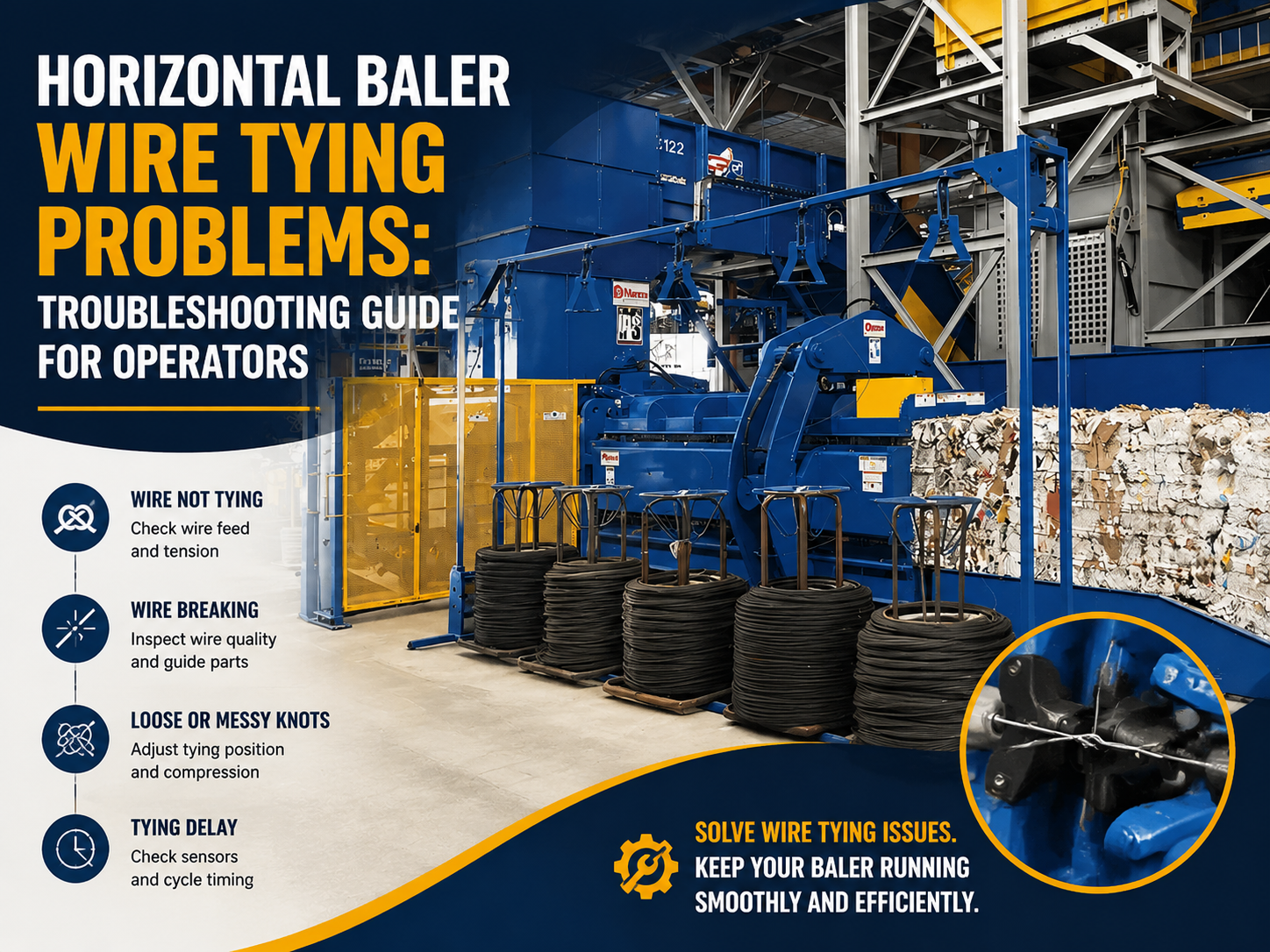
In the high-pressure environment of industrial recycling and waste management, the horizontal baler stands as the backbone of efficiency. However, even the most robust HARSLE machinery can encounter operational hurdles, with wire tying issues being among the most frequent. Understanding the mechanics behind these failures is essential for any operator looking to maintain high throughput and minimize downtime. This guide serves as a comprehensive resource for diagnosing and resolving common wire tying malfunctions effectively.
Wire tying systems are sophisticated assemblies that rely on precise timing, tension, and alignment. When a horizontal baler fails to tie a bale correctly, it often points to a breakdown in one of these three critical areas. Whether you are dealing with loose knots, snapped wires, or complete tying cycle failures, the ability to troubleshoot these issues on-site is a vital skill for modern operators. By following a systematic approach, you can prevent minor glitches from escalating into costly mechanical repairs.
This article explores the technical intricacies of horizontal baler wire tying systems. We will delve into the common causes of failure, provide step-by-step troubleshooting protocols, and offer maintenance advice to ensure your equipment remains in peak condition. For HARSLE operators, mastering these troubleshooting steps is the first line of defense against production bottlenecks and ensures the longevity of your investment in metal fabrication equipment.
Key Considerations for Wire Tying Reliability
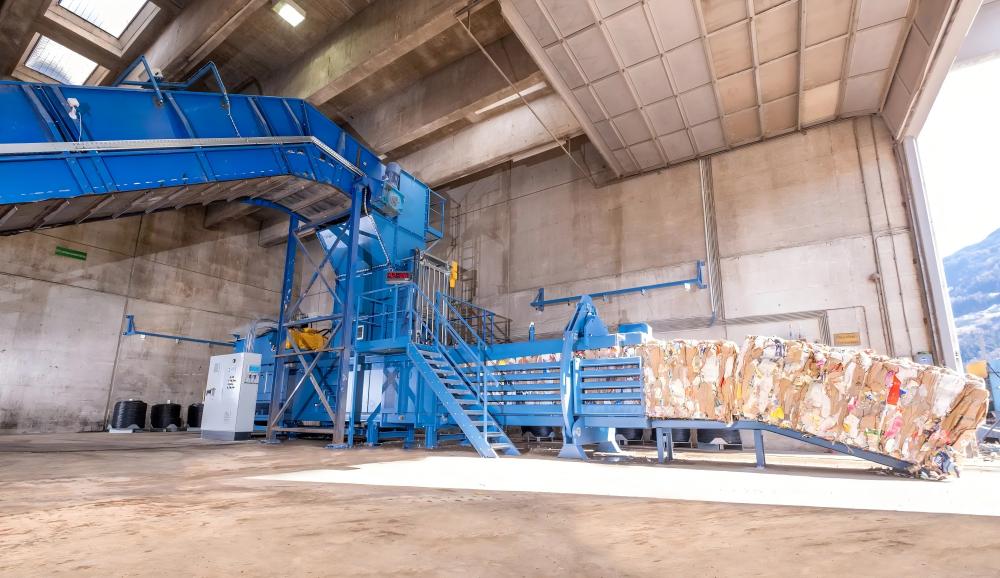
The reliability of your baler’s tying system is heavily dependent on the quality of the consumables used. Many operators overlook the importance of wire gauge and tensile strength, assuming that any wire will suffice. However, using wire that does not meet the manufacturer’s specifications can lead to premature wear on the twister hooks, excessive tension on the motors, and frequent snapping. Always ensure that your wire matches the HARSLE technical specifications for your specific baler model.
Environmental factors also play a significant role in tying performance. Dust, debris, and moisture can accumulate in the tying chamber, interfering with the movement of the needles and the twister assembly. A clean machine is a functional machine. Operators should implement a daily cleaning schedule that focuses on the needle path and the twister head area. Compressed air or specialized brushes should be used to remove compacted material that could obstruct the wire feed.
Tension settings are another critical consideration. If the wire tension is too high, the wire may snap before the knot is fully formed. Conversely, if the tension is too low, the bale will expand upon ejection, leading to loose wires or broken ties. Finding the ‘sweet spot’ for your specific material density is a process of trial and error that requires careful observation of the finished bale. Documenting these settings for different material types—such as cardboard, plastic, or light metals—can significantly improve consistency.
Finally, the synchronization of the tying cycle is paramount. The horizontal baler relies on sensors and limit switches to trigger the needle movement and the twister rotation. If these sensors are misaligned or faulty, the machine may attempt to tie a bale before the needles have fully retracted or before the wire is properly positioned. Regular inspection of these electronic components is necessary to ensure the sequence of operations remains perfectly timed.
Technical Details: Troubleshooting Wire Tying Problems
When a wire tying problem occurs, the first step is to identify the specific nature of the failure. Is the wire snapping during the twist? Are the needles failing to penetrate the bale? Or is the twister hook failing to grab the wire? Each of these symptoms points to a different mechanical or electrical fault. A systematic troubleshooting guide for operators should begin with a visual inspection of the wire path from the spool to the twister head.
If the wire is snapping consistently, check for sharp edges or burrs along the wire guide path. Over time, the constant friction of the wire can create grooves in the guides, which act as stress points and cause the wire to break under tension. Smoothing these surfaces with a file or replacing the guide inserts can resolve the issue immediately. Additionally, check the wire tensioner assembly to ensure it is not applying excessive force due to a seized bearing or spring.
Needle-related issues are often caused by mechanical misalignment. If the needles are hitting the bale or the chamber walls, they may bend or fail to reach the twister head. Inspect the needle carriage for any signs of play or looseness. If the needles are not aligned correctly, the wire will not be presented to the twister hook at the required angle, resulting in a failed tie. Adjusting the needle stroke and alignment is a delicate task that should be performed according to the HARSLE service manual.
The twister head assembly is the heart of the tying system. If the twister hook is worn or chipped, it will fail to grip the wire securely. Inspect the twister hook for wear patterns and ensure the rotation mechanism is well-lubricated. In many cases, a simple cleaning and lubrication of the twister head can restore functionality. If the hook is severely damaged, it must be replaced to prevent further damage to the tying mechanism.
Selection Advice for Baler Wire and Components
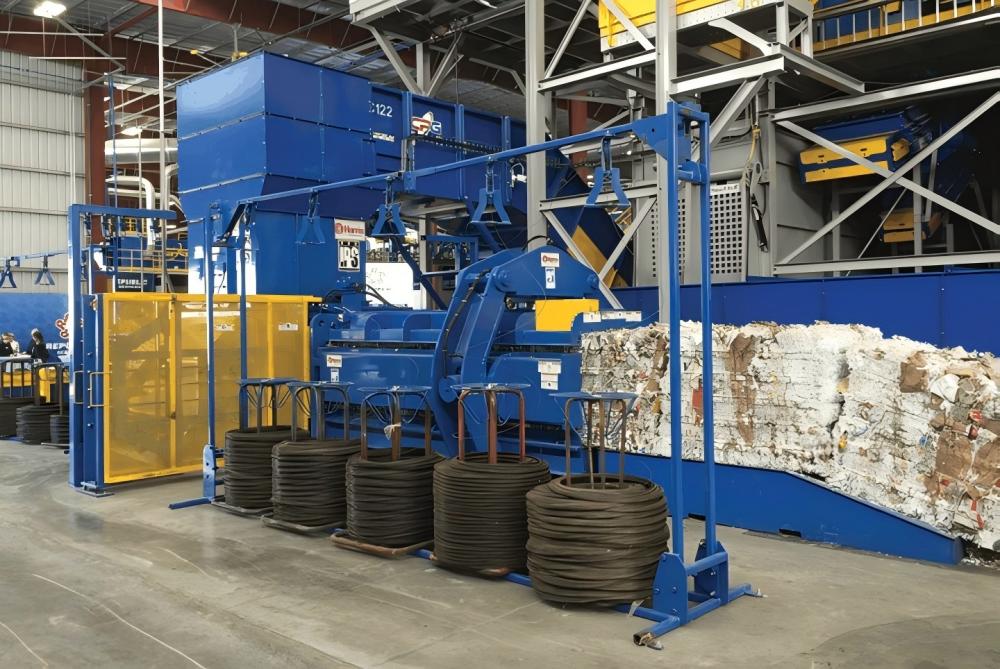
Choosing the right wire is not just about cost; it is about operational efficiency. High-quality, galvanized baling wire is recommended for most industrial applications to prevent rust and ensure smooth feeding. When selecting wire, consider the tensile strength required for your specific material. Heavier, denser materials require higher tensile strength wire to prevent the bale from expanding and snapping the ties during storage or transport.
When purchasing replacement parts for your HARSLE baler, always opt for original equipment manufacturer (OEM) components. While aftermarket parts may seem cheaper, they often lack the precise tolerances required for the high-speed, high-stress environment of a horizontal baler. OEM parts are engineered to work in harmony with the machine’s existing systems, ensuring that your troubleshooting efforts are not undermined by inferior hardware.
Consider the storage conditions of your wire inventory. Wire that has been exposed to moisture can develop a layer of oxidation, which increases friction and can lead to feeding problems. Store your wire in a dry, climate-controlled environment. Furthermore, ensure that the wire spools are mounted correctly on the decoiler. If the spool is not rotating freely, it will create unnecessary drag, leading to inconsistent tension and potential tying failures.
For operators looking to upgrade, consider investing in automated wire tying systems if your current manual or semi-automatic system is causing frequent bottlenecks. Modern HARSLE horizontal balers feature advanced tying technology that reduces the need for manual intervention and increases overall safety. Evaluate your production volume and the frequency of tying issues to determine if an upgrade is a cost-effective solution for your facility.
FAQ: Common Questions for Operators
Why does my baler wire snap during the tying cycle?
Wire snapping is usually caused by excessive tension, sharp burrs in the wire path, or the use of wire that is too thin for the material density. Check the tensioner settings and inspect the wire guides for wear.
How often should I lubricate the twister head?
The twister head should be lubricated according to the maintenance schedule in your HARSLE manual, typically daily or after a specific number of cycles. High-quality, heat-resistant grease is essential for this component.
What should I do if the needles are not reaching the twister?
This indicates a mechanical timing issue or a bent needle. Check the needle carriage for obstructions and verify that the limit switches are triggering at the correct position. Do not attempt to force the needles manually.
Can I use different brands of baling wire?
While you can use other brands, it is highly recommended to use wire that meets the exact specifications of your baler. Variations in diameter or coating can lead to feeding issues and premature wear on the tying mechanism.
How do I know if the twister hook is worn out?
A worn twister hook will show visible signs of rounding or chipping on the gripping surface. If you notice that the wire is slipping out of the hook during the twist, it is time to replace the component.
Conclusion: Maintaining Operational Excellence
Troubleshooting horizontal baler wire tying problems is an essential aspect of maintaining a productive and safe work environment. By understanding the mechanical relationships between wire tension, needle alignment, and twister performance, operators can quickly diagnose issues and implement effective solutions. Remember that consistent maintenance, the use of high-quality consumables, and adherence to HARSLE’s operational guidelines are the keys to minimizing downtime.
As you continue to operate your horizontal baler, keep a detailed log of all tying issues and the steps taken to resolve them. This data will prove invaluable for identifying recurring problems and planning preventative maintenance. By treating your baler with the care and attention it requires, you ensure that your metal fabrication equipment continues to deliver the high performance and reliability your business demands. Stay proactive, stay informed, and keep your operations running smoothly.