Scrap Metal Shear Roles in Efficient Waste Metal Recovery

Introduction to Scrap Metal Shear Roles in Efficient Waste Metal Recovery
In the modern industrial landscape, the concept of a circular economy has transitioned from a theoretical ideal to a practical necessity. Central to this transition is the efficient recovery and recycling of waste metals. The scrap metal shear stands as a cornerstone technology in this sector, providing the mechanical force necessary to transform bulky, unmanageable metal waste into standardized, furnace-ready materials. Understanding the scrap metal shear roles in efficient waste metal recovery is essential for recycling facilities, demolition contractors, and steel mills looking to optimize their operations and maximize profitability.
HARSLE, a leader in metal fabrication machinery, recognizes that the efficiency of a recycling plant is directly proportional to the reliability and power of its shearing equipment. Whether dealing with decommissioned ships, structural steel from demolition sites, or automotive scrap, the right shearing solution ensures that materials are processed quickly, safely, and with minimal energy consumption. This article delves deep into the multifaceted roles these machines play, the technical requirements for various materials, and the productivity benefits that modern hydraulic shears bring to the global recycling industry.
Application Scenarios for Scrap Metal Shears
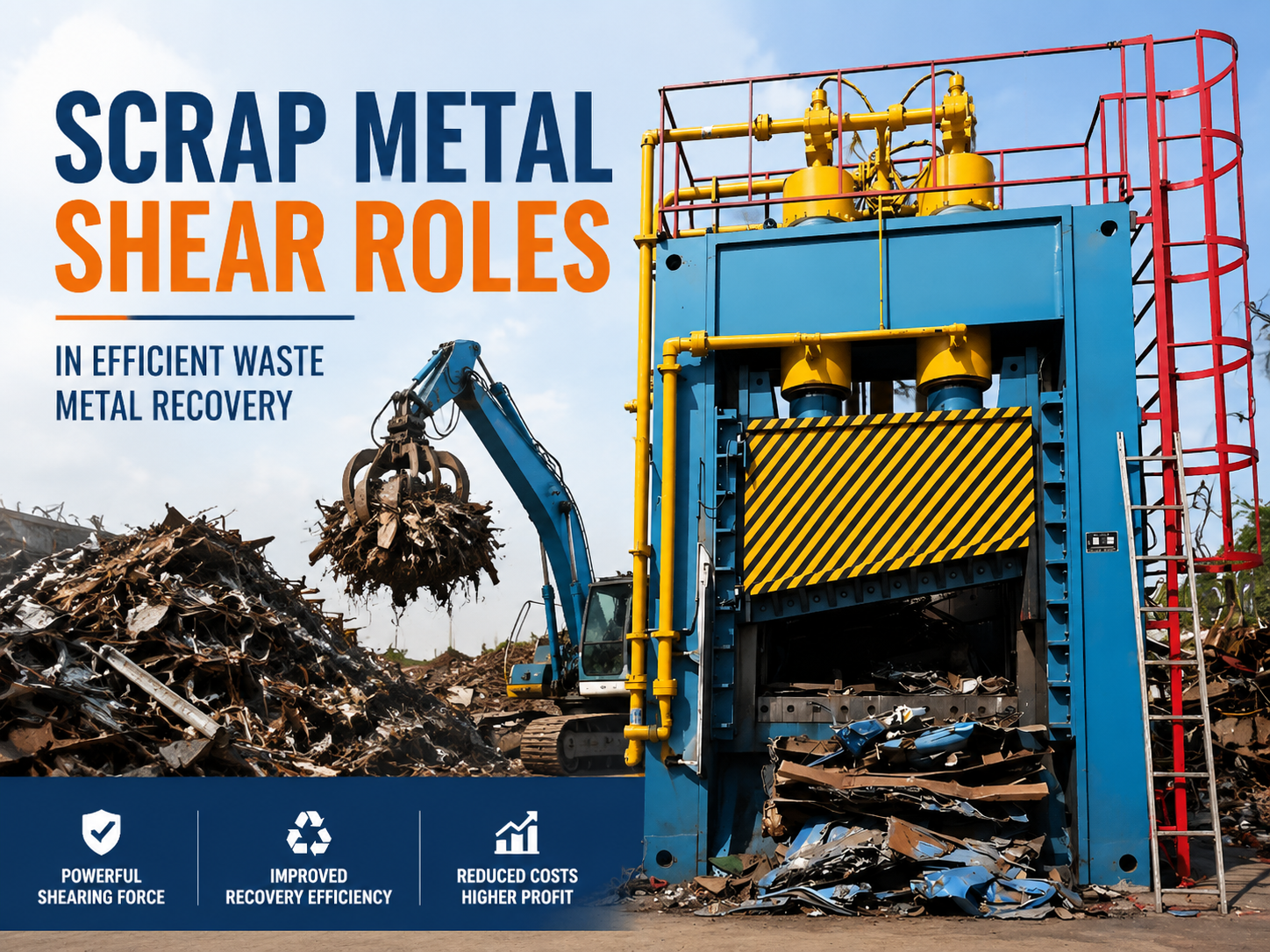
The versatility of scrap metal shears allows them to be deployed across a wide range of industrial environments. One of the primary application scenarios is in large-scale metal recycling centers. These facilities act as hubs where diverse types of scrap—ranging from household appliances to industrial machinery—are collected. Here, the scrap metal shear roles in efficient waste metal recovery involve reducing the volume of incoming material to facilitate easier sorting and subsequent processing. By cutting long beams or oversized plates into smaller sections, the shear enables magnetic separators and manual sorters to work more effectively.
Demolition sites represent another critical scenario. When high-rise buildings or industrial plants are dismantled, the resulting structural steel is often too large for standard transport. Mobile or stationary scrap shears are used on-site to break down I-beams, H-beams, and heavy piping. This not only reduces transportation costs by increasing the density of each truckload but also prepares the material for immediate sale to foundries. Without high-capacity shearing, the logistics of clearing a demolition site would be significantly more expensive and time-consuming.
The automotive dismantling industry also relies heavily on specialized shearing equipment. While car balers are common, shears are necessary for processing the heavier structural components of trucks, buses, and heavy machinery that a standard baler might struggle with. Furthermore, in the shipbreaking industry, massive gantry shears are utilized to slice through thick hull plates and internal frames. In each of these scenarios, the shear acts as the primary tool for size reduction, which is the first and most vital step in the metal recovery pipeline.
Material and Process Requirements
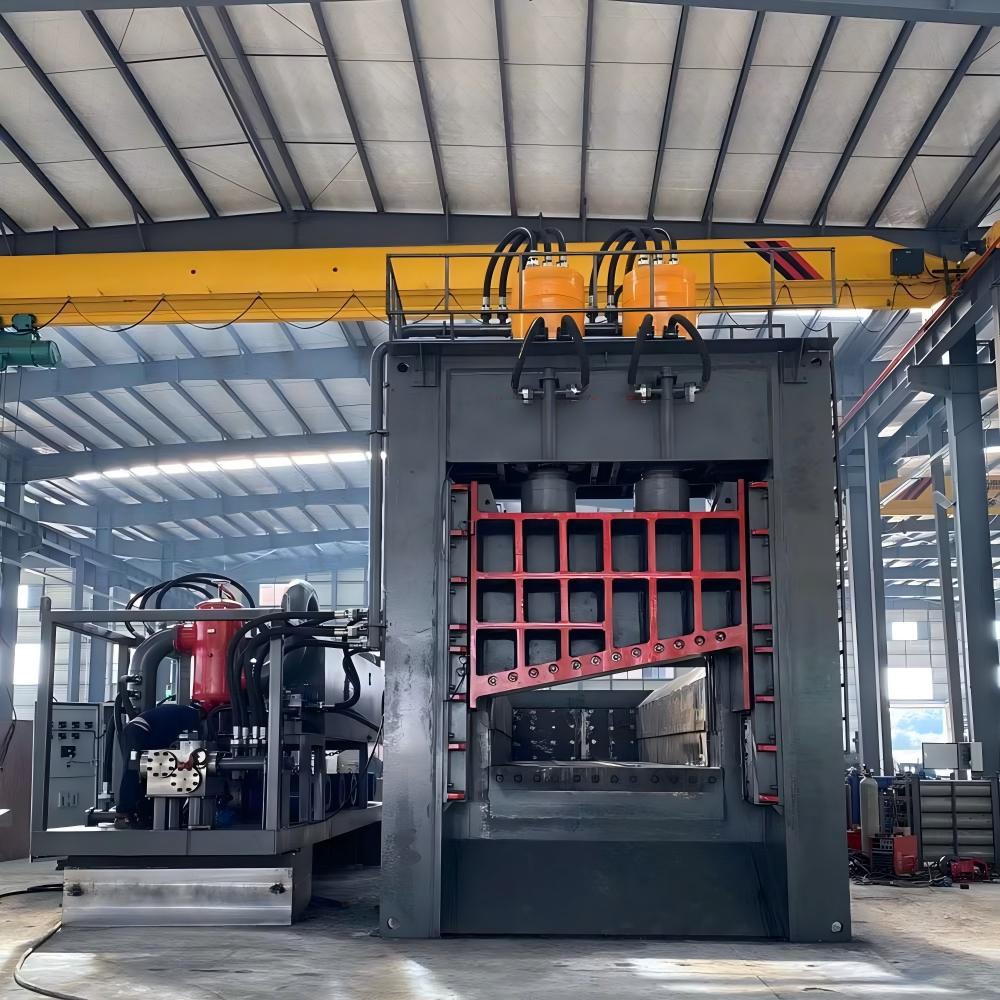
To fulfill the scrap metal shear roles in efficient waste metal recovery, the machinery must be engineered to handle a vast array of material properties. Scrap metal is rarely uniform; it can include soft aluminum, ductile copper, and high-tensile carbon steel. The shearing process requires a machine that can deliver consistent force while maintaining blade integrity. For ferrous metals, which constitute the bulk of recycled scrap, the shear must overcome high yield strengths. This necessitates hydraulic systems capable of generating hundreds, or even thousands, of tons of pressure.
Blade quality is perhaps the most critical component of the material processing requirement. Blades must be manufactured from high-alloy tool steel, often heat-treated to achieve a balance between hardness (to resist wear) and toughness (to prevent cracking under impact). The gap between the upper and lower blades must be precisely adjustable. If the gap is too wide, the metal will bend rather than cut, leading to “jamming” and increased mechanical stress. If it is too narrow, the blades may clash, causing catastrophic failure. Modern HARSLE shears feature shim-adjustable blade seats to ensure the perfect cut across different material thicknesses.
Process requirements also include the ability to handle “dirty” scrap. In waste recovery, metal is often contaminated with concrete, rubber, or paint. The shear must be robust enough to handle these impurities without frequent downtime. Furthermore, the feeding mechanism—whether it is a gravity-fed hopper or a hydraulic pusher—must be designed to prevent bridging, where large pieces of scrap become wedged and stop the flow of material. Efficient recovery depends on a continuous, automated workflow that minimizes manual intervention.
Recommended Machine Configuration
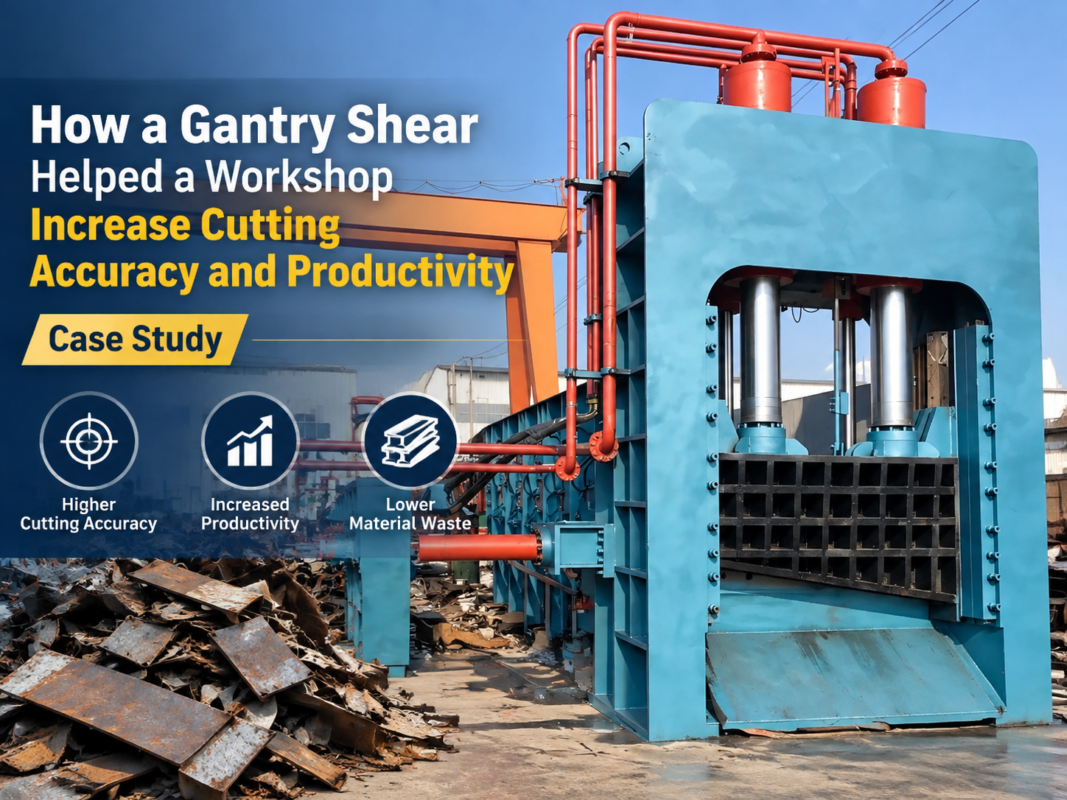
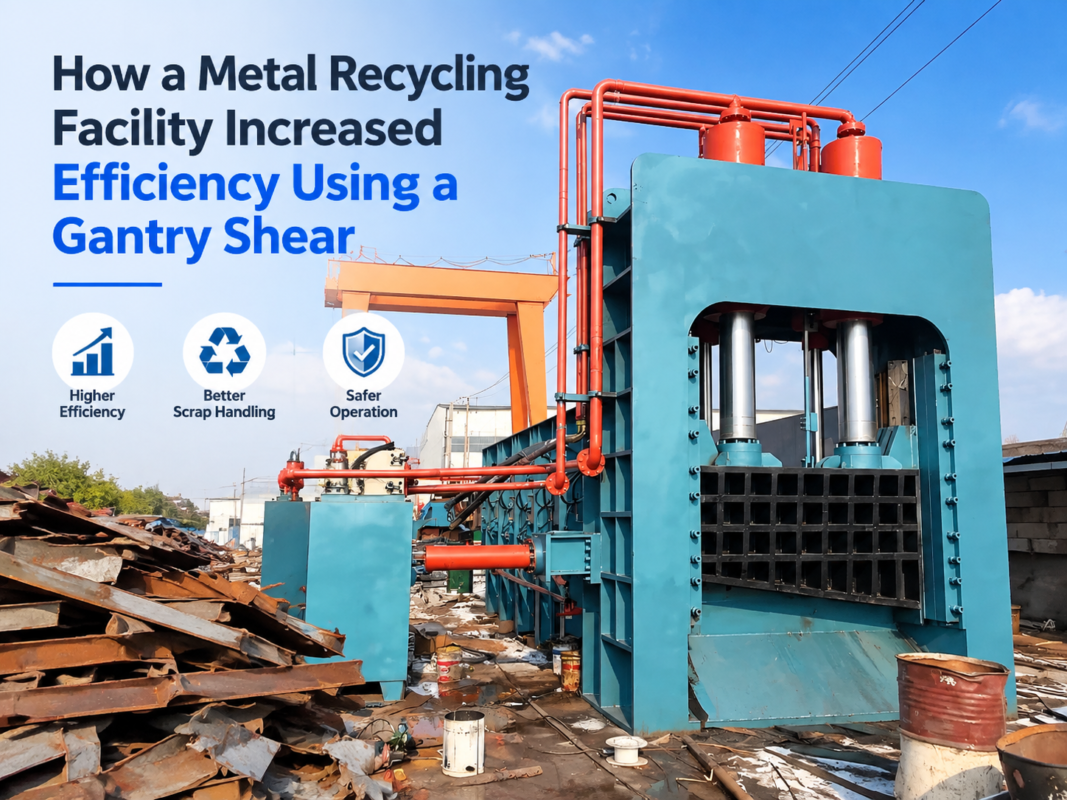
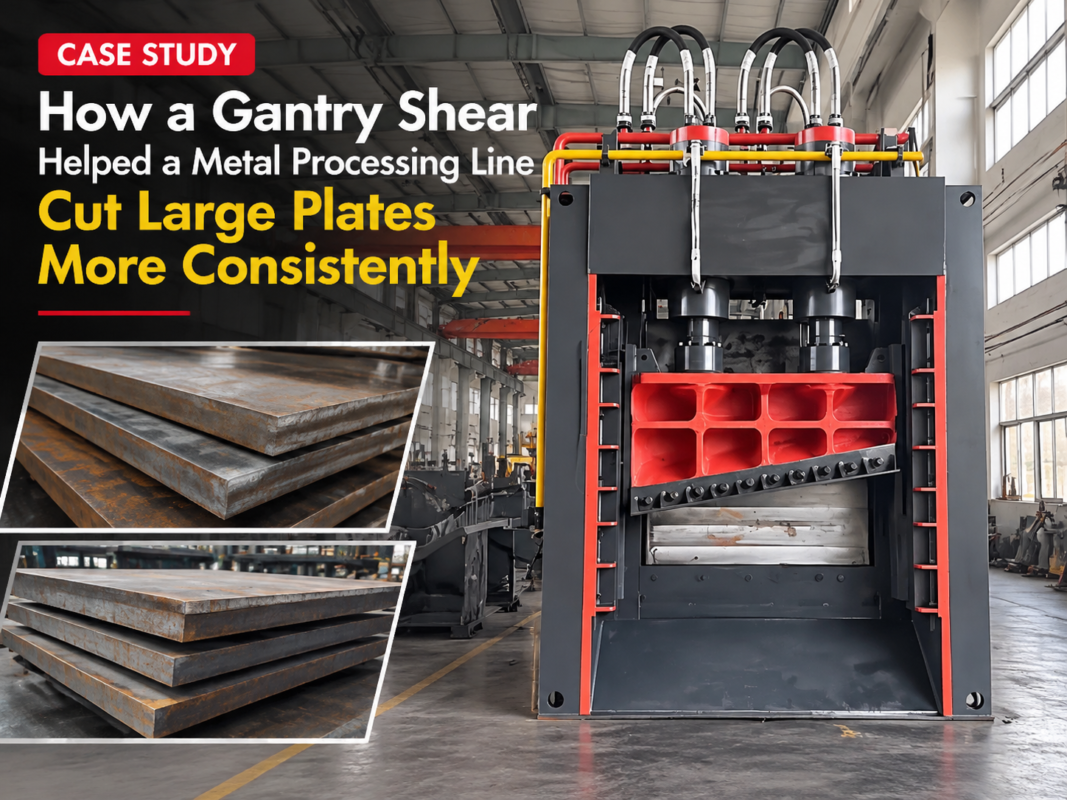
When selecting equipment to fulfill the scrap metal shear roles in efficient waste metal recovery, the configuration must match the specific needs of the operation. For high-volume, heavy-duty processing, a Gantry Hydraulic Shear is the industry standard. These machines feature a vertical cutting action and a massive frame that can withstand immense lateral forces. Key configurations include a high-capacity hydraulic reservoir with an integrated cooling system to allow for 24/7 operation without fluid degradation.
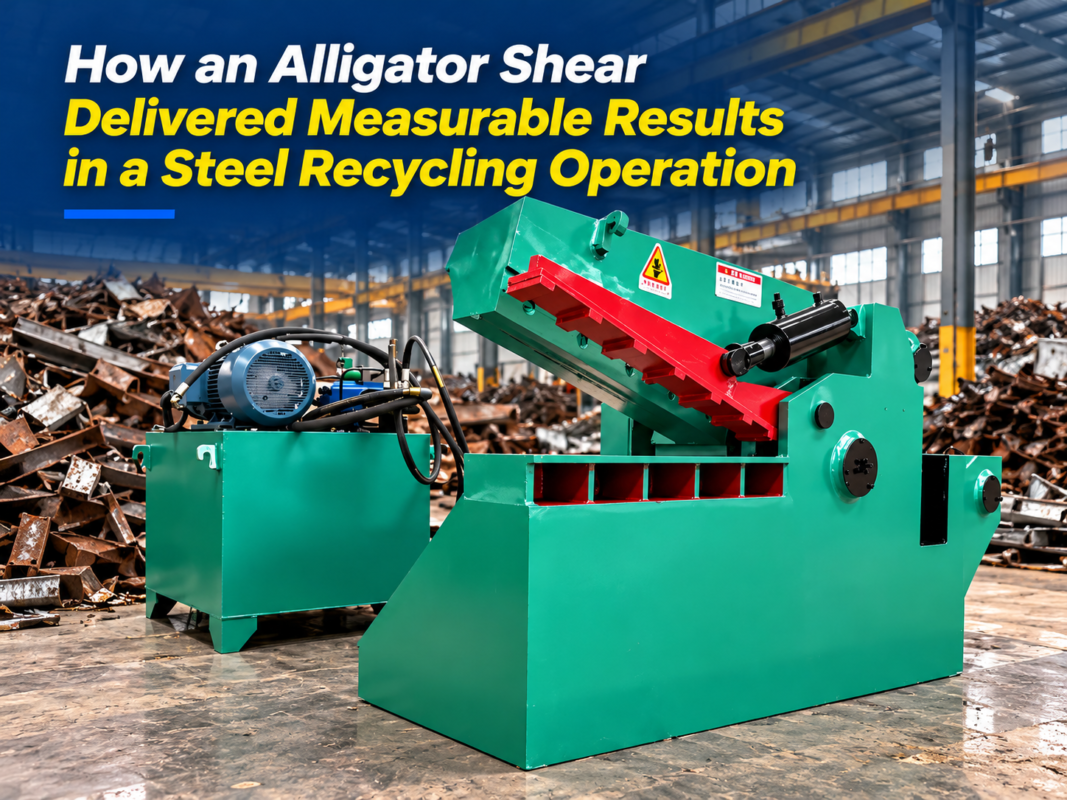
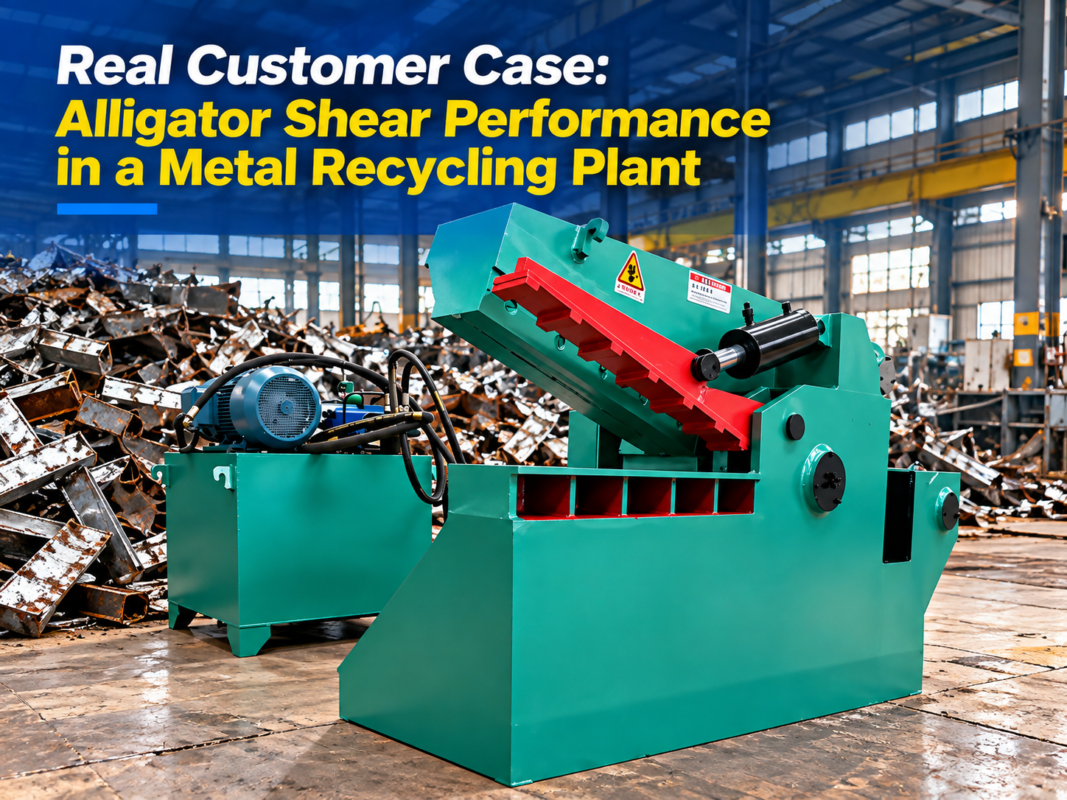
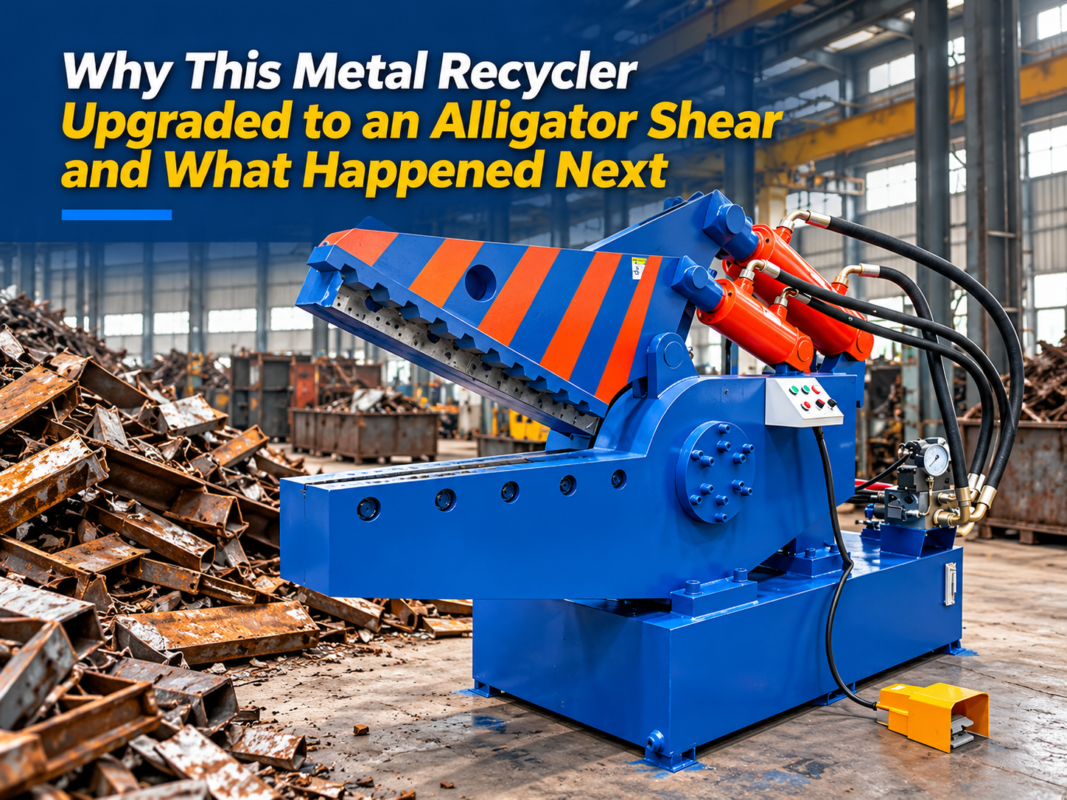
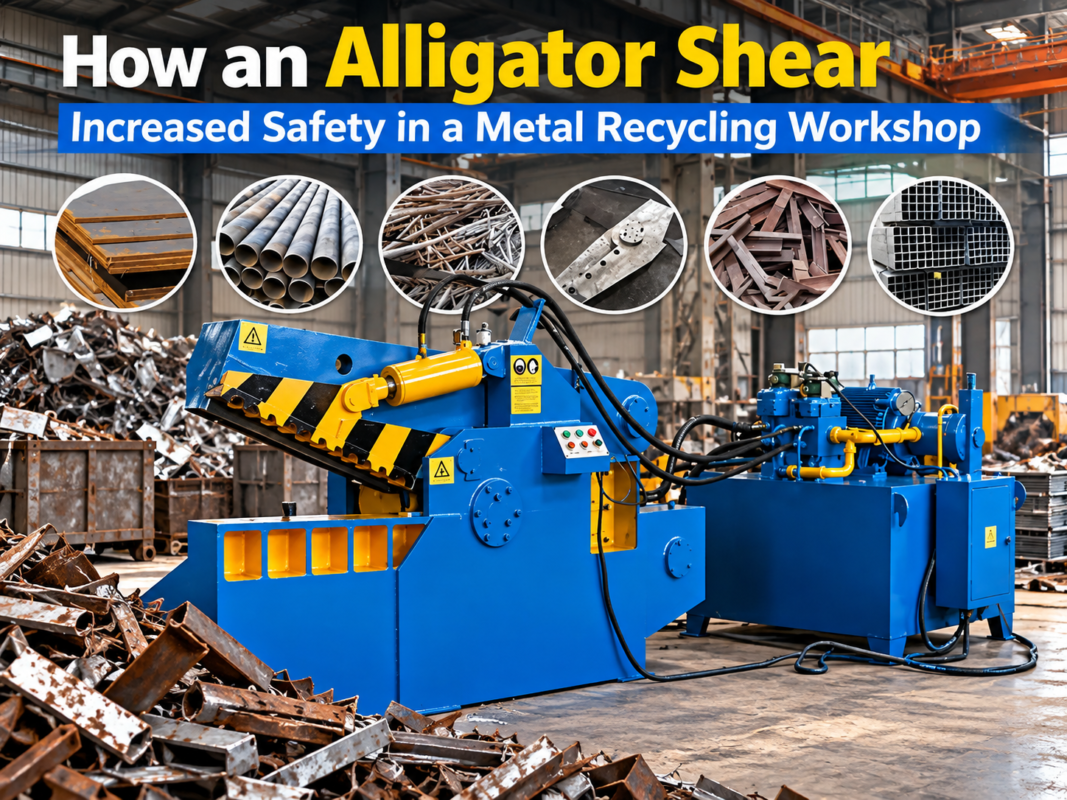
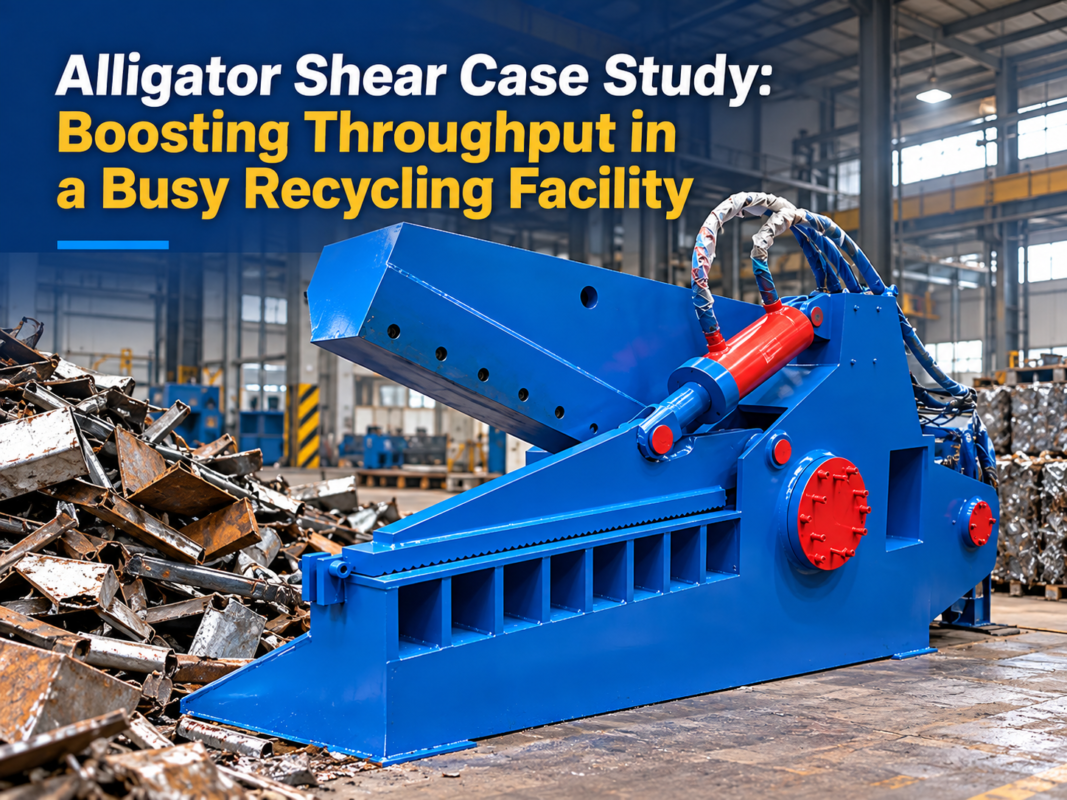
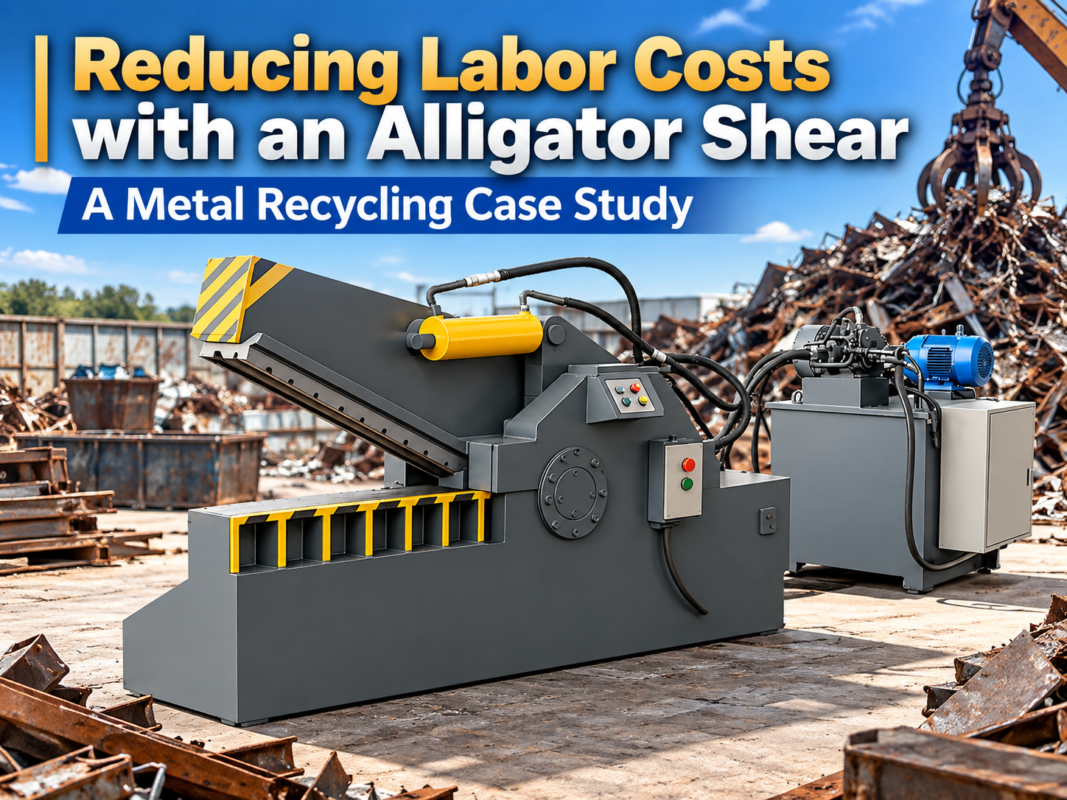
For smaller yards or specialized tasks, an Alligator Shear might be more appropriate. These are characterized by a jaw-like cutting action and are excellent for cleaning non-ferrous scrap, such as cutting brass fittings off copper pipes or shearing aluminum extrusions. The configuration for an alligator shear should include a foot-pedal control for precision and a safety guard to protect the operator from flying debris. Regardless of the type, the integration of a PLC (Programmable Logic Controller) is highly recommended. A PLC allows for automated cycles, pressure monitoring, and diagnostic reporting, which are essential for maintaining high productivity.
| Feature | Gantry Shear Configuration | Alligator Shear Configuration |
|---|---|---|
| Shearing Force | 500 – 2000+ Tons | 50 – 250 Tons |
| Feeding System | Automatic Hydraulic Pusher | Manual or Conveyor Feed |
| Control System | Siemens/Mitsubishi PLC | Manual Valve or Simple Electric |
| Best For | Heavy structural steel, HMS 1/2 | Non-ferrous, small profiles, cables |
| Blade Length | 1000mm – 2500mm | 400mm – 1200mm |
Workflow of Scrap Metal Shearing
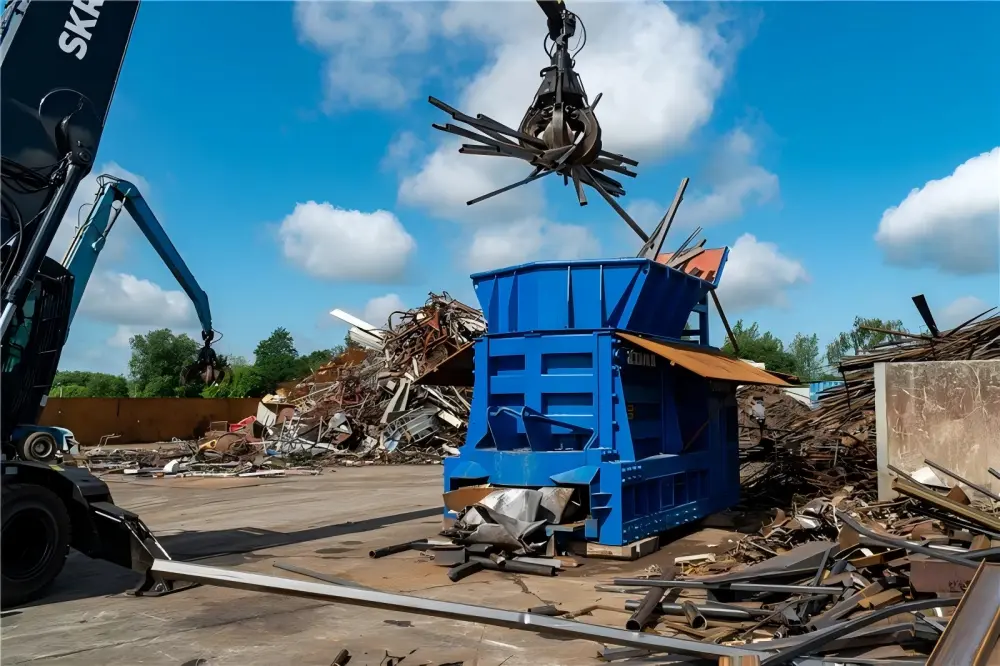
The workflow in a modern recycling facility is a choreographed sequence of events designed to maximize throughput. It begins with Material Sorting and Preparation. Incoming scrap is inspected for hazardous materials (like sealed pressurized tanks) and sorted by grade. Once sorted, the material is moved to the shear’s loading area. In a gantry shear setup, a crane with a grapple or magnet drops the scrap into a large charging box.
The second stage is Compression and Feeding. Once the charging box is full, a hydraulic lid or side-press closes to compress the scrap into a dense log. A horizontal pusher then advances this log toward the shearing blades in pre-set increments. This ensures that every piece cut is of a uniform length, which is a requirement for many steel mill furnaces. The Shearing Action itself follows, where the hydraulic cylinder forces the upper blade down through the material. The cut scrap falls onto a discharge conveyor or into a collection pit.
The final stage involves Post-Shear Handling. The processed metal is often passed under a secondary magnetic separator to ensure no non-metallic debris remains. The standardized pieces are then stockpiled or loaded directly into railcars or containers for transport. This streamlined workflow, powered by HARSLE’s advanced hydraulic systems, ensures that the scrap metal shear roles in efficient waste metal recovery are performed with minimal waste of time or energy.
Productivity Benefits of Advanced Shearing
Investing in high-quality shearing machinery offers profound productivity benefits. First and foremost is the Reduction in Logistics Costs. Raw scrap is incredibly bulky and inefficient to transport. By shearing the metal into high-density pieces, a facility can fit significantly more weight into a single truck or shipping container. This reduces the number of trips required, lowering fuel costs and carbon emissions. In the context of global trade, where scrap is often shipped across oceans, this density is the difference between profit and loss.
Secondly, there is the benefit of Increased Market Value. Steel mills and foundries pay a premium for “prepared” scrap. Prepared scrap is free of attachments, cut to specific dimensions, and has a high bulk density, which allows for faster melting times and lower energy consumption in the electric arc furnace (EAF). By fulfilling the scrap metal shear roles in efficient waste metal recovery, a recycling yard transforms a low-value waste product into a high-value industrial raw material.
Furthermore, modern shears significantly reduce Labor Costs and Safety Risks. Manual cutting with torches is slow, expensive, and dangerous. It exposes workers to toxic fumes and fire hazards. An automated hydraulic shear replaces multiple torch-cutting stations, requiring only a single operator to manage the machine via a remote console or a protected cabin. This automation not only speeds up the process but also creates a much safer working environment, reducing insurance premiums and downtime due to accidents.
Case Example: Upgrading a Regional Recycling Hub
Consider a regional recycling center that previously relied on manual sorting and small alligator shears. As the volume of industrial scrap from local manufacturing grew, they faced a bottleneck. Their processing speed couldn’t keep up with the incoming material, leading to massive stockpiles that occupied valuable yard space and tied up capital. They decided to implement a HARSLE 800-ton Gantry Shear to modernize their operations.
After the installation, the results were immediate. The facility was able to process in eight hours what used to take a full week. The gantry shear’s ability to handle heavy I-beams meant they could bid on larger demolition contracts that were previously out of reach. Within the first six months, the center reported a 40% increase in throughput and a 25% reduction in per-ton processing costs. The standardized output allowed them to sign a direct supply contract with a major steel mill, bypassing middleman processors and significantly increasing their margins. This case illustrates how the scrap metal shear roles in efficient waste metal recovery are pivotal for business scaling.
Frequently Asked Questions (FAQ)
How often should the blades be rotated or sharpened?
Blade life depends heavily on the material being processed. For standard structural steel, blades typically need to be rotated every 40-80 hours of operation. Most HARSLE blades have four cutting edges, meaning they can be turned three times before requiring professional regrinding. Processing high-abrasion materials or scrap with sand/concrete contamination will shorten this interval.
What is the difference between a container shear and a gantry shear?
A gantry shear is a stationary, heavy-duty machine designed for the highest volumes and thickest materials. A container shear is often more compact and can sometimes be moved (hook-lift compatible). While container shears offer more flexibility for site-to-site work, they generally have lower shearing forces and smaller throat openings compared to industrial gantry models.
How do I maintain the hydraulic system for peak efficiency?
The hydraulic system is the heart of the shear. Maintenance should focus on oil cleanliness. Regularly check and replace filters, and perform oil analysis every six months to check for metal particles or moisture. Ensure the cooling system is free of debris, as overheating is the leading cause of seal failure and pump wear in scrap processing environments.
Can these machines handle non-metallic materials?
While designed for metal, scrap shears can cut wood or plastic in an emergency, but it is not recommended. Non-metallic materials don’t provide the same resistance, which can sometimes cause the hydraulic system to “cycle” incorrectly. More importantly, the goal of waste metal recovery is purity; mixing materials in the shear can contaminate your metal streams.
Conclusion: Choosing HARSLE for Your Recovery Needs
The scrap metal shear roles in efficient waste metal recovery cannot be overstated. As the global demand for recycled steel and aluminum continues to rise, the pressure on recycling facilities to produce high-quality, prepared scrap will only increase. Choosing a machine that offers the right balance of power, durability, and technological integration is the most important decision a facility manager can make. HARSLE’s range of hydraulic shears is engineered to meet these challenges head-on, providing the reliability needed to turn waste into wealth.
If you are looking to upgrade your processing capabilities, reduce operational costs, or enter new markets within the recycling industry, HARSLE is your partner in success. Our team of experts is ready to help you configure a shearing solution tailored to your specific material flow and volume requirements. Contact us today to learn more about our innovative machinery and how we can help you optimize your waste metal recovery process.