Industrial Shredder Applications In Metal Recycling Plants: A Comprehensive Guide


Introduction to Industrial Shredder Applications In Metal Recycling Plants
In the modern era of sustainable manufacturing and resource recovery, the role of industrial shredders has become more critical than ever. Industrial Shredder Applications In Metal Recycling Plants represent the backbone of the circular economy, transforming bulky, heterogeneous scrap into manageable, high-value raw materials. As global demand for recycled steel, aluminum, and copper continues to rise, recycling facilities must leverage advanced shredding technology to maintain profitability and meet environmental regulations.
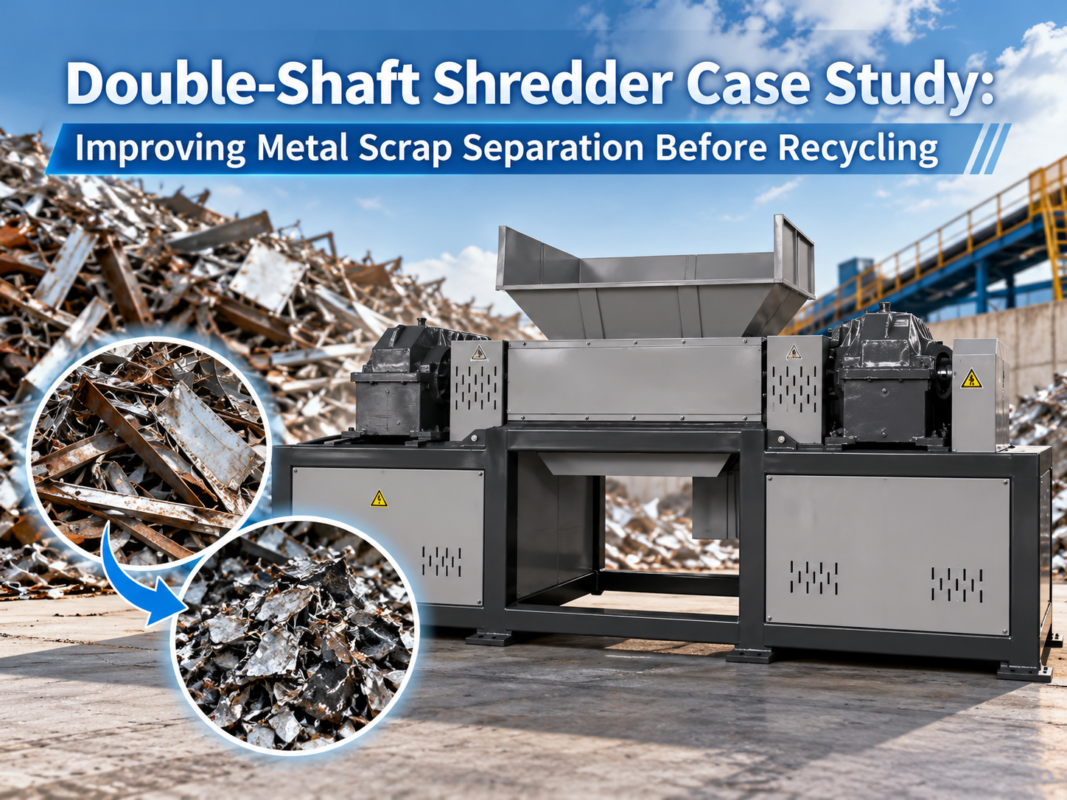
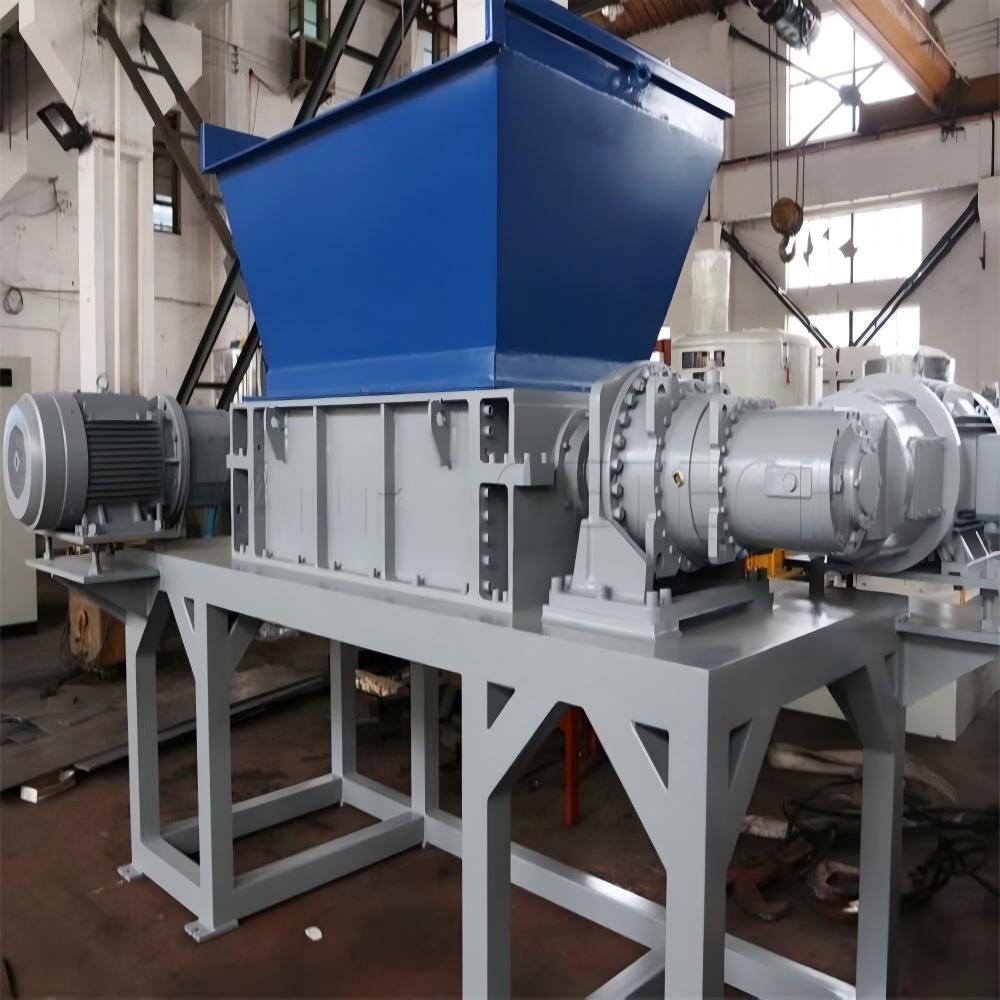
Industrial shredders are not merely cutting machines; they are sophisticated systems designed to handle the immense mechanical stress of tearing through structural steel, automotive frames, and complex electronic waste. By reducing the volume of scrap metal, these machines facilitate easier transportation, more efficient melting processes in furnaces, and superior separation of ferrous and non-ferrous materials. This guide explores the multifaceted applications of these machines, the technical requirements for different materials, and how HARSLE machinery can optimize your recycling workflow.
Primary Application Scenarios in Metal Recycling
Automotive and Vehicle Recycling
One of the most prominent Industrial Shredder Applications In Metal Recycling Plants is the processing of End-of-Life Vehicles (ELVs). A car is a complex assembly of steel, aluminum, copper wiring, plastics, and glass. Industrial shredders, particularly large-scale hammer mills or high-torque twin-shaft shredders, are used to break down the entire chassis into small fragments. This process allows for the subsequent mechanical separation of valuable metals from the ‘auto shredder residue’ (ASR). By shredding the vehicle, recyclers can recover up to 95% of the metallic content, which is then sold back to steel mills and foundries.
Electronic Waste (E-Waste) Recovery
E-waste is the fastest-growing waste stream globally. Shredders are used to process computers, servers, mobile phones, and household appliances. In this scenario, the goal is not just volume reduction but the liberation of precious metals like gold, silver, and palladium found on printed circuit boards (PCBs). Multi-shaft shredders are often employed here to ensure a consistent particle size, which is crucial for the downstream chemical and mechanical refining processes. The precision of the shredding determines the efficiency of the eddy current separators and optical sorters that follow.
Industrial and Construction Scrap
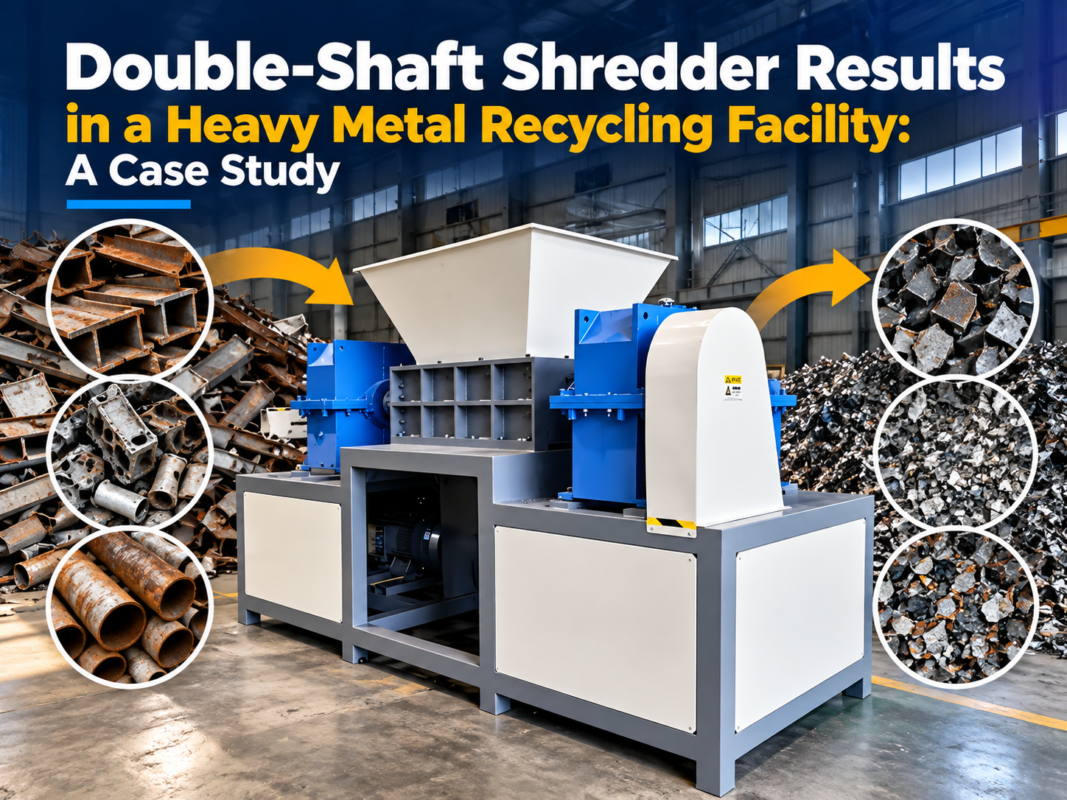
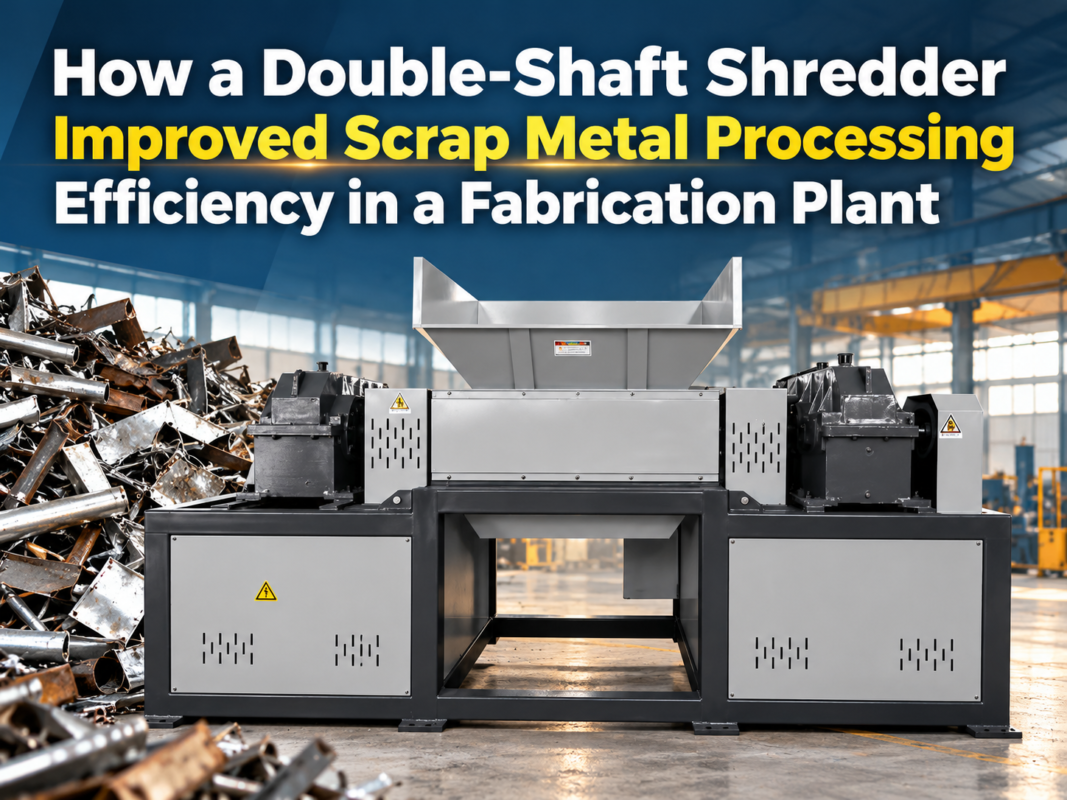
Construction sites and manufacturing plants generate vast amounts of scrap, including I-beams, rebar, metal roofing, and offcuts from stamping presses. These materials are often too large and heavy for direct melting. Industrial shredders provide the necessary force to shear through thick-walled steel pipes and structural components. This application requires machines with exceptionally high torque and reinforced cutting chambers to withstand the impact of heavy-duty ferrous materials.
Aluminum Extrusion and Can Recycling
Aluminum recycling is highly energy-efficient, requiring only 5% of the energy needed to produce primary aluminum. Shredders are used to process aluminum extrusions, window frames, and Used Beverage Cans (UBCs). Because aluminum is lighter but can be quite ductile, the shredder blades must be designed to prevent ‘wrapping’ or clogging. Shredding these materials increases their surface-area-to-volume ratio, which speeds up the melting process in the furnace and reduces dross formation.
Material and Process Requirements
Tensile Strength and Ductility Considerations
When selecting a shredder for metal recycling, the physical properties of the input material are paramount. High-carbon steel requires significantly more shearing force than aluminum or copper. The shredder must be configured with the appropriate motor power and gear ratio to overcome the tensile strength of the metal. Ductile metals, which tend to stretch rather than snap, require sharp cutting edges and tight tolerances between the blades to ensure a clean shear rather than a messy tear.
Throughput and Particle Size
Recycling plants operate on thin margins, making throughput (tons per hour) a key performance indicator. The process requirements define whether a primary shredder (for bulk reduction) or a secondary shredder (for fine granulation) is needed. If the end goal is to produce a ‘shredded scrap’ grade that meets steel mill specifications, the machine must be capable of producing a uniform size, typically between 50mm and 150mm, while removing contaminants like wood, plastic, and rubber.
Contamination and Wear Resistance
Scrap metal is rarely clean. It often contains dirt, sand, and hardened steel components that can accelerate blade wear. Therefore, the material requirements for the shredder blades themselves are extreme. Most industrial shredders utilize high-alloy tool steels like D2 or specialized heat-treated manganese steel. The ability to weld-repair or easily rotate the blades is a critical process requirement to minimize downtime in a high-volume recycling plant.
Recommended Machine Configuration
Choosing the right configuration is essential for maximizing the ROI of Industrial Shredder Applications In Metal Recycling Plants. Depending on the specific scrap profile, different drive systems and shaft arrangements are recommended.
| Feature | Twin-Shaft Shredder | Four-Shaft Shredder | Single-Shaft Shredder |
|---|---|---|---|
| Primary Use | Bulk volume reduction, heavy scrap | Precision sizing, E-waste | Light metals, plastics, wood |
| Torque | Very High | High | Medium |
| Screening | Usually no screen | Integrated screen for sizing | External or internal screen |
| Maintenance | Moderate | High (more blades) | Low |
| Typical Materials | Car bodies, drums, large pipes | PCBs, aluminum profiles, tires | Cans, thin sheets, turnings |
Drive Systems: Electric vs. Hydraulic
For most metal recycling applications, high-torque, low-speed (HTLS) drives are preferred. Electric drives with heavy-duty gearboxes are common for their efficiency and ease of maintenance. However, for extremely unpredictable scrap that may contain ‘unshreddables’ (like massive engine blocks), hydraulic drives offer superior protection. Hydraulic systems can provide maximum torque at zero speed and can reverse almost instantaneously when a jam is detected, preventing catastrophic shaft failure.
Blade Geometry and Metallurgy
The ‘hook’ design of the blades is customized based on the material. For bulky hollow items like metal drums, long hooks are used to grab and pull the material into the cutting chamber. For dense materials like rebar, shorter, more numerous teeth are used to nibble away at the metal. HARSLE recommends using vacuum-heat-treated alloy blades to ensure a hardness of 55-58 HRC, balancing toughness with wear resistance.
The Workflow in a Metal Recycling Plant
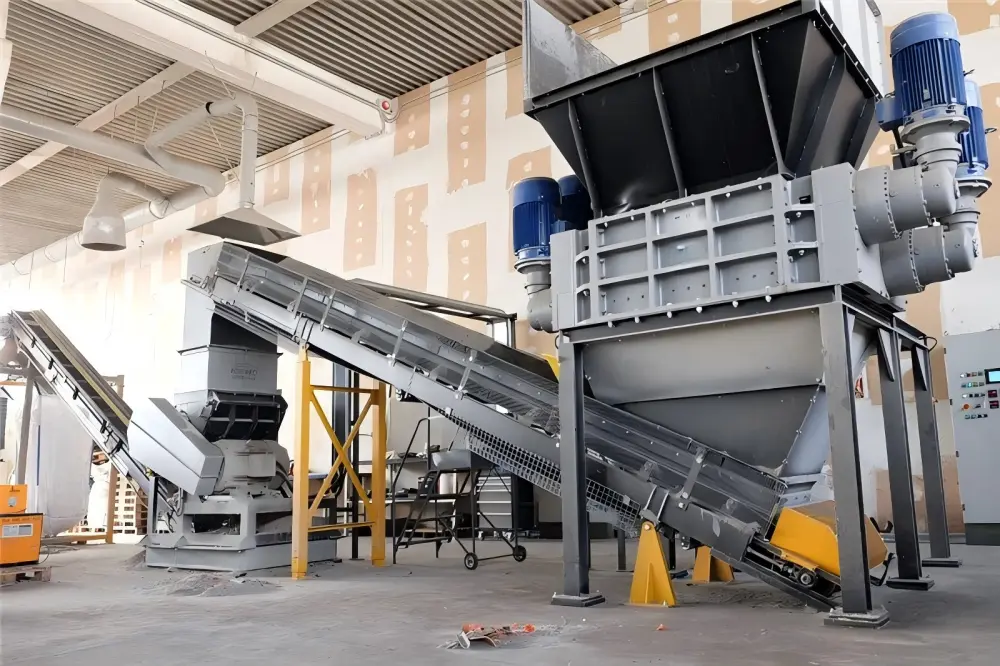
- Feeding and Pre-Sorting: Scrap is loaded into the shredder hopper using a crane with a grapple or a conveyor belt. Large unshreddable items are removed manually to protect the machine.
- Primary Shredding: The twin-shaft or four-shaft shredder shears the metal into smaller strips or chunks. The PLC (Programmable Logic Controller) monitors the motor load; if the current spikes, the shafts automatically reverse to clear the obstruction.
- Magnetic Separation: Once shredded, the material passes under a cross-belt magnet or over a magnetic drum. This separates ferrous metals (iron and steel) from non-ferrous metals and waste.
- Eddy Current Separation: The remaining non-ferrous stream (aluminum, copper, brass) is processed by an eddy current separator, which uses a rapidly rotating magnetic field to ‘kick’ the conductive non-ferrous metals away from non-conductive plastics and glass.
- Secondary Shredding/Granulation (Optional): If a very fine output is required (e.g., for copper wire recovery), the material goes through a second, high-speed shredder or granulator.
- Collection and Baling: The purified metal streams are collected and often baled to increase density further for shipment to the smelter.
Productivity and Economic Benefits
Reduced Logistics Costs
Unprocessed metal scrap is incredibly inefficient to transport. A truckload of loose metal cabinets or car parts is mostly air. By applying Industrial Shredder Applications In Metal Recycling Plants, the bulk density of the scrap is increased by up to 500%. This means fewer truck trips, lower fuel consumption, and a significantly smaller carbon footprint for the recycling operation.
Increased Material Value
Smelters and steel mills pay a premium for ‘clean’ shredded scrap. Shredding allows for the removal of coatings, insulation, and mixed-material assemblies that would otherwise lower the grade of the metal. For example, shredded and sorted copper wire (often called ‘copper chops’) commands a much higher price than insulated wire because it is ready for immediate melting.
Operational Automation
Modern industrial shredders are integrated into fully automated lines. This reduces the need for manual labor in dangerous environments. With remote monitoring and automated reverse-clearing cycles, a single operator can manage a massive throughput, significantly lowering the cost per ton of processed material.
Case Example: Aluminum Profile Recycling Plant
A mid-sized recycling facility in Europe recently upgraded its line to include a HARSLE high-torque twin-shaft shredder to process aluminum window frames and industrial extrusions. Previously, they used manual shearing, which was slow and left plastic thermal breaks and steel screws attached to the aluminum.
By implementing an automated shredding and magnetic separation workflow, the plant achieved the following:
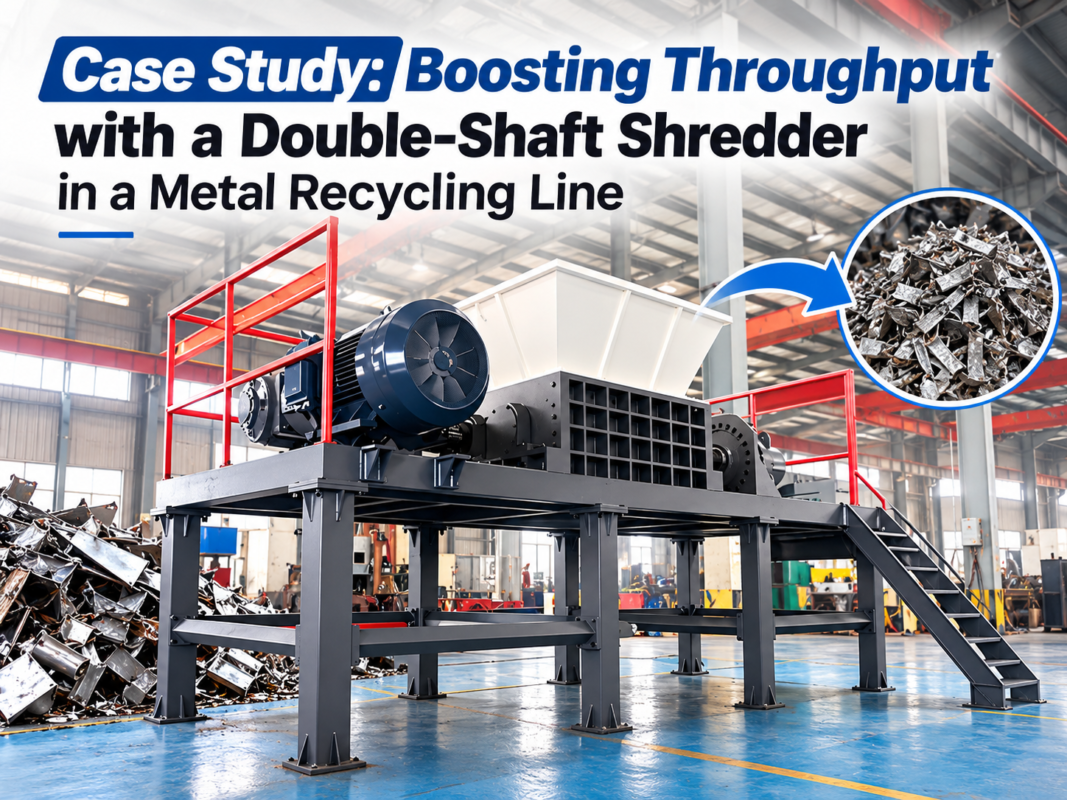
- Throughput Increase: From 1.5 tons per hour to 8 tons per hour.
- Purity Improvement: The final aluminum output reached 98% purity, allowing them to sell directly to premium secondary aluminum smelters.
- Labor Savings: Reduced the sorting staff from eight people to two, reallocating labor to other high-value areas of the plant.
- ROI: The capital investment in the shredder was recovered within 14 months through increased margins and reduced transport costs.
Frequently Asked Questions (FAQ)
What is the lifespan of industrial shredder blades?
Blade life varies significantly based on the material being processed. For clean aluminum, blades can last 1,500–2,000 hours. For contaminated steel scrap, they may need sharpening or replacement every 500–800 hours. Regular hard-facing (welding) can extend this life.
Can one shredder handle all types of metal?
While a heavy-duty shredder is versatile, it is not always efficient to use the same machine for everything. A machine designed for car bodies will be overkill for aluminum cans. Most plants use a primary shredder for heavy scrap and a secondary, faster shredder for lighter materials.
How do you prevent fires in metal shredders?
Metal-on-metal friction can create sparks, and E-waste often contains lithium-ion batteries. Modern shredders are equipped with spark detection systems, water misting nozzles, or even inert gas blankets in specialized applications to mitigate fire risks.
What maintenance is required for a twin-shaft shredder?
Daily maintenance includes checking lubrication levels and inspecting blades for chips. Weekly tasks involve checking belt tension and gearbox oil. Monthly inspections should focus on the structural integrity of the hopper and the wear plates inside the cutting chamber.
How does the PLC improve shredder performance?
The PLC acts as the ‘brain’ of the machine. It monitors the amperage of the motors. If it detects a jam, it stops the shafts and reverses them for a few seconds to reposition the material before trying again. This prevents motor burnout and mechanical breakage.
Conclusion: Partnering with HARSLE for Your Recycling Needs
The successful implementation of Industrial Shredder Applications In Metal Recycling Plants requires more than just a powerful machine; it requires a deep understanding of material science, mechanical engineering, and process flow. As the recycling industry evolves, staying competitive means investing in equipment that offers durability, high torque, and intelligent control systems.
HARSLE is a leader in providing robust metal fabrication and recycling machinery. Our industrial shredders are engineered to withstand the harshest environments while delivering consistent, high-quality output. Whether you are processing automotive scrap, E-waste, or industrial offcuts, HARSLE has the expertise to configure a solution that maximizes your productivity and profitability. Contact us today to discuss your specific recycling challenges and let us help you turn scrap into a valuable resource.