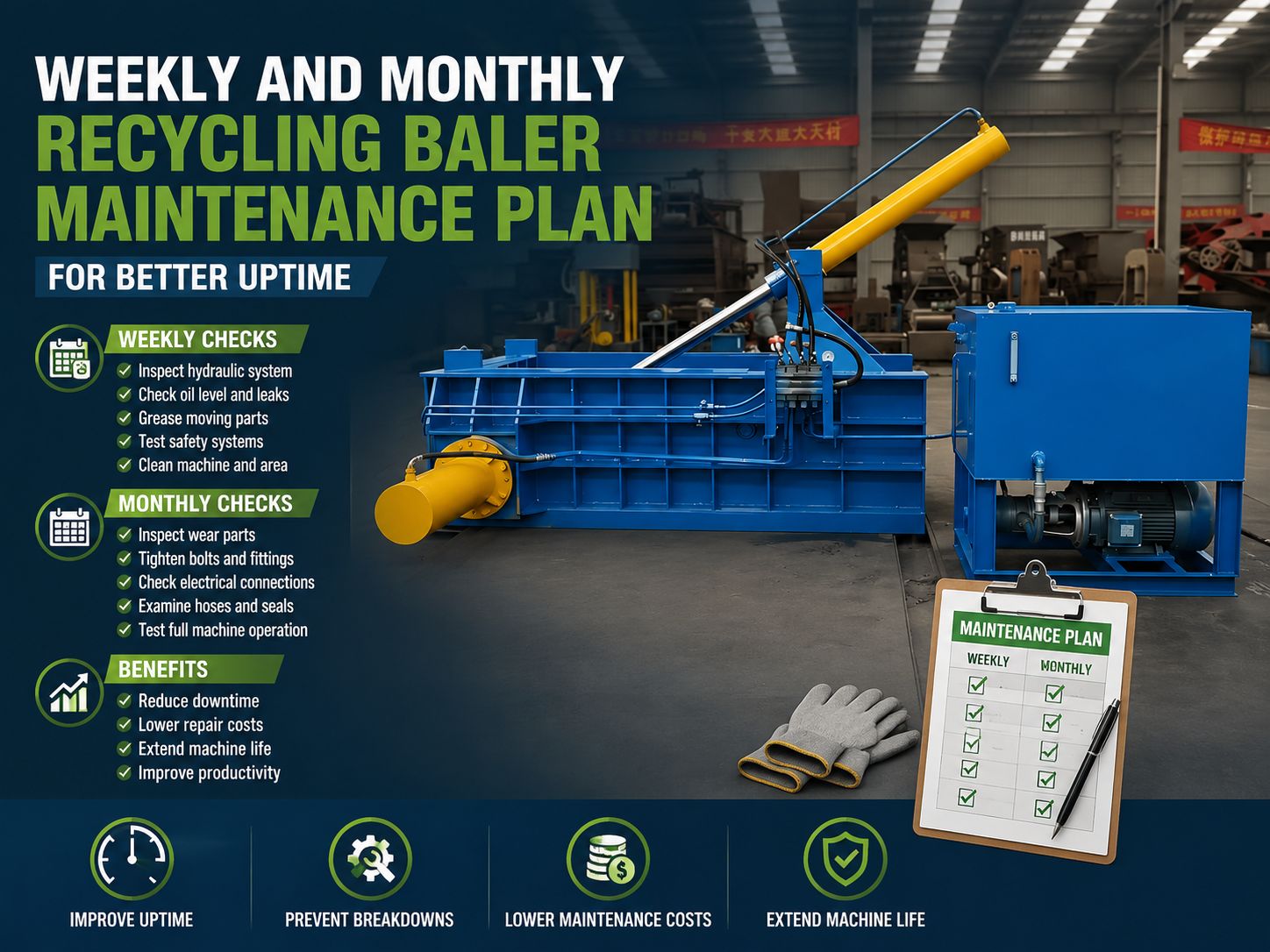
Weekly and Monthly Recycling Baler Maintenance Plan for Better Uptime

The Critical Importance of a Structured Maintenance Plan
In the high-intensity world of scrap metal processing and waste management, the recycling baler is the heartbeat of the operation. Whether you are processing aluminum cans, copper wire, or heavy-duty steel scrap, a HARSLE recycling baler is designed to provide immense force and reliability. However, the sheer physical stress these machines endure means that without a rigorous Weekly Monthly Recycling Baler Maintenance Plan Better Uptime is simply impossible to achieve. Maintenance is not just about preventing a total breakdown; it is about optimizing the efficiency of every cycle, reducing energy consumption, and ensuring the safety of the operators.
When a baler goes offline unexpectedly, the ripple effects are felt throughout the entire facility. Material begins to pile up, logistics schedules are disrupted, and labor costs rise as staff are diverted to manual sorting or emergency repairs. By implementing a structured maintenance schedule, facility managers can transition from a reactive ‘firefighting’ mode to a proactive ‘optimization’ mode. This shift significantly extends the lifespan of the hydraulic components, structural frames, and electrical systems, ensuring that your investment continues to yield high returns for decades.
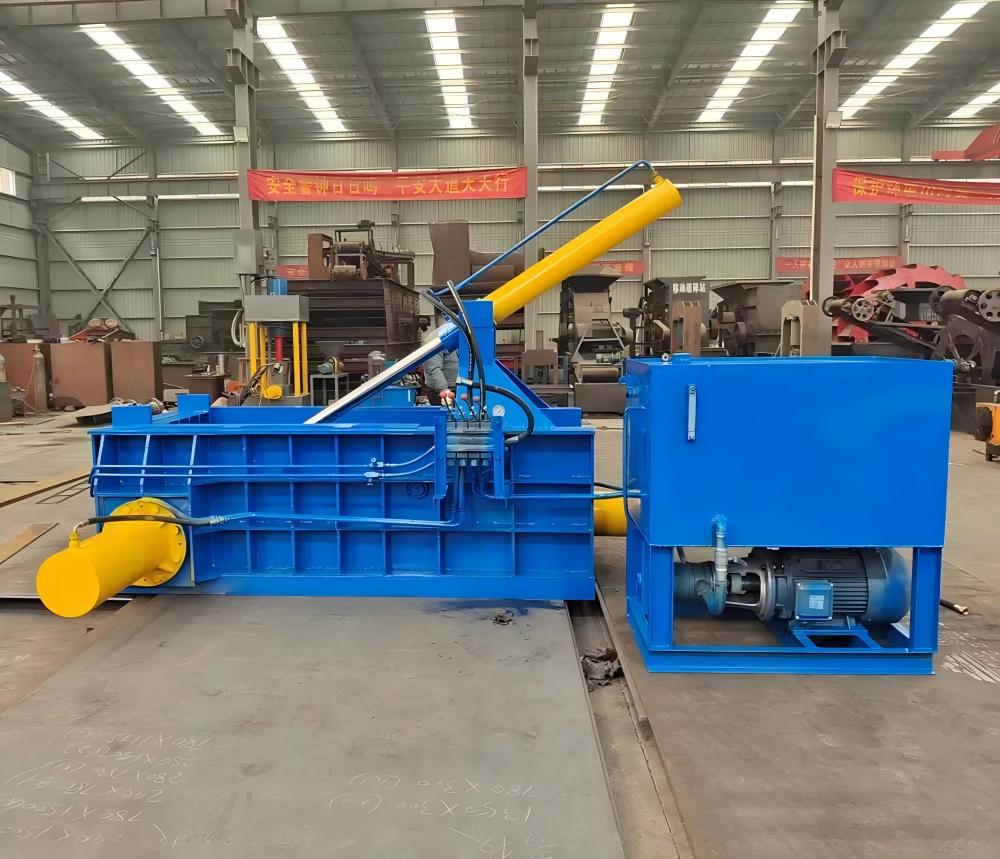
Furthermore, a well-documented maintenance plan is essential for compliance and insurance purposes. Industrial machinery requires proof of regular inspections to meet safety standards. By following the guidelines outlined in this guide, you not only protect your machinery but also create a safer working environment. The following sections will break down the essential daily, weekly, and monthly tasks required to keep your recycling baler running at peak performance.
Daily Inspection: The Foundation of Reliability
Before diving into the weekly and monthly specifics, it is vital to acknowledge that a successful long-term plan is built on the foundation of daily vigilance. Every shift should begin with a visual walk-around. Operators should look for obvious signs of trouble: puddles of hydraulic oil on the floor, loose bolts near the ram, or excessive debris buildup around the sensors. Cleaning the machine daily is perhaps the simplest yet most effective way to prevent premature wear. Dust and metal shavings can act as abrasives if they enter the hydraulic seals or the sliding tracks of the ram.
During the daily check, operators must also verify the oil levels and the temperature of the hydraulic fluid. If the oil is too low, the pump may cavitate, leading to catastrophic internal damage. If the oil is too hot, it indicates a cooling system failure or an internal leak. These daily observations provide the data points needed to make the weekly and monthly inspections more effective. If an operator notices a slight weep from a hose on Tuesday, the maintenance team can prepare to replace that hose during the scheduled weekly downtime, preventing a high-pressure burst on Friday.
Weekly Maintenance: Deep Cleaning and Component Integrity
The weekly phase of the Weekly Monthly Recycling Baler Maintenance Plan Better Uptime focuses on components that require more than a passing glance but do not need daily adjustment. One of the primary tasks is the thorough cleaning of the bale chamber and the area behind the ram. In many recycling environments, small pieces of metal or wire can find their way behind the platen. If left unchecked, this debris can damage the hydraulic cylinder rod or the rear seals. A weekly ‘blow-out’ with compressed air or a vacuum system is highly recommended.
Weekly inspections must also include a detailed check of all hydraulic hoses and fittings. High-pressure hoses are subject to ‘pulsing’ every time the ram extends and retracts. Over time, this causes the hoses to rub against the frame or other hoses, leading to abrasion. Maintenance personnel should look for ‘alligatoring’ (cracking of the outer jacket) or ‘weeping’ at the crimped fittings. Replacing a $100 hose during a weekly check is far more cost-effective than cleaning up 200 gallons of spilled hydraulic fluid and replacing a burnt-out pump.
Another critical weekly task is the inspection of the shear blades. In scrap metal balers, the shear blades are responsible for cutting off excess material so the bale can be ejected cleanly. If these blades become dull or the gap between them becomes too wide, the machine will consume more power and put unnecessary stress on the structural frame. Weekly checks of the blade gap and the sharpness of the cutting edge ensure that the baler continues to produce clean, dense bales without straining the motor.
Monthly Maintenance: Systems Analysis and Structural Integrity
Monthly maintenance is where the technical health of the baler is truly evaluated. This stage involves more invasive checks and the use of diagnostic tools. One of the most important monthly tasks is the inspection of the hydraulic oil quality. While oil might look clean to the naked eye, it can contain microscopic metal particles or moisture that degrades its lubricating properties. Taking an oil sample for laboratory analysis once a month (or using an on-site patch test) can reveal internal component wear before a failure occurs.
The electrical system also requires a deep dive every month. Vibration is the enemy of electrical connections. Over thirty days of operation, the constant movement of the baler can loosen terminals in the control panel. A technician should go through the PLC cabinet and the motor starter box, tightening all screw terminals and checking for signs of overheating (discolored insulation). Sensors and limit switches should be tested for accuracy and physical alignment. A misaligned limit switch can cause the ram to over-travel, leading to structural damage.
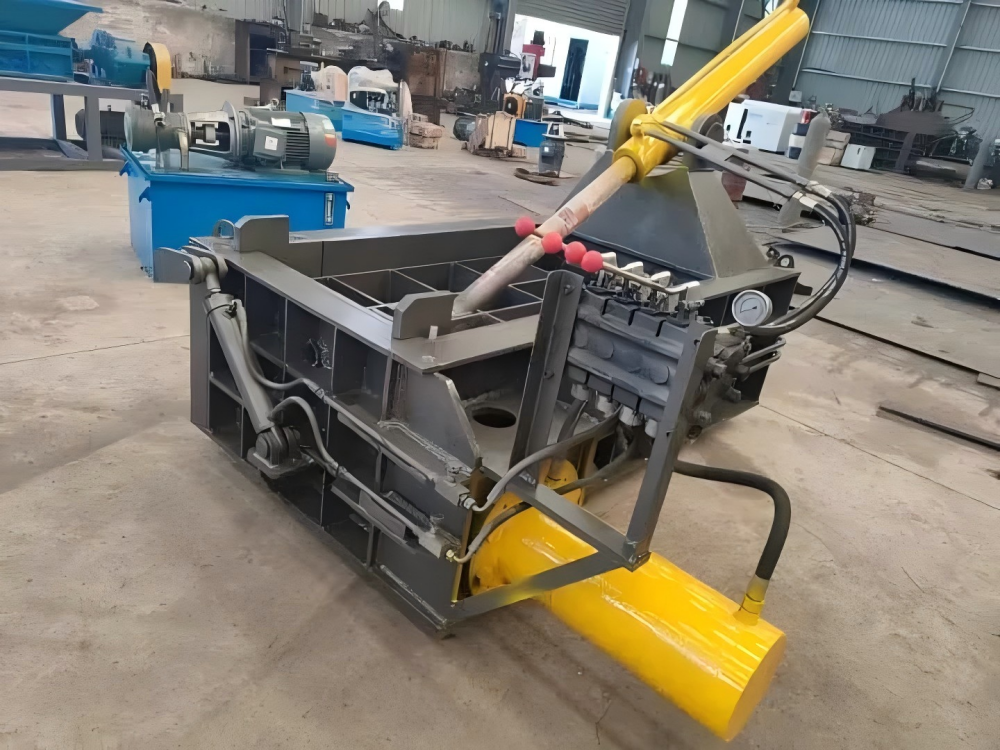
Structural integrity is the final pillar of the monthly plan. The frame of a recycling baler is subjected to millions of pounds of force. Monthly, the maintenance team should inspect the main welds for signs of stress cracking, particularly around the cylinder mounts and the bale door hinges. If a crack is caught early, it can be ground out and re-welded. If ignored, it can lead to a catastrophic frame failure that renders the machine a total loss. Additionally, the anchor bolts that secure the baler to the foundation should be checked for tightness to prevent the machine from shifting during high-pressure cycles.
Hydraulic System Deep Dive: Pressure and Filtration
The hydraulic system is the muscles of the recycling baler. To ensure Better Uptime, the hydraulic system requires specific attention to pressure settings and filtration. Every month, the system pressure should be verified using a calibrated pressure gauge. If the pressure is too high, it can blow seals and damage the pump; if it is too low, the bales will be loose and unmarketable. Adjusting the relief valves should only be done by trained personnel following the manufacturer’s specifications.
Filtration is the only line of defense against contamination. Most HARSLE balers are equipped with suction filters and return-line filters. These should be replaced according to the monthly schedule, or sooner if the ‘filter clogged’ indicator on the control panel illuminates. It is a common mistake to wait until the filter is completely bypassed before changing it. By then, contaminants have already entered the sensitive valves and the pump. High-quality, 10-micron filters are typically recommended to keep the oil pristine and the valves responsive.
Mechanical Wear and Lubrication Plan
Mechanical wear is inevitable in metal fabrication equipment, but it can be managed through a precise lubrication plan. The ram of the baler typically slides on wear plates made of hardened steel or specialized bronze alloys. These plates must be kept lubricated to reduce friction and heat. A weekly lubrication of the main slides, door hinges, and cylinder pins is essential. Using the correct type of grease—usually an Extreme Pressure (EP2) lithium-based grease—is vital for withstanding the high loads found in baling operations.
In addition to lubrication, the ‘shear gap’ must be monitored. This is the distance between the moving blade on the ram and the stationary blade on the frame. As the wear plates on the ram begin to thin, the ram may shift slightly, increasing the shear gap. If the gap exceeds the manufacturer’s tolerance (often as small as 0.5mm to 1.0mm), the metal will ‘fold’ instead of ‘cut,’ leading to jams. Monthly adjustment of the ram guides can bring the ram back into alignment and restore the proper shear gap, significantly reducing the load on the hydraulic system.
Troubleshooting Signals: Listening to Your Machine
A key part of any maintenance plan is training operators to recognize the early warning signals of failure. A recycling baler will often ‘tell’ you when something is wrong before it actually stops working. For example, a high-pitched whining sound from the pump usually indicates cavitation or air entering the suction line. A ‘banging’ sound during the ram stroke might suggest a loose wear plate or a broken internal bolt. By identifying these sounds during the weekly inspection, you can prevent a major breakdown.
Slow cycle times are another critical signal. If the baler is taking 10-20% longer to complete a cycle than it did a month ago, it is a sign of declining efficiency. This could be due to a worn pump, a leaking internal seal in the cylinder, or a partially clogged filter. Monitoring cycle times should be a standard part of the monthly performance review. Heat is the final major signal. If the hydraulic tank feels excessively hot to the touch (above 140°F or 60°C), the cooling system is failing or the oil is bypassing a valve, generating friction heat. Addressing heat issues immediately is crucial for preserving the life of the hydraulic oil and seals.
Comprehensive Maintenance Schedule Table
| Frequency | Component | Action Required | Responsibility |
|---|---|---|---|
| Daily | Hydraulic Oil | Check level and temperature; look for leaks. | Operator |
| Daily | Bale Chamber | Remove debris and clear the ‘behind-the-ram’ area. | Operator |
| Daily | Safety Guards | Ensure all E-stops and interlocks are functional. | Operator |
| Weekly | Hydraulic Hoses | Inspect for abrasion, cracks, and weeping fittings. | Maintenance Tech |
| Weekly | Shear Blades | Check for sharpness and clear any metal buildup. | Maintenance Tech |
| Weekly | Lubrication | Grease all nipples (EP2 grease) and slide tracks. | Maintenance Tech |
| Monthly | Oil Analysis | Take sample for contamination and viscosity testing. | Maintenance Tech |
| Monthly | Electrical Panel | Tighten all terminals; check for burnt components. | Electrician |
| Monthly | Filters | Replace return-line and suction filters. | Maintenance Tech |
| Monthly | Structure/Welds | Inspect frame and cylinder mounts for stress cracks. | Maintenance Tech |
| Monthly | Ram Alignment | Check and adjust wear plate clearance/shear gap. | Maintenance Tech |
Frequently Asked Questions (FAQ)
How often should I change the hydraulic oil in my recycling baler?
While the Weekly Monthly Recycling Baler Maintenance Plan Better Uptime focuses on inspections, a full oil change is typically required every 2,000 to 4,000 operating hours. However, this depends heavily on the environment. If the baler operates in a dusty or hot environment, the oil may degrade faster. Always rely on monthly oil analysis to determine the exact timing for a change rather than just the hour meter.
What is the most common cause of baler downtime?
The most common cause of downtime is hydraulic failure due to oil contamination. Small metal particles or dirt can score the cylinder walls or jam the directional control valves. This is why the filtration and cleaning steps in the weekly and monthly plans are so critical. The second most common cause is electrical failure due to loose connections caused by machine vibration.
Can I use any type of grease for the lubrication points?
No. Recycling balers require Extreme Pressure (EP) grease, usually Grade 2 (EP2). Standard multi-purpose grease may squeeze out of the high-pressure contact points, such as the ram slides and cylinder pins, leading to metal-on-metal contact. Always check the HARSLE manual for specific lubricant brand recommendations to ensure compatibility with the seals.
Why is my baler making a loud knocking sound during the compression stroke?
A knocking sound usually indicates a mechanical loose fit. Check the bolts securing the wear plates to the ram or the bolts holding the shear blades. It could also indicate that the ram has excessive ‘play’ in the tracks, causing it to kick to one side under pressure. Immediate inspection of the ram guides and wear plates is required to prevent structural damage.
How do I know if my shear blades need sharpening?
If you notice that the baler is struggling to finish a cycle or if the bales have ‘tails’ of uncut metal sticking out, the blades are likely dull. You can also visually inspect the blades for rounding of the cutting edge. Maintaining a sharp edge and a tight shear gap (typically 0.5mm to 1.0mm) is essential for efficient operation and reducing stress on the hydraulic system.
Is it necessary to check the electrical panel if the machine is running fine?
Yes, absolutely. Electrical maintenance is preventative. By the time an electrical issue causes the machine to stop ‘running fine,’ it often involves a blown PLC, a melted motor starter, or a short circuit that could cause a fire. Monthly tightening of terminals and cleaning of dust from the cooling fans in the electrical cabinet prevents these high-cost failures.
Conclusion
Implementing a Weekly Monthly Recycling Baler Maintenance Plan Better Uptime is the single most effective strategy for ensuring the longevity and profitability of your HARSLE recycling equipment. By dedicating a few hours each week to cleaning and inspection, and a day each month to deep-system analysis, you can avoid the catastrophic failures that lead to weeks of downtime and thousands of dollars in repair costs. Remember that maintenance is a team effort; it requires the daily diligence of operators, the technical skill of maintenance technicians, and the support of management to prioritize scheduled downtime over emergency repairs. With proper care, your recycling baler will remain a reliable asset in your metal fabrication and recycling workflow for years to come.