Top Industrial Shredder Uses in Manufacturing Waste Management

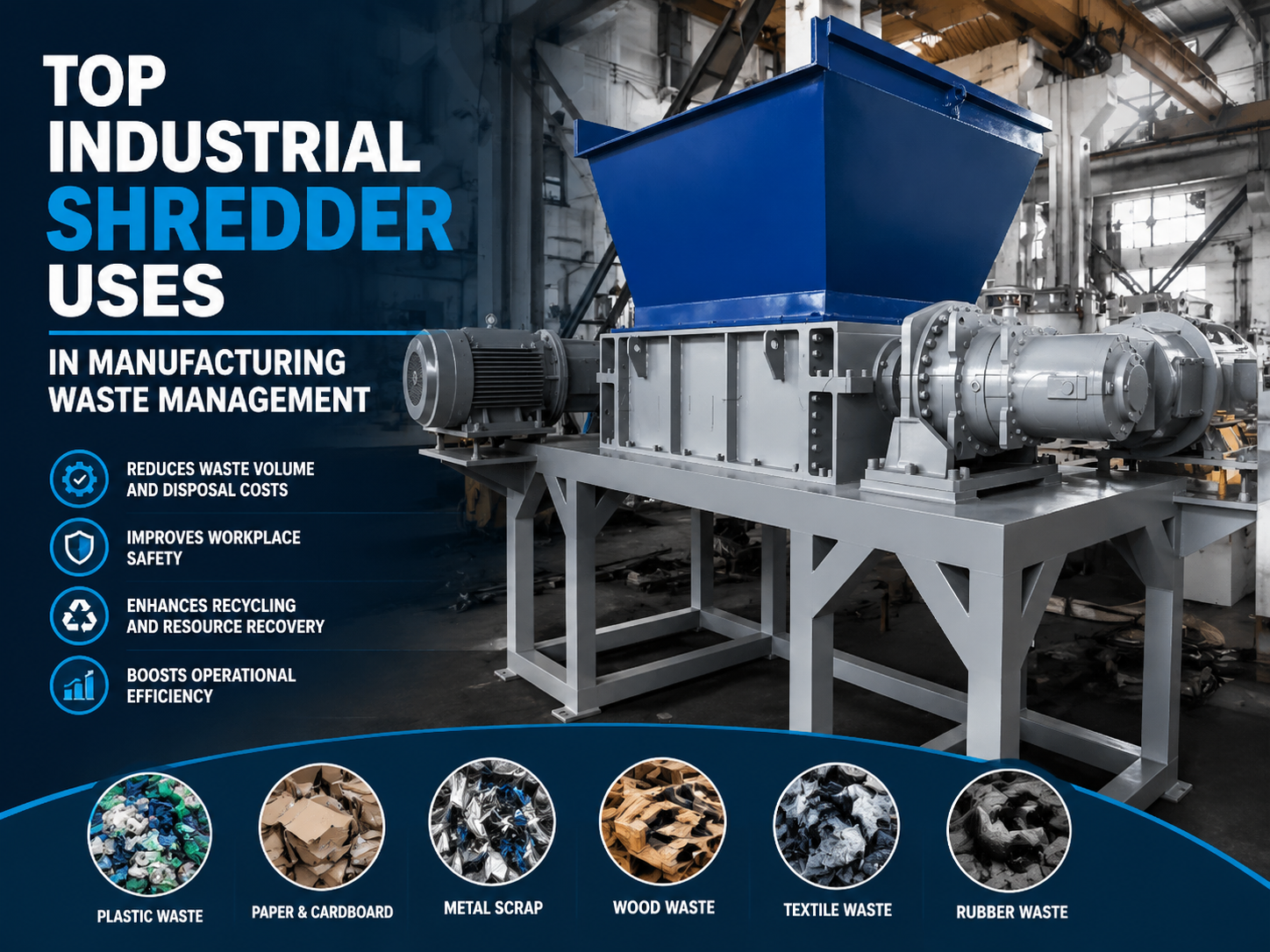
Introduction to Industrial Shredding in Modern Manufacturing
In the contemporary industrial landscape, the management of waste is no longer a secondary concern but a core component of operational efficiency and environmental stewardship. As manufacturing processes become more complex, the volume and variety of waste generated—ranging from metal offcuts and plastic purgings to electronic components and bulky packaging—have increased exponentially. This is where the industrial shredder becomes an indispensable asset. By transforming large, irregular waste into uniform, manageable particles, these machines facilitate recycling, reduce logistics costs, and ensure compliance with stringent environmental regulations.
HARSLE, a leader in metal fabrication and industrial machinery, recognizes that the right shredding solution can turn a waste-disposal headache into a profitable resource stream. Whether you are dealing with high-tensile steel scrap or voluminous plastic waste, understanding the top industrial shredder uses in manufacturing waste management is the first step toward optimizing your facility’s footprint and bottom line. This guide explores the diverse applications, technical requirements, and strategic benefits of integrating high-performance shredders into your production line.
Application Scenarios for Industrial Shredders
1. Metal Fabrication and Scrap Processing
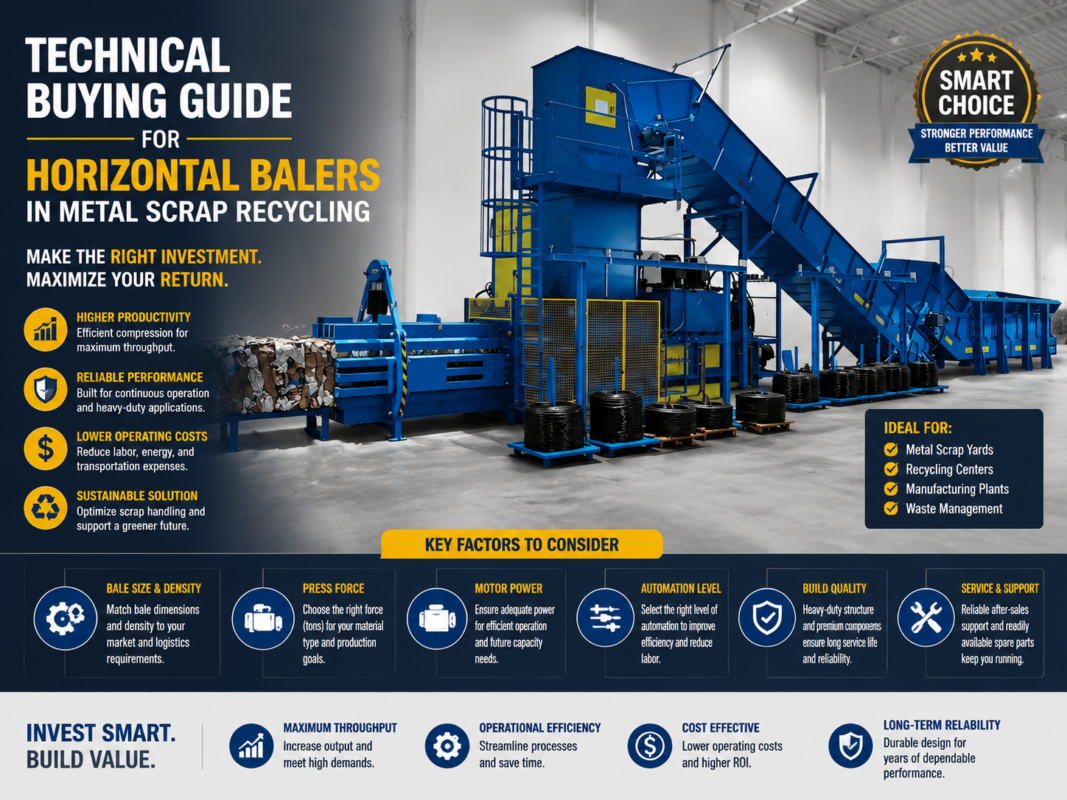
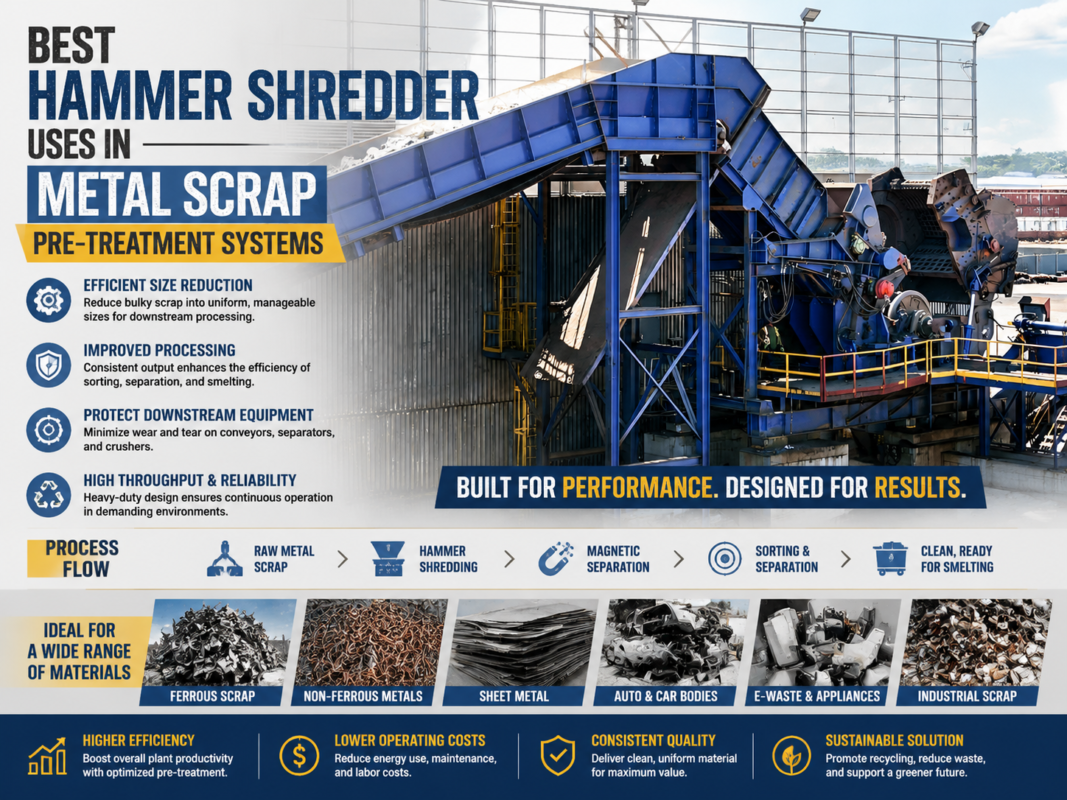
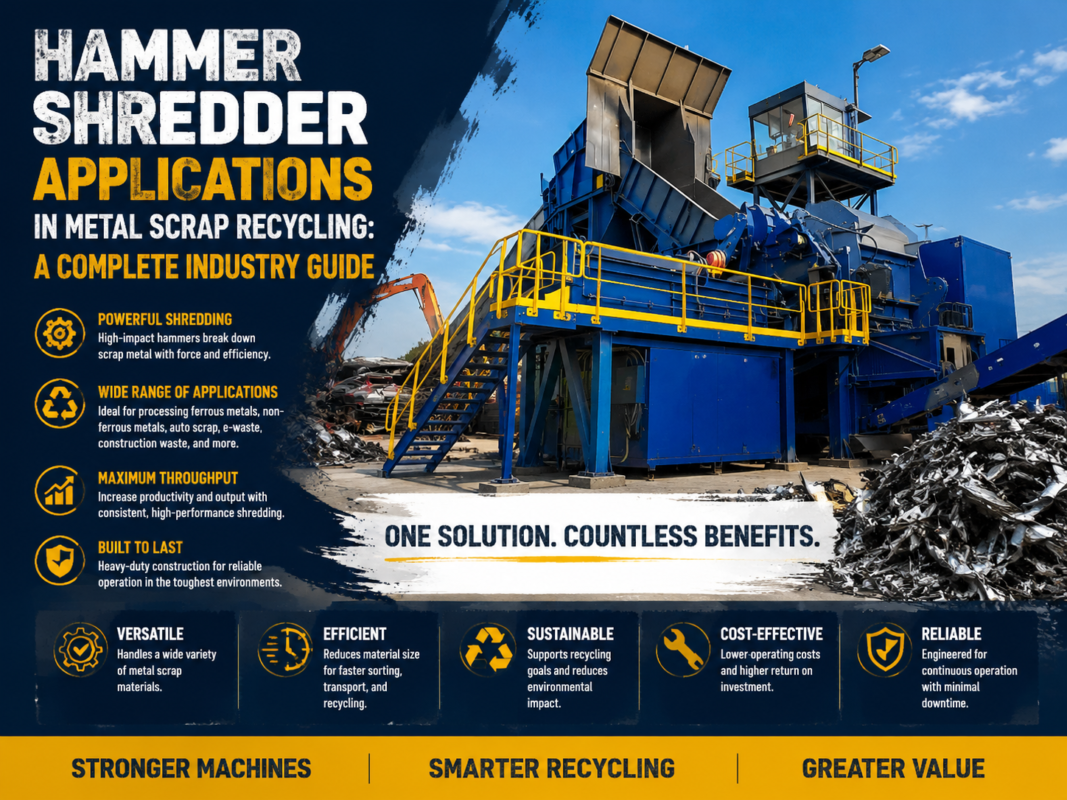
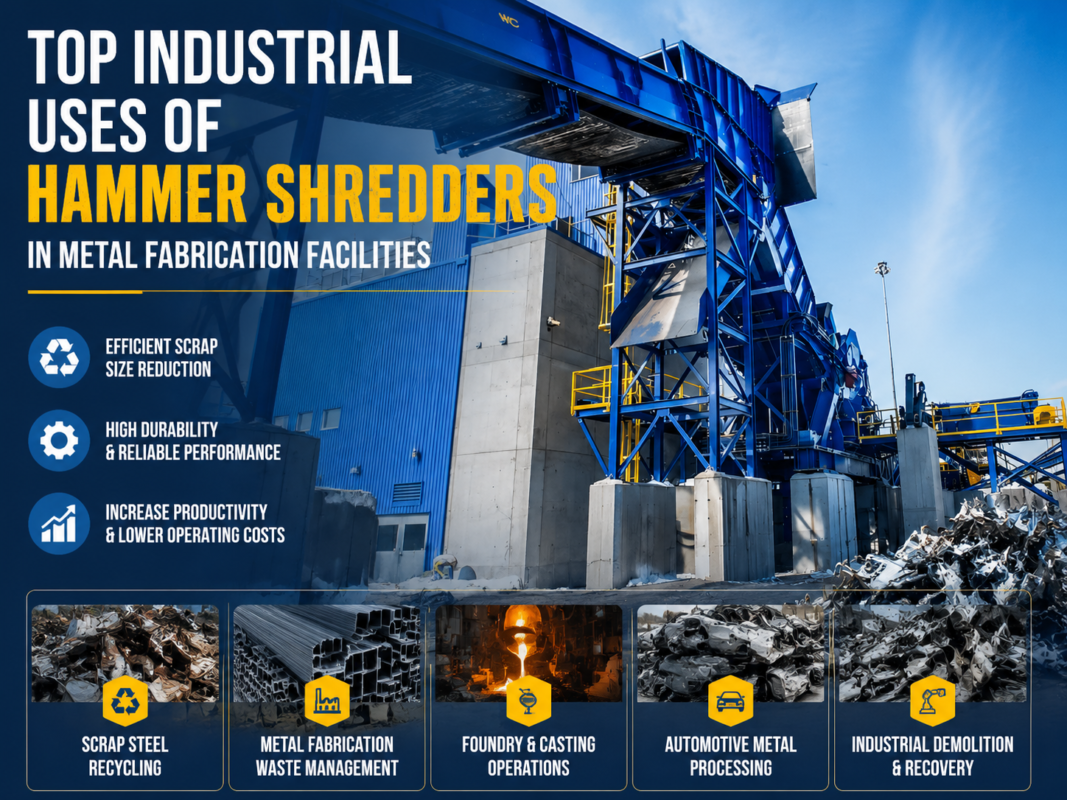
In metal fabrication shops, waste is an inevitable byproduct of punching, laser cutting, and machining. Large skeletons of sheet metal, aluminum extrusions, and copper wiring take up significant floor space and are difficult to transport. Industrial shredders, particularly heavy-duty double-shaft models, are used to break down these metal scraps into smaller chips. This process not only makes the scrap easier to handle but also increases its bulk density, which significantly raises its value when sold to recyclers. Shredded metal is preferred by smelters because it melts more efficiently and consistently than large, irregular pieces.
2. Electronic Waste (E-Waste) Recovery
The electronics manufacturing sector generates a unique stream of waste, including circuit boards, hard drives, and plastic casings. These items contain both hazardous materials and precious metals like gold, silver, and palladium. Industrial shredders are used in the primary stage of e-waste recycling to liberate these materials. By shredding the components, manufacturers can then use magnetic separators and eddy current separators to sort ferrous and non-ferrous metals from plastics, ensuring that valuable resources are recovered and toxic substances are handled responsibly.
3. Plastic Manufacturing and Injection Molding
Plastic manufacturers often deal with “purgings” (large blocks of plastic from machine startups) and rejected parts. These items are often too large to be fed directly back into a granulator. An industrial shredder acts as a primary reduction unit, breaking down massive plastic lumps into smaller pieces that can then be granulated and reintroduced into the production cycle. This closed-loop system minimizes material waste and reduces the need for virgin resin, leading to substantial cost savings.
4. Automotive Component Recycling
The automotive industry utilizes shredders for a wide array of materials, from rubber tires and plastic bumpers to upholstery and dashboard assemblies. During the end-of-life vehicle (ELV) processing or within the manufacturing plant itself, shredders help in volume reduction for logistics. For instance, shredding tires allows for the extraction of steel wire and the production of rubber crumb, which is used in asphalt and playground surfaces. In the manufacturing plant, shredding defective bumpers allows for easier storage and transport to specialized recycling facilities.
5. Packaging and Pallet Disposal
Almost every manufacturing facility receives raw materials on wooden pallets or wrapped in plastic film and cardboard. Over time, broken pallets and mountains of packaging material can become a fire hazard and a logistical nightmare. Industrial shredders can quickly process wooden pallets (even those with nails) and bulky cardboard boxes into small chips. These chips can be sold as biomass fuel or used in the production of particleboard, turning a disposal cost into a minor revenue stream.
Material and Process Requirements
Selecting the right shredder requires a deep understanding of the material properties and the desired output. Not all shredders are created equal, and the physics of shredding varies significantly between materials like soft plastics and hardened steel. Here are the critical factors to consider:
Material Hardness and Tensile Strength
The primary consideration is the material’s resistance to shearing. For metal fabrication waste, the shredder blades must be made from high-alloy tool steels like D2 or SKD-11, heat-treated to withstand the immense pressure of cutting through steel. For softer materials like rubber or plastic, the focus shifts to blade geometry and the speed of the shafts to prevent the material from melting or wrapping around the cutters.
Input Size vs. Output Requirements
Manufacturers must define the maximum size of the waste being fed into the machine. A hopper that is too small will require manual pre-cutting, which increases labor costs. Conversely, the output size is determined by the width of the blades and the presence of a screen. If the goal is simple volume reduction for transport, a larger output size is acceptable. If the goal is secondary processing (like granulation), a smaller, more uniform output is required.
Moisture and Contamination Levels
In some manufacturing environments, waste may be contaminated with oils, coolants, or water. This requires the shredder to have specialized seals to protect the bearings and gearbox. Furthermore, if the material is abrasive (like glass-filled plastics or sandy castings), the blades will require more frequent maintenance or specialized coatings to extend their service life.
Recommended Machine Configuration
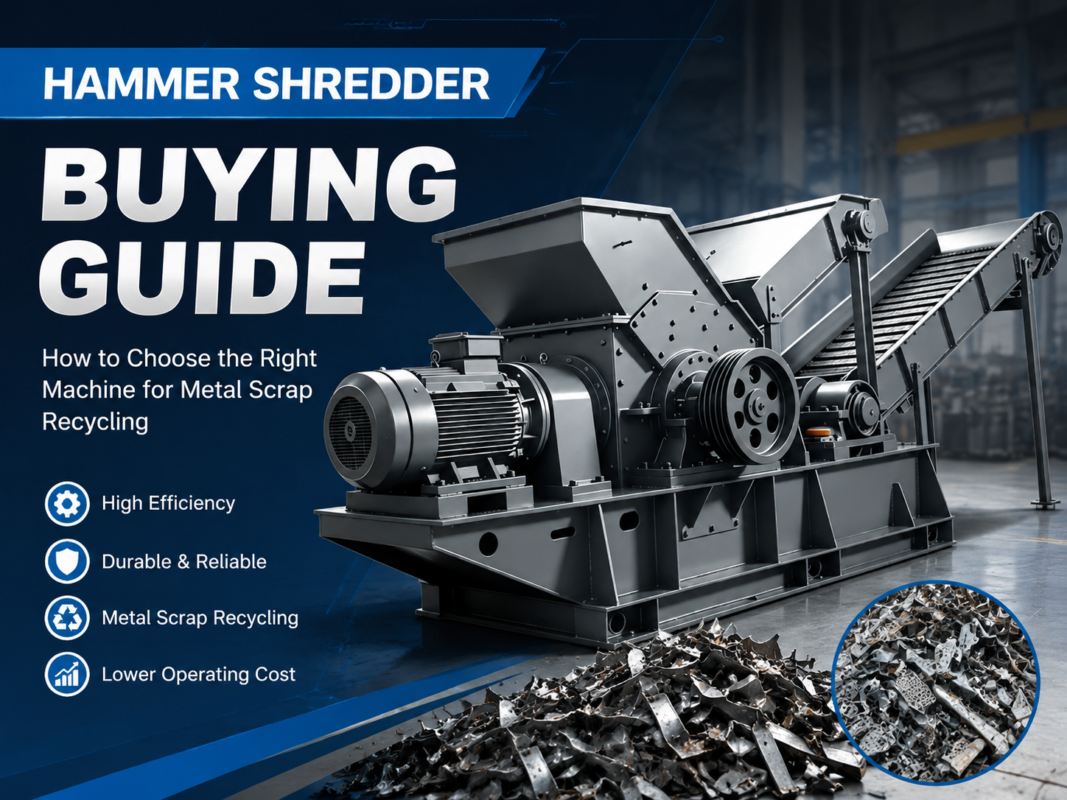
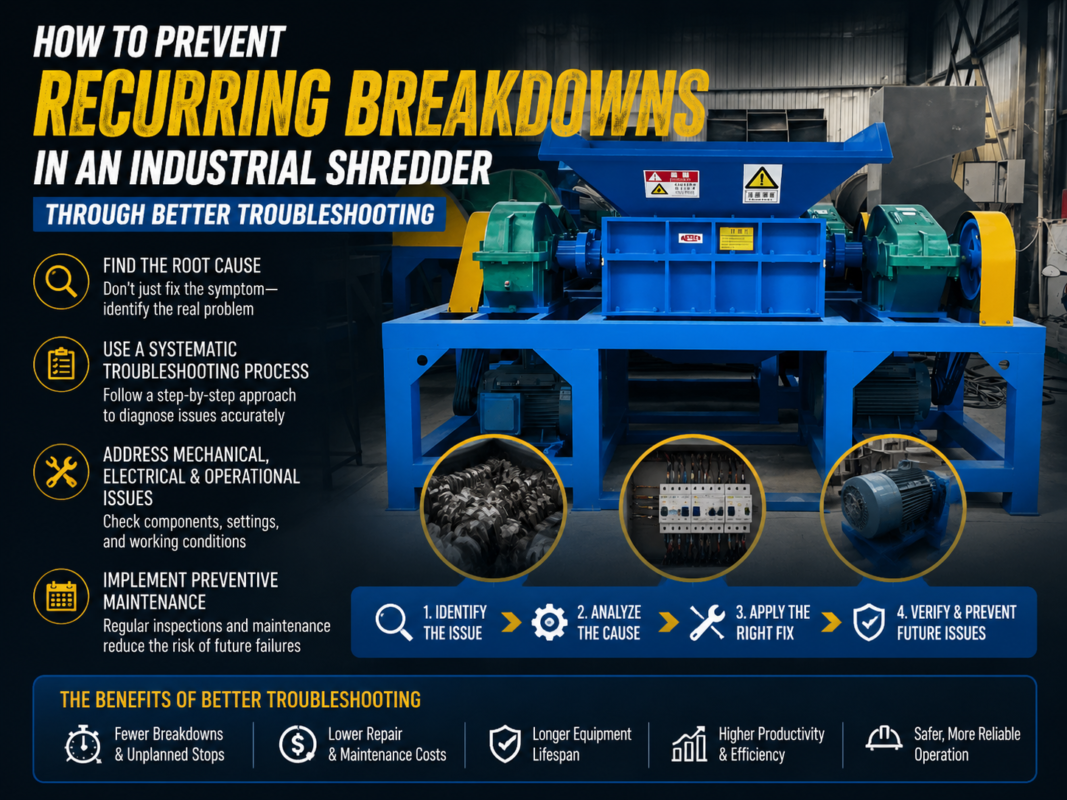
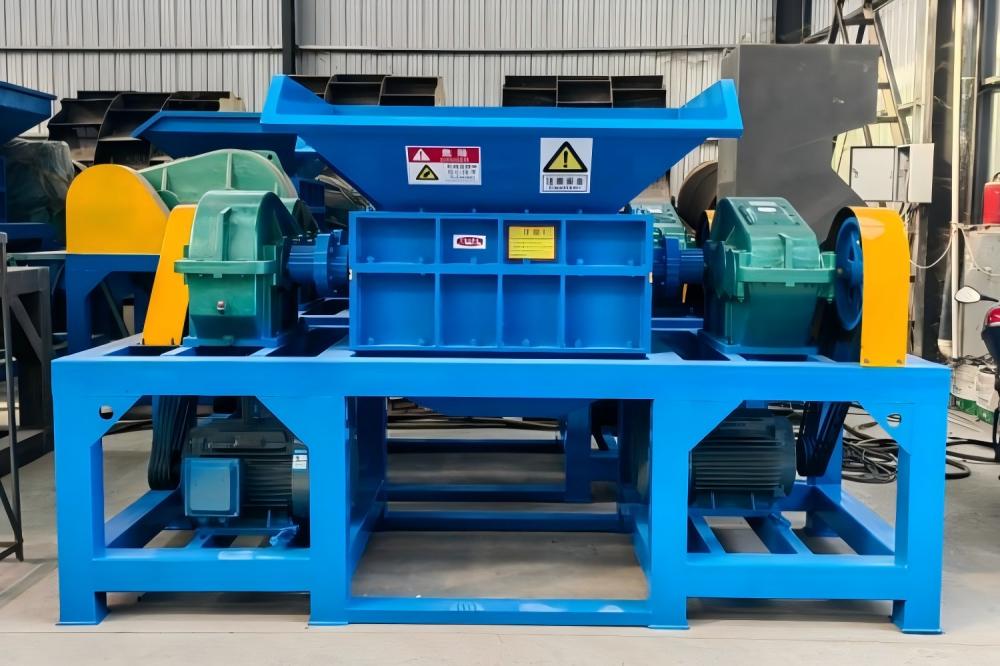
For most manufacturing waste management needs, HARSLE recommends a robust Double-Shaft Shredder configuration. This design is favored for its high torque, low speed, and ability to handle a diverse range of materials without frequent jamming.
- Drive System: Dual-motor drive systems provide balanced power to both shafts. Using high-efficiency motors (such as Siemens or ABB) ensures long-term reliability and lower energy consumption.
- Blade Design: Hexagonal shafts are preferred for their ability to distribute torque evenly. The blades should be “hooked” to grab material effectively. For metal applications, thicker blades (40mm-80mm) are standard, while thinner blades are used for precision shredding of plastics.
- PLC Control System: An advanced PLC (Programmable Logic Controller) is essential. It should feature an automatic reverse function. If the machine encounters an unshreddable object or a jam, the shafts automatically reverse to clear the obstruction before attempting to shred again, protecting the motor and gearbox.
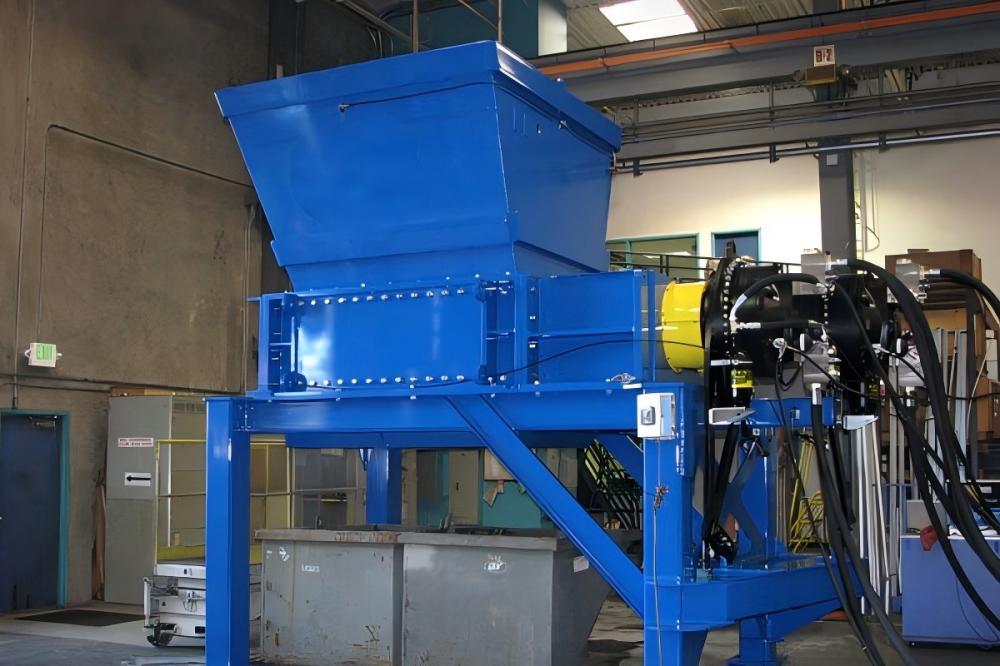
- Hydraulic Ram: For single-shaft shredders processing bulky, light materials like plastic containers, a hydraulic pusher or ram is recommended to force the material against the rotating shaft, ensuring consistent throughput.
The Industrial Shredding Workflow
Integrating a shredder into a manufacturing waste management plan involves a systematic workflow to ensure safety and efficiency:
- Collection and Sorting: Waste is collected at the source (e.g., under a CNC machine or at the end of an assembly line). While shredders can handle mixed waste, sorting ferrous from non-ferrous or plastics from wood at the source improves the value of the final shredded product.
- Feeding: Material is fed into the hopper via a conveyor belt, forklift, or manual loading. For automated lines, a vibrating feeder can ensure a steady flow, preventing the hopper from being overwhelmed.
- The Shredding Process: The counter-rotating shafts grab the material. The interlocking blades shear the material into strips or pieces. The low-speed, high-torque nature of the machine ensures that even thick metal sections are processed without the high noise and dust levels associated with high-speed grinders.
- Discharge and Separation: The shredded material falls through the bottom of the machine onto a discharge conveyor. At this stage, magnetic cross-belt separators are often used to pull out any steel fragments from a mixed waste stream.
- Storage and Transport: The uniform shredded material is moved into silos, bins, or balers. Because the volume has been reduced by up to 80%, the frequency of waste pickups is drastically reduced.
Productivity and Economic Benefits
Investing in an industrial shredder provides a clear Return on Investment (ROI) through several channels:
1. Drastic Volume Reduction
Manufacturing waste is often “airy.” Empty plastic drums, metal skeletons, and wooden crates take up massive amounts of space. Shredding these items can reduce their volume by a ratio of 4:1 or even 10:1. This means fewer dumpsters on-site, more floor space for production machinery, and significantly lower waste hauling fees.
2. Increased Scrap Value
Recycling centers pay a premium for processed scrap. Shredded metal is easier to weigh, transport, and melt. By performing the primary shredding in-house, manufacturers capture a larger share of the material’s value, often turning a waste disposal cost into a revenue-generating department.
3. Enhanced Security and Compliance
For manufacturers of proprietary components or sensitive electronics, shredding is a security necessity. It ensures that defective products or prototypes are completely destroyed and cannot enter the secondary market. Furthermore, many regions have strict laws regarding the disposal of industrial waste; shredding helps meet the size and stability requirements for legal landfilling or recycling.
4. Labor Efficiency
Manually breaking down pallets or cutting scrap metal with torches is dangerous and labor-intensive. An industrial shredder automates this process, allowing staff to focus on high-value manufacturing tasks rather than waste handling.
Case Example: Metal Fabrication Plant Optimization
A mid-sized automotive parts supplier was struggling with the accumulation of stainless steel skeletons from their laser cutting department. They were filling three large open-top containers every week. The hauling costs were high, and the scrap dealer offered a low price due to the “light and bulky” nature of the load.
The company installed a HARSLE Double-Shaft Shredder integrated with a discharge conveyor and a magnetic separator. The results were immediate:
- Logistics: The three containers per week were reduced to one container every two weeks, a 600% improvement in transport efficiency.
- Revenue: The scrap dealer increased the payout per ton by 25% because the shredded material was ready for the furnace.
- Safety: The need for employees to manually fold or cut sharp metal skeletons was eliminated, reducing workplace injuries.
- Payback Period: The machine paid for itself in less than 18 months through saved hauling fees and increased scrap revenue.
Frequently Asked Questions (FAQ)
How often do the blades need to be sharpened?
Blade longevity depends entirely on the material being shredded. For plastics and wood, blades can last years. For abrasive metals or glass-filled polymers, blades may need to be rotated or sharpened every 6 to 12 months. HARSLE blades are designed to be easily removable for maintenance.
Can one shredder handle both metal and plastic?
Yes, many double-shaft shredders are versatile. However, the blade profile and speed might need to be optimized for one or the other to achieve maximum efficiency. If you plan to switch between materials frequently, a PLC with different program modes is recommended.
What safety features are included?
HARSLE shredders include emergency stop buttons, safety interlocks on access doors, and the crucial automatic reverse function to prevent mechanical failure during a jam. We also recommend safety fencing and light curtains for fully automated installations.
What is the power consumption of a heavy-duty shredder?
While shredders use powerful motors (ranging from 15kW to 150kW+), they only draw maximum power during the actual shearing moment. Because they operate at low speeds, they are surprisingly energy-efficient compared to high-speed hammer mills.
Conclusion: Partnering with HARSLE for Waste Excellence
The strategic use of industrial shredders in manufacturing waste management is a hallmark of a modern, efficient, and sustainable factory. By reducing volume, recovering value, and streamlining workflows, these machines provide a competitive edge that goes beyond simple trash disposal. HARSLE is committed to providing high-quality, durable shredding solutions tailored to the specific needs of the metal fabrication and manufacturing industries.
Are you ready to transform your waste management process? Contact HARSLE today to speak with our technical experts about the right shredder configuration for your facility. Let us help you turn your manufacturing byproducts into a source of efficiency and profit.