Scrap Metal Shear Blade Maintenance Guide for Clean Cuts

The Critical Role of Scrap Metal Shear Blade Maintenance for Clean Cuts
In the high-intensity world of metal recycling and scrap processing, the efficiency of your operations hinges on the performance of your machinery. A scrap metal shear is the workhorse of the yard, tasked with downsizing bulky materials into manageable, high-value pieces. However, the quality of these cuts is not merely a matter of raw power; it is a direct result of meticulous maintenance. Scrap metal shear blade maintenance for clean cuts is essential for ensuring that the machine operates at peak efficiency while minimizing downtime and maximizing the resale value of the processed scrap.
Clean cuts are vital because they reduce the energy required for the shearing process. When blades are sharp and properly aligned, the machine encounters less resistance, which translates to lower hydraulic pressure requirements and reduced wear on the motor and pump. Conversely, dull or misaligned blades lead to ‘tearing’ rather than cutting, which produces jagged edges, excessive heat, and increased mechanical stress. This stress can propagate through the entire machine, leading to premature failure of structural components and hydraulic seals.
Furthermore, the scrap metal market often rewards precision. Cleanly cut material is easier to transport, denser when baled, and more desirable for foundries and mills. By following a rigorous scrap metal shear blade maintenance guide for clean cuts, operators can ensure that every stroke of the shear adds value to the business. This guide provides a deep dive into the technical requirements, inspection routines, and troubleshooting steps necessary to keep your HARSLE scrap shear performing like new.
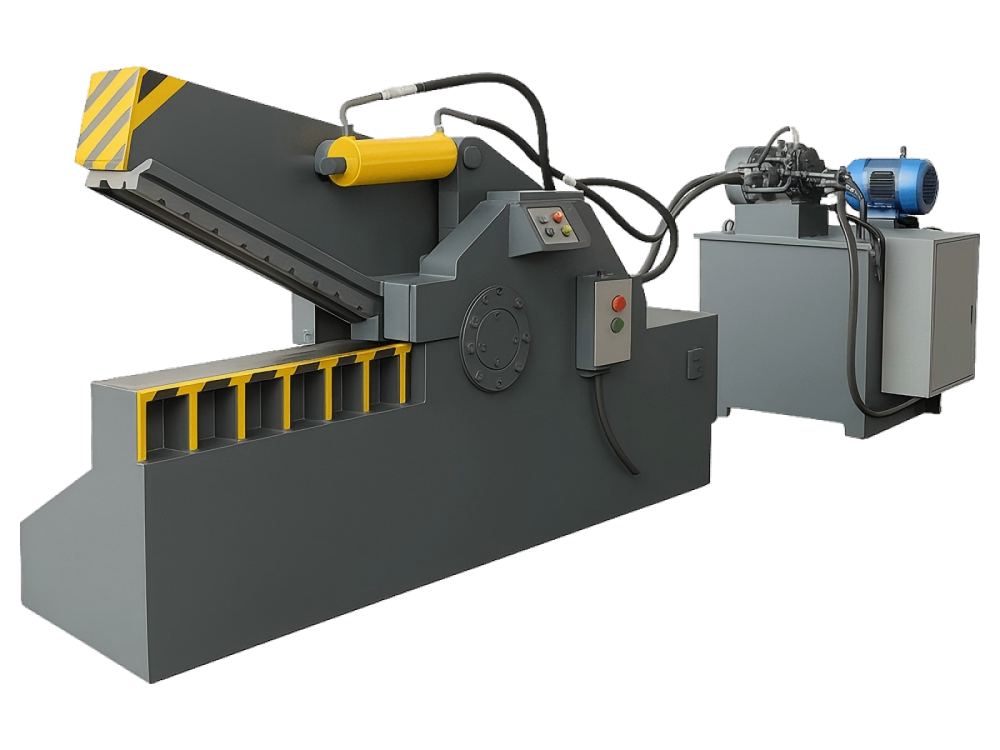
The Economic and Operational Importance of Maintenance
The primary goal of any maintenance program is to prevent unplanned downtime. In the scrap industry, where margins can be tight and volume is king, a broken shear can halt production entirely. Beyond simple uptime, proper maintenance directly impacts the Total Cost of Ownership (TCO). High-quality shear blades, often made from specialized tool steels like H13 or 6CrW2Si, are significant investments. Extending their life through proper rotation and sharpening can save thousands of dollars annually.
Safety is another paramount concern. A poorly maintained shear is a dangerous shear. If blades are loose or the gap is too wide, material can ‘fold’ between the blades rather than being cut. This can cause the material to kick out violently or jam the machine, posing a severe risk to the operator. Regular maintenance ensures that all safety guards, emergency stops, and structural bolts are in optimal condition, creating a safer working environment.
Finally, environmental considerations are becoming increasingly important. An efficiently running machine consumes less electricity and is less likely to leak hydraulic fluids. By maintaining clean cuts, you ensure that the machine isn’t working harder than it needs to, thereby reducing its carbon footprint and operational costs. This holistic approach to maintenance is what separates industry leaders from the rest.
Daily Inspection Routine: The First Line of Defense
A successful maintenance strategy begins with the daily walk-around. Before the first piece of scrap is loaded, the operator must perform a visual and physical check of the machine. This routine is designed to catch minor issues before they escalate into catastrophic failures. The focus of the daily inspection should be on the cutting zone, the hydraulic connections, and the overall structural integrity of the shear.
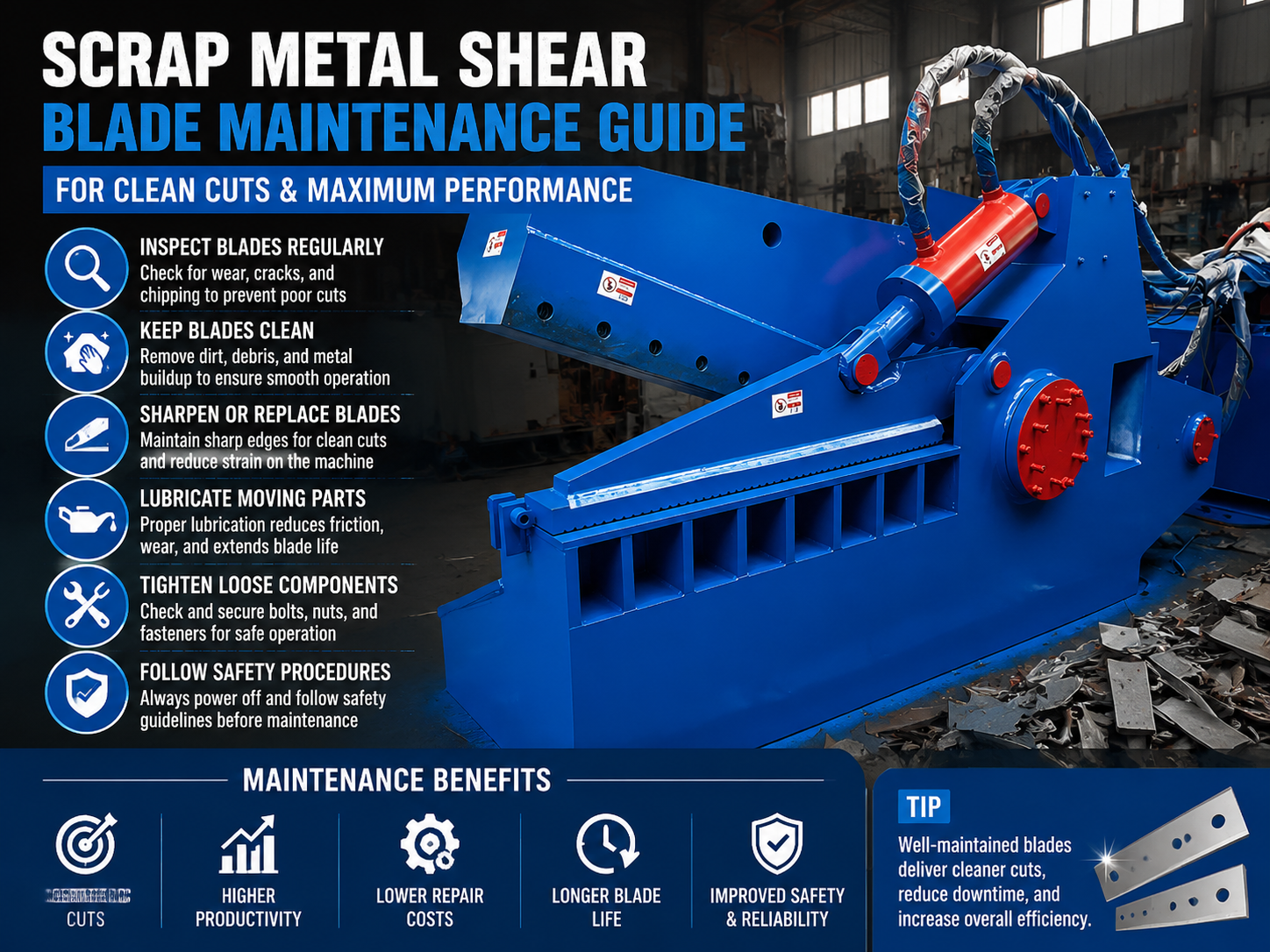
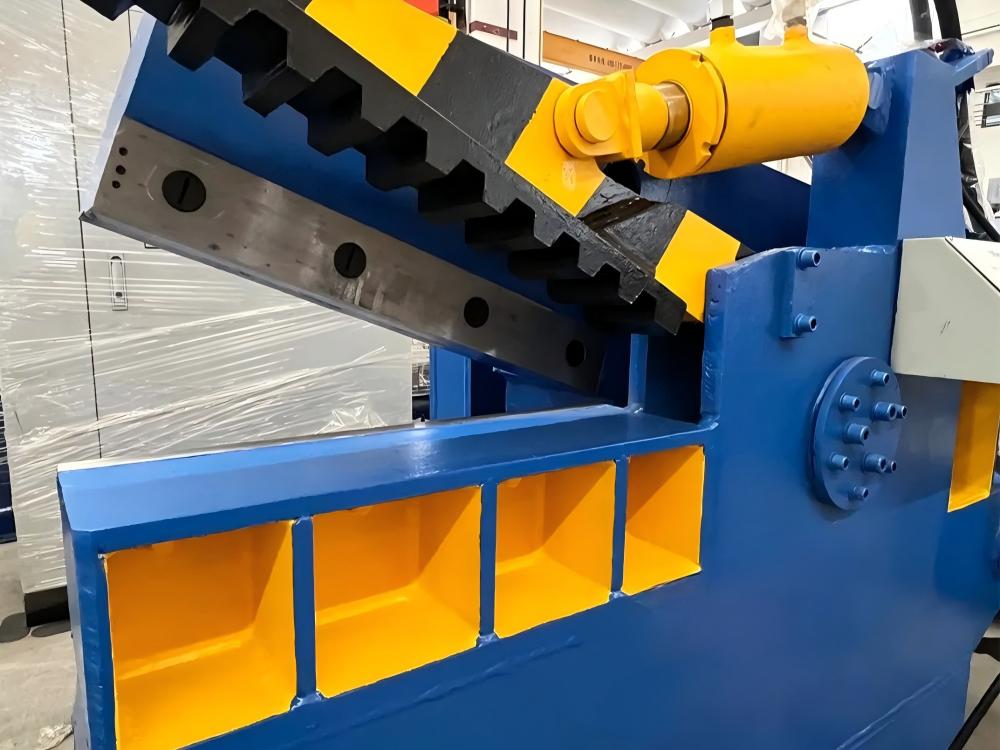
Start by examining the blades themselves. Look for signs of chipping, cracking, or excessive rounding of the cutting edges. Even a small chip can lead to a stress fracture that eventually splits the blade. If the shear has been used to cut hardened materials or oversized scrap, pay close attention to the blade bolts. These bolts are subject to immense vibration and shock; if they loosen, the blade can shift, leading to a catastrophic collision between the upper and lower jaws.
Next, check the blade gap (clearance). The gap between the moving and stationary blades is critical for achieving clean cuts. If the gap is too narrow, the blades may rub, causing friction and heat. If it is too wide, the metal will bend or tear. Use a feeler gauge to verify that the gap meets the manufacturer’s specifications, typically ranging from 0.1mm to 0.5mm depending on the thickness and type of material being processed. Clear away any debris, scale, or small metal fragments that have accumulated around the blade seats, as these can interfere with the cutting action.
Hydraulic, Electrical, and Mechanical Systems Check
While the blades do the cutting, the hydraulic and electrical systems provide the muscle and the brain. A comprehensive scrap metal shear blade maintenance guide for clean cuts must include these internal systems. Hydraulic health is the lifeblood of the shear. Check the oil level daily and inspect the color and clarity of the fluid. Cloudy or dark oil indicates contamination or overheating, which can damage the sensitive valves and pumps.
Hydraulic System Maintenance
Inspect all hydraulic hoses for signs of wear, bulging, or weeping. In a scrap yard environment, hoses are often exposed to sharp metal edges and extreme weather. A burst hose not only stops production but also creates a significant environmental hazard. Ensure that the hydraulic cooling system is functioning correctly. If the oil temperature exceeds 60°C (140°F), the viscosity drops, leading to sluggish performance and increased wear on internal components. Clean the heat exchanger fins regularly to maintain optimal cooling efficiency.
Electrical System Integrity
The electrical cabinet should be kept clean and dry. Check for loose wiring connections caused by the machine’s vibration. Inspect the limit switches and proximity sensors that control the stroke of the shear. If these sensors are misaligned or covered in grease, the shear may not complete its full cycle, leading to incomplete cuts. For machines equipped with PLC (Programmable Logic Controller) systems, check the display for any error codes or maintenance alerts that may have been triggered during the previous shift.
Mechanical and Structural Components
The mechanical frame of the shear bears the brunt of the cutting force. Regularly inspect the pivot pins and bushings. These components allow the jaw to move smoothly; if they become worn, the jaw can develop ‘play,’ which ruins the blade alignment. Check the foundation bolts to ensure the machine is securely anchored to the floor. A shifting machine can lead to internal stresses that the frame was not designed to handle. Finally, inspect the grease lines to ensure that lubricant is actually reaching the critical friction points.
Comprehensive Lubrication Plan
Lubrication is the simplest yet most frequently overlooked aspect of industrial machinery maintenance. For a scrap metal shear, lubrication serves two purposes: reducing friction between moving parts and flushing out contaminants like dust and metal scale. A proper lubrication plan should specify the type of lubricant, the frequency of application, and the specific points that require attention.
Most HARSLE scrap shears utilize high-pressure lithium-based grease for pivot points and sliding surfaces. These areas should be greased every 4 to 8 hours of operation, depending on the intensity of the work. If the machine is equipped with an automatic lubrication system, verify that the reservoir is full and that the pump is cycling correctly. Manually check the output at each grease nipple to ensure no lines are blocked.
In addition to the pivot pins, the blade seats and the guide rails (if applicable) should receive a light coating of lubricant to prevent corrosion and ease the movement of the jaw. However, avoid over-greasing, as excess lubricant can attract abrasive dust, creating a ‘grinding paste’ that accelerates wear. Always wipe away old grease and debris before applying fresh lubricant to ensure that only clean grease enters the bearings and bushings.
Troubleshooting Signals: Identifying Problems Early
Experienced operators can often ‘feel’ or ‘hear’ when a shear is not performing correctly. Recognizing these troubleshooting signals early can prevent a minor adjustment from turning into a major repair. The most common sign that maintenance is required is a change in the quality of the cut. If the scrap metal shows significant burrs, jagged edges, or if the machine is struggling to cut material it previously handled with ease, the blades are likely dull or the gap has widened.
Listen for unusual noises. A high-pitched squeal often indicates a hydraulic issue, such as cavitation in the pump or a restricted valve. A heavy ‘thumping’ or ‘clunking’ sound during the cutting stroke may suggest that the blade bolts are loose or that there is excessive play in the pivot pins. Vibration is another key indicator; while some vibration is normal, an increase in intensity often points to mechanical misalignment or a failing motor bearing.
Monitor the cycle time. If the shear is taking longer to complete a stroke, it could be a sign of internal hydraulic leakage or a failing pump. Check the pressure gauges during the cut. If the pressure is hitting the relief valve setting but the material isn’t being cut, the blades are either too dull to penetrate or the material is beyond the machine’s rated capacity. Consistent monitoring of these signals ensures that scrap metal shear blade maintenance for clean cuts remains proactive rather than reactive.
Maintenance Schedule Table
To maintain peak performance, follow this structured maintenance schedule. This table serves as a quick reference for maintenance managers and operators to ensure no task is overlooked.
| Frequency | Component | Action Required |
|---|---|---|
| Daily | Shear Blades | Inspect for chips, cracks, and tightness of bolts. |
| Daily | Blade Gap | Check clearance with feeler gauge; adjust if necessary. |
| Daily | Hydraulic Oil | Check level and temperature; inspect for leaks. |
| Daily | Lubrication | Grease pivot pins and main bushings (every 4-8 hours). |
| Weekly | Hydraulic Filters | Inspect and clean or replace if the indicator is in the red. |
| Weekly | Electrical System | Clean cabinet and check for loose connections or frayed wires. |
| Weekly | Structural Bolts | Torque check on foundation and main frame bolts. |
| Monthly | Blade Rotation | Rotate or flip blades to a fresh cutting edge if rounded. |
| Monthly | Oil Analysis | Take a sample for laboratory analysis to check for contaminants. |
| Quarterly | Hydraulic Pump | Check pressure settings and flow rate performance. |
| Yearly | Full System Audit | Comprehensive inspection of all mechanical, hydraulic, and electrical parts. |
Blade Sharpening and Replacement Strategy
The blades are the most critical consumable in your shear. Most HARSLE scrap shears feature blades with multiple cutting edges (usually four). This design allows the operator to ‘flip’ or ‘rotate’ the blade when one edge becomes dull, effectively quadrupling the life of the tool before it requires professional sharpening. When rotating blades, it is vital to clean the blade seat thoroughly. Any debris trapped behind the blade will cause it to sit unevenly, leading to poor cut quality and potential blade breakage.
Professional sharpening should be performed by a specialist with the equipment to maintain the correct angles and temper of the steel. Removing too much material or overheating the blade during grinding can ruin its structural integrity. After sharpening or installing new blades, the blade gap must be recalibrated using shims. Shimming is a precise process that ensures the blades are perfectly parallel and at the correct distance from each other throughout the entire stroke.
Keep a detailed log of blade rotations and replacements. This data helps in predicting when the next set of blades will be needed, allowing for better inventory management. It also helps identify if certain materials are causing premature wear, enabling you to adjust your processing strategy accordingly. Investing in high-quality replacement blades from the original equipment manufacturer (OEM) like HARSLE ensures that the steel chemistry and heat treatment are perfectly matched to your machine’s specifications.
Frequently Asked Questions (FAQ)
1. How often should I sharpen my scrap metal shear blades?
The frequency of sharpening depends on the volume and type of material you are cutting. On average, blades should be rotated every 100-200 hours of operation. Once all four edges are rounded, they should be sent for professional sharpening. Cutting abrasive materials like stainless steel or reinforced rebar will shorten these intervals.
2. Why is my shear ‘folding’ the metal instead of cutting it?
Folding usually occurs when the blade gap (clearance) is too wide. This allows the material to slip between the blades. It can also happen if the blades are extremely dull or if the material is too thin for the current gap setting. Check your feeler gauge measurements and adjust the shims to tighten the gap.
3. What type of hydraulic oil is best for scrap shears?
Most industrial shears require an anti-wear hydraulic oil, typically ISO VG 46 or 68, depending on your ambient operating temperature. Always refer to your HARSLE manual for the specific grade. Using the wrong oil can lead to pump cavitation and poor valve response.
4. Can I weld a chipped shear blade?
Welding shear blades is generally not recommended. The high-carbon tool steel used in blades is sensitive to heat; welding can create brittle zones that lead to catastrophic failure under the immense pressure of shearing. It is safer and more cost-effective to rotate the blade or replace it.
5. How do I know if my hydraulic pump is failing?
Signs of a failing pump include increased noise (whining or growling), slower cycle times, and a drop in maximum cutting pressure. If the pump is getting excessively hot compared to the rest of the hydraulic system, it is likely experiencing internal leakage and needs service.
Conclusion
Mastering scrap metal shear blade maintenance for clean cuts is a journey of consistency and attention to detail. By implementing the daily inspections, hydraulic checks, and lubrication plans outlined in this guide, you can significantly enhance the productivity and longevity of your HARSLE machinery. Remember that a well-maintained shear is not just a tool; it is a competitive advantage in the scrap metal industry. Prioritize maintenance today to ensure clean cuts, safe operations, and maximum profitability for years to come.