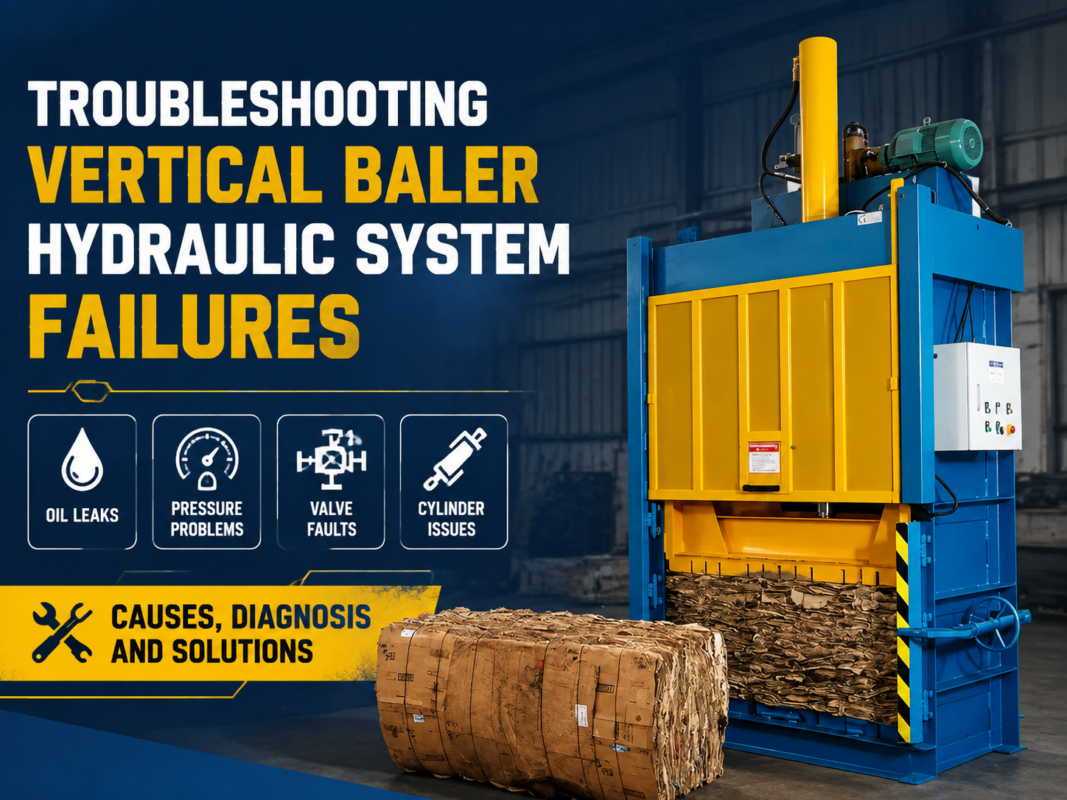
Recycling Baler Oil Leaks: Diagnosis, Repair Tips, and Prevention

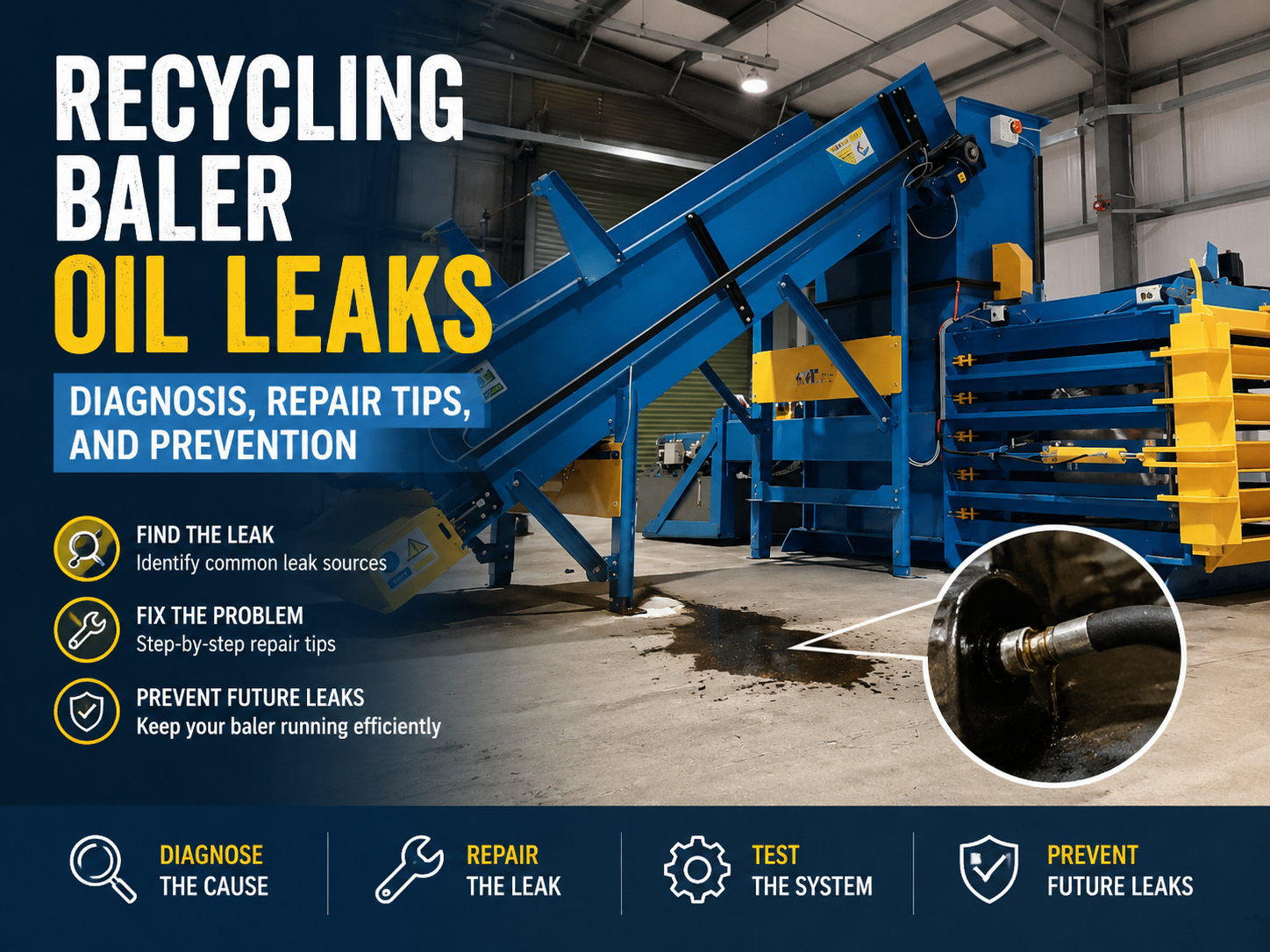
Introduction to Hydraulic Integrity in Recycling Balers
In the demanding world of waste management and scrap processing, the recycling baler stands as a cornerstone of efficiency. These machines, often manufactured by industry leaders like HARSLE, utilize immense hydraulic force to compress materials such as cardboard, plastics, and metals into manageable bales. However, the very lifeblood of these machines—hydraulic oil—can become a source of significant operational downtime if leaks are not addressed promptly. Understanding Recycling Baler Oil Leaks: Diagnosis, Repair Tips, Prevention is essential for any facility manager or maintenance technician looking to maximize equipment lifespan and maintain a safe working environment.
Hydraulic leaks are more than just a messy nuisance; they represent a loss of system pressure, increased energy consumption, and a potential fire hazard. In a high-pressure environment, a pinhole leak can atomize hydraulic fluid, creating a highly flammable mist. Furthermore, the environmental impact of oil spills can lead to hefty fines and costly remediation efforts. By adopting a proactive approach to hydraulic maintenance, operators can ensure that their HARSLE recycling balers continue to perform at peak capacity without the interruptions caused by fluid loss.
This comprehensive guide will delve into the technical nuances of hydraulic systems, providing a roadmap for identifying the root causes of leaks, executing professional-grade repairs, and implementing preventative measures that stop leaks before they start. Whether you are dealing with a vertical baler or a high-capacity horizontal system, the principles of hydraulic integrity remain the same: precision, cleanliness, and regular oversight.
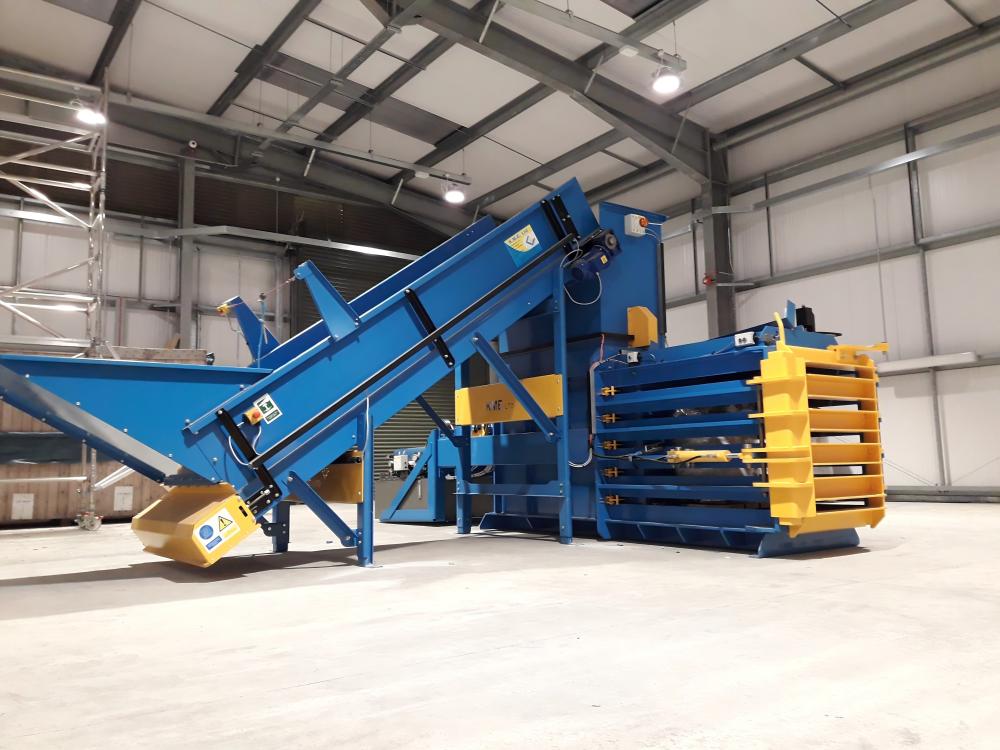
Key Considerations for Identifying Oil Leaks
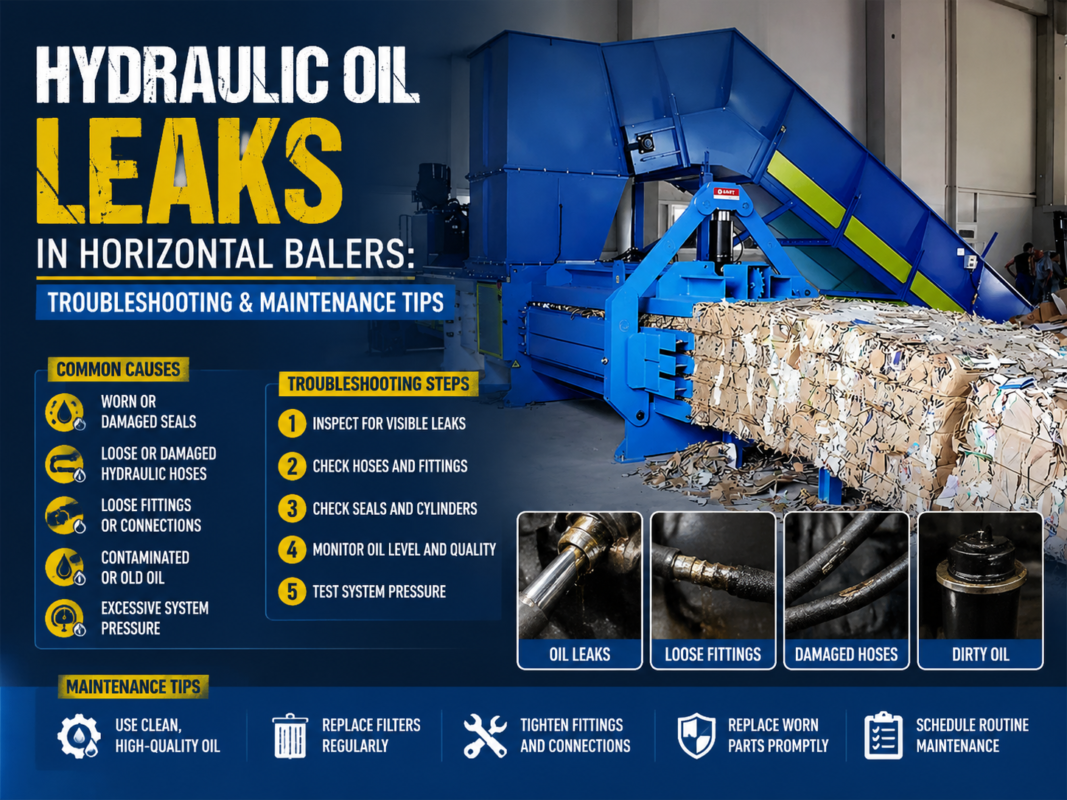
The first step in managing Recycling Baler Oil Leaks: Diagnosis, Repair Tips, Prevention is knowing where to look. Hydraulic systems are complex networks of pumps, valves, cylinders, and hoses. Leaks generally fall into two categories: external and internal. External leaks are visible and result in oil pooling on the floor or coating the machine’s frame. Internal leaks occur when oil bypasses a seal within a component, such as a piston seal inside a cylinder, leading to a loss of pressure and sluggish performance without visible fluid loss.
Common Leak Locations
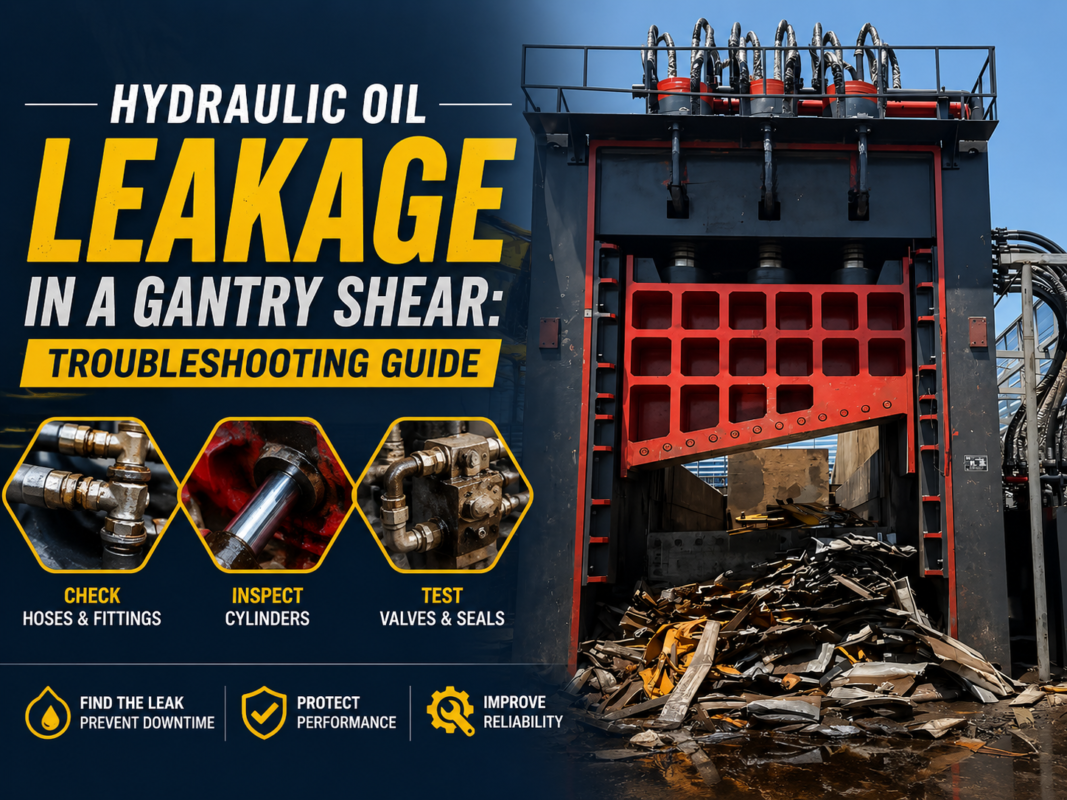
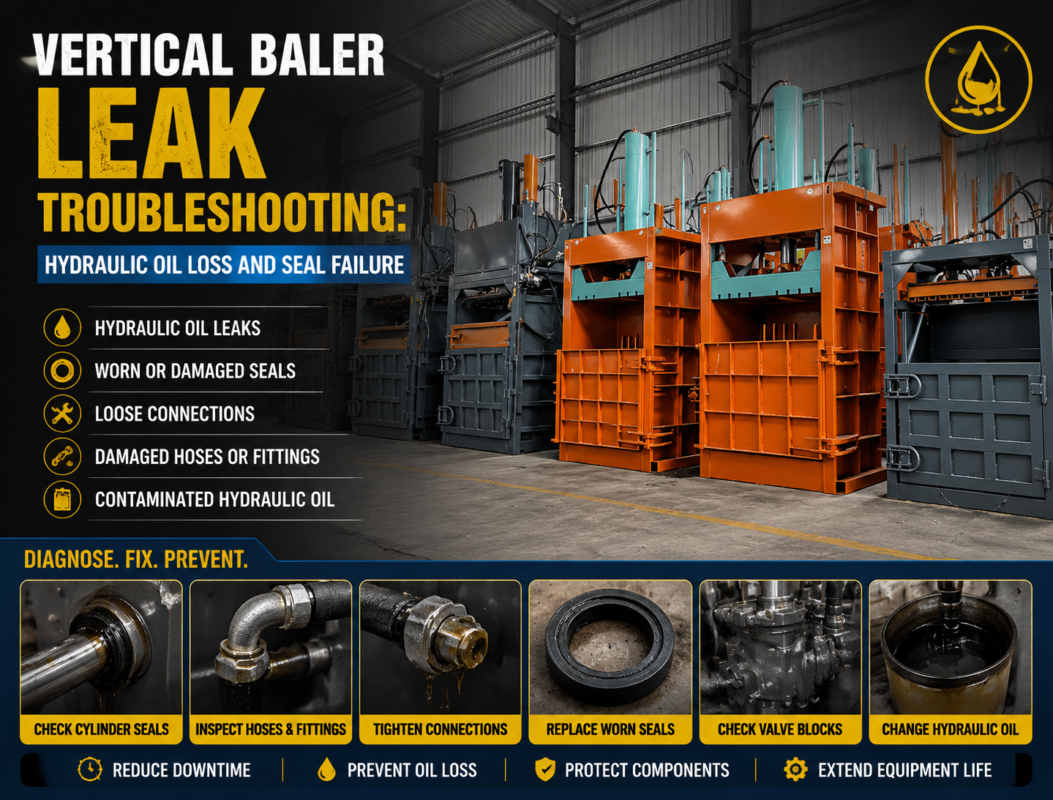
Most external leaks in recycling balers occur at connection points. These include threaded fittings, flange joints, and hose crimps. Over time, the constant vibration of the baling cycle can loosen these connections. Another frequent culprit is the hydraulic cylinder rod seal. As the rod extends and retracts, it is exposed to dust and debris. If the wiper seal fails, contaminants can enter the gland, scoring the primary seal and allowing oil to weep out. Additionally, hydraulic hoses themselves have a finite lifespan; they can degrade due to UV exposure, abrasion against the machine frame, or internal fatigue from pressure spikes.
The Hidden Costs of Hydraulic Leaks
Ignoring a minor leak is a recipe for financial loss. It is estimated that a leak of just one drop per second can result in the loss of over 400 gallons of hydraulic oil per year. At current market prices, this is a significant unnecessary expense. Beyond the cost of the oil itself, leaks lead to inefficient operation. When a system loses pressure, the cycle time for each bale increases, reducing the overall throughput of the recycling facility. Moreover, oil-covered surfaces are a major safety risk, leading to slips and falls, which are among the most common workplace injuries in industrial settings.
Technical Diagnosis and Repair Procedures
When a leak is detected, a systematic diagnosis is required to ensure the repair is effective. Simply tightening a fitting may not be enough if the underlying cause is a damaged O-ring or a cracked housing. For Recycling Baler Oil Leaks: Diagnosis, Repair Tips, Prevention, technicians should follow a standardized protocol to isolate the failure point.
Diagnostic Methods
The “Clean and Watch” method is the most basic yet effective diagnostic tool. By thoroughly cleaning the suspected area with a degreaser and then operating the machine under load, the exact point of origin for the leak becomes apparent. For more elusive leaks, particularly those that only occur at high temperatures, ultrasonic leak detectors or fluorescent dyes added to the hydraulic oil can be used. These tools allow technicians to see or hear the escape of fluid that might otherwise be invisible to the naked eye.
Step-by-Step Cylinder Seal Replacement
If the diagnosis points to a cylinder seal failure, a structured repair process is necessary. First, the machine must be locked out and tagged out (LOTO) to ensure no accidental movement. The pressure must be bled from the system before any lines are disconnected. Once the cylinder is removed or the head gland is unscrewed, the old seals should be inspected for wear patterns. For example, a seal that is worn on one side suggests a misalignment issue or a bent rod. When installing new seals, it is critical to use a seal installation tool to avoid nicking the delicate polyurethane or nitrile material. Always lubricate the seals with clean hydraulic oil before reassembly to prevent “dry start” damage.
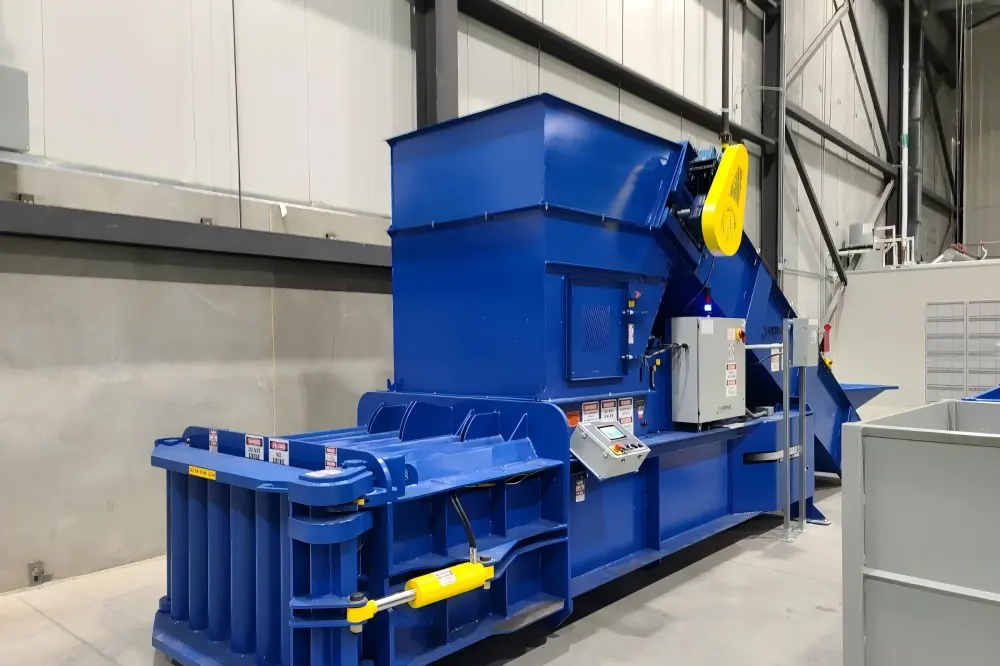
Troubleshooting Pump and Valve Leaks
Leaks at the hydraulic pump or control valve bank often involve gasket failures or worn shaft seals. If oil is leaking from the pump shaft, it may indicate that the pump bearings are failing, causing the shaft to wobble and break the seal’s contact. In the case of control valves, leaks between sections of a manifold usually require the replacement of the section-to-section O-rings. It is vital to use the correct torque specifications when reassembling valve banks, as over-tightening can warp the valve body, leading to internal spool binding and further leaks.
Selection Advice: Buying a Leak-Resistant Baler
When purchasing new equipment, such as a HARSLE recycling baler, considering the design of the hydraulic system can save thousands in future maintenance. Not all balers are created equal when it comes to fluid power integrity. High-quality manufacturers prioritize robust engineering to minimize potential leak points from the outset.
Material Quality and Component Sourcing
Look for balers that utilize high-pressure, steel-braided hydraulic hoses with a high safety factor. The fittings should ideally be of the O-ring Face Seal (ORFS) or JIC (Joint Industry Council) type, which are known for their superior sealing capabilities under vibration. Furthermore, the quality of the hydraulic cylinders is paramount. Cylinders with chrome-plated and polished rods offer better resistance to corrosion and seal wear. HARSLE machines often feature precision-machined components that ensure tight tolerances, significantly reducing the likelihood of premature seal failure.
System Design Features
A well-designed hydraulic system will include features that manage heat and vibration—the two primary enemies of hydraulic seals. Look for balers equipped with efficient oil coolers and large-capacity reservoirs that allow for proper heat dissipation. Additionally, the use of hydraulic manifolds instead of excessive hosing reduces the number of potential leak points. A centralized manifold block simplifies the system and makes it easier to identify and repair leaks if they do occur. When evaluating a baler, ask about the filtration system; clean oil is essential for seal longevity, as abrasive particles in the fluid can quickly score cylinder walls and valve spools.
Maintenance Checklist for Leak Prevention
Prevention is always more cost-effective than repair. Implementing a rigorous preventative maintenance (PM) schedule is the best way to handle Recycling Baler Oil Leaks: Diagnosis, Repair Tips, Prevention. Below is a recommended checklist for industrial recycling facilities:
- Daily Visual Inspection: Check for puddles under the machine and dampness around hose connections.
- Weekly Cleaning: Remove dust and debris from cylinder rods and cooling fins to prevent overheating and seal abrasion.
- Monthly Tightening: Check the torque on all accessible hydraulic fittings and mounting bolts for pumps and motors.
- Quarterly Oil Analysis: Test the hydraulic oil for contamination and chemical breakdown. Degraded oil can become acidic and attack seal materials.
- Annual Hose Replacement: Proactively replace hoses that show signs of outer cover cracking or those located in high-flex areas.
| Component | Common Failure Mode | Prevention Strategy |
|---|---|---|
| Hydraulic Hoses | Abrasion and UV degradation | Use protective sleeves and route away from sharp edges. |
| Cylinder Seals | Contamination scoring | Ensure wiper seals are intact; keep rods clean. |
| Fittings/Joints | Vibration loosening | Use proper support clamps and check torque regularly. |
| Pump Seals | Overheating/Cavitation | Maintain oil levels and monitor operating temperatures. |
FAQ: Recycling Baler Oil Leaks
What is the most common cause of oil leaks in recycling balers?
The most common cause is the degradation of hydraulic seals due to heat and contamination. Over time, the rubber or polyurethane material becomes brittle or is physically damaged by debris, allowing oil to bypass the seal. Vibration-induced loosening of fittings is a close second.
Can I use any type of hydraulic oil in my HARSLE baler?
No, you should always follow the manufacturer’s specifications. Using oil with the wrong viscosity can lead to increased internal friction (overheating) or inadequate lubrication, both of which contribute to seal failure and leaks. Most industrial balers require an ISO VG 46 or 68 anti-wear hydraulic oil.
How do I know if a leak is internal?
Internal leaks are typically diagnosed by observing the machine’s behavior. If the baler’s ram drifts forward or backward when the controls are in neutral, or if the machine fails to reach its maximum rated pressure despite the pump running correctly, an internal leak in the cylinder or control valve is likely.
Is it safe to tighten a hydraulic fitting while the machine is running?
Absolutely not. Never attempt to tighten a fitting or work on a hydraulic system while it is under pressure. High-pressure fluid injection injuries are extremely serious and can lead to amputation or death. Always shut down the machine and bleed the pressure before performing any maintenance.
How often should hydraulic hoses be replaced?
While there is no universal rule, many industrial standards suggest replacing hydraulic hoses every 2 to 5 years, depending on the intensity of use and the environment. Hoses showing any signs of bulging, cracking, or exposed wire reinforcement should be replaced immediately.
Conclusion
Mastering Recycling Baler Oil Leaks: Diagnosis, Repair Tips, Prevention is a vital skill for maintaining the operational integrity of any recycling facility. By understanding the technical causes of leaks—ranging from seal wear to vibration-induced fatigue—operators can take decisive action to minimize downtime. HARSLE continues to lead the industry by providing robust machinery designed to withstand the rigors of heavy-duty baling, but even the best equipment requires diligent care.
A commitment to regular inspections, the use of high-quality replacement parts, and a focus on cleanliness will ensure that your recycling baler remains a productive asset for years to come. Remember that a small leak today is a major repair tomorrow. By staying proactive and following the guidelines outlined in this guide, you can protect your investment, your personnel, and the environment from the consequences of hydraulic failure. For those looking to upgrade their equipment, choosing a manufacturer like HARSLE ensures you are starting with a foundation of engineering excellence designed to keep the oil where it belongs: inside the system.