Troubleshooting Vertical Baler Hydraulic System Failures: A Comprehensive HARSLE Guide

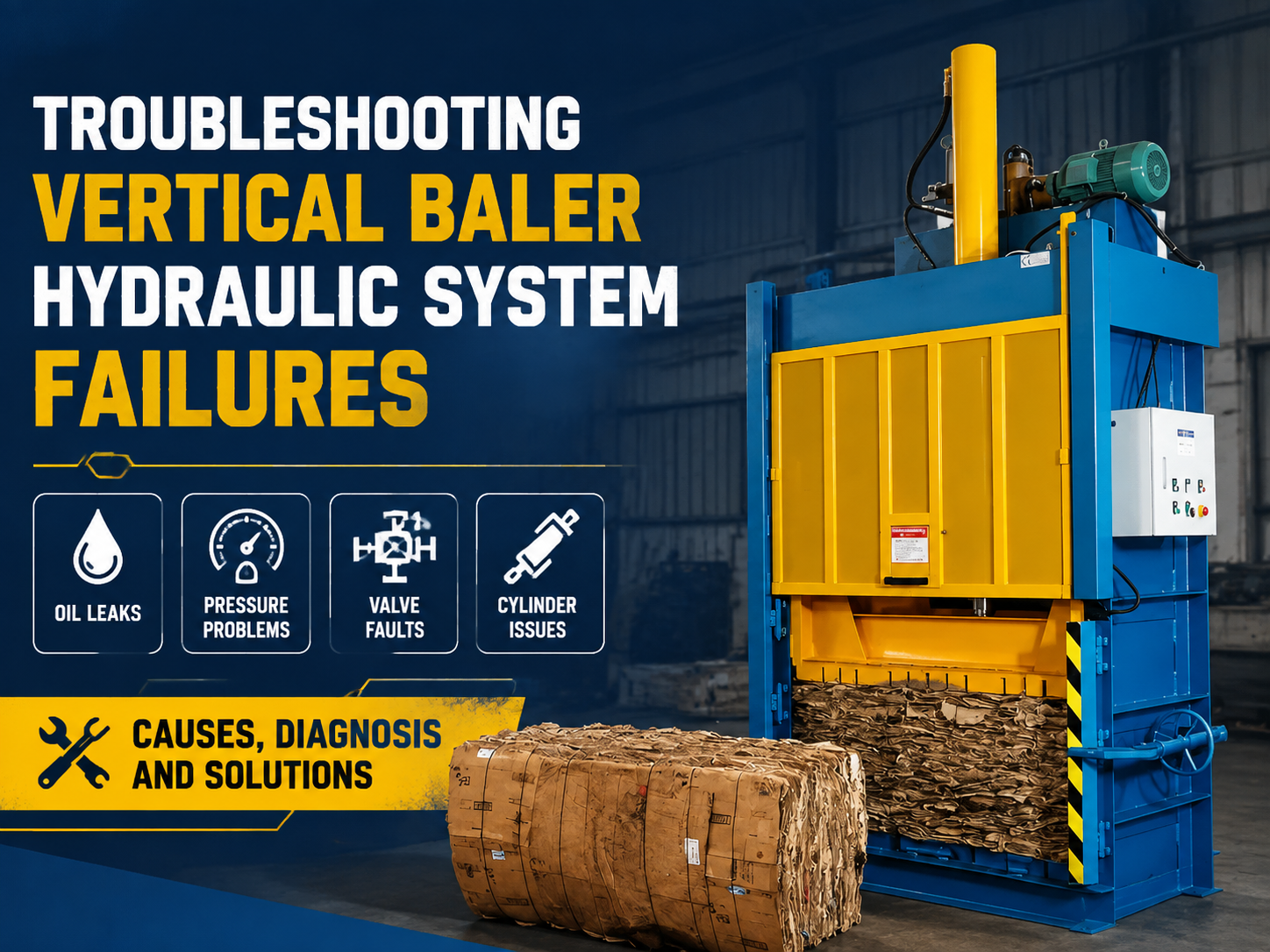
Introduction to Vertical Baler Hydraulic Systems
In the world of industrial waste management and metal fabrication, the vertical baler stands as a cornerstone of efficiency. These machines rely heavily on complex hydraulic systems to exert the immense force required to compress bulky materials into manageable, high-density bales. However, due to the high-pressure nature of these operations, hydraulic failures are an inevitable reality that facility managers must be prepared to address. Troubleshooting Vertical Baler Hydraulic System Failures is not merely a reactive task; it is a critical component of preventative maintenance that ensures the longevity and safety of your equipment.
At HARSLE, we understand that downtime is the enemy of productivity. When a hydraulic system falters, it often manifests as slow cycle times, leaking fluids, or a complete loss of compression power. Understanding the architecture of your baler—from the pump and reservoir to the valves and cylinders—is the first step toward effective diagnostics. This guide provides a deep dive into the common failure points and the systematic approaches required to restore your machinery to peak performance.
The hydraulic system acts as the heart of the vertical baler. By converting mechanical energy into fluid power, it allows the ram to move with precision and force. When this system experiences a failure, it is rarely a catastrophic event without warning. Instead, most issues stem from fluid contamination, seal degradation, or electrical interference with the solenoid valves. By mastering the diagnostic process, operators can often resolve minor issues before they escalate into costly mechanical repairs.
This article serves as a comprehensive resource for maintenance teams and plant managers. We will explore the technical nuances of hydraulic circuits, provide actionable troubleshooting steps, and offer advice on selecting high-quality components to minimize future failures. Whether you are operating a HARSLE baler or other industrial metal fabrication equipment, the principles of hydraulic integrity remain universal.
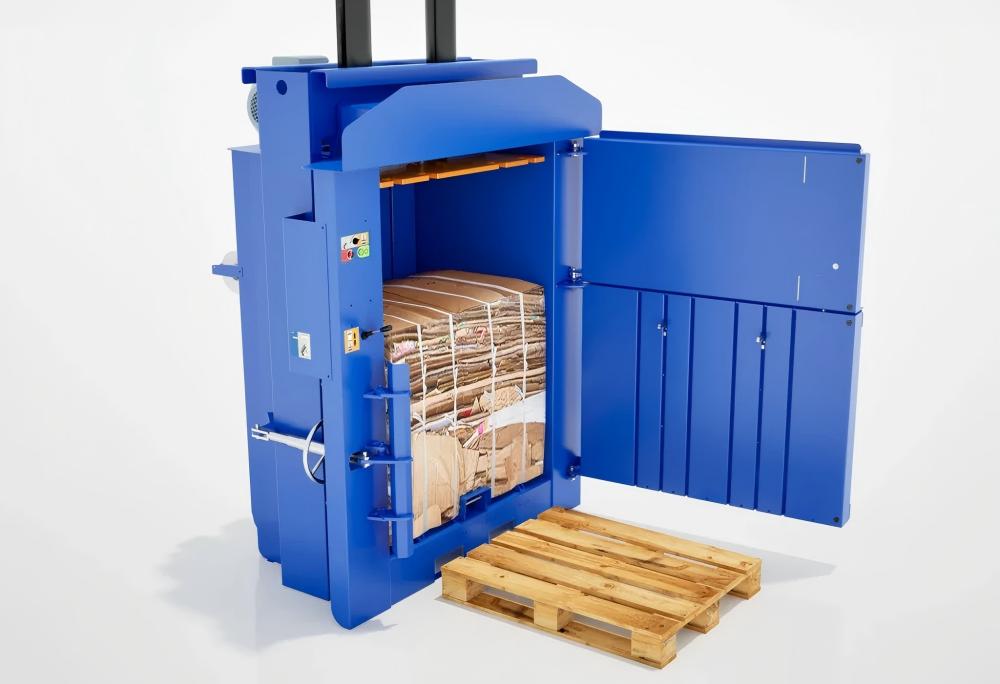
Key Considerations for Hydraulic System Integrity
The primary consideration when maintaining a vertical baler is the quality and condition of the hydraulic fluid. Hydraulic oil is more than just a lubricant; it is the medium through which power is transmitted. Contaminated oil, characterized by the presence of water, metal shavings, or sludge, can wreak havoc on sensitive valve components and pump internals. Regular oil analysis is a non-negotiable practice for any facility aiming to reduce the frequency of hydraulic system failures.
Temperature management is another critical factor. Hydraulic systems generate significant heat during operation. If the cooling system is inadequate or if the oil viscosity is incorrect for the ambient operating temperature, the fluid can break down, leading to increased wear on seals and hoses. Operators should monitor the temperature gauge regularly and ensure that the oil cooler is free from dust and debris, which can impede airflow and lead to thermal degradation of the hydraulic components.
Pressure settings must be strictly adhered to according to the manufacturer’s specifications. Attempting to increase the compression force by adjusting the pressure relief valve beyond the recommended limits is a common mistake that leads to premature component failure. Over-pressurization puts excessive strain on the cylinders, hoses, and fittings, significantly increasing the risk of a burst or a catastrophic seal blowout. Always use a calibrated pressure gauge when performing adjustments.
Finally, the importance of a clean environment cannot be overstated. Hydraulic systems are highly sensitive to particulate matter. Even microscopic dust particles can cause a spool valve to stick or a pump to lose efficiency. When performing maintenance, ensure that the area around the reservoir and fill ports is thoroughly cleaned before opening the system. Using high-quality filtration systems and replacing filters at the recommended intervals are the most effective ways to prevent the majority of hydraulic system failures.
Technical Details: Diagnosing Common Failures
When Troubleshooting Vertical Baler Hydraulic System Failures, the first step is to categorize the symptom. Is the machine failing to build pressure? Is the ram moving slowly? Or is there an audible noise coming from the pump? Each symptom points to a specific area of the hydraulic circuit. A pump that produces a loud, whining noise is often suffering from cavitation, which is typically caused by a restricted suction line or low oil levels in the reservoir.
If the ram fails to move, the issue likely lies within the electrical control circuit or the directional control valves. Check the solenoid coils to ensure they are receiving the correct voltage. If the coils are energized but the valve does not shift, the valve spool may be jammed due to debris or a broken return spring. In such cases, manual override testing can help determine if the valve is mechanically stuck or if the issue is purely electrical.
Pressure loss during the compression cycle is a classic indicator of internal leakage. This often occurs in the hydraulic cylinder itself, where the piston seals have worn out, allowing oil to bypass the piston. To test for this, you can perform a drift test: extend the ram, shut off the machine, and observe if the ram retracts on its own. If it does, the cylinder seals are likely the culprit. This is a common maintenance item that should be addressed promptly to maintain baling efficiency.
Another technical area to inspect is the hydraulic hose network. Over time, hoses can develop micro-cracks or experience fitting fatigue. While external leaks are easy to spot, internal hose failure can be more insidious. If a hose is collapsing internally, it can restrict flow, leading to sluggish performance. Always inspect hoses for signs of abrasion, blistering, or hardening, and replace any that show signs of age before they fail under pressure.
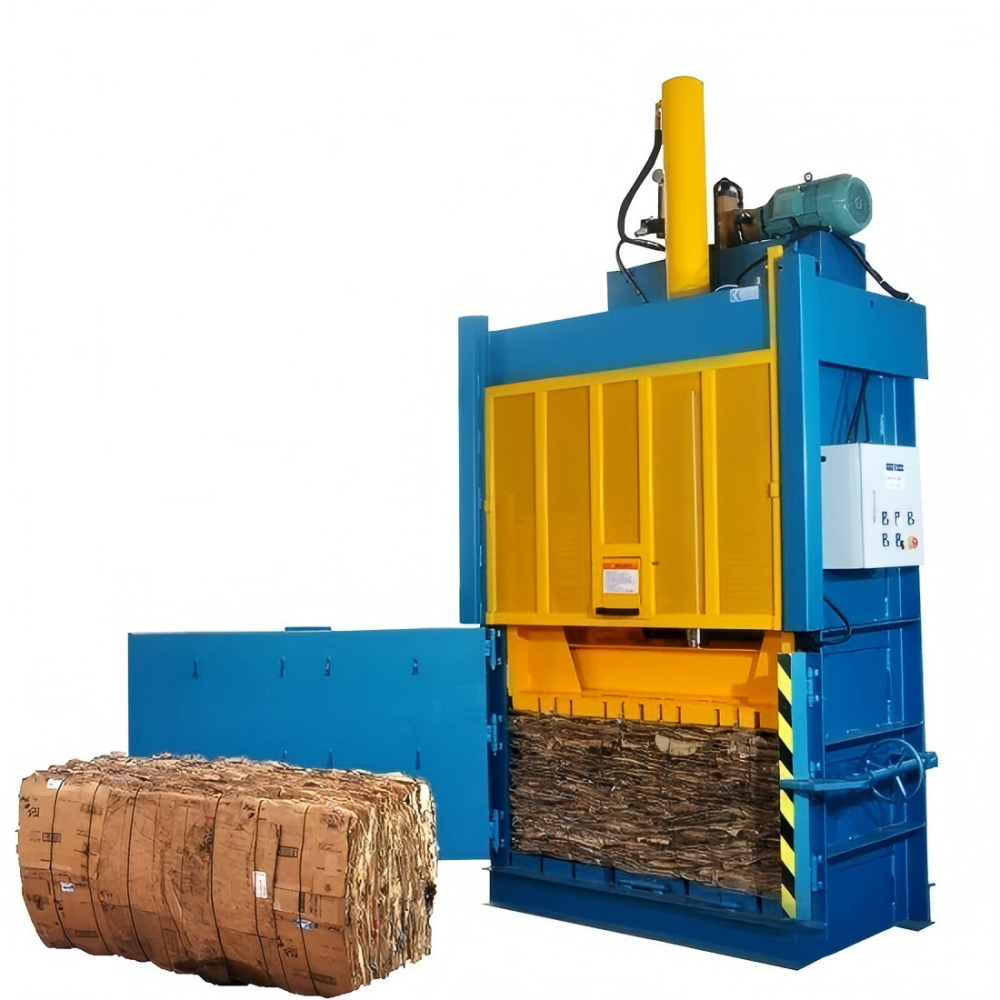
Diagnostic Checklist for Maintenance Teams
- Check hydraulic fluid levels and color; milky oil indicates water contamination.
- Inspect all fittings and connections for signs of weeping or active leaks.
- Verify that the motor is rotating in the correct direction (a common issue after electrical work).
- Test the pressure relief valve to ensure it is set to the HARSLE factory specification.
- Examine the return line filter for metal particles, which indicate pump wear.
- Check the solenoid valve wiring for loose connections or corrosion.
Selection Advice for Reliable Hydraulic Components
When the time comes to replace components, the quality of the parts you select will directly impact the future reliability of your baler. It is tempting to source generic, low-cost hydraulic components, but in the context of industrial machinery, this is often a false economy. High-pressure hydraulic systems require components that are rated for the specific duty cycle of your baler. Always prioritize OEM parts or components from reputable manufacturers that meet or exceed the original specifications.
Consider the material composition of your seals and gaskets. In environments where the baler might be exposed to extreme temperatures or harsh chemicals, standard nitrile seals may not be sufficient. Upgrading to Viton or other high-performance materials can significantly extend the interval between seal replacements. Similarly, when selecting hydraulic pumps, look for units with high volumetric efficiency and robust housing designs that can withstand the vibrations inherent in baling operations.
The selection of hydraulic fluid is equally important. Consult your HARSLE manual to determine the recommended viscosity grade. Using fluid that is too thin can lead to internal leakage and reduced pressure, while fluid that is too thick can cause the pump to struggle during cold starts. Many modern balers benefit from anti-wear (AW) hydraulic oils that contain additives to protect against oxidation and corrosion, further extending the life of the system.
Finally, consider the integration of diagnostic sensors. Modern vertical balers can be equipped with pressure transducers and oil quality sensors that provide real-time data to the control panel. Investing in these upgrades allows for predictive maintenance, where you can identify a failing pump or a clogged filter before it causes a total system shutdown. This proactive approach is the hallmark of a well-managed industrial facility.
FAQ: Troubleshooting Vertical Baler Hydraulic System Failures
Why is my vertical baler ram moving slower than usual?
Slow ram movement is typically caused by a drop in hydraulic pressure or flow. Check the oil level, inspect the pump for wear, and ensure the hydraulic filter is not clogged. Additionally, check for internal leaks in the cylinder seals.
How often should I change the hydraulic oil?
As a general rule, hydraulic oil should be changed every 1,000 to 2,000 operating hours, or annually. However, if your oil analysis shows high levels of contamination, you should change it sooner.
What should I do if I see a hydraulic leak?
Immediately shut down the machine and relieve the system pressure. Never attempt to locate a leak with your hands, as high-pressure fluid can penetrate the skin. Use a piece of cardboard to locate the source of the leak and replace the damaged hose or fitting.
Can I adjust the pressure relief valve myself?
While it is possible, it should only be done by a trained technician using a calibrated pressure gauge. Incorrect pressure settings can damage the machine and pose a significant safety risk.
What causes the hydraulic pump to make a loud noise?
Loud, grinding, or whining noises usually indicate cavitation or aeration. This is often caused by low oil levels, a blocked suction strainer, or air entering the system through a loose fitting on the suction side.
Conclusion
Troubleshooting Vertical Baler Hydraulic System Failures is a vital skill for maintaining the operational efficiency of your metal fabrication equipment. By understanding the core components of the hydraulic circuit—the pump, valves, cylinders, and fluid—you can move from reactive repairs to a proactive maintenance strategy. Remember that the longevity of your HARSLE vertical baler depends on the consistency of your maintenance schedule, the quality of your replacement parts, and the diligence of your daily inspections.
By following the guidelines outlined in this article, you can minimize downtime, extend the life of your machinery, and ensure a safer working environment for your team. Whether you are dealing with a simple seal replacement or a more complex diagnostic challenge, always prioritize safety and consult the manufacturer’s documentation. With the right approach, your hydraulic system will continue to provide the reliable, high-pressure performance your business demands for years to come.