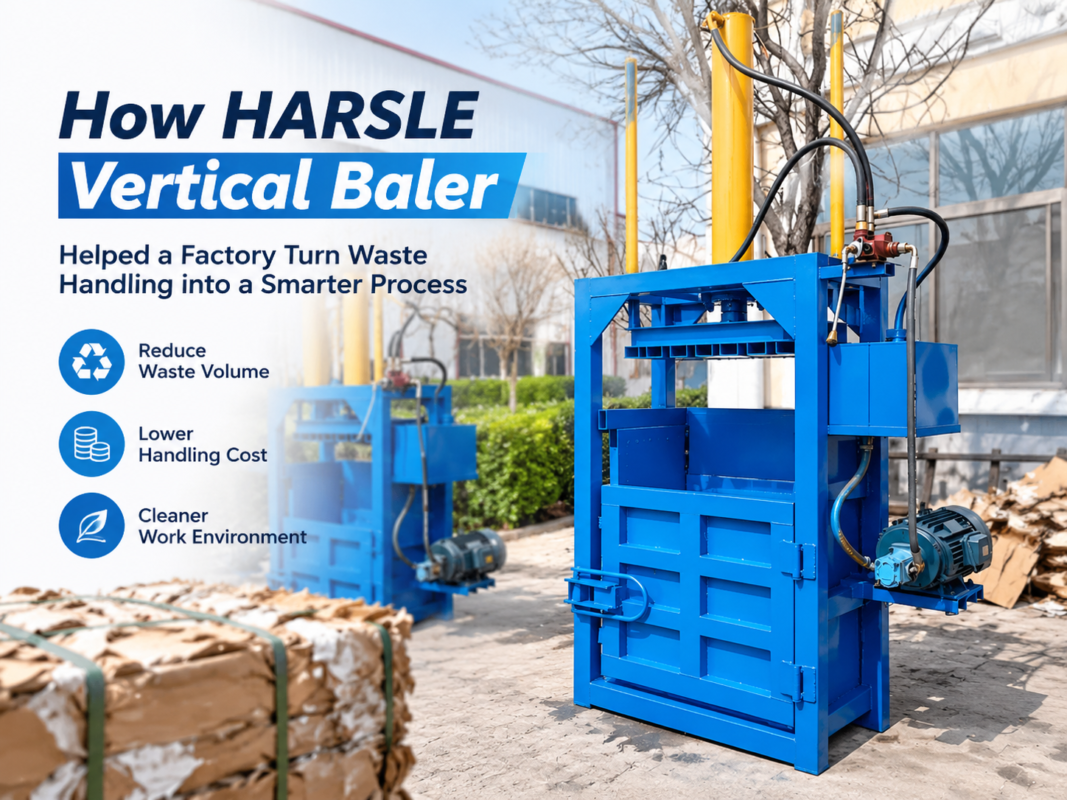
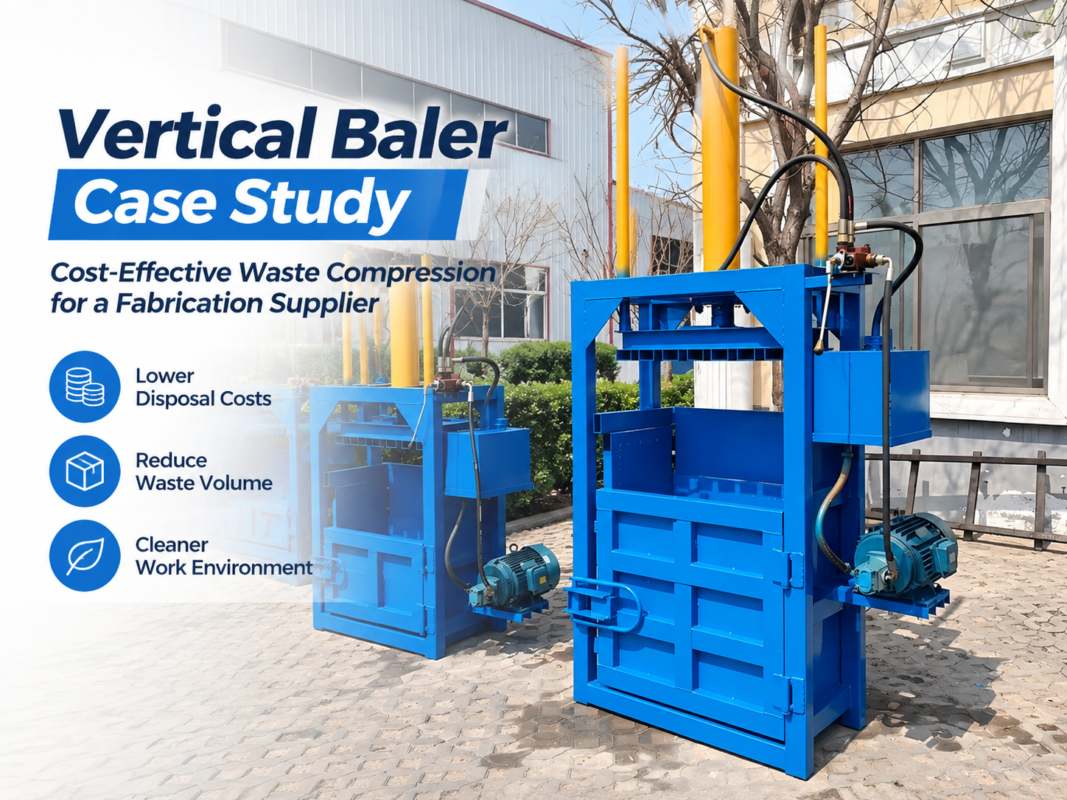
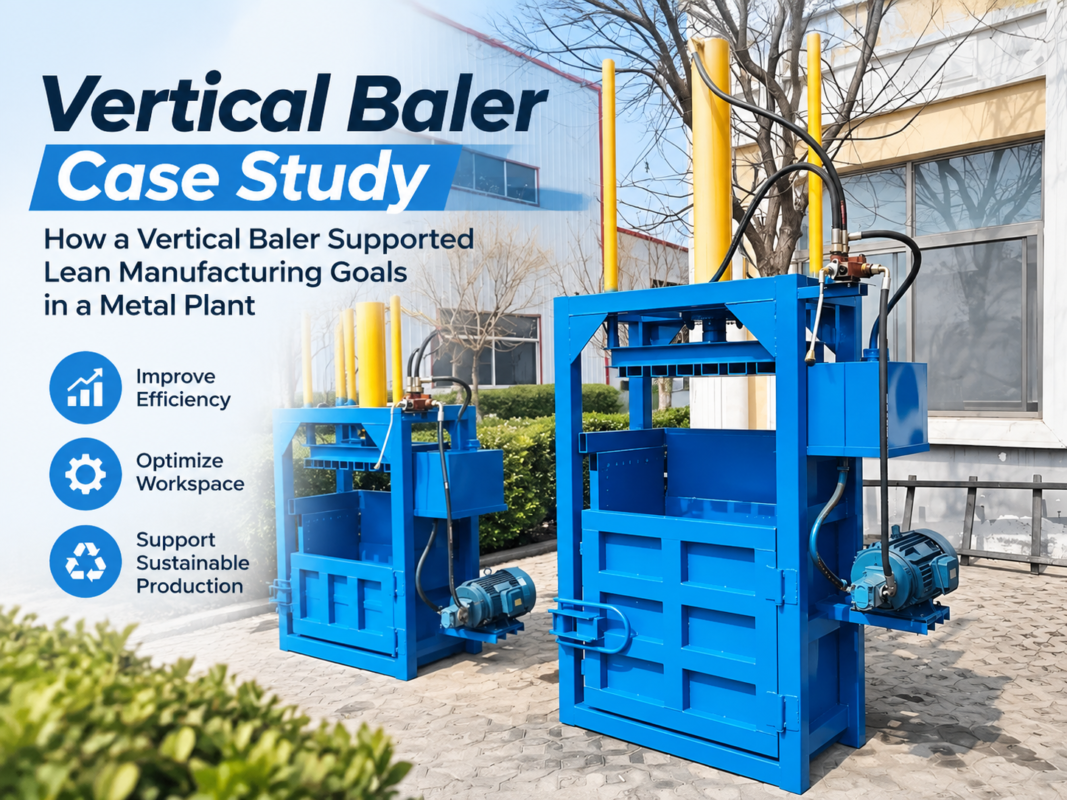
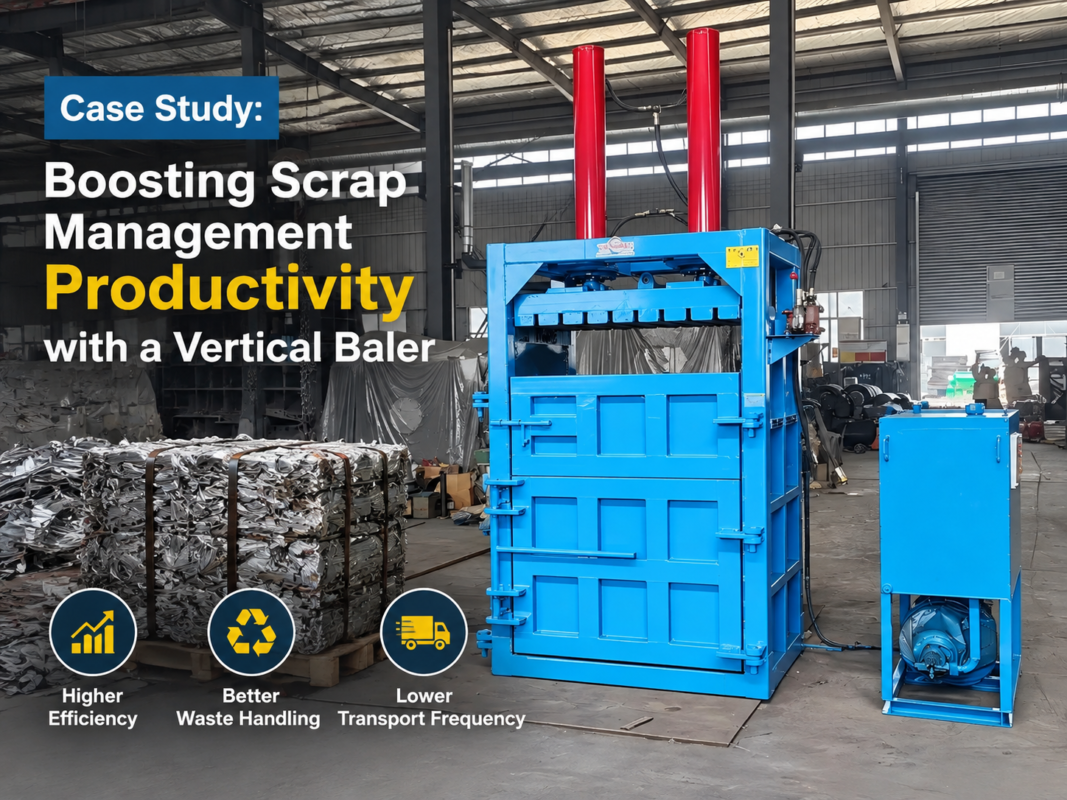
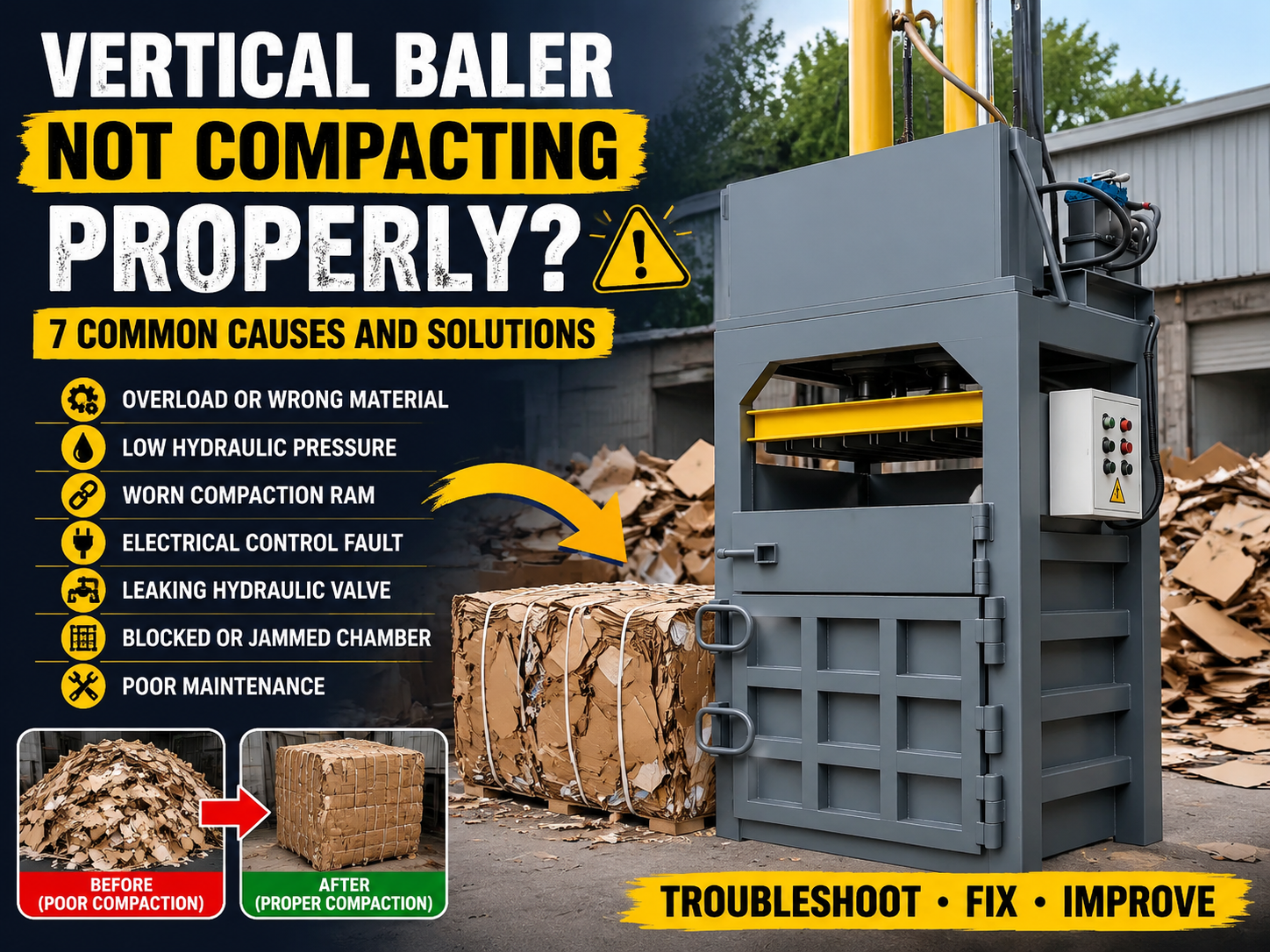
Vertical Baler Not Compacting Properly? 7 Common Causes and Solutions

Introduction to Vertical Baler Performance
In the fast-paced world of metal fabrication and waste management, the vertical baler stands as a cornerstone of operational efficiency. When your equipment functions correctly, it transforms bulky scrap into manageable, high-density bales, significantly reducing disposal costs and maximizing recycling revenue. However, when you find your vertical baler not compacting properly, it can bring your entire production line to a grinding halt, leading to safety hazards and logistical bottlenecks.
Understanding the nuances of your machinery is essential for any facility manager or maintenance technician. A vertical baler is a sophisticated piece of industrial machinery that relies on precise hydraulic pressure, structural integrity, and electrical synchronization. When these components fall out of alignment, the compaction force diminishes, resulting in loose, unstable, or undersized bales that are difficult to transport and store.
This comprehensive guide explores the seven most common reasons why your vertical baler may be underperforming. By identifying these issues early, you can implement proactive maintenance strategies that extend the lifespan of your HARSLE equipment and ensure consistent throughput. Whether you are dealing with pressure loss or mechanical obstructions, this guide provides the technical insights needed to restore your baler to peak performance.
Key Considerations for Baler Efficiency
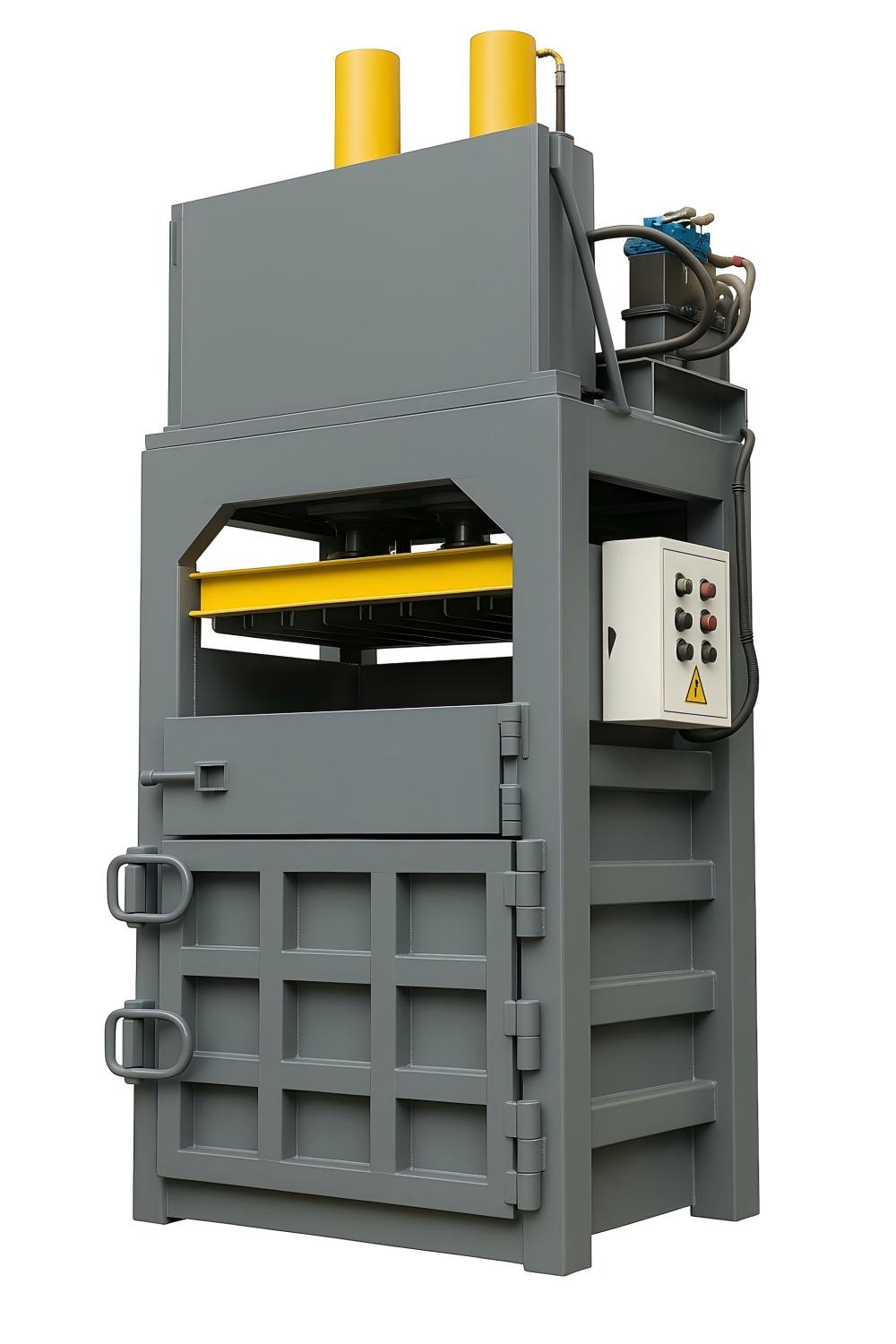
Before diving into specific mechanical failures, it is important to consider the environmental and operational factors that influence baler performance. Many issues that appear to be mechanical failures are actually symptoms of improper material loading or environmental stressors. For instance, overloading the chamber with materials that exceed the machine’s rated capacity can cause structural stress and hydraulic strain, leading to premature wear.
Material consistency is another critical factor. Vertical balers are designed to handle specific types of waste, such as cardboard, plastic, or light-gauge metal scrap. If your facility begins processing materials that are denser or more abrasive than what the machine was originally specified for, the compaction force will naturally decrease. Always verify that your input materials align with the manufacturer’s specifications to avoid unnecessary strain on the ram and hydraulic cylinders.
Environmental conditions also play a significant role in hydraulic performance. Extreme temperature fluctuations can alter the viscosity of the hydraulic fluid, which in turn affects the speed and force of the ram. In colder climates, hydraulic oil can thicken, leading to sluggish operation. Conversely, in high-heat environments, the fluid may break down, losing its lubricating properties and causing the pump to work harder than necessary to achieve the same compaction results.
Finally, operator training is the first line of defense against performance degradation. Operators who understand the cycle times, safety protocols, and loading limits of the HARSLE vertical baler are far less likely to cause accidental damage. Regular training sessions ensure that the team knows how to identify the early warning signs of a failing system, such as unusual noises, slower cycle times, or inconsistent bale shapes, allowing for intervention before a total breakdown occurs.
7 Common Causes and Solutions for Compaction Issues
1. Hydraulic Fluid Contamination or Low Levels
The hydraulic system is the heart of your vertical baler. If the fluid level is low, the pump will draw in air, leading to cavitation, which significantly reduces the pressure applied to the bale. Furthermore, if the fluid is contaminated with debris or water, it can damage the internal seals of the hydraulic cylinder, causing internal leakage that prevents the ram from reaching full force.
Solution: Regularly check the hydraulic reservoir levels and inspect the fluid for signs of discoloration or a burnt smell. Replace the hydraulic oil and filters according to the manufacturer’s maintenance schedule. If you suspect air in the system, perform a bleed procedure to ensure the hydraulic lines are fully primed and free of air pockets.
2. Worn Hydraulic Pump
Over time, the hydraulic pump will naturally experience wear. As the internal components of the pump degrade, it loses its ability to maintain the high pressure required for effective compaction. This often manifests as a baler that runs but fails to compress the material into a tight, dense bale, regardless of how long the cycle runs.
Solution: Use a pressure gauge to test the system pressure against the manufacturer’s specifications. If the pressure is consistently below the required threshold even when the pump is running, it is likely time to rebuild or replace the hydraulic pump. Consult with HARSLE technical support to ensure you select a replacement pump that matches your machine’s flow and pressure requirements.
3. Damaged or Leaking Hydraulic Cylinders
The cylinder is responsible for converting hydraulic pressure into mechanical force. If the internal seals are worn or the cylinder wall is scored, hydraulic fluid will bypass the piston, resulting in a loss of force. This is a common cause of “soft” bales that expand once the ram retracts.
Solution: Inspect the cylinder for external leaks, but also be aware of internal bypass issues. If the ram drifts downward when the machine is idle, it is a strong indicator of internal seal failure. Replacing the seal kit is often a cost-effective solution, but if the cylinder wall is damaged, a full cylinder replacement may be necessary.
4. Obstructions in the Compaction Chamber
Sometimes the issue is not with the hydraulics, but with the physical chamber. Debris, hardened residue, or bent guide rails can prevent the ram from traveling its full stroke. If the ram cannot reach the bottom of the chamber, it cannot apply the necessary pressure to the material at the base of the bale.
Solution: Perform a thorough inspection of the chamber interior. Remove any material buildup that may be preventing the ram from completing its full cycle. Check the guide rails for alignment issues or physical damage that might be causing the ram to bind during its descent.
5. Electrical Sensor or Limit Switch Malfunction
Modern vertical balers rely on sensors to determine when the ram has reached the end of its stroke. If a limit switch is faulty or misaligned, the machine may signal that the cycle is complete before the ram has actually finished compacting the material. This results in incomplete cycles and loose bales.
Solution: Test the limit switches and proximity sensors to ensure they are triggering at the correct positions. Clean any dust or debris from the sensors, as this can cause false readings. If a switch is damaged, replace it immediately to restore accurate cycle control.
6. Incorrect Pressure Relief Valve Settings
The pressure relief valve is a safety component designed to prevent the system from exceeding its maximum pressure rating. If this valve is set too low, it will open prematurely, dumping hydraulic fluid back into the reservoir and preventing the baler from reaching the pressure needed for a dense bale.
Solution: Verify the pressure relief valve setting using a calibrated pressure gauge. Adjust the valve according to the HARSLE technical manual. Note that this should only be performed by a qualified technician, as incorrect settings can lead to catastrophic failure of the hydraulic system or structural damage to the baler.
7. Structural Fatigue and Frame Misalignment
If the baler frame has been subjected to years of heavy use or accidental impact, it may have developed structural fatigue. A misaligned frame can cause the ram to tilt or bind, preventing it from applying even pressure across the entire surface of the material. This results in lopsided or unstable bales.
Solution: Inspect the structural integrity of the baler frame, paying close attention to the welds and the ram guides. If you detect significant misalignment, you may need to consult with a professional fabricator to reinforce the structure. Regular preventative maintenance, such as tightening bolts and checking for stress fractures, can prevent these issues from developing.
Technical Details and Maintenance Best Practices
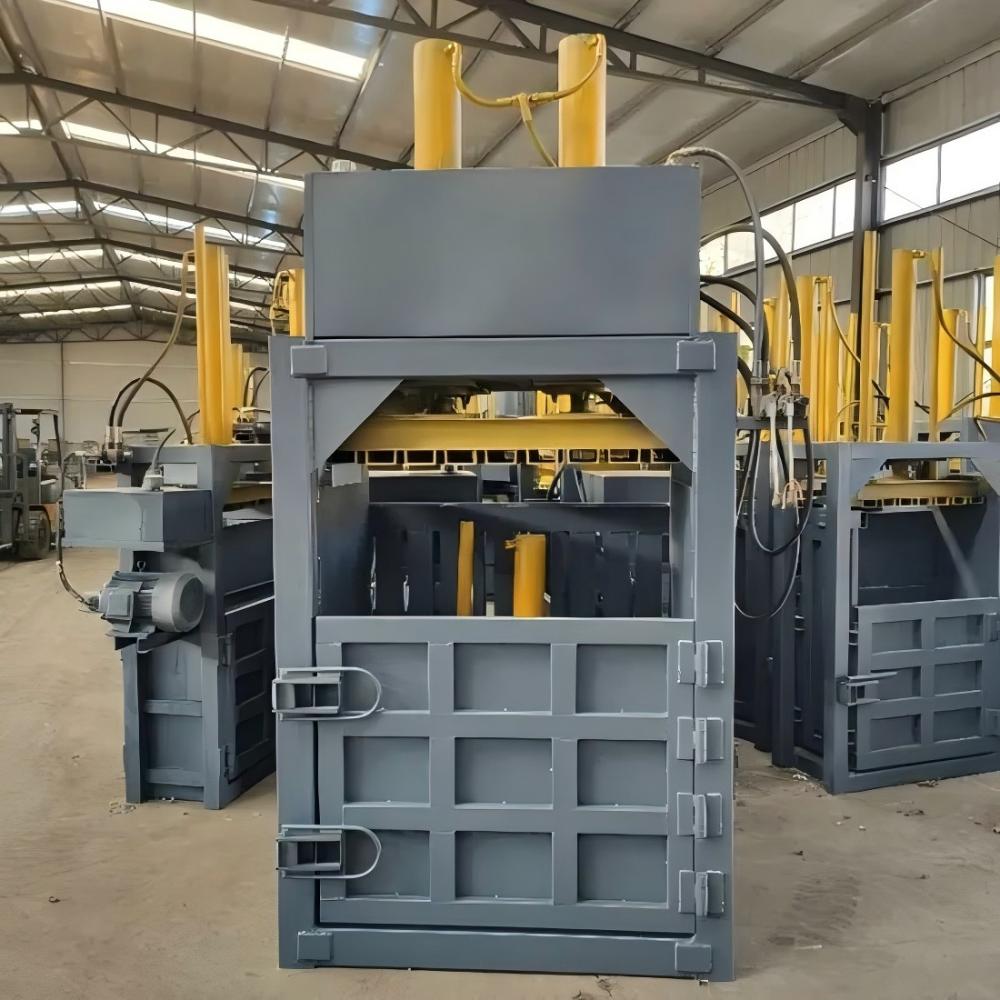
Maintaining a vertical baler requires a systematic approach. Beyond the seven common causes listed above, there are broader maintenance strategies that every facility should adopt. First, establish a daily inspection checklist. This should include checking for hydraulic leaks, ensuring the safety gate interlocks are functioning, and clearing the chamber of any loose debris. A clean machine is a functional machine; dust and scrap accumulation can lead to overheating and mechanical interference.
Second, prioritize the quality of your hydraulic fluid. Using the wrong grade of oil or failing to change it at recommended intervals is the fastest way to destroy a hydraulic system. Ensure that your maintenance team uses the specific viscosity recommended by HARSLE. Additionally, keep the hydraulic reservoir sealed to prevent moisture and contaminants from entering the system, as these are the primary enemies of hydraulic longevity.
Third, monitor the cycle times. If you notice that the baler is taking longer to complete a cycle than it did when it was new, it is a sign that the system is struggling. This could be due to a failing pump, a clogged filter, or an electrical issue. By tracking these metrics, you can schedule repairs during planned downtime rather than dealing with an emergency breakdown during peak production hours.
Finally, keep a detailed maintenance log. Documenting every repair, fluid change, and part replacement provides valuable data that can help you predict when components are likely to fail. This proactive approach allows you to order parts in advance and minimize the impact on your operations. When you treat your baler as a critical asset rather than just a piece of waste equipment, you will see a significant improvement in both performance and ROI.
Selection Advice for New Equipment
When the cost of repairing an aging baler exceeds the value of the machine, it is time to consider an upgrade. Selecting the right vertical baler involves more than just looking at the price tag. You must evaluate your throughput requirements, the type of material you are processing, and the space constraints of your facility. A HARSLE representative can help you assess these factors to ensure you choose a model that provides the necessary compaction force for your specific needs.
Consider the bale size and weight requirements of your recycling partner. If you are producing bales that are too light, you are essentially paying to ship air. Conversely, if your bales are too heavy for your material handling equipment, you create a safety risk. Choose a baler that produces a bale size compatible with your existing logistics and storage infrastructure.
Look for features that enhance safety and ease of use. Modern vertical balers come with a variety of automated features, such as automatic bale ejection, programmable logic controllers (PLCs), and enhanced safety interlocks. These features not only improve productivity but also reduce the risk of workplace injuries, which is a critical consideration for any industrial facility.
Finally, consider the long-term support provided by the manufacturer. A baler is a long-term investment, and you need a partner who can provide spare parts, technical support, and expert advice throughout the life of the machine. HARSLE is committed to providing comprehensive support for all our equipment, ensuring that your investment continues to deliver value for years to come.
Frequently Asked Questions (FAQ)
Why is my baler making a loud whining noise?
A loud whining noise is typically a sign of hydraulic pump cavitation, often caused by low fluid levels, a clogged suction filter, or air in the system. Check your fluid levels and filters immediately to prevent permanent pump damage.
How often should I change the hydraulic oil?
Generally, hydraulic oil should be changed every 1,000 to 2,000 operating hours, or once a year, depending on the intensity of use and environmental conditions. Always refer to your specific HARSLE manual for the recommended interval.
Can I use a different type of hydraulic fluid?
No, you should only use the hydraulic fluid grade specified by the manufacturer. Using the wrong viscosity can lead to poor performance, overheating, and damage to the hydraulic seals and pump.
What should I do if the ram gets stuck?
If the ram is stuck, first ensure the machine is powered off and locked out. Inspect the chamber for physical obstructions. Do not attempt to force the ram down while the machine is powered. If the issue persists, contact a qualified technician.
How do I know if my baler is overloaded?
Signs of overloading include the motor struggling or stalling, the baler making unusual noises, or the ram failing to reach the bottom of the chamber. Always adhere to the maximum bale weight and material capacity specified for your model.
Conclusion
A vertical baler is an essential component of an efficient waste management strategy, but it requires diligent care to maintain its performance. By understanding the seven common causes of compaction issues—ranging from hydraulic fluid problems to structural fatigue—you can take control of your equipment’s health. Regular maintenance, proper operator training, and timely repairs are the keys to avoiding the frustration of a vertical baler not compacting properly.
At HARSLE, we are dedicated to providing the high-quality machinery and technical support you need to keep your operations running smoothly. Whether you are troubleshooting an existing unit or looking to invest in a new, more efficient model, our team is here to assist you. Remember that a well-maintained baler is not just a tool; it is a vital asset that contributes to the sustainability and profitability of your metal fabrication business.
If you find that your equipment is consistently underperforming despite your best efforts, do not hesitate to reach out to our technical support team. We can help you diagnose complex issues and provide the parts or expertise required to get your production back on track. Invest in your equipment today, and enjoy the peace of mind that comes with reliable, high-performance baling solutions.