Why Is My Vertical Baler Making Noise? Diagnostic Tips and Repairs

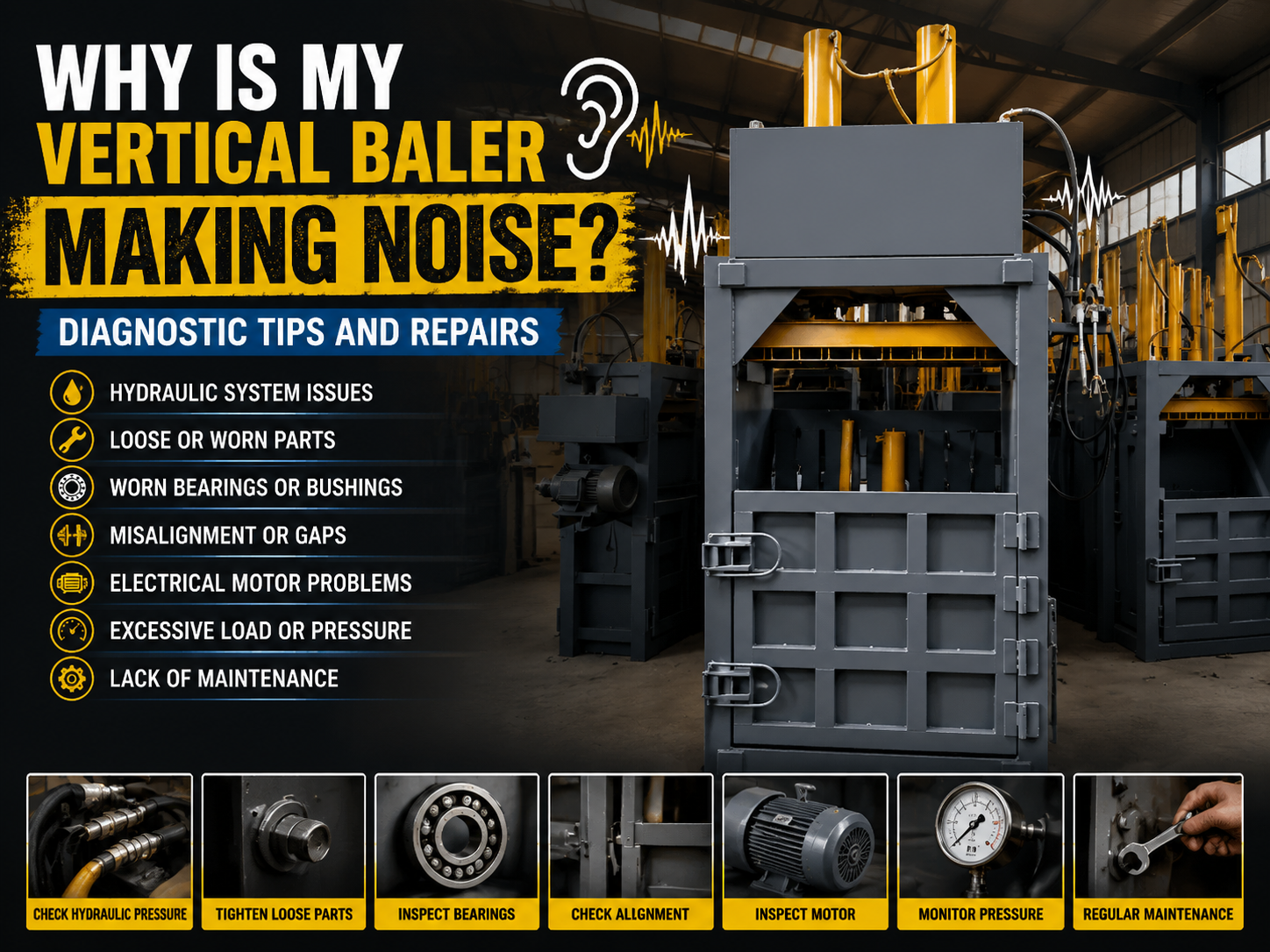
Introduction: Understanding Your Vertical Baler’s Health
In the fast-paced environment of metal fabrication and industrial waste management, a vertical baler is the backbone of your recycling operations. However, when you ask yourself, “Is my vertical baler making noise? Diagnostic tips repairs are needed immediately,” it is a clear signal that your equipment is deviating from its optimal performance state. Industrial machinery is designed to operate within specific acoustic parameters; any deviation—whether it is a high-pitched whine, a rhythmic thumping, or a grinding metallic screech—indicates an underlying mechanical or hydraulic issue that requires professional attention.
At HARSLE, we emphasize that noise is often the first symptom of a larger, more expensive failure. Ignoring these auditory warnings can lead to catastrophic equipment downtime, safety hazards for your operators, and costly repairs that could have been avoided with proactive maintenance. This guide is designed to help facility managers and maintenance technicians identify the root causes of abnormal baler noise and implement effective repair strategies.
Understanding the anatomy of your vertical baler is the first step in the diagnostic process. Most industrial balers rely on complex hydraulic systems, heavy-duty electric motors, and precision-engineered guide rails. When these components begin to wear or lose lubrication, they communicate their distress through sound. By learning to categorize these noises, you can significantly reduce the time spent troubleshooting and ensure your facility remains productive.
Whether you are operating a heavy-duty HARSLE vertical baler or another industrial model, the principles of diagnostics remain consistent. This article will walk you through the systematic approach to identifying noise sources, the technical requirements for repairs, and the best practices for long-term maintenance. Let’s dive into the mechanics of your machinery to ensure it continues to serve your business reliably.
Key Considerations: Categorizing the Noise
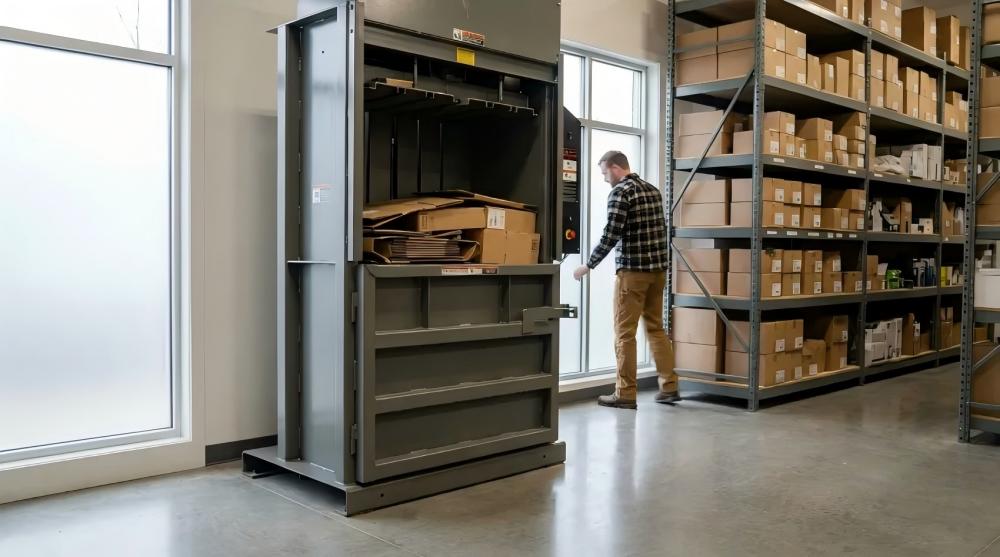
Before you reach for your toolkit, you must categorize the sound. Not all noises are created equal, and the specific frequency and timing of the sound can point directly to the culprit. Is the noise constant, or does it only occur during the compression stroke? Does it happen when the motor starts, or when the ram is retracting? These details are vital for accurate diagnostics.
High-pitched whining or screaming noises are almost exclusively related to the hydraulic system. This often points to air in the hydraulic lines, a failing hydraulic pump, or a restriction in the suction line. If the noise changes pitch as the ram moves, you are likely dealing with a pressure-related issue where the fluid is struggling to move through a constricted valve or filter.
Grinding or metallic scraping sounds are more concerning as they indicate physical contact between moving parts. This is frequently caused by worn guide shoes, misaligned ram tracks, or debris trapped within the baler chamber. If the ram is not sliding smoothly, the friction creates significant noise and can lead to permanent damage to the structural integrity of the baler’s frame.
Thumping or banging sounds are often mechanical in nature. These can be caused by loose mounting bolts, worn-out motor couplings, or even issues with the baler’s door locking mechanisms. When a baler is under load, the vibration can amplify loose components, turning a minor rattle into a loud, rhythmic thud that indicates a need for immediate tightening or part replacement.
Technical Details: Deep Dive into Diagnostic Tips
When you investigate the question, “Is my vertical baler making noise? Diagnostic tips repairs are essential,” you must perform a systematic inspection of the hydraulic power unit (HPU). Start by checking the hydraulic fluid levels and quality. Contaminated or low fluid causes the pump to cavitate, which produces a distinct, harsh grinding noise. If the fluid appears milky, it indicates water contamination, which can destroy internal pump components rapidly.
Next, examine the hydraulic hoses and fittings. Vibrations in the lines can cause them to rub against the frame, creating a rattling sound. Ensure all clamps are secure and that hoses are not kinked or restricted. If the noise is coming from the pump itself, check the suction strainer. A clogged strainer forces the pump to work harder, creating a vacuum that results in cavitation and loud, irregular noises.
The ram and guide system require regular inspection for alignment. If the ram is not perfectly vertical, it will drag against the side walls of the baler chamber. Check the guide shoes for excessive wear. If the shoes are worn down, the metal ram will make direct contact with the steel walls, producing a loud screeching sound during the compression cycle. Replacing these shoes is a standard maintenance procedure that prevents long-term damage to the ram assembly.
Electrical components can also be a source of noise. A failing motor bearing will produce a constant, low-frequency hum that increases in intensity as the motor reaches full speed. Use a stethoscope or a long screwdriver to isolate the sound. If the noise is coming from the motor housing rather than the hydraulic pump, it is time to inspect the motor bearings and the coupling that connects the motor to the pump. A misaligned coupling will cause significant vibration and noise, eventually leading to premature failure of both the motor and the pump shaft.
Selection Advice: Choosing the Right Equipment
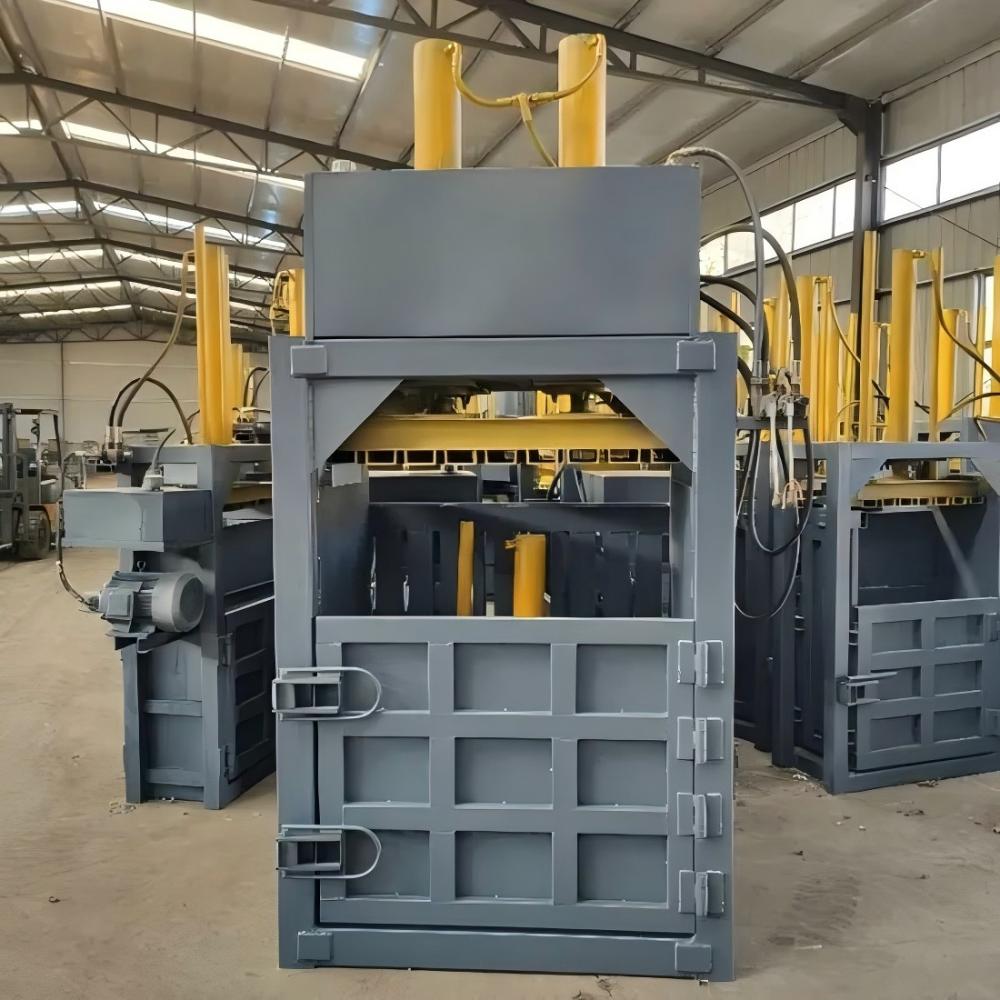
Preventing noise issues often starts at the point of purchase. When selecting a vertical baler, consider the build quality and the reputation of the manufacturer. HARSLE equipment is engineered with precision tolerances, which naturally reduces vibration and noise during operation. When evaluating potential machines, look for heavy-duty steel construction, reinforced door hinges, and high-quality hydraulic components that are rated for continuous industrial use.
Consider the noise rating of the hydraulic pump. Modern balers often feature variable displacement pumps or noise-dampening enclosures that significantly reduce the acoustic footprint of the machine. If your facility is located in a noise-sensitive area, prioritize models that include sound-deadening insulation around the power unit. This not only improves the work environment for your staff but also protects the internal components from environmental dust and debris.
Evaluate the ease of maintenance access. A machine that is difficult to service will inevitably be neglected, leading to the very noise issues you are trying to avoid. Look for balers that feature clear access panels for the hydraulic unit, easily replaceable guide shoes, and accessible grease points. A machine designed with the technician in mind will always have a longer service life and a lower total cost of ownership.
Finally, consider the capacity and duty cycle of the baler. If you are pushing a machine beyond its rated capacity, you will experience increased wear and tear, which manifests as noise. Always select a baler that exceeds your current volume requirements, allowing the machine to operate comfortably within its design limits. This “headroom” is the best insurance policy against mechanical stress and the resulting noise problems.
FAQ: Common Questions About Baler Noise
- Q: Why does my baler make a loud noise only when the door is closed?
A: This is often due to the door safety interlock or the locking mechanism vibrating against the frame. Check that the door is latching securely and that the rubber seals or bumpers are not worn out. - Q: Can low hydraulic oil cause a screeching sound?
A: Yes. Low oil levels lead to pump cavitation, which creates a high-pitched screeching or whining sound. Check your oil levels immediately and inspect for leaks. - Q: How often should I grease the guide rails?
A: Depending on usage, guide rails should be inspected and lubricated monthly. If you hear a grinding noise, check the lubrication levels immediately. - Q: Is it safe to operate a baler that is making a rhythmic thumping sound?
A: No. A rhythmic thumping usually indicates a loose component or a failing bearing. Continued operation can lead to a total mechanical breakdown. Stop the machine and inspect it before resuming work. - Q: What should I do if the noise is coming from the motor?
A: If the noise is coming from the motor, it is likely a bearing issue. Consult a qualified electrician or the manufacturer’s service manual to determine if the motor needs to be serviced or replaced.
Conclusion: Maintaining Your HARSLE Baler
Addressing the question, “Is my vertical baler making noise? Diagnostic tips repairs are needed,” is a critical part of industrial asset management. By staying vigilant and responding to auditory cues, you can extend the lifespan of your HARSLE machinery and ensure the safety of your workforce. Remember that a quiet machine is a healthy machine; regular lubrication, timely filter changes, and routine inspections of the ram and hydraulic system are the best ways to prevent noise from becoming a major repair bill.
At HARSLE, we are committed to providing not just high-quality metal fabrication equipment, but also the knowledge to keep it running at peak performance. If you find that your baler is exhibiting persistent noise issues that you cannot resolve with basic troubleshooting, do not hesitate to contact our technical support team. We are here to help you diagnose the problem and provide the parts and expertise necessary to get your operations back on track.
Ultimately, the longevity of your vertical baler depends on your commitment to proactive maintenance. By integrating these diagnostic tips into your daily or weekly operational routine, you transform your maintenance strategy from reactive to preventative. This shift not only saves money but also ensures that your facility remains a safe, efficient, and productive environment for all your recycling and fabrication needs.