Why a Recycling Baler Makes Unusual Noise and How to Identify the Fault

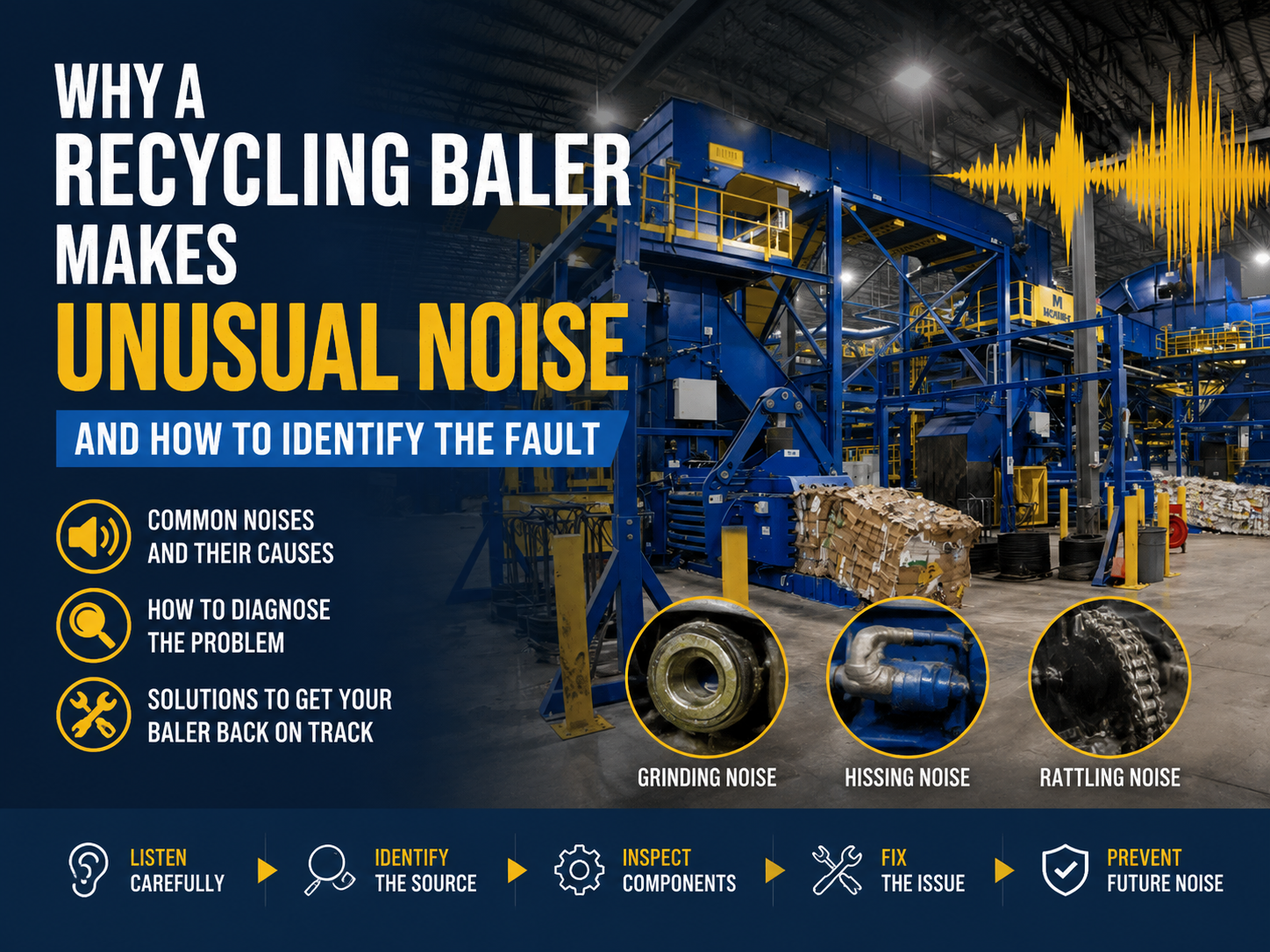
Introduction to Recycling Baler Noise Diagnostics
In the demanding world of waste management and metal fabrication, the recycling baler stands as a cornerstone of efficiency. These robust machines are designed to compress vast quantities of scrap metal, plastic, paper, and cardboard into manageable bales. However, like any heavy-duty industrial machinery, they are subject to wear and tear. One of the most common early warning signs of an impending mechanical or hydraulic failure is the emergence of strange sounds. Understanding why a recycling baler makes unusual noise and how to identify the fault is critical for maintenance teams and facility managers who wish to avoid costly downtime and ensure operator safety.
At HARSLE, we recognize that a quiet machine is often a healthy machine. While no industrial baler is completely silent, a sudden change in the acoustic profile of the equipment usually indicates an underlying issue that requires immediate attention. Ignoring these sounds can lead to catastrophic component failure, which not only halts production but can also pose significant safety risks to the workforce. This guide is designed to provide a deep dive into the technical aspects of baler noise, offering a systematic approach to identifying and rectifying faults before they escalate.
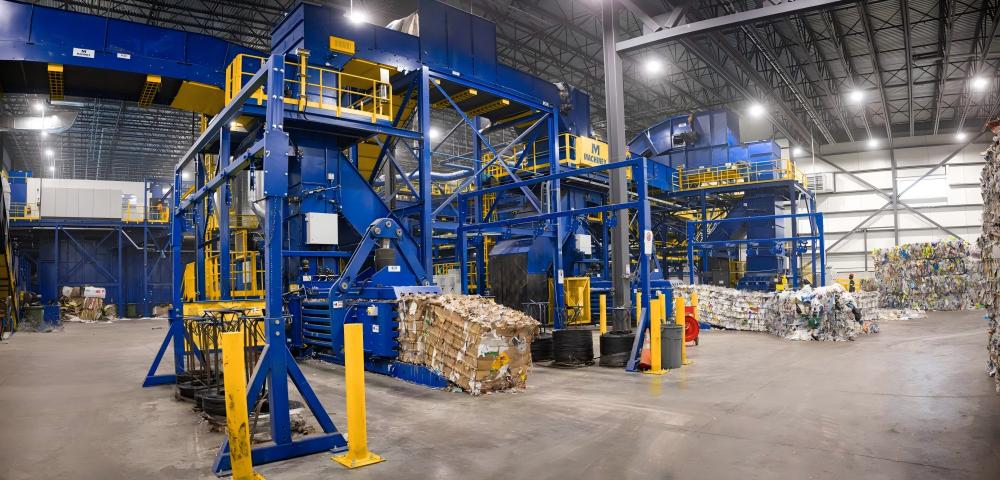
The process of troubleshooting begins with active listening. By categorizing the type of noise—whether it is a high-pitched squeal, a rhythmic thumping, or a grinding metallic sound—technicians can narrow down the potential culprits. This proactive approach to maintenance is what separates world-class recycling facilities from those plagued by frequent breakdowns. In the following sections, we will explore the key considerations, technical details, and selection advice necessary to keep your recycling baler running smoothly and quietly.
Key Considerations for Baler Noise Diagnostics
When a recycling baler makes unusual noise, the first step in identifying the fault is to consider the operational context. Is the noise occurring during the compression stroke, the retraction of the ram, or while the machine is idling? The timing of the sound provides the first major clue. For instance, noise that only occurs under high pressure often points toward the hydraulic relief valves or the pump’s internal seals. Conversely, a constant hum might suggest an electrical issue or a motor bearing reaching the end of its service life.
Another key consideration is the environment in which the baler operates. Temperature fluctuations can significantly affect the viscosity of hydraulic oil. In cold environments, oil becomes thicker, which can lead to pump cavitation—a common source of loud, rattling noises. In contrast, overheating can thin the oil too much, reducing its lubricating properties and causing mechanical components to grate against one another. Monitoring the ambient temperature and the oil temperature is therefore a fundamental part of identifying the root cause of unusual noises.
Furthermore, the type of material being processed plays a role. Processing rigid scrap metal requires significantly more force than baling cardboard. If the baler is consistently pushed to its maximum tonnage capacity, the structural frame and the hydraulic cylinders are under immense stress. Over time, this stress can lead to the loosening of mounting bolts or the misalignment of the ram. A loose bolt might seem minor, but the resulting vibration can resonate through the entire machine, creating a loud, distracting noise that masks more serious internal issues.
Finally, the history of the machine’s maintenance cannot be overlooked. A recycling baler that has missed its scheduled oil filter changes or lubrication cycles is far more likely to develop noise-related faults. Contaminated hydraulic fluid is perhaps the leading cause of noise in industrial balers. Small particles of metal or dirt can act as an abrasive, wearing down the precision-engineered surfaces of the hydraulic pump and valves. When identifying a fault, always start by reviewing the maintenance log to see if any routine tasks have been neglected.
Technical Details: Root Causes of Unusual Noises
Hydraulic System Faults: Cavitation and Aeration
The hydraulic system is the heart of the recycling baler, and it is also the most common source of unusual noise. Two of the most frequent hydraulic issues are cavitation and aeration. Cavitation occurs when the demand for oil exceeds the supply, creating a vacuum that forms vapor bubbles. When these bubbles reach the high-pressure side of the pump, they implode with incredible force, creating a sound often described as “marbles in a blender.” This is not just a noise issue; the implosions physically erode the internal components of the pump.
Aeration, on the other hand, is the introduction of air into the hydraulic fluid from an external source, such as a leak in the suction line or a low oil level in the reservoir. This results in a high-pitched whining or screaming sound. Unlike cavitation, which is localized within the pump, aeration causes the entire system to become “spongy,” leading to erratic ram movement and increased heat generation. Identifying the fault involves checking all suction-side fittings and ensuring the oil level is within the manufacturer’s specified range.
Mechanical Wear and Structural Misalignment
Mechanical noises are usually more rhythmic or percussive. If you hear a loud “clunk” at the end of a stroke, it may indicate that the ram is bottoming out or that the mechanical stops are worn. More concerning is a grinding sound during the ram’s travel. This often points to worn-out wear plates or guide rails. In a HARSLE recycling baler, the ram is guided by precision-machined surfaces. If these surfaces are not properly lubricated, or if debris gets trapped between them, the friction increases, leading to both noise and physical damage to the ram’s structure.
Structural misalignment is another technical factor. If the baler was not leveled correctly during installation, or if the foundation has shifted, the frame may twist slightly under load. This twist puts uneven pressure on the cylinders and the ram, causing them to bind. The noise produced is often a deep, groaning sound that occurs as the pressure builds. Checking the level of the machine and the integrity of the anchor bolts is a necessary step in the identification process.
Pump and Motor Issues
The interface between the electric motor and the hydraulic pump is a critical junction. Most balers use a flexible coupling to join these two components. If the coupling fails or if the motor and pump fall out of alignment, the result is a loud, vibrating noise accompanied by physical shaking of the pump assembly. Additionally, the bearings within the electric motor can fail. A failing bearing typically produces a high-pitched, constant whine that changes frequency with the motor’s speed. Using a stethoscope to isolate the sound to the motor or the pump can help in quickly identifying the fault.
| Noise Type | Potential Fault | Recommended Action |
|---|---|---|
| Marbles in a blender | Pump Cavitation | Check suction line for blockages; check oil viscosity. |
| High-pitched screaming | Aeration (Air in Oil) | Tighten suction fittings; check oil level in reservoir. |
| Rhythmic thumping | Worn Ram Guides | Inspect and lubricate wear plates; replace if necessary. |
| Loud metallic clunk | Loose Mounting Bolts | Tighten all structural and component bolts. |
| Constant electrical hum | Motor Bearing Failure | Replace motor bearings or the entire motor unit. |
Selection Advice: Investing in High-Quality Recycling Balers
When purchasing a new recycling baler, the best way to minimize future noise issues is to select a machine built with high-quality components and superior engineering. A well-designed baler, such as those manufactured by HARSLE, incorporates features that naturally dampen noise and reduce vibration. For example, look for machines with heavy-duty steel frames. A thicker frame has a higher mass, which absorbs vibrations more effectively than a lighter, thinner frame. This not only makes for a quieter workspace but also extends the life of the internal components by reducing the stress caused by vibration.
The quality of the hydraulic system is another paramount factor. High-end balers utilize pumps and valves from reputable global brands. These components are manufactured to tighter tolerances, which reduces internal leakage and the likelihood of cavitation. Furthermore, advanced hydraulic circuits often include “soft-start” or “soft-stop” features. These systems use proportional valves to gradually increase and decrease pressure, eliminating the “hydraulic shock” that causes loud banging noises when the ram starts or stops its movement.
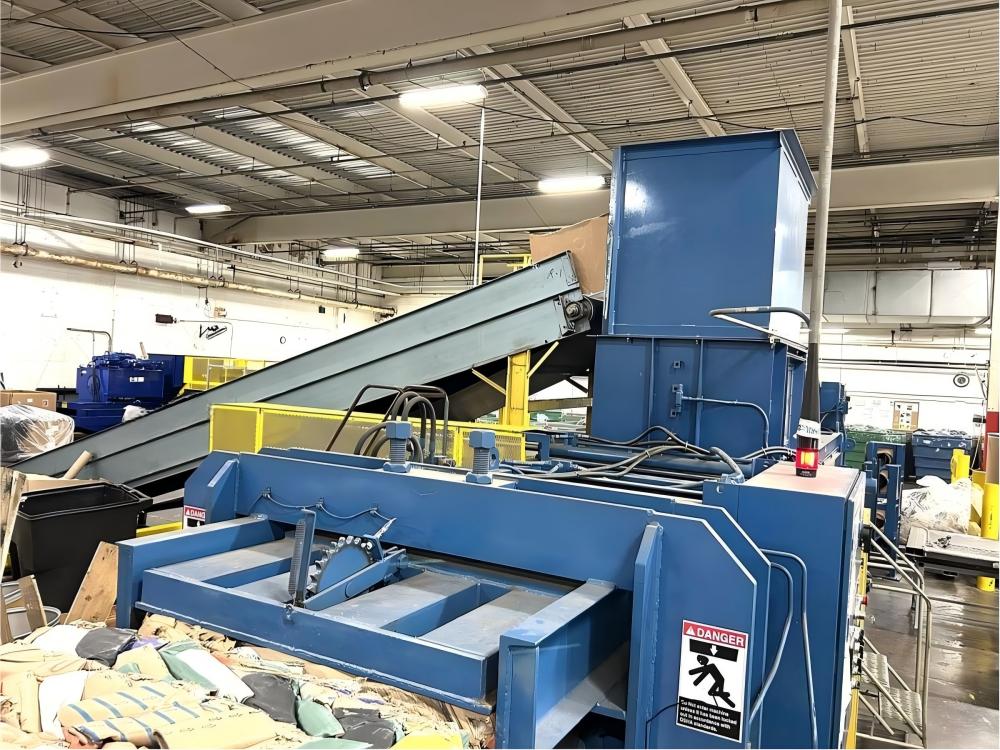
Consider the accessibility of maintenance points. A machine that is easy to maintain is more likely to be kept in good working order. When selecting a baler, ensure that the oil filters, grease points, and hydraulic reservoir are all easily accessible. If a technician has to spend two hours removing panels just to check the oil level, that task is more likely to be skipped, leading to the very noise issues we are trying to avoid. HARSLE designs its machinery with the end-user in mind, ensuring that routine maintenance is straightforward and efficient.
Finally, look for smart monitoring systems. Modern recycling balers can be equipped with sensors that monitor oil temperature, pressure levels, and even vibration patterns. These systems can alert operators to an anomaly before it becomes audible to the human ear. Investing in a machine with these diagnostic capabilities can save thousands of dollars in repair costs over the life of the equipment. When you choose a HARSLE baler, you are investing in a legacy of precision engineering and industrial expertise.
Frequently Asked Questions (FAQ)
1. Why does my baler make a loud screeching sound when I start it in the morning?
This is often due to cold hydraulic oil. When the oil is cold, its viscosity is high, making it difficult for the pump to pull the fluid from the reservoir. This creates a temporary cavitation or aeration condition. To prevent this, allow the machine to idle for several minutes to warm the oil before beginning full-pressure operations. If the noise persists, check for air leaks in the suction line.
2. Can a dull shear blade cause unusual noise?
Yes, absolutely. If your recycling baler is equipped with shear blades to cut through overhanging material, dull blades will significantly increase the noise. Instead of a clean cut, the machine will “tear” the material, requiring much higher pressure and causing the frame to vibrate. If you hear a loud, straining groan during the cutting phase, it is time to sharpen or replace the blades.
3. How often should I change the hydraulic oil to prevent noise issues?
Most manufacturers recommend changing the hydraulic oil every 2,000 to 4,000 hours of operation, or at least once a year. However, you should also perform regular oil analysis. If the oil appears cloudy (indicating water contamination) or dark and burnt (indicating overheating), it should be changed immediately. Clean oil is the best defense against pump noise and valve failure.
4. Is some vibration normal for a recycling baler?
Some vibration is expected due to the massive forces involved in compressing scrap metal. However, the vibration should not be excessive enough to loosen bolts or cause the machine to “walk” across the floor. If the vibration increases suddenly, it is a sign of an imbalance in the motor/pump coupling or a structural failure in the frame.
5. What should I do if I can’t identify the source of the noise?
If a thorough visual inspection and the steps outlined above do not reveal the fault, it is time to call in a professional technician. Using specialized tools like ultrasonic leak detectors and vibration analyzers, a HARSLE-trained technician can pinpoint the exact source of the noise without unnecessary disassembly of the machine.
Conclusion: The Importance of Proactive Noise Management
In conclusion, understanding why a recycling baler makes unusual noise and how to identify the fault is an essential skill for anyone involved in industrial waste processing. Noise is rarely just an annoyance; it is a diagnostic tool that provides a window into the internal health of your machinery. By paying close attention to the sounds your baler makes and responding quickly to any changes, you can prevent minor issues from turning into major failures. This not only protects your investment in the equipment but also ensures a safer and more productive environment for your operators.
Proactive maintenance, centered around the principles of clean oil, proper lubrication, and structural integrity, is the key to a long-lasting and quiet recycling baler. Whether you are operating a small vertical baler or a massive horizontal scrap metal press, the technical details remain the same. At HARSLE, we are committed to providing our customers with the highest quality metal fabrication machinery and the knowledge they need to keep it running at peak performance. By following the guidelines in this article, you can ensure that your recycling baler remains a reliable and quiet workhorse in your facility for years to come.
Remember, the cost of a few minutes of daily inspection and listening is negligible compared to the cost of a complete hydraulic pump failure or a cracked structural frame. Listen to your machine, understand its language, and it will serve you well. For more information on our range of recycling balers and maintenance services, feel free to contact the HARSLE technical team.