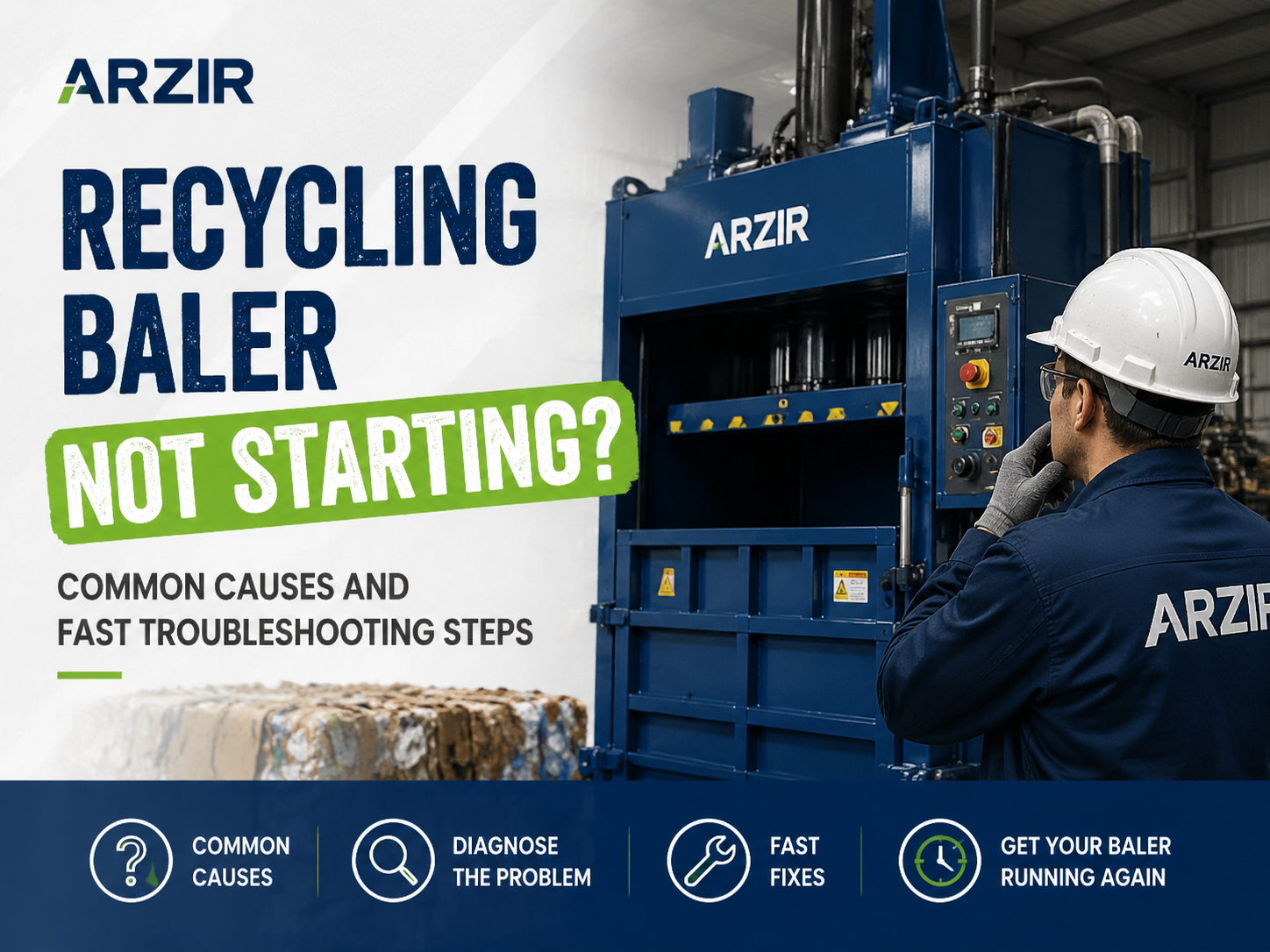
Recycling Baler Not Starting? Common Causes and Fast Troubleshooting Steps

Introduction to Recycling Baler Operational Challenges
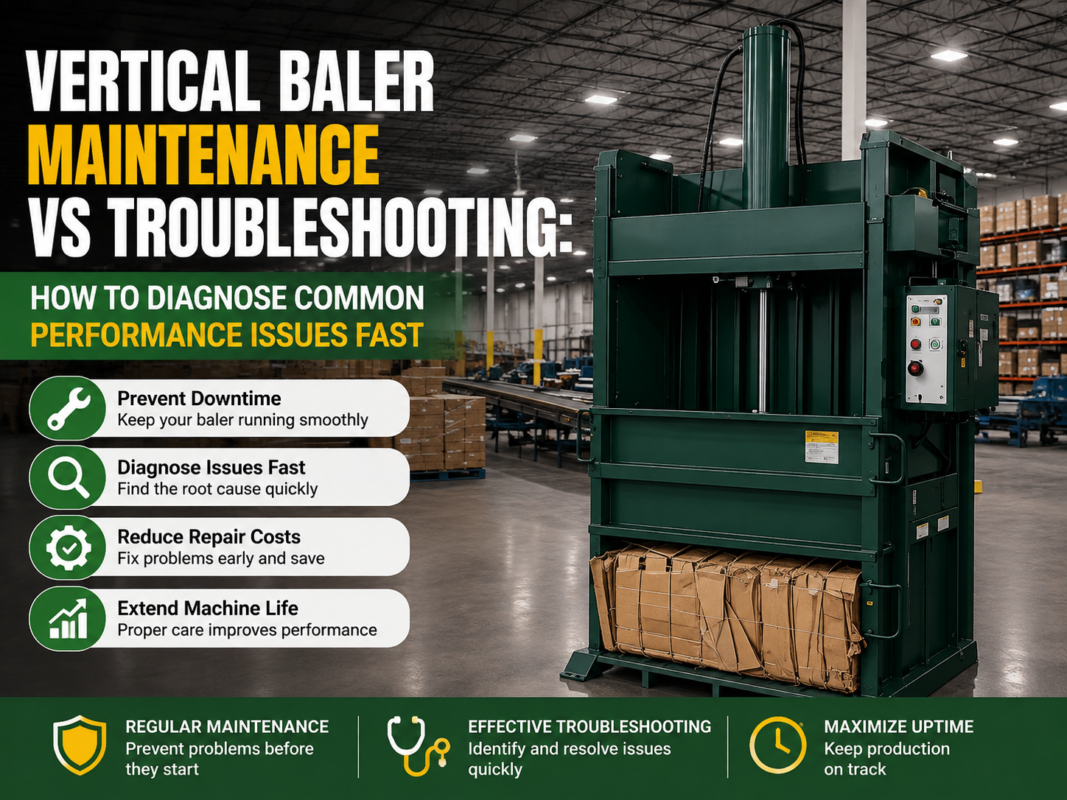
In the fast-paced world of waste management and metal fabrication, a recycling baler is the heartbeat of efficiency. Whether you are processing cardboard, plastics, or scrap metal, the sudden realization that your Recycling Baler Not Starting? Common Causes Fast Troubleshooting Steps are needed can bring your entire operation to a grinding halt. Downtime in industrial environments doesn’t just mean a delay in production; it translates directly into lost revenue, safety hazards from accumulating waste, and logistical nightmares. At HARSLE, we understand that reliability is the most critical feature of any industrial machine, which is why we design our balers to withstand rigorous use. However, even the most robust machinery requires a systematic approach to troubleshooting when issues arise.
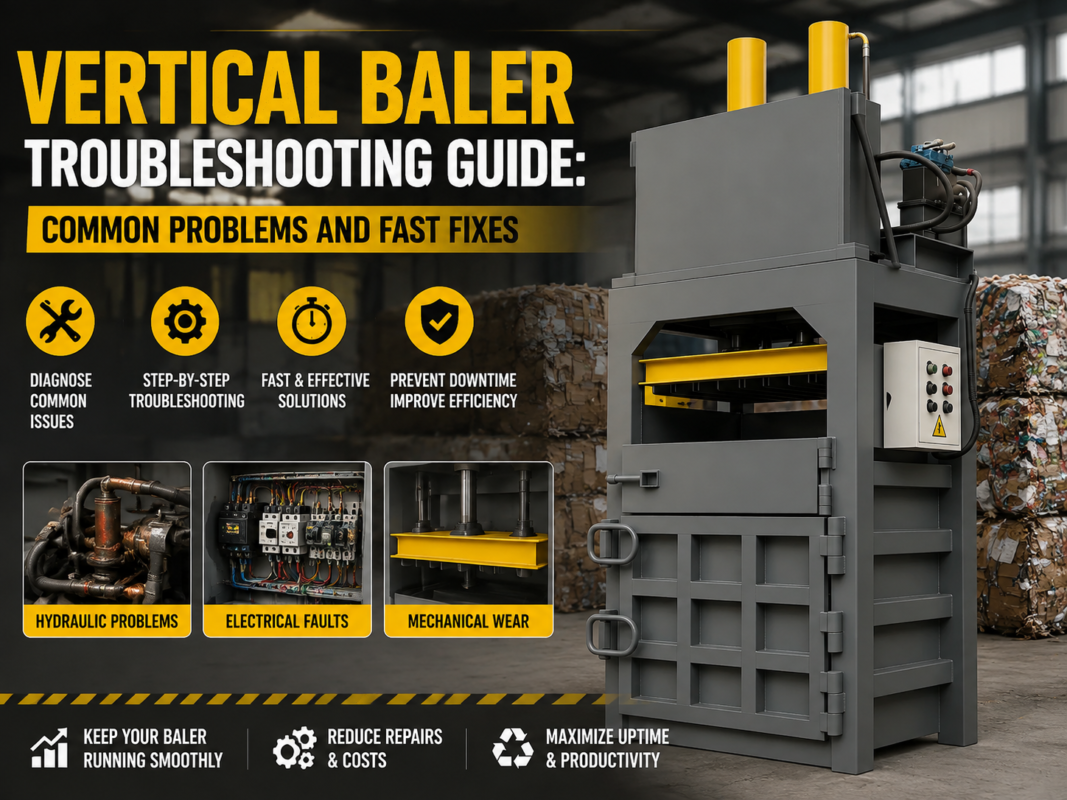
When a recycling baler fails to start, the cause can range from a simple tripped breaker to a complex failure within the hydraulic logic system. Understanding the interplay between electrical components, hydraulic pressure, and mechanical safety interlocks is essential for any operator or maintenance technician. This guide is designed to provide a deep dive into the technical reasons behind start-up failures and offer actionable steps to get your equipment back online. By following a structured diagnostic process, you can minimize downtime and ensure that your HARSLE equipment continues to deliver peak performance for years to come.
Before diving into the technicalities, it is important to recognize that modern recycling balers are sophisticated pieces of engineering. They integrate high-pressure hydraulics with sensitive electronic controls. This complexity means that troubleshooting must be handled with care, prioritizing safety above all else. In the following sections, we will explore the key considerations for safe diagnostics, the technical details of common failure points, and how to select the right machinery to avoid these headaches in the future.
Key Considerations Before Troubleshooting
Safety is the absolute priority when dealing with heavy industrial machinery. Before any inspection begins, ensure that the machine is properly locked out and tagged out (LOTO). A recycling baler exerts immense force, and accidental activation during troubleshooting can lead to catastrophic injuries. Always consult the specific HARSLE operator manual for your model, as wiring diagrams and hydraulic schematics are vital tools for accurate diagnosis. Ensure that the person performing the troubleshooting is qualified and understands the risks associated with high-voltage electricity and high-pressure hydraulics.
Another key consideration is the environment in which the baler operates. Recycling facilities are often dusty, damp, or subject to extreme temperature fluctuations. These environmental factors can lead to premature wear of electrical contacts, clogging of hydraulic filters, or the malfunction of sensitive proximity sensors. When a baler won’t start, consider if there have been recent changes in the facility, such as a power surge, a shift in ambient temperature, or a change in the type of material being processed. These external factors often provide the first clues to the underlying problem.
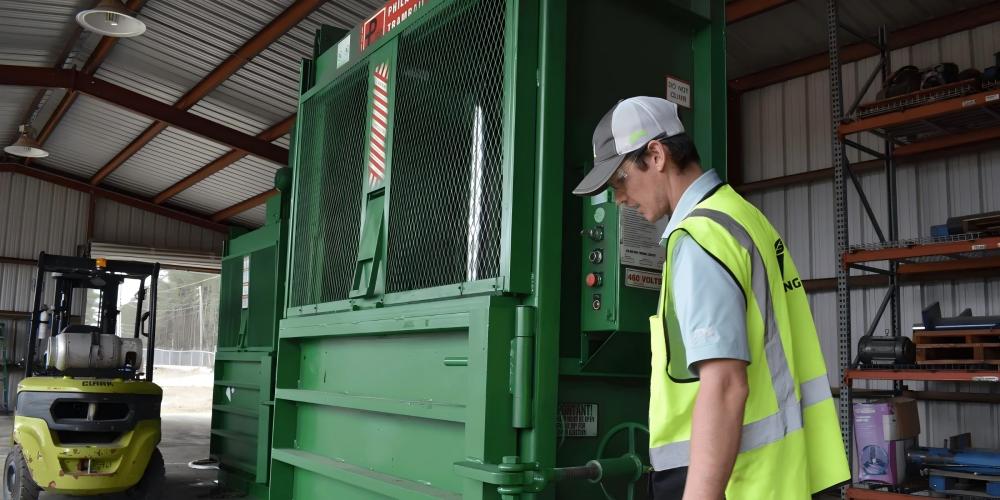
Operator training also plays a significant role in machine uptime. Often, a “non-starting” baler is simply a machine that has reached a safety limit or is waiting for a specific input that the operator has overlooked. For instance, if an emergency stop button was pressed during a previous shift and not reset, the machine will appear dead. Training staff to perform a “pre-flight” check—verifying gates are closed, E-stops are out, and oil levels are sufficient—can resolve a large percentage of reported issues without the need for a technician.
Technical Details: Why Your Baler Isn’t Starting
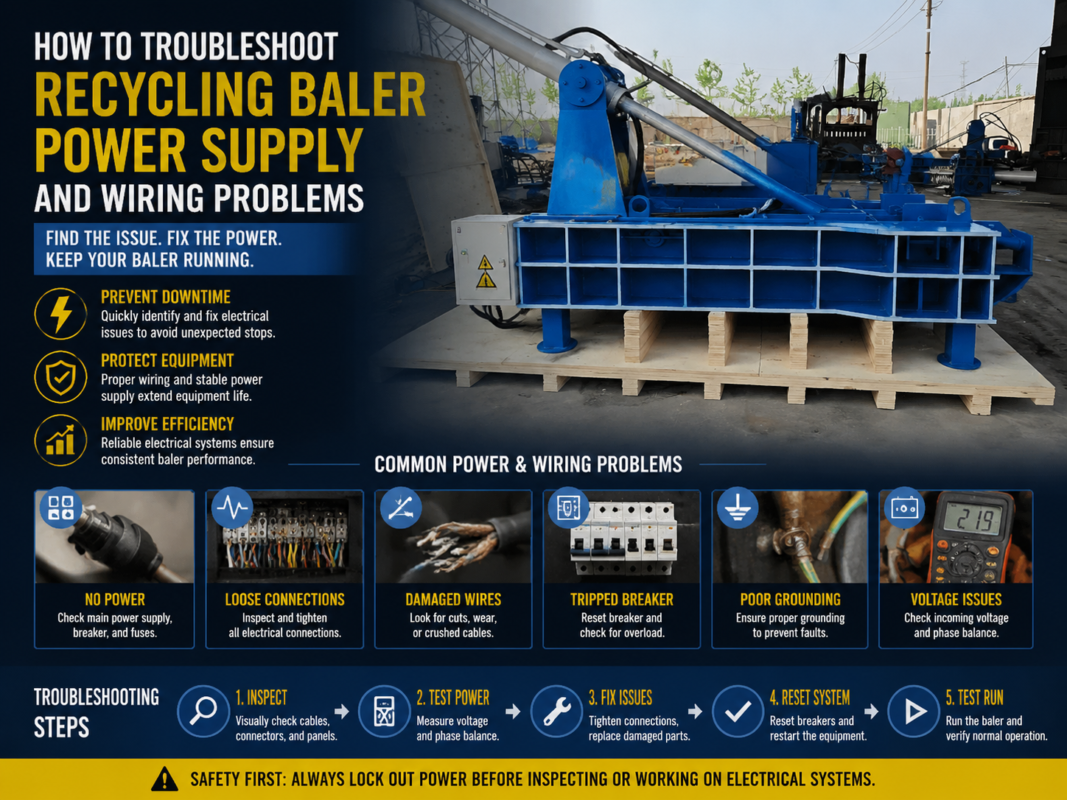
1. Electrical System Failures
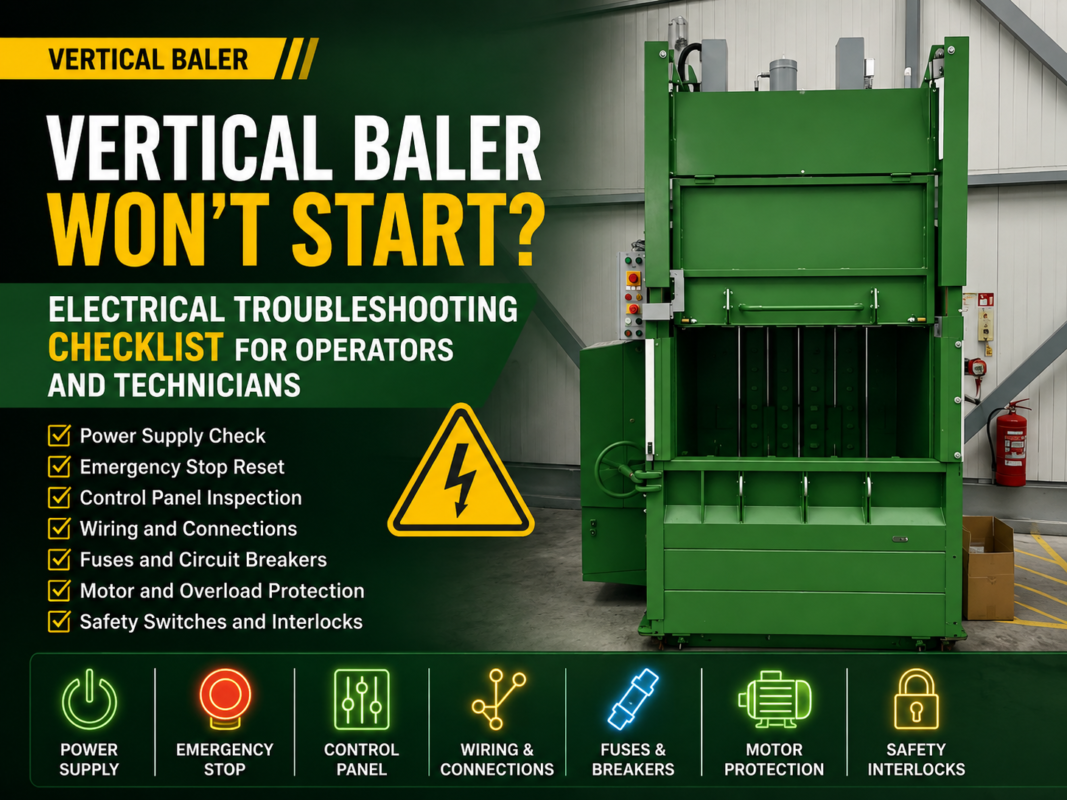
The electrical system is the most common culprit when a recycling baler fails to initiate. This begins at the primary power source. Industrial balers typically require three-phase power. If one phase is lost (a condition known as single-phasing), the motor may hum but fail to start, or the control circuit may not energize at all. Check the main circuit breaker and the fuses inside the control cabinet. A blown fuse is often a symptom of a deeper issue, such as a short circuit or a motor overload, so simply replacing the fuse without investigation may lead to a repeat failure.
Inside the control panel, the motor starter and contactors are critical. Over time, the contacts can become pitted or carbonized, preventing electricity from reaching the motor. Additionally, the thermal overload relay may have tripped. This device protects the motor from overheating by breaking the circuit if the current draw exceeds a safe limit. If the relay has tripped, it must be manually reset, but you must also determine why the motor was drawing excessive current—perhaps the hydraulic pump is binding, or the material in the chamber is too dense.
2. Safety Interlocks and Sensors
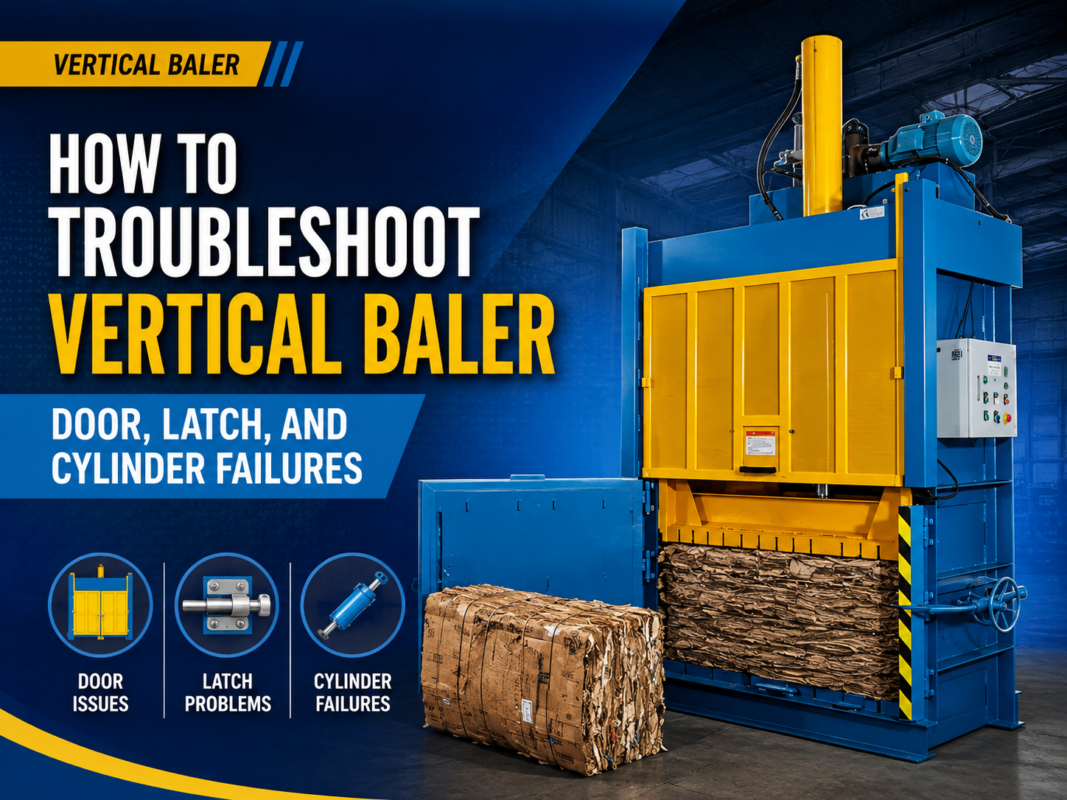
Modern recycling balers are equipped with a network of safety sensors designed to prevent operation unless all conditions are safe. The most common are limit switches or proximity sensors on the loading gates and discharge doors. If a gate is not fully closed, or if a sensor has vibrated out of alignment, the PLC (Programmable Logic Controller) will not allow the start sequence to begin. These sensors are often exposed to debris; a small piece of cardboard or metal shard blocking a sensor can be enough to disable the entire machine.
The Emergency Stop (E-Stop) circuit is another frequent point of failure. E-stops are typically wired in a “normally closed” configuration, meaning the circuit must be complete for the machine to run. If any E-stop button in the facility is depressed, or if there is a break in the E-stop wiring, the baler will remain unresponsive. Troubleshooting this involves checking the continuity of the E-stop string. Furthermore, some balers feature “bale full” sensors. If the machine logic believes the chamber is full, it may prevent a new cycle from starting until the existing bale is ejected.
3. Hydraulic System Obstructions
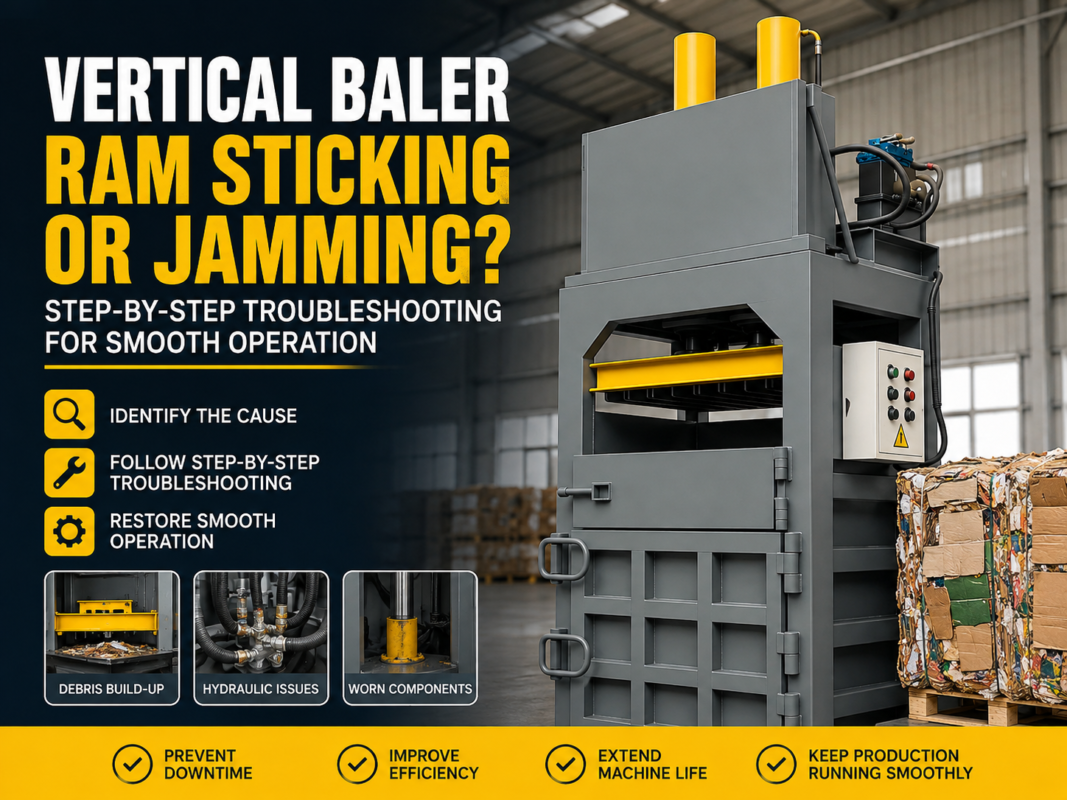
While the motor provides the power, the hydraulic system provides the force. If the motor starts but the ram doesn’t move, the issue is hydraulic. However, if the motor fails to start entirely, it could be due to a high-pressure switch. Some systems are designed to prevent the motor from starting if there is residual pressure in the lines, which could cause a massive current spike. This is often caused by a faulty solenoid valve that has failed to shift to the neutral position, trapping pressure in the cylinder.
Oil level and temperature are also monitored by the PLC. If the hydraulic oil level is too low, a float switch will prevent the pump from engaging to avoid cavitation and pump damage. Similarly, if the oil is too hot (often due to continuous cycling in a hot environment), a temperature switch will shut down the system. Check the sight glass on the hydraulic reservoir and ensure the oil is within the recommended operating range. Contaminated oil can also lead to the sticking of directional control valves, which may send a signal back to the controller that the machine is not ready to start.
4. PLC and Control Logic Issues
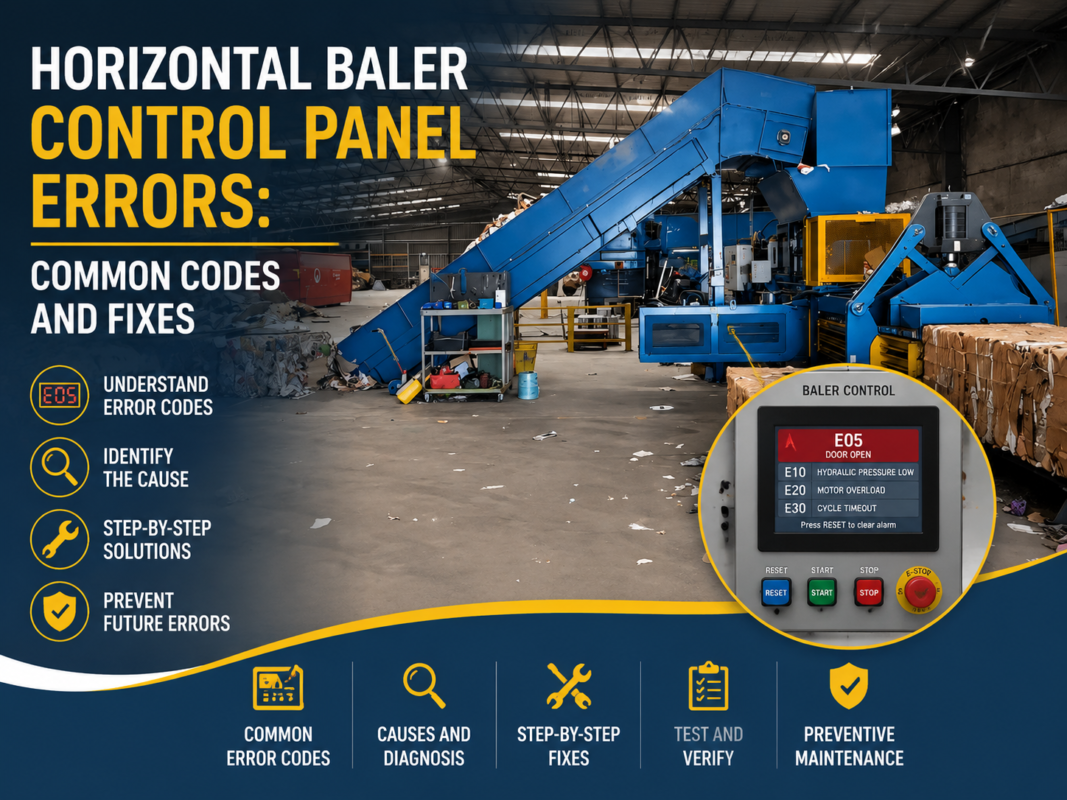
The PLC is the brain of the recycling baler. It receives inputs from sensors and buttons and sends outputs to contactors and valves. If the PLC has lost its program (rare but possible due to battery failure) or if it has entered an error state, the machine will not start. Look for error codes on the HMI (Human Machine Interface) screen. Modern HARSLE balers provide descriptive error messages that point directly to the fault, such as “Gate Open” or “Motor Overload.” If the PLC shows no lights at all, check the 24V DC power supply, as this powers the control logic.
Selection Advice: Choosing a Reliable Recycling Baler
Preventing start-up issues begins with the selection of high-quality machinery. When investing in a recycling baler, look for brands like HARSLE that prioritize component quality. A baler is only as reliable as its weakest link. Ensure that the electrical components (contactors, relays, PLCs) are from reputable global brands like Schneider, Siemens, or ABB. These components are not only more durable but also easier to source if a replacement is ever needed. Using generic or sub-par electrical parts is a leading cause of intermittent starting issues in cheaper machinery.
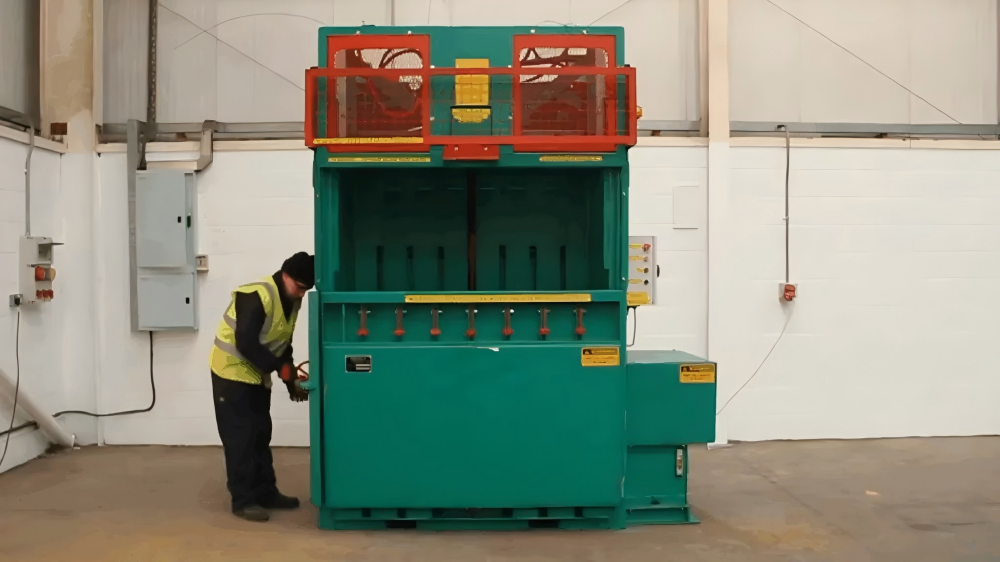
The design of the hydraulic manifold is another critical factor. A well-designed manifold reduces the number of hoses and fittings, which in turn reduces the potential for leaks and pressure drops. Look for balers that feature integrated cooling systems if you plan on high-volume, multi-shift operations. Overheating is a major cause of system shutdowns, and a machine with an oversized oil reservoir and an efficient heat exchanger will experience significantly less downtime. Additionally, consider the accessibility of the sensors and limit switches; they should be protected from debris but easy to reach for cleaning and adjustment.
Finally, evaluate the manufacturer’s support and documentation. A reliable baler should come with a comprehensive manual that includes detailed troubleshooting trees, wiring diagrams, and a parts list. At HARSLE, we provide our customers with extensive technical support to ensure that if a Recycling Baler Not Starting? Common Causes Fast Troubleshooting Steps situation occurs, they have the resources to fix it quickly. Choosing a partner who understands the technical nuances of metal fabrication and waste processing is just as important as the machine itself.
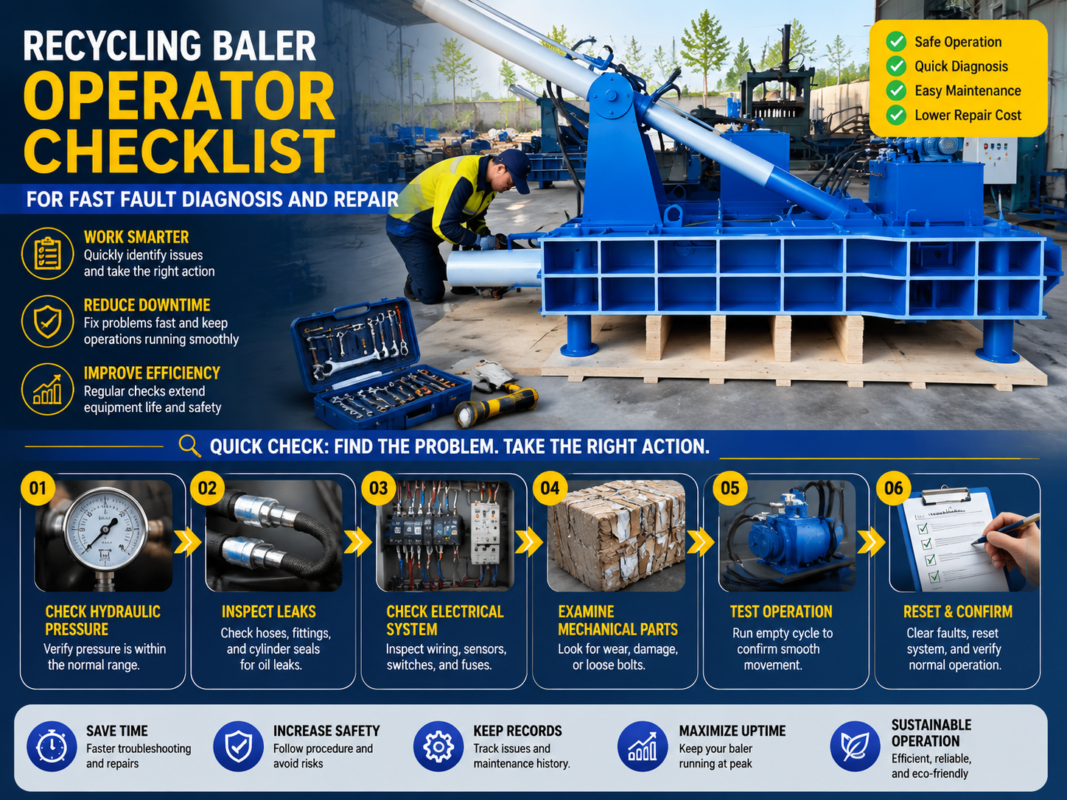
Detailed Troubleshooting Checklist
| Component | Checklist Item | Action if Faulty |
|---|---|---|
| Power Supply | Check all three phases of incoming voltage. | Contact an electrician to restore phase balance. |
| Emergency Stops | Ensure all E-stop buttons are pulled out/reset. | Reset buttons and check for wiring continuity. |
| Safety Gates | Verify gates are fully closed and latched. | Adjust limit switches or clear debris from tracks. |
| Control Fuses | Inspect fuses in the control cabinet. | Replace with identical rating; investigate cause of blow. |
| Oil Level | Check hydraulic fluid level in the reservoir. | Top up with recommended hydraulic oil (e.g., ISO 46). |
| Motor Overload | Check if the thermal overload relay has tripped. | Reset relay; check for mechanical binding in the pump. |
| PLC Status | Check for error lights or HMI messages. | Follow HMI prompts or cycle control power. |
Frequently Asked Questions (FAQ)
Q1: Why does my baler motor hum but not start?
A humming motor usually indicates that it is receiving power but cannot rotate. This is often caused by “single-phasing” (losing one of the three power phases) or a mechanical jam in the hydraulic pump or the ram itself. Immediately turn off the power to prevent the motor from burning out and check the incoming voltage and the pump’s rotation.
Q2: Can cold weather prevent a recycling baler from starting?
Yes. In cold environments, hydraulic oil becomes more viscous (thicker). This increases the resistance the motor must overcome to turn the pump. If the oil is too thick, the motor may draw excessive current and trip the overload relay. Using a heater for the hydraulic reservoir or switching to a multi-grade oil can help in cold climates.
Q3: How often should I check the sensors on my baler?
Sensors should be inspected weekly as part of a preventative maintenance routine. Ensure they are clean, tightly mounted, and properly aligned. In high-vibration environments, sensors can vibrate loose, leading to intermittent starting issues that are difficult to diagnose.
Q4: What should I do if the HMI screen is blank?
If the HMI is blank, first check the 24V DC power supply inside the control cabinet. If the power supply is working, check the communication cable between the HMI and the PLC. A blown control circuit fuse is also a common cause for a dead display.
Q5: Is it safe to bypass a safety limit switch to get the machine running?
No. Never bypass safety interlocks. These systems are designed to protect operators from life-threatening injuries. If a switch is faulty, it must be replaced with an identical OEM part before the machine is returned to service.
Conclusion: Maintaining Peak Performance
Dealing with a Recycling Baler Not Starting? Common Causes Fast Troubleshooting Steps can be a stressful experience, but with a systematic approach, most issues can be resolved quickly. By understanding the critical roles of the electrical system, safety interlocks, and hydraulic components, operators can move from frustration to resolution with confidence. Regular maintenance, such as checking oil levels, cleaning sensors, and inspecting electrical contacts, is the best defense against unexpected downtime. A well-maintained machine is not only more reliable but also safer and more efficient.
At HARSLE, we are dedicated to providing the metal fabrication and recycling industries with machinery that stands the test of time. Our balers are engineered for durability, but we also recognize that support and knowledge are vital for our customers. By following the troubleshooting steps outlined in this guide and choosing high-quality equipment from the start, you can ensure that your recycling operations remain productive and profitable. Remember, when in doubt, always consult with a professional technician or contact our support team to ensure the safety and longevity of your industrial investment.