Industrial Shredder Uses in Tire Recycling and Rubber Processing: A Comprehensive Guide

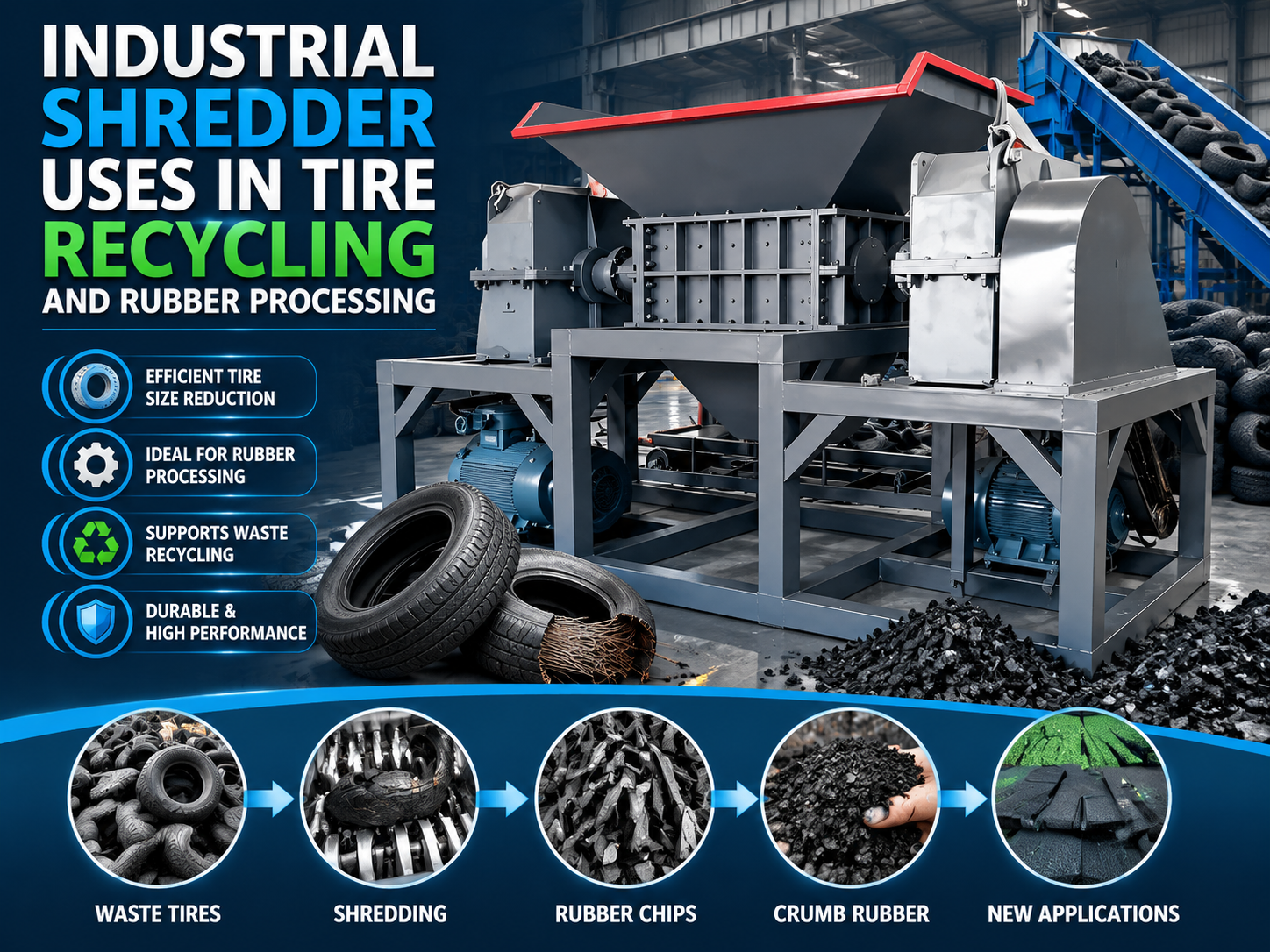
Introduction to Industrial Shredder Uses in Tire Recycling and Rubber Processing
The global accumulation of waste tires, often referred to as ‘black pollution,’ presents a significant environmental challenge. However, with the advancement of industrial technology, these discarded tires are no longer seen merely as waste but as a valuable resource. The pivot point of this transformation is the industrial shredder. Understanding the Industrial Shredder Uses In Tire Recycling Rubber Processing is essential for any facility looking to enter the circular economy or optimize their waste management strategies. HARSLE, a leader in metal fabrication and recycling machinery, provides the robust equipment necessary to handle the high-tensile strength of modern tires.
Industrial shredders are designed to break down bulky rubber products into manageable sizes, facilitating further processing such as granulation, steel recovery, and fiber separation. The process not only reduces the volume of waste in landfills but also creates raw materials for various industries, including construction, energy, and automotive manufacturing. In this guide, we will delve deep into the applications, technical requirements, and operational workflows that define the modern tire recycling landscape.
Application Scenarios for Industrial Shredders
The versatility of industrial shredders allows them to be deployed in numerous scenarios within the recycling sector. The primary application is the production of Tire-Derived Fuel (TDF). TDF is a high-energy alternative to coal in cement kilns, paper mills, and power plants. By shredding tires into uniform 2-inch to 6-inch chips, the surface area is increased, ensuring more efficient combustion and energy release. This application alone accounts for a significant portion of the global demand for industrial shredders.
Another critical scenario is the production of crumb rubber. This involves multiple stages of shredding and grinding to reduce tires into fine granules. Crumb rubber is widely used in the manufacturing of rubberized asphalt for roads, which offers better durability and noise reduction compared to traditional asphalt. It is also used in the creation of playground surfaces, athletic tracks, and molded rubber products like floor mats and speed bumps. The precision of the shredder determines the quality and consistency of the final crumb rubber product.
Civil engineering projects also utilize shredded tires as a lightweight fill material. In embankment construction, landslide repair, and retaining wall backfill, shredded rubber provides excellent drainage and vibration dampening properties. Furthermore, the pyrolysis industry relies heavily on industrial shredders. Pyrolysis is a thermochemical decomposition process that converts rubber into oil, carbon black, and steel. For the pyrolysis reactor to operate efficiently, the rubber feedstock must be shredded to a specific size to ensure uniform heating and maximum yield.
Material and Process Requirements
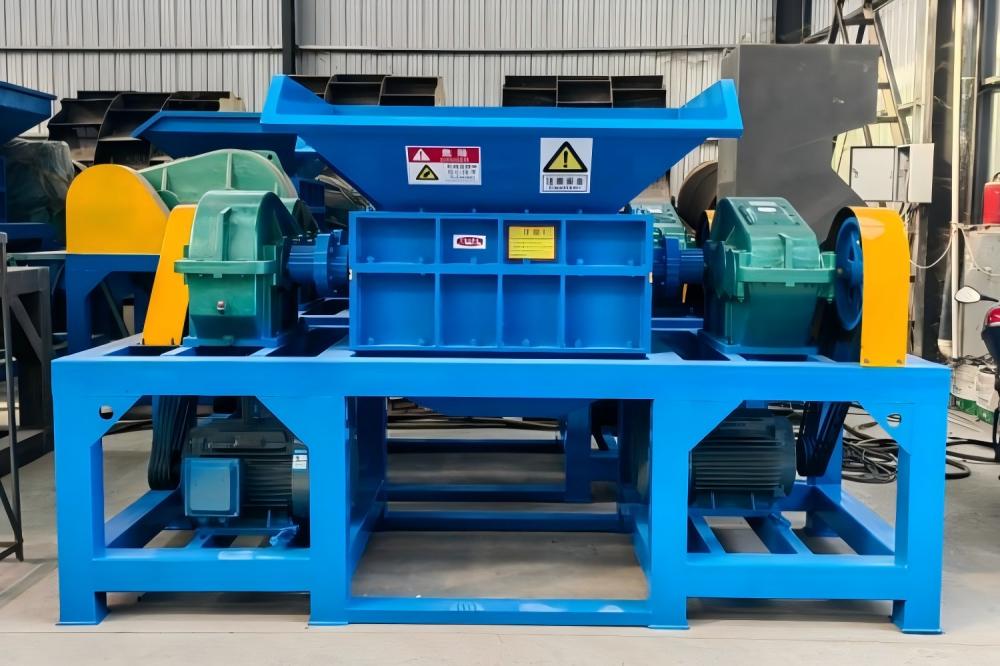
Tires are engineered to be incredibly durable, consisting of a complex mixture of natural and synthetic rubber, carbon black, textile fibers, and high-tensile steel wires. This composition makes them one of the most difficult materials to process. To effectively shred tires, the machinery must meet several rigorous requirements. First and foremost is high torque. Unlike high-speed grinders, industrial shredders for tires operate at lower speeds with massive torque to shear through the steel belts without stalling or overheating.
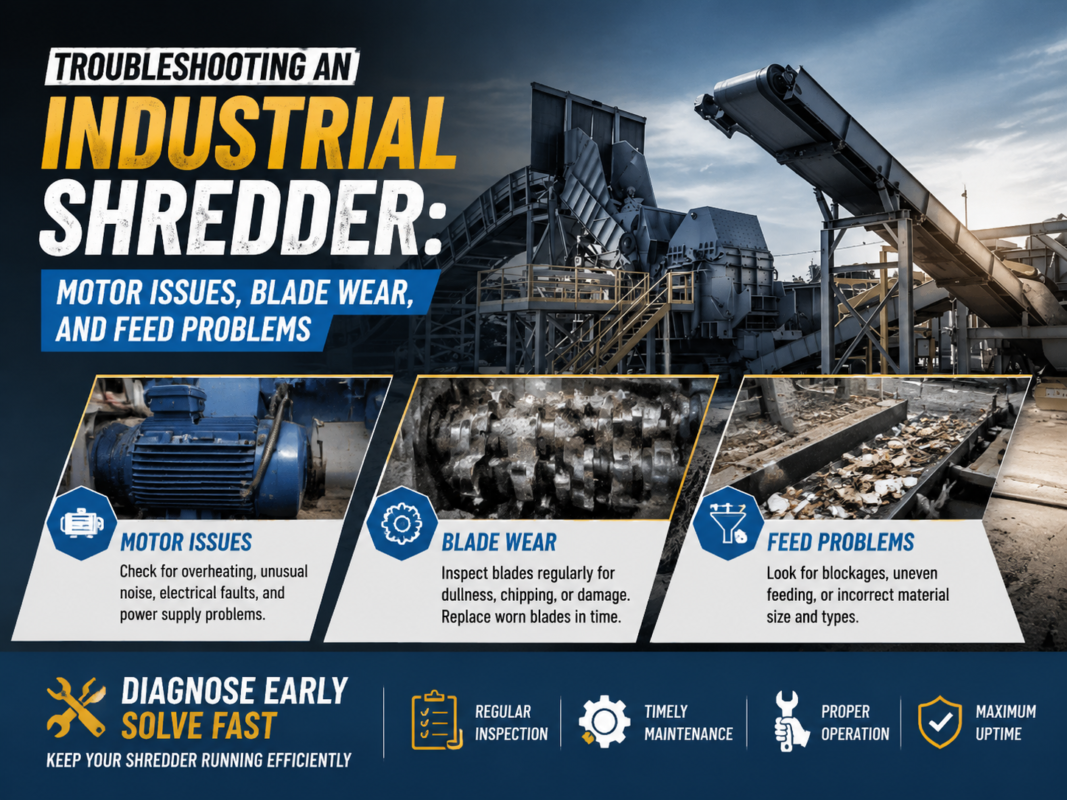
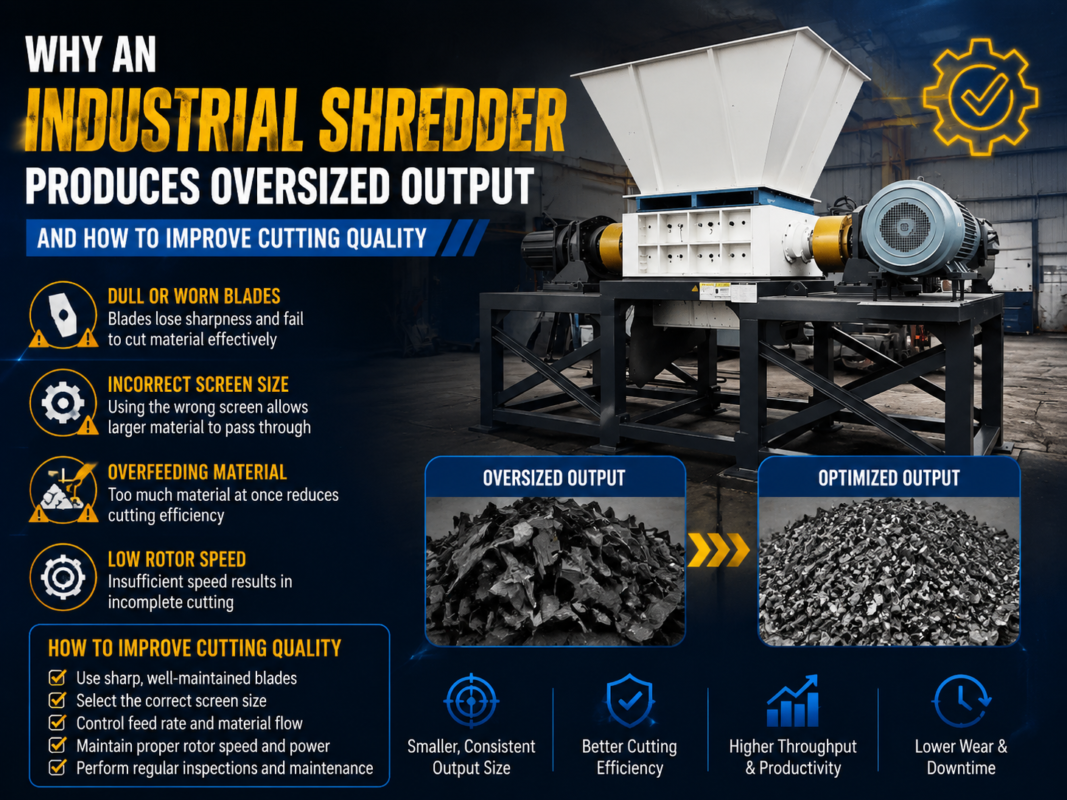
The blades, or cutters, are the heart of the shredder. They must be manufactured from high-grade alloy steel, such as D2 or SKD-11, and undergo specialized heat treatment to achieve a balance between hardness and toughness. Because the steel wire inside tires is highly abrasive, the blades must be designed for easy maintenance and replacement. Many HARSLE shredders feature individual blade segments that can be replaced or sharpened without dismantling the entire shaft assembly, significantly reducing downtime.
Heat management is another critical factor. During the shredding process, friction can generate significant heat, which may cause the rubber to soften or emit odors. Advanced shredders incorporate cooling systems or optimized blade geometries to minimize heat buildup. Additionally, the process requires a robust feeding system. Tires are bulky and can bounce or ‘bridge’ in the hopper. A well-designed industrial shredder uses hydraulic press-feeders or specific hopper shapes to ensure a constant flow of material into the cutting chamber.
Recommended Machine Configuration
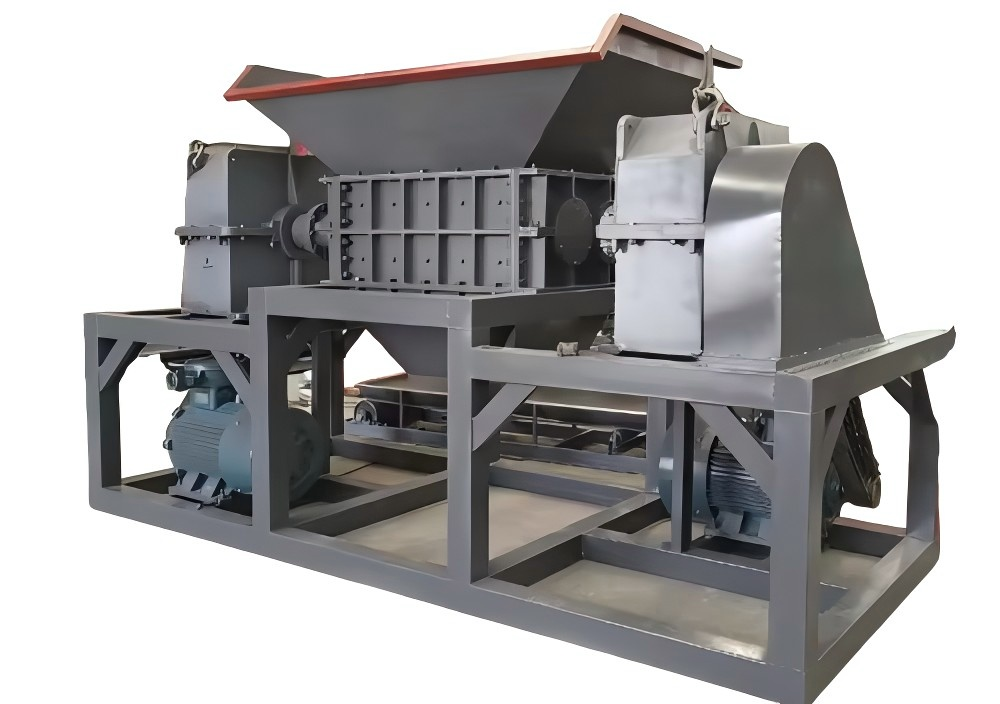
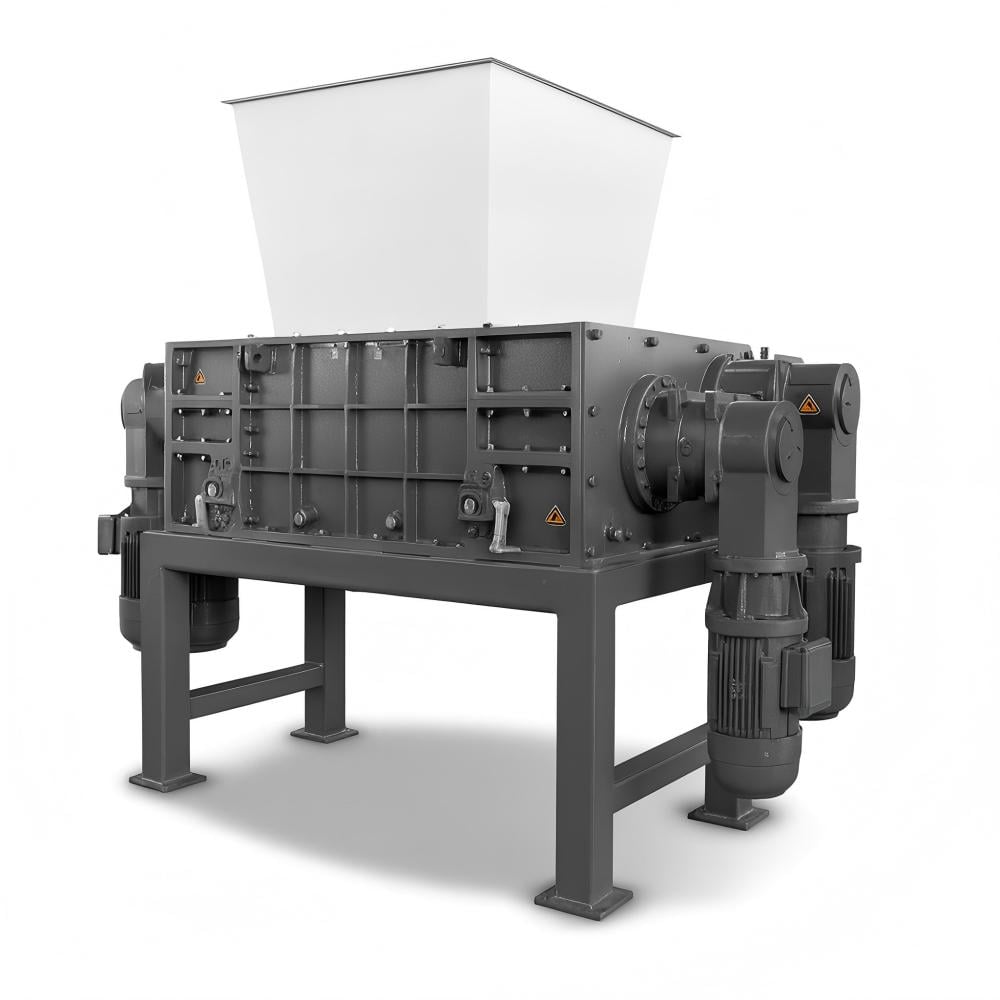
Choosing the right configuration is vital for maximizing the efficiency of Industrial Shredder Uses In Tire Recycling Rubber Processing. For primary shredding, where the goal is to reduce whole tires into rough shreds, a Double-Shaft Shredder is the industry standard. These machines feature two counter-rotating shafts with interlocking blades that pull the tire into the center and shear it apart. They are known for their ability to handle large volumes and heavy-duty materials.
For applications requiring a specific output size, a Four-Shaft Shredder is often recommended. The four-shaft design includes two main cutting shafts and two auxiliary shafts that help in the sizing process. Integrated screens are often used with four-shaft shredders; material that does not pass through the screen is recirculated back to the cutters. This ensures a consistent output size in a single pass, which is ideal for TDF production or as a precursor to granulation.
| Feature | Double-Shaft Shredder | Four-Shaft Shredder |
|---|---|---|
| Primary Use | Volume reduction, rough shredding | Uniform sizing, secondary shredding |
| Torque Level | Very High | High |
| Sizing Control | Limited (based on blade width) | Excellent (via integrated screens) |
| Maintenance | Simpler blade access | More complex due to shaft count |
| Typical Output | 50mm – 150mm shreds | 15mm – 50mm uniform chips |
In addition to the shredder itself, the configuration should include a magnetic separator. Since tires contain a significant amount of steel wire, removing this metal is crucial for protecting downstream equipment and for selling the steel as a high-value scrap byproduct. Over-belt magnets or magnetic drums are typically installed immediately after the primary shredder.
Workflow of Tire Recycling and Rubber Processing
The workflow begins with the collection and sorting of waste tires. It is important to remove any large contaminants or rims before feeding the tires into the shredder. Once prepared, the whole tires are fed into the primary double-shaft shredder via a conveyor belt. This stage reduces the tires into large, irregular pieces known as ‘shreds’.
The second stage involves secondary shredding or rasping. The shreds are passed through a second shredder or a rasper to reduce the size further, typically to around 10-20mm. During this stage, the majority of the steel wire is liberated from the rubber. A powerful magnetic separation system then extracts the steel. The remaining material is a mixture of rubber granules and textile fibers.
The third stage is granulation and fiber separation. The rubber chips are fed into high-speed granulators that grind them into fine crumb rubber. A series of air separators or ‘cyclones’ are used to suck out the light textile fibers (fluff). The final product is clean crumb rubber, categorized by mesh size, ready for packaging or further industrial use. This multi-stage process ensures that every component of the tire is recovered and repurposed.
Productivity Benefits of HARSLE Industrial Shredders
Investing in high-quality shredding equipment from HARSLE offers numerous productivity benefits. Firstly, automation significantly reduces labor costs. A well-integrated shredding line requires minimal manual intervention, allowing operators to focus on quality control and logistics. The high throughput of HARSLE machines—ranging from 1 to 20 tons per hour depending on the model—ensures that large stockpiles of tires can be processed quickly, preventing environmental hazards and meeting contract deadlines.
Secondly, the durability of the equipment translates to lower operational costs over the long term. By using wear-resistant materials and intelligent control systems (such as PLC-controlled auto-reverse to prevent jams), HARSLE shredders minimize unplanned downtime. Efficient energy consumption is also a hallmark of modern designs, with high-efficiency motors and optimized hydraulic systems reducing the electricity cost per ton of processed material.
Furthermore, the ability to produce high-purity end products (clean steel and fiber-free rubber) allows recyclers to command higher market prices. The versatility of the equipment also means that the facility can pivot between different end-products—such as switching from TDF to crumb rubber—based on market demand, ensuring a resilient business model.
Case Example: Successful Implementation in a Rubber Processing Plant
A mid-sized recycling facility in Southeast Asia recently upgraded its processing line with a HARSLE double-shaft shredder to handle an increasing influx of truck tires. Previously, the facility struggled with frequent blade breakage and low throughput using a generic shredder. After implementing the HARSLE solution, which featured customized blade profiles for high-tensile steel, the plant saw a 40% increase in hourly production.
The facility integrated the shredder with a vibrating screen and a magnetic drum. This setup allowed them to produce high-quality TDF for a local cement factory while simultaneously recovering nearly 99% of the steel wire. The ROI (Return on Investment) was achieved within 14 months, primarily through the sale of recovered steel and the reduction in maintenance expenses. This case highlights how the right Industrial Shredder Uses In Tire Recycling Rubber Processing can transform a struggling operation into a highly profitable venture.
Frequently Asked Questions (FAQ)
What is the lifespan of the shredder blades?
The lifespan of the blades depends heavily on the material being processed and the maintenance schedule. For standard passenger tires, blades can typically process 1,000 to 3,000 tons before requiring sharpening or replacement. Processing OTR (Off-The-Road) tires with thicker steel belts will reduce this interval. HARSLE blades are designed for multiple regrinds to extend their service life.
Can one shredder handle all types of tires?
While a heavy-duty double-shaft shredder can handle most passenger and truck tires, extremely large OTR tires (from mining or construction equipment) may require a pre-cutter or a specialized extra-large shredder. It is important to match the hopper size and motor power to the largest tire you intend to process.
How do I handle the dust and fiber generated during shredding?
Industrial tire recycling lines should always be equipped with dust extraction and baghouse filtration systems. The textile fiber (nylon/polyester) is very light and can become airborne. Cyclone separators are the most effective way to remove this fiber from the rubber crumb during the granulation stage.
What maintenance is required for an industrial shredder?
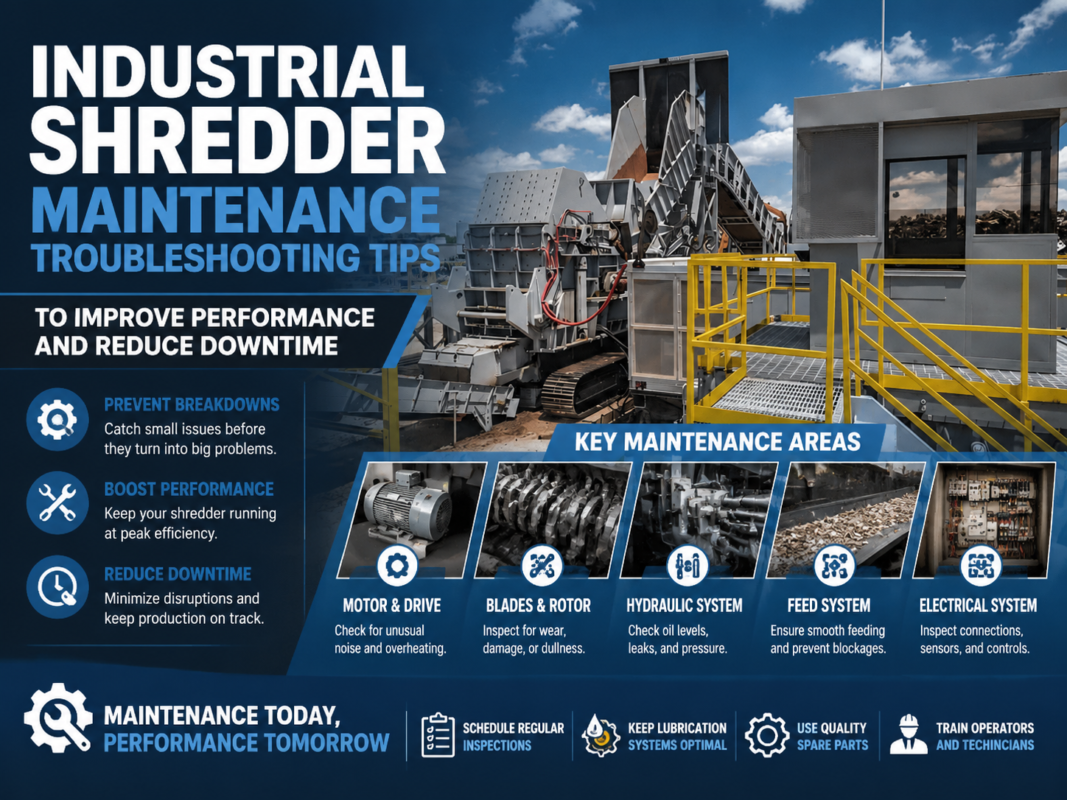
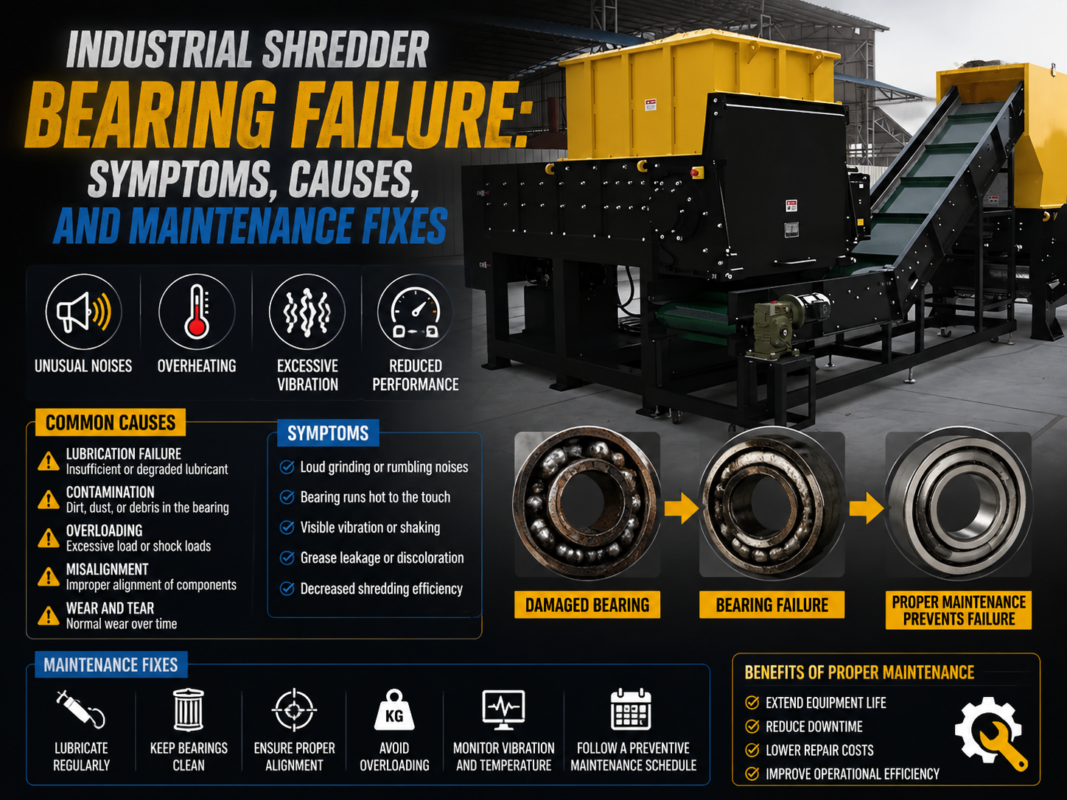
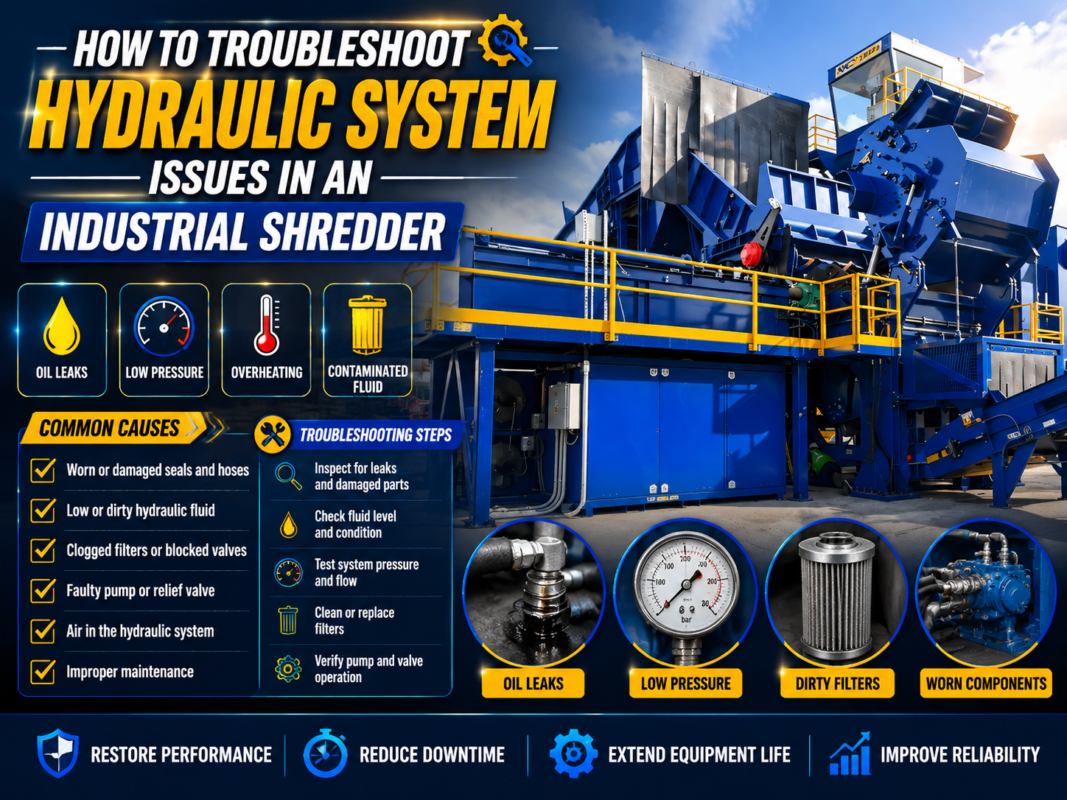
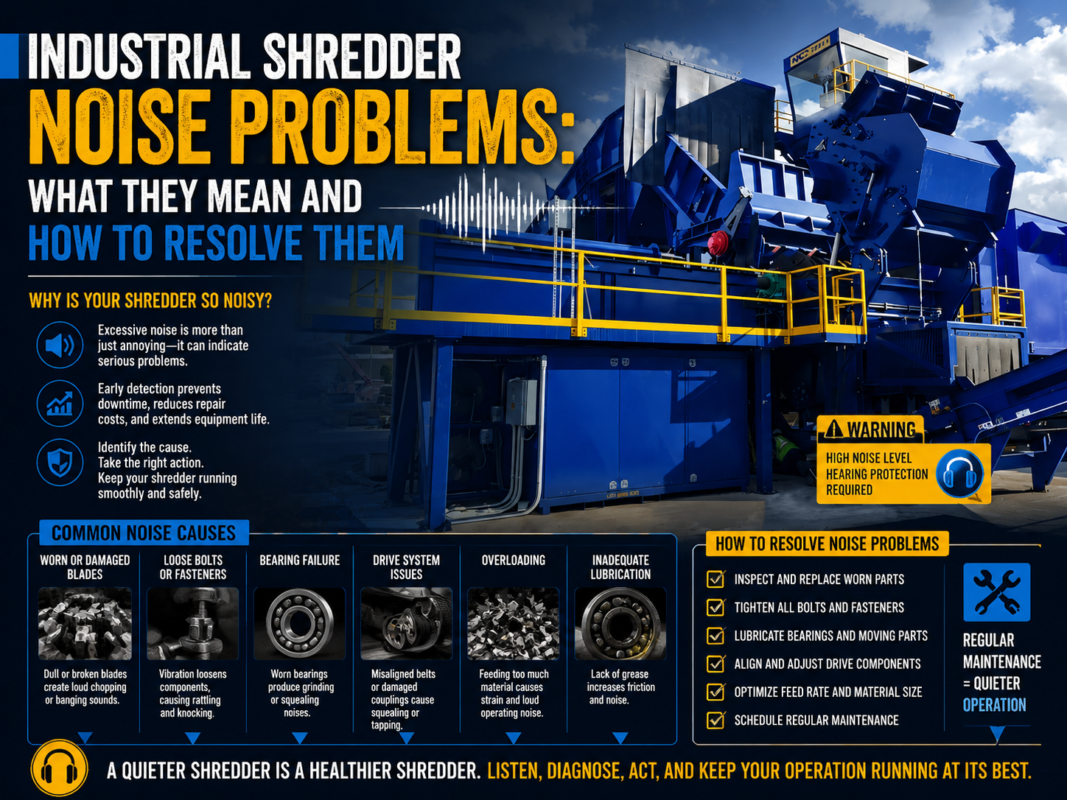
Daily maintenance includes checking for loose bolts, inspecting blade wear, and ensuring the lubrication system is functioning. Weekly checks should focus on belt tension, hydraulic fluid levels, and cleaning any debris from the cooling fans. Proper lubrication of the main bearings is critical for preventing premature failure under high loads.
Conclusion and Call to Action
The role of industrial shredders in tire recycling and rubber processing is indispensable. As environmental regulations tighten and the demand for recycled materials grows, having a reliable, high-performance shredding system is the key to success. HARSLE offers a range of industrial shredders tailored to the unique challenges of rubber processing, ensuring high torque, durability, and precision.
Whether you are starting a new recycling project or looking to upgrade your existing facility, our team of experts is ready to help you select the perfect machine configuration for your needs. Contact HARSLE today to learn more about our Industrial Shredder Uses In Tire Recycling Rubber Processing and how we can help you turn waste into profit. Visit our website or reach out to our sales department for a customized quote and technical consultation.