Industrial Shredder Uses in Construction and Demolition Waste Recycling: A Comprehensive Guide

Introduction to Industrial Shredder Uses in Construction and Demolition Waste Recycling
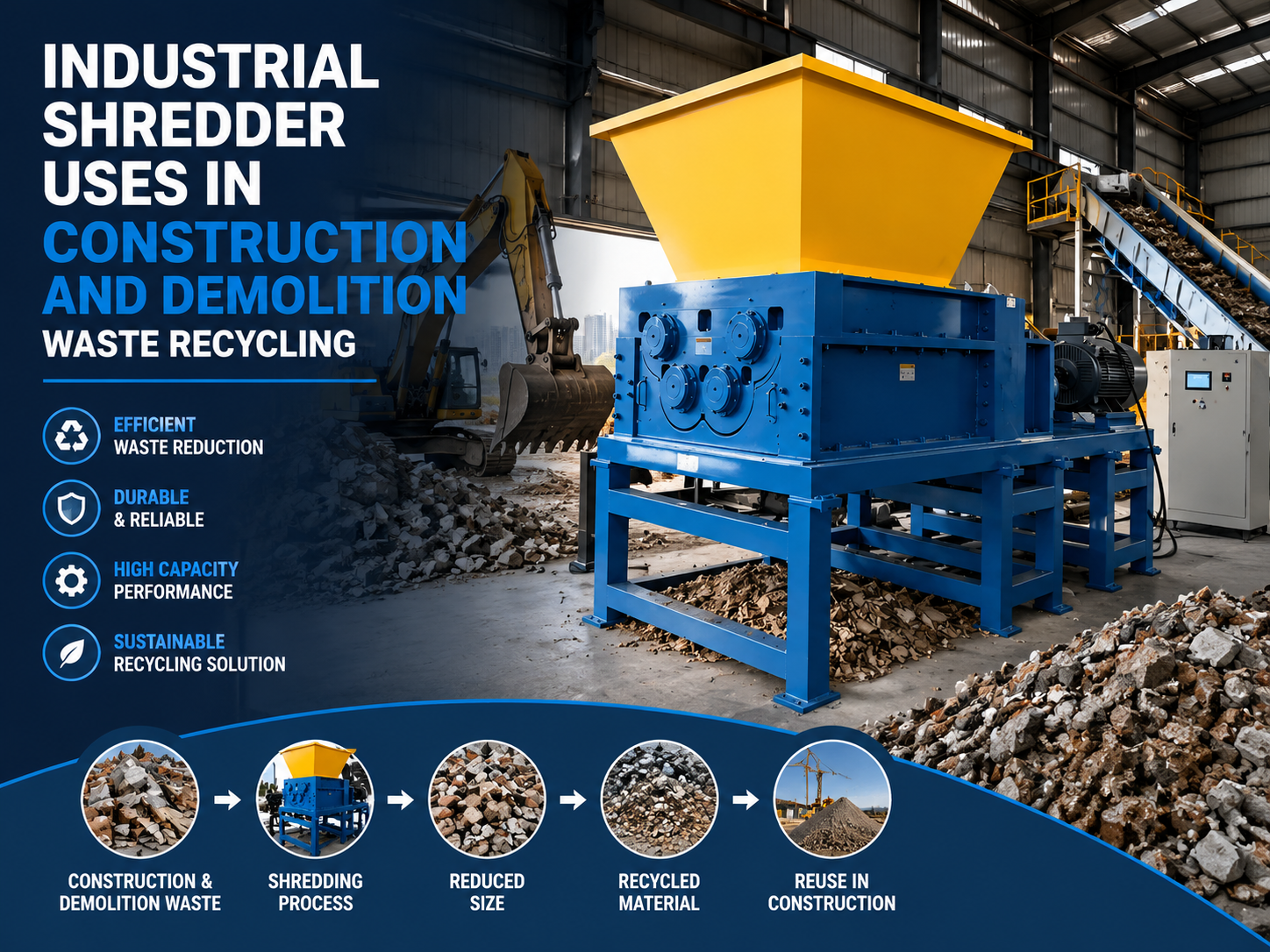
The global construction industry generates billions of tons of waste annually, ranging from concrete chunks and steel rebar to timber and plastic piping. Traditionally, this Construction and Demolition (C&D) waste was relegated to landfills, creating significant environmental burdens and logistical costs. However, the advent of high-torque, heavy-duty industrial shredders has revolutionized how we handle these materials. The primary focus of Industrial Shredder Uses In Construction Demolition Waste Recycling is to transform bulky, heterogeneous waste into manageable, uniform raw materials that can be reintegrated into the circular economy.
Industrial shredders serve as the frontline of defense in waste management facilities. By reducing the volume of debris, these machines make transportation more efficient and prepare materials for secondary processing. Whether it is a massive urban redevelopment project or a specialized recycling plant, the shredder is the engine that drives sustainability. In this guide, we will explore the intricate applications, technical requirements, and productivity benefits of utilizing HARSLE industrial shredders in the C&D sector.
Application Scenario: Where Shredders Meet the Job Site
The application of industrial shredders in C&D waste recycling is diverse, spanning across various stages of the construction lifecycle. One of the most prominent scenarios is urban demolition. When old structures are brought down, the resulting pile of debris is a chaotic mix of materials. Shredders are deployed on-site or at centralized facilities to process this mix, separating valuable metals from inert concrete. This immediate processing reduces the number of truck trips required to clear a site, significantly lowering the carbon footprint of the project.
Another critical scenario is road and infrastructure renovation. Old asphalt and concrete pavements are often ripped up during highway expansions. Industrial shredders can process these large slabs into smaller aggregates. These recycled aggregates are then used as base layers for new roads, reducing the need for virgin quarrying. This not only saves money but also preserves natural landscapes. The versatility of the shredder allows it to handle the varying densities of asphalt and reinforced concrete with ease.
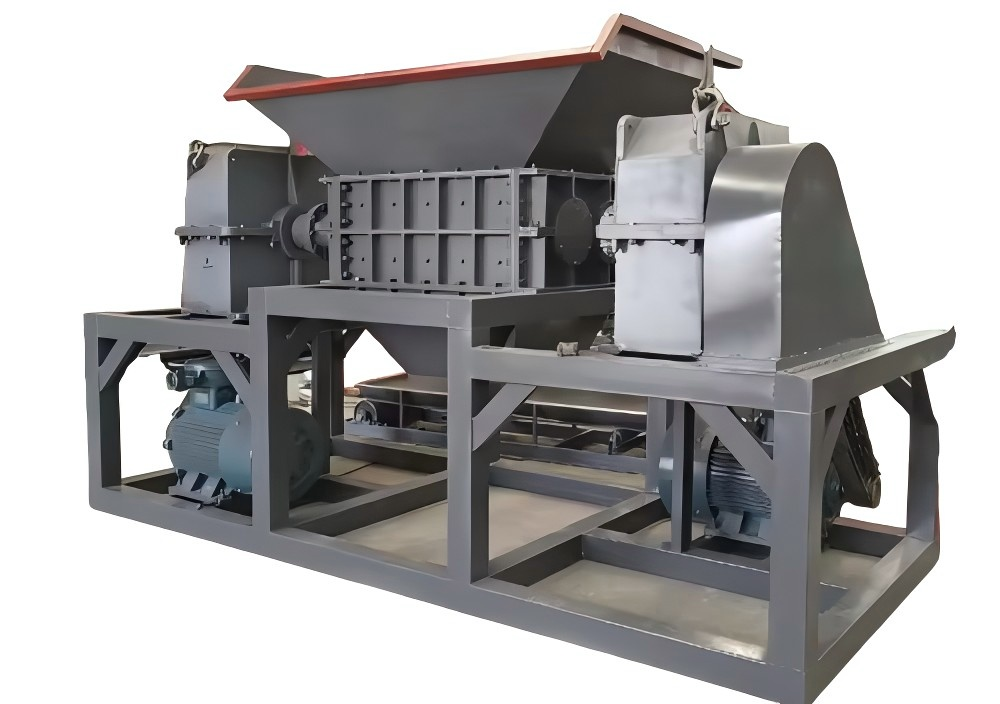
Disaster relief and emergency debris management also rely heavily on industrial shredding technology. Following natural disasters like earthquakes or hurricanes, cities are often buried under millions of tons of mixed waste. Rapid deployment of mobile or stationary shredders allows for the quick clearing of roads and the systematic sorting of debris, which is essential for recovery efforts. In these high-pressure environments, the reliability and throughput of the machinery are paramount.
Finally, specialized recycling centers utilize industrial shredders to process specific waste streams such as timber from formwork or plastic piping from plumbing installations. By shredding wood into chips, it can be used for biomass fuel or particleboard production. Plastics can be shredded and pelletized for new manufacturing. The ability to fine-tune the shredder for specific material outputs makes it an indispensable tool for modern waste management companies seeking to maximize their recovery rates.
Material and Process Requirements
Processing C&D waste is one of the most demanding tasks for any industrial machine. The materials are inherently abrasive, heavy, and often contaminated. To ensure successful Industrial Shredder Uses In Construction Demolition Waste Recycling, several material and process requirements must be met. First and foremost is the ability to handle reinforced concrete. The shredder must possess enough torque to snap steel rebar while simultaneously crushing the surrounding concrete without excessive wear on the blades.
Material moisture content is another factor. Construction sites are often exposed to the elements, meaning wood and gypsum can be saturated with water. A high-quality shredder must be designed to prevent clogging when dealing with wet, sticky materials. This often involves specific blade geometries and cleaning combs that keep the cutting chamber clear. Furthermore, the input size can vary from small bricks to large structural beams, requiring a large hopper capacity and a robust feeding mechanism.
- Concrete and Masonry: Requires high-impact resistance and high-torque cutting to reduce slabs into 0-50mm aggregates.
- Ferrous and Non-Ferrous Metals: Shredders must be able to cut through rebar, aluminum frames, and copper wiring without dulling the blades prematurely.
- Timber and Wood: Needs sharp cutting edges to produce clean chips rather than splintered chunks, facilitating its use in secondary markets.
- Plastics and Composites: Requires high-speed shearing to prevent melting or wrapping around the shafts.
From a process standpoint, the goal is often size reduction and liberation. Liberation refers to the process of separating two bonded materials, such as pulling steel rebar out of a concrete block. The shredder must break the bond so that downstream magnetic separators can effectively remove the metal. The desired output size is also a critical process requirement; for example, if the output is intended for a waste-to-energy plant, the particle size must be uniform to ensure consistent combustion.
Recommended Machine Configuration
For C&D waste, a one-size-fits-all approach rarely works. HARSLE recommends specific configurations based on the primary material stream. For general construction waste, a Double-Shaft Shredder is the industry standard. These machines utilize two counter-rotating shafts with hooked blades that pull material into the center. This design provides immense torque, which is necessary for crushing concrete and shearing metal. The low-speed, high-torque nature of these machines also minimizes dust and noise, which is vital for urban job sites.
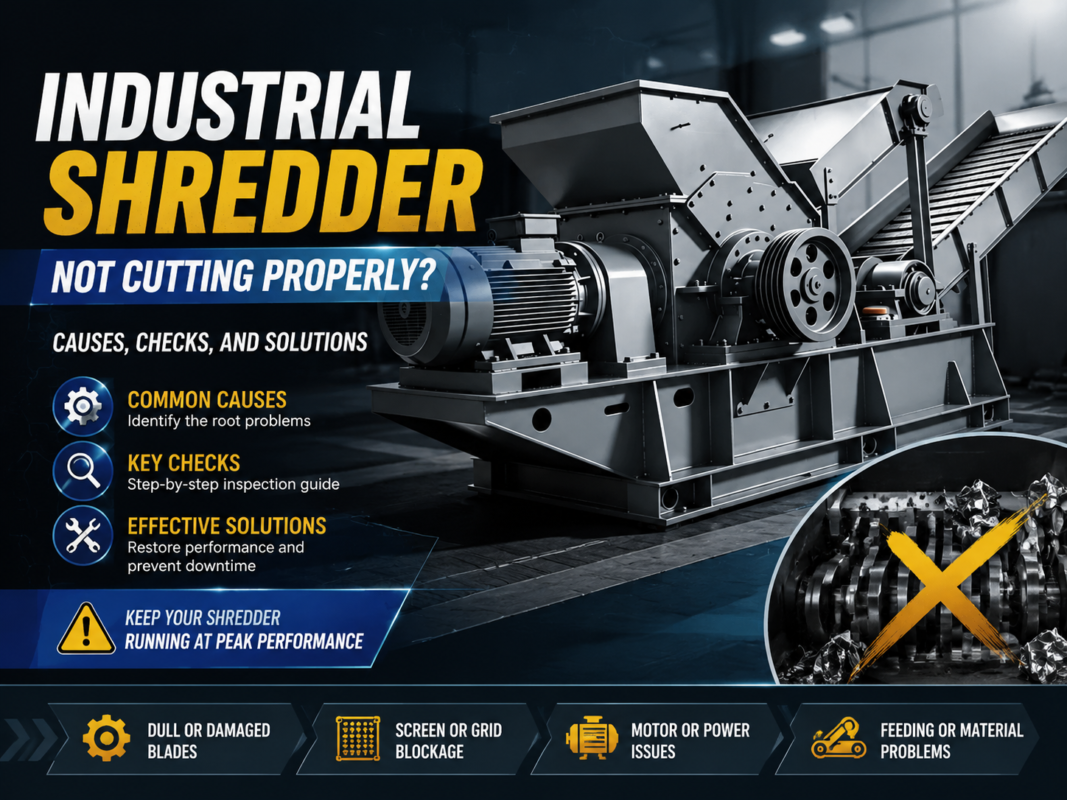
The blade material is perhaps the most critical component of the configuration. For C&D applications, we recommend blades made from high-alloy steels like D2 or SKD-11, which have undergone specialized vacuum heat treatments. These materials offer the perfect balance of hardness (to resist abrasion from concrete) and toughness (to prevent cracking when hitting heavy steel). Additionally, the use of bolt-on blade segments can significantly reduce maintenance downtime, as individual teeth can be replaced without dismantling the entire shaft.
| Feature | Standard Configuration | Heavy-Duty C&D Configuration |
|---|---|---|
| Drive System | Electric Motor | Hydraulic Drive or High-Torque Electric |
| Blade Material | Standard Alloy Steel | Hard-Faced or D2 Tool Steel |
| Shaft Speed | 20-40 RPM | 10-25 RPM (Variable) |
| Control System | Basic PLC | Advanced PLC with Auto-Reverse & Overload Protection |
Furthermore, the inclusion of a hydraulic pusher or ram is recommended for bulky, light materials like plastic crates or timber. The ram forces the material against the rotating shafts, ensuring a consistent feed rate and preventing the material from “dancing” on top of the blades. For mobile applications, the shredder can be mounted on a tracked chassis or a trailer, allowing it to move between different demolition sites, providing maximum flexibility for the operator.
Workflow: From Debris to Resource
The workflow of an Industrial Shredder Uses In Construction Demolition Waste Recycling operation is a systematic process designed to maximize recovery and minimize waste. It begins with Pre-Sorting. While modern shredders are robust, removing massive steel I-beams or oversized boulders manually using an excavator with a grapple can prevent unnecessary wear and potential jams. This stage also involves removing hazardous materials like asbestos or chemicals that cannot be processed.
Once pre-sorted, the material is fed into the Primary Shredding stage. Here, the industrial shredder breaks down the bulky debris into a uniform size, typically around 100mm to 300mm. This stage is crucial for “opening up” the waste stream. For example, it breaks the concrete away from the rebar and shreds large wooden pallets into smaller pieces. The low-speed operation ensures that the material is crushed and sheared rather than pulverized, which helps in the subsequent separation stages.
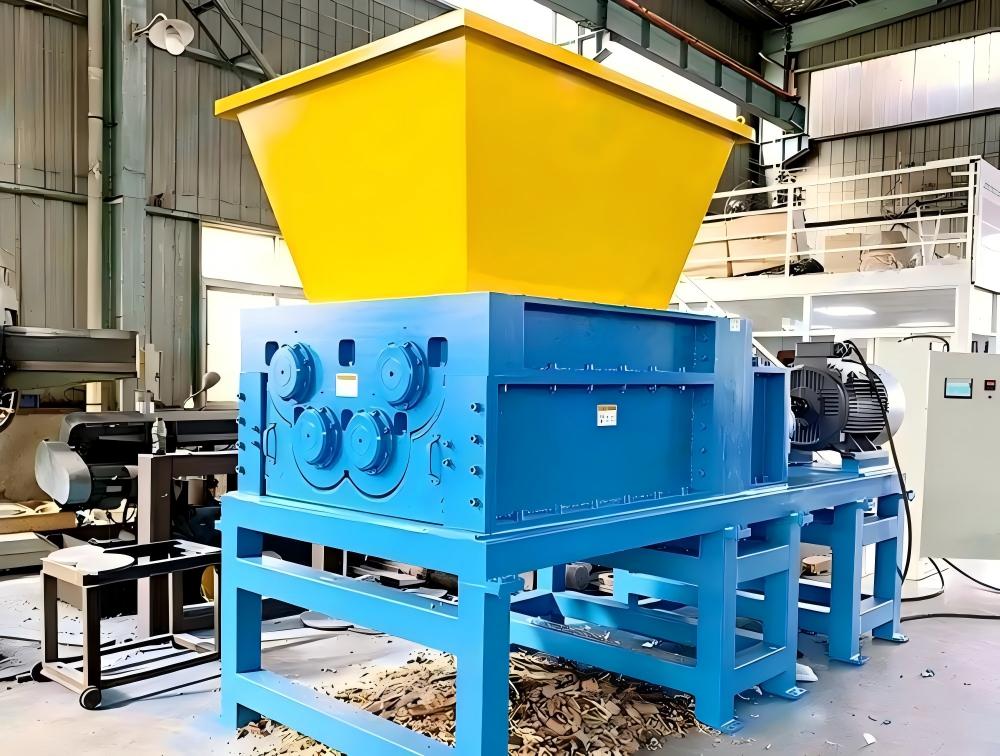
Following primary shredding, the material moves through Magnetic Separation. Over-band magnets or magnetic head pulleys are used to extract ferrous metals (like rebar and nails) from the shredded mix. This recovered metal is a high-value product that can be sold directly to smelters. After the metal is removed, the remaining material may go through an Air Classifier or “wind shifter” to separate light fractions (paper, plastic, wood) from heavy fractions (concrete, stone, glass).
The final stages involve Screening and Secondary Shredding. A trommel screen or vibrating screen sorts the material into different size fractions. The oversized material is sent back for secondary shredding to reach the desired final specification. The end products—clean aggregates, wood chips, and scrap metal—are then stockpiled and ready for sale or reuse. This closed-loop workflow ensures that up to 90% of construction waste can be diverted from landfills.
Productivity Benefits and Economic Impact
Investing in industrial shredding technology for C&D waste offers profound productivity benefits. The most immediate advantage is Volume Reduction. Shredding can reduce the volume of construction waste by as much as 70-80%. This dramatically lowers the cost of logistics, as fewer trucks are needed to transport the same weight of material. In regions where landfill tipping fees are high, the ability to reduce volume and divert material for recycling can save a company millions of dollars annually.
Moreover, the Revenue Generation from recovered materials cannot be overlooked. Scrap steel recovered from demolition sites is a commodity with consistent demand. Similarly, recycled concrete aggregate (RCA) is increasingly accepted in the construction industry as a viable alternative to virgin stone. By producing these materials on-site or at a dedicated facility, companies can turn a disposal cost into a revenue stream. This shift in the economic model is what makes industrial shredders a cornerstone of profitable green business practices.
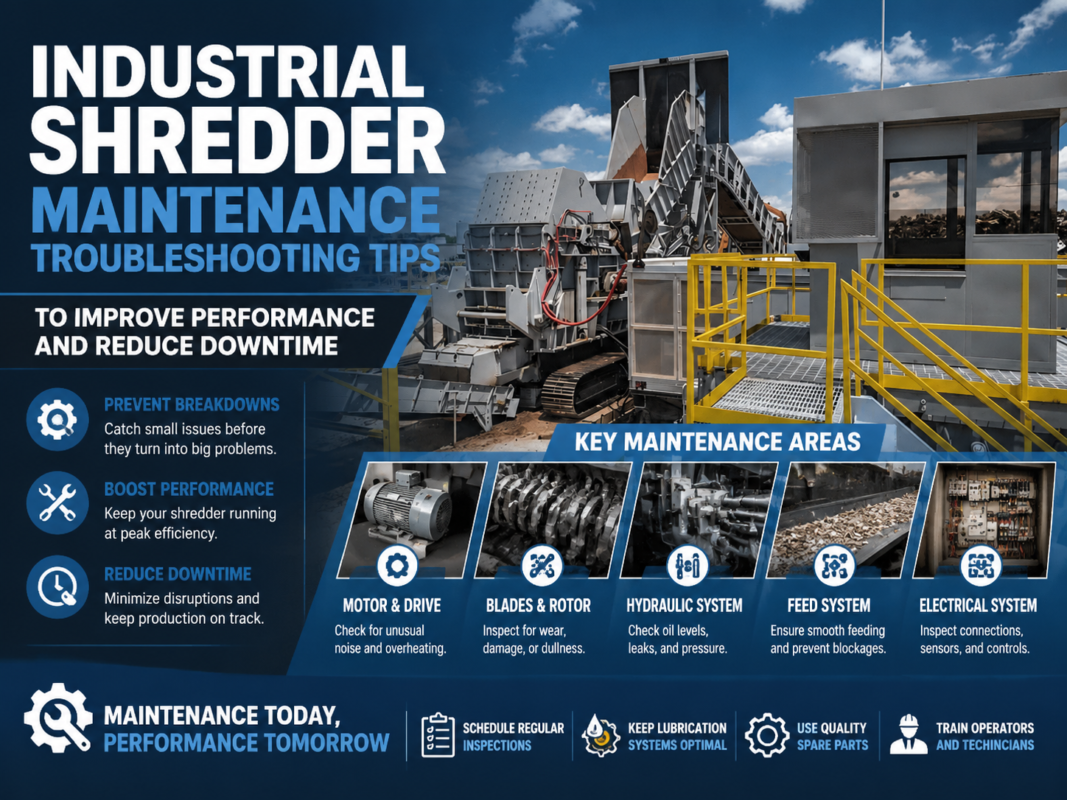
Operational efficiency is also enhanced through automation. Modern HARSLE shredders are equipped with intelligent control systems that monitor the load on the motors. If a non-shreddable object enters the chamber, the machine automatically reverses to clear the jam and then tries again. This reduces the need for constant manual supervision and prevents catastrophic machine failure. The result is a higher uptime and a more predictable production schedule, which is essential for meeting project deadlines.
Finally, there are the Environmental and Regulatory Benefits. Many governments are implementing strict mandates on the percentage of construction waste that must be recycled. Utilizing industrial shredders ensures compliance with these regulations, avoiding heavy fines and improving the company’s public image. Being a leader in sustainable construction practices can also provide a competitive edge when bidding for government contracts or projects with green building certifications like LEED.
Case Example: Urban Demolition in a High-Density Area
Consider a recent project in a major metropolitan area where a 10-story office building was being demolished to make way for a new transit hub. The site was constrained by narrow streets and neighboring residential buildings, making traditional waste hauling nearly impossible due to the sheer volume of debris. The contractor implemented a HARSLE double-shaft industrial shredder on-site to manage the waste flow.
The shredder processed approximately 400 tons of mixed concrete, steel, and timber per day. By shredding the material on-site, the contractor was able to use the crushed concrete as a temporary road base for the heavy machinery operating on the site, eliminating the need to buy and transport new gravel. The recovered steel rebar was collected in bins and sent to a local recycler, covering a significant portion of the shredder’s operating costs. The project was completed two weeks ahead of schedule, largely due to the efficient debris management system, and the contractor reported a 40% reduction in total waste disposal costs compared to previous projects of similar scale.
Frequently Asked Questions (FAQ)
What is the typical lifespan of shredder blades in C&D recycling?
The lifespan of blades depends heavily on the abrasiveness of the material. When processing concrete and rebar, blades may need hard-facing or sharpening every 500-1,000 hours. However, using high-quality alloy steels and proper maintenance can extend this significantly. HARSLE provides specialized coatings to enhance wear resistance in these harsh environments.
Can an industrial shredder handle large pieces of rebar?
Yes, heavy-duty double-shaft shredders are specifically designed to shear through rebar. The high torque and hooked blade design allow the machine to grab the rebar and cut it into smaller lengths, which also helps in liberating it from the concrete for easier magnetic separation.
How do I prevent the shredder from jamming on non-shreddable items?
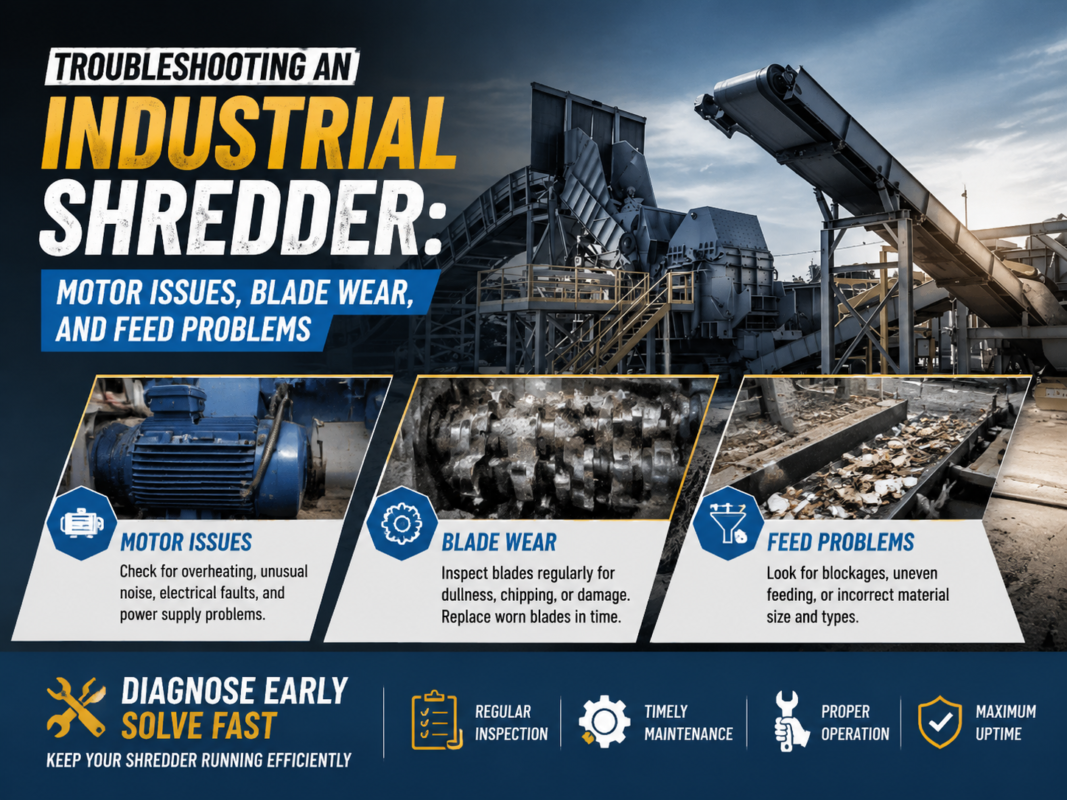
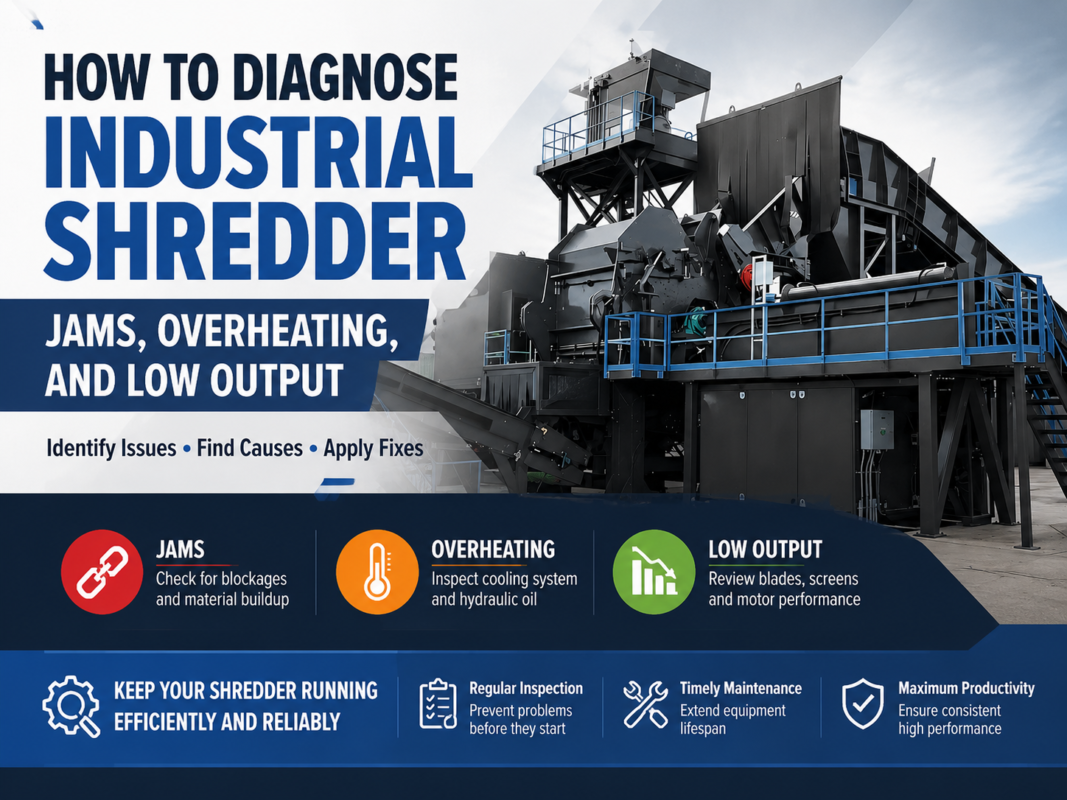
Modern shredders use PLC-controlled auto-reverse systems. When the sensors detect a spike in hydraulic pressure or electric current (indicating a jam), the shafts automatically reverse to reposition the material. If the item remains unshreddable after several attempts, the machine will shut down and alert the operator to manually remove the object.
Is it better to have a mobile or stationary shredder for construction waste?
This depends on your business model. If you manage multiple demolition sites, a mobile (tracked or trailer-mounted) shredder offers the flexibility to process waste on-site. If you operate a centralized recycling yard where waste is brought to you, a stationary shredder is typically more cost-effective and easier to integrate into a complete sorting line.
Conclusion: Partnering with HARSLE for Your Recycling Needs
The role of Industrial Shredder Uses In Construction Demolition Waste Recycling will only grow in importance as global urbanization continues and environmental regulations tighten. Choosing the right machinery is the difference between a profitable recycling operation and a maintenance nightmare. HARSLE is committed to providing robust, high-performance shredding solutions tailored to the rigors of the construction industry.
Our machines are engineered for durability, efficiency, and ease of maintenance, ensuring that you can turn your C&D waste into valuable resources with minimal downtime. Whether you are looking to reduce disposal costs, generate new revenue streams, or meet sustainability goals, HARSLE has the expertise and equipment to help you succeed. Contact us today to discuss your specific project requirements and discover how our industrial shredders can transform your waste management workflow.