Industrial Double-Shaft Shredder Buying Guide: Improve Efficiency in Waste Size Reduction

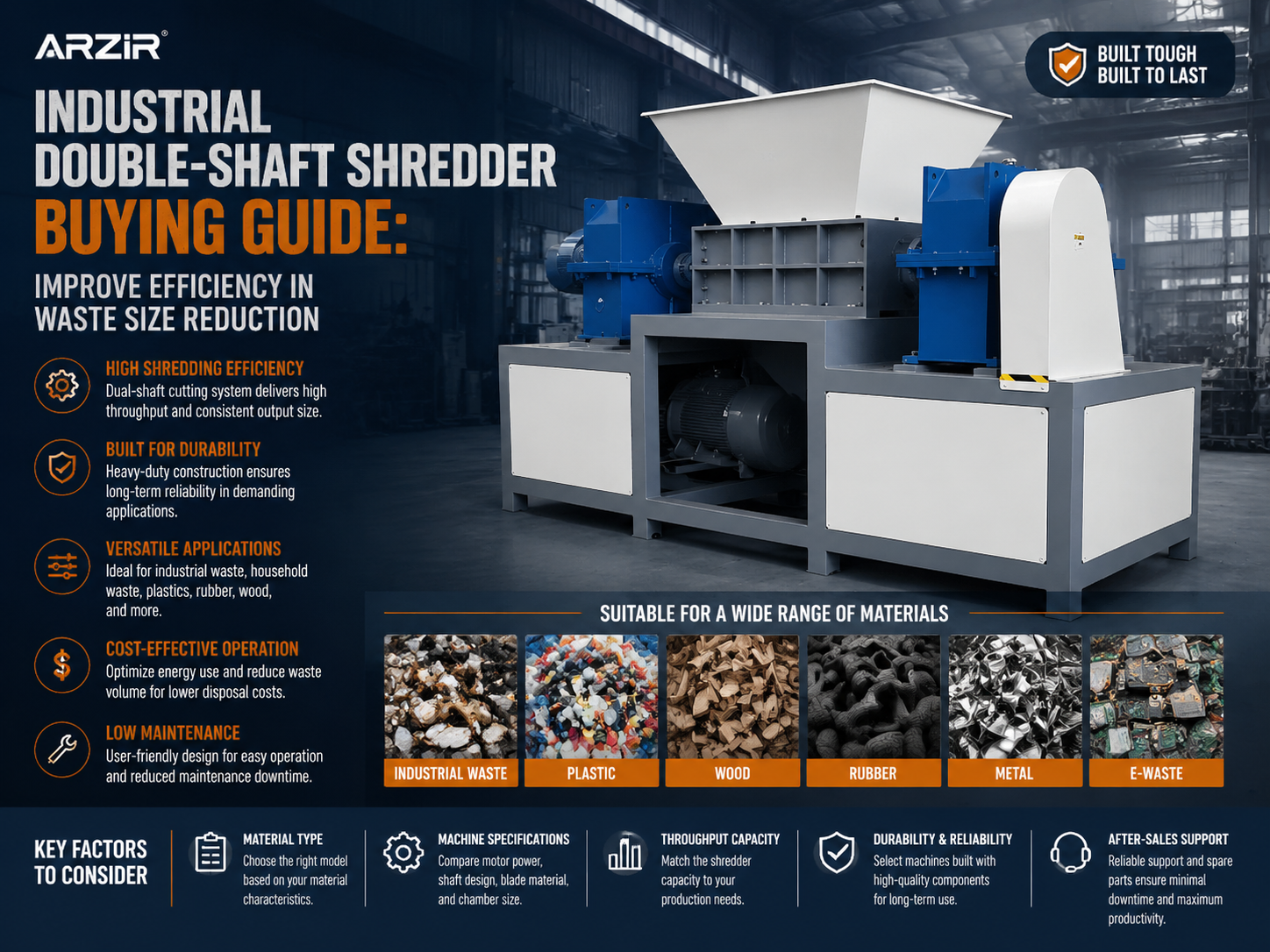
Introduction to Industrial Double-Shaft Shredders
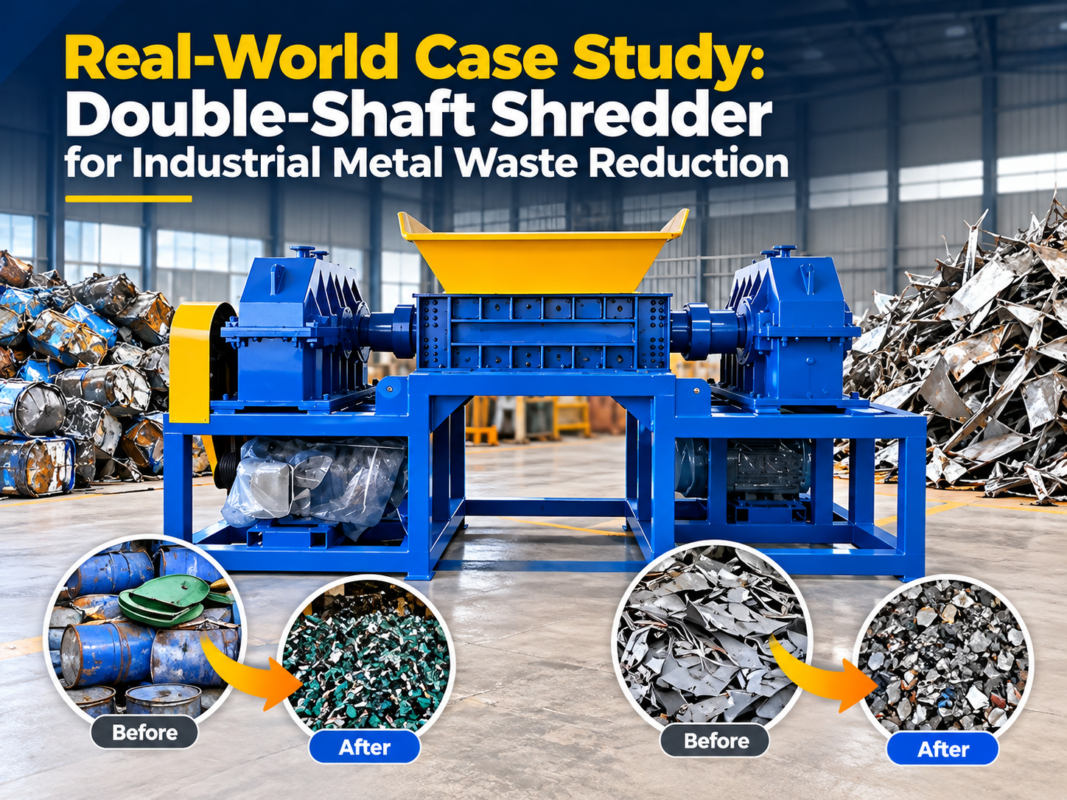
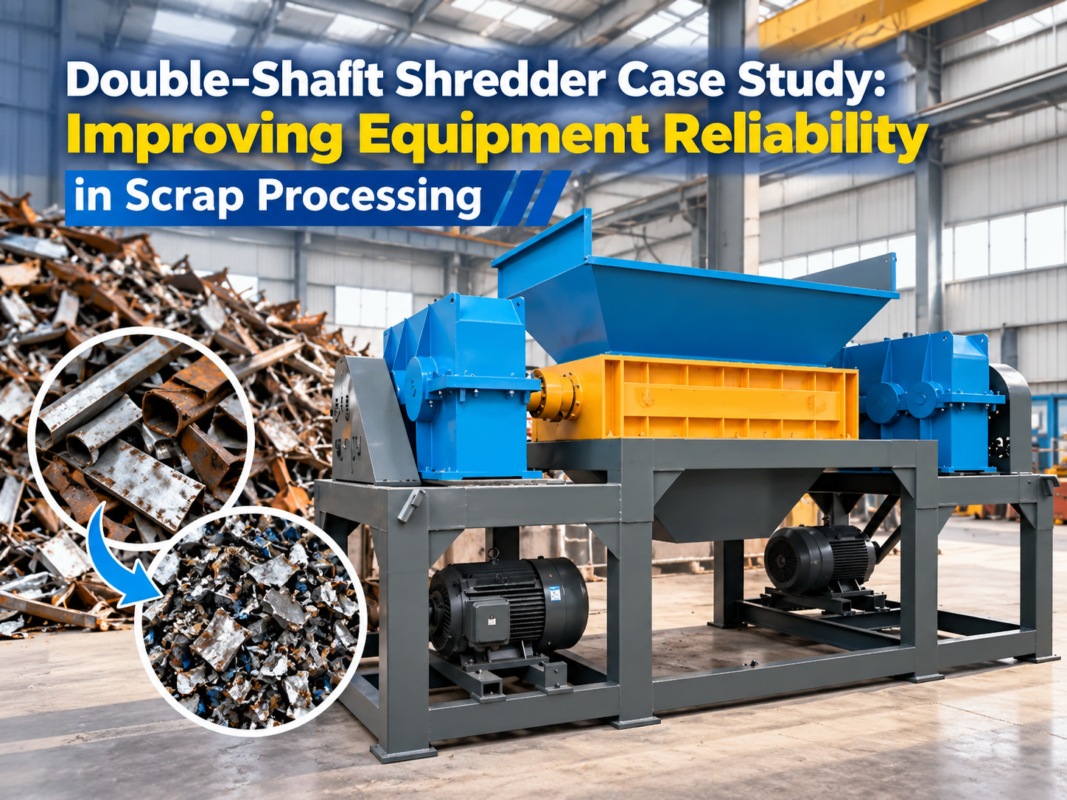
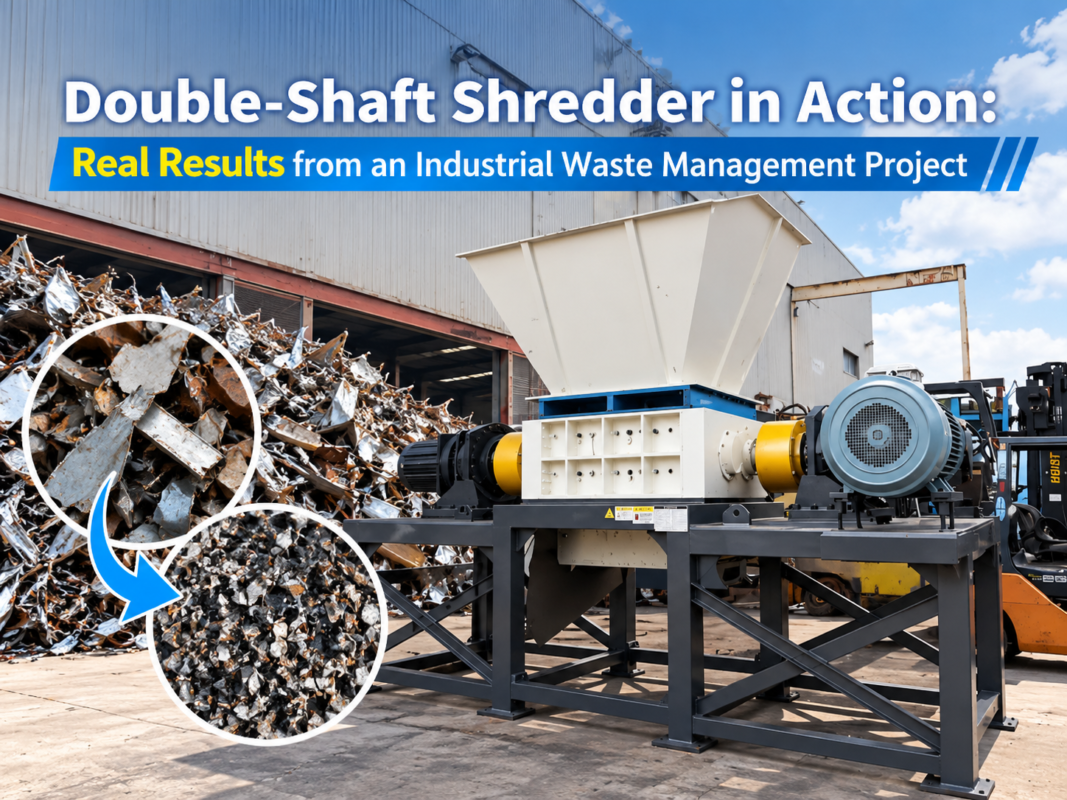
In the modern industrial landscape, waste management is no longer just a secondary concern; it is a critical component of operational efficiency and environmental sustainability. The Industrial Double-Shaft Shredder Buying : Improve Efficiency In Waste Size Reduction process is a significant undertaking for any facility looking to optimize its recycling or disposal workflows. These machines, often referred to as shear shredders, utilize two counter-rotating shafts equipped with heavy-duty blades to tear, shear, and cut through a vast array of materials, ranging from plastics and tires to electronic waste and scrap metal.
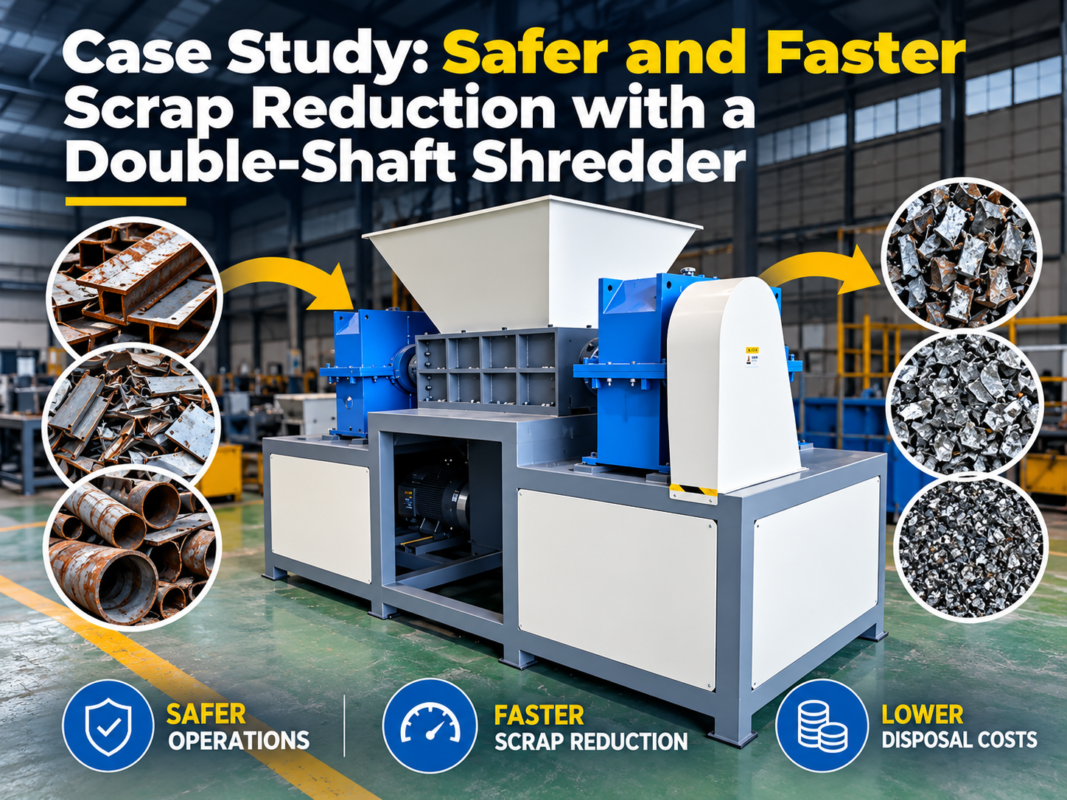
The primary advantage of a double-shaft design lies in its high-torque, low-speed operation. Unlike high-speed granulators that can create excessive dust and heat, double-shaft shredders focus on brute force and precision shearing. This makes them ideal for bulky materials that require significant size reduction before further processing or transport. By investing in the right equipment, companies can drastically reduce the volume of their waste, leading to lower logistics costs and higher resale value for processed recyclables.
As industries move toward a circular economy, the demand for robust shredding solutions has surged. Whether you are a dedicated recycling facility or a manufacturing plant dealing with internal scrap, understanding the nuances of these machines is essential. This guide will walk you through the financial and technical considerations necessary to make an informed purchase that aligns with your production goals and budgetary constraints.
Price Range Overview: What to Expect
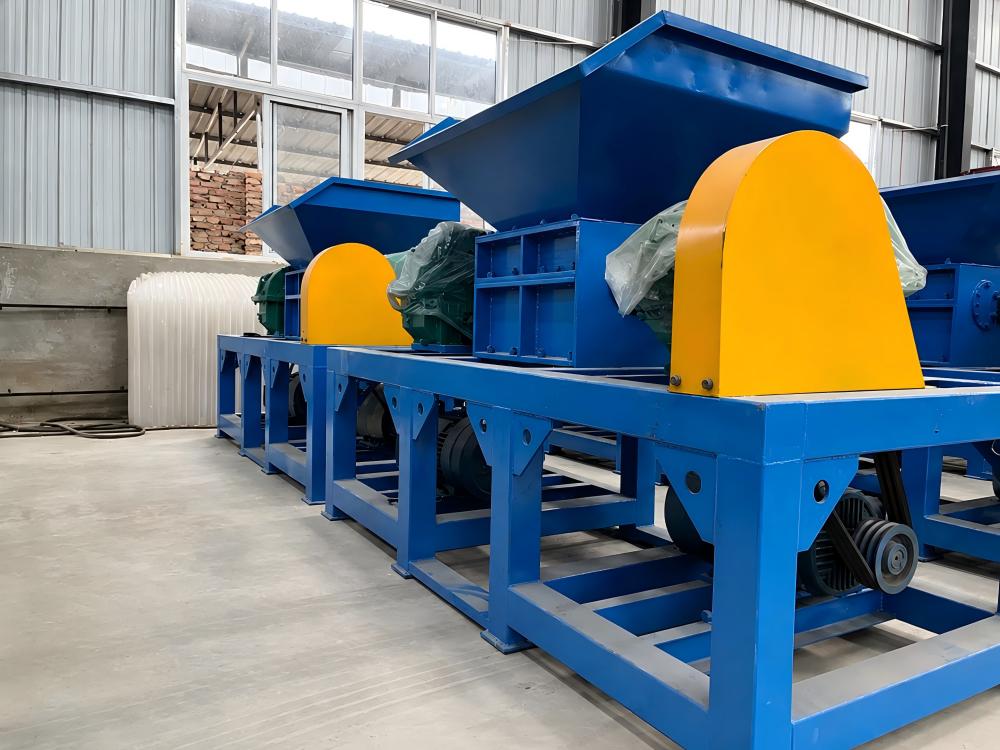
When embarking on the Industrial Double-Shaft Shredder Buying : Improve Efficiency In Waste Size Reduction journey, the first question most buyers ask is about the cost. The price of an industrial double-shaft shredder can vary wildly based on capacity, material compatibility, and build quality. Generally, the market is divided into three main tiers: entry-level, mid-range, and heavy-duty industrial systems.
Entry-level machines typically range from $15,000 to $40,000. These are often designed for lighter materials such as thin plastics, cardboard, or softwoods. They feature smaller motors (usually between 15kW to 30kW) and are suitable for small-scale operations or facilities with intermittent shredding needs. While they offer a lower barrier to entry, they may lack the advanced control systems and blade durability required for 24/7 heavy industrial use.
Mid-range shredders, priced between $40,000 and $120,000, represent the bulk of the industrial market. These machines are built with reinforced frames, more powerful hydraulic or electric drives (45kW to 90kW), and higher-grade alloy steel blades. They are capable of handling tougher materials like rubber tires, electronic waste (E-waste), and light aluminum scrap. For most medium-sized manufacturing plants, this tier provides the best balance between performance and capital expenditure.
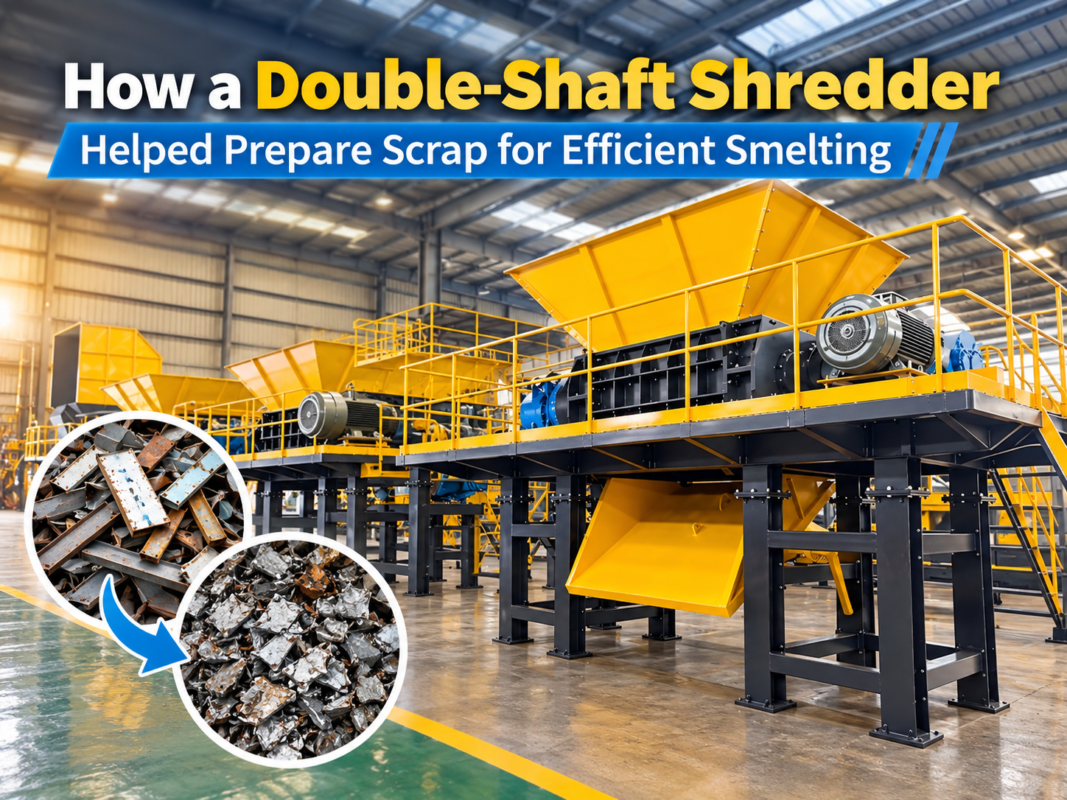
At the high end of the spectrum, heavy-duty industrial shredding systems can cost anywhere from $150,000 to over $500,000. These are massive installations designed for the most demanding applications, such as car body shredding, large-scale municipal solid waste (MSW) processing, and heavy metal scrap. These systems often include integrated conveyor belts, magnetic separators, and sophisticated PLC-based automation to ensure maximum throughput and minimal human intervention.
Main Cost Drivers in Shredder Procurement
Understanding what drives the price of a shredder is crucial for effective budgeting. The most significant cost driver is the motor and drive system. High-torque applications require specialized motors and planetary reducers that can withstand the immense stress of shearing tough materials. Brands like Siemens or ABB for motors and high-end Italian or German reducers add a premium to the price but offer significantly better reliability and energy efficiency.
The blade material and manufacturing process are the next major factors. Blades are the primary wear parts of a shredder. Standard blades might be made of basic carbon steel, but high-performance industrial shredders use specialized alloys like D2, SKD-11, or DC53. These materials undergo rigorous heat treatment to achieve the perfect balance of hardness (to maintain a sharp edge) and toughness (to prevent cracking under impact). The complexity of the blade design—such as the number of hooks and the thickness—also impacts the final cost.
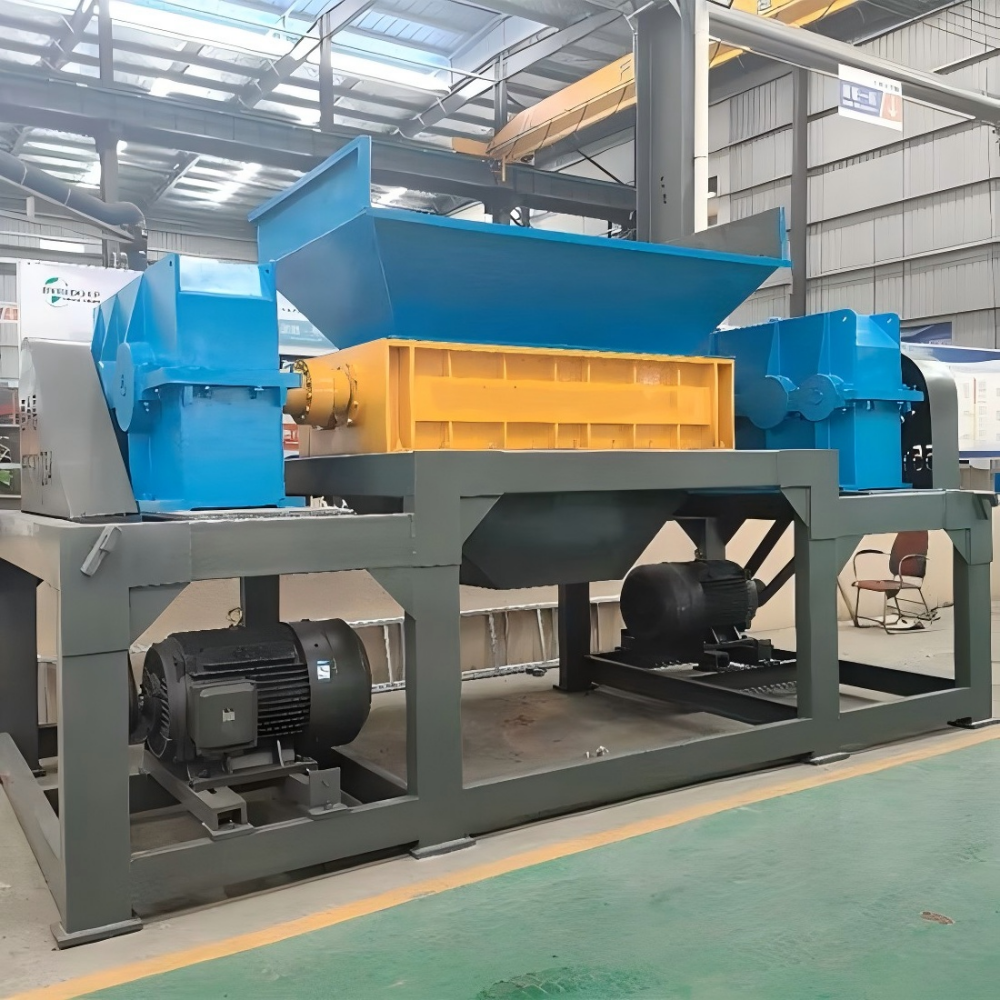
Frame and Chamber Construction also play a vital role. A shredder is subjected to intense vibrations and mechanical stresses. A machine built with a thick, welded steel plate frame will be more expensive than one with a lighter, bolted frame, but it will last decades longer. The precision of the machining in the cutting chamber ensures that the tolerances between the blades are kept tight, which is essential for efficient shearing and preventing material jams.
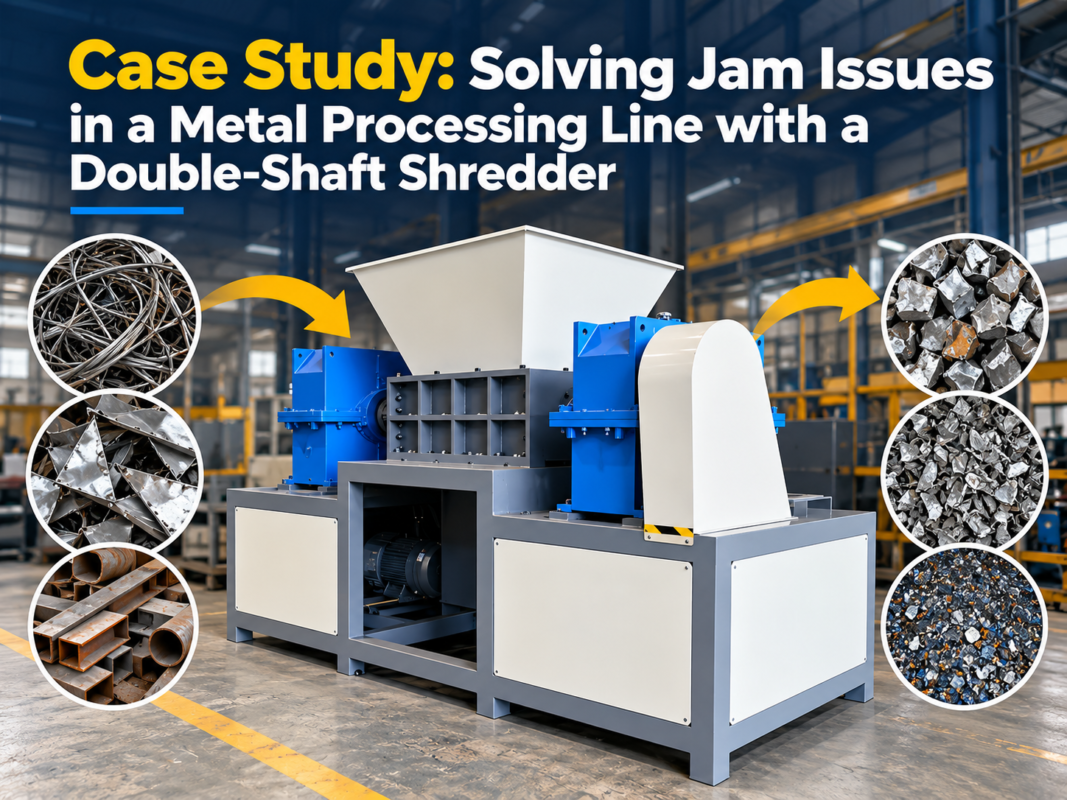
Finally, the Control System adds to the cost. Modern industrial shredders utilize Programmable Logic Controllers (PLC) to manage the operation. Features like “auto-reverse” are critical; when the machine senses an overload or a jam, the PLC automatically reverses the shafts to clear the material before attempting to shred again. This prevents motor burnout and mechanical failure. Higher-end systems offer remote monitoring, data logging, and integration into a factory’s wider IoT ecosystem.
Configuration Impact on Efficiency
The configuration of your double-shaft shredder directly dictates its efficiency in waste size reduction. One of the most important configuration choices is the shaft design. Hexagonal shafts are generally preferred over square shafts in heavy-duty applications because they offer better torque distribution and make it easier to replace blades. The arrangement of the blades on the shaft—whether they are staggered or aligned—affects how the material is grabbed and pulled into the cutting zone.
The Hopper and Feeding System configuration is another area where efficiency is won or lost. A hopper that is too small will lead to material bridging, where waste gets stuck and doesn’t reach the blades. Conversely, a well-designed hopper with an internal hydraulic pusher can force bulky items into the shafts, significantly increasing throughput. For continuous operations, integrating the shredder with an automated conveyor system ensures a steady feed rate, preventing the machine from running empty or becoming overwhelmed.
Discharge Size Control is handled differently in double-shaft shredders compared to single-shaft models. While single-shaft shredders use a screen to determine the final particle size, double-shaft shredders rely on the width of the blades and the number of hooks. If your process requires a very specific output size, you may need a configuration that includes a secondary granulator or a recirculating conveyor system. Choosing the right blade thickness from the outset is essential to meeting your size reduction targets without needing additional machinery.
Hidden Costs of Ownership
When calculating the budget for an Industrial Double-Shaft Shredder Buying : Improve Efficiency In Waste Size Reduction, many buyers overlook the long-term operational costs. The most prominent hidden cost is Blade Maintenance and Replacement. Depending on the abrasiveness of the material being shredded (e.g., glass-filled plastics or sandy tires), blades may need to be sharpened or replaced every few months. The cost of a full set of replacement blades can be 10-20% of the machine’s original price.
Energy Consumption is another significant factor. A shredder running a 75kW motor for 8-16 hours a day will have a substantial impact on a facility’s electricity bill. Investing in a machine with a high-efficiency motor and a VFD (Variable Frequency Drive) can reduce energy spikes during startup and optimize power usage based on the load, potentially saving thousands of dollars annually.
Don’t forget Installation and Site Preparation. Large shredders require a level, reinforced concrete pad to handle the weight and vibration. You may also need to upgrade your electrical panel to handle the high amperage required by the motors. Furthermore, shipping and rigging costs for a machine that weighs several tons can be significant, especially for international purchases. Always clarify whether the quoted price includes “FOB” (Free On Board) or “DDP” (Delivered Duty Paid) terms.
Lastly, consider the cost of Downtime. If your shredder is a critical link in your production chain, a breakdown can halt your entire operation. This is why the availability of spare parts and the proximity of technical support are “hidden” values. A cheaper machine from a manufacturer with no local support can end up being far more expensive if it sits idle for weeks waiting for a $50 sensor to arrive from overseas.
ROI Calculation: Measuring the Value
To justify the purchase of an industrial shredder, a clear Return on Investment (ROI) calculation is necessary. The primary financial benefit usually comes from Logistics Savings. For example, if you are currently paying to haul away loose plastic scrap, you are essentially paying to transport air. By shredding that waste, you can increase the density of the material by 300% to 500%, meaning you need one-third the number of trucks to move the same amount of material.
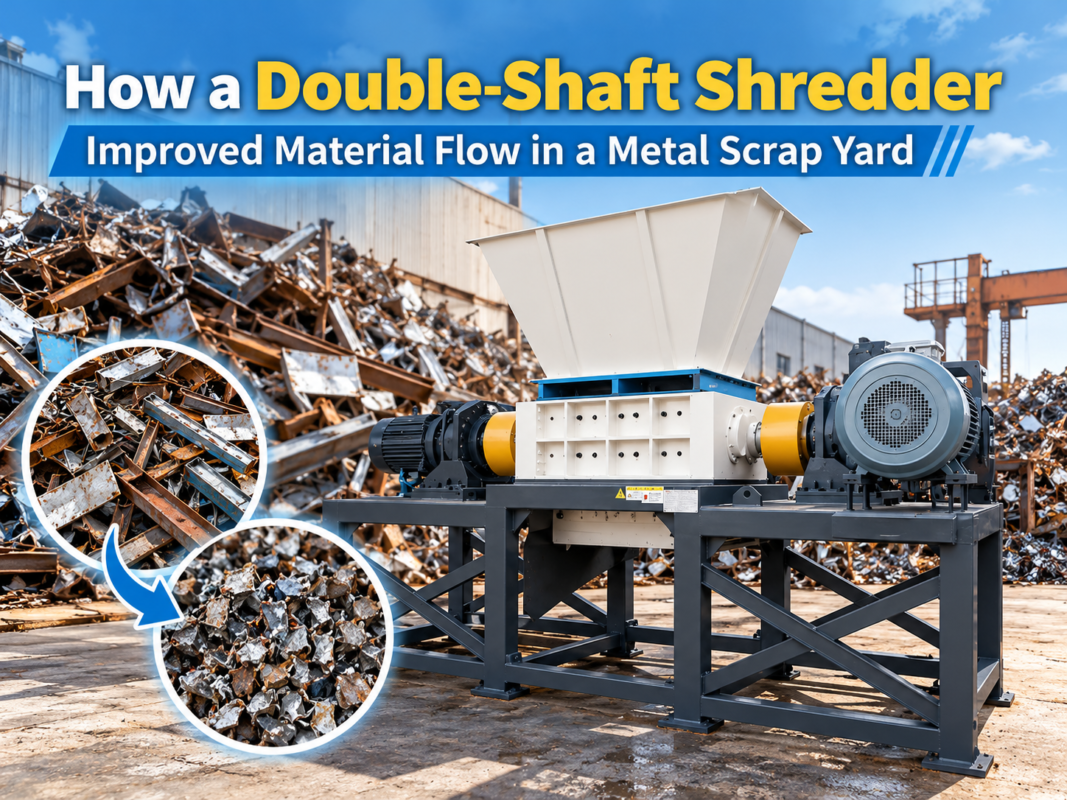
Another factor is the Increased Value of Recyclables. Many recycling centers pay a premium for pre-shredded material because it saves them a processing step. If you are dealing with metal scrap, shredded and sorted metal fetches a much higher price per ton than mixed, bulky scrap. Calculate the difference in your monthly scrap revenue before and after shredding to see how quickly the machine pays for itself.
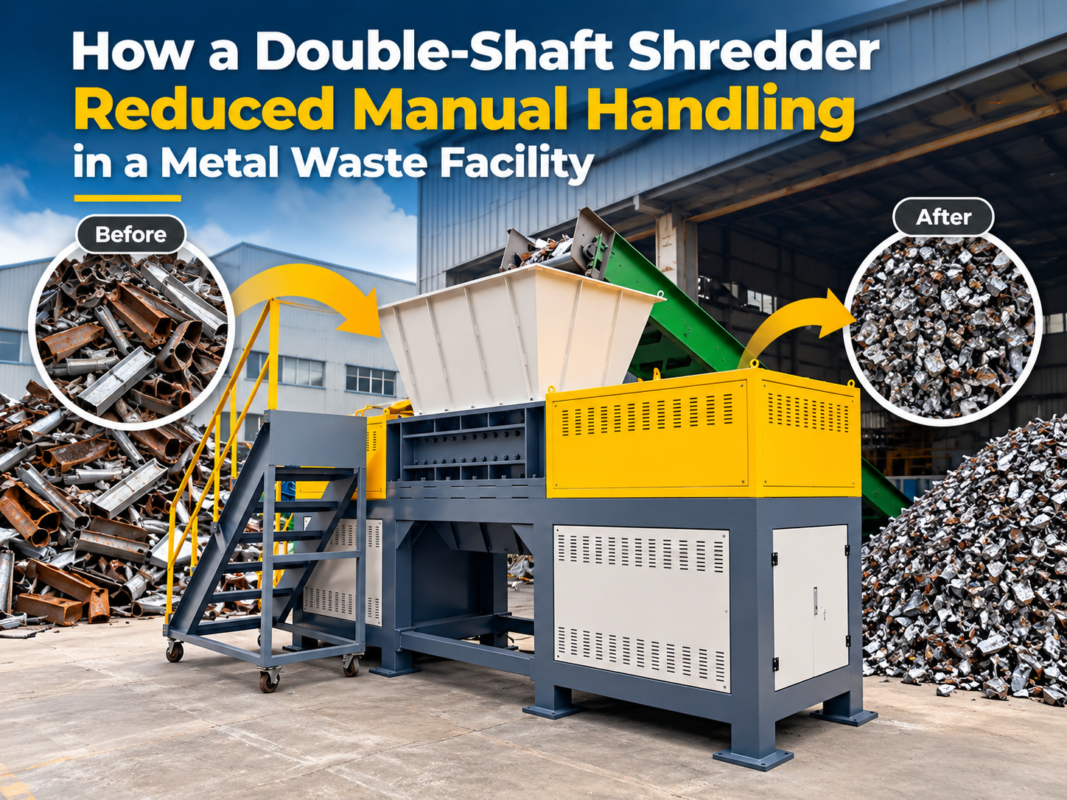
Labor savings should also be included. Manual size reduction (using saws or manual labor to break down items) is slow, dangerous, and expensive. An automated shredding system can replace several manual labor positions, allowing those employees to be reassigned to higher-value tasks. To calculate the ROI, use the formula: (Annual Logistics Savings + Annual Scrap Revenue Increase + Annual Labor Savings) / (Total Cost of Acquisition + Annual Maintenance). Most well-utilized industrial shredders see a full ROI within 18 to 36 months.
Buying Advice: How to Choose the Right Manufacturer
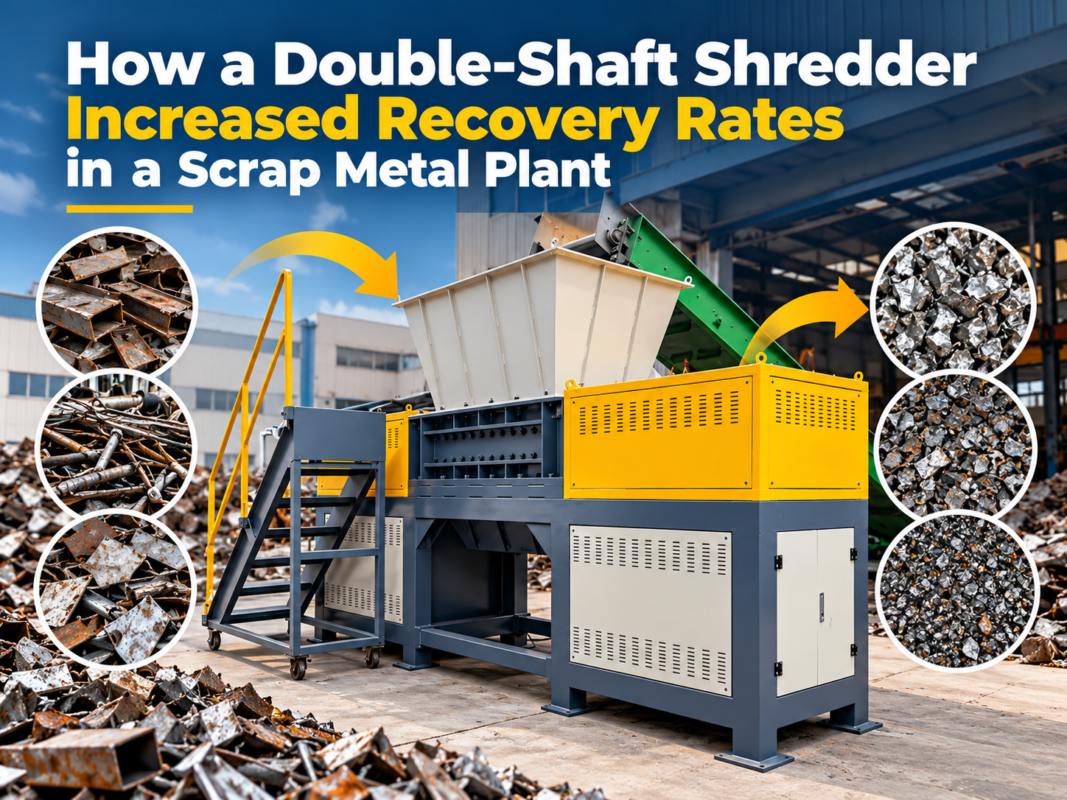
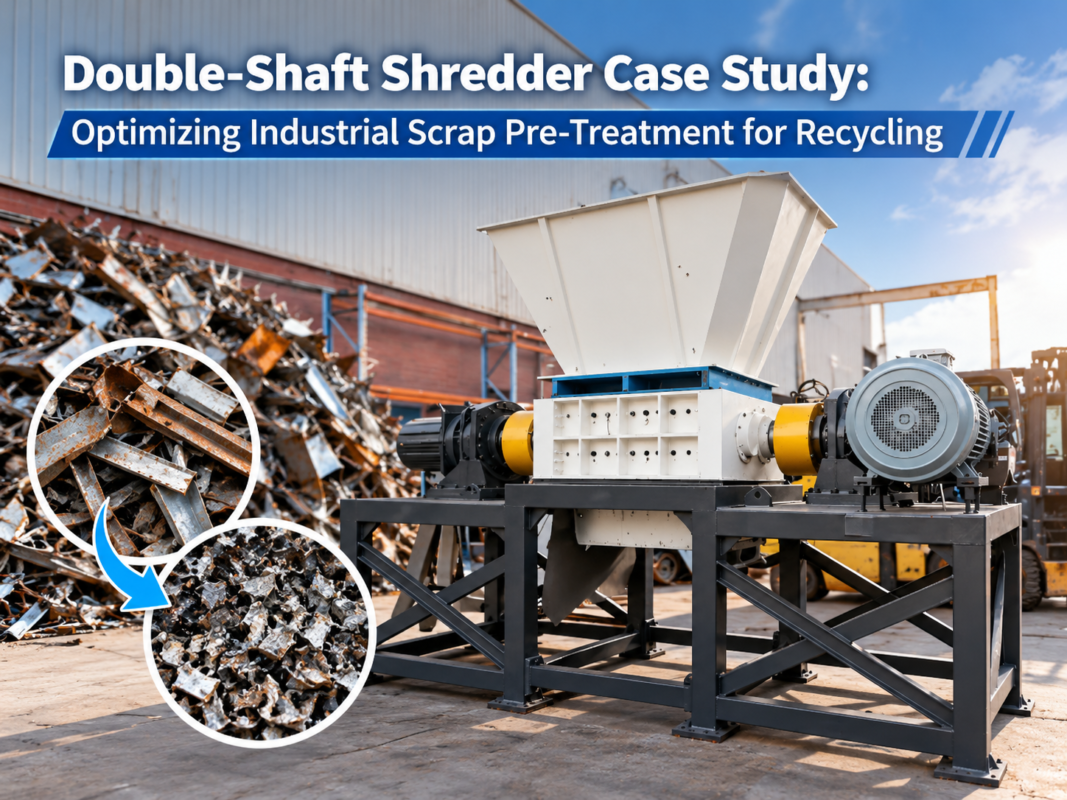
Choosing the right partner for your Industrial Double-Shaft Shredder Buying : Improve Efficiency In Waste Size Reduction project is just as important as the machine’s specifications. Start by Material Testing. Any reputable manufacturer, such as HARSLE, should offer to test your specific waste material in their lab. This ensures that the blade configuration and motor power are perfectly matched to your needs. Ask for a video of the test and a sample of the shredded output.
Evaluate the Build Quality and Component Sourcing. Ask for a detailed list of the components used in the machine. Are the bearings from a known brand like SKF or NSK? Is the PLC a standard model that can be easily serviced by a local electrician? A manufacturer that is transparent about their supply chain is usually more reliable. Additionally, check the thickness of the steel used in the cutting chamber and the frame; heavier is almost always better in the world of shredding.
Consider the After-Sales Support Ecosystem. Does the manufacturer provide a comprehensive manual, a troubleshooting guide, and a clear warranty policy? Inquire about the lead time for wear parts like blades and spacers. It is often wise to purchase a “critical spares kit” along with the machine, including a set of blades, seals, and common electrical components, to minimize potential downtime.
Finally, look for Customization Capabilities. Every waste stream is unique. A one-size-fits-all shredder is rarely the most efficient solution. Whether you need a specific hopper shape to accommodate your forklift, a custom discharge height for your bins, or integrated water cooling for processing heat-sensitive plastics, choose a manufacturer that is willing to tailor the machine to your specific operational environment.
Frequently Asked Questions (FAQ)
1. What is the difference between a single-shaft and a double-shaft shredder?
Single-shaft shredders use a high-speed rotor with small blades and a screen to produce a very consistent, small particle size. They are best for plastics and wood where a specific size is needed. Double-shaft shredders use low-speed, high-torque counter-rotating shafts to shear bulky, tough materials. They are better for volume reduction and handling difficult items like tires or metal, but they do not produce as uniform a particle size as single-shaft models.
2. How often do the blades need to be sharpened?
Blade longevity depends entirely on the material being processed. For clean plastics, blades may last 1,000 to 2,000 hours before needing attention. If you are shredding contaminated materials like MSW or abrasive materials like glass-filled polymers, you may need to sharpen or rotate the blades every 500 hours. Many modern blades are designed to be multi-sided, allowing you to rotate them to a fresh edge before needing a full regrind.
3. Can a double-shaft shredder handle metal?
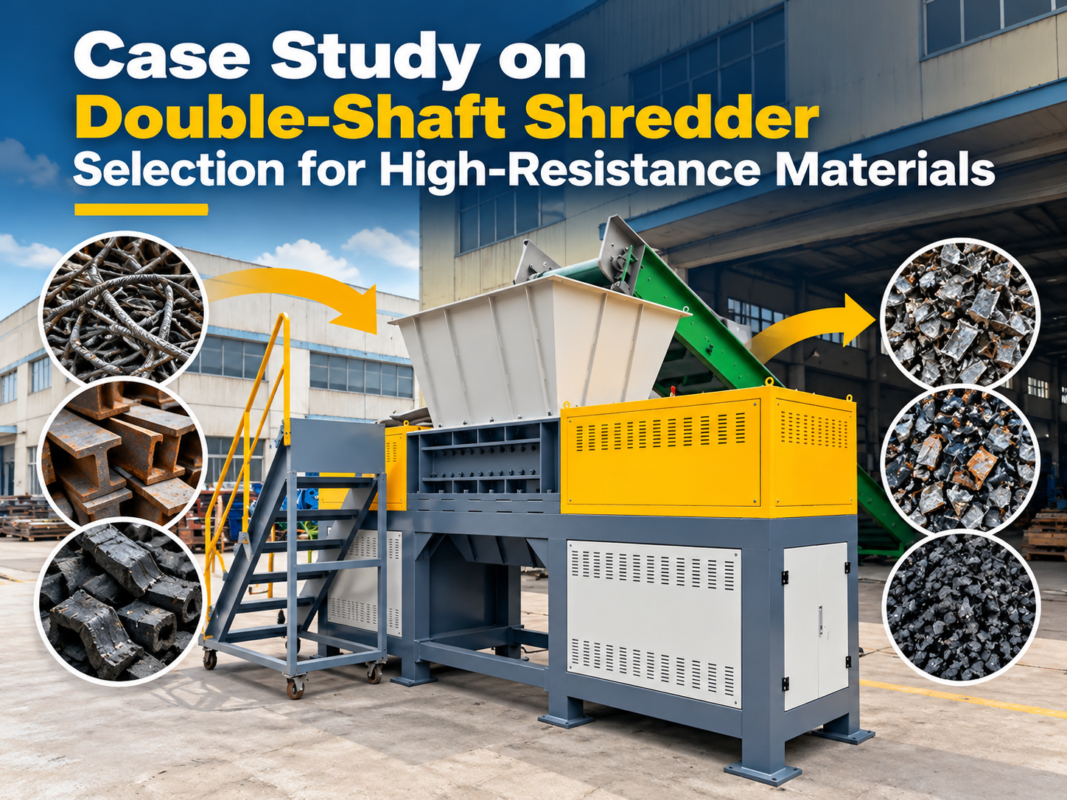
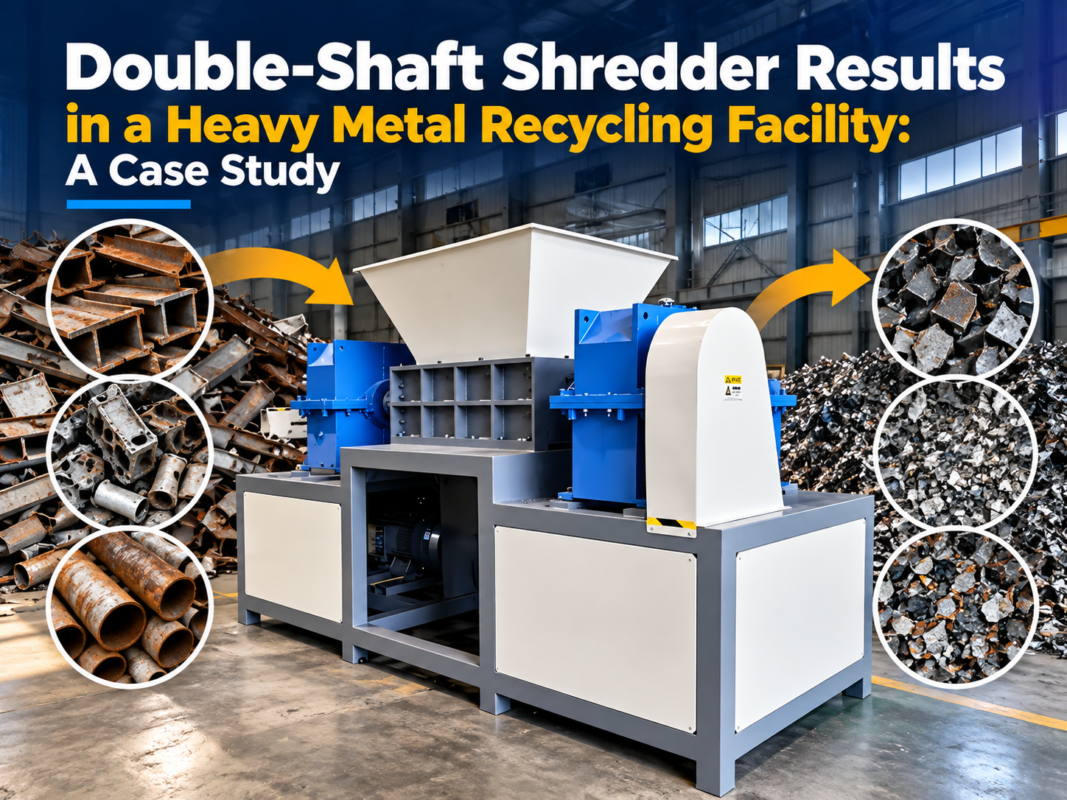
Yes, but it depends on the thickness and type of metal. Double-shaft shredders are excellent for light to medium metal scrap, such as aluminum extrusions, copper wiring, electronic housings, and thin-gauge steel drums. However, they are not intended for solid blocks of steel or heavy structural beams, which require specialized scrap shears or massive hammer mills.
4. What safety features should I look for?
Safety is paramount in shredding operations. Look for machines with emergency stop buttons at multiple locations, safety interlocks on all access doors (which prevent the machine from starting if a door is open), and an auto-reverse function to prevent mechanical failure during jams. Additionally, ensure the hopper is designed to prevent “kickback” or material being ejected from the top during the shredding process.
5. Is hydraulic or electric drive better?
Electric drives are generally more energy-efficient, easier to maintain, and quieter, making them the standard for most industrial applications. Hydraulic drives, however, offer superior torque at very low speeds and are better at handling frequent, severe shocks or stalls. Hydraulic drives are typically reserved for the most extreme heavy-duty applications, such as primary shredding of car tires or large-scale demolition waste.
6. How do I determine the right motor power for my needs?
Motor power is determined by the required throughput (tons per hour) and the toughness of the material. A general rule of thumb is that tougher materials require more torque, which is a product of motor power and gear reduction. Consult with a HARSLE engineer to calculate the specific kW requirements based on your material density and desired output size to ensure you don’t under-power your operation.
”
}