Best Practices for Buying a Single-Shaft Shredder for Industrial Recycling

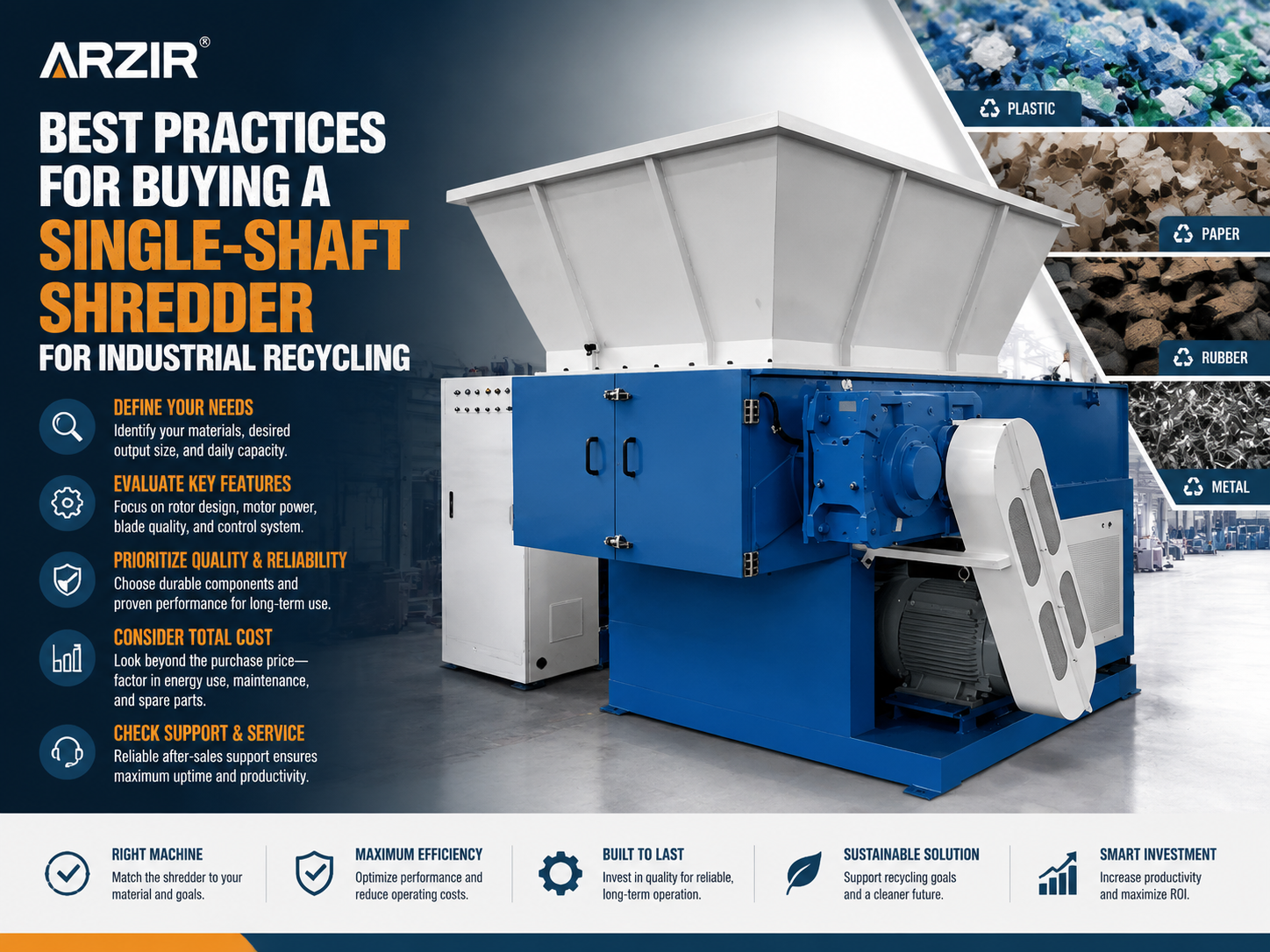
Introduction to Industrial Single-Shaft Shredders
In the modern landscape of industrial recycling, the single-shaft shredder stands as a cornerstone of efficiency and versatility. Whether you are processing post-consumer plastics, timber waste, paper, or light non-ferrous metals, selecting the right equipment is a high-stakes decision that impacts your operational throughput and long-term profitability. Following the Best Practices Buying A Single-Shaft Shredder Industrial Recycling ensures that your investment aligns with your specific material requirements and production goals.
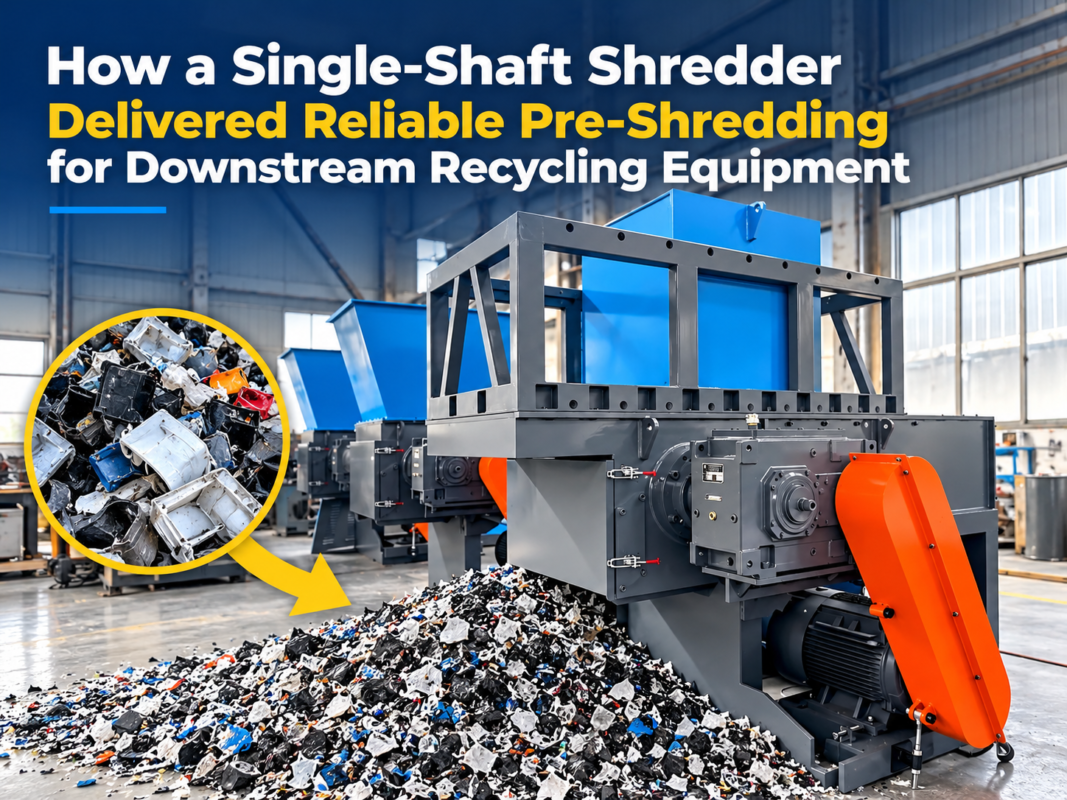
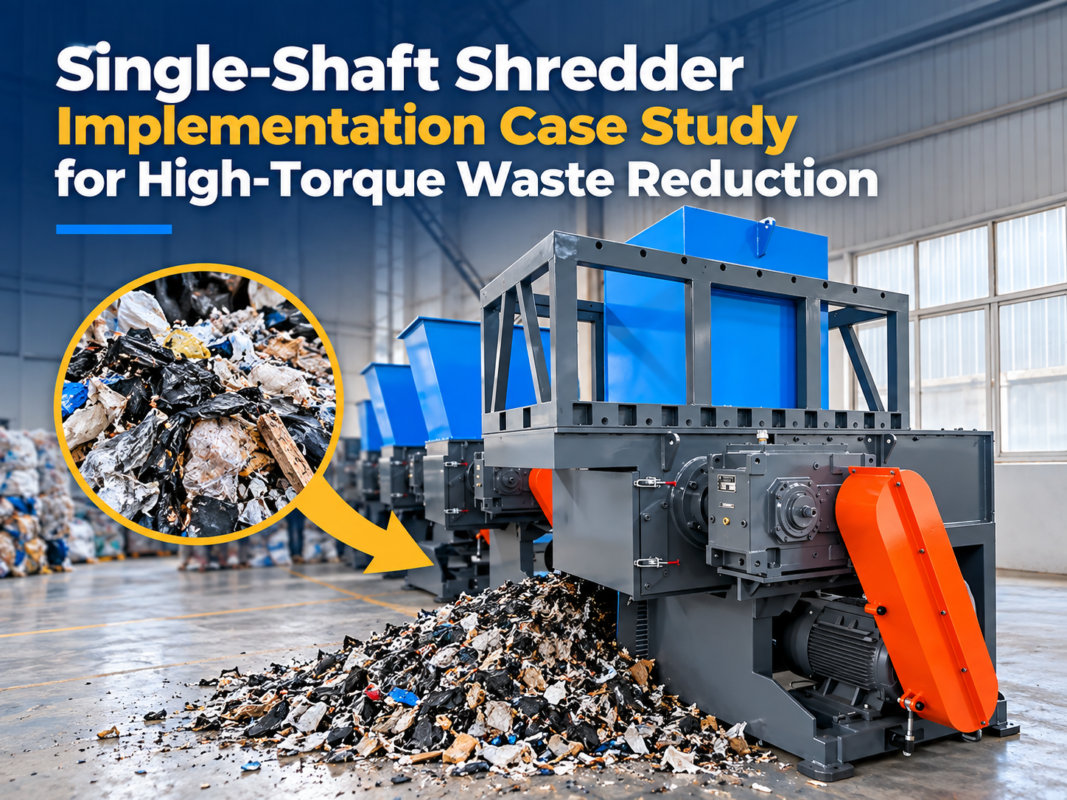
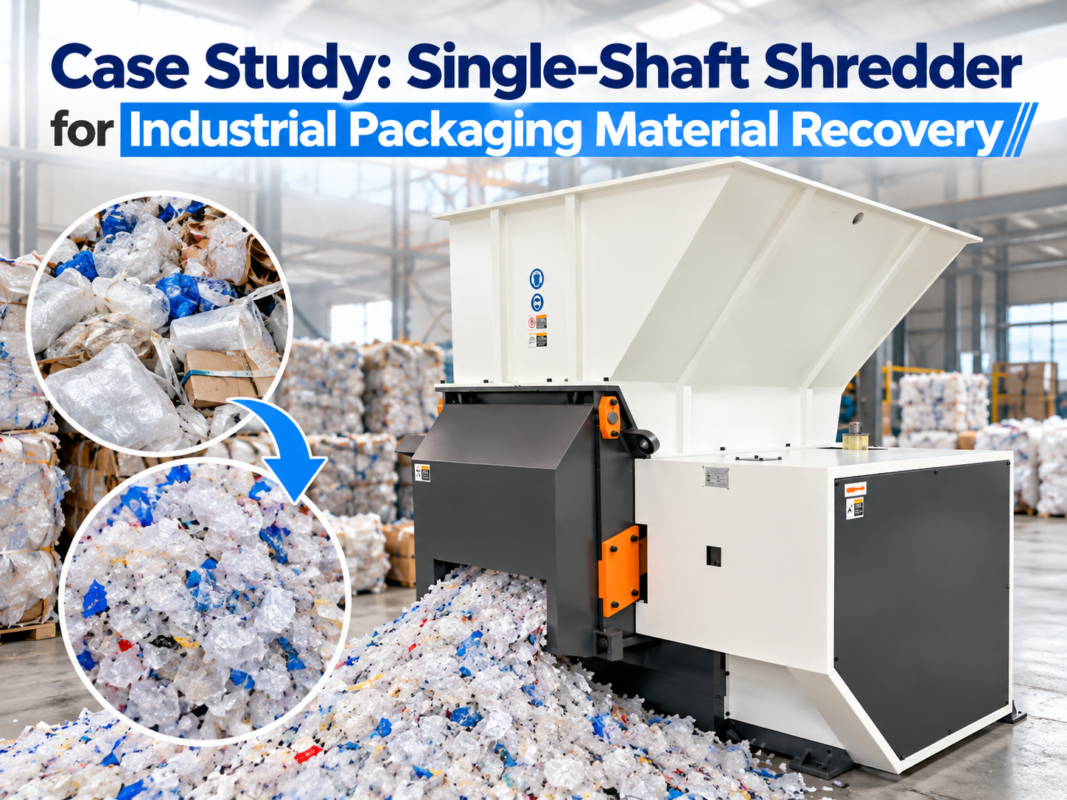
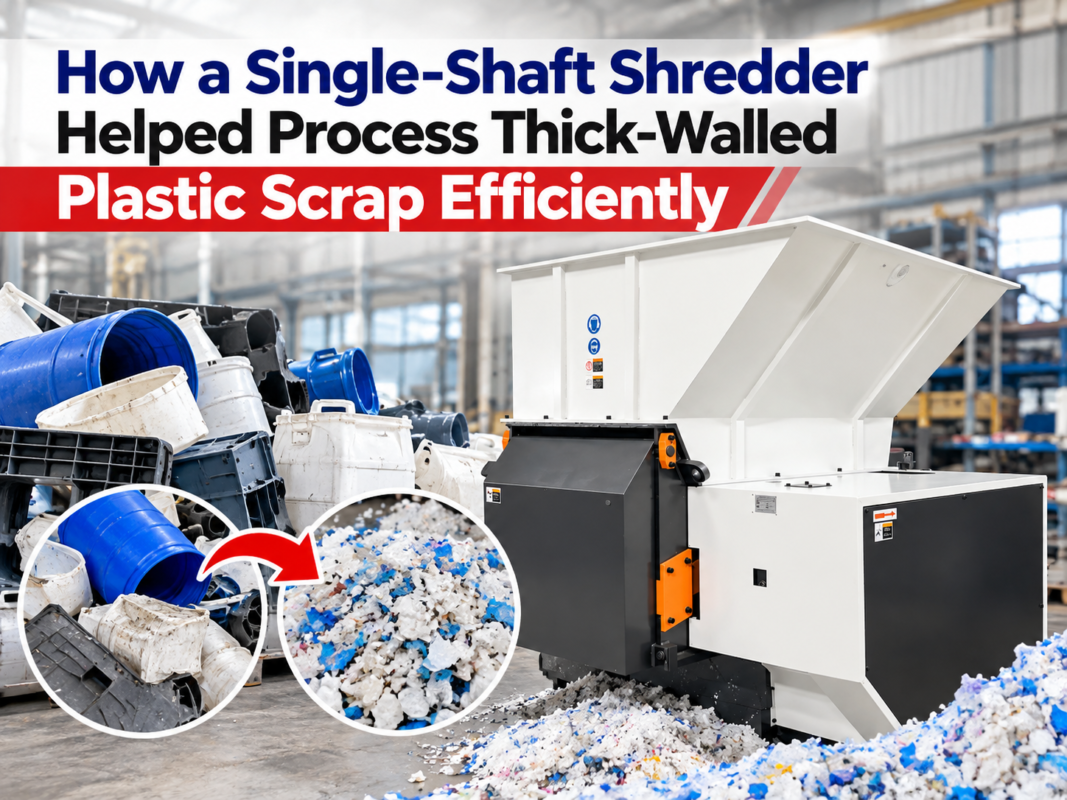
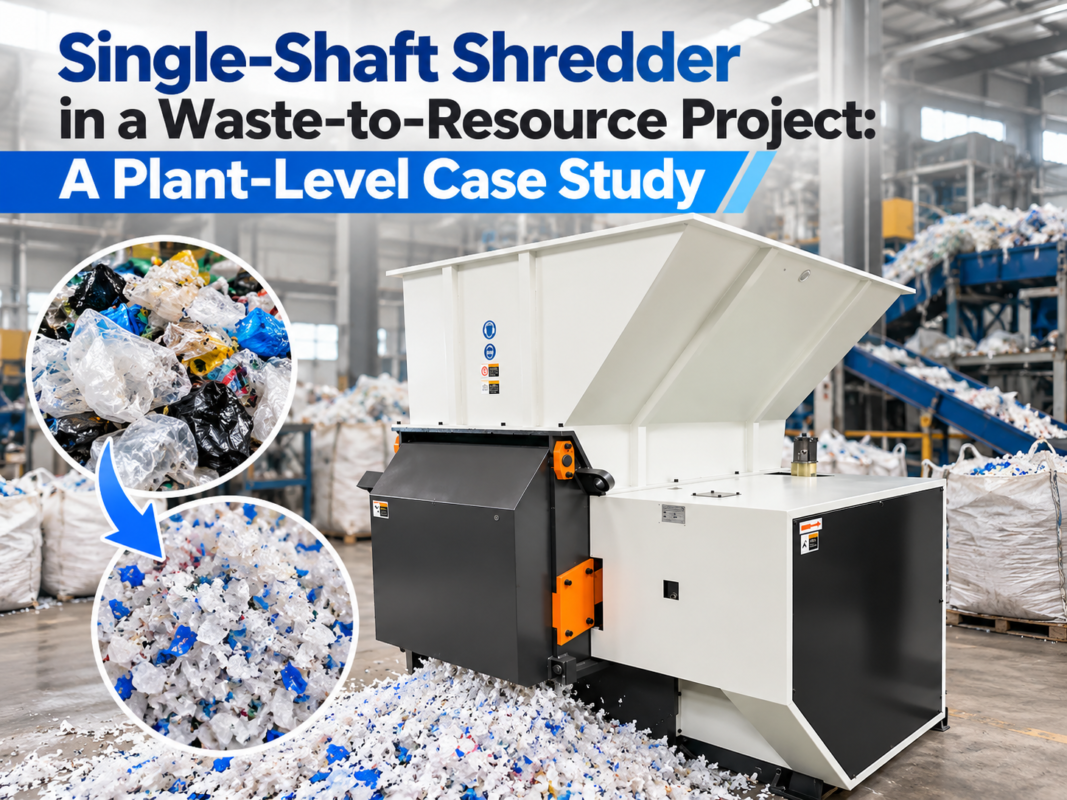
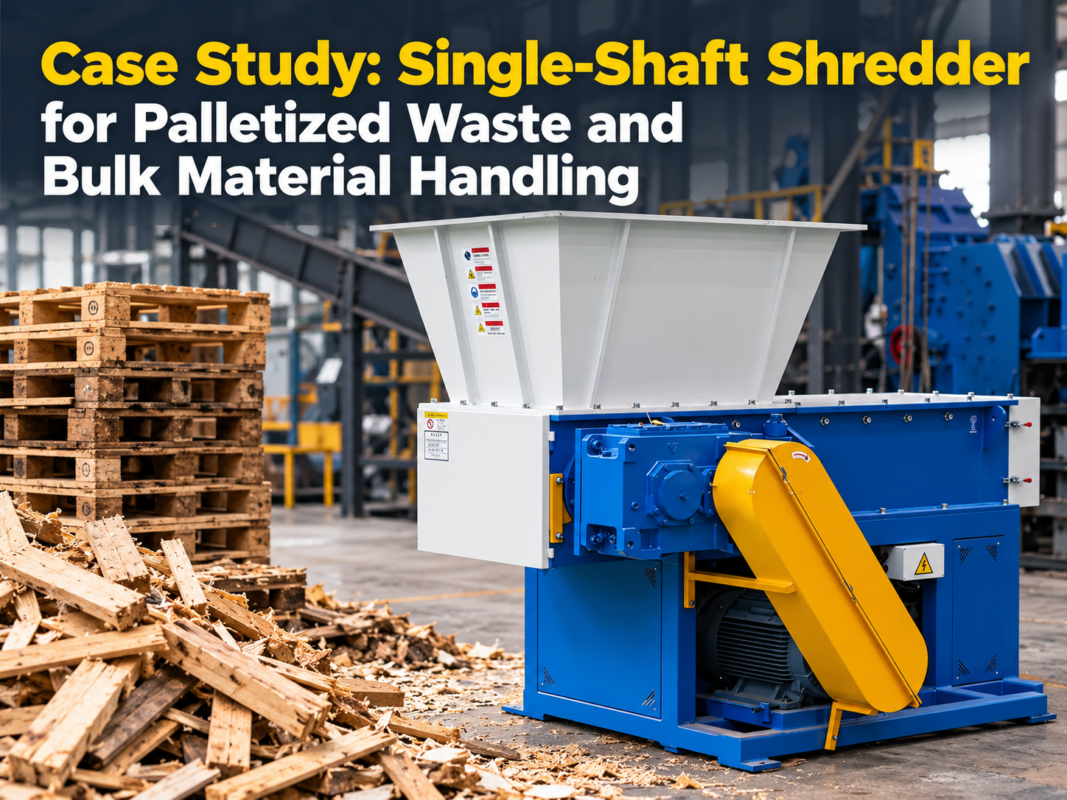
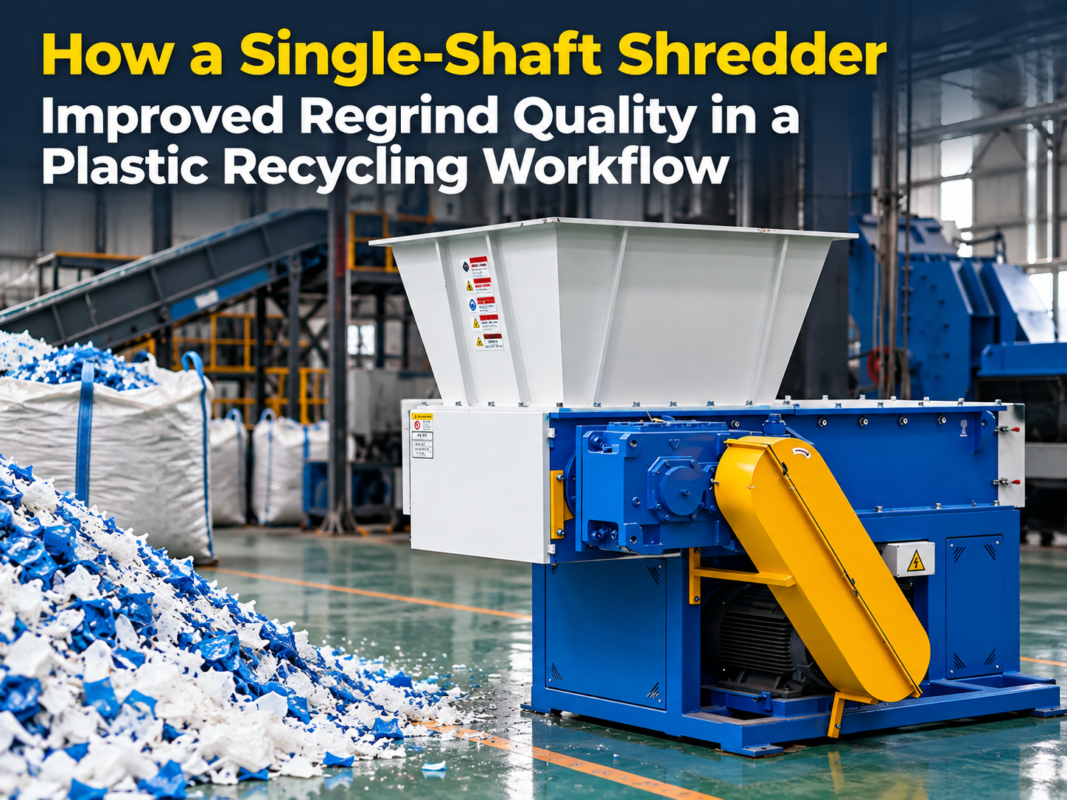
A single-shaft shredder operates using a large-diameter rotor equipped with multiple rotary blades. As the rotor turns, these blades pass through stationary counter-blades, shearing the material into smaller pieces. A hydraulic pusher ram forces the material against the rotor to maintain constant contact, ensuring a consistent output size determined by a screen located beneath the rotor. This guide provides a deep dive into the technical and financial considerations necessary for a successful acquisition.
Price Range Overview: Understanding the Market
The market for single-shaft shredders is diverse, with prices varying significantly based on capacity, build quality, and technological integration. When considering the Best Practices Buying A Single-Shaft Shredder Industrial Recycling, it is helpful to categorize machines into three primary tiers to better align your budget with your needs.
| Category | Typical Motor Power | Estimated Price Range (USD) | Primary Applications |
|---|---|---|---|
| Entry-Level / Small Scale | 15kW – 37kW | $15,000 – $35,000 | Small plastic purgings, paper, laboratory use. |
| Mid-Range / Standard Industrial | 45kW – 90kW | $40,000 – $85,000 | General plastic recycling, wood waste, electronic scrap. |
| Heavy-Duty / High Capacity | 110kW+ | $95,000 – $250,000+ | Large-scale municipal waste, thick-walled pipes, baled materials. |
Entry-level machines are often suitable for businesses with intermittent shredding needs or those processing relatively soft materials. However, for continuous industrial operations, mid-range and heavy-duty machines offer the structural integrity required to withstand 24/7 duty cycles. It is important to note that the lowest price often leads to higher maintenance costs over time, making the initial investment only one part of the total cost of ownership.
Main Cost Drivers in Shredder Procurement
Several technical factors dictate the final price of a single-shaft shredder. Understanding these drivers is essential for any procurement professional looking to optimize their spending. The most significant driver is the Rotor Construction and Material. Rotors can be solid or hollow, with solid rotors offering higher inertia and durability for tough materials like solid plastic blocks or hardwood. The metallurgy of the blades—typically D2, DC53, or specialized tungsten carbide—also adds to the cost but significantly extends the interval between sharpenings.
The Hydraulic System is another critical component. High-end shredders utilize advanced hydraulic rams with variable speed controls and cooling systems. These systems allow the machine to adjust the pressure based on the resistance encountered, preventing jams and reducing wear on the motor. Furthermore, the Drive System (gearbox and motor) represents a large portion of the cost. Premium gearboxes from reputable manufacturers ensure high torque transmission and longevity, which is vital for heavy-duty recycling tasks.
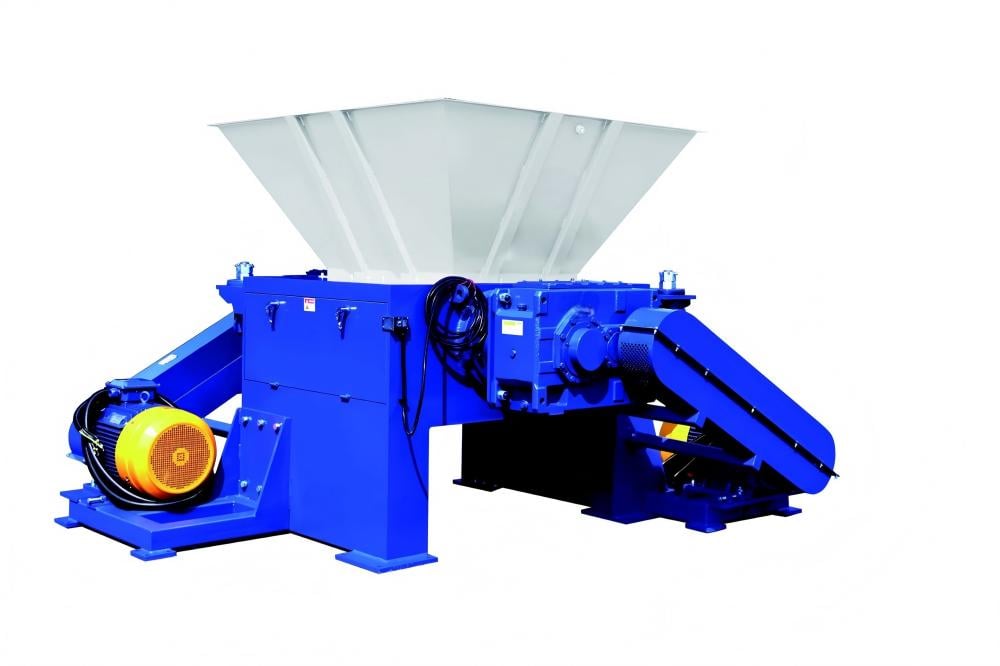
Configuration Impact: Tailoring the Machine to Your Material
One of the most important Best Practices Buying A Single-Shaft Shredder Industrial Recycling is ensuring the machine configuration matches your specific material stream. A “one-size-fits-all” approach rarely works in recycling. For instance, the Rotor Type must be selected carefully. A ‘V-rotor’ design is excellent for general-purpose shredding as it pulls material toward the center, while a ‘Flat-rotor’ might be better for specific film or fiber applications to prevent wrapping.
The Screen Size determines the final particle size. While smaller screens produce a finer output, they also reduce throughput and increase heat generation. If your downstream process (like an extruder or a granulator) can handle larger flakes, opting for a larger screen can significantly boost your hourly production rates. Additionally, for materials with low melting points, such as certain plastics, integrated Water Cooling for the rotor and bearing housings is a necessary configuration to prevent material from melting and clogging the machine.
Pusher Ram Variations
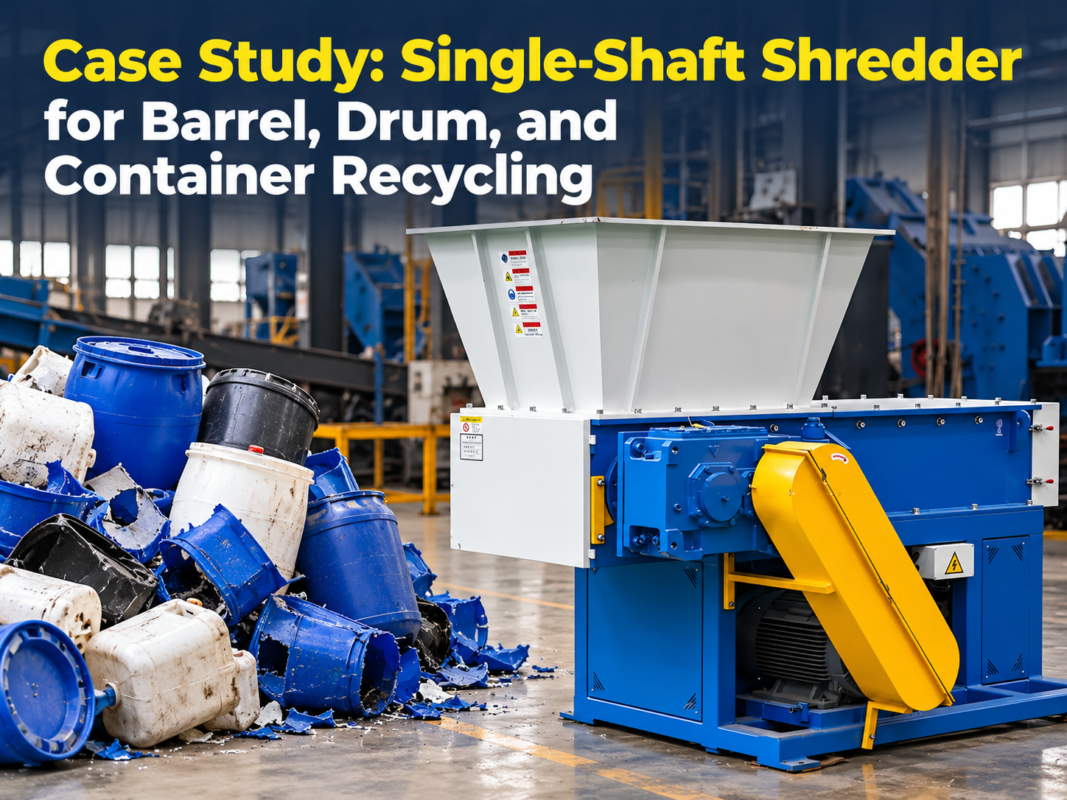
The design of the hydraulic pusher ram also varies. Horizontal pushers are standard, but inclined pushers can be more effective for bulky items like drums or large crates, as gravity assists in feeding the material toward the rotor. Some advanced models feature a “swing-arm” pusher, which reduces the footprint of the machine and minimizes the risk of material getting stuck behind the ram.
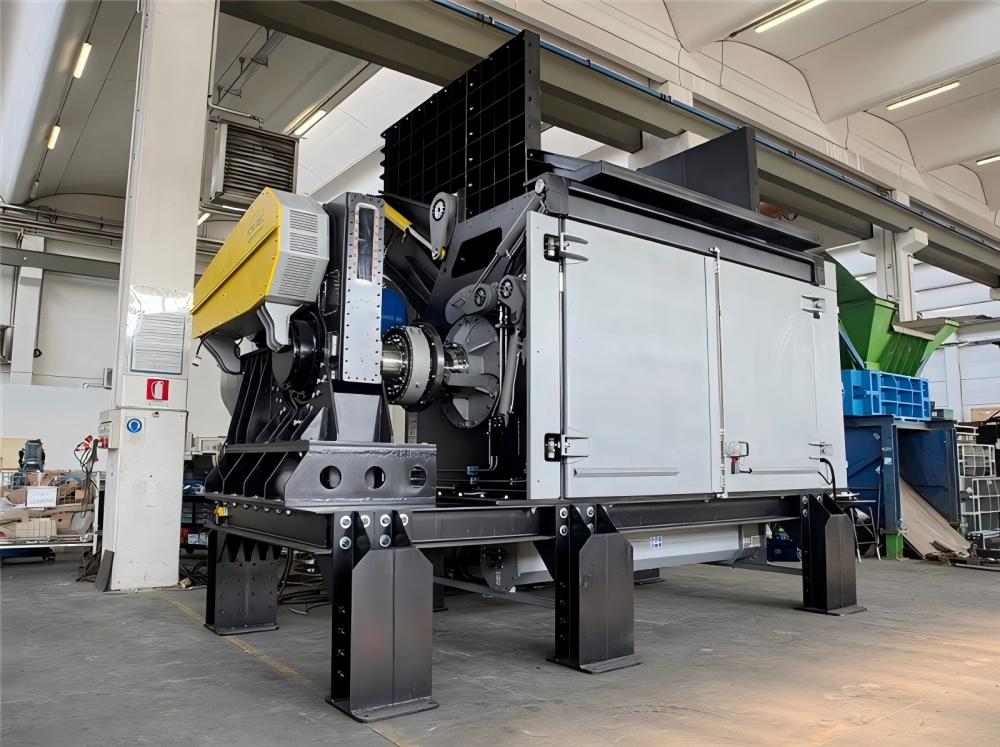
Identifying and Managing Hidden Costs
The purchase price is just the beginning. To follow the Best Practices Buying A Single-Shaft Shredder Industrial Recycling, you must account for hidden costs that can impact your bottom line. Installation and Commissioning often require specialized rigging and electrical work. If the manufacturer is international, consider the costs of technician travel and accommodation for the setup phase.
Consumables and Spare Parts are a recurring expense. Shredder blades are wear items; depending on the abrasiveness of your material (e.g., glass-filled plastics or contaminated wood), you may need to rotate or replace blades every few hundred hours. Keeping a stock of blades, bolts, and screen segments is essential to avoid costly downtime. Furthermore, Energy Consumption is a major operational cost. A machine that is slightly more expensive but features a high-efficiency motor and optimized hydraulic logic can save thousands of dollars in electricity bills over its lifespan.
ROI Calculation: Measuring the Value of Your Investment
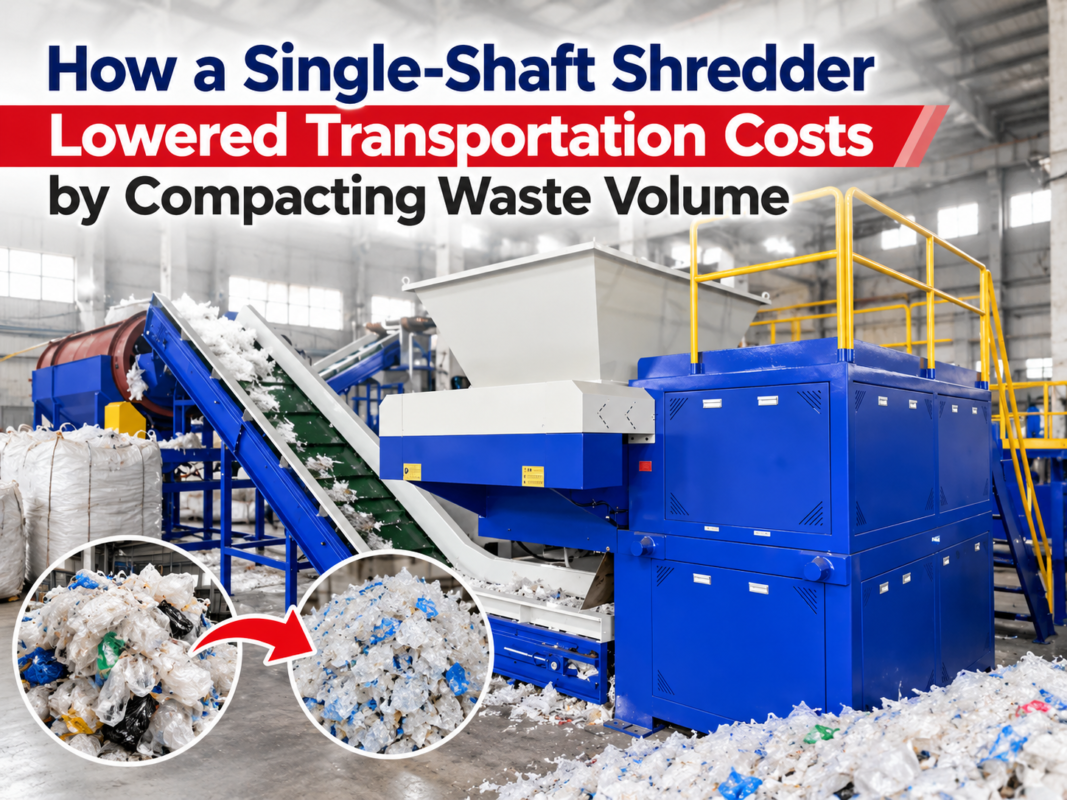
Calculating the Return on Investment (ROI) for a single-shaft shredder involves more than just looking at the throughput. You must consider the Value Addition to the material. For example, shredding bulky plastic waste into uniform flakes can increase its market value by 30-50% or reduce shipping costs by maximizing container density.
To calculate ROI, use the following formula:
ROI = (Annual Increased Revenue + Annual Operational Savings – Annual Operating Costs) / Total Investment Cost.
Operational savings might include reduced labor costs if the shredder replaces manual sorting or breaking down of materials. If a $60,000 shredder generates $30,000 in additional profit per year through higher material value and lower disposal fees, the payback period is only two years—a very attractive proposition for most industrial firms.
Expert Buying Advice for Industrial Recycling
When you are ready to make a purchase, follow these Best Practices Buying A Single-Shaft Shredder Industrial Recycling to ensure a smooth transaction. First, always request a Material Test. Reputable manufacturers like HARSLE often allow you to send samples of your specific waste material to their facility. They will shred it and provide a report on throughput, particle size distribution, and power consumption. This is the only way to be 100% sure the machine performs as expected.
Second, evaluate the Control System. Modern shredders should be equipped with a PLC (Programmable Logic Controller) and a user-friendly HMI (Human Machine Interface). These systems should include auto-reverse functions to clear jams and sensors to monitor motor load and bearing temperature. A machine that can “think” for itself will prevent catastrophic failures caused by operator error.
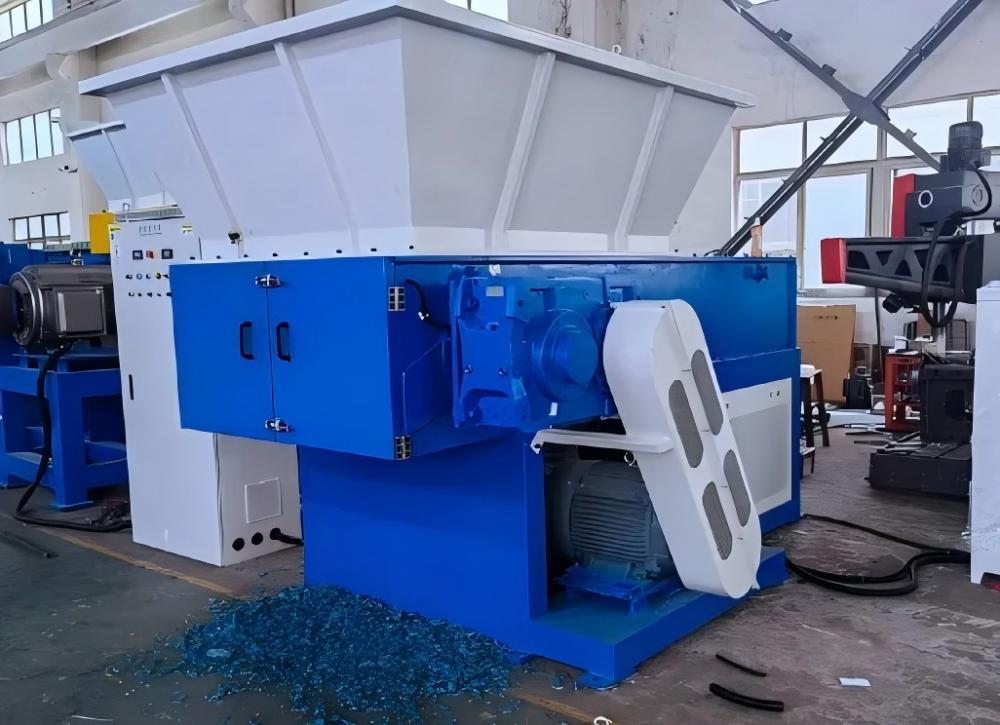
Finally, consider the After-Sales Support. Industrial recycling is a harsh environment, and parts will eventually break. Ensure the manufacturer has a robust supply chain for spare parts and offers remote technical support. A cheaper machine from a vendor with no local support can become a liability the moment a critical component fails.
Frequently Asked Questions (FAQ)
What is the difference between a single-shaft and a double-shaft shredder?
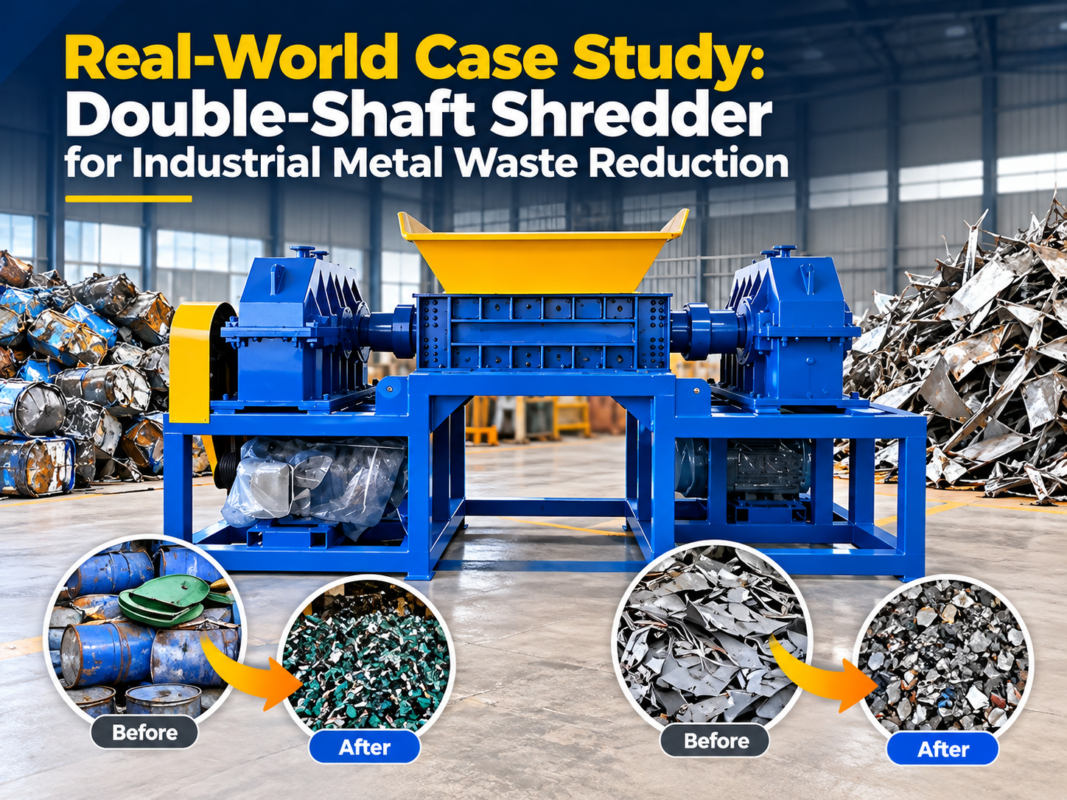
A single-shaft shredder is generally better for producing a specific, uniform particle size thanks to its internal screen. It is ideal for plastics and wood. A double-shaft (or twin-shaft) shredder is a high-torque, low-speed machine designed for primary volume reduction of very tough materials like tires or large metal drums, but it does not typically produce a uniform small particle size in a single pass.
How often do the blades need to be sharpened or replaced?
Blade life depends entirely on the material being processed. For clean plastics, blades may last 500-800 hours before needing to be rotated (most blades have 4 cutting edges). If the material is contaminated with sand, metal, or glass, the life can drop to 100-200 hours. Regular inspection is key to maintaining efficiency.
Can a single-shaft shredder handle metal?
Standard single-shaft shredders are designed for plastics, wood, and paper. While they can handle light non-ferrous metals like aluminum cans or thin copper wiring, they are not intended for heavy steel scrap. Processing heavy steel in a standard shredder will cause rapid blade wear and potential structural damage to the rotor.
What safety features should I look for?
Essential safety features include emergency stop buttons, safety interlocks on all access doors (preventing the machine from running while open), and a hydraulic safety lock for the pusher ram. Additionally, the control system should have overload protection to shut down the motor if a non-shreddable object enters the chamber.
Does the moisture content of the material matter?
Yes, especially for wood and paper. High moisture content increases the weight of the material and can cause it to stick to the screen, reducing throughput. For plastics, moisture is less of an issue for the shredder itself but may affect downstream processes like pelletizing.
Conclusion
Investing in a single-shaft shredder is a transformative step for any industrial recycling operation. By adhering to the Best Practices Buying A Single-Shaft Shredder Industrial Recycling, you move beyond simple price comparisons and focus on the technical specifications and operational efficiencies that drive long-term success. From selecting the right rotor metallurgy to calculating a realistic ROI, every detail matters. Partnering with an experienced manufacturer like HARSLE ensures that you receive not just a machine, but a complete solution tailored to the rigors of the recycling industry.