Four-Shaft Shredder Buying Tips for Improving Recycling Efficiency: A Comprehensive Guide

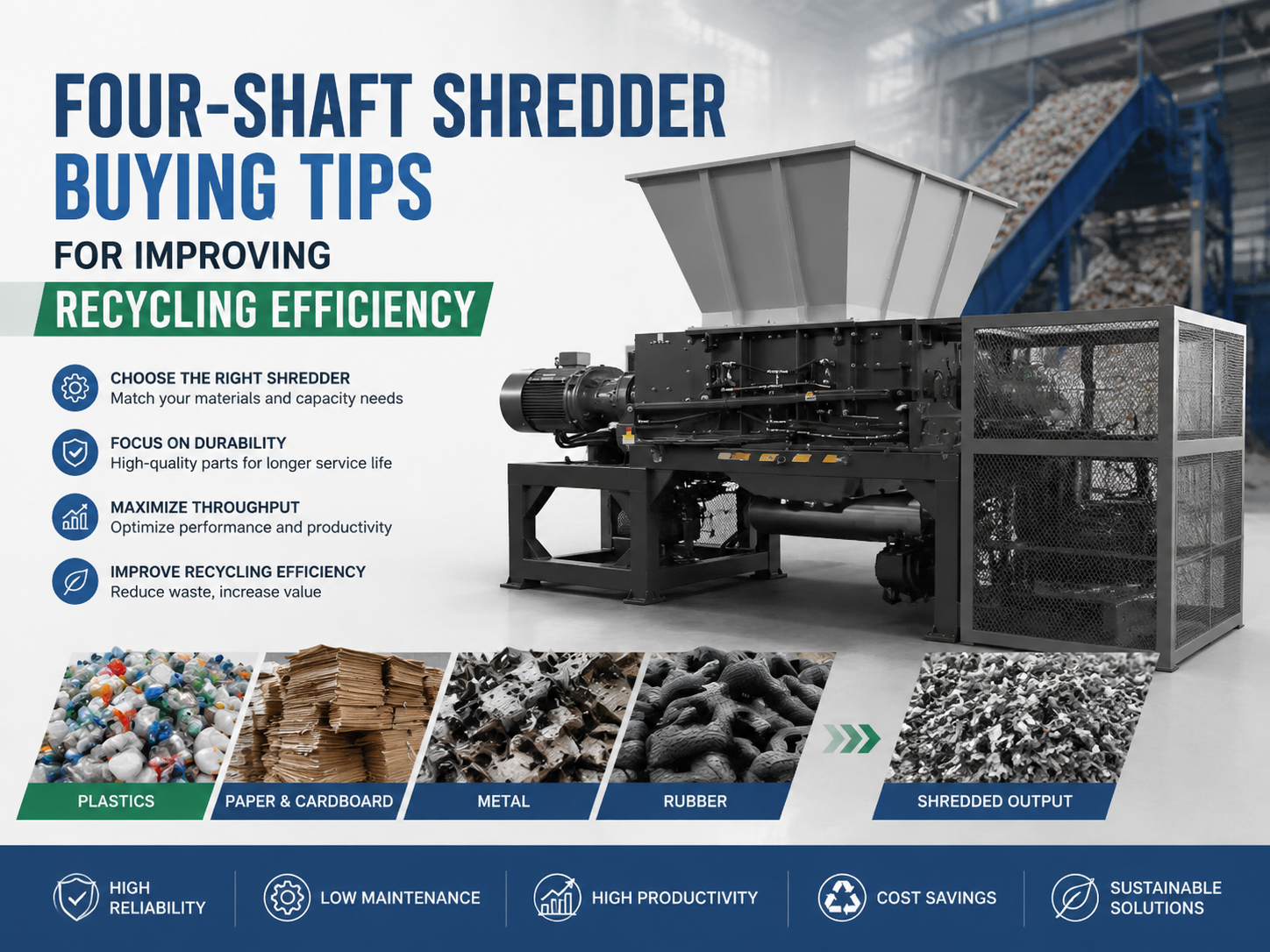
Introduction to Four-Shaft Shredding Technology
In the modern industrial landscape, the demand for efficient waste management and material recovery has never been higher. As global regulations tighten and the economic value of recycled materials rises, businesses are looking for robust solutions to process complex waste streams. The four-shaft shredder stands out as a pinnacle of engineering in this field, offering unmatched versatility and precision compared to its single or double-shaft counterparts. This guide focuses on Four-Shaft Shredder Buying Tips Improving Recycling Efficiency, providing a deep dive into what makes these machines essential for high-throughput operations.
Unlike standard shredders, a four-shaft system utilizes two main cutting shafts and two auxiliary shafts. This configuration ensures that material is continuously fed into the cutting zone, preventing bridging and ensuring a uniform particle size. For industries dealing with electronic waste (e-waste), plastics, tires, or metal scrap, selecting the right machine is not just about the initial purchase price; it is about long-term operational efficiency and the quality of the output. In the following sections, we will explore the financial and technical nuances of acquiring a four-shaft shredder that aligns with your production goals.
Price Range Overview: Understanding the Investment
When researching Four-Shaft Shredder Buying Tips Improving Recycling Efficiency, the first question most buyers ask is about the cost. The price of a four-shaft shredder can vary significantly based on its capacity, motor power, and the materials it is designed to handle. Generally, the market is divided into three primary tiers: entry-level industrial, mid-range high-performance, and heavy-duty custom solutions.
Entry-level four-shaft shredders, often used for light plastics or small-scale e-waste recycling, typically range from $25,000 to $55,000. These machines usually feature motor outputs between 15kW and 30kW and are suitable for processing 300kg to 800kg of material per hour. While they offer the precision of a four-shaft design, they may lack the advanced cooling systems or high-torque gearboxes required for 24/7 heavy industrial use.
Mid-range machines, which are the workhorses of the recycling industry, fall between $60,000 and $150,000. These units are built with reinforced frames, advanced PLC control systems, and higher torque capabilities. They can handle tougher materials like light metal scrap and bulky plastic drums. Finally, heavy-duty systems designed for car tires, large metal components, or high-volume municipal waste can exceed $250,000. These investments are justified by their massive throughput (often several tons per hour) and their ability to operate in extreme environments with minimal downtime.
Main Cost Drivers in Four-Shaft Shredder Procurement
Understanding what drives the cost of a shredder is crucial for making an informed decision. The primary cost driver is the metallurgy of the blades. High-quality blades made from D2 (DIN 1.2379) or SKD-11 tool steel are significantly more expensive than standard carbon steel but offer vastly superior wear resistance. In a four-shaft system, where there are more blades and spacers involved, the quality of the steel directly impacts the frequency of sharpening and replacement, which are major operational expenses.
The second major driver is the drive system. High-efficiency motors (IE3 or IE4 rated) and premium planetary gearboxes increase the upfront cost but reduce energy consumption and provide the necessary torque to crush stubborn materials. Brands like Siemens or ABB for motors and SEW-Eurodrive for gearboxes are industry standards that command a premium. Additionally, the complexity of the control system—incorporating touch-screen interfaces, remote monitoring, and automated reverse functions to prevent jams—adds to the final price tag but is essential for Improving Recycling Efficiency.
Configuration Impact: Tailoring the Machine to Your Needs
The configuration of a four-shaft shredder is what determines its effectiveness for a specific application. One of the most critical components is the screen size. Unlike two-shaft shredders, four-shaft models often feature an integrated screen located beneath the cutting chamber. Material that is not yet small enough to pass through the screen is carried back up by the auxiliary shafts for another round of shredding. Choosing the right screen hole diameter is a balance between the desired output size and the required throughput speed.
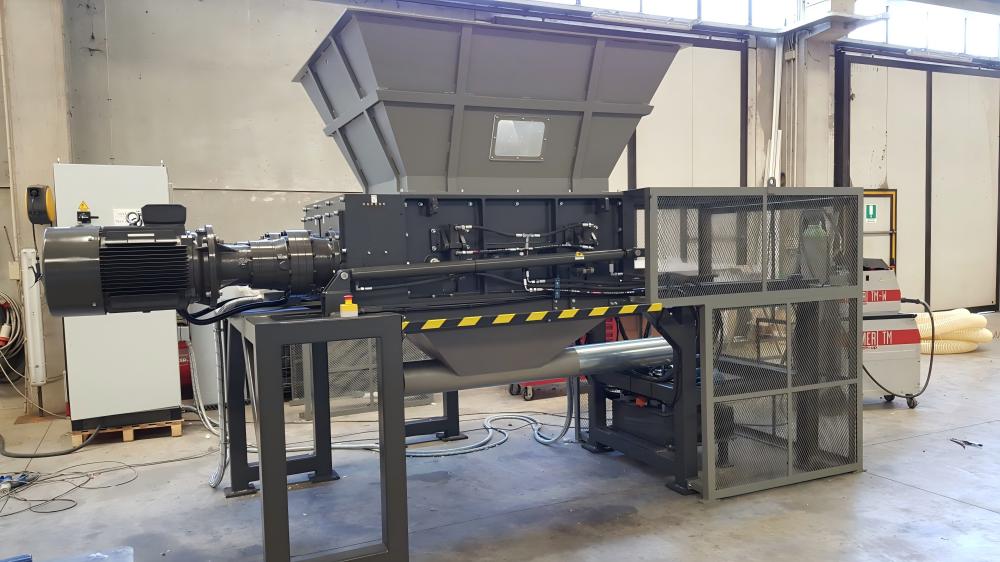
Another configuration factor is the blade profile. Different materials require different hook geometries. For example, shredding plastic film requires sharp, thin blades to prevent wrapping, while shredding metal requires thicker, more robust hooks to withstand high impact. Buyers should also consider the shaft speed. Lower speeds with higher torque are generally better for tough materials to prevent heat buildup and blade damage, whereas higher speeds can be used for softer materials to increase volume.
Hidden Costs: What to Look Out For
The sticker price is only one part of the total cost of ownership (TCO). One of the most overlooked hidden costs is power consumption. A shredder running 16 hours a day can rack up massive electricity bills. Investing in a machine with a Variable Frequency Drive (VFD) can help manage these costs by adjusting the motor speed to the load, but the VFD itself adds to the initial cost. Maintenance labor is another factor; four-shaft shredders are more complex to disassemble than simpler machines, so ease of access to the blade chamber is a vital design feature to look for.
Wear parts, specifically blades and spacers, represent a recurring cost. Depending on the abrasiveness of the material being processed (e.g., glass-filled plastics or sandy tires), blades may need sharpening every few hundred hours. Furthermore, the cost of shipping and installation, especially for large-scale units requiring specialized rigging and electrical work, can add 5-10% to the total project budget. Always ask the manufacturer for a detailed maintenance schedule and the expected lifespan of wear components before finalizing the purchase.
ROI Calculation: Measuring Success
To justify the investment in a high-quality four-shaft shredder, a clear Return on Investment (ROI) calculation is necessary. The primary gain comes from the increased value of the shredded material. For instance, uniform plastic flakes sell for a higher price than bulk scrap. Additionally, the reduction in volume leads to lower transportation and storage costs. If a four-shaft shredder can reduce the volume of waste by 70%, the savings in truck trips alone can be substantial.
Consider the following formula for a basic ROI estimate: ROI = (Annual Revenue from Recyclables + Annual Savings in Disposal/Transport) – (Annual Operating Costs + Annualized Equipment Cost). Operating costs include labor, electricity, and maintenance. If the machine allows you to process 20% more material per hour compared to an older system, that efficiency gain directly hits the bottom line. Most industrial buyers aim for a payback period of 18 to 36 months, depending on the scale of the operation.
Buying Advice: Step-by-Step Selection Process
When applying Four-Shaft Shredder Buying Tips Improving Recycling Efficiency, follow this structured approach to ensure you get the best machine for your needs:
- Material Testing: Never buy a shredder without testing your specific material on a similar model. Most reputable manufacturers, like HARSLE, offer testing services where you can send samples and receive a report on throughput and particle size.
- Check the Frame Construction: A four-shaft shredder generates immense internal stress. Look for a heavy, welded steel frame rather than a bolted one. A thicker frame dampens vibration and extends the life of the bearings and gearboxes.
- Evaluate the PLC Logic: The software is the brain of the machine. Ensure the PLC includes an auto-reverse function that triggers when a jam is detected. This prevents motor burnout and blade breakage.
- After-Sales Support: Industrial machinery will eventually need parts. Verify that the manufacturer has a local service presence or can ship critical spares (like blades and seals) within 24-48 hours.
Technical Specifications Table
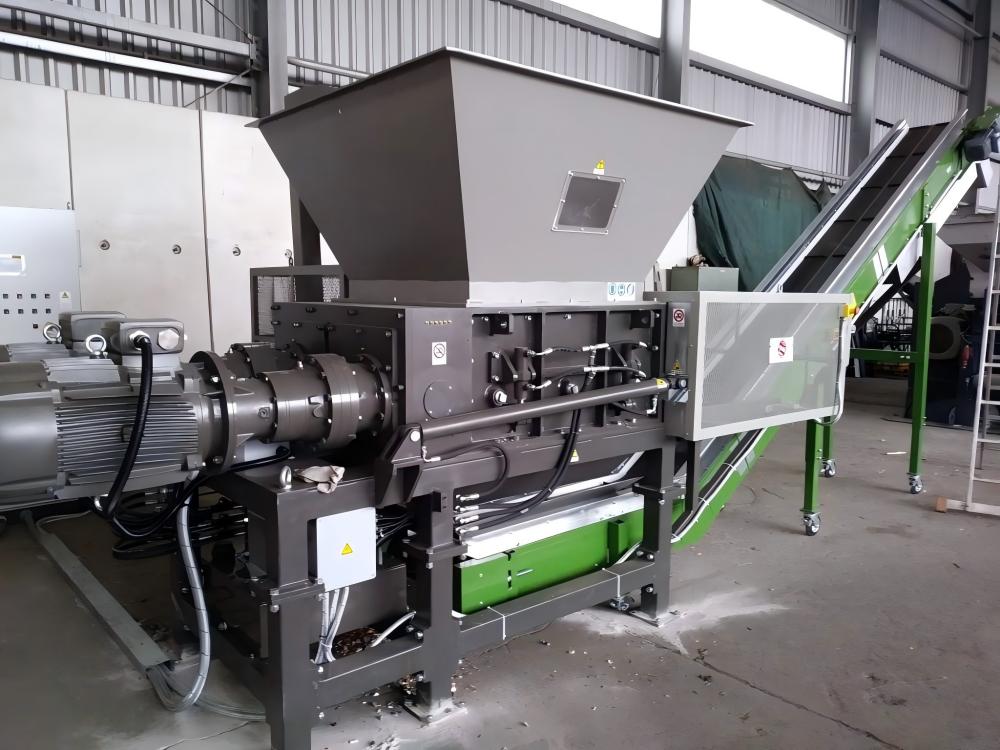
Below is a comparison of typical specifications for different classes of four-shaft shredders to help guide your selection process.
| Feature | Light-Duty (Plastic/E-Waste) | Medium-Duty (Drums/Wood) | Heavy-Duty (Tires/Metal) |
|---|---|---|---|
| Motor Power | 15 – 30 kW | 45 – 90 kW | 110 – 250+ kW |
| Cutting Chamber Size | 600 x 500 mm | 1000 x 800 mm | 1500 x 1200 mm |
| Blade Thickness | 20 – 30 mm | 40 – 60 mm | 80 – 100 mm |
| Throughput | 300 – 800 kg/h | 1000 – 2500 kg/h | 3000 – 8000+ kg/h |
| Screen Size | 15 – 40 mm | 40 – 80 mm | 80 – 150 mm |
Maintenance Strategies for Longevity
To maintain the efficiency gains achieved through your purchase, a rigorous maintenance schedule is mandatory. The most critical task is monitoring blade sharpness. Dull blades increase the load on the motor and produce more dust and fines, which can contaminate the end product. Many modern four-shaft shredders feature “quick-change” shaft designs that allow for faster blade swaps, significantly reducing downtime.
Lubrication is another pillar of maintenance. The bearings and gearboxes operate under high pressure and heat. Using the manufacturer-recommended synthetic lubricants and checking levels weekly can prevent catastrophic failures. Furthermore, regularly inspecting the screen for wear or clogging ensures that the machine continues to output material at the rated capacity. A clogged screen forces the machine to re-shred material unnecessarily, wasting energy and increasing wear.
Conclusion: Choosing the Right Partner
Investing in a four-shaft shredder is a significant step toward industrial sustainability and profitability. By focusing on Four-Shaft Shredder Buying Tips Improving Recycling Efficiency, you ensure that your equipment is not just a cost center, but a strategic asset. From selecting the right blade metallurgy to calculating the true ROI, every detail matters. Partnering with an experienced manufacturer like HARSLE provides the technical expertise and reliable machinery needed to navigate the complexities of modern recycling. With the right configuration and a commitment to maintenance, your four-shaft shredder will provide years of high-performance service, turning waste into wealth.
Frequently Asked Questions (FAQ)
1. Why choose a four-shaft shredder over a two-shaft model?
A four-shaft shredder offers better control over the final particle size due to its integrated screen and the ability of the auxiliary shafts to re-feed oversized material. It is ideal for applications requiring a specific, uniform output in a single pass.
2. How often do the blades need to be replaced?
Blade life depends entirely on the material being processed. For clean plastics, blades can last thousands of hours. For abrasive materials like glass-filled polymers or contaminated metals, they may need sharpening every 500-1,000 hours. Using high-quality D2 steel extends this interval.
3. Can a four-shaft shredder handle wet materials?
Yes, but it requires specific configurations. If you are processing wet waste, ensure the machine has sealed bearings and potentially a stainless steel cutting chamber or specialized coatings to prevent corrosion and electrical shorts.
4. What is the typical lead time for a custom four-shaft shredder?
For standard models, lead times are usually 8-12 weeks. For highly customized systems with specific motor requirements or specialized feeding hoppers, lead times can extend to 16-20 weeks.
5. Is it possible to shred different materials on the same machine?
Yes, four-shaft shredders are very versatile. However, you may need to change the screen or adjust the PLC settings (like torque limits) when switching from a soft material like plastic to a hard material like light aluminum scrap to maintain efficiency.