
How to Choose a Durable Four-Shaft Shredder for Heavy-Duty Applications

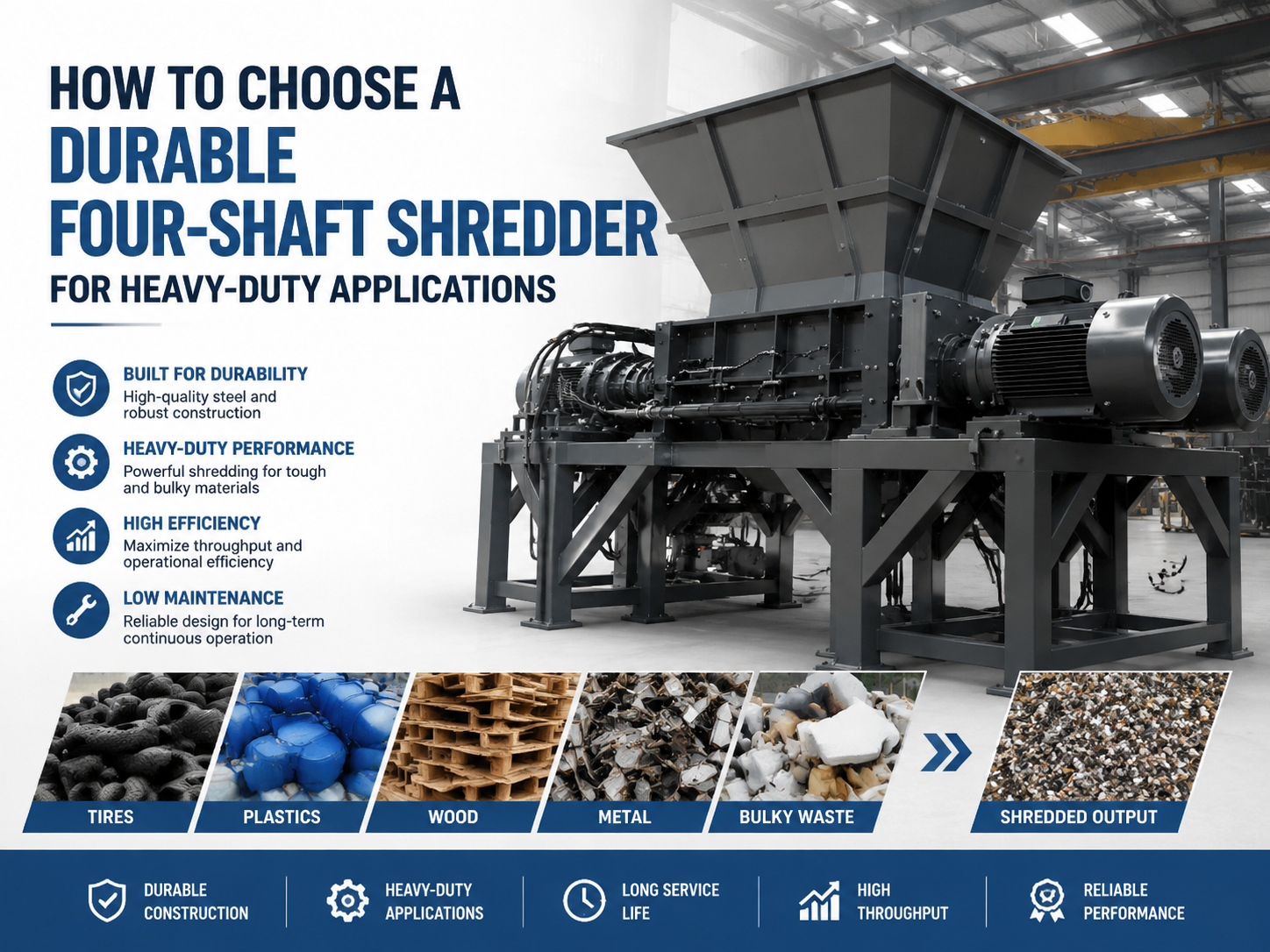
Introduction to Heavy-Duty Four-Shaft Shredding Technology
In the world of industrial waste management and material recycling, the four-shaft shredder stands as a pinnacle of engineering efficiency. Unlike its single or double-shaft counterparts, the four-shaft design is specifically engineered for high-torque, low-speed processing of bulky and resilient materials. When you need to Choose A Durable Four-Shaft Shredder Heavy-Duty Applications, you are looking for a machine that can handle everything from electronic waste (e-waste) and plastic drums to metal scrap and medical waste without succumbing to the mechanical stress of continuous operation.
The primary advantage of the four-shaft system lies in its ability to provide consistent particle sizing through an integrated screen. The two main drive shafts perform the primary cutting, while the two auxiliary shafts assist in material feeding and secondary cutting. This configuration ensures that material is continuously recirculated until it is small enough to pass through the screen, making it ideal for applications where uniform output is critical for downstream processing. However, the complexity of these machines means that choosing the right one requires a deep understanding of mechanical durability, material science, and operational costs.
Price Range Overview: Investing in Longevity
When exploring the market to Choose A Durable Four-Shaft Shredder Heavy-Duty Applications, price is often the first point of comparison. However, in the industrial sector, the initial purchase price is rarely the total cost of ownership. Four-shaft shredders generally fall into three pricing tiers based on their capacity, motor power, and build quality.
- Entry-Level Industrial Models ($30,000 – $60,000): These machines are typically designed for lighter heavy-duty tasks, such as plastic recycling or light e-waste. They often feature smaller cutting chambers and lower horsepower motors. While they are cost-effective, they may lack the reinforced frames and high-alloy blades required for 24/7 metal or tire shredding.
- Mid-Range Workhorses ($60,000 – $150,000): This is where most industrial fabrication shops and recycling centers find their ideal balance. These machines feature robust planetary gearboxes, Siemens or ABB motors, and blades made from high-grade tool steel like D2 or SKD-11. They are capable of handling mixed waste streams with significant durability.
- High-Capacity Custom Systems ($150,000 – $500,000+): These are massive installations designed for municipal waste, car bodies, or large-scale hazardous waste processing. They often include automated cooling systems, advanced PLC controls, and custom-engineered blade configurations.
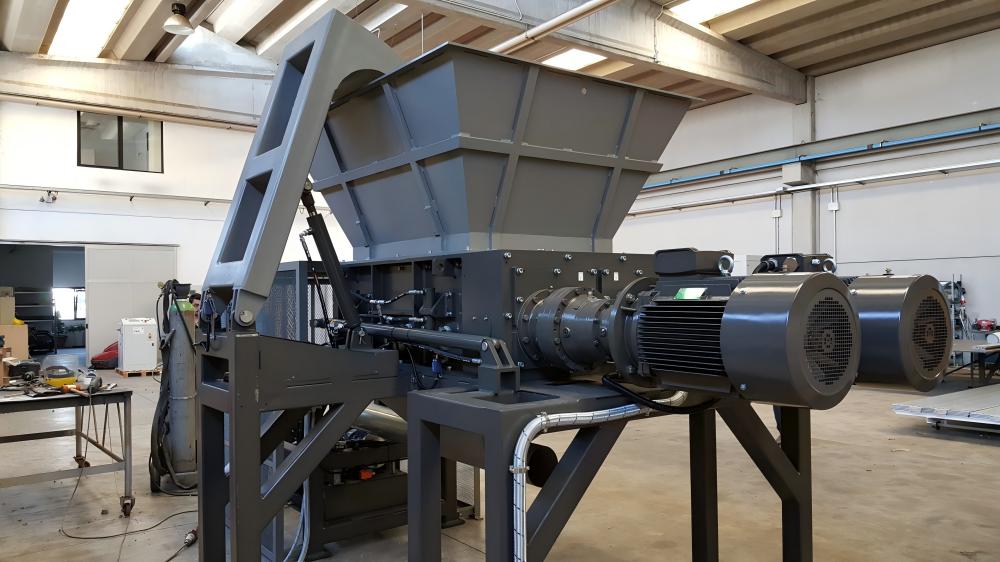
Main Cost Drivers in Four-Shaft Shredder Manufacturing
Understanding what drives the cost of a shredder is essential to making an informed decision. The most significant cost driver is the Blade Material and Heat Treatment. In heavy-duty applications, blades are subjected to immense friction and impact. High-quality manufacturers like HARSLE use vacuum-heat-treated alloy steels that maintain their edge longer and resist cracking. Cheap blades may save money upfront but will require frequent sharpening or replacement, leading to massive downtime.
The Drive System is another critical factor. A durable shredder requires a high-torque gearbox—usually a planetary design—to handle the resistance of tough materials. The motor quality also matters; high-efficiency motors not only reduce electricity costs but also generate less heat, extending the life of the electrical components. Furthermore, the Structural Frame must be heavy and rigid. A lightweight frame will vibrate excessively under load, leading to premature bearing failure and misalignment of the shafts.
Configuration Impact: Tailoring the Machine to Your Material
To Choose A Durable Four-Shaft Shredder Heavy-Duty Applications, you must match the machine configuration to your specific material stream. The configuration of the teeth on the blades, the thickness of the spacers, and the diameter of the screen holes all play a role in performance. For example, shredding rubber tires requires a different blade geometry than shredding aluminum extrusions. Rubber needs a shearing action, while metal requires more of a crushing and tearing force.
The Screen Design is also vital. In a four-shaft shredder, the screen surrounds the lower half of the cutting chamber. If the screen is too thin, it will deform under the weight of the material. A durable machine features a reinforced, easy-to-replace screen that can withstand the constant bombardment of shredded particles. Additionally, the inclusion of a PLC Control System with an auto-reverse function is non-negotiable for heavy-duty use. This system detects overloads and automatically reverses the shafts to clear jams, preventing motor burnout and shaft breakage.
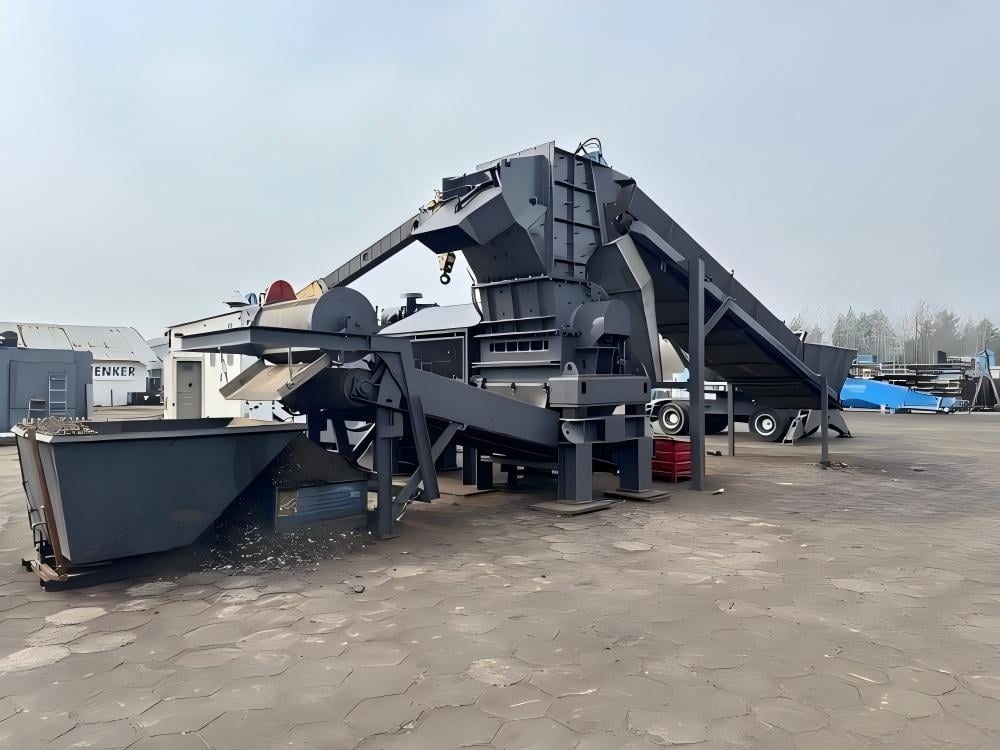
Hidden Costs: Maintenance and Operational Expenses
The purchase price is just the beginning. To truly understand the cost of a four-shaft shredder, you must account for Wear Parts Replacement. Blades are the primary consumable. Depending on the material being processed, blades may need to be sharpened every few hundred hours or replaced every few thousand. You should inquire about the cost of a full set of replacement blades and the ease of the replacement process.
Energy Consumption is another hidden cost. Heavy-duty shredders use significant amounts of electricity. Choosing a machine with a high-efficiency drive system can save thousands of dollars annually. Furthermore, Lubrication and Cooling are often overlooked. High-torque operations generate heat in the bearings and gearboxes. A durable shredder should have an automated lubrication system and, in some cases, an oil cooling system for the gearbox to ensure the machine can run for multiple shifts without overheating.
ROI Calculation: When Does the Investment Pay Off?
Calculating the Return on Investment (ROI) for a four-shaft shredder involves looking at throughput and value-add. If you are a recycler, the ROI is calculated by the difference between the cost of raw waste and the sale price of the shredded material, minus operational costs. For example, shredding e-waste allows for easier separation of precious metals, significantly increasing the resale value of the scrap.
In a manufacturing environment, a shredder can reduce the volume of waste by up to 80%, drastically lowering disposal and transportation costs. If a factory spends $5,000 a month on waste hauling, and a $60,000 shredder reduces that to $1,000, the machine pays for itself in just 15 months. When you Choose A Durable Four-Shaft Shredder Heavy-Duty Applications, you are ensuring that the machine lasts long enough to not only pay for itself but to generate pure profit for years afterward.
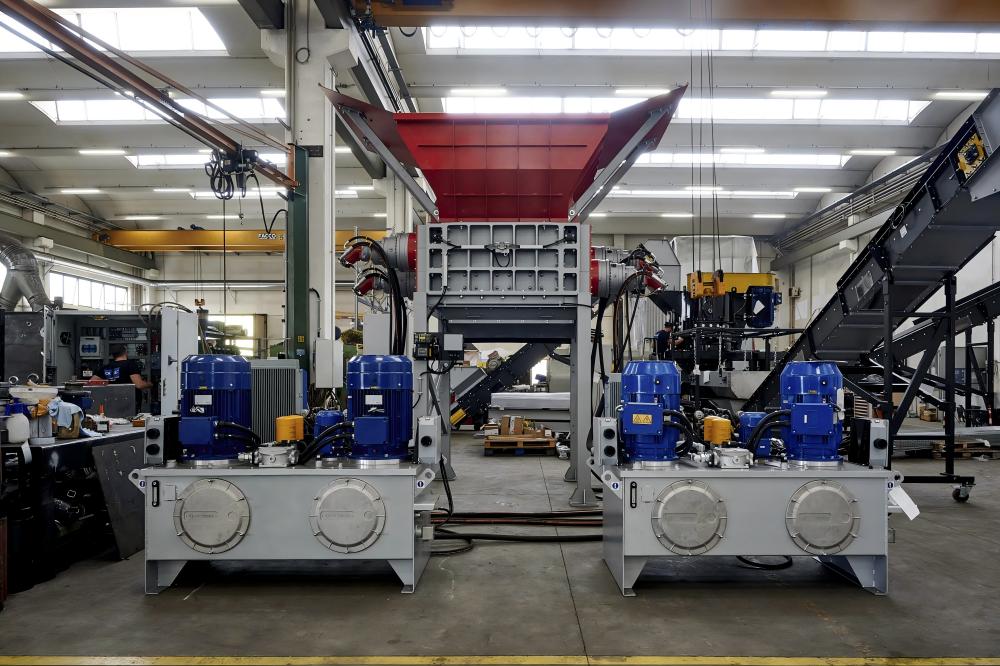
Buying Advice: How to Vet a Manufacturer
When you are ready to Choose A Durable Four-Shaft Shredder Heavy-Duty Applications, don’t just look at a brochure. Start by requesting a Material Test. Any reputable manufacturer, such as HARSLE, should be willing to process a sample of your specific material to demonstrate the output quality and throughput speed. This is the only way to be certain the machine can handle your unique waste stream.
Check the Component Brands. If the motors, PLC, and bearings are from recognized global brands, sourcing replacement parts locally will be much easier. Ask about the After-Sales Support. Does the manufacturer offer remote diagnostics? Do they keep wear parts in stock for immediate shipping? Finally, examine the Welding and Finish of the machine. Poor weld quality on the frame is a red flag for the overall build quality of the internal components. A machine that looks professionally finished is usually built with the same attention to detail on the inside.
Frequently Asked Questions (FAQ)
1. What is the main advantage of a four-shaft shredder over a two-shaft shredder?
The primary advantage is the integrated screen and the two auxiliary shafts. This allows for a controlled output size in a single pass. While a two-shaft shredder produces long strips, a four-shaft shredder produces uniform particles, which is essential for many recycling processes.
2. How often do the blades need to be sharpened?
This depends entirely on the material. For soft plastics, blades may last 1,000+ hours. For abrasive materials like glass-filled plastics or contaminated metals, they may need attention every 200-400 hours. Many modern blades are designed to be sharpened multiple times before needing replacement.
3. Can a four-shaft shredder handle wet materials?
Yes, but the machine must be configured with specific seals to protect the bearings and gearbox from liquid ingress. If you are processing wet organic waste or washed plastics, ensure the manufacturer knows this so they can provide a “wash-down” or “wet-spec” version of the machine.
4. What happens if a non-shreddable object (like a large steel chunk) enters the machine?
A durable four-shaft shredder is equipped with an electronic overload protection system. When the PLC detects a spike in current (indicating a jam), it will instantly stop and reverse the shafts. Most machines will try this 3 times before shutting down and alerting the operator to manually remove the object.
5. Is it better to have an electric or hydraulic drive?
Electric drives are more common, easier to maintain, and more energy-efficient for most applications. Hydraulic drives are typically reserved for extremely heavy-duty applications where the machine needs to start under full load or requires variable speed control with maximum torque at zero RPM.
6. How do I determine the right screen size for my application?
The screen size is determined by your downstream requirements. If you are feeding the material into an extruder, you might need a 20mm screen. If you are simply reducing volume for transport, a 50mm or 100mm screen might be sufficient. Note that smaller screens reduce the overall throughput (tons per hour) of the machine.












