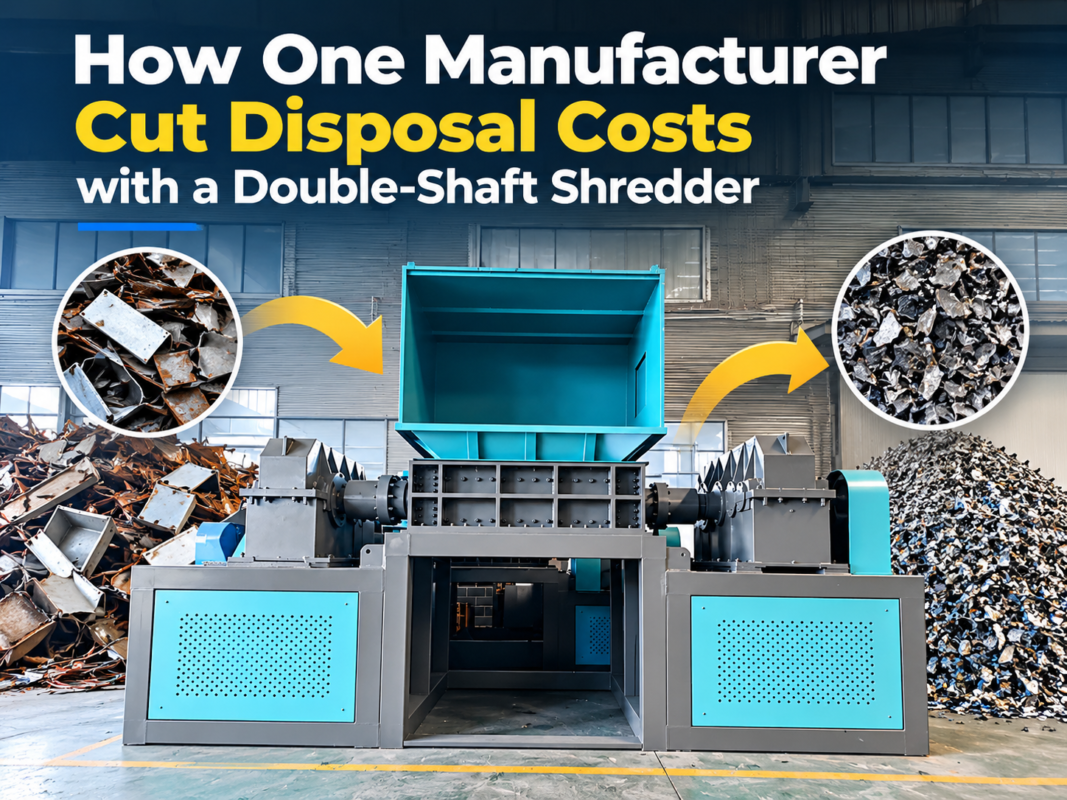
How to Evaluate Four-Shaft Shredder Blade Design, Motor Power, and Output

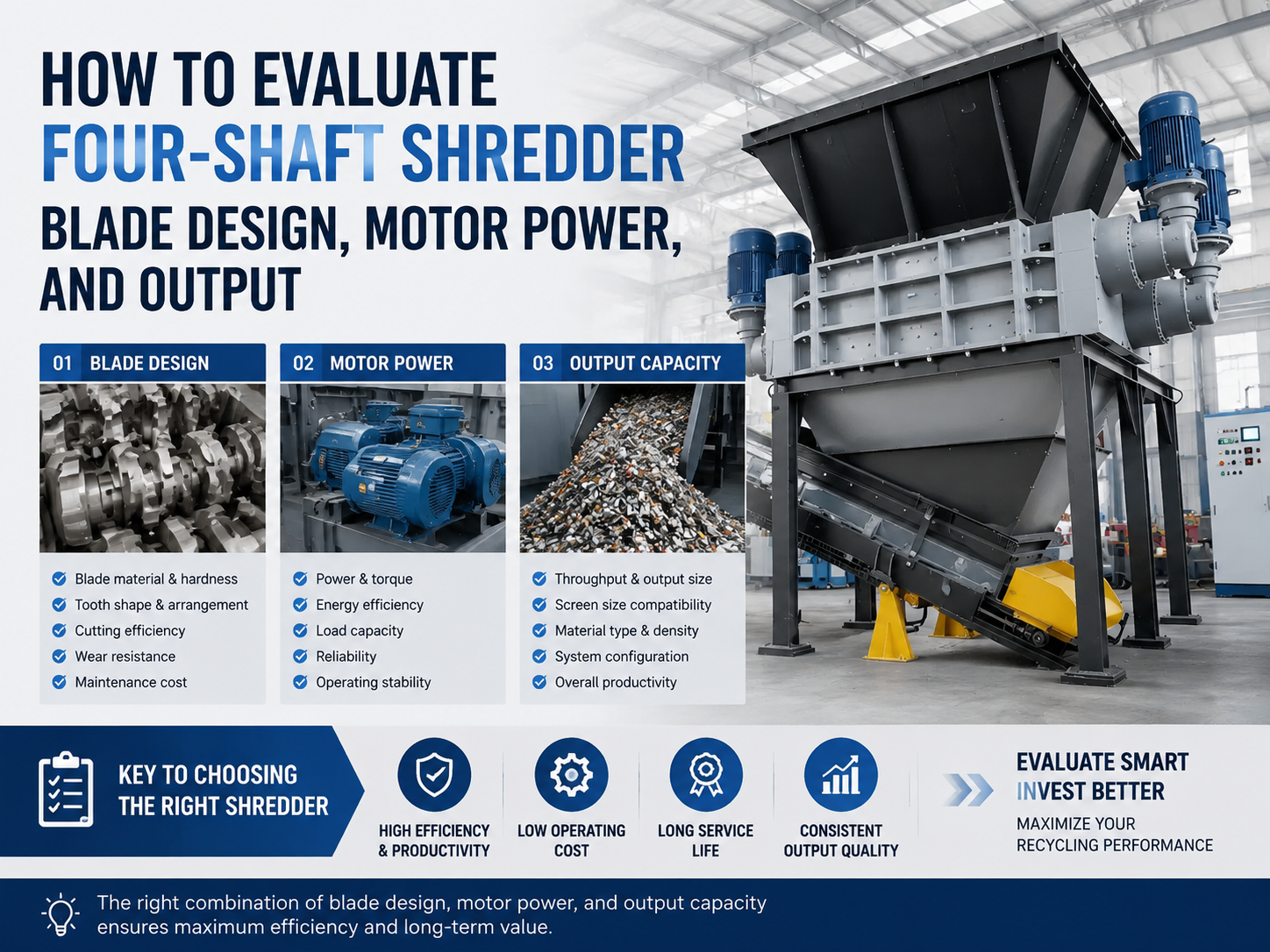
Introduction to Four-Shaft Shredder Evaluation
In the modern industrial landscape, the efficiency of waste management and material recycling hinges on the performance of heavy-duty machinery. Among these, the four-shaft shredder stands out as a versatile powerhouse capable of handling diverse materials ranging from electronic waste and plastics to metal scrap and medical waste. However, for procurement managers and facility engineers, the challenge lies in how to evaluate four-shaft shredder blade design, motor power, and output to ensure the machine aligns with specific operational goals. This guide provides a deep dive into the technical nuances that dictate performance, longevity, and return on investment.
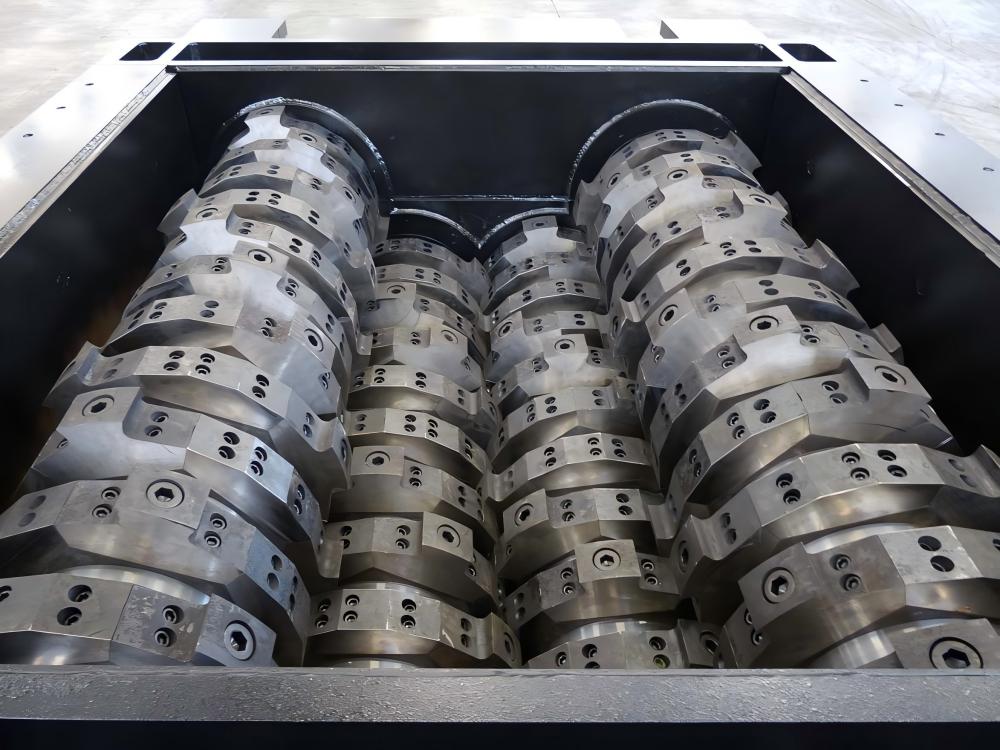
A four-shaft shredder differs from its two-shaft counterparts by utilizing two main cutting shafts and two auxiliary shafts. This configuration allows for integrated screening, where material is recirculated until it is small enough to pass through a screen located beneath the shafts. To maximize this mechanical advantage, one must understand the synergy between the blades’ geometry, the raw force provided by the motors, and the resulting throughput capacity. Selecting the wrong configuration can lead to frequent jams, excessive wear, or underperformance, all of which erode the bottom line.
Price Range Overview: What to Expect
When looking to evaluate four-shaft shredder blade design, motor power, and output, the first hurdle is often the budget. The price of these machines varies significantly based on their scale and technical sophistication. Understanding the price tiers helps in setting realistic expectations for performance and durability.
Entry-Level and Small-Scale Shredders ($20,000 – $50,000)
At this price point, machines are typically designed for lighter materials like plastics, paper, or thin electronic components. These units usually feature lower motor power (often between 15kW to 30kW) and smaller cutting chambers. While they offer the benefits of a four-shaft design, the blades may be made from standard alloy steels rather than premium high-wear alloys. They are ideal for laboratory settings or small recycling centers with low-volume requirements.
Mid-Range Industrial Shredders ($50,000 – $150,000)
This is the most common category for industrial applications. These machines are built for continuous operation and can handle tougher materials like aluminum scrap, tires, and heavy plastics. Motor power typically ranges from 45kW to 90kW. In this range, you begin to see advanced PLC controls, auto-reverse functions to prevent overloading, and higher-grade blade materials like D2 or SKD11. The output is significantly higher, making them suitable for medium-sized recycling facilities.
High-End Heavy-Duty Systems ($150,000 – $500,000+)
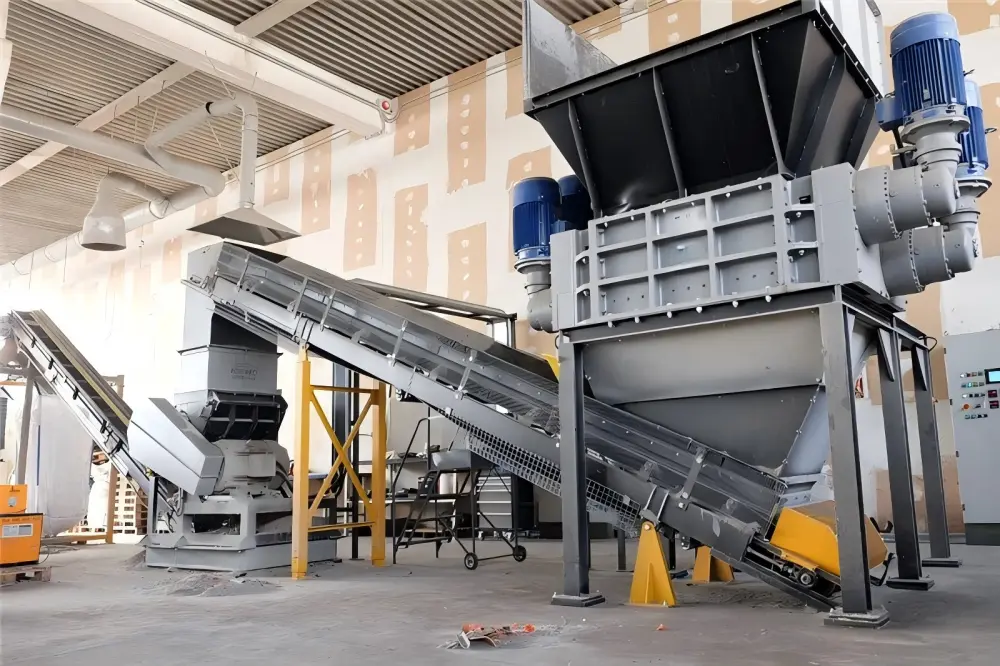
Designed for the most demanding environments, these shredders are massive installations. They feature dual or quad motor setups exceeding 110kW, massive torque capabilities, and specialized blade designs for specific materials like car bumpers or large-scale e-waste. These systems often include integrated conveyor systems, magnetic separators, and sophisticated cooling systems for the hydraulic or electric drives. The investment here is justified by massive throughput and 24/7 reliability.
Main Cost Drivers in Four-Shaft Shredders
The total cost of a four-shaft shredder is not just a reflection of its size, but of the quality of its internal components. When you evaluate four-shaft shredder blade design, motor power, and output, you must look at the following cost drivers:
- Blade Material and Manufacturing: High-quality blades are forged from specialized alloy steels (e.g., DC53, D2). The heat treatment process and the precision of the CNC grinding significantly impact the cost but ensure the blades stay sharp longer.
- Motor and Gearbox Quality: Premium brands like Siemens or ABB for motors and Bonfiglioli or SEW for gearboxes add to the initial cost but drastically reduce the risk of mechanical failure and improve energy efficiency.
- Control Systems: A sophisticated PLC (Programmable Logic Controller) with a user-friendly HMI (Human Machine Interface) allows for fine-tuning of the shredding process, protecting the machine from damage through intelligent torque monitoring.
- Frame and Chamber Construction: The thickness of the steel plates used in the shredding chamber and the quality of the welding determine the machine’s ability to withstand the immense vibrations and stresses of heavy-duty shredding.
Configuration Impact: Blade Design, Motor Power, and Output
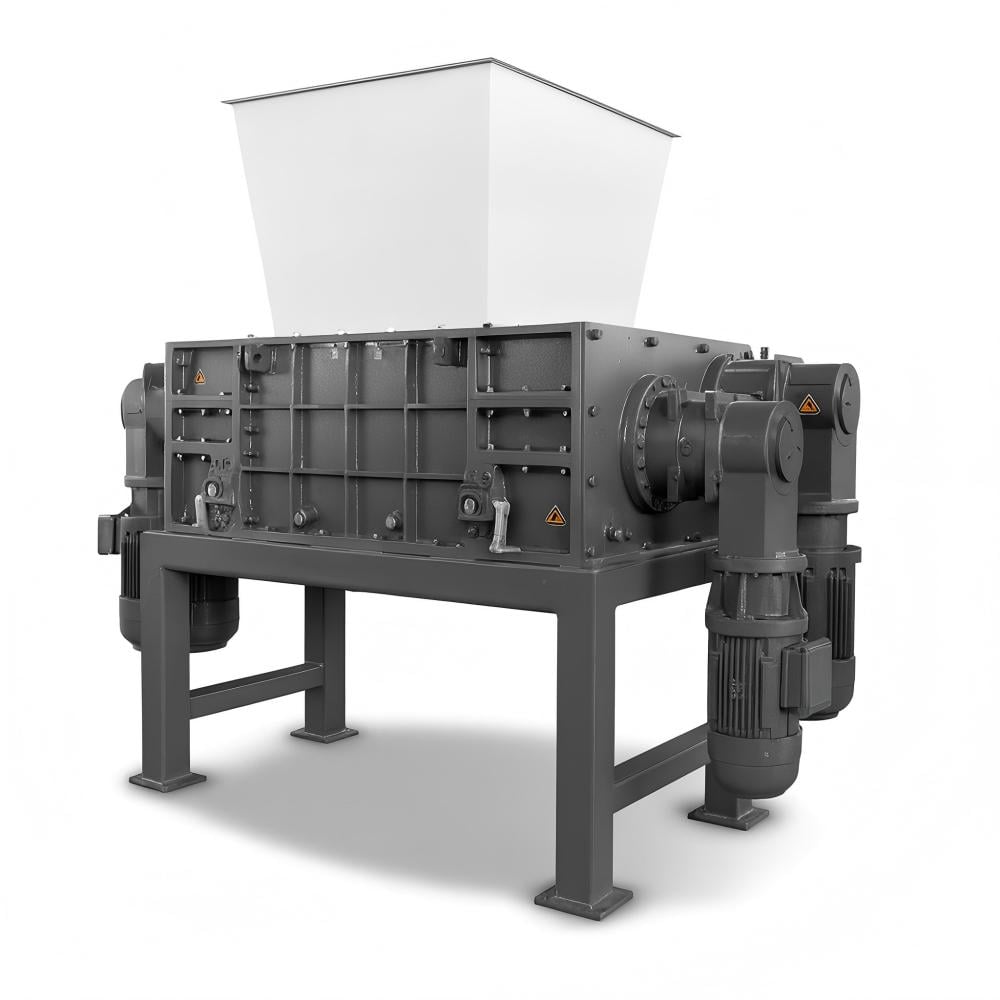
The core of the evaluation process lies in understanding how configuration choices affect real-world performance. Each of the three pillars—blades, power, and output—must be balanced.
Evaluating Blade Design
The blades are the primary interface between the machine and the material. To evaluate four-shaft shredder blade design, consider the following:
- Tooth Count and Shape: Fewer teeth usually mean a more aggressive bite, suitable for bulky materials. More teeth result in a finer cut but may require more power. The “hook” design is critical for grabbing material and pulling it into the cutting zone.
- Blade Thickness: Thicker blades are more durable and better for heavy metals, while thinner blades provide a cleaner cut for plastics and films.
- Shaft Arrangement: In a four-shaft system, the top two shafts act as feeders, while the bottom two do the primary cutting. The synchronization between these shafts determines how efficiently the material is processed without clogging.
Evaluating Motor Power and Torque
Motor power (measured in kW or HP) is often misunderstood. While high power is important, torque is the actual force that shears the material. A high-power motor with a poorly matched gearbox will fail to shred tough materials. When evaluating motor power, look for the torque rating at the shaft. For heavy-duty applications, dual-motor drives are preferred as they distribute the load and provide redundancy. Frequency inverters (VFDs) are also essential, as they allow the motor to adjust its speed and torque dynamically based on the resistance encountered.
Evaluating Output and Throughput
Output is the ultimate metric of success. It is influenced by the shaft speed (RPM), the screen size, and the material density. A smaller screen ensures a more uniform and smaller end product but reduces the total throughput (kg/h). To accurately evaluate output, manufacturers should provide performance data based on specific materials. For example, the throughput for hollow plastic bottles will be vastly different from that of solid aluminum castings, even on the same machine.
Hidden Costs of Ownership
Beyond the purchase price, several hidden costs can affect the long-term viability of a four-shaft shredder. These must be factored into any evaluation:
- Wear Parts Replacement: Blades are consumables. Depending on the material being shredded (e.g., abrasive glass-filled plastics vs. soft rubber), blades may need sharpening or replacement every few months. The ease of accessing the shafts for blade changes is a critical design feature.
- Energy Consumption: Large motors consume significant electricity. Evaluating the energy efficiency of the motors and the efficiency of the gearbox can lead to thousands of dollars in savings over the machine’s lifespan.
- Maintenance Labor: Routine tasks like lubrication, checking bolt tightness, and cleaning the screen require man-hours. Machines with automated lubrication systems and easy-access screens reduce these costs.
- Downtime: The most significant hidden cost is lost production. Choosing a machine with high-quality components and a robust warranty reduces the risk of unplanned outages.
ROI Calculation: Is the Investment Worth It?
To justify the purchase, a clear Return on Investment (ROI) calculation is necessary. This involves comparing the total cost of ownership against the value generated by the shredded material.
ROI Formula:
(Annual Revenue from Shredded Material – Annual Operating Costs) / Total Investment Cost
Annual Revenue is determined by the output capacity and the market price of the recycled material. Annual Operating Costs include electricity, labor, and wear parts. For example, if a four-shaft shredder allows a facility to process 2 tons of e-waste per hour instead of 1 ton, and the refined material sells for a premium, the higher initial cost of a more powerful machine is quickly recouped. Furthermore, the four-shaft design often eliminates the need for a secondary granulator, saving both capital and operational expenses.
Buying Advice: How to Choose the Right Shredder
When you are ready to evaluate four-shaft shredder blade design, motor power, and output for a purchase, follow this checklist:
- Define Your Material: Be specific. “Plastic” is not enough. Is it HDPE pipes, PET bottles, or PVC film? Provide samples to the manufacturer for testing.
- Request a Test Run: Reputable manufacturers like HARSLE often offer material testing. Seeing your specific waste shredded and measuring the resulting output size and time is the best way to verify performance.
- Check the Blade Hardness: Ask for the Rockwell hardness (HRC) of the blades. For most industrial applications, a range of 55-58 HRC is ideal for balancing sharpness and toughness.
- Analyze the Screen Design: Ensure the screen is easy to remove and clean. A clogged screen is the leading cause of reduced output in four-shaft shredders.
- Evaluate the After-Sales Support: Ensure the manufacturer provides a clear manual, readily available spare parts, and technical support in your region.
Frequently Asked Questions (FAQ)
What is the main advantage of a four-shaft shredder over a two-shaft shredder?
The primary advantage is the integrated screening. A four-shaft shredder can produce a consistent, small particle size in a single pass because the material is recirculated by the auxiliary shafts until it fits through the screen. Two-shaft shredders typically produce long strips and require a separate granulator for fine sizing.
How often do the blades need to be sharpened?
This depends entirely on the material. For soft plastics, blades might last 1,000+ hours. For abrasive materials or metals, they may need attention every 200-400 hours. Many modern blades are designed to be multi-edged or can be built up with welding and reground to extend their life.
Can a four-shaft shredder handle metal?
Yes, but it must be configured correctly. To shred metal, you need high-torque motors, lower shaft speeds, and blades made from shock-resistant tool steel. It is excellent for light metals like aluminum scrap, copper wiring, and thin-walled steel containers.
What motor power do I need for e-waste?
For a standard industrial e-waste line (processing computers, printers, etc.), a motor power of at least 37kW to 55kW is recommended to handle the variety of plastics and metals found in electronic components without frequent stalling.
Does the screen size affect the motor load?
Yes. A smaller screen size keeps material in the cutting chamber longer, which increases the friction and the number of cuts required. This puts a higher continuous load on the motor and can reduce the overall throughput significantly.
Why is the auto-reverse function important?
The auto-reverse function detects when the motor torque exceeds a safe limit (usually due to an unshreddable object or a jam). The PLC then reverses the shafts to clear the jam and tries again. This prevents motor burnout and protects the gearbox and shafts from mechanical failure.