How to Fix a Recycling Baler That Won’t Eject Finished Bales: A Comprehensive Guide

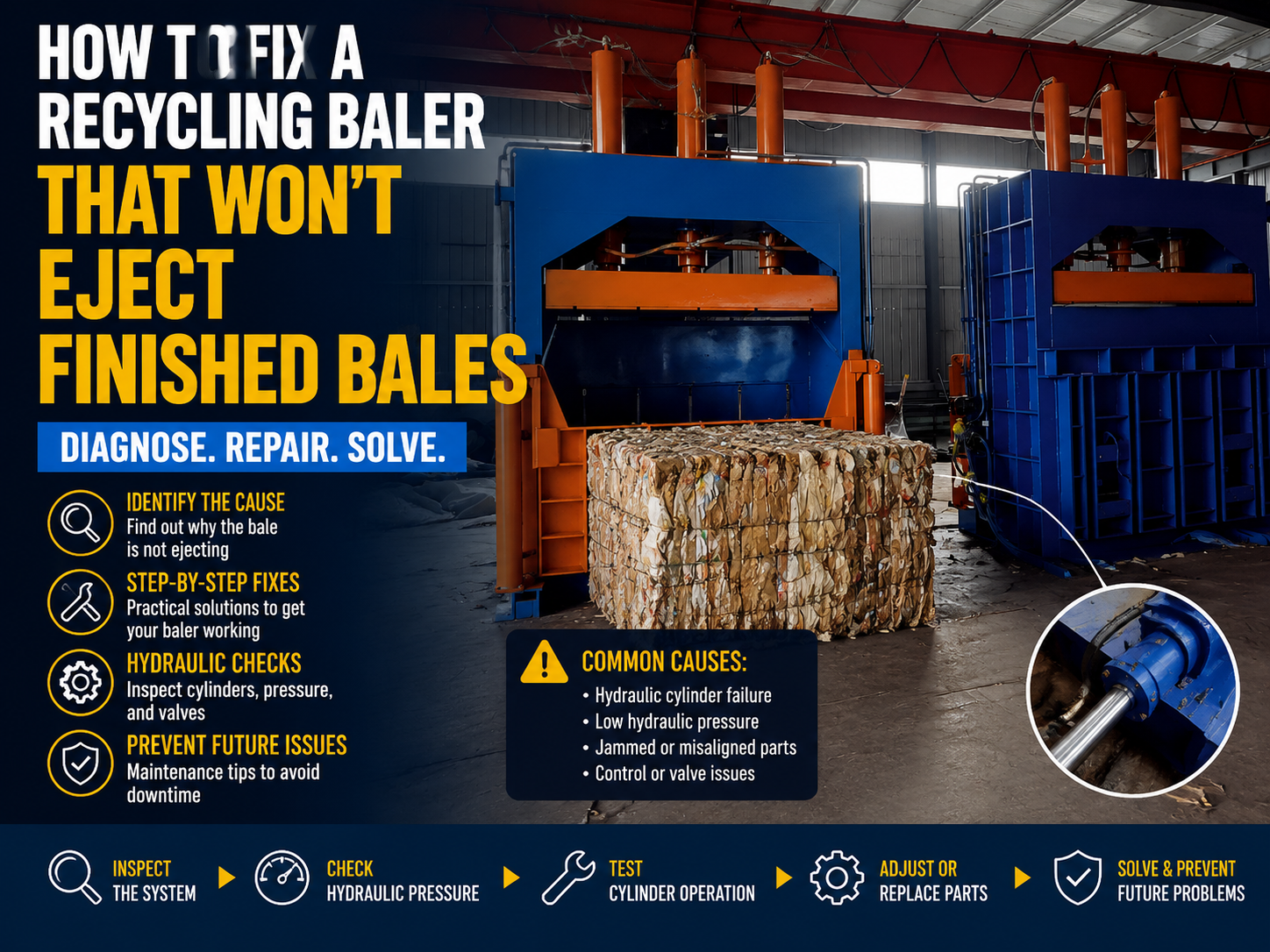
Introduction to Recycling Baler Ejection Issues
In the world of waste management and metal fabrication, the recycling baler is a workhorse. Whether you are processing cardboard, plastics, or scrap metal, the efficiency of your operation depends on the seamless transition from compression to ejection. However, one of the most frustrating and costly issues an operator can face is when the machine refuses to discharge the finished product. To fix a recycling baler that won’t eject finished bales, one must understand the intricate interplay between hydraulic force, mechanical alignment, and electronic control systems.
A stuck bale is more than just a minor inconvenience; it is a significant bottleneck that halts production, creates safety hazards, and can potentially damage the internal components of the machine. When the ejection cycle fails, the pressure builds up within the chamber, and if not handled correctly, it can lead to structural deformation or hydraulic seal failure. HARSLE, a leader in industrial machinery, emphasizes that understanding the root cause is the first step toward a permanent solution.
This guide is designed to provide a deep dive into the technical reasons behind ejection failures and offer actionable steps to rectify them. We will explore everything from hydraulic pressure drops to sensor misalignments, ensuring that your facility can return to peak productivity with minimal downtime. By following these professional insights, you can maintain the longevity of your equipment and ensure a safer working environment for your staff.
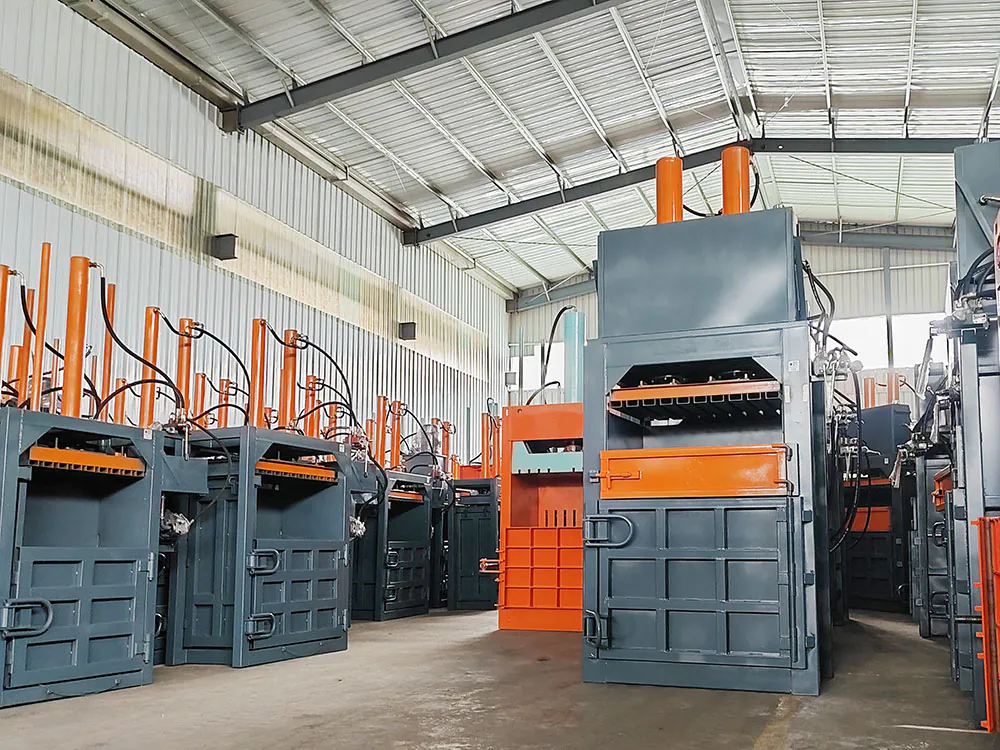
Key Considerations Before Troubleshooting
Before attempting to fix a recycling baler that won’t eject finished bales, it is imperative to approach the situation with a focus on safety and systematic diagnosis. Industrial balers operate under immense pressure, often exceeding several thousand PSI. Attempting to clear a jam without following proper protocols can result in catastrophic injury. Therefore, the first consideration is always the implementation of Lockout/Tagout (LOTO) procedures to ensure the machine cannot be accidentally energized during inspection.
Secondly, you must identify the specific type of ejection mechanism your baler utilizes. Most modern balers use either a hydraulic ejector ram, a chain-pull system, or a tilt-frame discharge. Each of these systems has unique failure points. For instance, a chain-pull system is susceptible to link breakage or stretching, while a hydraulic ram system is more likely to suffer from seal bypass or valve sticking. Knowing your machine’s anatomy is crucial for an accurate diagnosis.
Another key consideration is the material being baled. Different materials have different “memory” or expansion characteristics. Cardboard tends to expand significantly once the compression force is released, which can wedge the bale against the chamber walls. Scrap metal, on the other hand, might have sharp edges that catch on weld seams or imperfections in the chamber lining. Understanding the physical properties of your waste stream will help you determine if the problem is mechanical or material-related.
Finally, consider the environmental conditions. In cold climates, hydraulic oil viscosity increases, which can slow down or prevent the movement of the ejection cylinder. Conversely, in extremely hot environments, oil can thin out, leading to internal leakage and a loss of effective pressure. Monitoring the operating temperature of your hydraulic fluid is a simple yet often overlooked step in troubleshooting ejection failures.
Technical Details: Why Your Baler Won’t Eject
1. Hydraulic System Failures
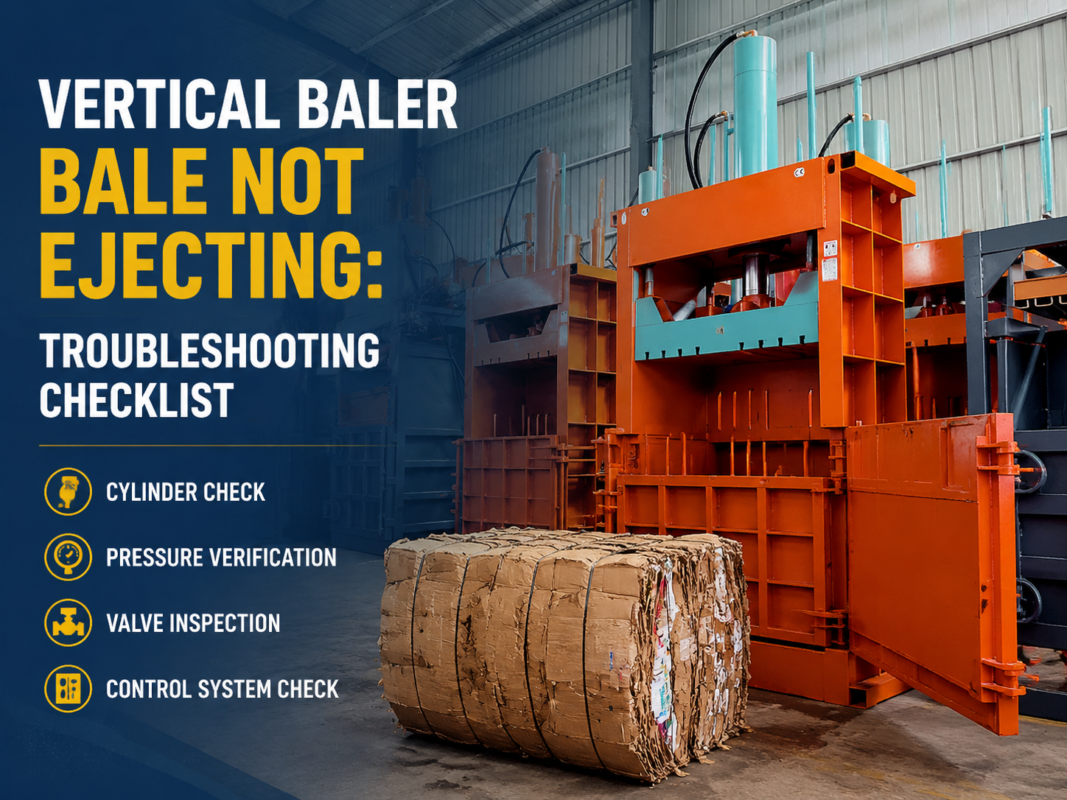
The most common reason a baler fails to eject is a lack of sufficient hydraulic force. This can be caused by a variety of factors, starting with the hydraulic pump. If the pump is worn or cavitating, it cannot generate the flow required to move the ejector cylinder under load. You should check the system pressure using a calibrated gauge during the ejection cycle. If the pressure is significantly lower than the manufacturer’s specification, the pump or the relief valve may be at fault.
The directional control valve is another critical component. If the solenoid responsible for the ejection stroke fails to shift completely, the oil flow will be restricted or diverted back to the tank. This often manifests as a “groaning” sound from the machine as it tries to build pressure without movement. Additionally, internal leakage within the ejection cylinder itself—often called “bypassing”—can occur when the piston seals are worn. In this scenario, oil moves from the high-pressure side to the low-pressure side of the piston, resulting in a loss of pushing power.
2. Mechanical Obstructions and Chamber Friction
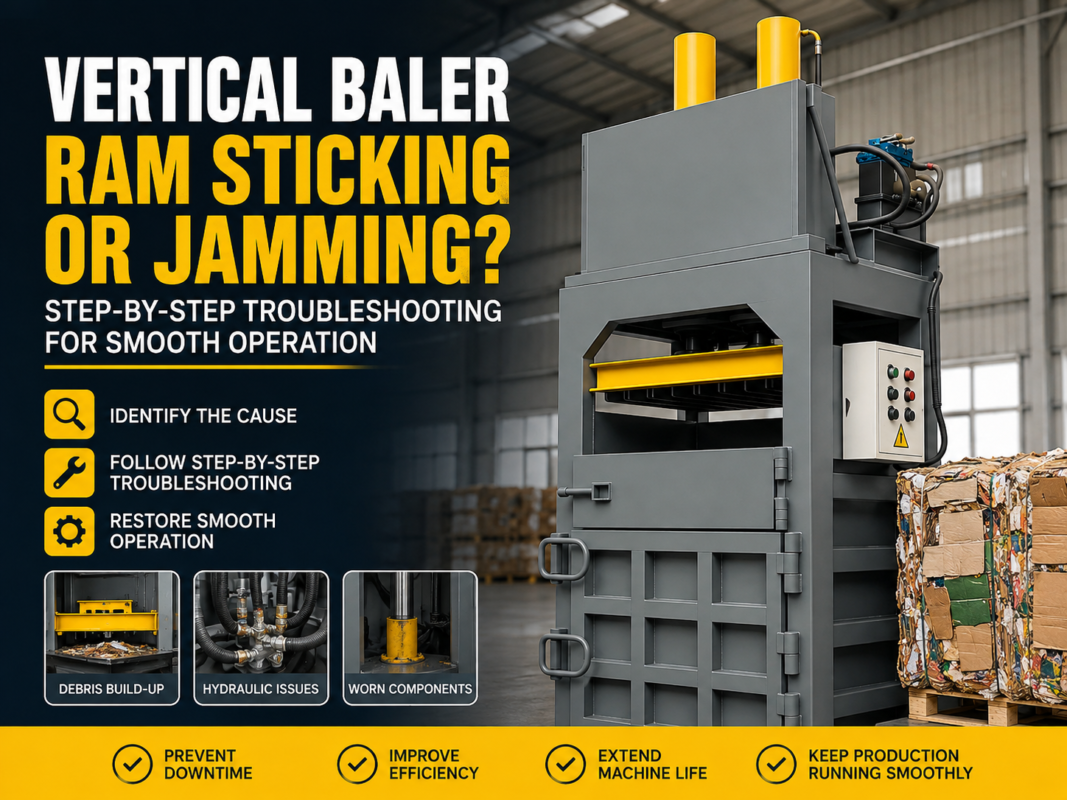
Over time, the interior walls of the baling chamber can become worn or distorted. If the chamber walls bow inward due to structural fatigue, the bale becomes physically wedged. This is particularly common in older machines or those that have been consistently overloaded. Inspect the chamber for any signs of “mushrooming” or heavy scoring, which increases the coefficient of friction between the bale and the wall.
In balers equipped with an ejector chain, the problem is often mechanical wear. Chains can stretch over time, leading to timing issues where one side of the bale is pulled faster than the other, causing it to twist and jam. Furthermore, debris such as small metal shards or plastic film can get caught in the guide tracks of the ejector ram. This debris acts as a wedge, preventing the ram from completing its full stroke. Regular cleaning of the tracks and lubrication of moving parts are essential to prevent these mechanical hurdles.
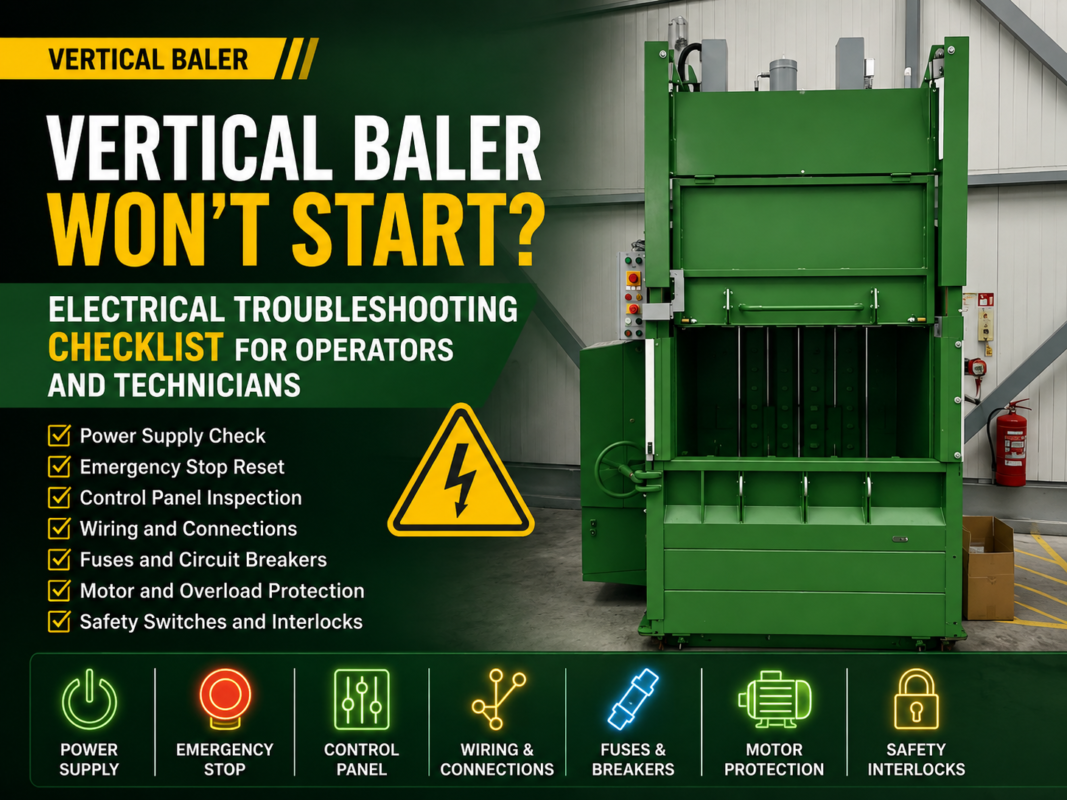
3. Electrical and Sensor Malfunctions
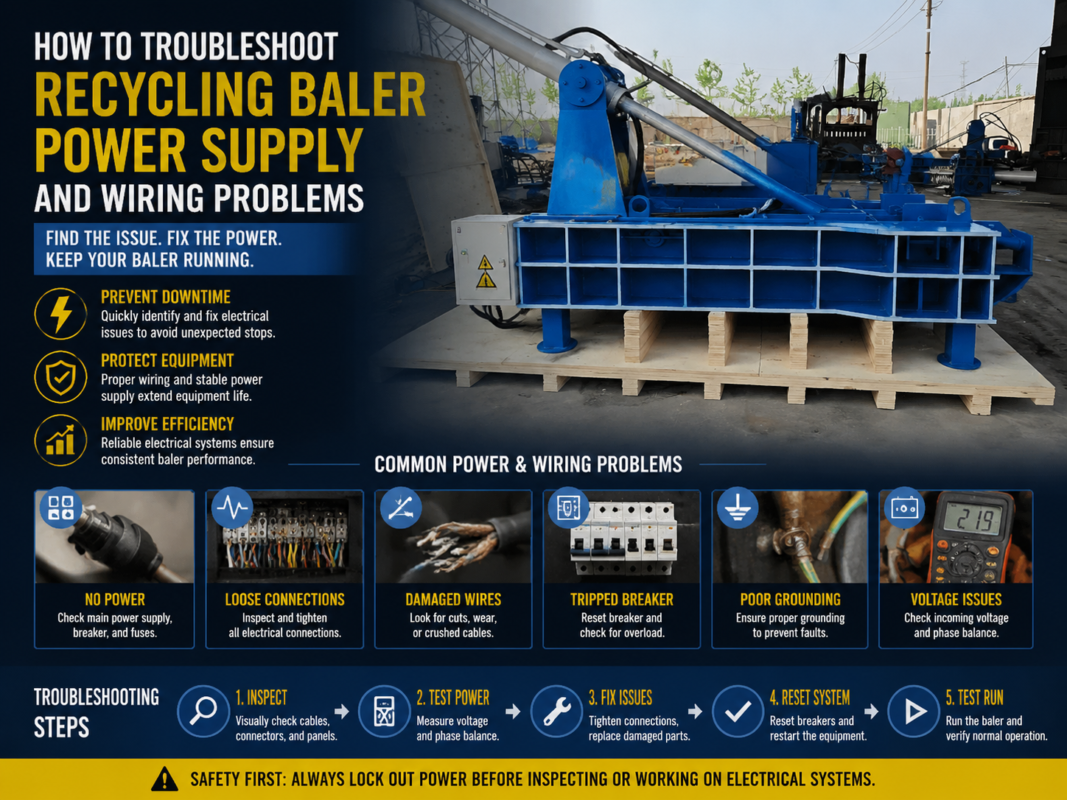
Modern recycling balers rely heavily on sensors to communicate with the Programmable Logic Controller (PLC). If the “bale complete” sensor or the “ram retracted” limit switch is faulty, the PLC may never send the signal to begin the ejection sequence. This is a common issue where the machine appears to be functional but simply refuses to initiate the next step. Proximity sensors can become covered in dust or grease, leading to false readings or a total loss of signal.
Wiring issues, such as frayed cables or loose terminals in the control panel, can also cause intermittent ejection failures. It is important to verify that the output signal from the PLC is actually reaching the hydraulic solenoid. Using a multimeter to check for voltage at the coil can quickly rule out or confirm an electrical fault. If the electrical system is functioning but the machine still won’t eject, the problem is likely deeper within the hydraulic or mechanical subsystems.
4. Material Expansion and Overfilling
Sometimes the issue isn’t with the machine at all, but with how it is being operated. Overfilling the chamber is a leading cause of stuck bales. When too much material is forced into the chamber, the resulting bale is denser and larger than the machine was designed to handle. Upon the release of the main compression ram, the bale expands against the doors and walls with such force that the ejector cannot overcome the friction.
Moisture content also plays a role. Wet cardboard or paper is much heavier and more prone to sticking than dry material. If your recycling center stores material outdoors, a rainy day can lead to an increase in ejection problems. Ensuring that the material is relatively dry and that the operator follows the recommended fill levels can prevent many of the issues associated with fixing a recycling baler that won’t eject finished bales.
Selection Advice: Choosing a Reliable Baler
When looking to invest in new equipment, choosing a machine designed to minimize ejection issues is paramount. HARSLE balers are engineered with heavy-duty structural steel and reinforced chambers to prevent the wall bowing that leads to jammed bales. When evaluating a baler, look for features such as tapered chambers. A slightly tapered design—where the exit is wider than the compression area—significantly reduces friction during the ejection process, allowing the bale to slide out with ease.
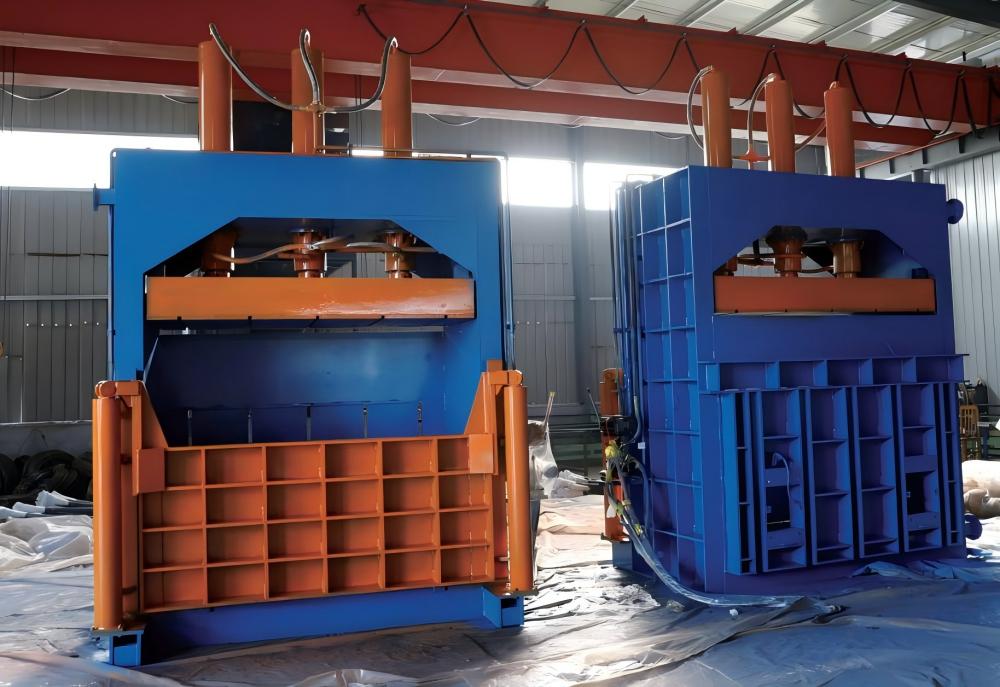
Another critical factor is the hydraulic system’s redundancy and cooling. High-quality balers should include oil coolers and high-efficiency filtration systems. Clean, cool oil ensures that valves and seals last longer, reducing the likelihood of the pressure drops that cause ejection failure. Furthermore, consider the PLC and diagnostic interface. A machine that provides real-time feedback on sensor status and hydraulic pressure makes troubleshooting significantly faster and easier for your maintenance team.
Finally, consider the manufacturer’s reputation for support and parts availability. Even the best machine will eventually require maintenance. Choosing a brand like HARSLE ensures that you have access to technical documentation and replacement parts, such as specialized seals or sensors, which are vital when you need to fix a recycling baler that won’t eject finished bales quickly. A well-supported machine is a long-term asset that minimizes the total cost of ownership.
Maintenance Checklist to Prevent Ejection Failure
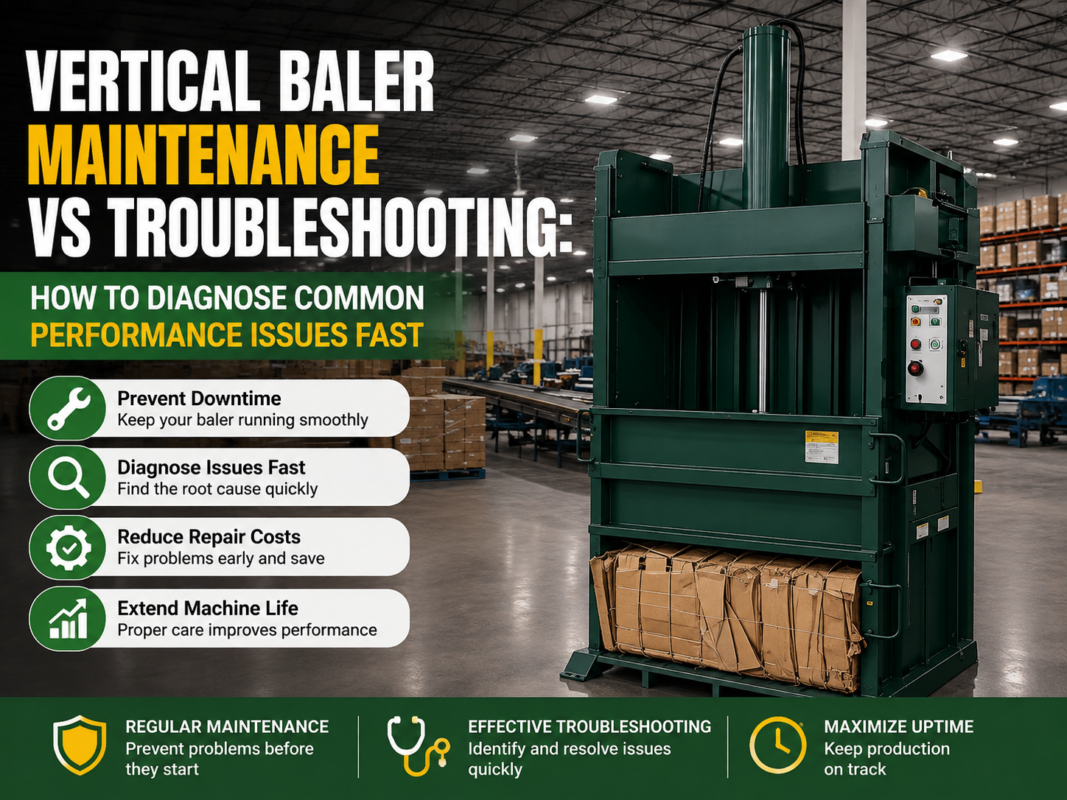
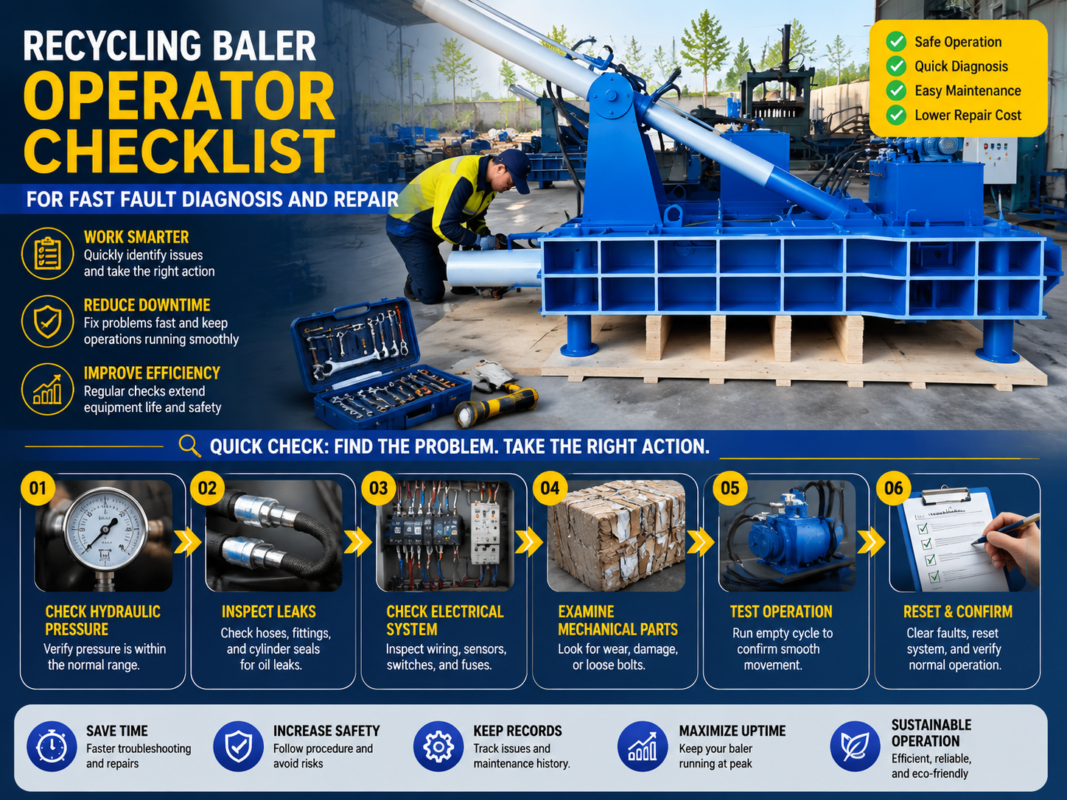
Preventative maintenance is the most effective way to avoid the headache of a stuck bale. By implementing a rigorous daily, weekly, and monthly inspection routine, you can catch minor issues before they escalate into major failures. Below is a recommended checklist for maintaining your recycling baler’s ejection system:
- Daily: Clean the ejector ram tracks and remove any debris from the chamber floor. Check for hydraulic leaks around the ejection cylinder.
- Weekly: Inspect the condition of the ejector chains or cables (if applicable). Lubricate all grease points on the ejection linkage and door hinges.
- Monthly: Check the hydraulic oil level and clarity. Inspect the air breather on the hydraulic tank. Test all limit switches and proximity sensors for proper alignment and function.
- Quarterly: Perform a pressure test on the hydraulic system to ensure the pump and relief valves are operating at factory specifications. Inspect the chamber walls for signs of wear or deformation.
- Annually: Replace hydraulic filters and consider an oil analysis to check for internal component wear. Tighten all electrical connections in the control cabinet.
By adhering to this schedule, you not only reduce the risk of ejection failure but also extend the overall lifespan of the machine. Consistency in maintenance is the hallmark of a professional fabrication or recycling operation.
FAQ
Why does my baler stop halfway through the ejection cycle?
This is usually caused by a mechanical obstruction or a hydraulic pressure drop. Check if the bale has become wedged against a deformed chamber wall or if a piece of debris is blocking the ram’s path. Also, verify that the hydraulic fluid level is sufficient; low oil can cause the pump to lose prime mid-cycle.
Can I use a forklift to pull out a stuck bale?
While tempting, using a forklift to pull a bale out of a machine is extremely dangerous and can damage the baler’s internal structure, doors, or ejection mechanism. It is always better to troubleshoot the machine’s own systems or manually break down the bale if safety allows.
How do I know if my hydraulic seals are failing?
If the ejector ram moves slowly or not at all despite high pump pressure, and you don’t see external leaks, the internal seals are likely bypassing. Another sign is the ejection cylinder getting excessively hot compared to other parts of the system, indicating friction and oil bypassing the piston.
What is the best way to clean the baling chamber?
After locking out the machine, use a long-handled scraper or compressed air to remove small debris. For stubborn buildup, a pressure washer can be used, but be careful to avoid electrical components and ensure the machine is completely dry and re-lubricated before operation.
Conclusion
Learning how to fix a recycling baler that won’t eject finished bales is an essential skill for any facility manager or maintenance technician in the recycling industry. By understanding the technical nuances of hydraulic systems, mechanical alignments, and electronic controls, you can quickly diagnose and resolve issues that would otherwise lead to costly downtime. Remember that safety is paramount; never bypass safety protocols to clear a jam.
Investing in high-quality machinery from HARSLE provides a significant advantage, as these machines are built to withstand the rigors of heavy-duty recycling. However, even the best equipment requires regular care. Through diligent maintenance and proper operator training, you can ensure that your baler remains a reliable part of your production line for years to come. If you encounter persistent issues, always consult with the manufacturer or a certified technician to ensure the structural and functional integrity of your equipment.